
Thailand Quick Guide: Everything You Need to Know

Key Facts
Thailand in Spring: Heat, Budget Travel, and What to Prepare For
Dawn breaks over Bangkok's Chao Phraya River, the air already thick and warming. Longtail boats churn past floating houses. In the markets, vendors arrange mango pyramids and ice blocks to keep herbs fresh as the day heats toward 38–40°C (100–104°F). This is Thailand in April and May—the tail end of dry season, before monsoon rains arrive in June. Spring here is not gentle. Temperatures spike, humidity climbs, and many travelers abandon the country for cooler months. But here is why you should not: prices drop sharply, crowds thin, and the energy shifts entirely. You can move faster, book last-minute, and experience Thailand as workers and locals do—not as a curated tourist loop.
What Spring Travel in Thailand Actually Means
Spring is Thailand's hot season, and that term is literal. From April through May, inland cities like Chiang Mai and Udon Thani regularly exceed 38°C (100°F), with humidity between 50 and 70 percent. Bangkok stays marginally cooler but feels heavier. Northern mountains offer relief—Chiang Mai sits at roughly 310 meters elevation and typically runs 2–3°C cooler than the plains. The southern islands vary: Phuket and Krabi are warm but windy, while the Andaman coast can see scattered rain as early as May.
The practical upside: hotel rates drop 20–40 percent below peak season (November–February), guesthouses offer week-long discounts, and restaurant tables fill with time, not a reservation months ahead. Domestic flights and buses run empty enough that booking a day ahead is often possible. Tourism infrastructure does not shut down, but the atmosphere changes. You will see Thai nationals on holiday, expats living their regular lives, and fewer package tours.
Monsoon rains begin gathering in June, not May, so April and early May still fall within the dry window. Late afternoon showers are rare but possible in May. Humidity rises noticeably in May, making afternoon exertion more punishing than April.
Thailand sits roughly between 5°N and 20°N latitude, making it tropical and humid year-round. Spring is simply the hottest and driest month before monsoon season shifts the weather pattern entirely in June.
Transport, Logistics, and How to Move Through the Country
Thailand's transport network is dense and affordable, but quality varies sharply by route and operator. Buses connect every city; overnight sleeper buses link Bangkok to Chiang Mai (roughly 10–12 hours, 300–450 baht per seat in basic class), Phuket, and the northeast. Nok Air, Thai AirAsia, and Bangkok Airways run domestic flights at 800–2,500 baht one-way for routes under two hours. Train travel is slower—Bangkok to Chiang Mai takes 13–15 hours—but offers an alternative rhythm and lower cost (200–800 baht depending on class).
Within cities, tuk-tuks and songthaews (shared red trucks) cost 20–60 baht for short trips. Bangkok's BTS Skytrain and MRT subway run until midnight and cost 15–50 baht per ride. Grab (ride-hailing app) works in Bangkok, Chiang Mai, and larger towns; flagging a regular taxi is possible but meter enforcement is inconsistent. Renting a scooter (100–250 baht per day) suits travelers comfortable with Southeast Asian road conditions—Thai traffic is chaotic, helmet use is legally required but rarely enforced, and accident rates are high. Driving a car requires an international license and familiarity with left-side driving.
Ferries connect the islands. Phuket to Phi Phi Islands runs several times daily (roughly 1.5–2 hours, 400–700 baht). Services from Krabi and Surat Thani reach Ko Samui and Ko Phangan. Schedules and prices shift seasonally; book ferries no more than a few days ahead in spring, when operators adjust routes based on demand.
Where to Go and What Spring Changes
Thailand divides into five broad regions, each offering different experiences and facing different spring conditions.
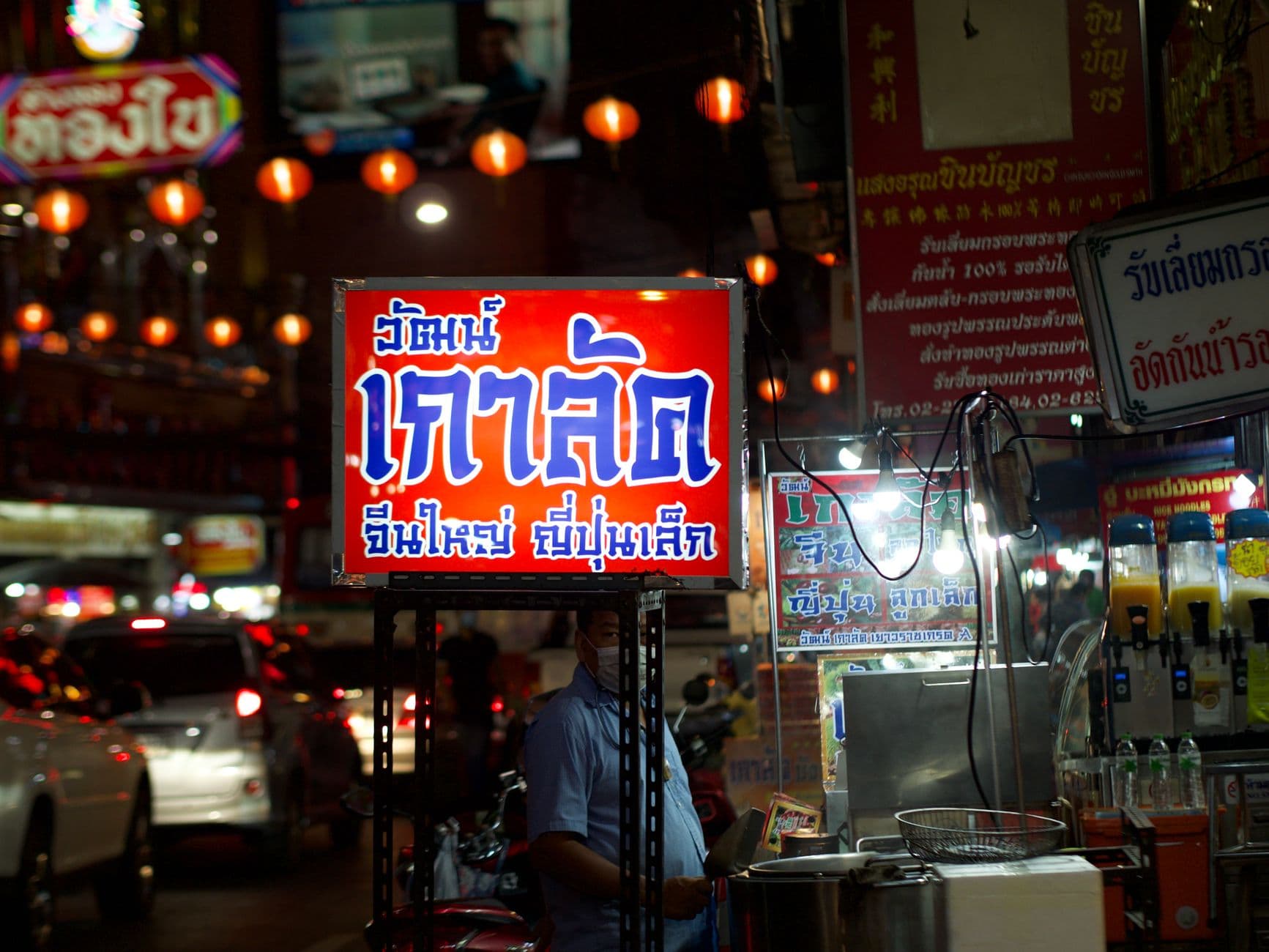
Bangkok, in the central plains, feels most oppressive in May—the air quality degrades from pollution and heat reflection. March and April are the better spring months here. The Grand Palace requires full-length sleeves and pants; enter before 10:00 a.m. or after 15:00 to avoid midday heat. Wat Pho and the floating markets of Damnoen Saduak are manageable early or late in the day. Street food is often better at night, when the heat breaks slightly and vendors reassemble in night markets like Or Tor Kor (8:00 p.m. onward) and Talad Rot Fai in the Chatuchak area.
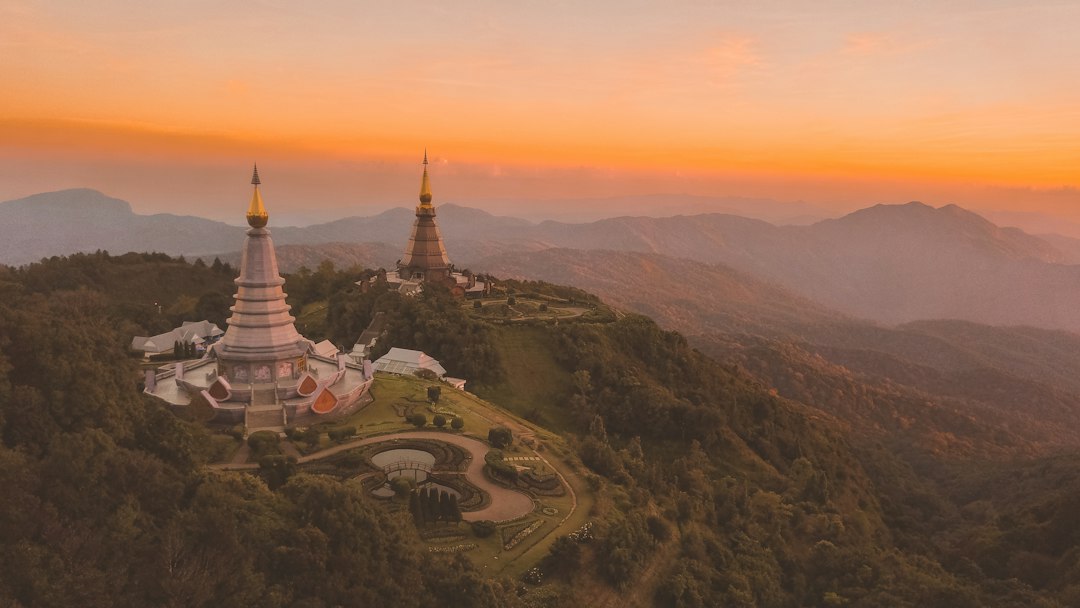
Northern Thailand, centered on Chiang Mai, sits cooler but still warm—typically 32–36°C (90–97°F) in spring. Temples like Wat Chedi Luang are worth visiting early morning (6:00–8:00 a.m.) before heat and crowds accumulate. Doi Suthep, the iconic mountain temple, sits roughly 15 kilometers by road northwest of the Old City and requires a 20-minute drive or songthaew ride (60–100 baht). The hike up is steep and exposed; many visitors take the songthaew up and walk down. Trekking—visiting hill-tribe villages, walking through rice terraces, rafting river stretches—is physically harder in spring heat but still possible; hire a guide through established operators or your accommodation.
The Northeast (Isan) is often overlooked by foreign tourists but offers genuine local food and culture. Khon Kaen and Udon Thani are gateway cities. Spring heat here is intense but the region is less touristy, lodging is cheaper (200–400 baht for basic guesthouses), and food is exceptional. Sticky rice and grilled chicken dominate local menus. The Mekong River runs along the Laos border; riverside towns like Nong Khai offer slower-paced alternatives to the standard circuit.
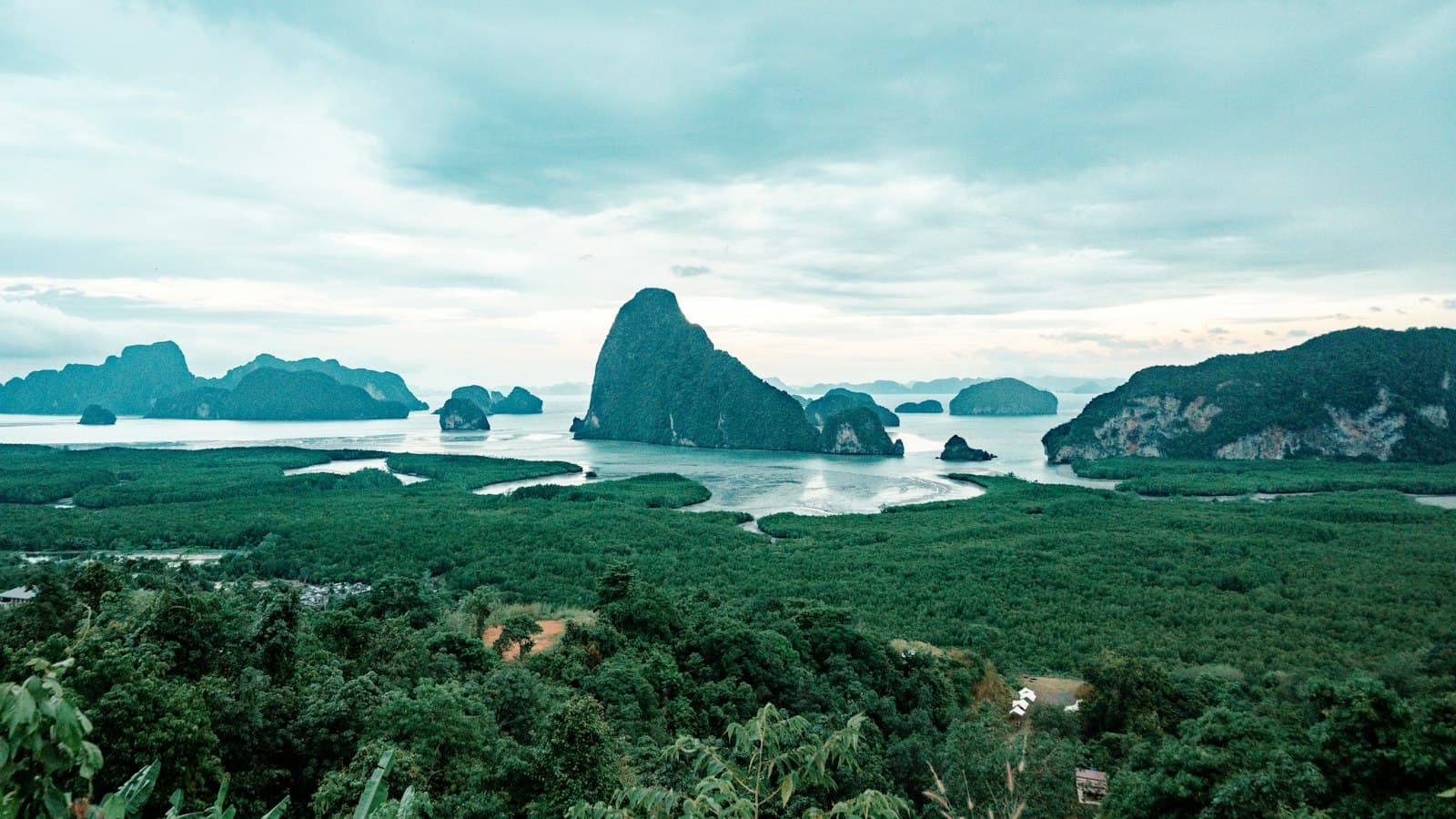
The southern peninsula and islands—Phuket, Krabi, Phang-Nga, and the islands of Koh Samui, Koh Phangan, Koh Tao—remain warm and mostly dry in spring. Phuket's beaches are suitable for swimming, though the water temperature is already warm (around 28–30°C). Rock climbing at Railay Beach (near Krabi) is better in spring than in winter; fewer climbers and guides are available, meaning faster booking and lower rates. Hiking to waterfalls and jungle trails in Khao Yai National Park (roughly 2.5 hours from Bangkok) is strenuous in the heat but manageable with an early start and plenty of water.
Eating in Spring: Markets, Timing, and What to Expect
Thai cuisine is designed for heat, and spring is when to experience it most authentically. Fresh herbs—basil, cilantro, mint—arrive at markets in abundance. Street food vendors work different hours in spring than in winter: many shift to evening operation to avoid midday heat, so breakfast might be earlier (7:00–8:00 a.m.) and lunch lighter. Dinner picks up around 18:00 and runs until 22:00 or later in cities.
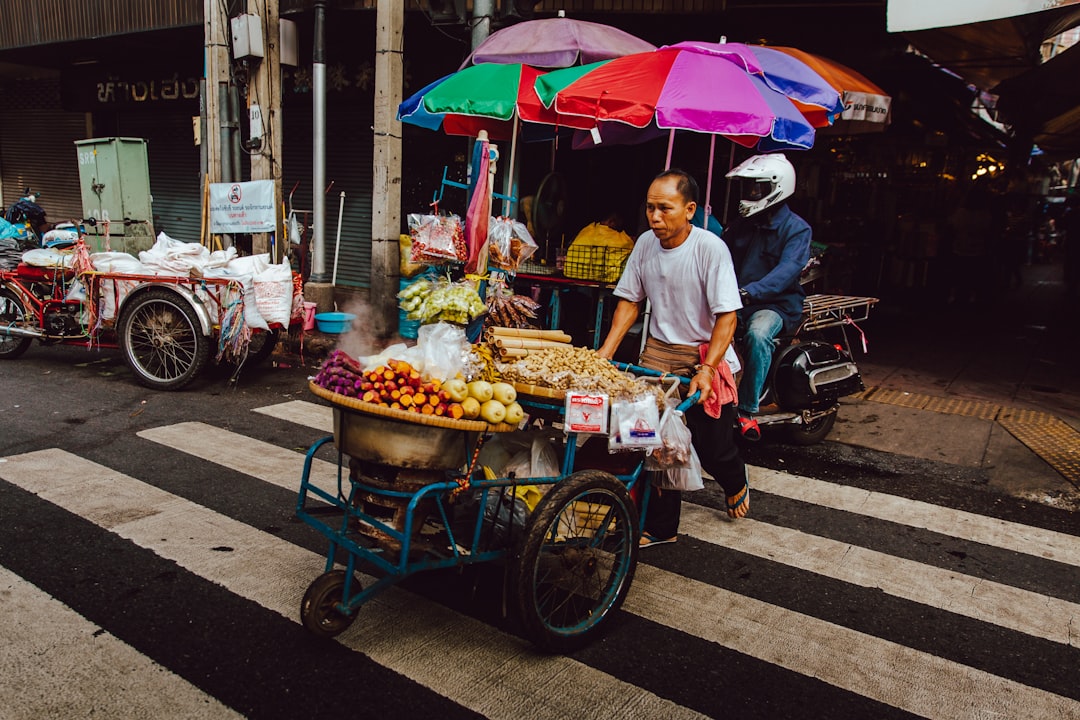
Bangkok's morning markets—Or Tor Kor near Din Daeng BTS station and Chatuchak Weekend Market in northern Bangkok—are best visited by 9:00 a.m. before the heat becomes oppressive. Both offer prepared food stalls alongside fresh produce. Pad Thai, satay, and som tam (green papaya salad) cost 30–60 baht. Rice curry dishes run 40–80 baht. Visit a local market (not a tourist area) to see pricing closer to what Thais pay; exchange with vendors using simple numbers and gestures if your Thai is limited.
Night markets operate in most towns and cities. These are the best venues for sampling regional specialties: northern khao soi (curry noodles), Isan grilled meats and sticky rice, southern Muslim curries and rotee. Prices are lower and variety is higher than sit-down restaurants. Bring cash; many stalls do not accept cards.
Mango season peaks in April and May. Fresh mango, sticky rice with coconut cream, and iced mango smoothies are everywhere and cost 20–40 baht. Watermelon, guava, and passion fruit are cheap and hydrating—crucial in the heat.
Packing and Physical Preparation for the Heat
Spring packing is straightforward but critical. Lightweight, loose cotton clothing (not synthetics) breathes better than anything else—aim for long sleeves and pants that let air through, since sun protection matters more than you expect. A wide-brimmed hat and sunglasses are not optional. Temples and some restaurants require covered shoulders and knees; a lightweight scarf or sarong handles this without adding bulk.
Sunscreen is expensive in Thailand; bring a supply (SPF 50 or higher). Insect repellent with DEET is useful, especially in rural areas and near water—dengue is present but uncommon if you avoid mosquito bites. A lightweight rain jacket handles unexpected showers and doubles as a wind layer on air-conditioned buses.
Water is critical. Carry a refillable bottle; tap water is not safe to drink but filtered or bottled water costs 10–20 baht for a liter. Electrolyte powder packets are lighter to pack than bottles and help with the heat. Wear moisture-wicking socks and comfortable walking shoes with good grip—temple floors are slippery when wet, and uneven pavements are common.
Movement itself changes in spring. Plan fewer activities per day than you might in winter. A morning temple visit or hike, lunch, rest during the 13:00–16:00 peak heat window, then an evening market or meal is a realistic spring day. Hotels and guesthouses expect this rhythm; many do not charge extra for daytime check-in or sitting in the lobby during midday hours.
Heat exhaustion is real in spring. Drink water constantly—more than you think you need. If you feel dizzy, nauseous, or confused, find air conditioning and rest. Dehydration sneaks up in humidity. Altitude changes in northern regions can also affect some visitors; descend if you feel unwell after reaching mountain temples or trekking areas.
Budget and Money
Thailand is inexpensive. A basic guestroom in Chiang Mai runs 250–500 baht per night (roughly $7–15 USD). Bangkok is higher—400–800 baht for a similar room. Midrange hotels offer air conditioning, Wi-Fi, and private bathrooms for 800–1,500 baht. Food is cheap: street meals 30–80 baht, sit-down restaurant meals 100–250 baht, tourist-area restaurants 300–600 baht. Domestic transport is affordable—a bus ticket across the country costs 400–700 baht.
Spring rates are significantly lower than November–February. A hotel charging 1,200 baht in January might be 700–900 baht in May. This discount extends to tours, guides, and activity bookings.
ATMs are ubiquitous in cities and towns; most charge 150–200 baht per withdrawal. Credit cards work in hotels, larger restaurants, and shops but not at markets or small vendors. Bring a mix of cash and cards. The baht exchange rate fluctuates; late 2024 and early 2025 rates hovered around 30–35 baht per USD, but check current rates before you travel.
Quick Tips for Spring Travel
Start mornings early. Temple visits, markets, and outdoor activities are best before 10:00 a.m. The heat becomes serious by 11:00 a.m. and peaks around 14:00–16:00.
Embrace air conditioning. Thai buildings are designed for it. Sit in shopping malls, cafes, or your hotel during midday without guilt. Many travelers waste energy fighting the heat instead of accepting the local rhythm.
Negotiate prices in markets and for tuk-tuks, but do so respectfully. Vendors expect a back-and-forth; if you are unhappy with a price, walk away. Something cheaper will appear. Guided tours and longer engagements are negotiable; daily rates for guides, drivers, or boats often drop if you book for multiple days.
Learn basic Thai numbers and phrases. "Khop khun" (thank you), "mai pet" (not spicy), and counting to ten will change your interactions. Thais appreciate genuine effort; even poor pronunciation is welcome.
Respect temple etiquette. Remove shoes before entering, sit with feet pointed away from Buddha images, and dress modestly (shoulders and knees covered). Photography rules vary by temple; ask before shooting.
Use Grab or Bolt instead of flagging taxis in Bangkok and Chiang Mai. Pricing is transparent and drivers take a fixed route. Metered taxis are cheaper but meter disputes are common.
Book accommodations and transport a few days ahead in spring, not months. This timing lets you respond to weather, change plans, and access lower walk-up rates. Longer-term bookings lock in higher prices in slow season.
When Spring Travel Makes Sense—And When It Does Not
Spring suits travelers who prioritize affordability, authenticity, and flexibility over comfort. If you dislike heat, this is not your season—save Thailand for November through February. If you love crowds and well-trodden paths, peak season is better.
Spring works for: budget travelers, solo explorers willing to adapt, people chasing local experience over tourist amenities, and anyone willing to structure days around heat (early mornings, midday rest, evening activity). It does not work for: families with young children unused to heat, anyone with heat sensitivity, travelers on rigid itineraries, or those seeking pristine beach conditions (water is warm but some islands see occasional rain).
The best spring travelers are disciplined about hydration, flexible with timing, and comfortable doing less per day than they expected. They move slowly, eat well, and let the country's rhythm guide them instead of fighting it.
Spring travel in Thailand rewards travelers who know the nuances—which neighborhoods avoid peak heat, which regional specialties peak in April and May, how to navigate transport in low season, and where to find authentic experiences outside the standard circuit. A Cordelie travel advisor can craft an itinerary that moves you through regions strategically, books last-minute transport and lodging at true local rates, and builds in the right rhythm for heat and energy. Let us help you design a spring Thailand trip that feels discovered, not endured.
Last checked for accuracy: . How we check

Marcus Rivera has spent fifteen years writing about places you have to walk into. He has guided in Patagonia, reported from Kilimanjaro's quieter routes, and has strong opinions about which of them are worth the airfare. He is based in Boulder, mostly so he can leave it.
Related Articles
The 10 Best Hiking Trails in Southeast Asia
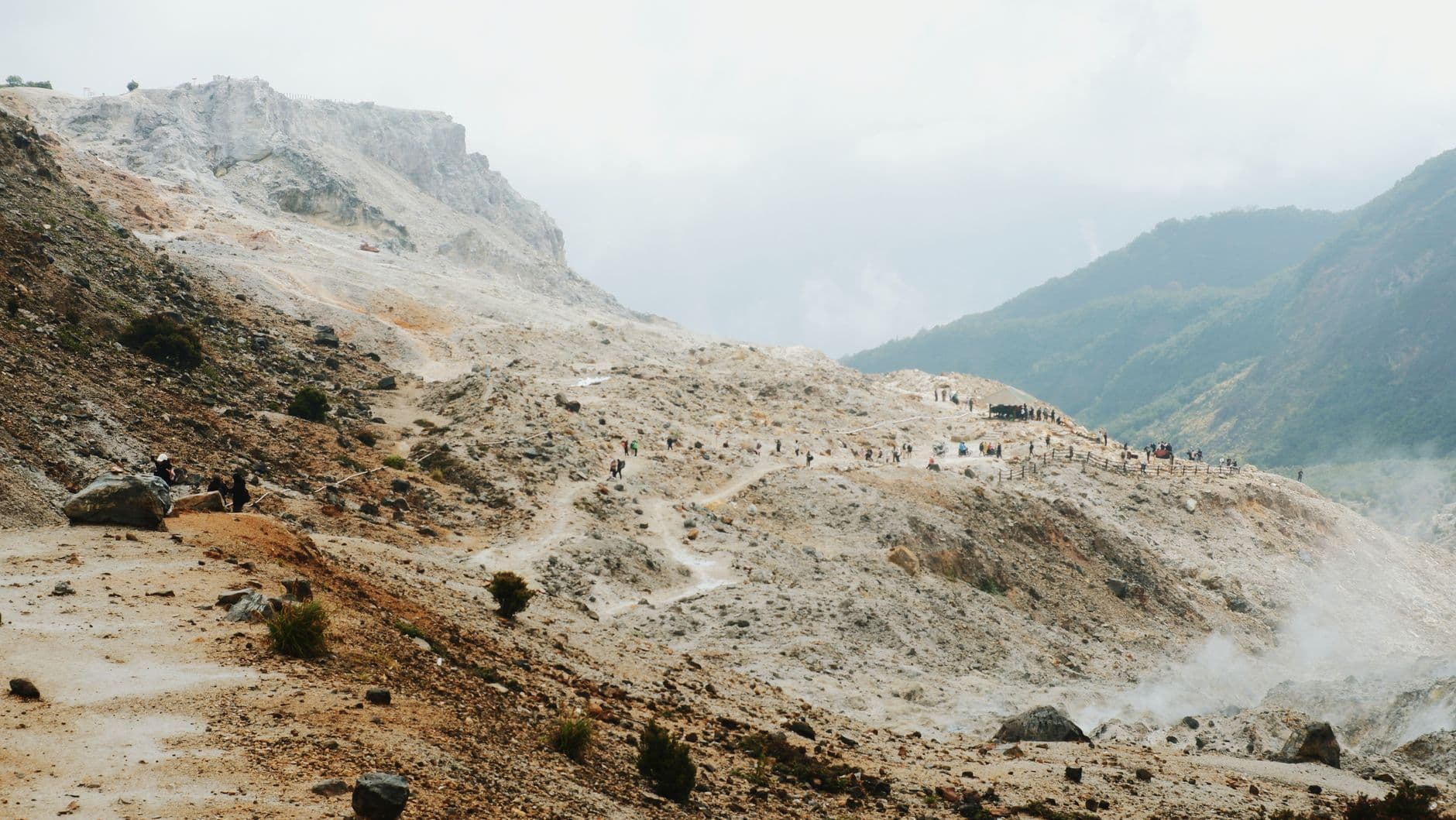
From volcanic peaks in Indonesia to jungle treks in northern Thailand, these are the must-do hikes for adventure travelers in Southeast Asia.
Bangkok Street Food: 15 Dishes You Must Try
From fiery som tum to silky boat noodles, Bangkok's street food scene is the best in the world. Here are the essential dishes and where to find them.