
The Best Things to Do in Siem Reap

Siem Reap's Temples, Tables, and Tonlé Sap: What Actually Belongs on Your List
Siem Reap is not just a launchpad for Angkor Wat, though most guidebooks treat it that way. Yes, the temple complex is the reason nearly everyone books the flight, and it deserves every bit of the hype. But the town itself — a low-slung riverside grid in northwestern Cambodia, about six kilometers south of the temples — has grown into something worth lingering in: chef-driven restaurants, a genuinely moving circus, and a lake community that floats on stilts for half the year.
This list ranks the experiences that reward a spring visit specifically. March through May in Siem Reap runs hot and dry, tipping into the first mango-rain showers by late April, which changes how you should time your days. Sunrise visits stop being a photography cliché and start being a survival strategy.
Rankings weigh three things: whether an experience is genuinely singular to the Angkor region rather than replicable elsewhere in Southeast Asia, how well it holds up against Siem Reap's hot, bright spring conditions, and whether the logistics — entry costs, opening hours, distance from town — are stable enough to plan around.
Spots that depend on cool weather, migratory wildlife, or festival timing outside the March-to-May window were bumped down or left off entirely. Everything here can be done well right now.
Angkor Wat at First Light
The temple that named the city, best seen before 6 a.m.
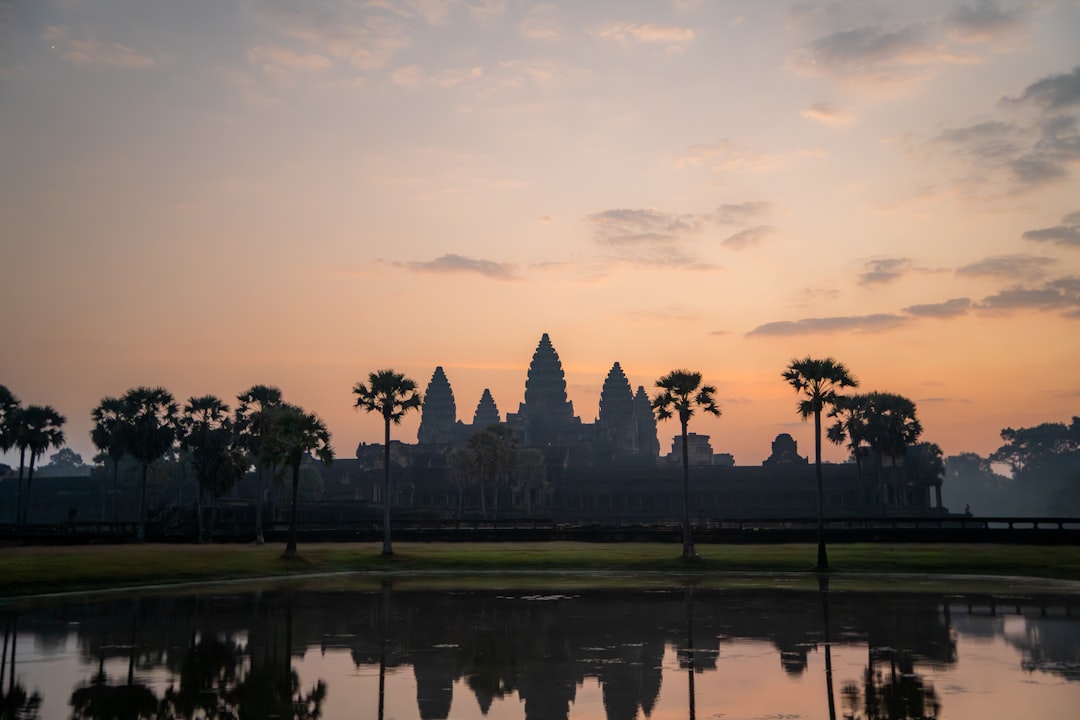
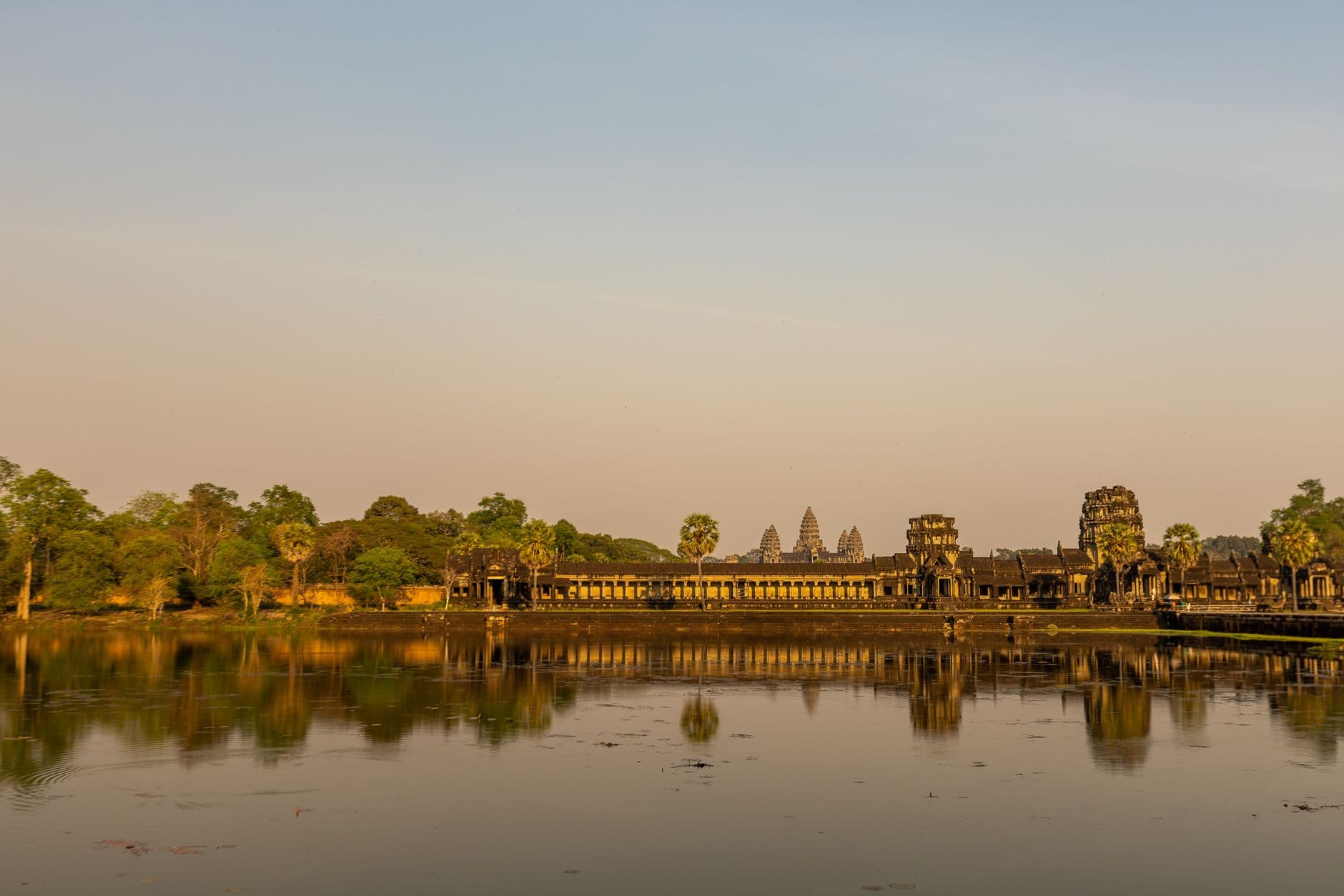
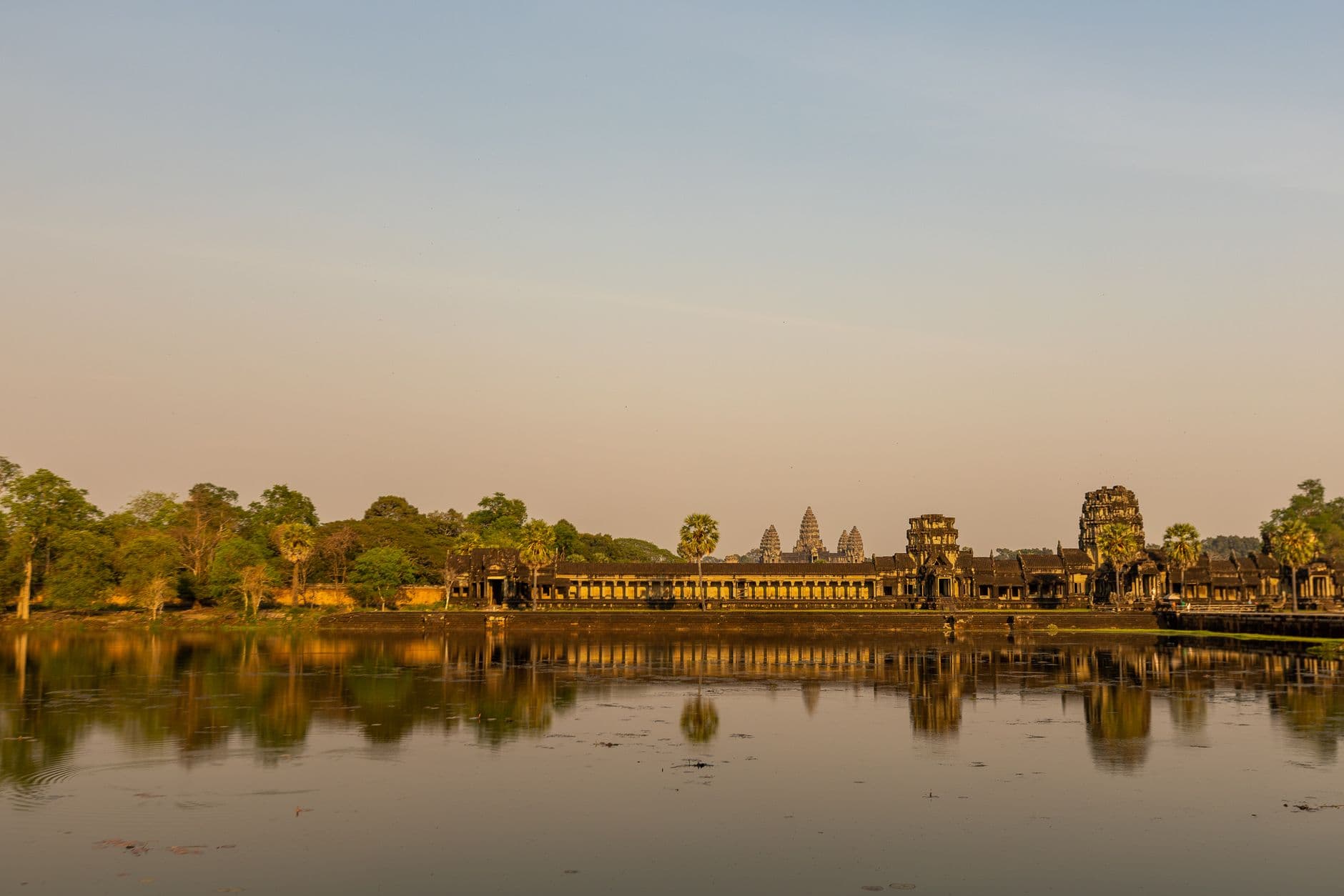
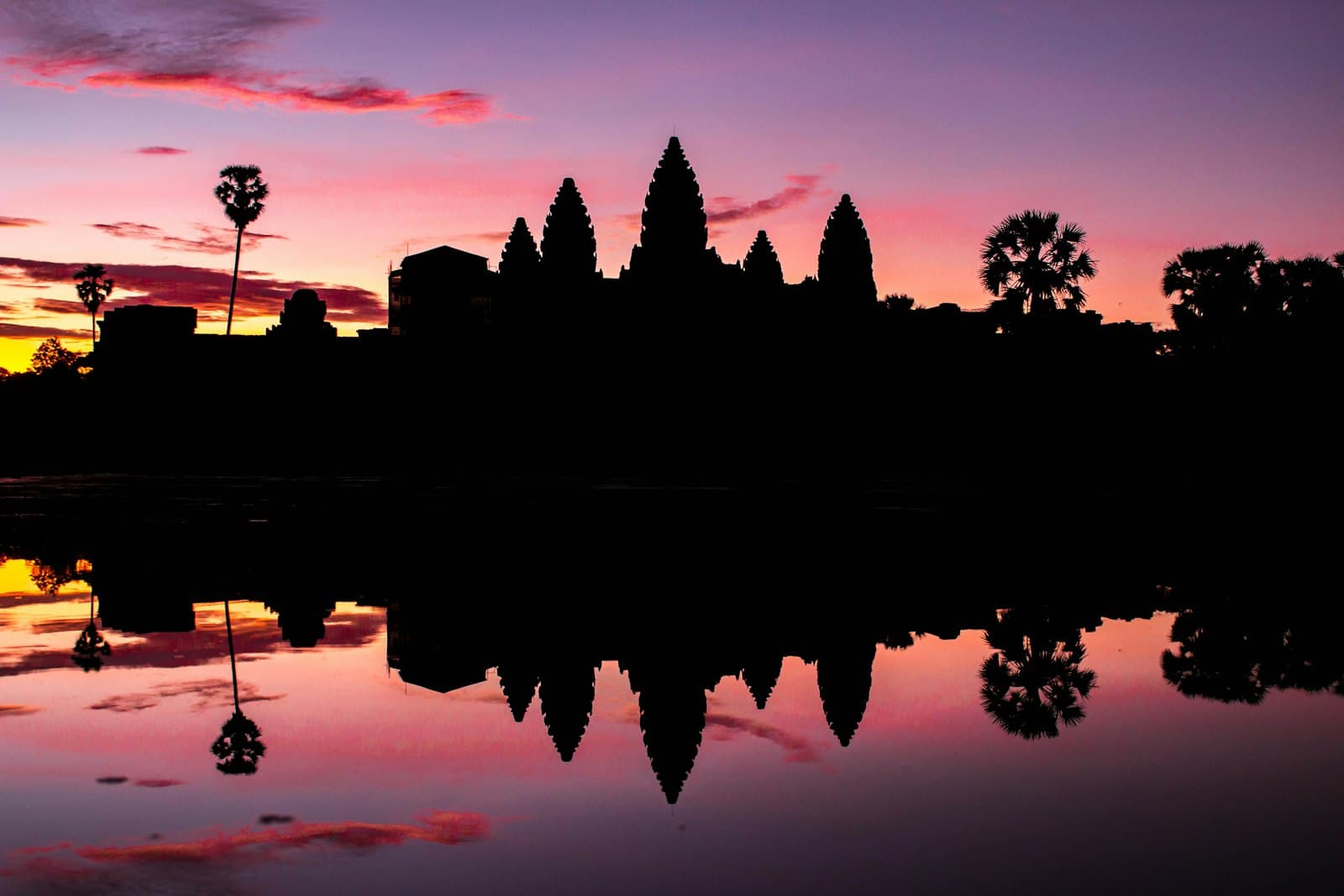
Angkor Wat's gates open around 5:00 a.m., and in spring that matters: by 9:00 a.m. the sandstone causeways are already radiating heat. Walk in through the western entrance in the dark, find a spot near the left-hand reflecting pool, and wait. The five lotus-bud towers catch the first orange light while egrets lift off the moat.
It's a 20 to 30-minute walk from the west gate to the central sanctuary, so budget time to climb the steep interior stairs to Bakan, the uppermost tier, which reopens to visitors after 7:40 a.m. and caps entry at a set number of people at a time.
A one-day Angkor Pass runs roughly US$37, a three-day pass (usable over any ten days) around US$62, and a seven-day pass close to US$72 — prices as of recent seasons, checked at the official ticket counter on the road to the temples, not at your hotel.
The Stone Faces of Bayon
Angkor Thom's central temple, where every tower seems to be watching you
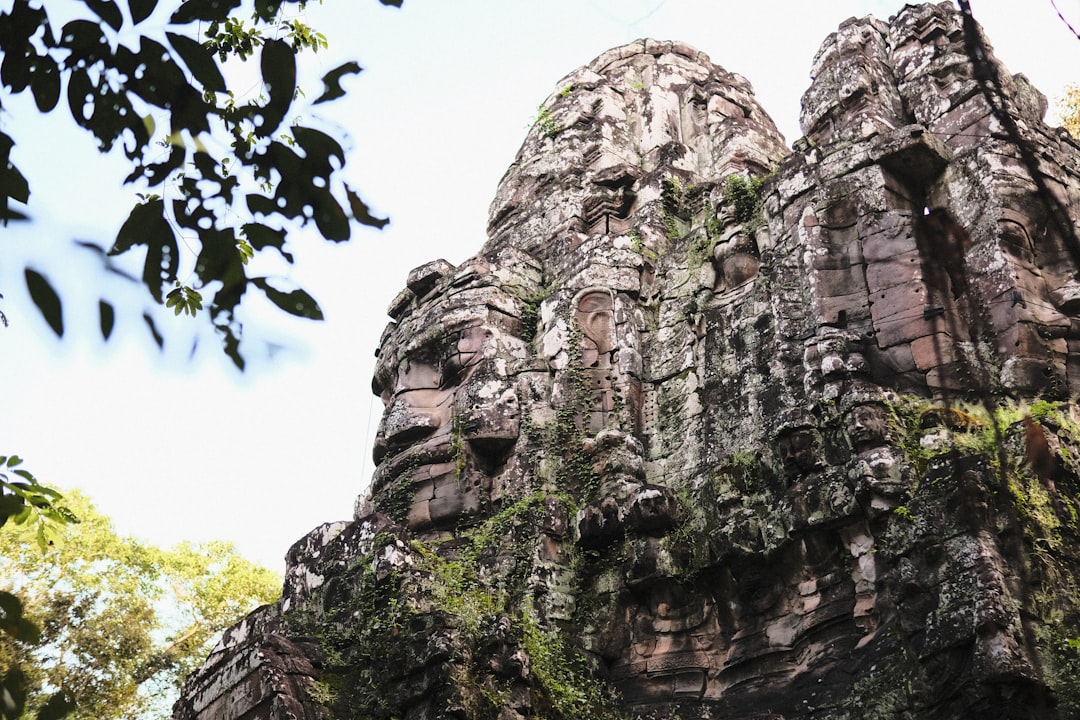
Bayon sits at the heart of Angkor Thom, the walled royal city built by Jayavarman VII around the late 12th century, roughly a 15-minute drive north from Angkor Wat's parking area. Dozens of towers are carved with serene, faintly smiling faces on all four sides — a motif tied to the king's identification with the bodhisattva Avalokiteshvara.
Come mid-morning rather than at opening; the light angles across the faces better around 9:00-10:00 a.m., and the crowds that pile in for sunrise elsewhere haven't caught up yet.
Pair it with the South Gate, where a row of stone giants haul a serpent across a causeway lined with 54 tower-topped faces — a favorite spot for photos before you even reach the temple proper.
Ta Prohm, Where the Jungle Won
Silk-cotton and strangler fig roots swallowing 12th-century stone
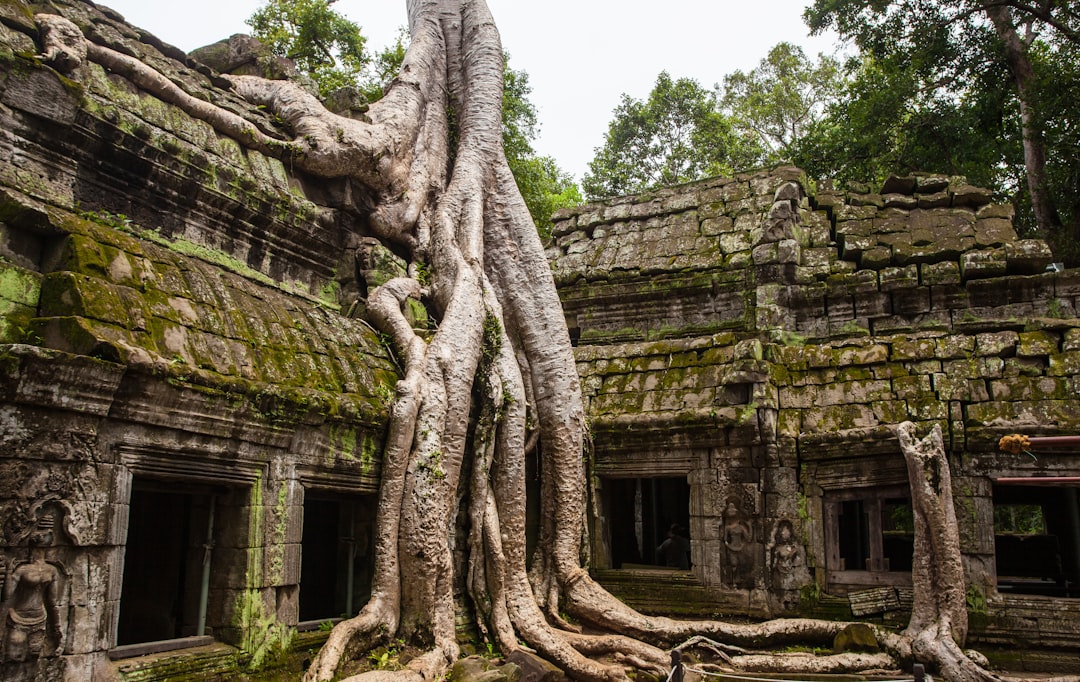
Ta Prohm, about 12 kilometers northeast of Siem Reap town, is the temple conservationists deliberately left half-consumed by forest. Massive silk-cotton and strangler fig roots pour over collapsed galleries like something poured rather than grown.
It became internationally famous after scenes from the 2001 film Tomb Raider were shot here, and the crowds haven't fully forgotten — arrive right after Bayon, around 10:30-11:00 a.m., to beat the tour buses that swing through in the early afternoon.
Wear shoes with grip; the stone floors are uneven and slick where moss has taken hold, especially in shaded corridors.
Banteay Srei's Pink Sandstone Carvings
A small 10th-century temple with the finest stone-carving in the Angkor region
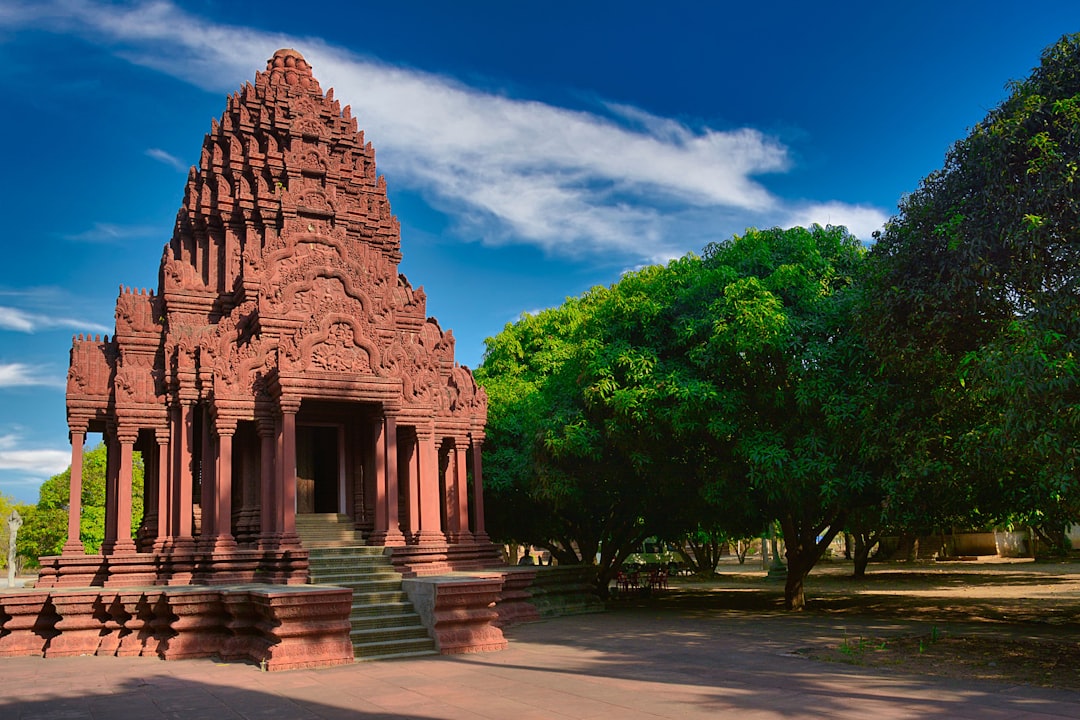
Banteay Srei sits about 25-32 kilometers northeast of Siem Reap, a 45-minute to hour-long drive depending on traffic near the main temple road, which puts it well outside the standard 'small circuit.'
Built in the late 10th century and dedicated to Shiva, it's constructed from a reddish-pink sandstone that carvers could work with extraordinary depth — the lintels and pediments here show some of the most intricate relief carving anywhere in the Angkor complex, small in scale but dense with detail.
Go in the late afternoon, around 3:30-4:30 p.m., when the pink stone genuinely glows and the site empties out ahead of closing.
A Night at Phare, The Cambodian Circus
Contemporary circus theater built from a Battambang arts school, staged nightly in Siem Reap
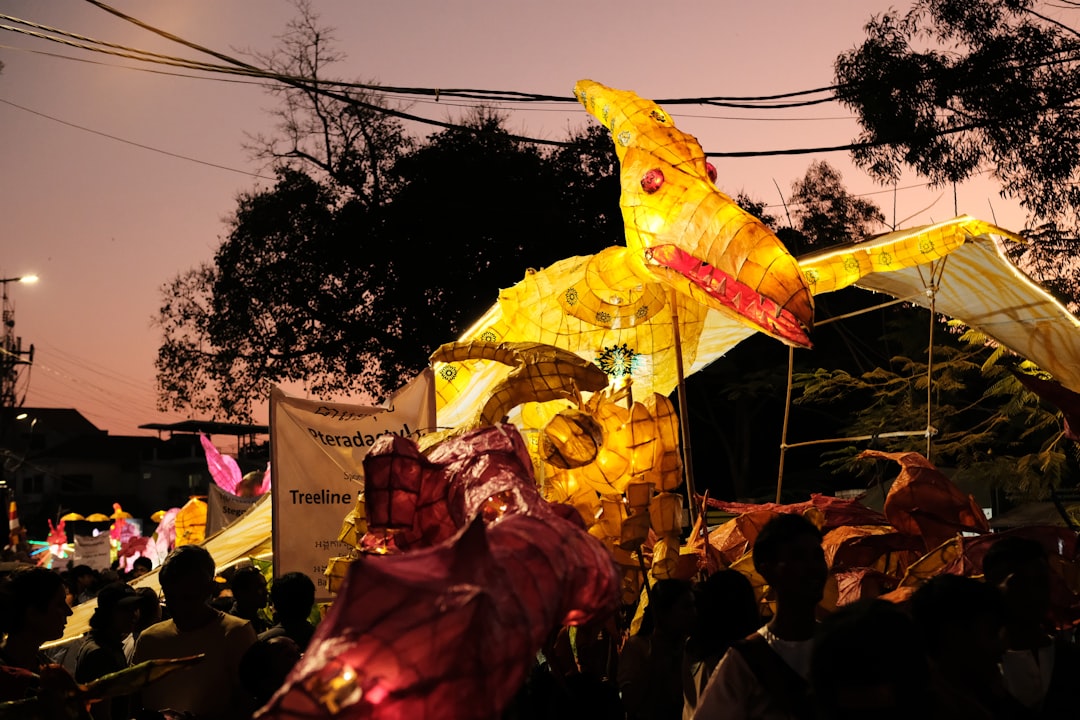
Phare grew out of Phare Ponleu Selpak, an arts school founded in Battambang in the early 1990s to give young Cambodians — many affected by war and poverty — training in circus, music, and visual art. The Siem Reap troupe performs original, narrative shows nightly under a big-top-style tent near the Angkor National Museum roundabout.
Shows typically run about an hour, with doors opening around 7:30-8:00 p.m. and the performance starting shortly after; ticket prices vary by seating tier, generally somewhere between US$18 and US$38 depending on section and whether you add dinner.
This is the best evening plan in Siem Reap that has nothing to do with temples, and it sells out on weekends in high season, so book a day or two ahead through the venue or your hotel desk.
Cordelie travel advisors
Planning Siem Reap? Go with someone who knows
The right suite, the right season, the reservations that never appear online — your Cordelie advisor knows them, and holds them for you.
Plan with a Cordelie advisorFree to ask. Cordelie Travel Services · IATA/ARC 06649064
Stilt Houses of the Tonlé Sap
Kompong Phluk's floating village, about an hour from town
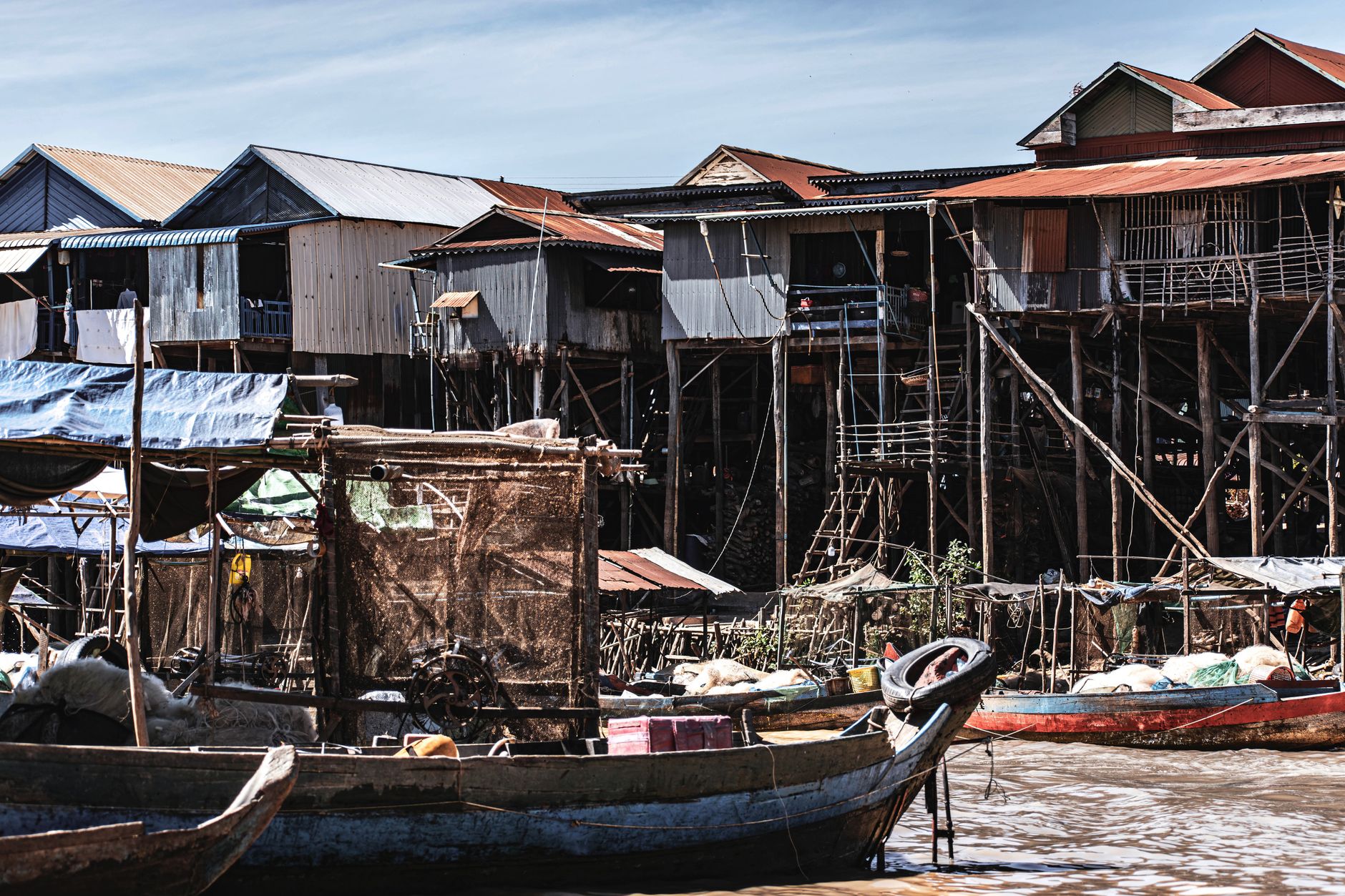
The Tonlé Sap is Southeast Asia's largest freshwater lake, and its water level swings dramatically between dry and wet seasons — which is why entire villages like Kompong Phluk are built on stilts six to eight meters high. In spring's dry months you'll see the houses standing tall over dry or shallow ground; by the height of the wet season, boats dock at the front doors.
Kompong Phluk sits roughly 35 kilometers south of Siem Reap, about an hour by road and boat combined. Hire a boat at the village dock rather than through a tout on the highway — a private boat for two typically runs somewhere in the US$20-25 range for an hour or so on the water.
Go in the late afternoon; the flooded mangrove forest around the village turns gold, and the water traffic of fishing boats heading home is worth the trip on its own.
Phnom Kulen and the River of a Thousand Lingas
A jungle mountain, a waterfall, and centuries-old carvings underwater
Phnom Kulen, about 50 kilometers north of Siem Reap and roughly 90 minutes by road, is considered the birthplace of the Khmer Empire — it's where Jayavarman II declared independence from Java in the early 9th century, a founding moment of Angkorian civilization. Today it's a forested plateau with a waterfall for cooling off and a separate hiking trail to Kbal Spean.
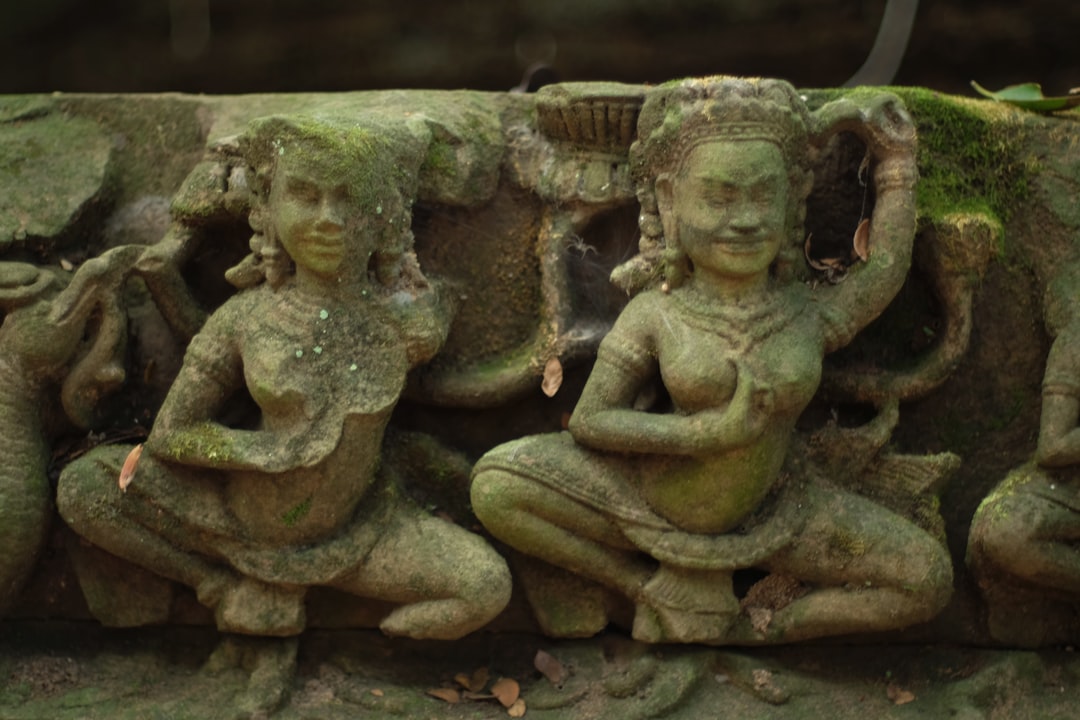
Kbal Spean, sometimes called the River of a Thousand Lingas, requires a roughly 1.5-kilometer uphill walk through forest to reach a riverbed carved with hundreds of small linga and depictions of Hindu deities directly into the sandstone under running water.
In spring, go early — the trail has almost no shade and the waterfall crowds thicken by midday. A separate permit beyond the standard Angkor Pass is typically required for the Phnom Kulen area; arrange it through your driver or guide before setting out.
Old Market by Day, Kroeung Curry by Night
Psar Chas, Pub Street's food stalls, and the restaurants that make it worth staying an extra evening
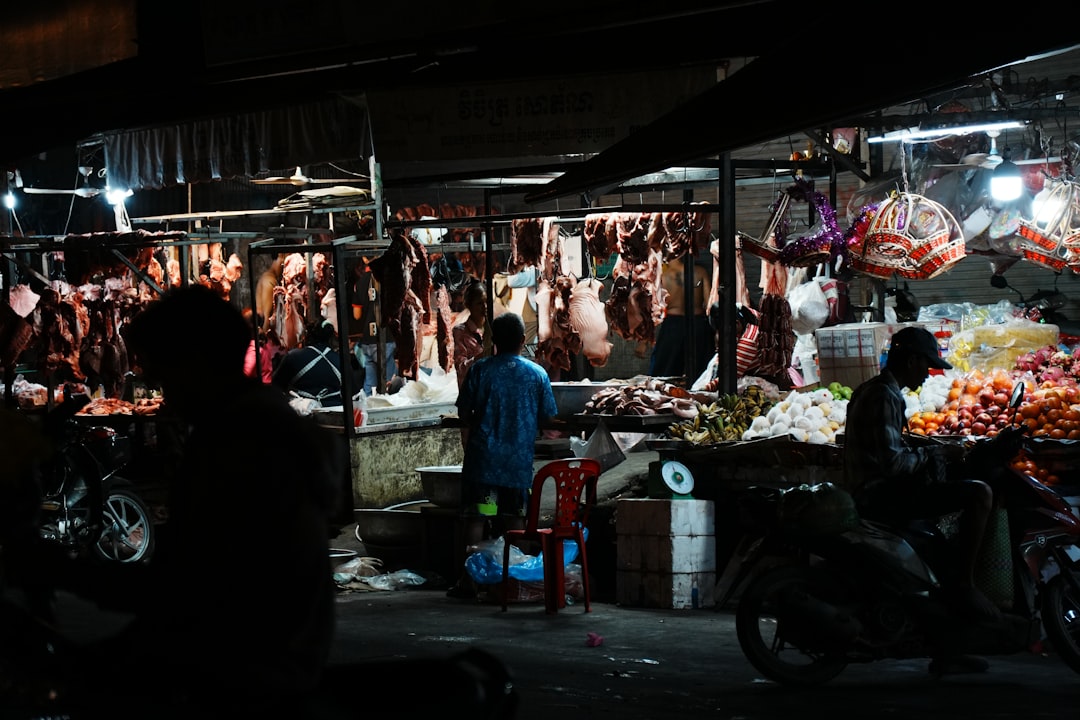
Psar Chas, the Old Market near the river, is where you'll find silk scarves, spices, and stalls of dried fish alongside tourist T-shirts — go before 9:00 a.m. for the least chaotic browsing, or after dark when it turns into a night market with skewered meats and fresh coconuts.
For a proper meal, Cuisine Wat Damnak, chef Joannès Rivière's tasting-menu restaurant a short tuk-tuk ride from the center, reworks Cambodian ingredients with real technique and changes its menu regularly. Marum, run by the same NGO group behind Phare, trains at-risk youth in its kitchen and serves excellent amok and red tree ant beef stir-fry at gentler prices.
If you want to take something home besides souvenirs, book a half-day cooking class at Le Tigre de Papier on Pub Street — most classes start with a market walk around 8:30-9:00 a.m. and run three to four hours, ending with the meal you cooked.
The Runners-Up: Worth Your Time If Angkor's Big Names Aren't Enough
The Angkor National Museum, on Charles de Gaulle Boulevard near the Angkor National Museum roundabout, is worth an hour before or after your temple days — it holds a hall of over a thousand Buddha statues and gives useful context you won't get from a guide rushing you through Bayon. Entry runs roughly US$12.
The Cambodia Landmine Museum, on the road toward Banteay Srei, was founded by former child soldier and deminer Aki Ra and funds ongoing clearance work; it's a sober, well-run stop that adds weight to a region too often photographed only for its beauty. Preah Khan, inside the Angkor complex proper, gets a fraction of Ta Prohm's crowds despite similarly dramatic tree-root ruins — a smart substitute if you've already done the big three and want more jungle-temple atmosphere without the tour buses.
The temples don't care about your calendar, but they do reward whoever gets the timing right — the private sunrise slot at Angkor Wat before the crowds, the Bakan climb without a wait, the Phnom Kulen permit sorted before you leave the hotel.
A Cordelie advisor builds a Siem Reap itinerary around exactly that kind of access: a private guide who reads the light and the calendar, a driver who knows which back road avoids the tour-bus convoy, and evenings — Phare, Cuisine Wat Damnak, a quiet Tonlé Sap sunset — chosen to match how you actually like to travel.
Reach out at https://cordelie.com/contact to start planning a Siem Reap trip shaped around what you want to see, not the version everyone else sees.
Top Pick: Angkor Wat at Sunrise
No other experience in Siem Reap combines scale, history, and pure sensory payoff the way a pre-dawn arrival at Angkor Wat does.
Everything else on this list is genuinely excellent, but Angkor Wat's sunrise earns the top spot because it delivers on every axis at once: it's the largest religious monument of its kind still standing from the Khmer Empire, it's logistically simple to arrange with an Angkor Pass and an early alarm, and it looks the way the postcards promise — which almost nothing else does.
Go once for the view over the reflecting pool, then go a second time later in your trip, mid-morning, when the crowds thin and you can actually study the bas-relief galleries lining the outer walls without jostling for space.
Last checked for accuracy: . How we check

Sarah Chen has covered Asia for twelve years, first as a wire reporter in Jakarta and now from Singapore, where she keeps a standing list of the region's most misunderstood destinations. She writes about the distance between what a place is famous for and what it is actually like to spend a week in — and is happiest on an overnight train with a bad seat and a good view.
Related Articles
My Spring in Siem Reap: A Travel Story
A first-person account of five days in Siem Reap during the hot, dry heart of spring — sunrise temple runs, a shrinking Tonlé Sap, and a schedule built entirely around the heat.
Essential Tips for Traveling to Siem Reap
Beat the Angkor heat and skip the rookie mistakes: real prices, airport logistics and temple etiquette for a smoother Siem Reap trip this spring.

Siem Reap Quick Guide: Everything You Need to Know
Siem Reap is more than a temple pit stop. This spring travel guide reveals the city's evolving culture, cuisine, and riverside charm—and how to navigate intense heat with strategy.