

Essential Tips for Traveling to Siem Reap

Why Siem Reap's Dry-Season Heat Catches First-Time Visitors Off Guard
Most people plan a Siem Reap trip around Angkor Wat's silhouette and forget to plan around the sun. Between February and May, the province slides into its hot dry season, and travelers who arrive with a normal city-break itinerary — leisurely breakfast, temples by ten, lunch, more temples — end up wilting somewhere between Angkor Thom's South Gate and the Bayon's stone faces.
The consequence isn't just discomfort. Rushed, overheated visits mean people skip the parts of Angkor Archaeological Park that reward patience: the quiet second enclosure at Banteay Kdei, the carved lintels at Banteay Srei, the hour when Ta Prohm's light turns gold instead of white. Getting the practical details right — ticketing, timing, transport, money — is what turns a checklist visit into the trip people actually came for.
By April, the hottest stretch of the year, midday temperatures across Angkor Archaeological Park regularly climb into the mid-to-high 30s Celsius, and the sandstone causeways at Angkor Wat and Angkor Thom hold that heat long after the sun drops. Anyone touring on foot between 11:00 and 15:00 in spring is fighting the climate, not the crowds.
Nine Practical Moves for a Smoother Siem Reap Trip
1. Buy Your Angkor Pass the Right Way
Skip any tuk-tuk driver or hotel desk offering to 'sort out your ticket' for a markup. The only legitimate source is Angkor Enterprise, the state body that manages admission, either at its main checkpoint on the road toward Angkor Wat or through its official online portal. As of early 2025, a one-day pass runs about USD 35-40, a three-day pass (usable over ten days) around USD 60-65, and a seven-day pass roughly USD 70-75. Children under 12 enter Angkor Archaeological Park free with a passport as proof of age, and a photo is required for the named adult Angkor Pass if you haven't uploaded one online.
2. Build Your Day Around the Heat, Not the Clock
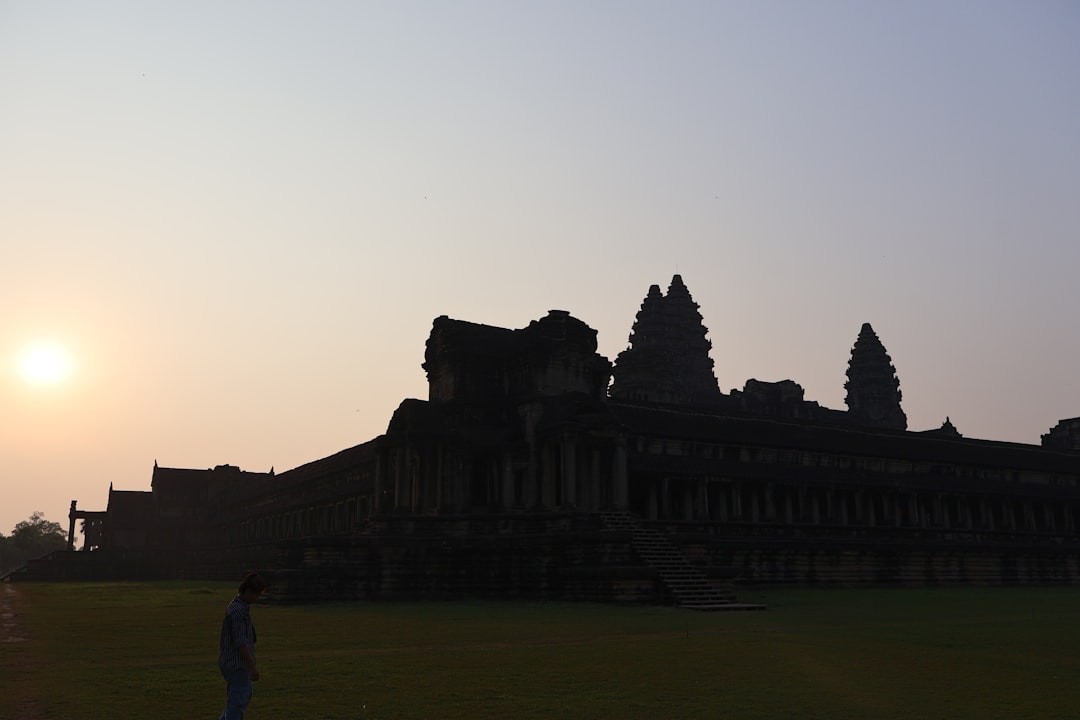
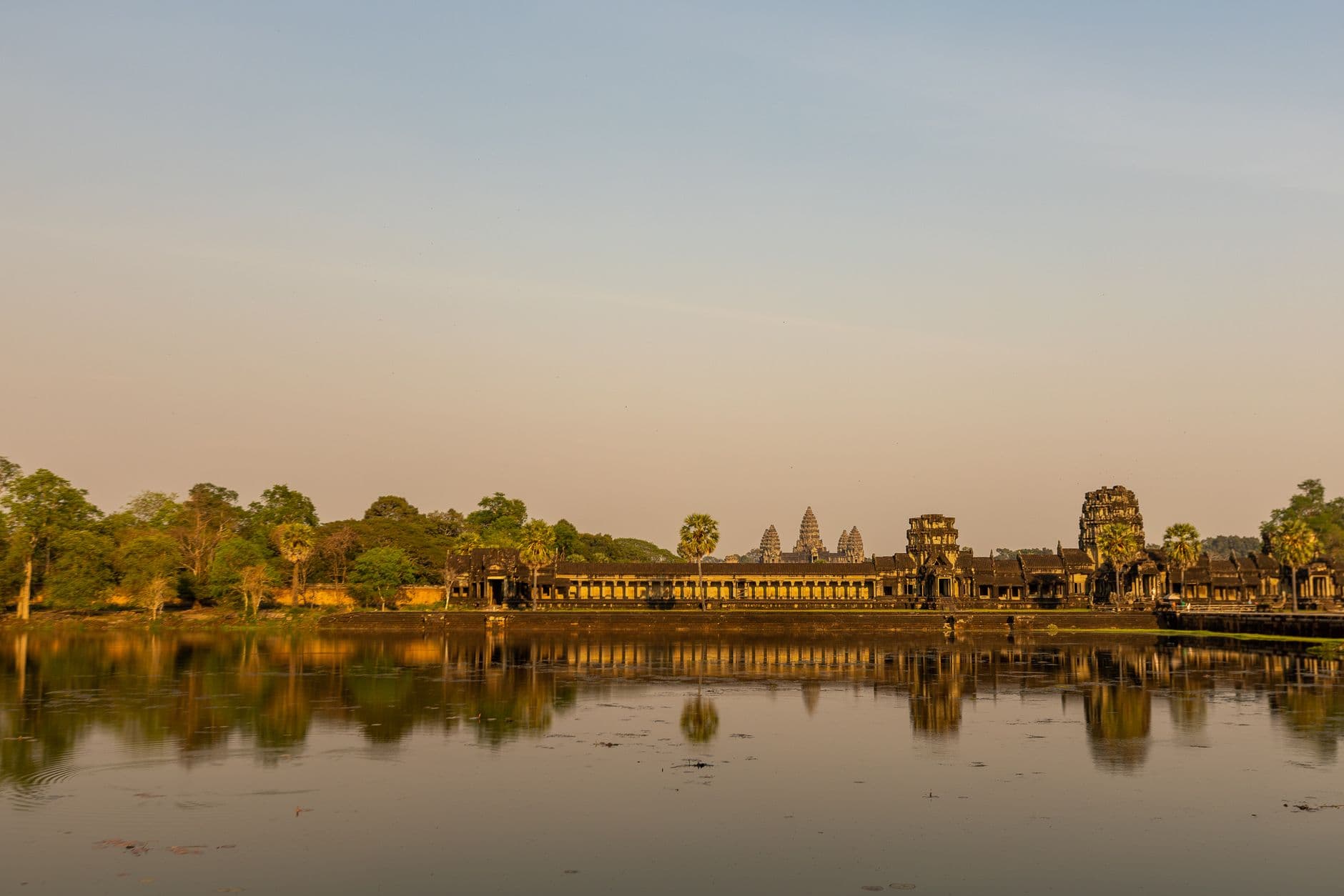
Angkor Wat's gates open around 5:00, which is early enough to catch sunrise from the reflecting pools but not so early it wrecks the rest of your day. Do the big-name loop — Angkor Wat, then Angkor Thom and the Bayon — before 10:30, retreat to your hotel pool or Pub Street's air-conditioned cafés through the worst of the heat, then head back out around 15:00 for Ta Prohm or Banteay Kdei, when the light is softer and the tour buses have thinned. For a longer view of how to sequence a multi-day visit, our Siem Reap Quick Guide lays out a fuller framework.
3. Dress for the Temples, Not the Pool
Shoulders and knees need covering to enter the main sanctuary towers at Angkor Wat and to climb Phnom Bakheng, and staff do turn people away at the top of the stairs. Pack a light long-sleeve layer or sarong rather than relying on finding one on-site. The climb up Angkor Wat's central tower is genuinely steep, closer to a ladder than a staircase in places, so closed shoes with grip serve you better there than flip-flops.
4. Know Which Airport You're Actually Flying Into
Siem Reap Angkor International Airport, which opened near Sotr Nikum in 2023, sits about 40-50 kilometers from town, a drive of roughly 45-60 minutes depending on traffic near the Charles de Gaulle roundabout. It replaced the old airport that sat barely 7 kilometers from Pub Street, so budget more transfer time than older guidebooks suggest. If you're flying in from Phnom Penh, it's a short domestic hop of about 40 minutes; from anywhere outside Cambodia, expect an international arrival with the usual visa checks. Arrange your transfer before landing — the taxi counter queue can run long, and the ride into town costs roughly USD 15-25.
5. Carry Small Bills in Both Dollars and Riel
US dollars work everywhere in Siem Reap, but change under a dollar comes back in Cambodian riel, so a wallet stuffed only with USD 20 notes gets awkward fast at market stalls and temple bathrooms that ask for a small donation. ATMs dispense dollars; keep a stash of USD 1s and 5s plus a little riel for tuk-tuk tips and bottled water along the temple circuits, where a cold drink runs about USD 1-1.50.
6. Choose Your Wheels: Tuk-Tuk, Remork or Private Car
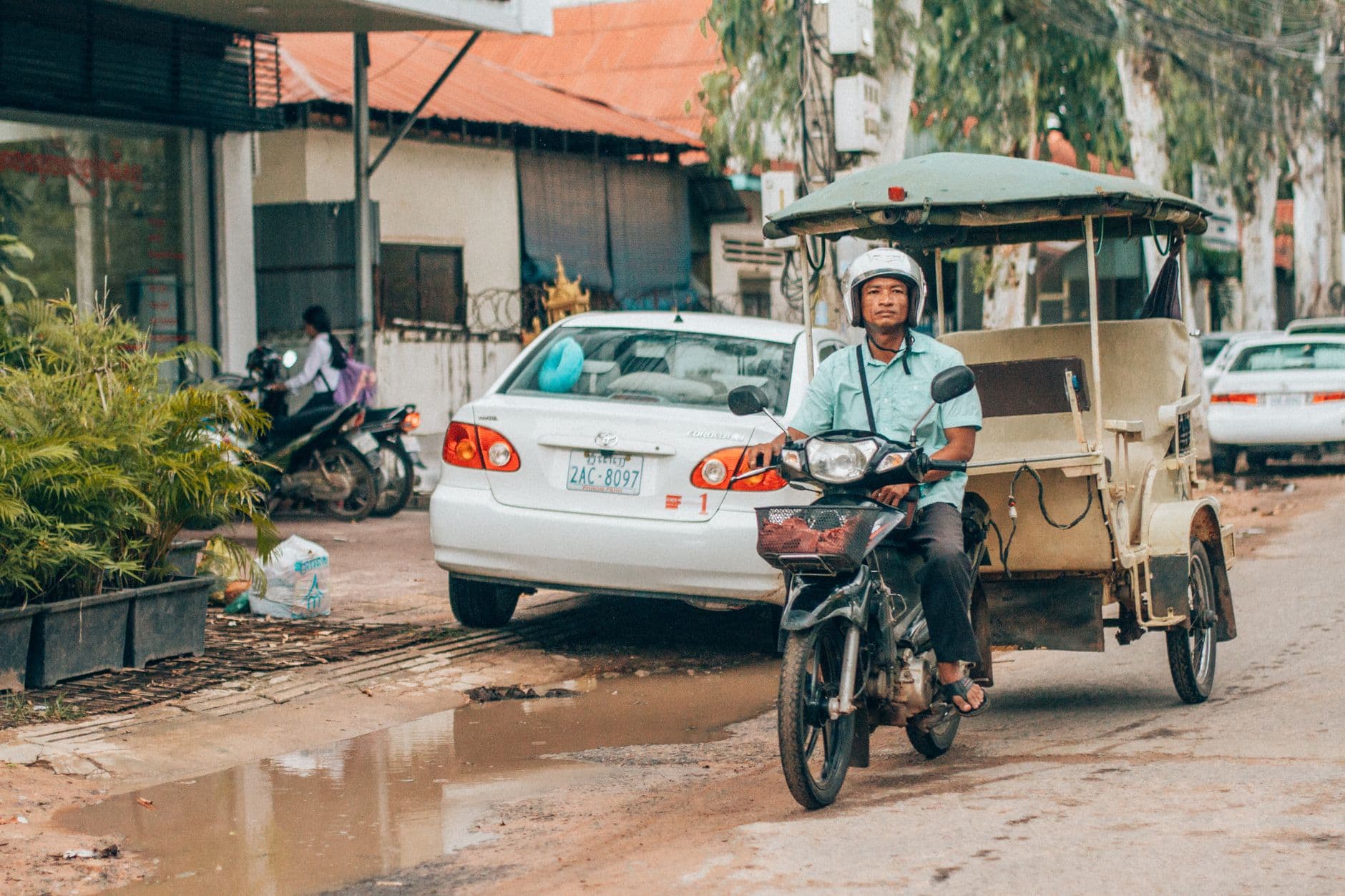
A remork, the open-sided tuk-tuk trailer that's the default here, covers the small circuit (Angkor Wat, Angkor Thom, Bayon, Ta Prohm) for about USD 15-20 a day and the grand circuit for USD 20-25. An air-conditioned private car with driver costs more, roughly USD 35-45 a day, and is worth it once the afternoon heat sets in or if you're traveling with young children. Book through your hotel or directly with a driver the night before — good ones fill up fast in high season.
7. Reserve Dinner Before You Land in High Season
Between November and March, tables at Malis Siem Reap and the tasting-menu counter at Cuisine Wat Damnak fill by early evening, so book a day or two ahead rather than walking in at 19:00. Marum, run through the Friends-International training network, is worth seeking out too: mains run about USD 8-15, and the kitchen doubles as vocational training for at-risk young Cambodians. Check current opening days before you go, since smaller kitchens here often close one or two nights a week.
Cordelie travel advisors
Planning Siem Reap? Go with someone who knows
The right suite, the right season, the reservations that never appear online — your Cordelie advisor knows them, and holds them for you.
Plan with a Cordelie advisorFree to ask. Cordelie Travel Services · IATA/ARC 06649064
The Missteps That Undercut a Well-Planned Angkor Visit
Even travelers who read up beforehand tend to trip on the same handful of details. None of these ruin a trip outright, but each one quietly costs time, money, or goodwill with the sites and the people who look after them.
Siem Reap: What to Do and What to Skip
Pros
- ✓Buy your Angkor Pass directly from Angkor Enterprise, online or at the official checkpoint, and keep the printed or digital ticket on you at every gate.
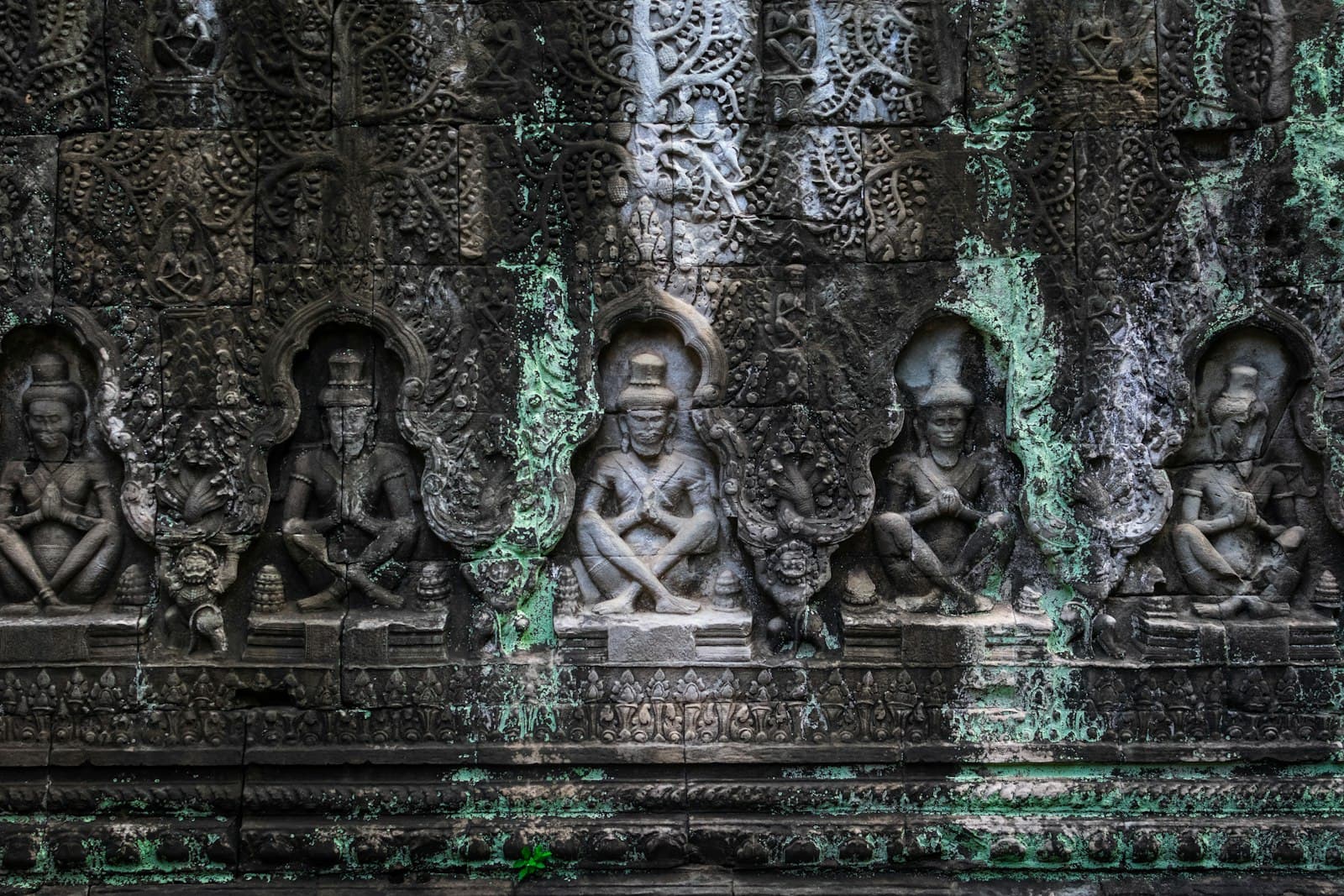
- ✓Hire a licensed guide, even for one day — the carvings at the Bayon and Ta Prohm read differently once someone explains what you're looking at.
- ✓Carry electrolyte sachets or coconut water, sold at nearly every temple stall for about USD 1-2, and drink more than feels necessary.
- ✓Book restaurants like Malis Siem Reap or Cuisine Wat Damnak a day ahead during the November-to-March high season.
- ✓Cover shoulders and knees before you reach the ticket check at Angkor Wat's upper terrace, not after you've already climbed the stairs.
Cons
- ✗Don't buy your temple pass from a tuk-tuk driver or hotel front desk — the markup is real and the ticket is sometimes invalid.
- ✗Don't climb onto roped-off sections of the Bayon or Ta Prohm; the sandstone is centuries old and erodes with every unauthorized foothold.
- ✗Don't fly a drone over Angkor without a permit — APSARA, the site's managing authority, restricts and often confiscates unregistered drones.
- ✗Don't schedule the grand circuit and the small circuit on the same midday stretch; it's more heat than most people, or children, can absorb in one go.
- ✗Don't assume every restaurant takes cards — smaller kitchens near Psar Chas (the Old Market) still prefer cash.
What Changes When You Time Angkor Like a Local
Most travelers see Angkor Wat's sunrise from the crowded reflecting pool on the west side, which is beautiful but shoulder-to-shoulder by 5:30. Locals and drivers who know the park well tend to send guests toward Sras Srang, an eighth-century royal bathing pool east of Ta Prohm, for a quieter sunrise with the same golden light and a fraction of the tripods. Pairing that with a later, unhurried visit to Banteay Srei — the pink sandstone temple about 40 minutes from town, famous for the finest carving in the whole park — makes for a day that feels considered rather than raced. Our roundup of the best things to do in Siem Reap goes deeper on sequencing days like this.
A Cordelie advisor can build your Siem Reap days around private early access to the Bayon before the gates open to general ticket-holders, a specialist guide for the carvings at Banteay Srei, and a room at Raffles Grand Hotel d'Angkor or Shinta Mani Angkor that puts you five minutes from breakfast and ten from the park entrance. It's the difference between visiting Angkor and being given Angkor on your own terms.
Your Siem Reap Departure Checklist
Print this or save it offline — mobile signal inside the temple grounds is patchy in places. Families balancing nap schedules and shorter attention spans will want to weight the early-morning and late-afternoon windows even more heavily; our guide to traveling to Siem Reap with kids has specific pacing tips.
Before-You-Go Checklist
Last checked for accuracy: . How we check

Emma Blackwood has reviewed hotels for eighteen years and can tell within an hour of arrival whether a property means it. She writes about the difference between expensive and excellent, which is not the same thing, and about the handful of places that are both.
Related Articles
My Spring in Siem Reap: A Travel Story
A first-person account of five days in Siem Reap during the hot, dry heart of spring — sunrise temple runs, a shrinking Tonlé Sap, and a schedule built entirely around the heat.

Siem Reap Quick Guide: Everything You Need to Know
Siem Reap is more than a temple pit stop. This spring travel guide reveals the city's evolving culture, cuisine, and riverside charm—and how to navigate intense heat with strategy.
Why Siem Reap Belongs on Every Family's Southeast Asia Itinerary
Siem Reap works with kids if you pace it right. Here's the ranked, practical rundown of temples, boat trips, and hotels that actually fit a family's rhythm.