
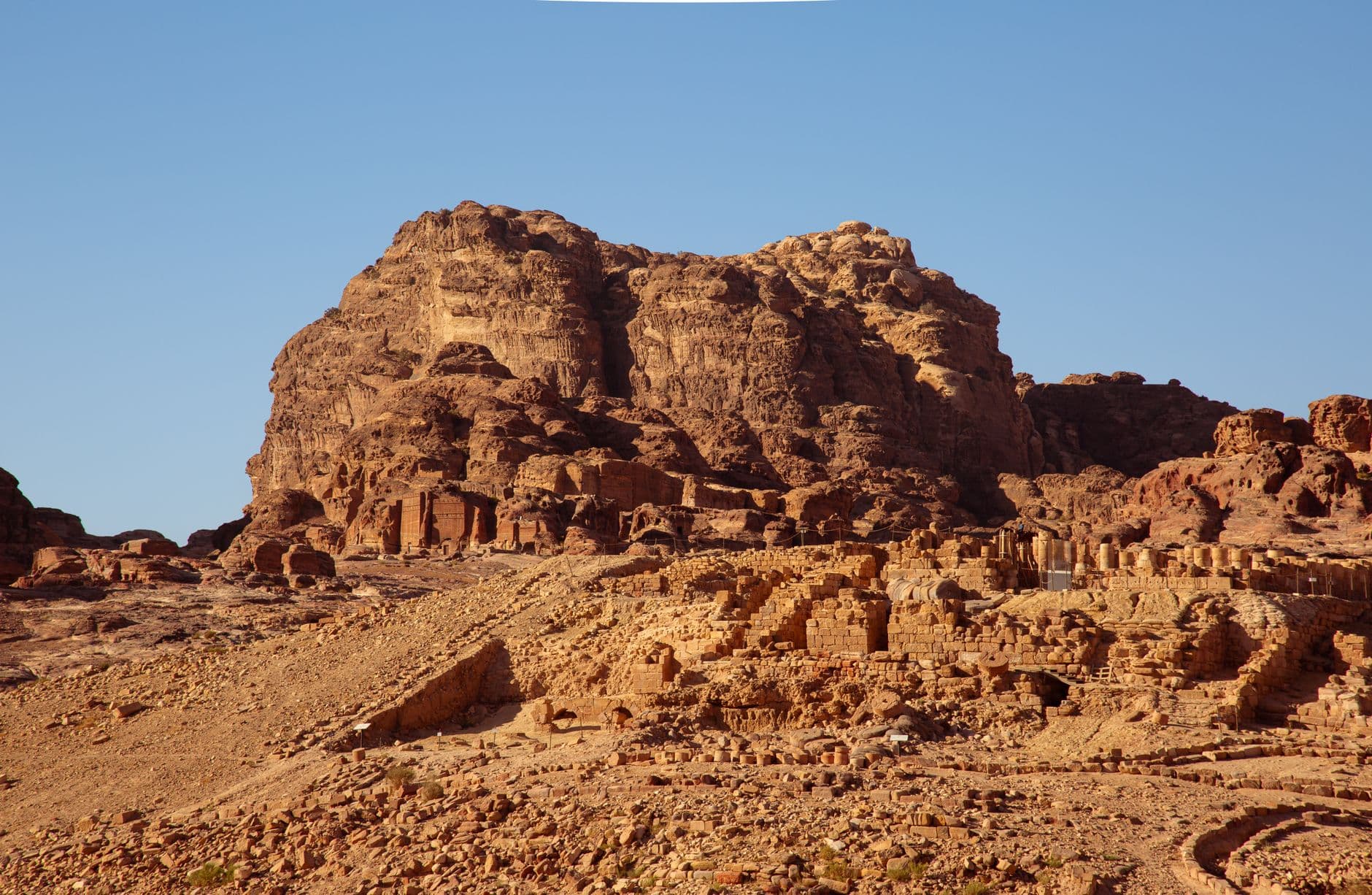
The Best Things to Do in the Middle East

Winter in the Desert: Ranking the Middle East's Essential Experiences
Most of the Middle East spends June through September under a heat that empties streets by 11am. Winter flips that entirely. From December through March, daytime temperatures across Jordan, the UAE, Oman and Saudi Arabia settle into a comfortable 15-25°C, desert nights turn crisp enough for a jacket, and the region's outdoor icons — canyon hikes, souks, rooftop views — become genuinely pleasant rather than punishing.
This list ranks seven experiences that reward a winter visit specifically, spanning four countries and roughly 3,000 kilometres of desert, coastline and old city. Each entry includes the practical detail you need to actually plan around it: what it costs this season, how long it takes, and when to show up.
We weighed four things for every entry: whether it delivers a single unforgettable moment rather than a checklist item, how well it suits winter conditions specifically, how accessible it is with a normal amount of planning, and whether it reflects the country it's in rather than a generic desert stereotype.
We also favored sites where a good guide or a well-timed booking genuinely changes the experience — Petra at dawn versus Petra at noon, AlUla with a guide versus AlUla without one at all, since independent access there isn't currently permitted.
Petra, Jordan
The rose-red Nabatean capital carved into the cliffs above Wadi Musa
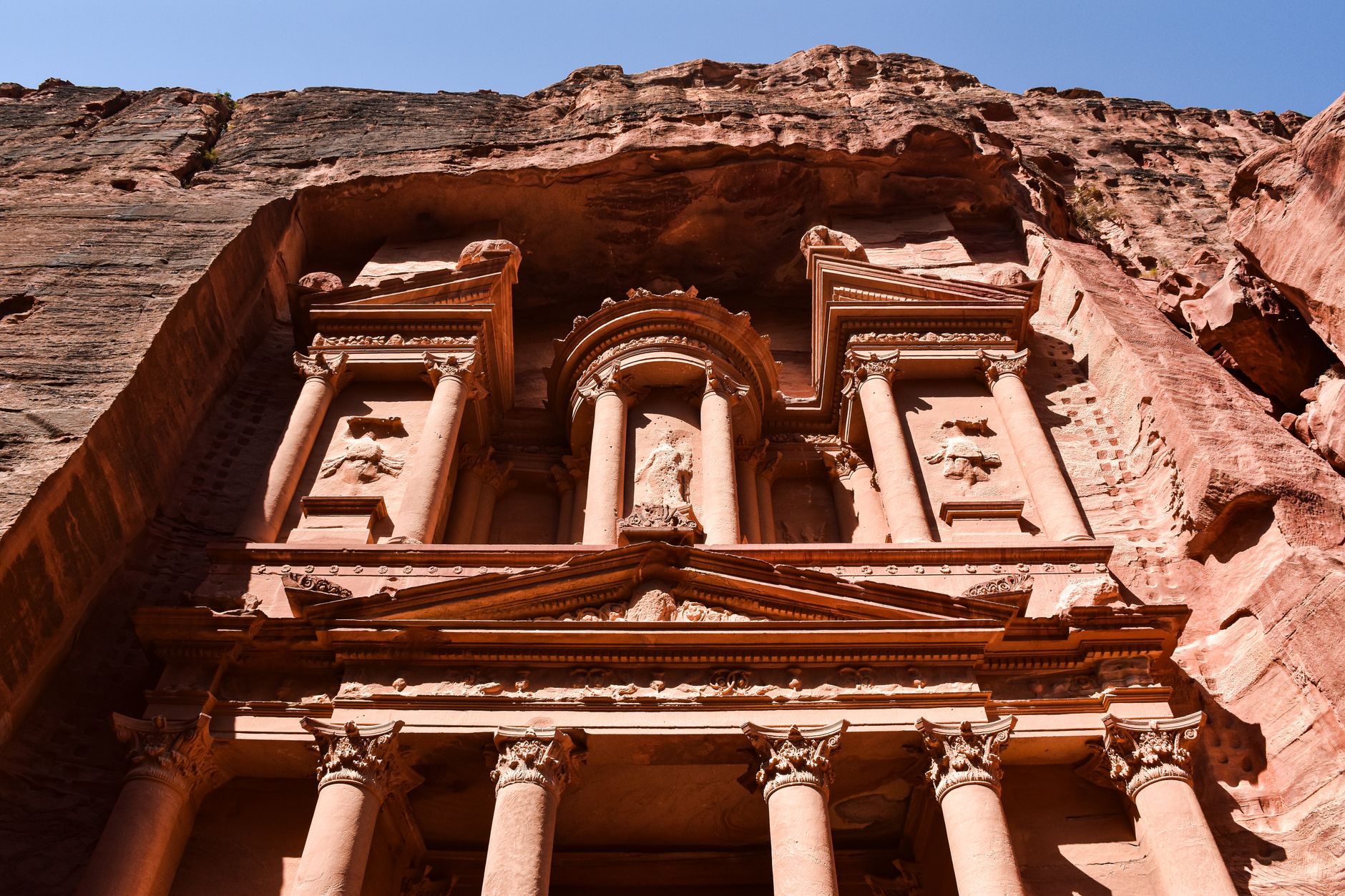
Nothing in the region stages a reveal quite like Petra. You walk the Siq — a 1.2-kilometre slot canyon barely wide enough for two camels — and the walls suddenly part to frame the Treasury, Al-Khazneh, its 2,000-year-old sandstone facade glowing pink-orange in morning light.
Arrive at the main gate near Wadi Musa by 7am or shortly after opening and you'll walk the Siq in near-silence before tour buses arrive from Amman around mid-morning. Push further to the Monastery, Ad Deir, a 45-60 minute climb up roughly 800 rock-cut steps, and you'll likely have the whole site to yourself.
Winter mornings here run cool, sometimes near 8-10°C at dawn, which makes the climb far more bearable than a summer attempt.
Wadi Rum, Jordan
Bedouin desert camps and canyon routes about 90 minutes south of Petra
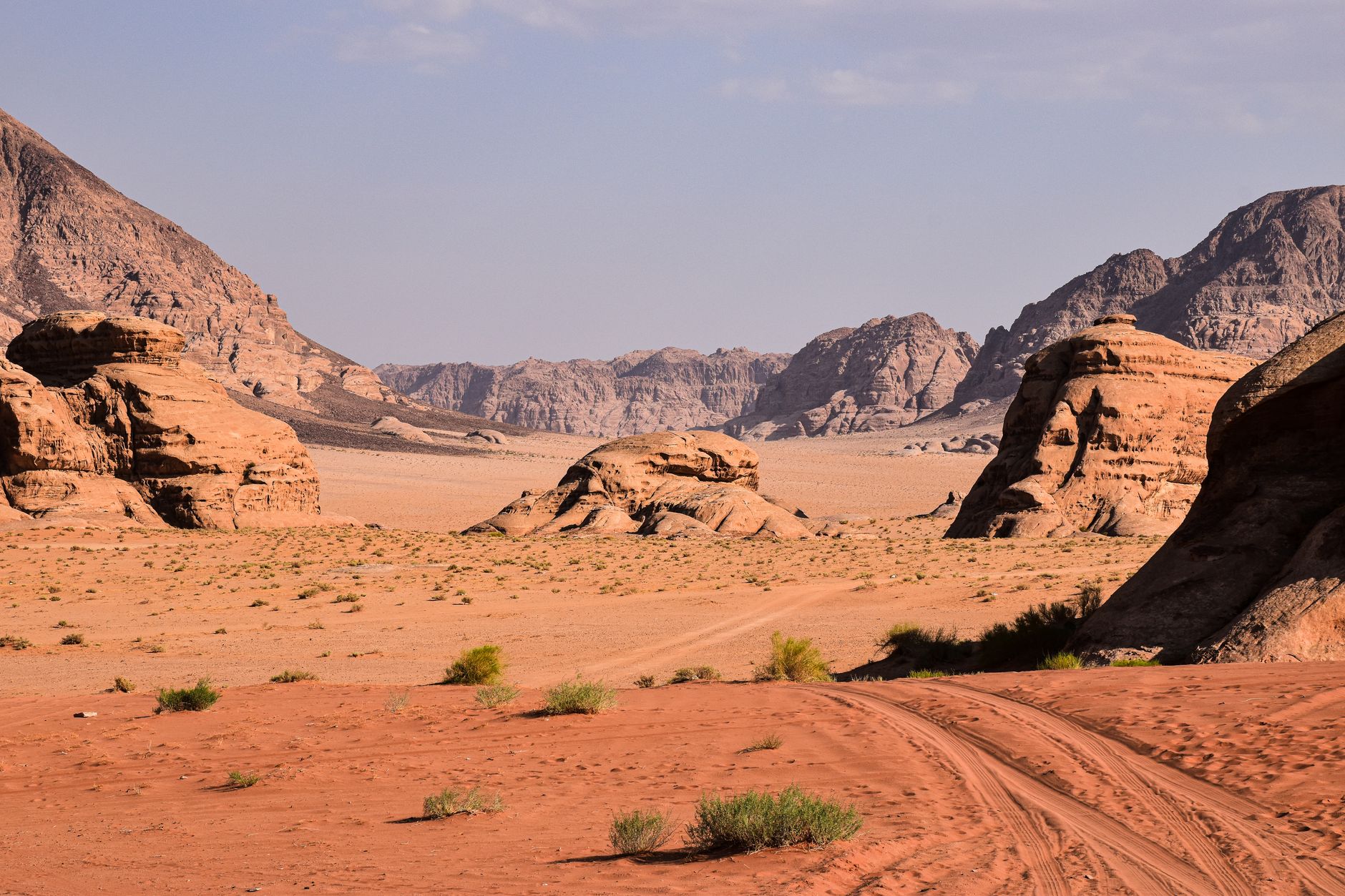
Wadi Rum's russet sandstone jebels and open sand valleys have doubled for Mars in more than one film, and standing in them at sunset, it's easy to see why. A 90-minute drive from Petra puts you at the visitor centre, where Bedouin-run 4x4 tours pick up.
A typical 2-4 hour jeep circuit takes in Lawrence's Spring, the Khazali Canyon petroglyphs, and a climb up a small dune for sunset, before dropping you at a Bedouin camp for the night.
Winter nights here can drop close to freezing, so a camp with proper blankets or a heated tent matters more than in shoulder season — ask specifically when booking.
Dubai, UAE
From the Burj Khalifa's 124th floor to the wind-tower lanes of Al Fahidi
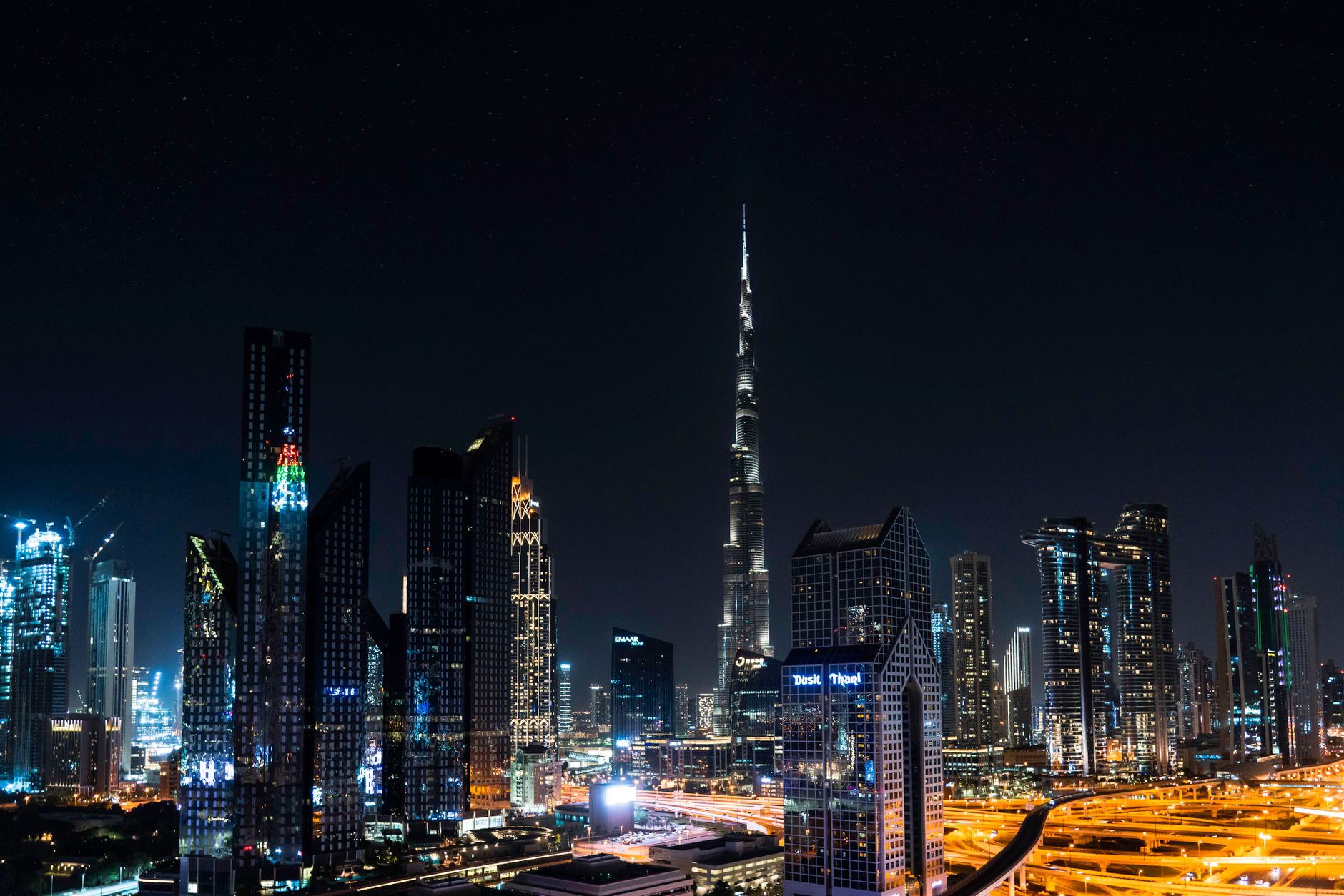
Dubai in winter is a genuinely different city from the sweat-through-your-shirt version tourists complain about in July. Mornings hover near 20°C, evenings are pleasant for walking, and the Burj Khalifa's observation decks on levels 124 and 125 are worth timing for sunset.
Tickets vary by time slot, from roughly AED 169 for a standard midday slot to AED 300-380 or more for a prime sunset booking (winter 2025) — book at least a few days ahead for sunset.
Balance the glass towers with the older city: Al Fahidi Historic District's coral-and-gypsum wind-tower houses, an abra crossing over Dubai Creek for about AED 1, and the gold and spice souks of Deira on the far bank.
The Old City of Jerusalem
A walled half-square-kilometre holding sites sacred to three faiths
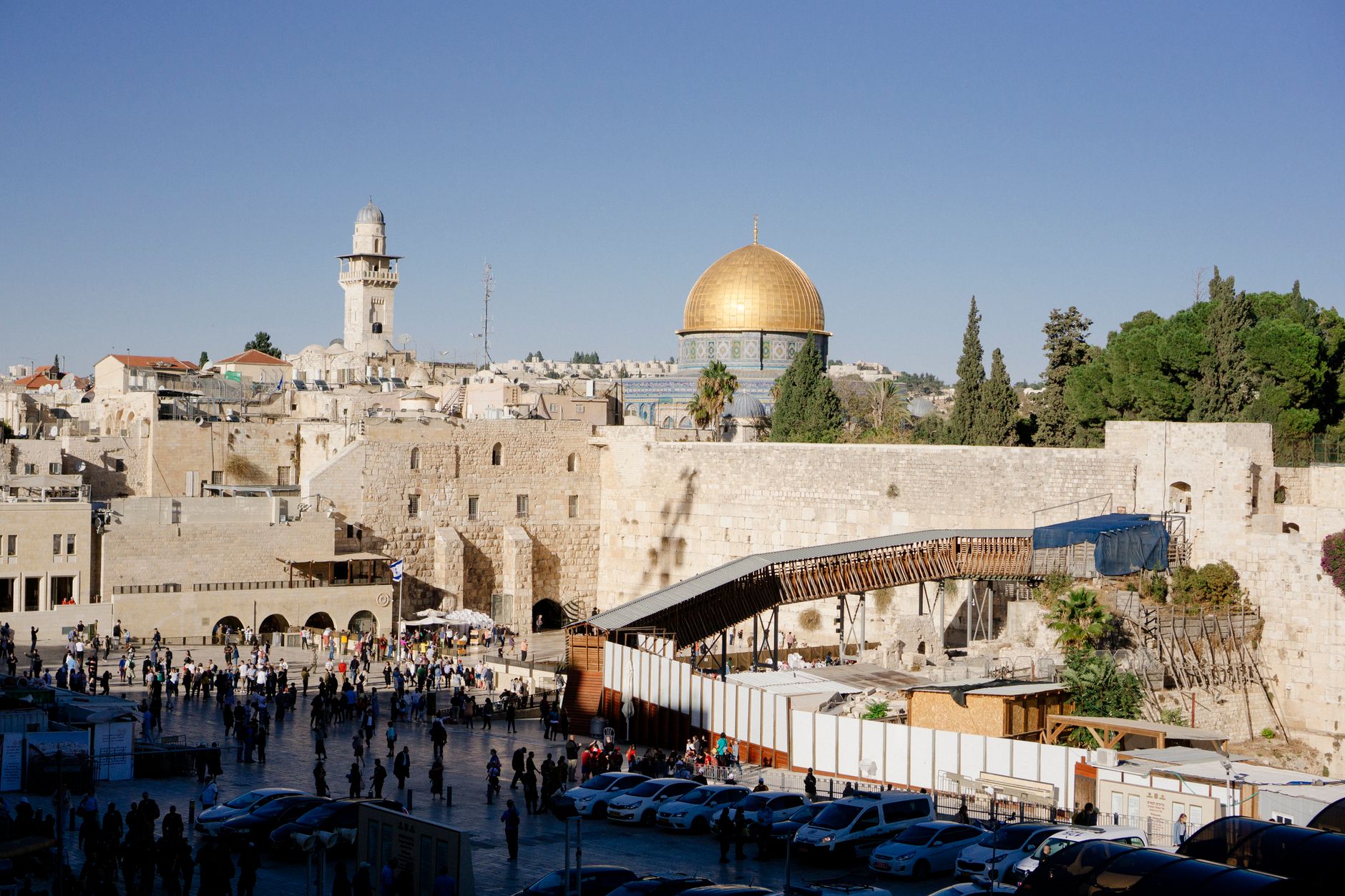
Few places on Earth pack this much history into so little ground. Within the Old City's walls sit the Western Wall, the Church of the Holy Sepulchre, and the Haram al-Sharif esplanade with the Dome of the Rock and Al-Aqsa Mosque.
Non-Muslim visitors can typically walk the Haram al-Sharif esplanade during set morning visiting hours, though entry to the mosque interiors is reserved for worshippers — check locally on arrival, since hours shift around religious holidays and Fridays.
Wander the covered stalls near Damascus Gate for fresh za'atar bread and cardamom coffee, then walk a stretch of the Ramparts Walk along the top of the city walls for views over both the Old City rooftops and the Mount of Olives.
Muscat, Oman
Marble minarets, a working harbour, and Arabia's most photogenic corniche
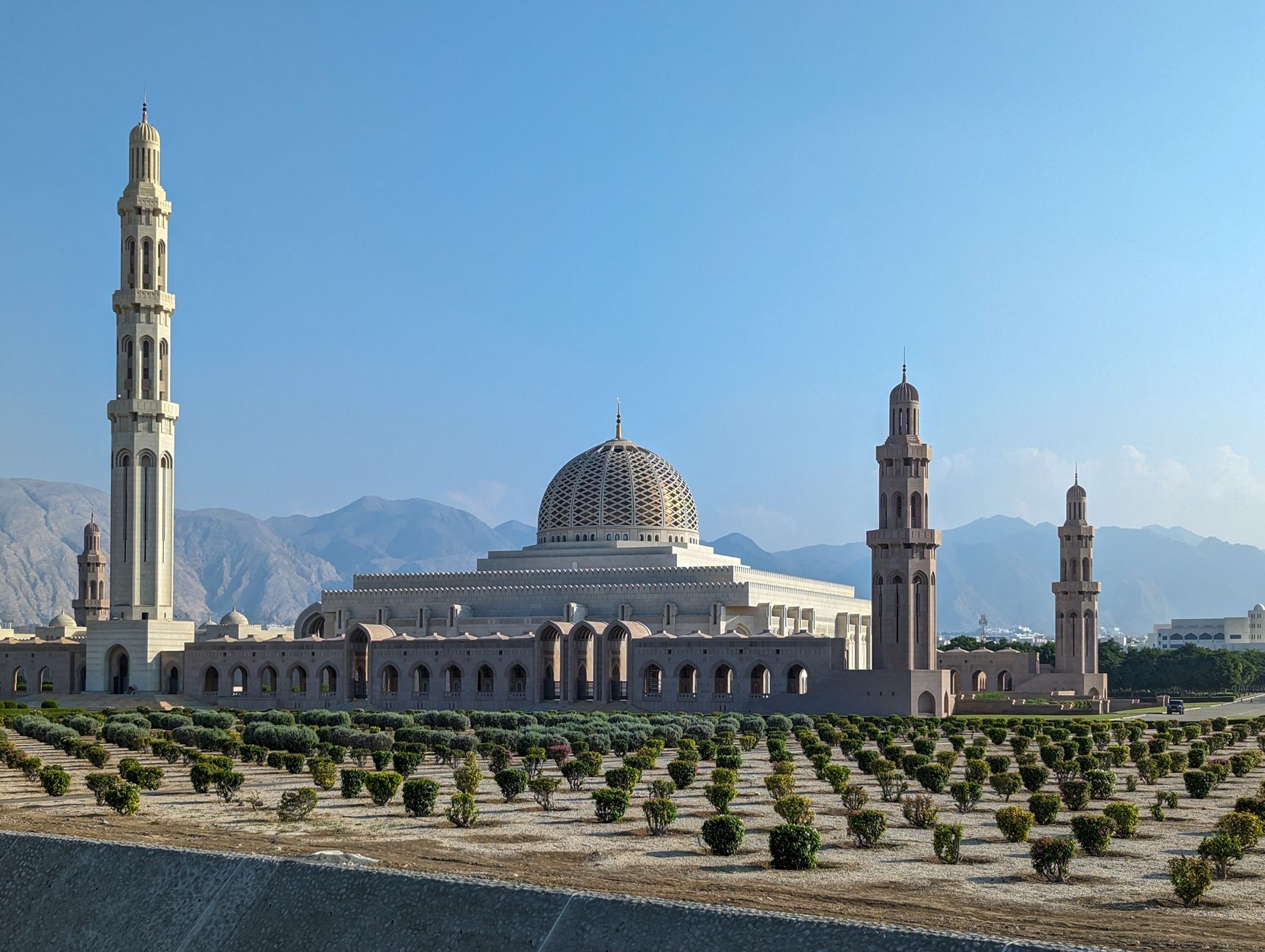
Muscat moves at a slower pace than its Gulf neighbours, and winter is when that pace feels most rewarding. The Sultan Qaboos Grand Mosque, completed in 2001 and capable of holding tens of thousands of worshippers, opens to visitors on most mornings, typically 8am to 11am, Saturday through Thursday, and is closed to tourists on Friday for prayers.
Down at the harbour, Mutrah Souk has operated in some form for well over a century, its narrow covered lanes thick with frankincense smoke, silver khanjar daggers and pashmina scarves.
Walk the Mutrah Corniche in the late afternoon as fishing boats return and the sky over the Gulf of Oman turns copper — it's one of the more understated golden-hour walks in the region.
Cordelie travel advisors
Go with someone who knows
The right suite, the right season, the reservations that never appear online — your Cordelie advisor knows them, and holds them for you.
Plan with a Cordelie advisorFree to ask. Cordelie Travel Services · IATA/ARC 06649064
Hegra, AlUla, Saudi Arabia
Nabatean rock-cut tombs, opened to independent travelers only in recent years
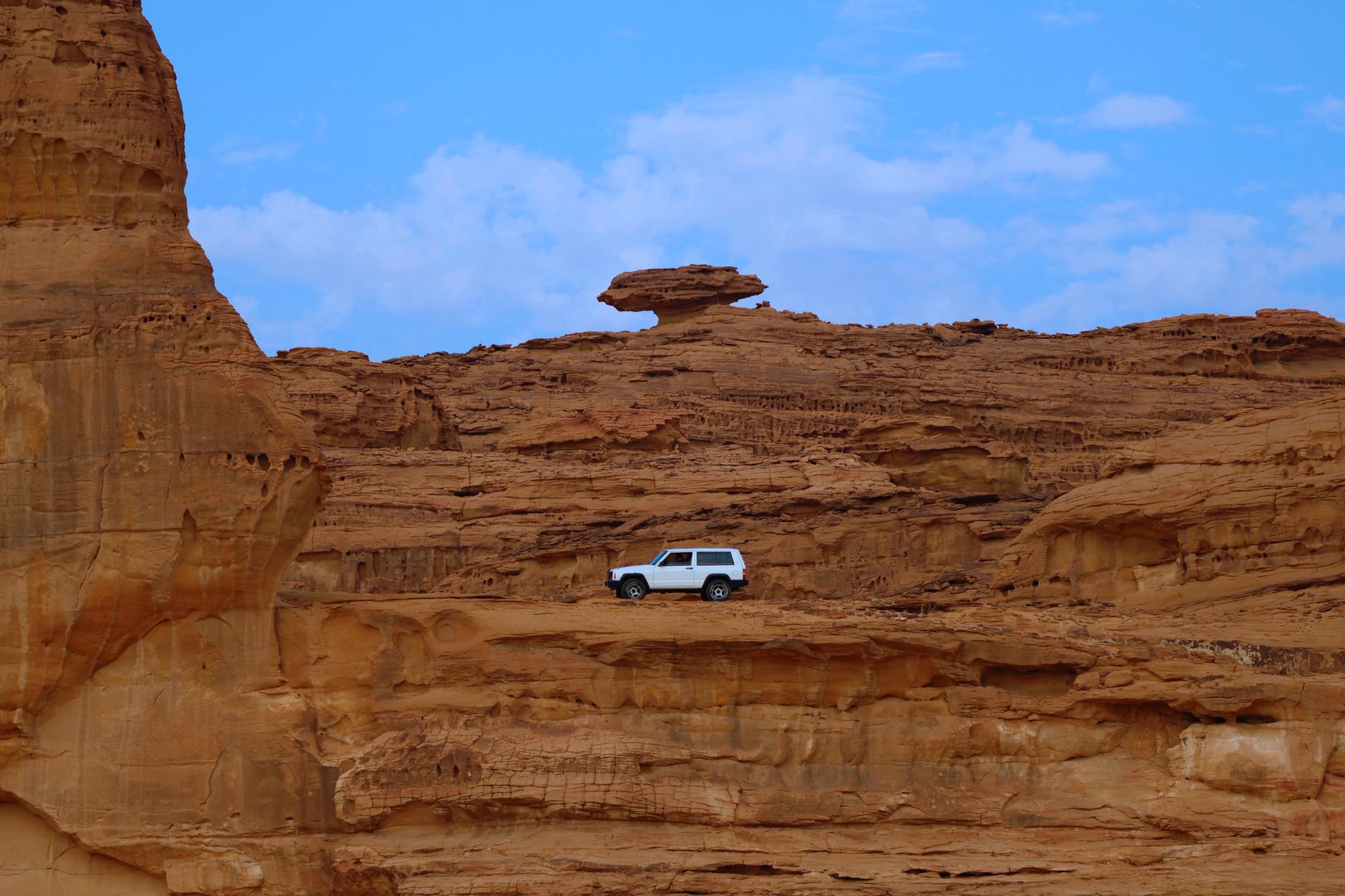
Hegra, sometimes called Mada'in Salih, is Saudi Arabia's first UNESCO World Heritage Site, inscribed in 2008, and its more than 100 carved tombs are a quieter, less-visited cousin of Petra's facades — built by the same Nabatean civilization.
Access is guided-only through Experience AlUla's booking system; you can't simply drive up and wander in. Most visitors fly into AlUla International Airport, about 90 minutes from Riyadh, or make the roughly 1,100-kilometre drive.
Winter is effectively the only sensible season for this — summer daytime temperatures in the Nabatean heartland regularly climb well past 40°C. Pair a Hegra tour with an evening at Maraya, the mirrored concert hall a short drive away, for a sense of how deliberately AlUla is being built into a cultural destination.
The Dead Sea, Jordan
Floating at the lowest point on Earth's land surface, about an hour from Amman
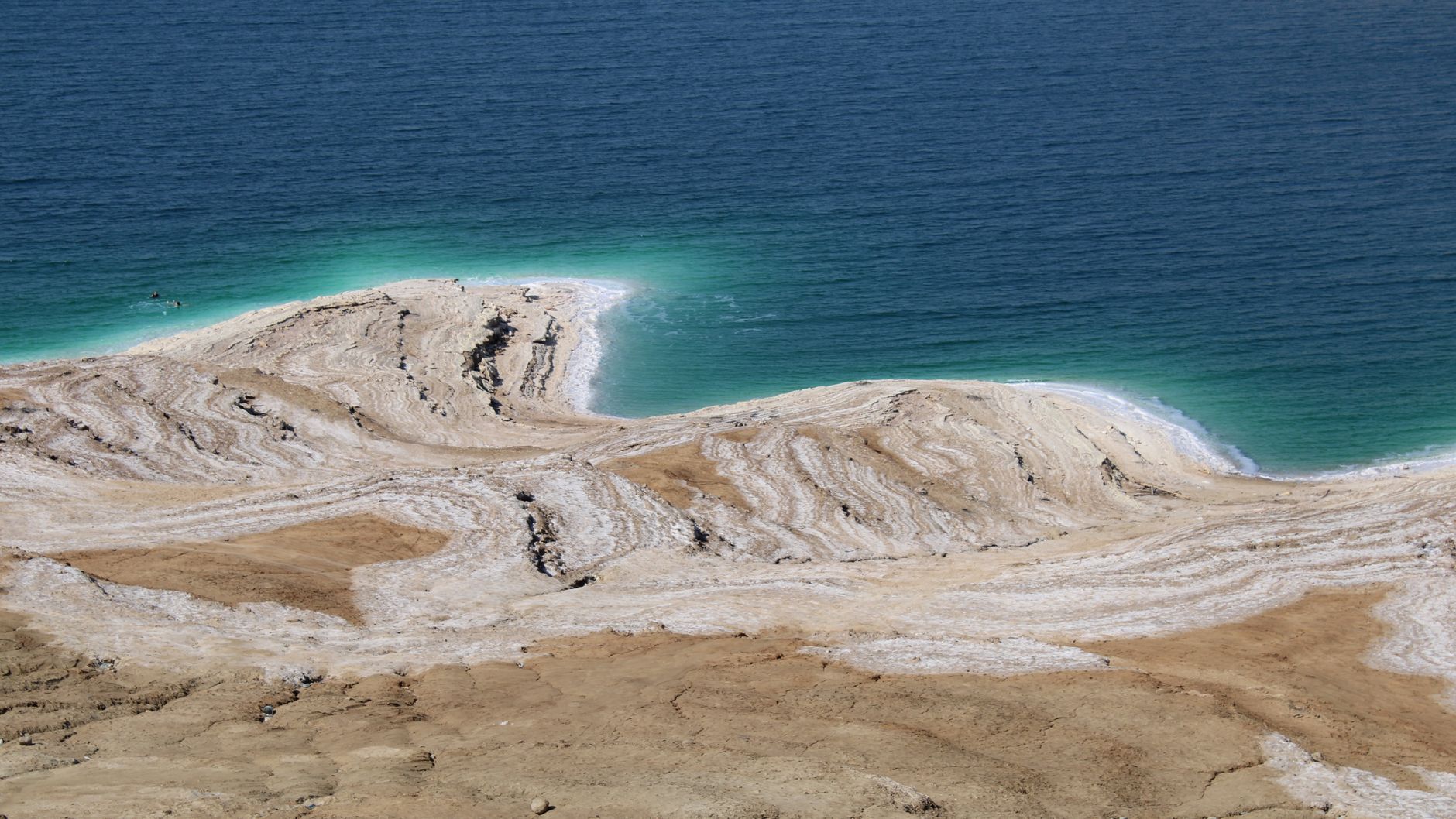
The Dead Sea sits roughly 430 metres below sea level, the lowest exposed land on Earth, and its water is so dense with salt and minerals that you bob rather than swim. Winter is arguably the best season to try it — the surrounding air stays mild rather than scorching, so you can linger.
The Jordanian shore, about an hour's drive from Amman, is lined with resorts including the Kempinski Hotel Ishtar Dead Sea and the Mövenpick Resort & Spa, both offering day-pass access to private beach and mineral mud.
The sea recedes a little more each year as upstream water is diverted for agriculture, which means the shoreline you photograph today won't be quite the same in a decade.
Three More Stops Worth Rerouting For
Sheikh Zayed Grand Mosque in Abu Dhabi didn't crack the ranked list only because Dubai's mix of old and new edges it out for winter travel, but its white marble courtyards and hand-knotted carpet — one of the largest in the world — are free to visit and roughly 90 minutes to 2 hours from Dubai by car or bus.
Doha's Souq Waqif and the I.M. Pei-designed Museum of Islamic Art sit a 10-minute taxi ride apart on the Corniche, and both reward an unhurried winter afternoon — the museum's galleries alone can absorb two to three hours.
In Egypt, Luxor's Valley of the Kings, on the Nile's west bank across from Luxor town, holds the tombs of Tutankhamun and dozens of other pharaohs; a standard ticket covers a handful of tombs, with Tutankhamun's and a few of the more elaborate ones requiring a supplementary ticket.
The tricky part of a multi-country Middle East trip is rarely the sights themselves — it's the logistics stitching them together. Crossing between Jordan and Israel at the King Hussein Bridge, timing an AlUla guided-access booking around your Riyadh flight, or working out which visas can be arranged on arrival versus which need weeks of lead time is exactly where an independent booking attempt tends to unravel.
A Cordelie advisor who's routed these itineraries before can sequence the border crossings, lock in guided Hegra slots before they sell out for the season, and build in the buffer days that a self-planned trip usually skips. Get in touch through cordelie.com/contact and describe roughly what you want to see — the specifics get worked out from there.
The One Experience to Build Your Trip Around
Petra earns the top spot because no other site in the region delivers a single, unrepeatable moment as effectively as the Siq opening onto the Treasury at dawn.
Everything else on this list rewards a visit; Petra rewards a plan. Arrive at the gate near Wadi Musa close to opening, walk the 1.2-kilometre Siq while it's still quiet, and give yourself the full day to also reach the Monastery.
Stay overnight in Wadi Musa rather than day-tripping from Amman — it costs you an extra hotel night but buys back the early morning that makes Petra worth the trip in the first place.
Last checked for accuracy: . How we check

Sarah Chen has covered Asia for twelve years, first as a wire reporter in Jakarta and now from Singapore, where she keeps a standing list of the region's most misunderstood destinations. She writes about the distance between what a place is famous for and what it is actually like to spend a week in — and is happiest on an overnight train with a bad seat and a good view.
Related Articles
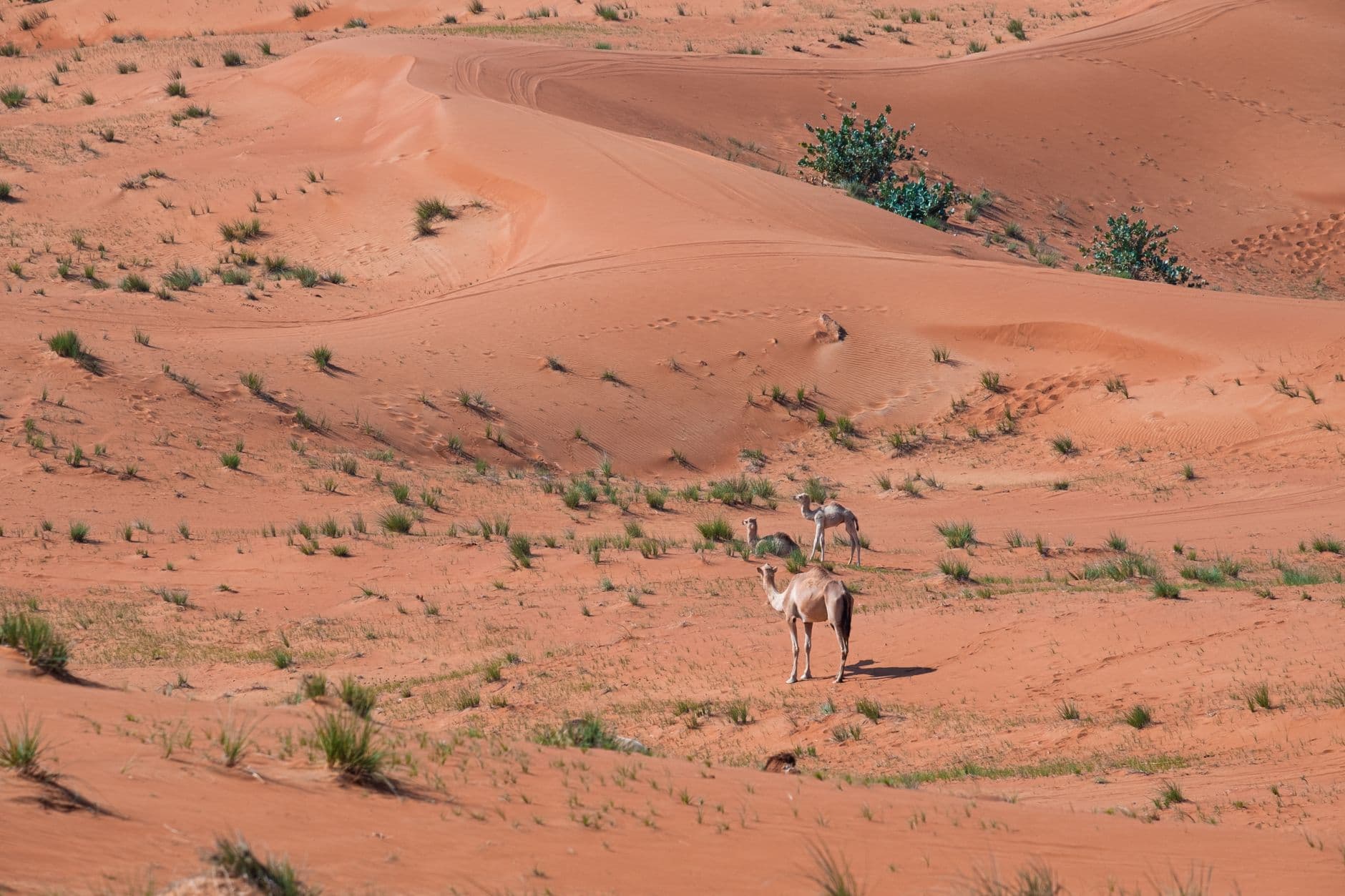
Why the Middle East Is Perfect for Winter Travel
Winter transforms the Middle East into a landscape of comfortable temperatures and unhurried exploration. November through March is when desert, coast, and ancient architecture reward staying longer.

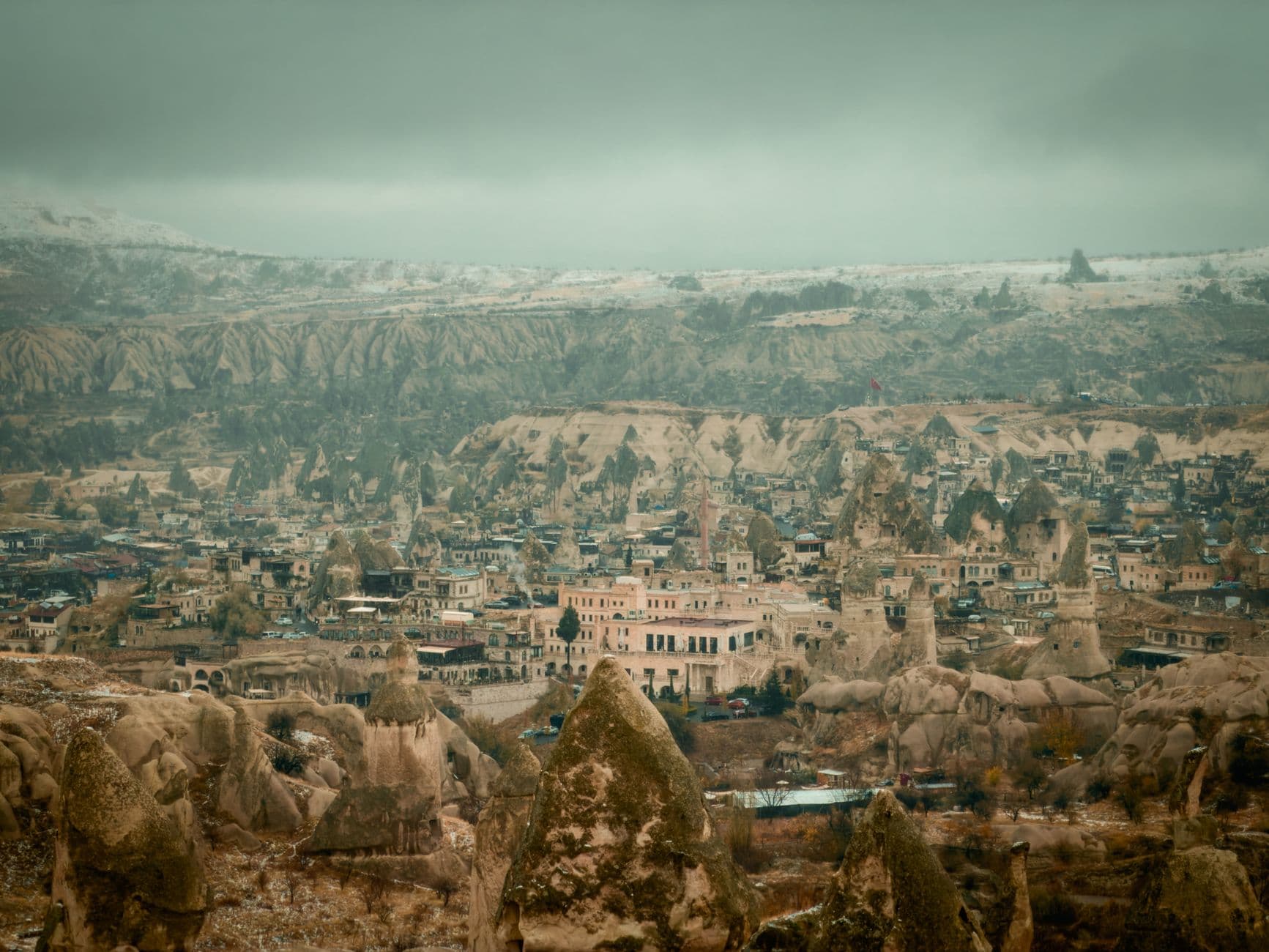
Essential Tips for Traveling to the Middle East
Winter is high season across the Middle East for good reason — mild days, cold desert nights, and a season-specific set of visa, dress, and timing rules first-timers often miss.
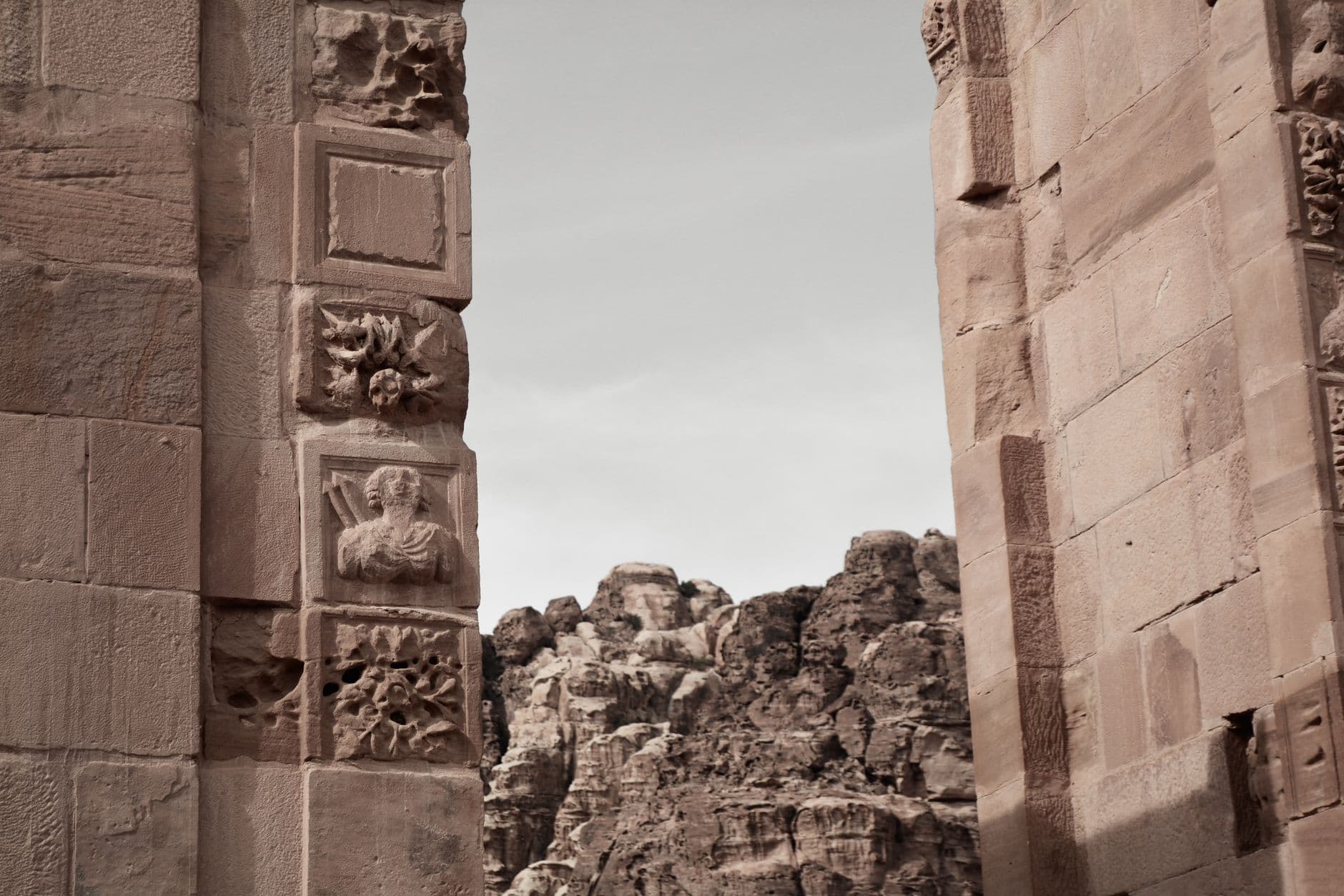
The Complete Guide to the Middle East: What to See, Do & Eat
From Petra's candlelit Siq to Dubai's skyline and Wadi Rum's desert camps, this guide maps a winter route through the Middle East with real prices, drive times and a three-day Jordan itinerary.