
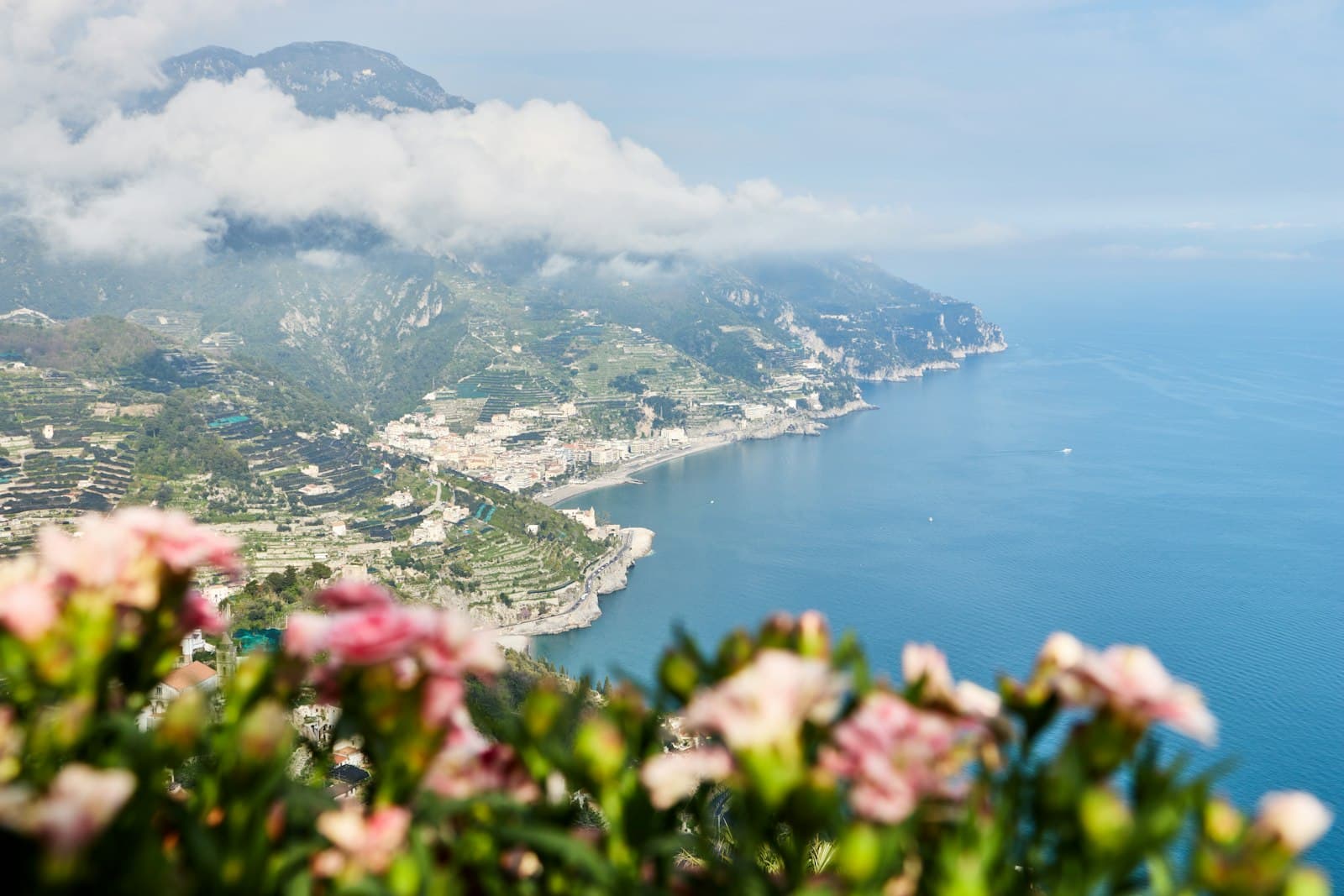
Why the Amalfi Coast Is Perfect for Spring Travel

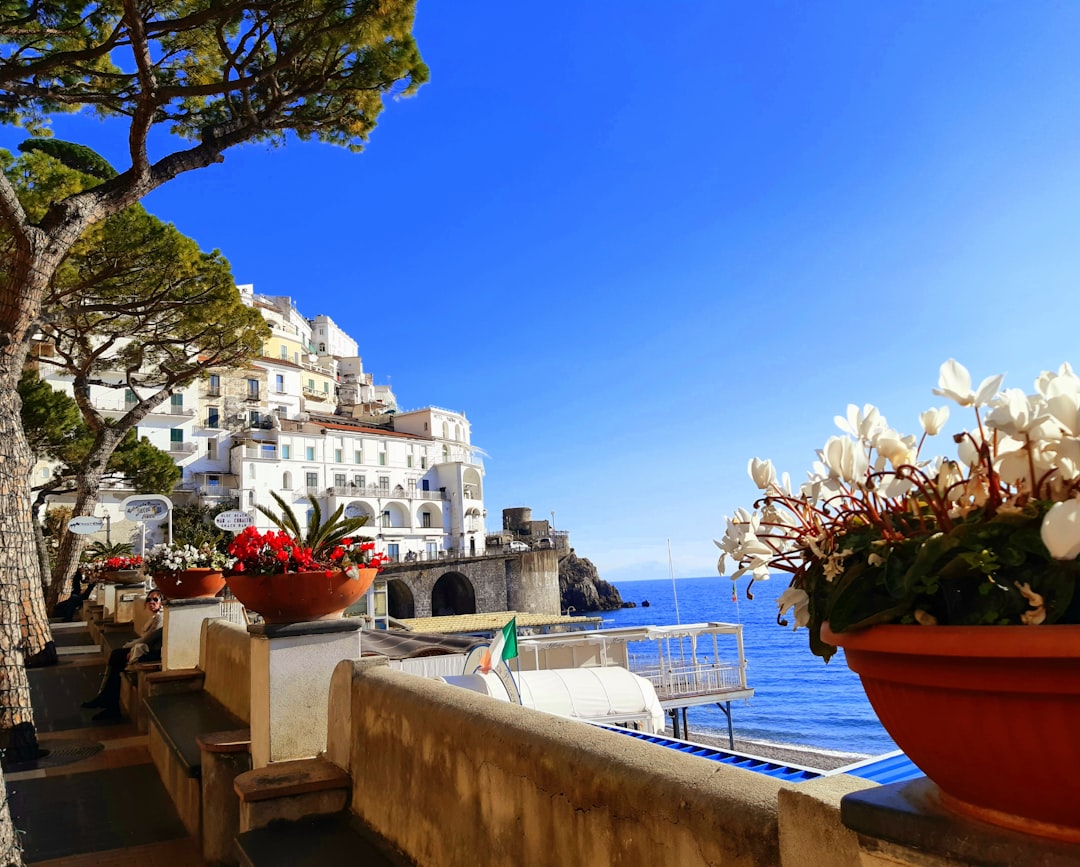
Spring on the Amalfi Coast: When the Coast Blooms Without the Crush
The Amalfi Coast in spring is a very different place from the August version most tourists know. The lemon trees are in blossom. The towns smell like jasmine and sea salt. The water temperature climbs toward swimmable—usually reaching the mid-50s Fahrenheit by late May—and the ferries that take you down the coast run daily but without the shoulder-to-shoulder crowds that arrive in June. This is the season to go if you want to see the place as people who live here experience it: walkable, quieter, and at a price that makes three nights feel less like an inheritance claim.
Where to Spend Spring Days on the Amalfi Coast
Positano
The pastel village where spring light softens every corner
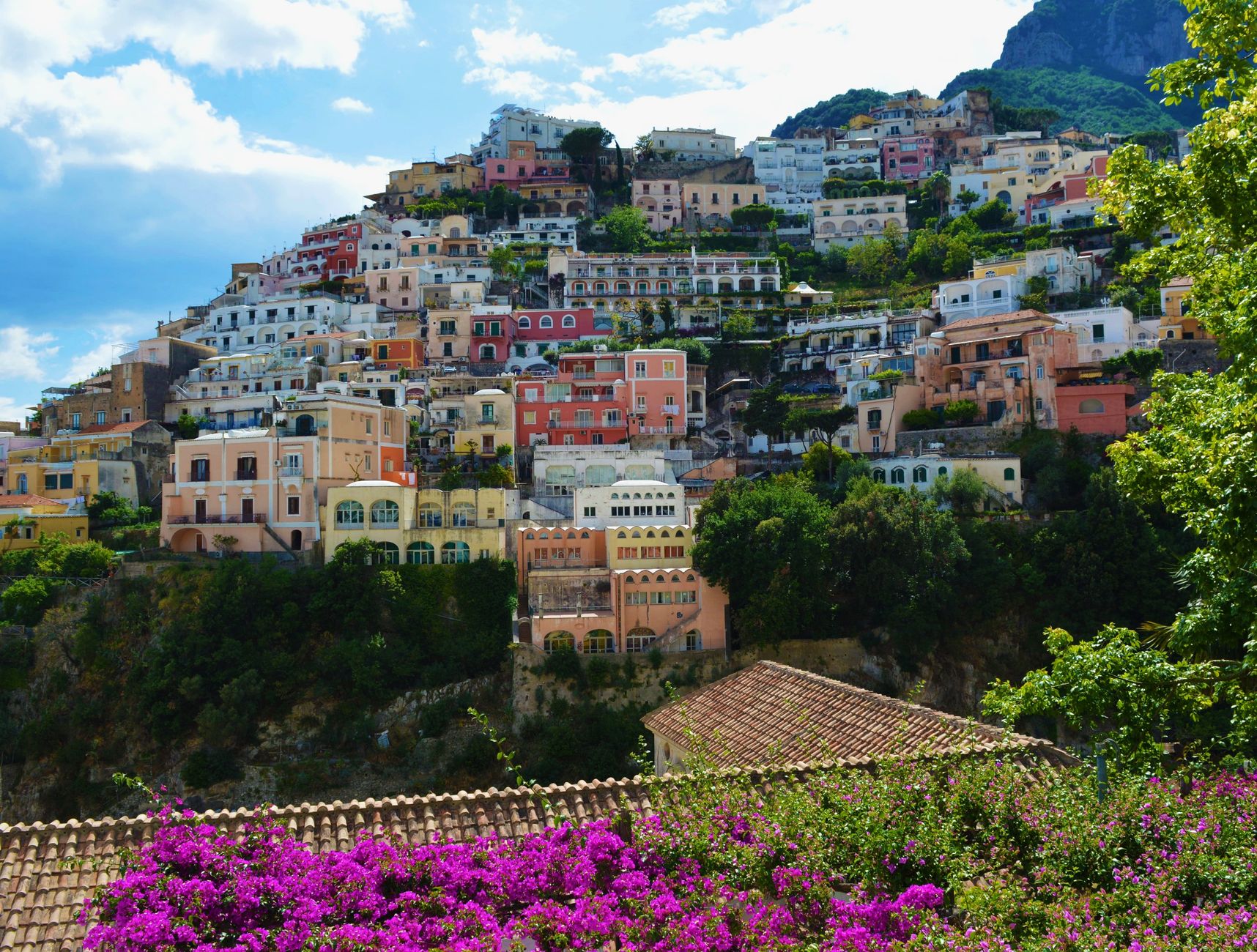
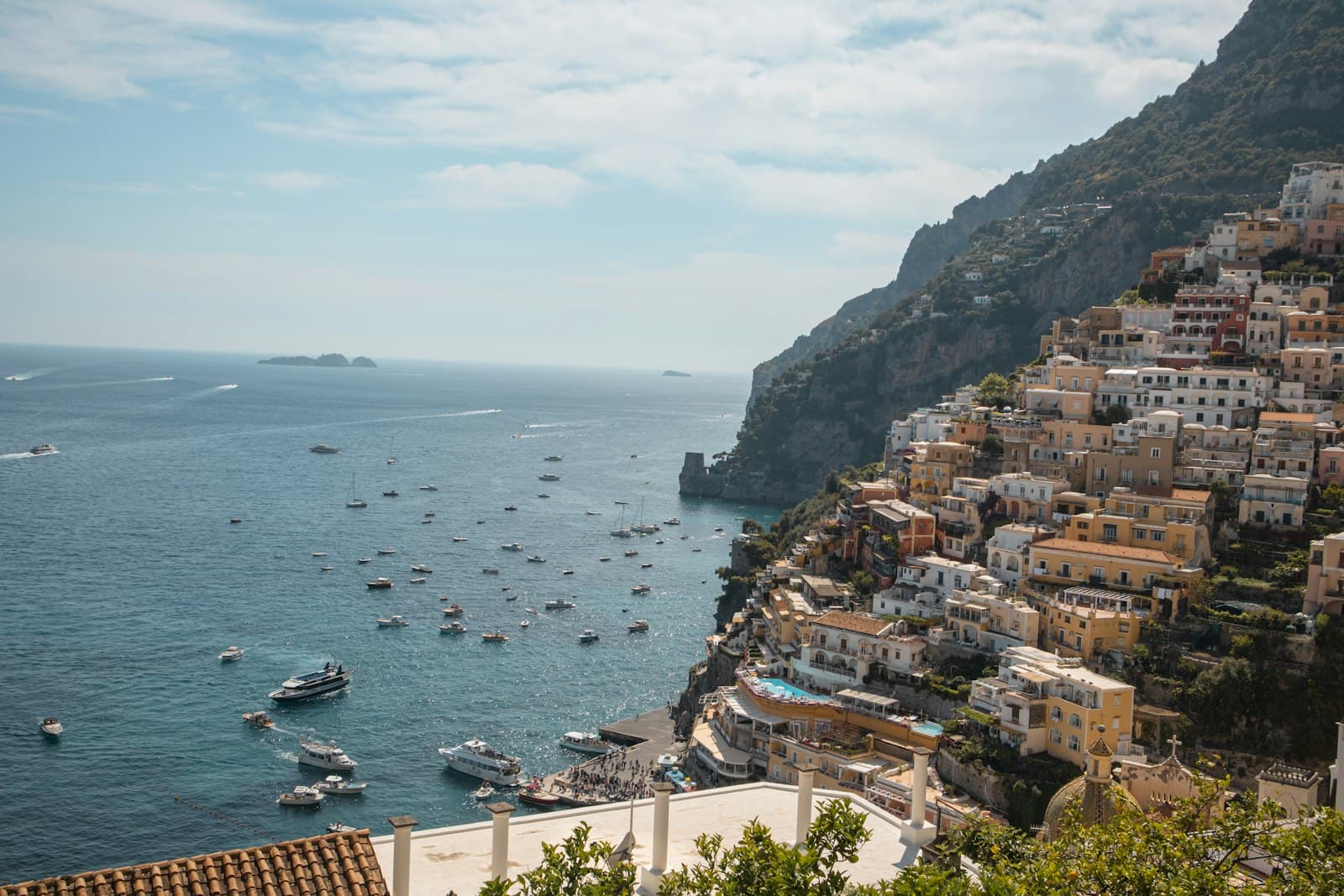
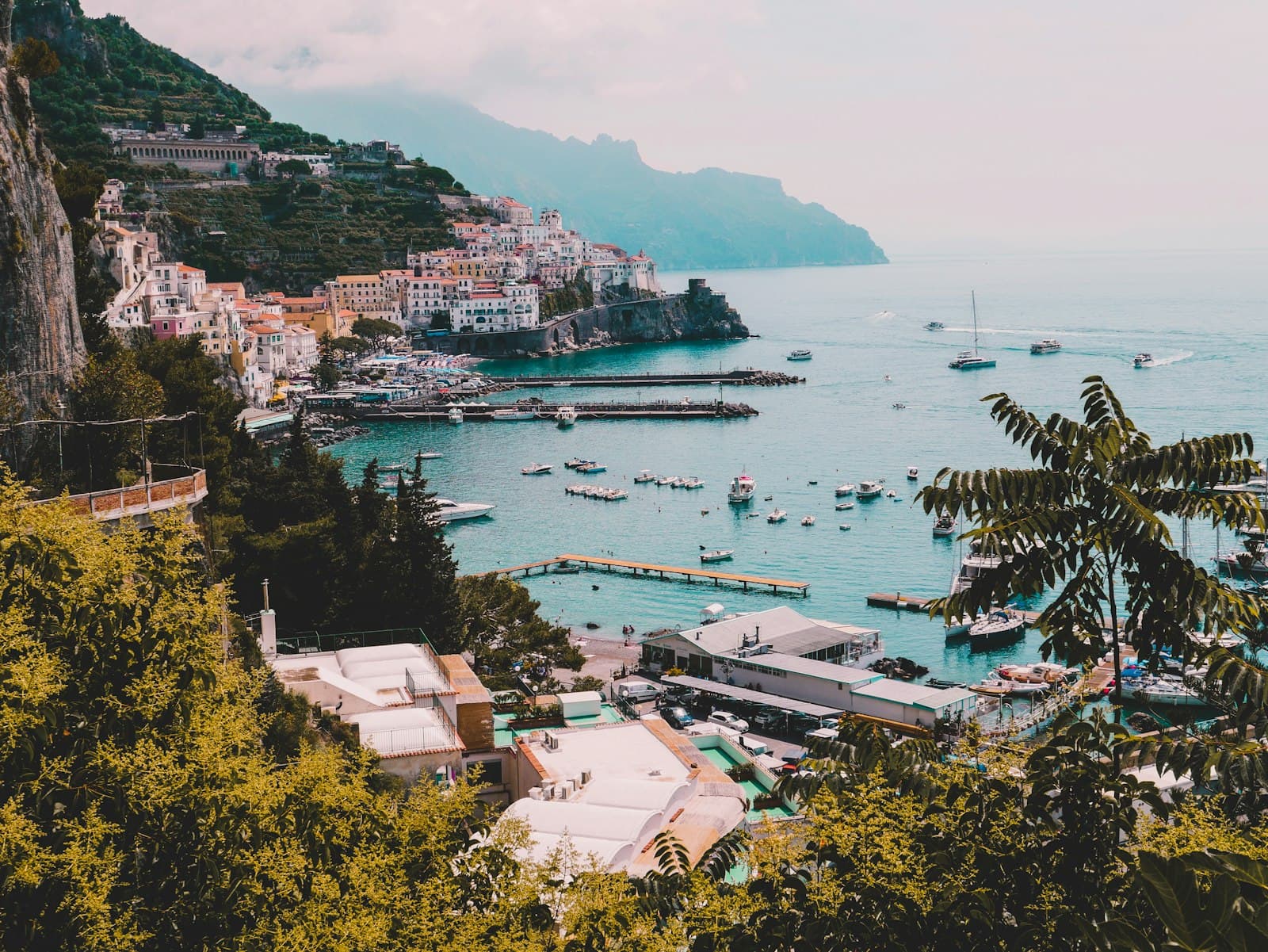
Positano is where the coast becomes a vertical town. The houses stack down the cliff face in shades of salmon, cream, and weathered ochre, and in spring the bougainvillea is just starting to drape across terraces. The town is built for wandering—there is essentially one main street, Via Pasitea, which runs along the cliff, and a series of staircases and alleyways branching downward toward the beach and the sea.
Walk down to Spiaggia Grande, the main beach, in the morning before 10:00 and you might have it nearly to yourself. The water is cool but not punishing. Bring layers; the sun feels warm on your face until the moment you step into shade, and the wind off the water picks up in the afternoon.
For lunch, Trattoria da Vincenzo on Via Pasitea serves pasta with fresh seafood in portions that feel honest rather than theatrical, with mains running roughly 16–24 euros. Stay uphill in the afternoon; the town fills visibly between noon and 15:00 with day-trippers from Salerno.
Ravello
The inland town where spring gardens are the real attraction
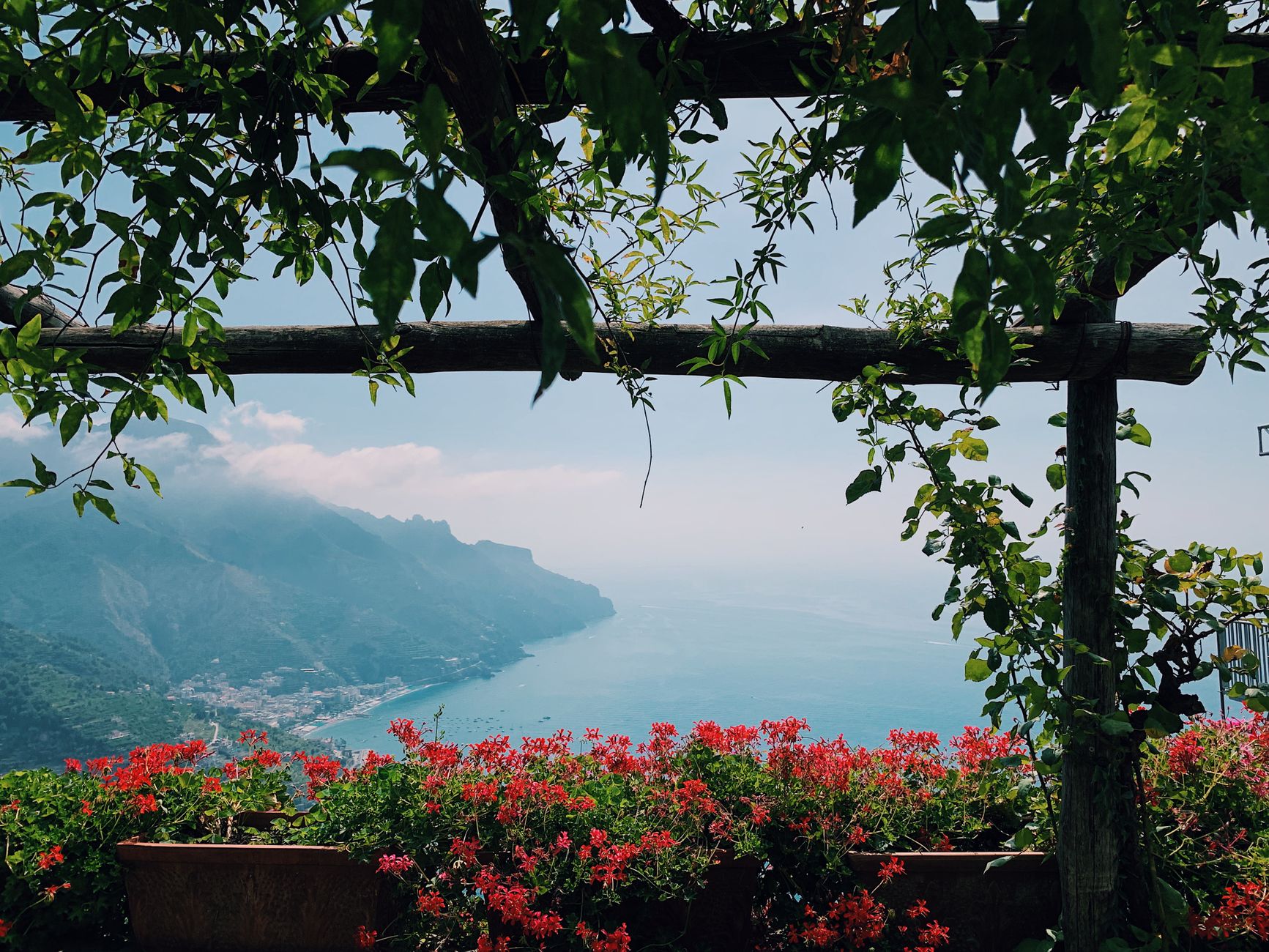
Ravello sits 1,100 feet above the sea on the ridge that runs behind the coast. It is cooler, quieter, and full of gardens at their peak in April and May. This is where the wealthy built their villas, and the gardens are why: the Mediterranean light, the elevation, the terracing. Two gardens are open to visitors and are worth the effort.
Villa d'Este is the more famous: the gardens are formal, the fountains are working (and loud), and the water jets surprise you around every corner. Villa Rufolo, accessed across the town center, is sprawling and wilder, with flowering vines covering pergolas and views that drop straight to the sea. Entry to either runs about 9–11 euros. You can visit both in a morning without rushing.
The walk between Ravello and the coast takes about two hours downhill (longer coming back up). A minibus runs between Ravello and Amalfi town roughly every 30 minutes, taking about 20 minutes and costing around 2 euros. Stay in Ravello if you want quiet evenings; eat in Amalfi if you want more restaurant choice.
Amalfi Town
The working harbor where ferries depart and morning fishmongers set up
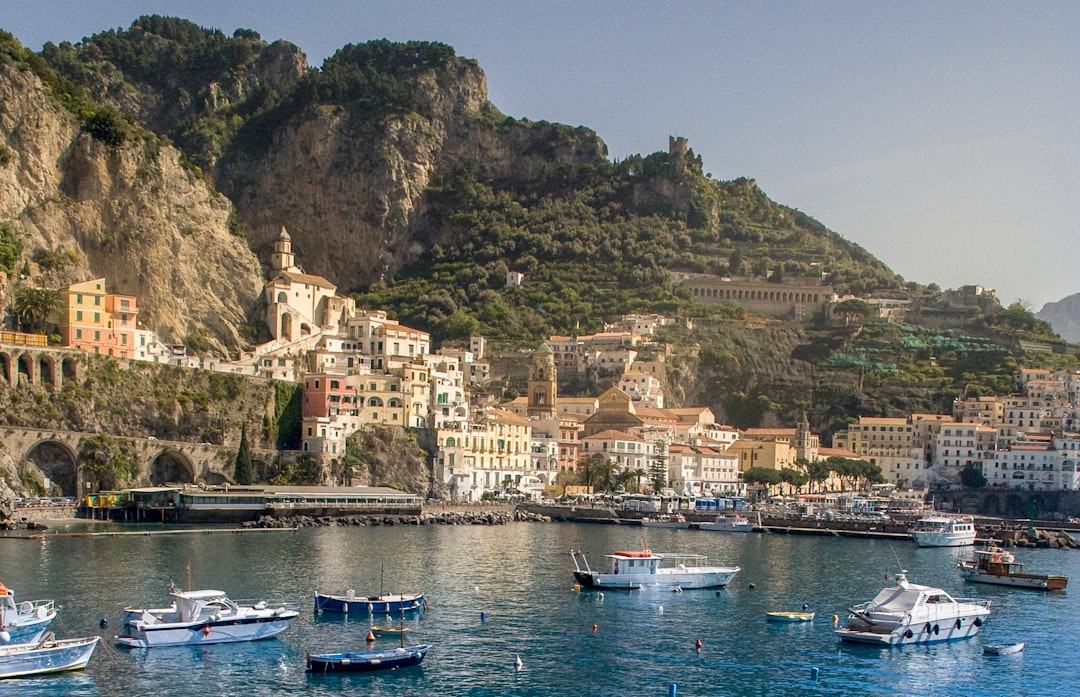
Amalfi town is the largest settlement on the coast and the transportation hub. It has the ferry dock, the bus station, and the cathedral—a genuine 9th-century landmark with its Arab-Norman facade and bronze doors. It also has the traffic that comes with being a transit point. But spend a morning here before 09:00, or an evening after 18:00, and you see something different: fishmongers setting up their stalls, locals at the café on the main piazza, the cathedral bells at a human volume.
The Duomo di Sant'Andrea is worth the entry fee (about 3 euros) to see the cloisters and the crypt. There is no heavy lifting required; it is a straightforward walk through a medieval courtyard. The beach is small and pebbly, backed by restaurants with clearly marked menus and prices. Lunch tends to be 12–18 euros for a pasta course and a soft drink.
Stay one night if you are catching a ferry in the morning, or use it as a dinner stop while basing yourself elsewhere. The evening passeggiata—the social walk through town—happens between 18:30 and 20:00 and is genuinely charming: families, couples, teenagers, all moving slowly through the same streets.
Atrani
The smallest and least obvious of the coast towns
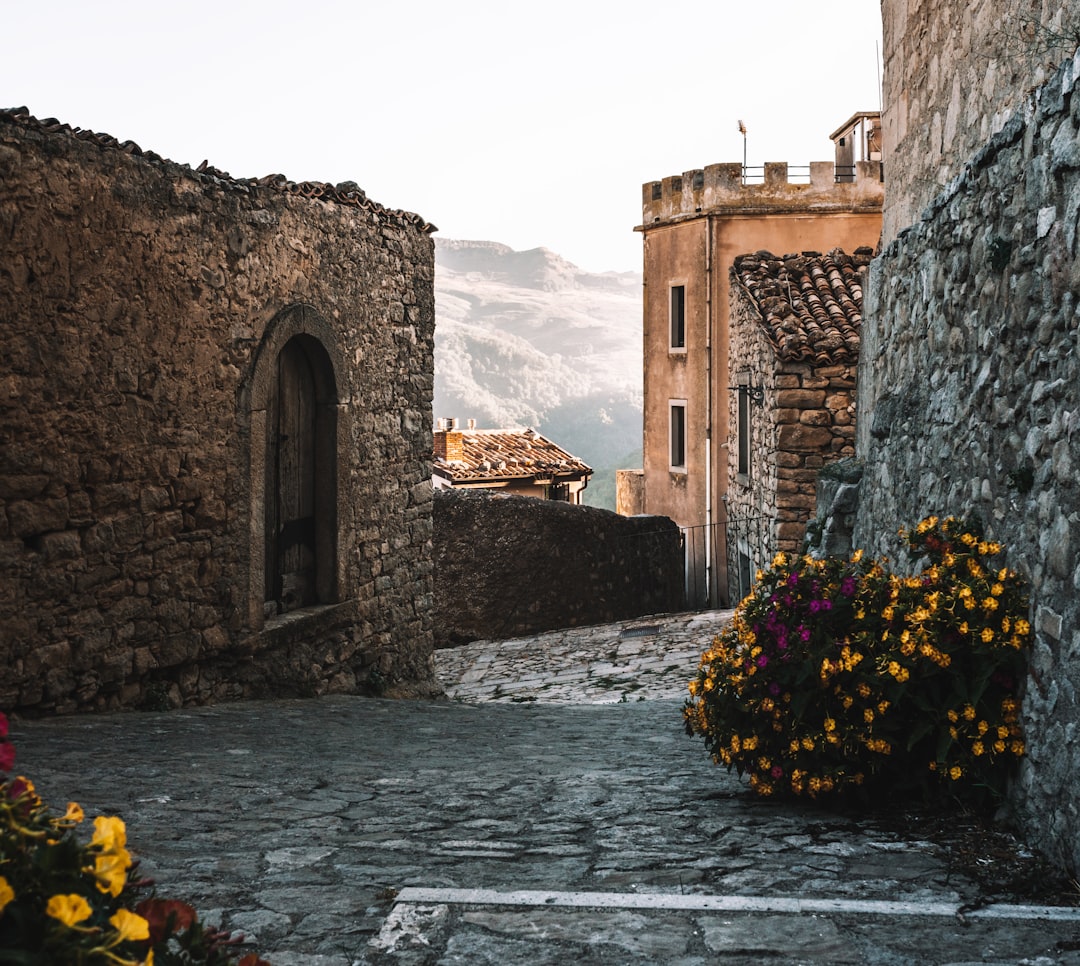
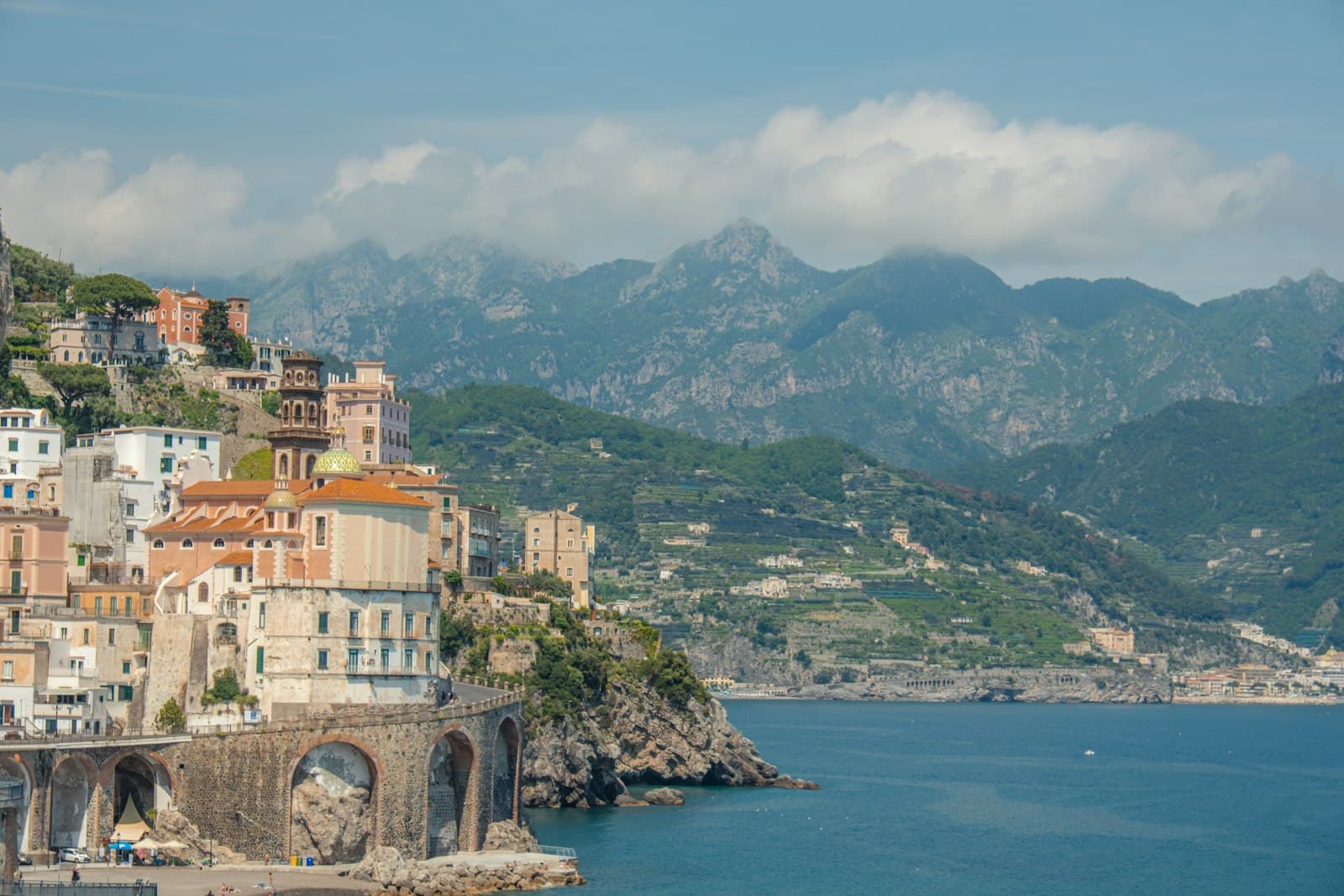
Atrani is the sort of place that feels like you discovered it yourself. It is technically part of the Amalfi Coast, sitting between Amalfi and Atrani on the same ferry route, and it is the smallest municipality in Italy by population and area. The entire village is built around a single piazza about the size of a large living room. Laundry hangs over the water. Children play between the buildings.
There is no beach. There are no famous restaurants. What there is: the piazza, a church, a harbor where fishermen tie up their boats, and a few rooms to rent above local households. Pasta here costs 10–14 euros. Sit by the water in the late afternoon and watch the light move across the cliff face behind you.
The ferry from Amalfi town takes about 10 minutes and costs roughly 2 euros. Most visitors pass through without stopping. The one reason to stay: you can walk to Positano in about 90 minutes via a coastal path that is not overstuffed with hikers in May. The path is exposed and somewhat steep; wear sun protection and bring water. Start early.
Cordelie travel advisors
Planning Amalfi Coast? Go with someone who knows
The right suite, the right season, the reservations that never appear online — your Cordelie advisor knows them, and holds them for you.
Plan with a Cordelie advisorFree to ask. Cordelie Travel Services · IATA/ARC 06649064
What You Can Actually Do in Spring
Spring on the Amalfi Coast is not the season for late-night clubs or high-season beach crowds. It is the season for specific, quieter things, and knowing what those are before you arrive makes the difference between a trip that feels like self-directed chaos and one that unfolds naturally.
The ferries between towns run daily. The main route follows the coast from Salerno to Positano, stopping at Amalfi, Atrani, and Praiano. A single journey costs 2–4 euros and takes 20–40 minutes depending on how many stops. The ferries are not packed in April and May the way they are in July; you will have a seat, and views of the cliffs from the water are genuinely worth the ticket. Buy tickets at the dock, usually 15 minutes before departure. Ferries run fewer times in early April—as few as three or four sailings a day—than they do in late May, when service increases to six or seven.
Hiking is better in spring than any other season. The Sentiero degli Dei (Path of the Gods) is the most famous walk on the coast, a cliff-edge trail that connects Praiano to Positano and takes about two hours. In spring, the heat is not oppressive, the light is clear, and the crowds are present but not obliterating. Start from Praiano, walk toward Positano, and stop for a drink at the cafe halfway, where the path meets the road. Cost is nothing; water and a soft drink run about 4–5 euros. Come back the same way, or take the bus down to Positano and the ferry back to Amalfi. A guidebook or map app is essential; the trail is well-marked but has forks.
Cooking classes run year-round but are smaller and bookable in spring in ways they are not later. A half-day class teaching pasta-making and sauce work costs roughly 60–85 euros per person and usually includes a light lunch and wine. Many are based in Ravello or Amalfi and include a trip to the market to buy ingredients. Ask your hotel or search directly rather than booking blind through a website; the best classes have long wait lists and work through recommendations.
Lemon picking is a genuine activity in May. The annual Limoncello Festival in Minori celebrates the harvest; if your trip falls in late May, it is worth planning around. Outside the festival, a few family farms offer morning tours of their groves, picking and tasting included. These are not expensive—usually 25–40 euros—but they book out weeks ahead. Arrange through your hotel or directly via email if you can find a contact. The groves are not theme parks; what you are paying for is access to private property and the time of someone who knows the plants.
Spring Moments on the Amalfi Coast
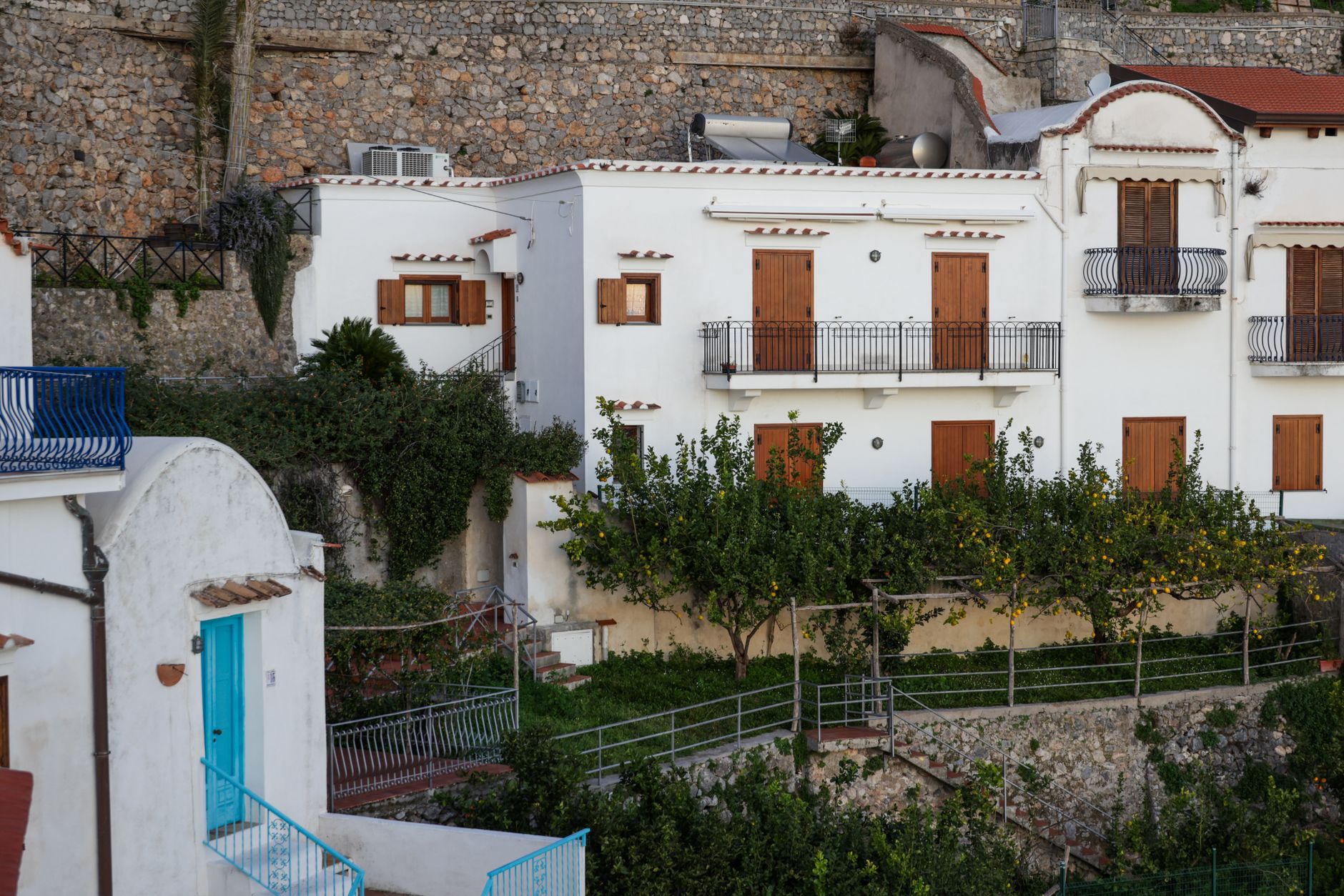
Spring on the Amalfi Coast pivots on two constraints: school holidays and weather. Easter holidays, which fall between late March and mid-April depending on the year, bring crowds and higher prices for roughly two weeks on either side. The sweet spot is late April through mid-May, when the weather is established but summer tourism has not yet begun. Hotels drop their rates notably in this window—rooms that cost 180–220 euros in June often run 100–140 euros in late April.
Transportation between towns is simple once you know the routes, but the ferries are the one thing that can maroon you if you mistime them. Check schedules the night before any waterborne journey; in early April, departure times cluster around morning and afternoon only. Minibuses run constantly between towns along the coast road, but they are slow and subject to traffic. Ferries are faster and more pleasant, weather permitting.
Work with a Cordelie travel advisor to map a spring itinerary that flows geographically rather than bouncing across the region. An advisor can lock in ferry schedules, arrange a cooking class directly with the instructor, book a lemon farm visit weeks ahead, and craft a sequence that avoids the days when schools bring busloads through. What looks like independent logistics becomes a coherent trip.
Practical things before you book: The water temperature in April averages 50–54°F. Most people do not swim comfortably until May, when it reaches 55–60°F. Bring a wetsuit if you plan to swim; if you do not, plan to wade and float in coves rather than actually swim. Restaurants often close on Mondays or Tuesdays in April and early May; confirm ahead if a specific place matters to your plans. Many are family operations that honor a single day off and do not advertise it. Ask your hotel.
Getting There and Staying Put
Flights to the Naples area (Capodichino Airport, about 25 miles from the coast) run from most major American and European hubs. Once there, the route to the Amalfi Coast is straightforward: a rental car (unnecessary if you plan to stay in one or two towns and use ferries and buses), a car service (roughly 85–110 euros from the airport to Positano), or a train to Salerno (about 45 minutes) followed by a bus or ferry down the coast. If you do not speak Italian and have no strong preference, a car service is simpler than renting and navigating unknown roads in an unfamiliar place.
Where to stay depends on your tolerance for walking and crowds. Positano is the most picturesque and the most crowded even in spring. Ravello is cooler, quieter, and walkable but has no beach. Amalfi town is practical and less visually dramatic. Atrani is a choice if you want to wake up in a place that feels genuinely lived-in rather than designed for tourism. A week gives you time to base yourself in two or three towns and move by ferry; three days is minimum to feel anything other than rushed.
Hotel rooms in spring typically run 100–160 euros a night for mid-range options (not luxury, not hostels) in late April, and 120–180 euros in late May as the season warms and approaches June. Booking platforms list many, but calling the hotel directly or using a travel advisor often yields better rates on stays of more than two nights. Many proprietors will negotiate on price for longer bookings or offer cheaper rates for a direct booking than what is advertised online.
Spring on the Amalfi Coast at a Glance
Spring is the ideal season to visit the Amalfi Coast if you can travel in late April through mid-May. The weather is warm and stable, the crowds are a fraction of summer size, prices are substantially lower, and the lemon trees are in bloom. The water is still cold for all but the committed swimmers, but everything else about the coast is at its best. Avoid Easter weeks and early April if you want solitude.
Best time: Late April through mid-May for weather, fewer crowds, and lower prices.
Water temperature: 50–54°F in April, 55–60°F by late May. Bring a wetsuit if you plan to swim.
Accommodation: Expect 100–180 euros per night depending on the town and how far into May you travel.
Ferries: Run daily but with fewer departures in early April than in late May. Tickets cost roughly 2–4 euros per journey.
Key experiences: The Sentiero degli Dei coastal walk, lemon grove tours, cooking classes, and evening walks through village piazzas.
Avoid: Easter holidays (roughly 2 weeks on either side of the date). Plan transportation by ferry, not as assumptions. Confirm restaurant hours the day before.
Last checked for accuracy: . How we check

Priya Raman has spent eleven years testing whether a destination works with a four-year-old, a teenager and a grandparent in the same party. She writes the version of the guide that accounts for nap times and still gets you to the good stuff, and travels from Toronto with a carry-on she can pack in nine minutes.
Related Articles
The Complete Guide to the Amalfi Coast: What to See, Do & Eat
The Amalfi Coast rewards patience more than speed — a cliffside hike, a slow dinner in Cetara, a ferry timed around the weather. Here's what to see, where to stay, and how the logistics actually work.

The Complete Guide to the Amalfi Coast: What to See, Do & Eat
A full planning guide to the Amalfi Coast — the Path of the Gods hike, where to stay from Positano to Ravello, what to eat, and a three-day itinerary built for spring.

What Travelers Need to Know About the Amalfi Coast Right Now
Spring brings beauty to the Amalfi Coast—and traffic chaos. Road construction through June means 30–60 minute delays between towns. Here's how to plan around it.