
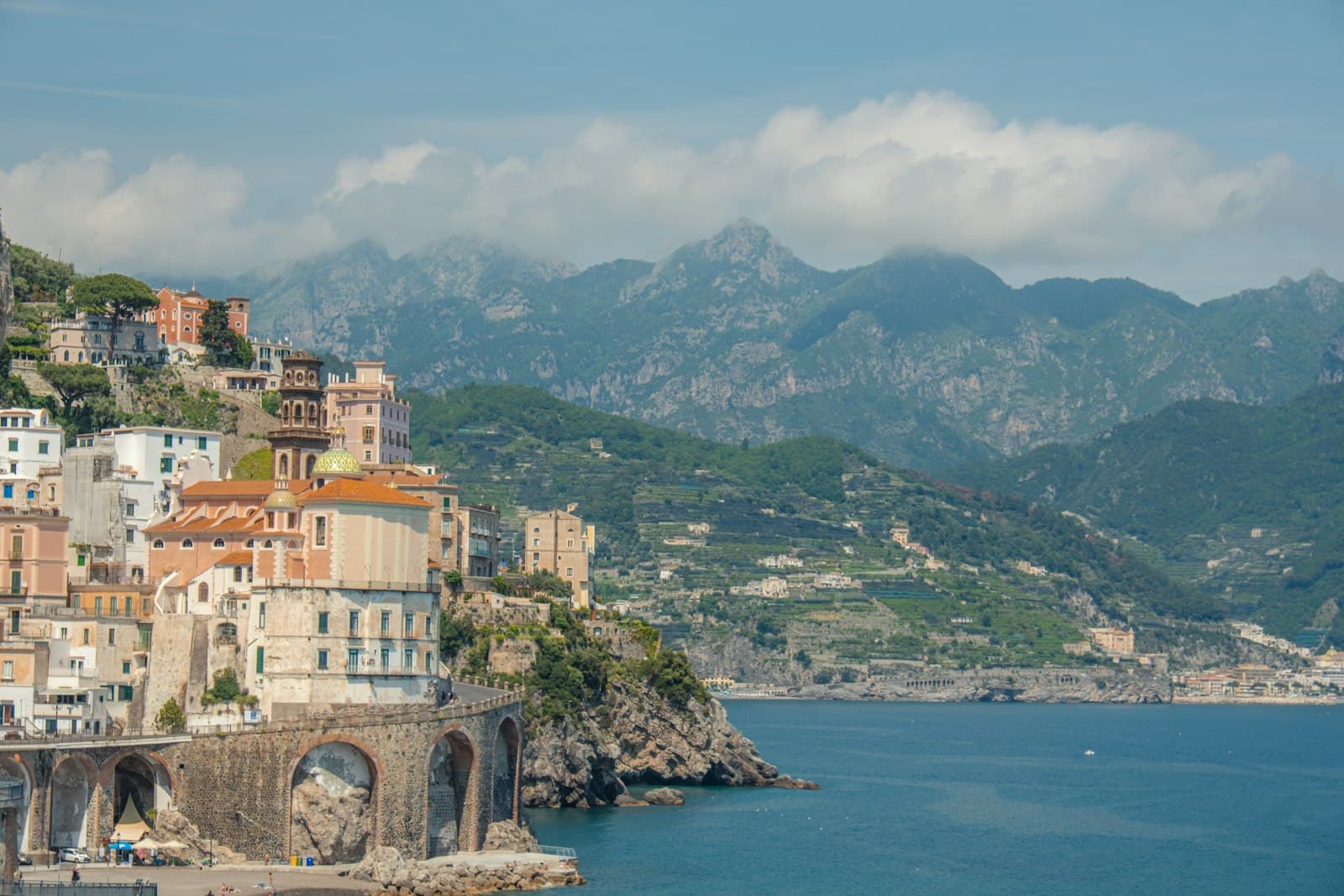
What Travelers Need to Know About the Amalfi Coast Right Now

Spring Crowds and Road Work Reshape Travel on the Amalfi Coast Right Now
The Amalfi Coast is entering its busiest season, and travelers arriving in April and May need to know what's changed. Ongoing construction on the SS163 coastal road between Praiano and Positano is causing delays of 30 to 60 minutes during peak hours, while tourist numbers are climbing steeply as spring weather draws visitors from across Europe. Local authorities are managing traffic through one-way systems and timed entry windows, reshaping how and when visitors can move between the coast's most iconic villages.
If you're planning a spring trip to Positano, Amalfi, or Ravello, expect congestion that will compress your sightseeing window. The SS163 road—the only direct route linking several major towns—has been partially narrowed for essential safety repairs. Travel between Positano and Praiano now typically takes 45 minutes to over an hour, up from roughly 20 minutes in off-season.
Parking in Positano and Amalfi town centers fills by 10:00 a.m., and late-afternoon departures are routinely gridlocked. Hotels report higher cancellation requests from guests frustrated by access delays. Ferry services from Amalfi and Positano to Capri operate seasonally with numerous daily departures during peak months, but routes drop to zero sailings in winter, making same-day excursions unavailable during the off-season.
Why Spring Congestion Is Reshaping the Amalfi Experience This Year
The convergence of road repairs and peak-season tourism has created a bottleneck unlike previous springs. Construction began in late February and is expected to continue through June, meaning the entire shoulder season is affected. The Campania regional government has prioritized safety over speed—the SS163 is notoriously steep and winding, and sections of the roadbed require reinforcement. What makes this timing especially challenging is that April through early June is when most European families travel, when weather is ideal, and when accommodation prices spike before summer. Unlike July and August, which see heavier crowds but more predictable traffic patterns, spring now combines uncertainty with volume.
Local restaurants and boat operators report that visitors are shortening their stays or skipping the coast entirely in favor of alternatives like Capri or the Cilento. Hotel owners note that guests who do arrive are spending less time in transit between towns, choosing instead to base themselves in one location—usually Positano or Amalfi—and taking ferry trips or hiking. This shift is reducing the traditional circuit traveler experience but concentrating pressure on the most accessible spots.
What Travelers Should Do Before and During Their Trip
Start by accepting that car-based exploration of the coast is no longer the fastest option during spring 2025. Book accommodations in a single base—Positano, Amalfi, or Ravello—rather than planning to move between towns every night. If you arrive by rental car, abandon it for your stay. Positano has no meaningful parking, and Amalfi's lots charge EUR 3–5 per hour (as of March 2025) and fill by mid-morning. Instead, use ferries when possible. SITA buses connect towns along the coast and, while crowded, run every 20–40 minutes between 6:00 a.m. and 11:00 p.m. Purchase tickets at tabacchi shops (tobacco kiosks) or on the bus; expect to pay EUR 1.30–2.50 per journey depending on distance. Download the SITA Campania app to track real-time arrivals, which shift frequently due to traffic.
For restaurant reservations, book at least three to five days ahead during April and May. Popular spots like Da Adolfo in Praiano or L'Arco Antico in Furore rarely hold walk-in tables after 7:30 p.m. Plan outdoor activities—hiking the Path of the Gods between Praiano and Positano, or visiting the emerald grotto near Conca dei Marini—for early morning, ideally starting by 7:30 a.m., when trails are quieter and parking is available. The path takes roughly 1.5 to 2 hours and offers views unchanged by construction.
If you must travel between coastal towns by car, leave by 7:00 a.m. or wait until after 2:00 p.m., when midday traffic subsides slightly. Check the Strada Statale 163 traffic status via Google Maps before departing; construction crews sometimes implement full closures without advance notice. Ferry services from Amalfi and Positano to Capri operate roughly hourly (typically 8:00 a.m. to 4:00 p.m. in April and May) and cost EUR 15–20 one-way; these feel less stressful than driving and offer sea views worth the extra time spent.
Spring on the Amalfi Coast rewards travelers who relinquish the need to see everything. A Cordelie advisor can craft an itinerary anchored in one exceptional base—perhaps a cliffside villa in Positano with private beach access, or a restored monastery-turned-hotel in Ravello—and design your days around walking, ferries, and forays timed to avoid the known congestion windows. They know which hotels have garden-side quiet despite the crowds, which local restaurants sit off the main drag but serve the finest seafood, and how to time excursions to Capri or the islands to feel unhurried rather than rushed. The road delays are real, but they matter far less if your trip was never built around hopping between towns.
The Amalfi Coast in spring remains stunning—lemon trees are blooming, almond blossoms dust the hillsides, and the light hits the cliffs at a low angle that makes photos feel impossibly vivid. But getting there and moving around demands more planning and patience than in shoulder seasons past. By anchoring yourself and moving deliberately, you'll sidestep the worst and still encounter the coast's essential character: intimate villages, genuine hospitality, and food that tastes like sun and salt.
Last checked for accuracy: . How we check

Grace Liang has covered Asia for twelve years, first as a wire reporter in Jakarta and now from Singapore, where she keeps a standing list of the region's most misunderstood destinations. She writes about the distance between what a place is famous for and what it is actually like to spend a week in — and is happiest on an overnight train with a bad seat and a good view.
Related Articles
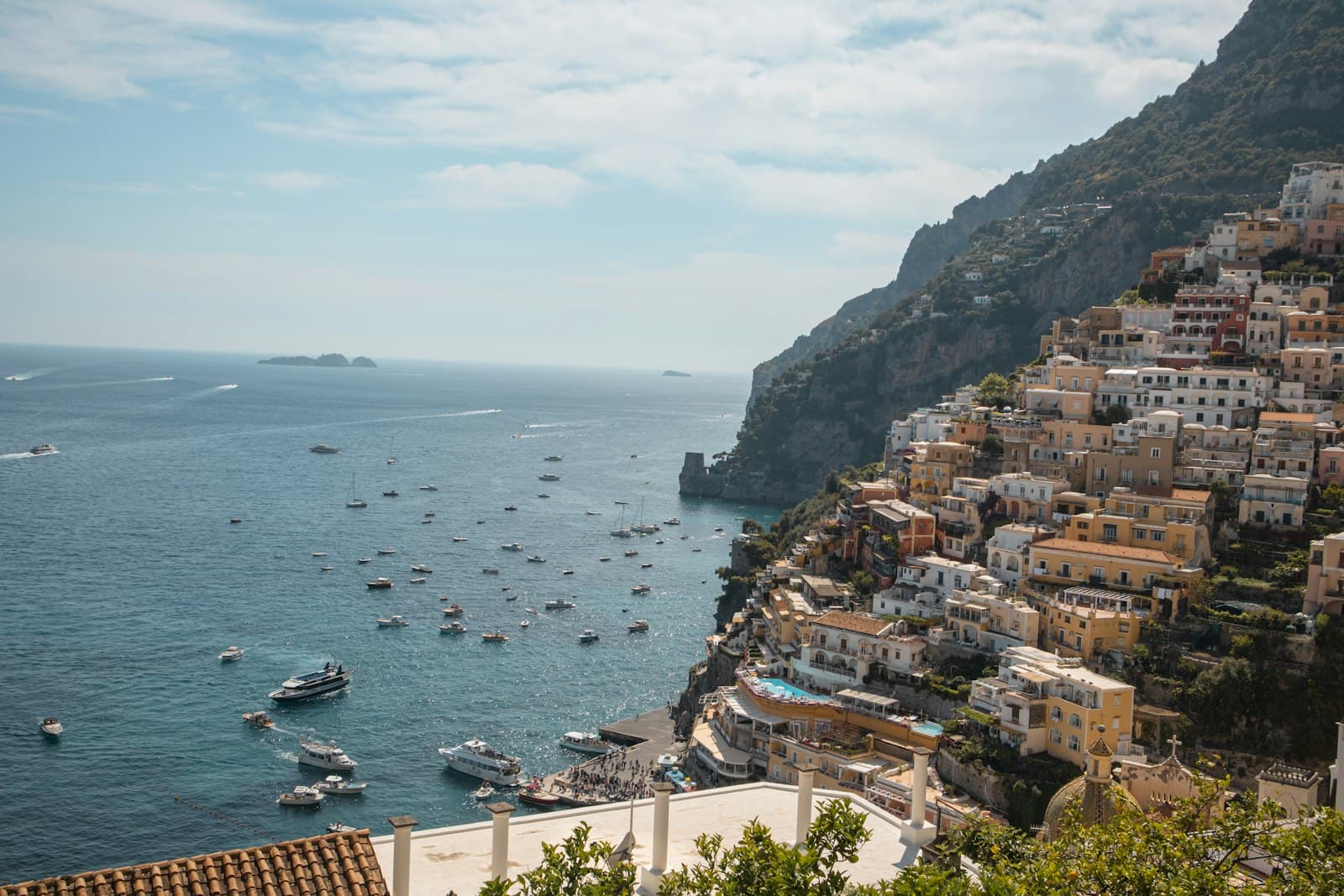
The Complete Guide to the Amalfi Coast: What to See, Do & Eat
The Amalfi Coast rewards patience more than speed — a cliffside hike, a slow dinner in Cetara, a ferry timed around the weather. Here's what to see, where to stay, and how the logistics actually work.

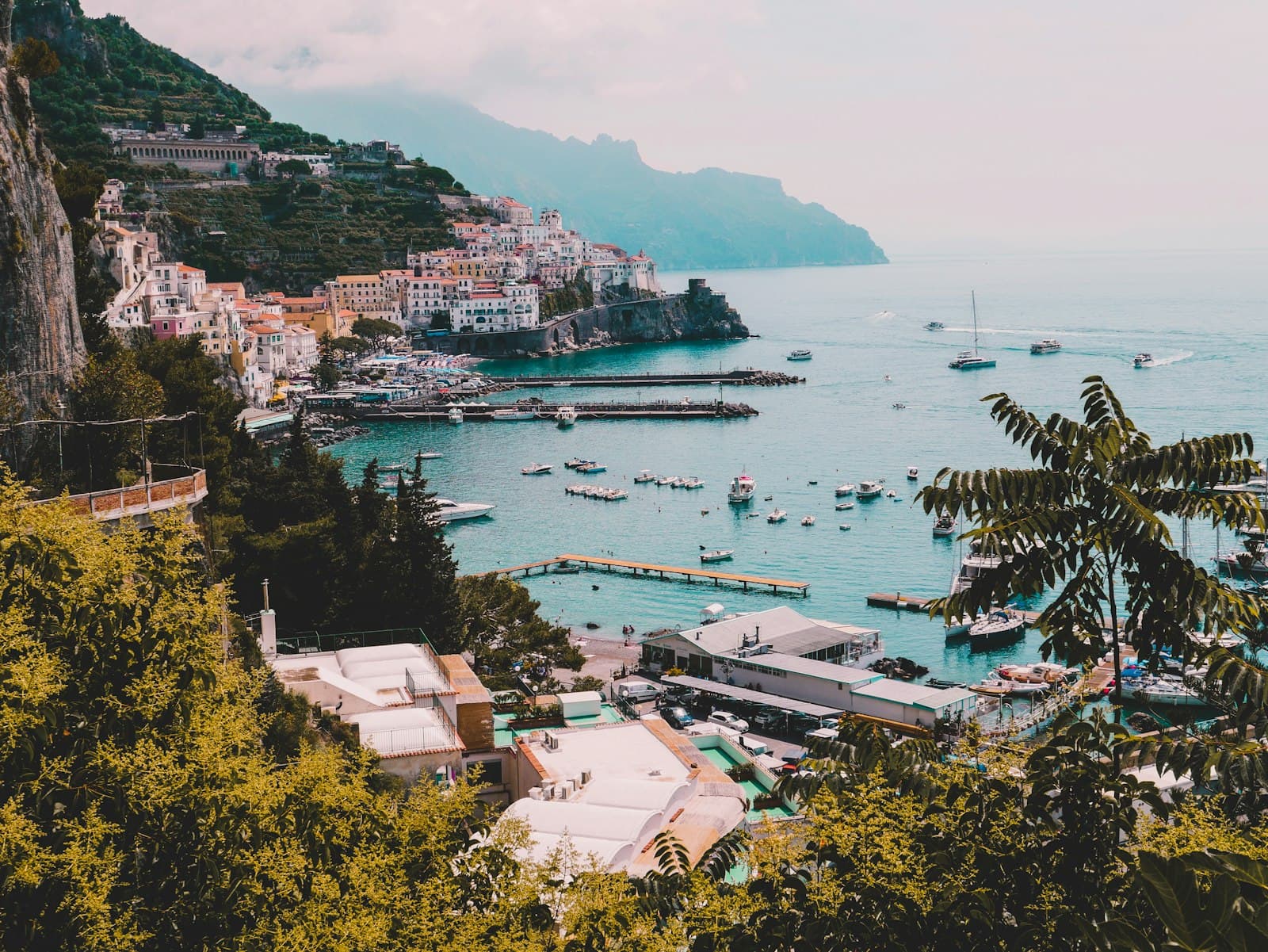
The Complete Guide to the Amalfi Coast: What to See, Do & Eat
A full planning guide to the Amalfi Coast — the Path of the Gods hike, where to stay from Positano to Ravello, what to eat, and a three-day itinerary built for spring.

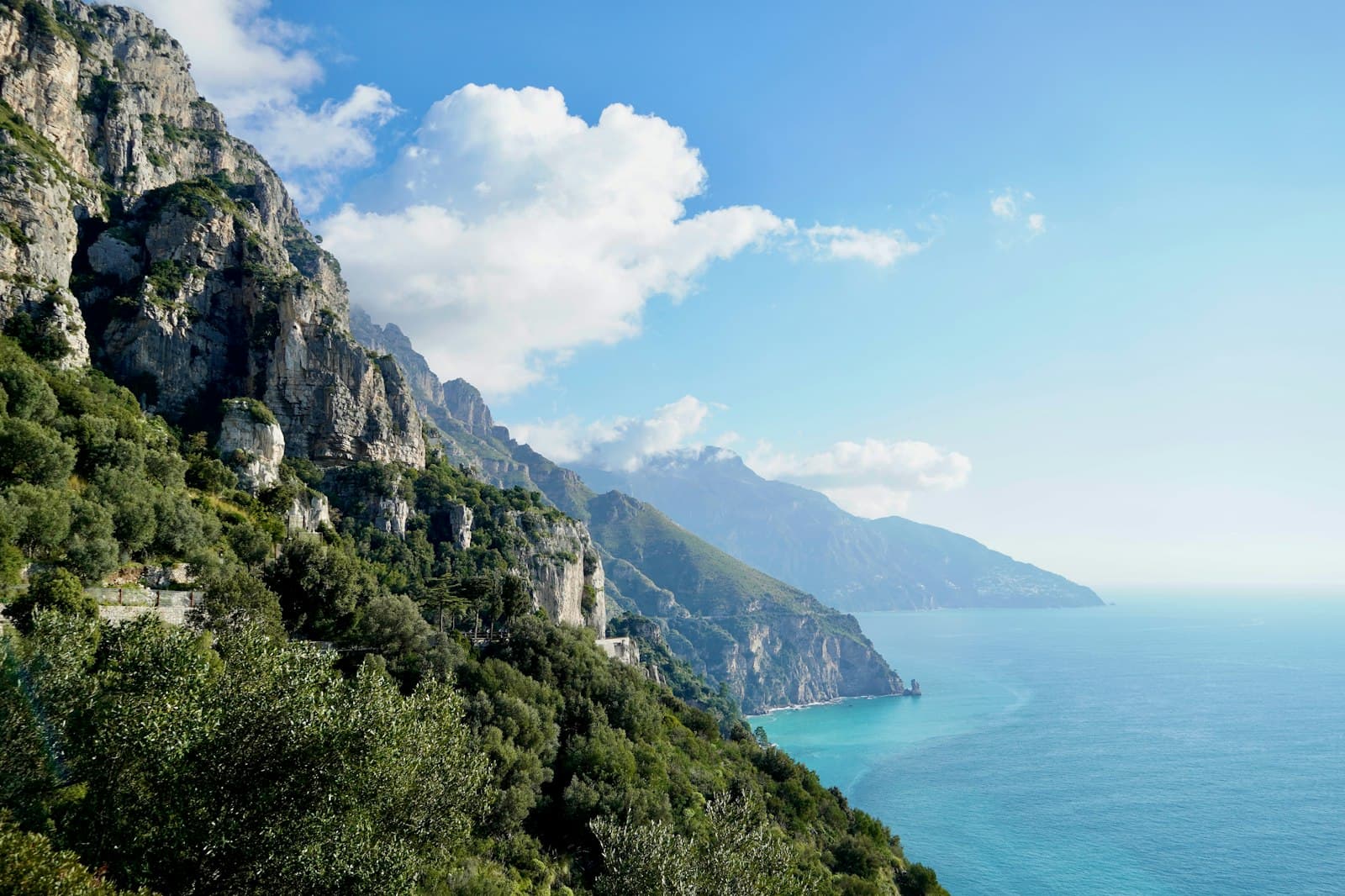
The Complete Guide to the Amalfi Coast: What to See, Do & Eat
The Amalfi Coast rewards travelers who hike its old mule paths, eat where the fishermen do, and time their visit for spring. Here's everything you need to plan it right.