
The Complete Guide to the Amalfi Coast: What to See, Do & Eat

Why the Amalfi Coast Still Stops Travelers in Their Tracks
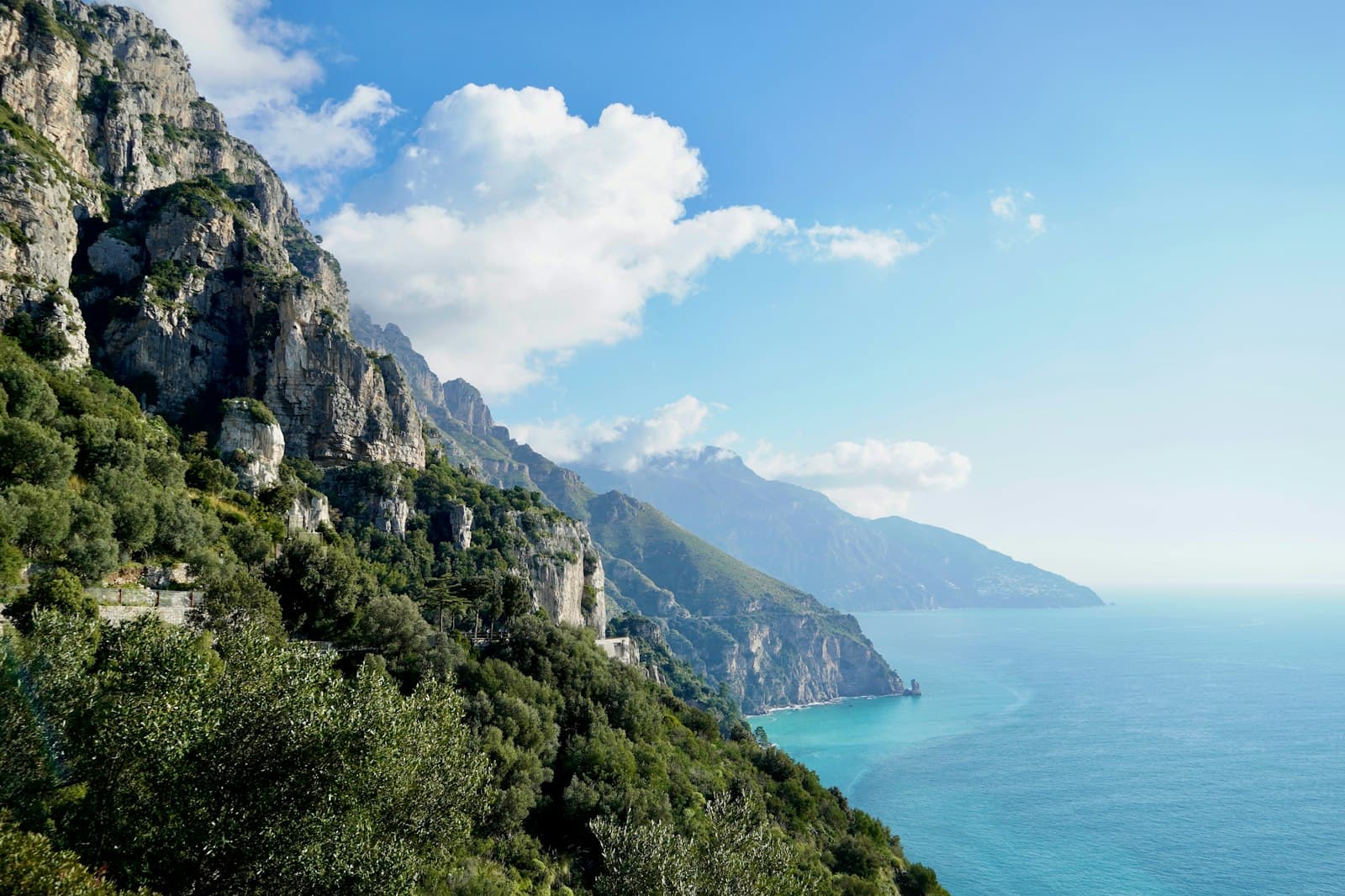
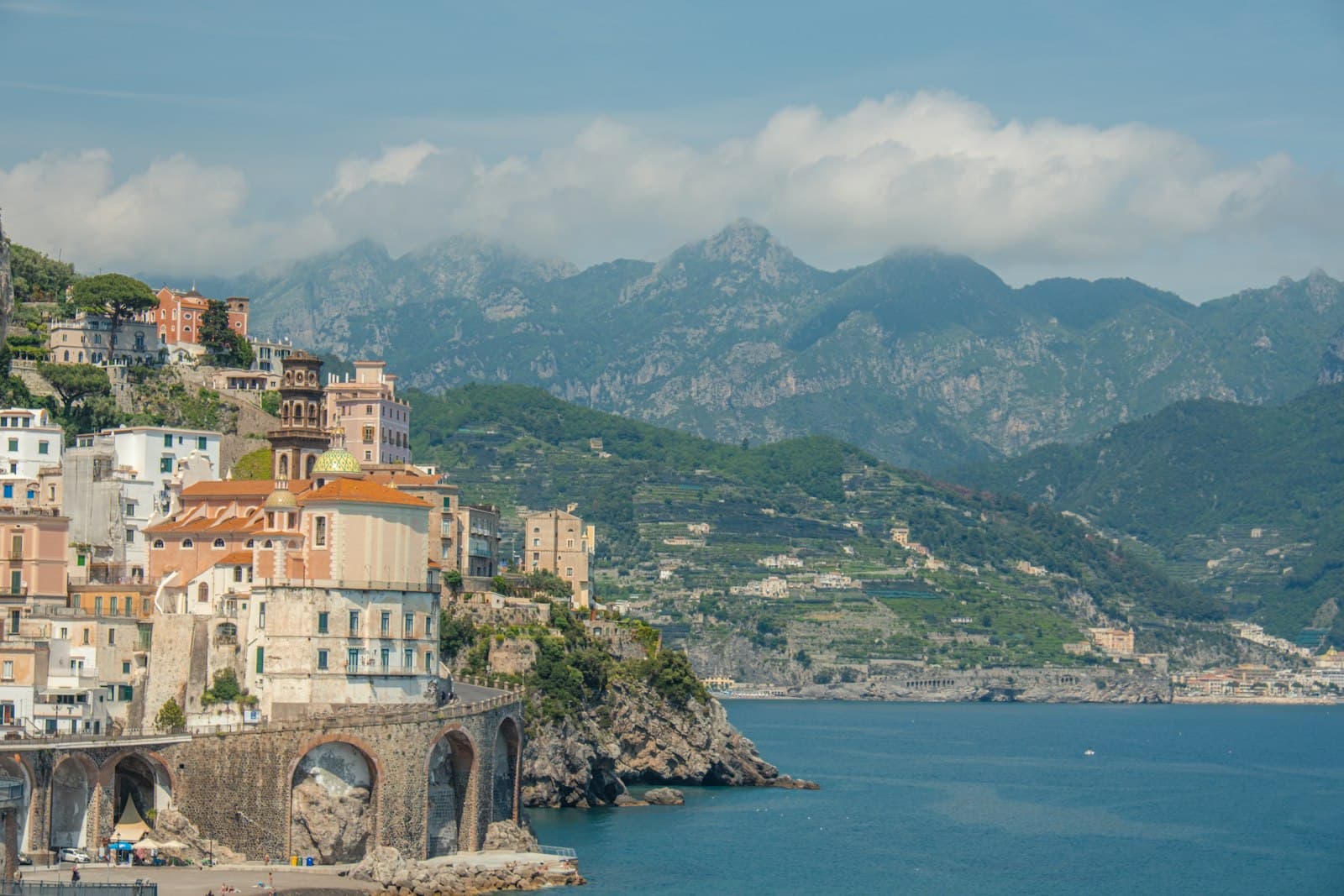
There is a bend on the coastal road just past Praiano where the bus brakes, the whole cabin leans toward the window, and someone always gasps. That's the Amalfi Coast doing what it does best: a 50-kilometer ribbon of road strung between Sorrento and Salerno, pinned to limestone cliffs that drop straight into water the color of blue curacao. Lemon groves terrace the hillsides above Positano and Amalfi town, fishing boats still haul in the morning's anchovies at Cetara, and footpaths older than the villages themselves climb into the hills behind. This isn't a coast you drive through quickly. It rewards travelers who slow down, walk the old mule tracks, and eat where the locals eat.
Amalfi Coast Quick Facts
Spring Timing: Why Late April Beats the July Gridlock
Spring is the hinge season on this coast, and it's a short one., and daytime temperatures sit in the comfortable 16-21°C range rather than July's suffocating 30s. Lemon blossom perfumes the terraces above Amalfi town through April and May, and the Ravello Festival's spring concert season begins warming up ahead of its full summer program. Crowds build fast around Easter week, so the sweet spot really runs from the week after Easter through early June, before school holidays across Europe fill the ferries. For a deeper look at why this window works so well, see our piece on why the Amalfi Coast is perfect for spring travel. Pack layers: mornings on the water can be breezy even when the piazzas are warm by noon.
Cordelie travel advisors
Planning Amalfi Coast? Go with someone who knows
The right suite, the right season, the reservations that never appear online — your Cordelie advisor knows them, and holds them for you.
Plan with a Cordelie advisorFree to ask. Cordelie Travel Services · IATA/ARC 06649064
Five Things Worth Rearranging Your Schedule For
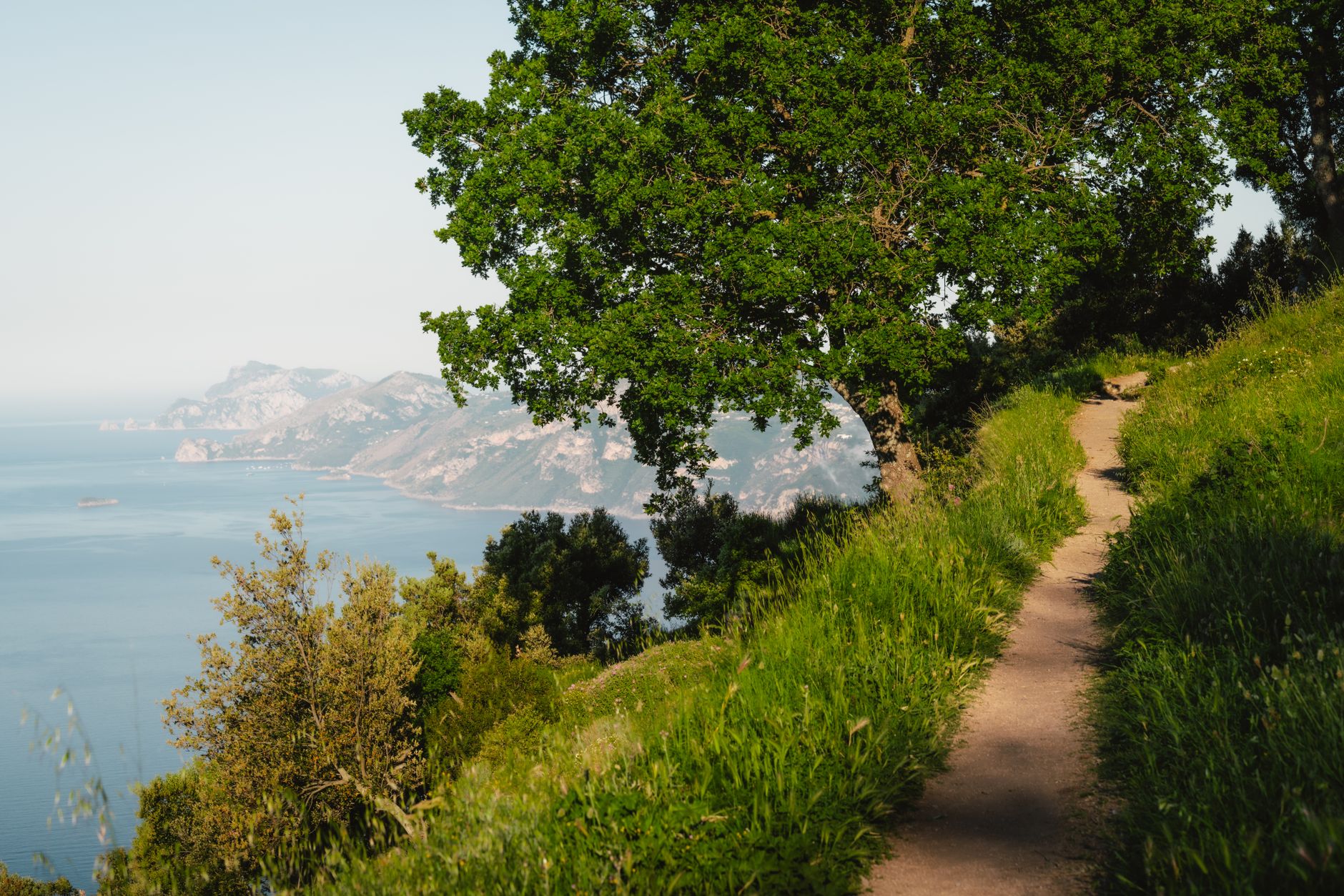
The Sentiero degli Dei, the Path of the Gods, is the coast's signature hike and it deserves an honest difficulty rating: moderate to strenuous, not a stroll. The classic 7.8-kilometer route from Bomerano down to Nocelle takes 3-4 hours, drops roughly 500 meters in uneven stone steps, and has stretches of real exposure where the trail narrows along the cliff edge. Wear proper trail shoes with grip, not sandals, carry at least 1.5 liters of water, and start by 8:30am to beat both the midday sun and the tour groups arriving from Praiano. The payoff is a near-constant view down onto Positano and the sea that no road pullout can match. Beyond the hike, take the short boat ride into the Grotta dello Smeraldo near Conca dei Marini (around €5-6, boats run roughly 9am-4pm depending on sea conditions), wander Ravello's Villa Rufolo gardens where Wagner composed part of Parsifal, and spend an afternoon in Amalfi town's Duomo di Sant'Andrea, whose cloister alone is worth the €3-4 entry. A day trip to Capri from Amalfi's harbor takes about 50-70 minutes by hydrofoil each way and is worth the early start. For a longer list of what to prioritize, our guide to the best things to do on the Amalfi Coast breaks down timing for each.
Scenes from the Coast
From Clifftop Suites to Praiano Guesthouses
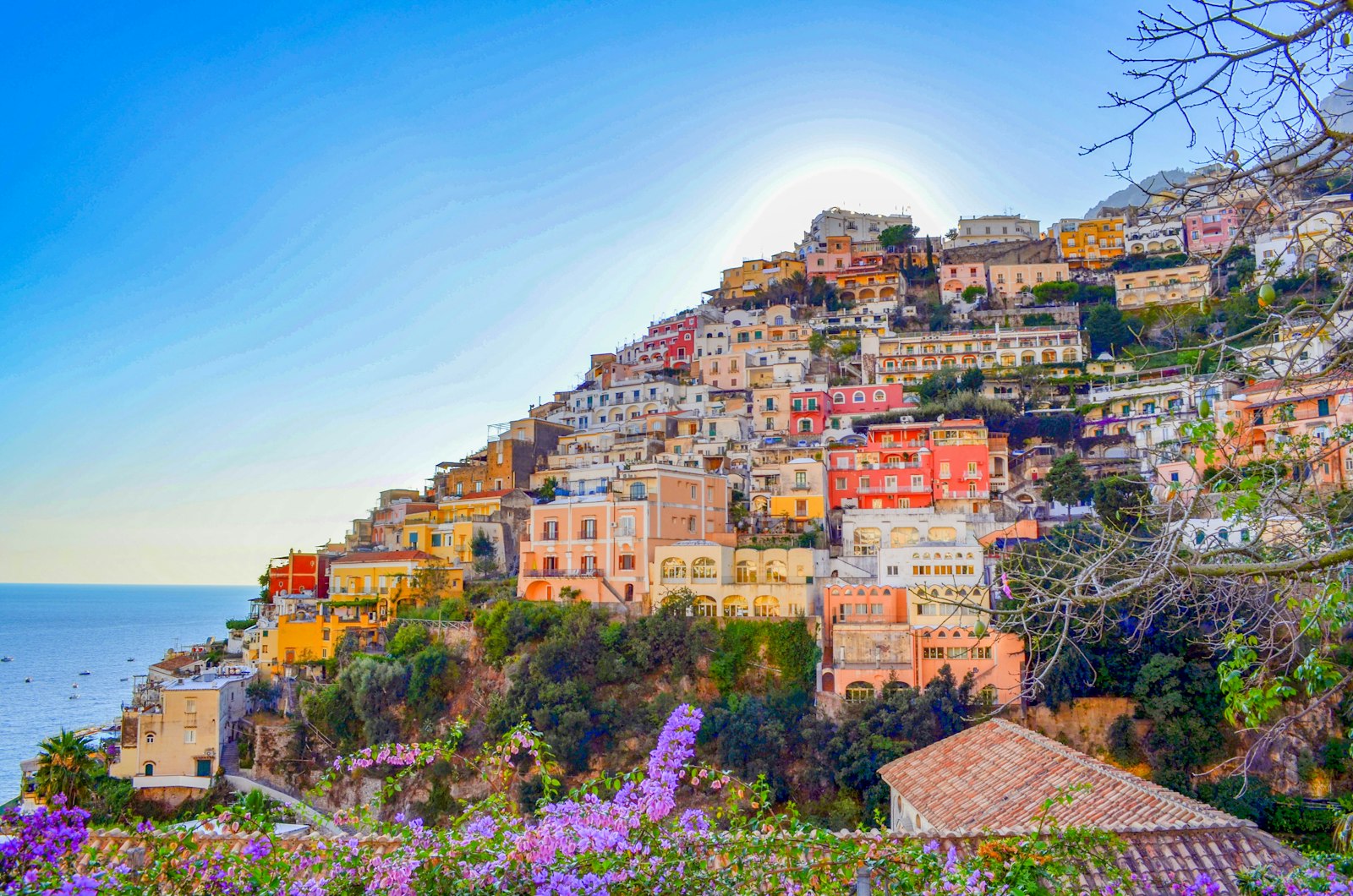
At the top end, Il San Pietro di Positano is carved into the cliff with its own elevator down to a private beach club, and spring rates typically start around €900-1,400 a night. Hotel Santa Caterina in Amalfi town pairs similar grandeur with a saltwater pool and a lemon grove you can walk through on the way to breakfast, often from €600-900 in April and May. In Ravello, the Belmond Hotel Caruso occupies a converted 11th-century palazzo with an infinity pool that seems to end at the horizon. For travelers who want the views without the top-tier price tag, Hotel Marina Riviera in Amalfi and Hotel Villa Fiorella in Positano run closer to €200-350 a night and still deliver sea-facing balconies. Budget-minded visitors do well basing themselves in Praiano, a quieter village between Positano and Amalfi where family-run guesthouses like Hotel Continental or Casa Angelina's simpler rooms run €120-200 and the bus connections in both directions are short and frequent.
Lemons, Anchovies and the Rhythm of a Coastal Table
Lemons here aren't a garnish, they're a crop, and the sfusato amalfitano variety grown on the terraces above town turns up in everything from delizia al limone, a dome of lemon cream cake, to a glass of ice-cold limoncello poured at the end of a meal whether you ordered it or not. Scialatielli ai frutti di mare, a thick hand-cut pasta with clams and mussels, is the dish to order near the water in Amalfi or Positano. In the fishing village of Cetara, order spaghetti con colatura di alici, dressed in a fermented anchovy sauce that's been made there for centuries. For the coast's most-talked-about pasta, book a table at Lo Scoglio or Da Maria in Nerano for spaghetti alle zucchine, built from nothing more than courgettes, basil and parmesan. Lunch generally runs 12:30-2:30pm and dinner service rarely starts before 7:30pm; in peak spring weekends, reserve restaurant tables at least a few days out, especially anywhere with a terrace.
“The coast doesn't give you its best view from a car window. You have to climb to it, or sail out far enough to look back.”
Getting Along a Road With No Room for Mistakes
The SS163, the single road connecting every town on this coast, was cut into cliffside rock and was never meant for modern traffic volume. Hairpin turns, oncoming tour buses, and a shortage of parking make self-driving genuinely stressful rather than scenic; many visitors who rent a car regret it by the second day. SITA buses run between Sorrento, Positano, Amalfi and Salerno roughly every 30-60 minutes in spring, with tickets around €2-5 depending on distance, though they do get standing-room full by midmorning. Ferries between Positano, Amalfi, Salerno and Capri start their regular spring schedule around early April and are faster and far less nerve-wracking than the road, with Positano-Amalfi running about 20-25 minutes. From Naples International Airport, a private transfer to Sorrento takes roughly 60-75 minutes depending on traffic, and from there buses or boats fan out along the coast. Our quick guide to the Amalfi Coast has a fuller breakdown of transfer options and timing if you're still mapping the logistics.
A Three-Day Loop: Positano, the Path of the Gods, and Ravello
Settle Into Positano and Walk Down to the Sea
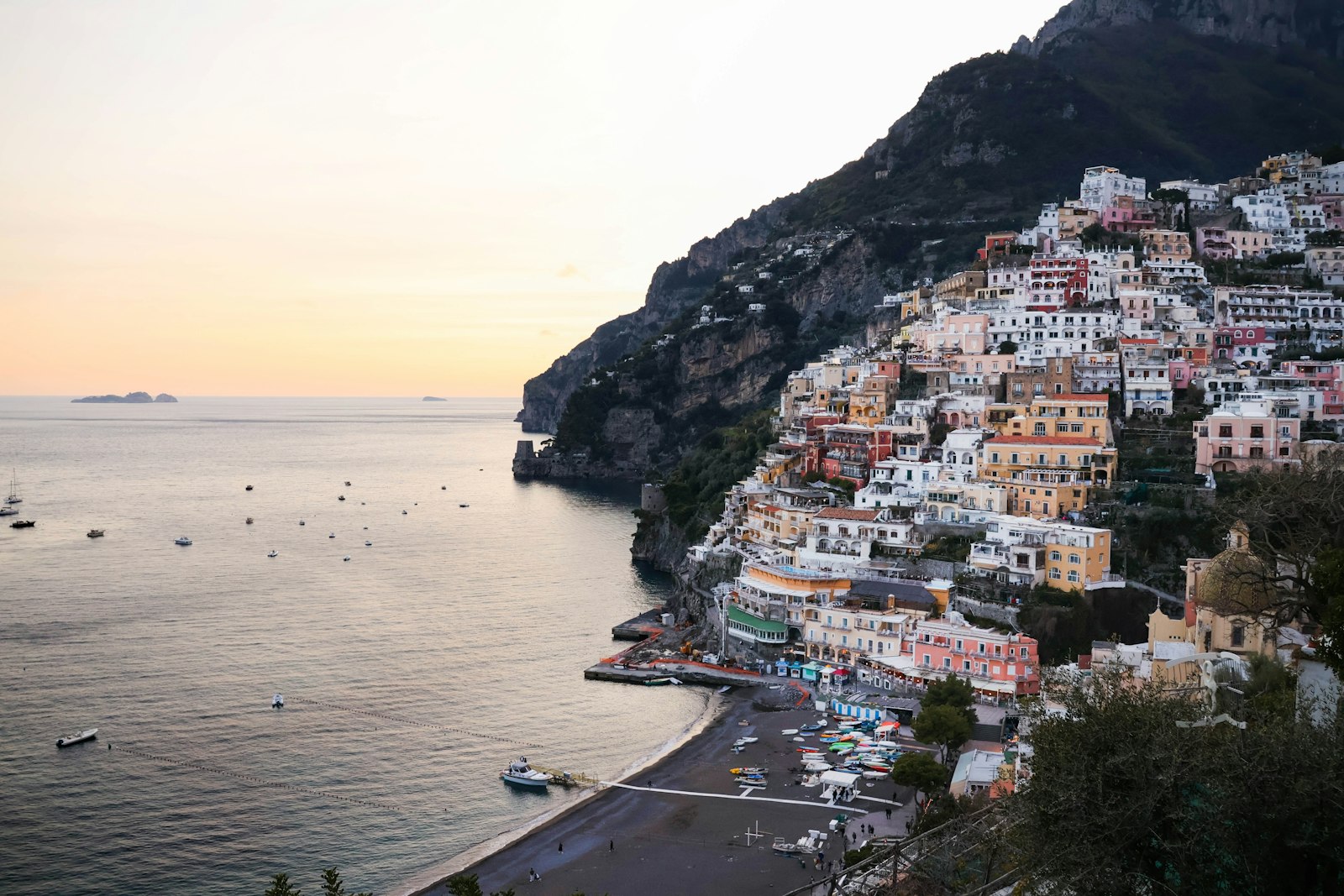
Arrive by midday transfer from Naples or Sorrento and check into your Positano base; most hotels can store luggage if your room isn't ready yet.
Spend the afternoon walking the town's near-vertical lanes down to Spiaggia Grande, then rent a sunbed for a few hours or just swim off the public section at the beach's far end, free of charge.
Book an early dinner table at La Cambusa right on the beachfront, known for simple grilled fish and a view of the boats coming in.
Hike the Path of the Gods, Then Explore Amalfi Town
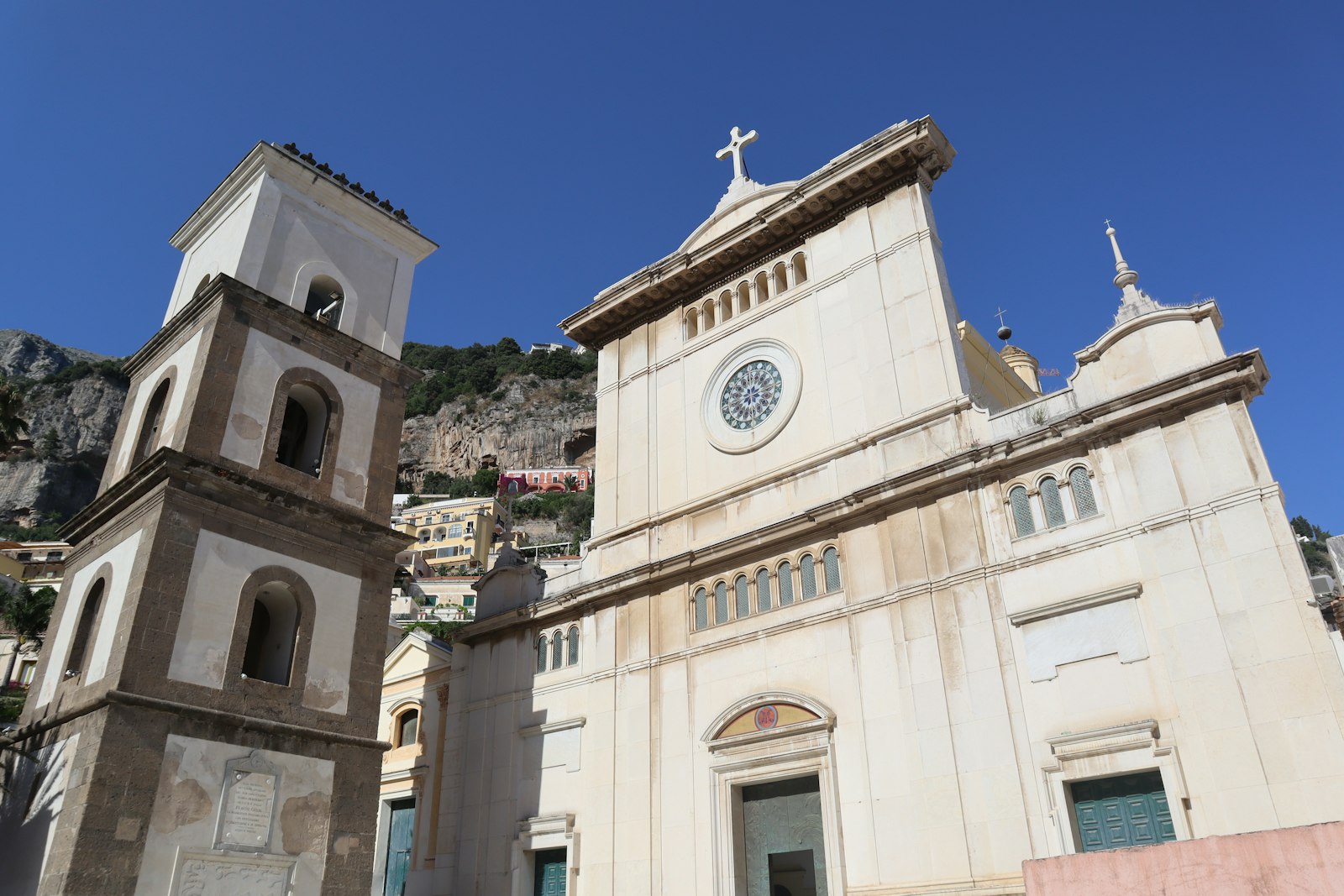
Take an early SITA bus or taxi up to Bomerano and start the Sentiero degli Dei by 8:30-9am, giving yourself 3-4 hours for the full descent to Nocelle. This is a real hike with uneven footing and exposed sections, so bring trail shoes, water and a hat.
From Nocelle, a short bus or taxi brings you down into Positano for lunch and a rest, then catch the ferry east to Amalfi town, about 20-25 minutes along the coast.
Spend the late afternoon in Amalfi's Duomo di Sant'Andrea and its cloister, then wander the pedestrian lanes near Piazza del Duomo before dinner.
Climb to Ravello, Then Choose Your Own Water Day
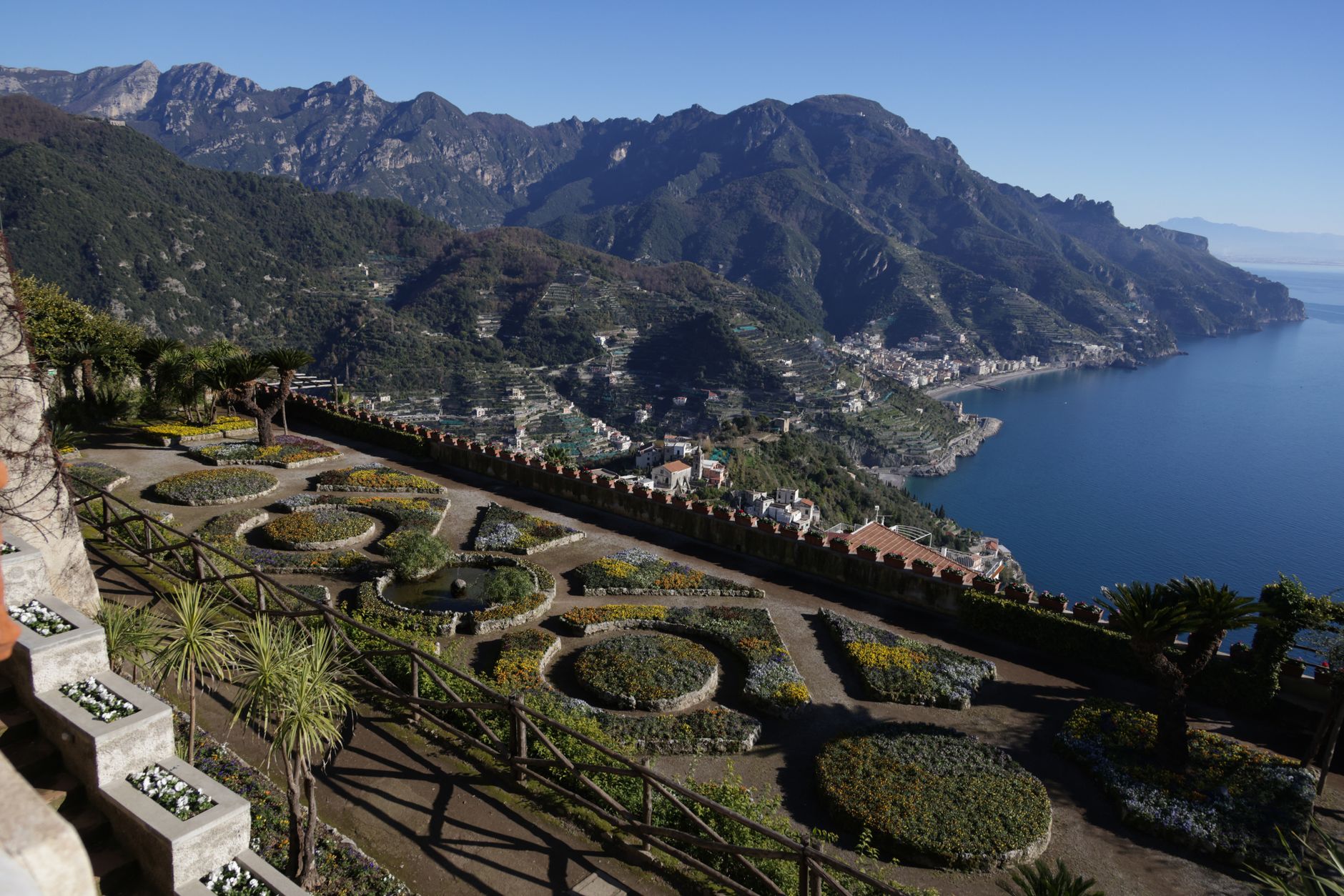
Take the local bus up from Amalfi to Ravello, about 25 minutes of switchbacks, and spend the morning in the gardens of Villa Rufolo and Villa Cimbrone, both with sweeping views over the Gulf of Salerno.
Head back down to the coast for lunch, then decide between two directions: a boat trip to the Grotta dello Smeraldo and a swim off Conca dei Marini, or a longer hydrofoil run out to Capri for the afternoon if you haven't been yet.
Round out the trip with dinner back in Amalfi or Positano, ordering the scialatielli or spaghetti alle zucchine you've been eyeing all week.
The best villa terraces, the quiet boat captains who know which cove is empty at 10am, and a window table at Lo Scoglio booked weeks ahead when the restaurant itself has no tables left — this is where a Cordelie advisor earns their place in your trip.
A Cordelie travel advisor builds the days around your pace, pairs the right hotel to the right stretch of coast, and secures the reservations that make a spring trip here feel effortless rather than scrambled.
The Amalfi Coast At a Glance
A coast built for slow travel: spectacular on a ferry rail, demanding on a hiking trail, and best enjoyed in late spring before the summer crowds arrive.
Go for the Sentiero degli Dei hike, the lemon-scented towns, and seafood that rarely leaves the dock before lunch.
Plan around April through early June for the clearest skies and the thinnest crowds, and lean on ferries over the road whenever the route allows.
Budget for a range of stays, from Praiano guesthouses near €120-200 a night to clifftop suites well above €900, and book spring restaurant tables several days ahead.
Last checked for accuracy: . How we check

Marcus Rivera has spent fifteen years writing about places you have to walk into. He has guided in Patagonia, reported from Kilimanjaro's quieter routes, and has strong opinions about which of them are worth the airfare. He is based in Boulder, mostly so he can leave it.
Related Articles
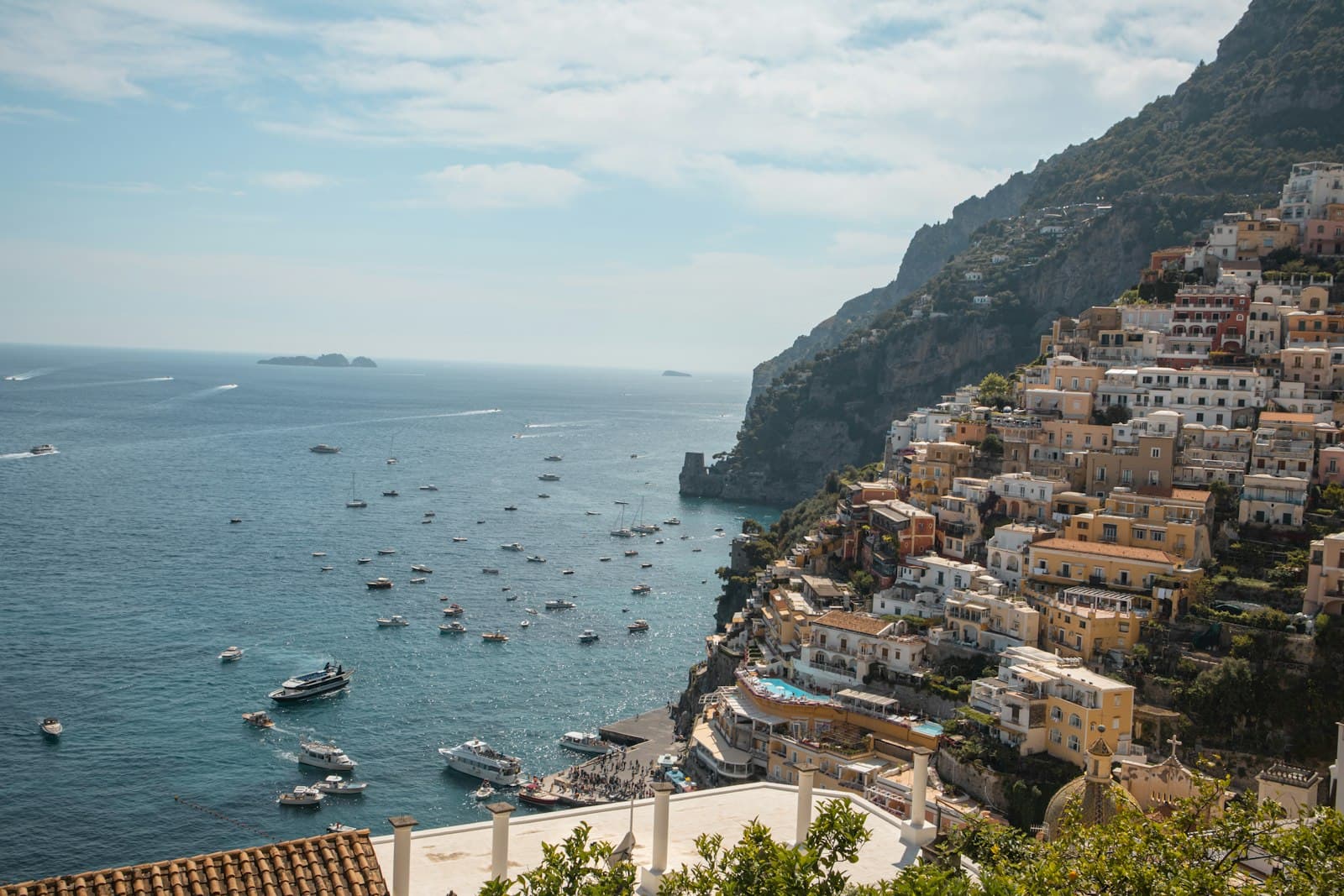
The Complete Guide to the Amalfi Coast: What to See, Do & Eat
The Amalfi Coast rewards patience more than speed — a cliffside hike, a slow dinner in Cetara, a ferry timed around the weather. Here's what to see, where to stay, and how the logistics actually work.

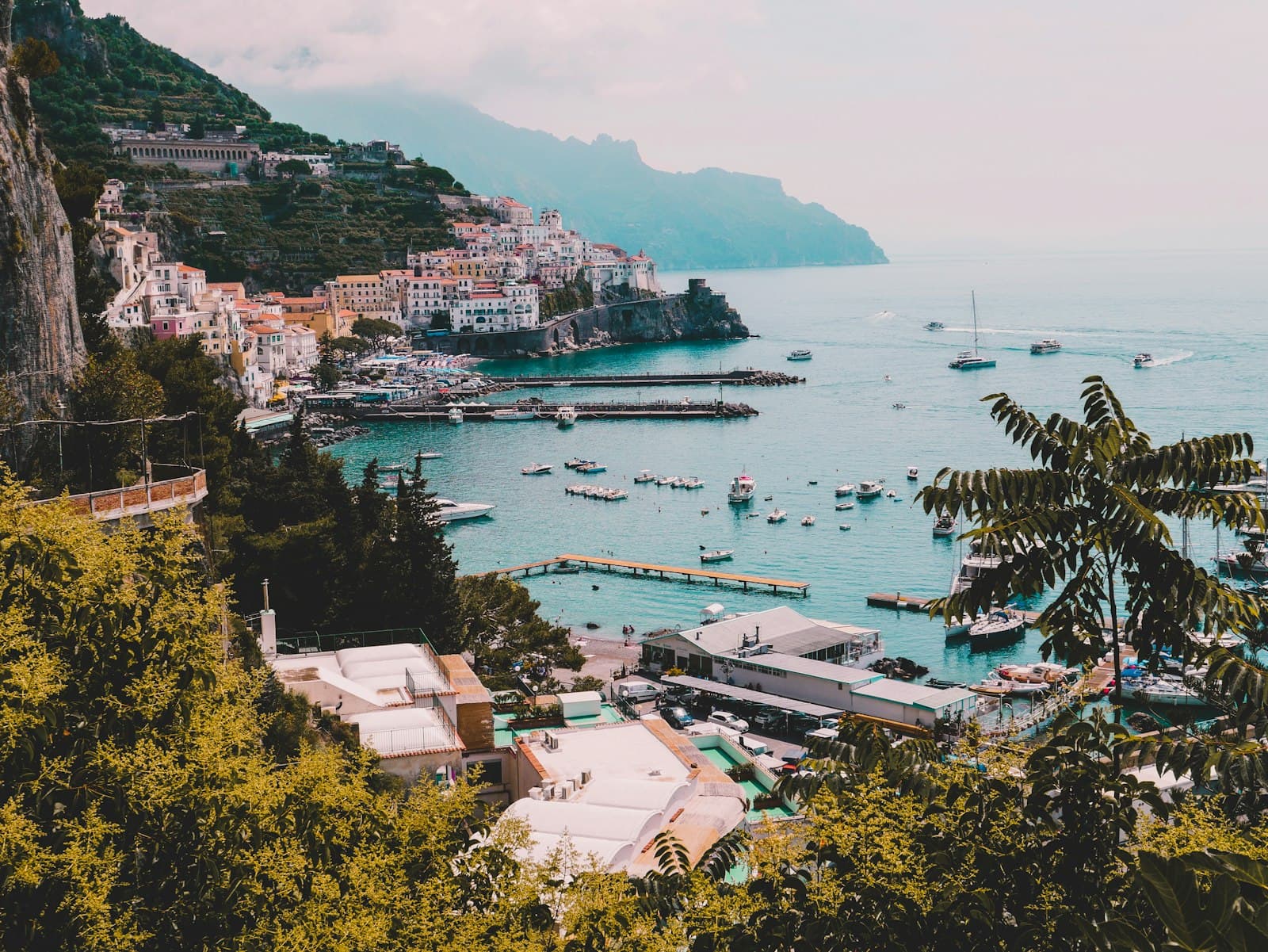
The Complete Guide to the Amalfi Coast: What to See, Do & Eat
A full planning guide to the Amalfi Coast — the Path of the Gods hike, where to stay from Positano to Ravello, what to eat, and a three-day itinerary built for spring.
What Travelers Need to Know About the Amalfi Coast Right Now
Spring brings beauty to the Amalfi Coast—and traffic chaos. Road construction through June means 30–60 minute delays between towns. Here's how to plan around it.