
The Complete Mekong River Cruise Itinerary: From Ho Chi Minh City to Siem Reap

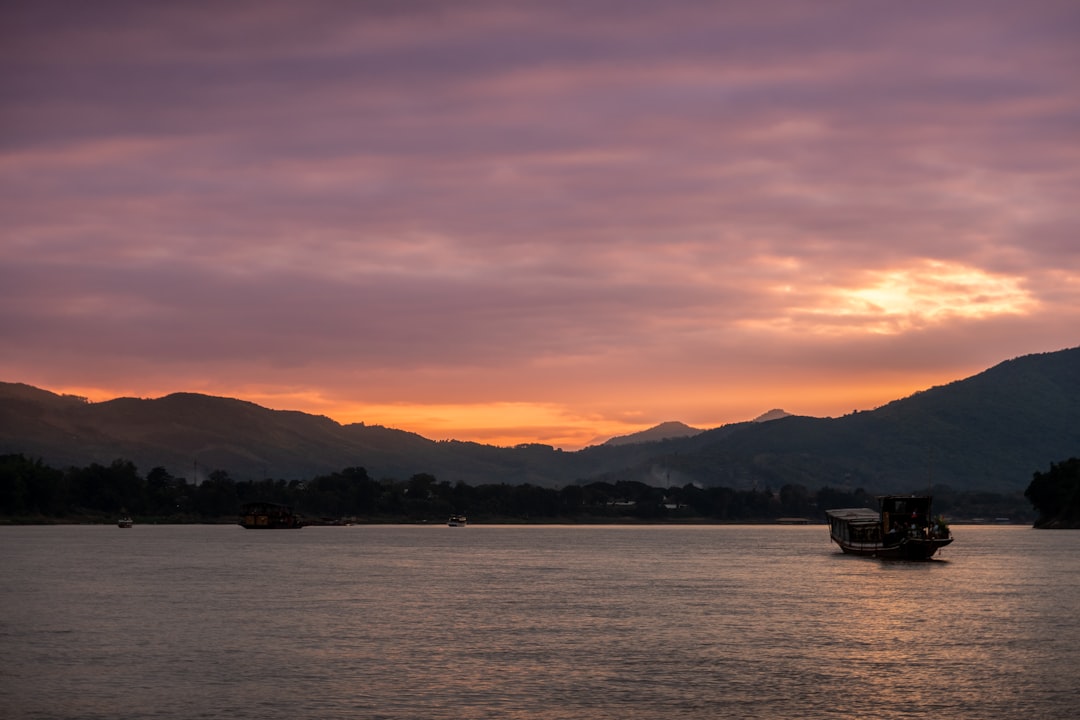
Two Countries, One River: Why the Saigon-to-Angkor Cruise Works
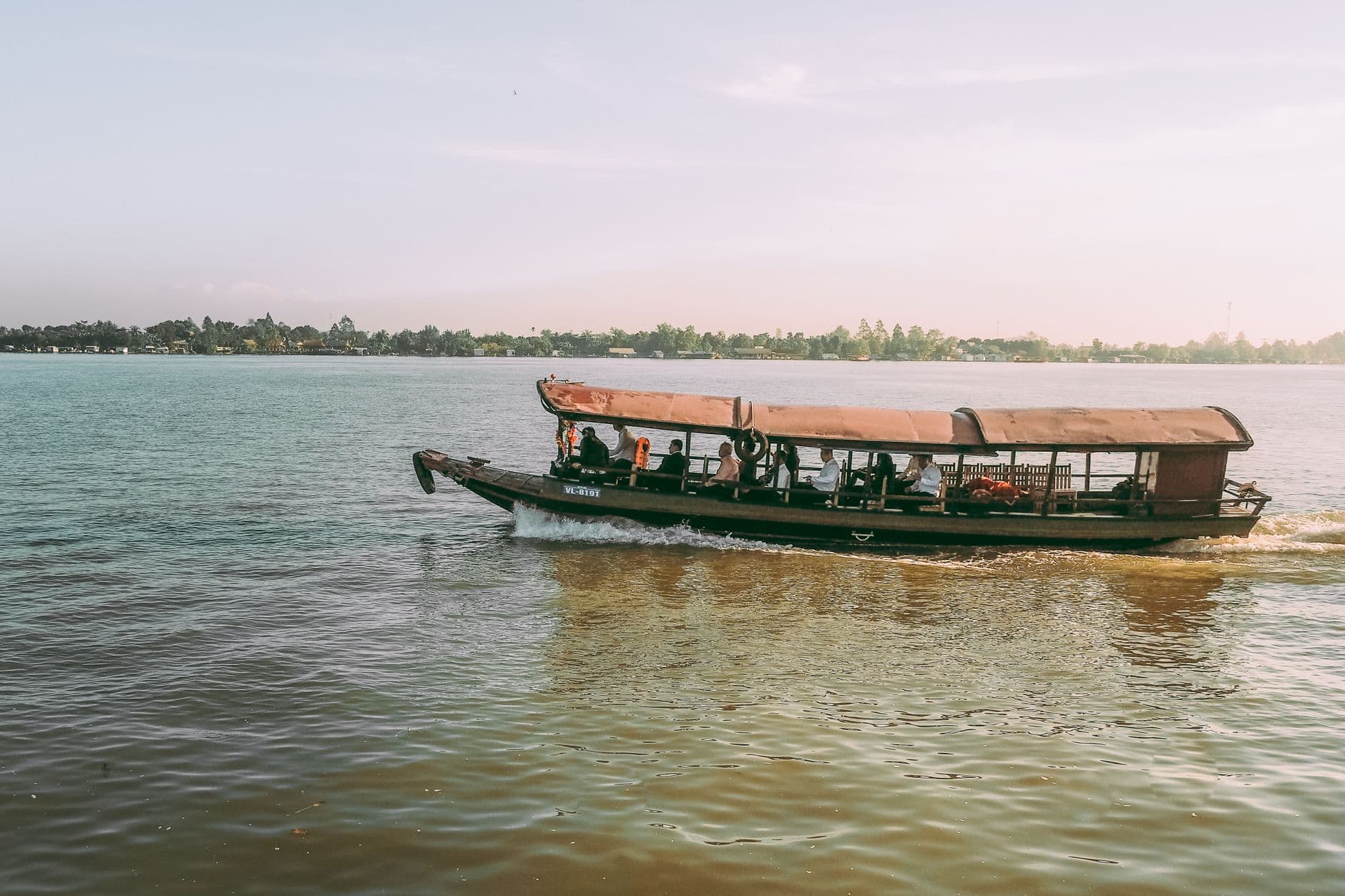
There is no faster way to feel the distance between Ho Chi Minh City's motorbike roar and the stone silence of Angkor than to travel it by water. The Mekong does the narrating for you: it widens and thins, delta canals give way to the open channel above Phnom Penh, and the jungle finally closes in as you near Siem Reap. A river cruise between the two cities is not a shortcut through Vietnam and Cambodia so much as a slow reveal of both, one floating market and one riverside temple at a time.
This is a route built for a certain kind of traveler: someone happy to wake at 6am for a market that closes by 9, someone who wants a private balcony rather than a cruise-ship atrium, and someone traveling with parents, grandchildren, or a group who all need a gentler pace than a backpacker's overland dash. Ships on this run carry as few as 12 cabins and as many as 62, and the smaller the ship, the closer you actually get to the river.
Mekong Cruise Quick Facts
Low Water or High Water: Reading the Mekong's Two Seasons
The Mekong does not behave the same way twice a year, and it changes what your cruise actually looks like. From roughly November through February, the dry season drops the river low. Sandbanks appear, riverside vegetable gardens sit exposed on the banks, and the delta's floating markets are at their most visible and photogenic. Daytime temperatures hover in the comfortable 24 to 30°C range in both the Mekong Delta and Phnom Penh, with cool mornings that make an early departure for Cai Be genuinely pleasant rather than a test of endurance.
The tradeoff is the final stretch. In low water, the Tonle Sap Lake between Phnom Penh and Siem Reap can be too shallow for the ship to cross fully, so most lines transfer guests by road from Kampong Chhnang for the last 2.5 to 3 hours into Siem Reap. From June through October, the rainy season floods the delta and swells the Tonle Sap, letting larger vessels sail the whole way to Siem Reap's port, but afternoon downpours are frequent and some Chau Doc-area markets sit partly underwater. Cambodia's water festival, Bon Om Touk, usually falls in November and marks the river's turn back toward its dry-season self, with Phnom Penh's riverside packed for boat races.
Cordelie travel advisors
Go with someone who knows
The right suite, the right season, the reservations that never appear online — your Cordelie advisor knows them, and holds them for you.
Plan with a Cordelie advisorFree to ask. Cordelie Travel Services · IATA/ARC 06649064
From Cai Be's Sampans to the Bayon's Stone Faces: The Route's Standout Stops
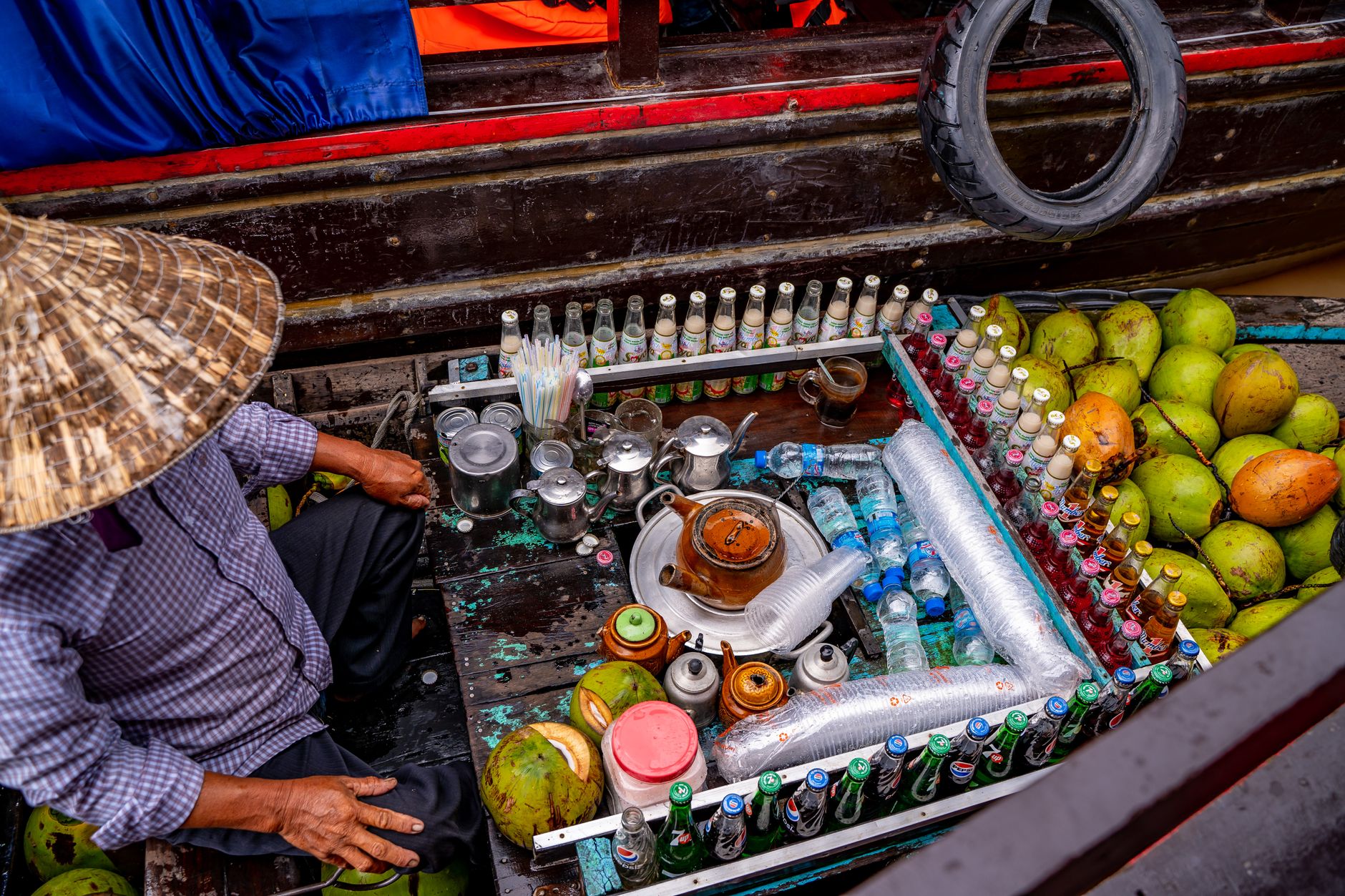
Cai Be, about 2 hours by ship from Ho Chi Minh City's My Tho pier, is where most itineraries introduce the floating market properly. Sampans loaded with pineapples, dragon fruit, and rice noodles cluster before 8am, each one advertising its cargo by hanging a sample from a tall pole. Vinh Long and Sa Dec follow, the latter home to the yellow colonial house where the writer Marguerite Duras spent part of her childhood, an easy 20-minute walk from the pier.
Chau Doc, near the Cambodian border, is usually the last Vietnamese stop before the ship's papers are checked at the Vinh Xuong crossing, roughly an hour's sail further. Phnom Penh arrives after a further 5 to 6 hours upriver, and it deserves a full day: the gilded Royal Palace and Silver Pagoda sit right on the riverfront promenade, while Tuol Sleng and the Choeung Ek memorial, about 15km outside the center, are sobering but essential half-day additions many lines build into a longer stay of two nights.
Between Phnom Penh and Siem Reap, smaller riverside villages like Kampong Tralach and Angkor Ban offer bicycle rides past wooden stilt houses and pagodas that rarely see a tour bus. The payoff arrives in Siem Reap itself, where Angkor Wat's causeway gates typically open around 5am for sunrise, and Ta Prohm's strangler fig roots and the serene stone faces of the Bayon are best walked in the cooler hour after opening, before the day's heat and the day's crowds both arrive.
Scenes Along the Route
Choosing Your Ship: Cabins, Company, and How Close to the River You Sit
This route is a small-ship specialty, and the operator you choose shapes the trip more than any single port does. Aqua Expeditions runs the 20-suite Aqua Mekong with floor-to-ceiling windows and a design-forward feel more boutique hotel than riverboat. AmaWaterways' AmaDara carries around 62 guests in a more classic cruise-ship layout with a sun deck pool. Pandaw, the pioneer of the route, operates the Mekong Pandaw and Tonle Pandaw in a colonial-teak style with just 14 to 32 cabins, favoring intimacy over amenities.
Heritage Line's Jahan leans into 1920s Indochine styling with a spa and pool bar aboard a 26-cabin ship, while Avalon Waterways' Avalon Siem Reap keeps things simple and comfortable for around 36 guests. CroisiEurope, a French operator, runs the RV Indochine II with a slightly larger, more budget-accessible cabin count. None of these ships is enormous, which is the point: at Mekong Delta water levels, only a shallow-draft, modest-length vessel can actually reach the smaller channels where the floating markets happen.
Bookending the Cruise: Where to Stay in Saigon and Siem Reap
Most itineraries add a night before embarkation in Ho Chi Minh City and one or two after disembarkation in Siem Reap, and both cities reward the extra time. In Saigon, the Park Hyatt Saigon on Lam Son Square puts you a 10-minute walk from the Notre-Dame Cathedral and the Ben Thanh Market, while the older Hotel Majestic Saigon sits directly on the Saigon River, a five-minute stroll to where many ships actually embark near the Bach Dang wharf.
In Siem Reap, Shinta Mani Angkor and the Park Hyatt Siem Reap both sit within a 10-minute tuk-tuk ride of Pub Street and the Old Market, useful for an evening after temple-hopping. For a splurge night before flying home, Belmond La Résidence d'Angkor backs onto the Siem Reap River with gardens that feel a world away from the temple crowds just 15 minutes up the road. In Phnom Penh, if your itinerary includes an overnight there, the riverfront Raffles Hotel Le Royal is the address that sets the standard, complete with a pool bar shaded by frangipani trees.
Pho, Amok, and the River's Own Table Manners
Food on board tends to track the river: Vietnamese breakfasts of pho bo and banh mi give way, somewhere around the Cambodian border, to fish amok and lok lak on the dinner menu. Ashore, budget an evening in Ho Chi Minh City for Cuc Gach Quan, a garden-set restaurant serving home-style Vietnamese dishes for roughly $8 to $15 a plate. In Phnom Penh, Malis on Norodom Boulevard does a refined take on Cambodian classics, and in Siem Reap, Marum, run by the Friends-International training program, plates dishes like red tree ant beef stir-fry for a good cause and a genuinely good meal, at around $6 to $10 an entrée.
Etiquette shifts slightly at the border. In Vietnam, a nod and a smile handle most market transactions; in Cambodia, a slight bow with hands together, the sampeah, is appreciated when greeting elders or monks, though no one expects a foreign visitor to get it perfect. At Angkor's temples, shoulders and knees should stay covered, particularly at the Angkor Wat central sanctuary, where guards do enforce it.
“The river doesn't care which country it's in. It just keeps moving, and for ten days, so do you.”
Crossing Borders by Boat: What the Vinh Xuong Checkpoint Actually Involves
On board, movement is simple: you unpack once and the ship does the traveling, with shore excursions run by tender boats or sampans to reach markets and villages the main ship cannot enter. The one logistical pinch point is the Vietnam-Cambodia border crossing at Vinh Xuong on the Vietnamese side and Kaam Samnor on the Cambodian side, usually reached a few hours past Chau Doc.
Nearly all cruise lines handle this as a formality: guides collect passports the evening before, officials board the ship or meet it at a floating checkpoint, and the process typically takes 1 to 2 hours while the ship holds position. The catch is that both e-visas must be arranged before departure, since there is no visa-on-arrival at this river crossing, and immigration officers can be slow to process a large group if paperwork is incomplete. Confirm with your line at booking whether they collect visa details in advance or expect you to arrive with printed approvals in hand.
Once past Phnom Penh, road transfers matter more than boat schedules. In low-water months, the drive from Kampong Chhnang to Siem Reap runs about 2.5 to 3 hours on a paved but occasionally bumpy road, and it is worth requesting a mid-morning departure rather than a pre-dawn one, since there is little to see in the dark.
A Nine-Day Arc: Saigon's Wharf to Angkor's Gates
Embarkation in Ho Chi Minh City and First Landing at Cai Be
Board your ship near the Bach Dang wharf in central Ho Chi Minh City by early afternoon, with the ship casting off downriver toward the delta by late afternoon.
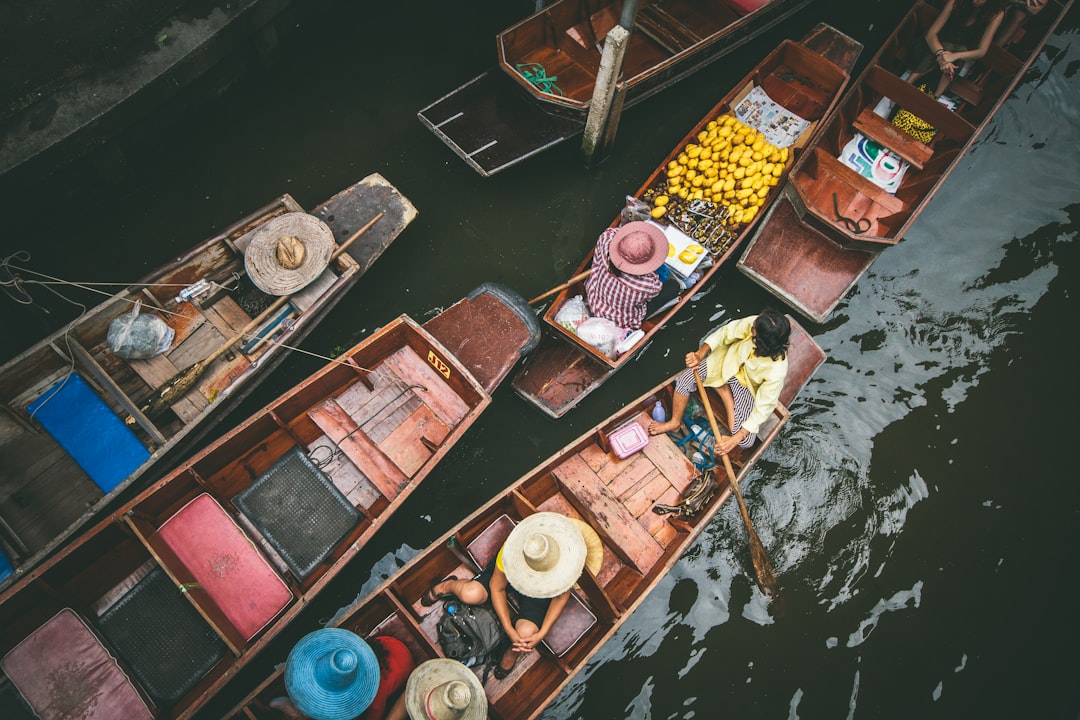
By the following dawn you are anchored near Cai Be, and a sampan transfer around 6:30am puts you among the floating market's fruit boats before the morning trade thins out around 9am.
Crossing into Cambodia and a Full Day on Phnom Penh's Riverfront
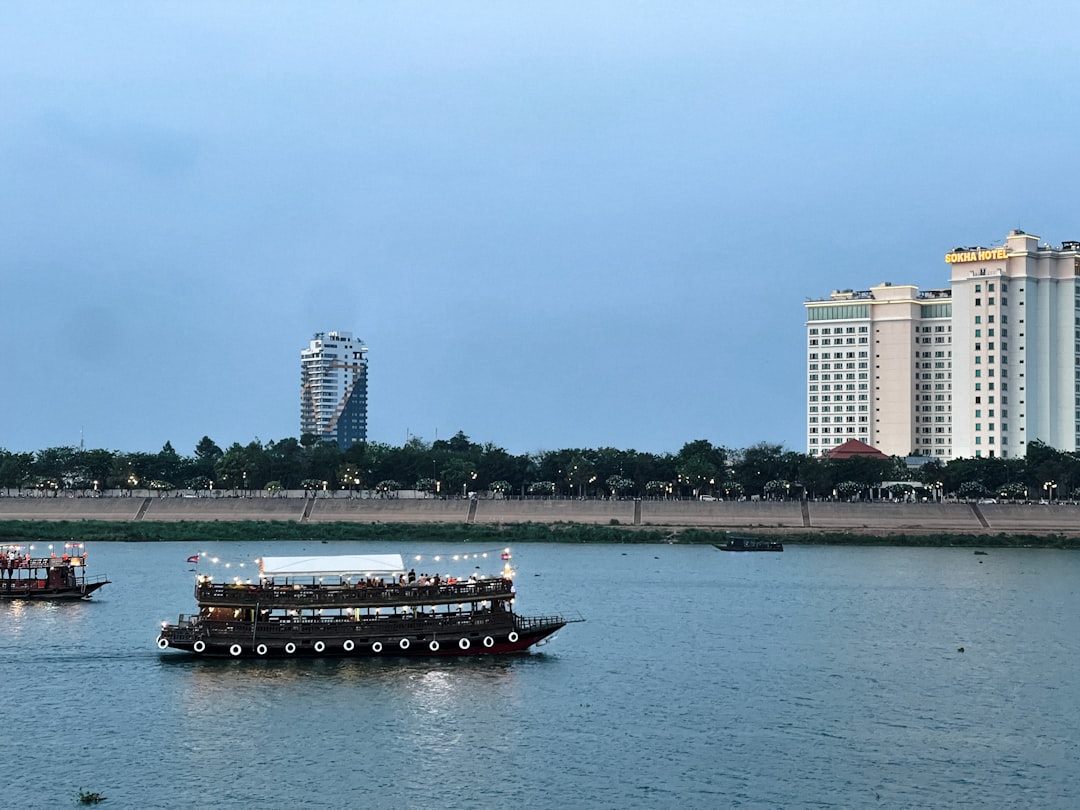
After the Vinh Xuong border formalities, typically cleared over 1 to 2 hours the previous evening or early that morning, the ship arrives in Phnom Penh by mid-morning.
A guided half-day covers the Royal Palace, Silver Pagoda, and the National Museum, all within a 10-minute walk of the ship's berth, while the afternoon is often given to the harder but essential visits to Tuol Sleng and Choeung Ek, about 15km from the center.
Arrival in Siem Reap and Sunrise at Angkor Wat
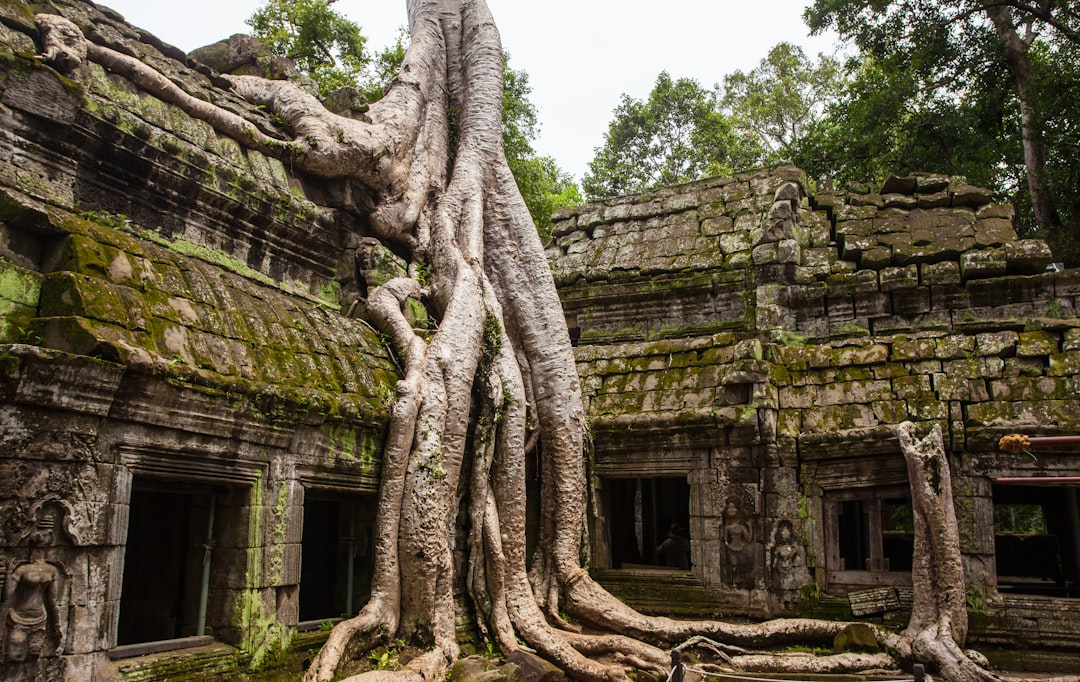
Whether by direct sail or the Kampong Chhnang road transfer, you reach Siem Reap the evening before, checking into a hotel rather than the ship for this final stretch.
A pre-dawn departure around 4:45am gets you to Angkor Wat's causeway before the gates open at 5am, followed by Angkor Thom's Bayon and the fig-strangled ruins of Ta Prohm before the midday heat sets in.
The gap between a forgettable Mekong cruise and an extraordinary one usually comes down to timing choices most travelers never see coming: which water level you'll actually sail in, whether your ship's cabin category has the balcony you're picturing, and which Angkor temples pair well with a given sunrise slot.
A Cordelie advisor builds the season, the ship, and the Angkor days into a single itinerary suited to how you actually like to travel, then holds the cabin and the border-crossing paperwork before it becomes a scramble.
Start the conversation at https://cordelie.com/contact and let the planning become part of the pleasure.
Should You Book the Saigon-to-Siem Reap Mekong Cruise?
A genuinely worthwhile way to link two countries, best taken slowly on a small ship in the November-to-February dry season.
This is not a beach-and-cocktail cruise; it rewards travelers who want the delta's floating markets, Phnom Penh's history, and Angkor's temples woven into one unhurried journey rather than three separate trips.
Book a ship of 40 cabins or fewer if you want real access to the smaller channels, confirm your e-visas for both countries well before departure, and add at least one buffer night in Siem Reap so Angkor doesn't feel rushed after days of river travel.
Last checked for accuracy: . How we check

Priya Raman has spent eleven years testing whether a destination works with a four-year-old, a teenager and a grandparent in the same party. She writes the version of the guide that accounts for nap times and still gets you to the good stuff, and travels from Toronto with a carry-on she can pack in nine minutes.
Related Articles
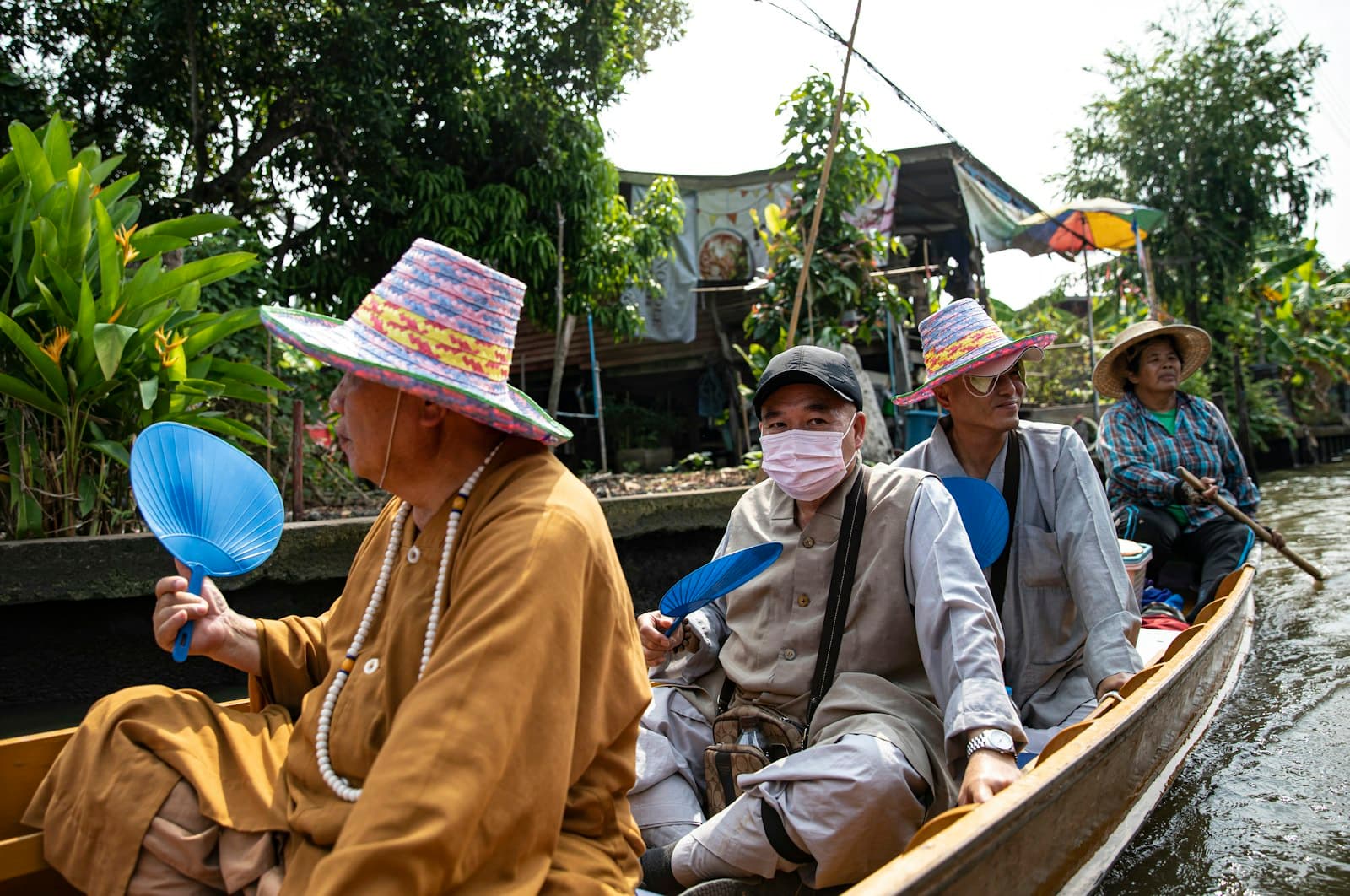
The Best Things to Do in The Mekong River: Ho Chi Minh City to Siem Reap
From Cai Be's dawn floating market to sunrise at Angkor Wat, these are the nine stops that make the Ho Chi Minh City to Siem Reap river route unforgettable.