
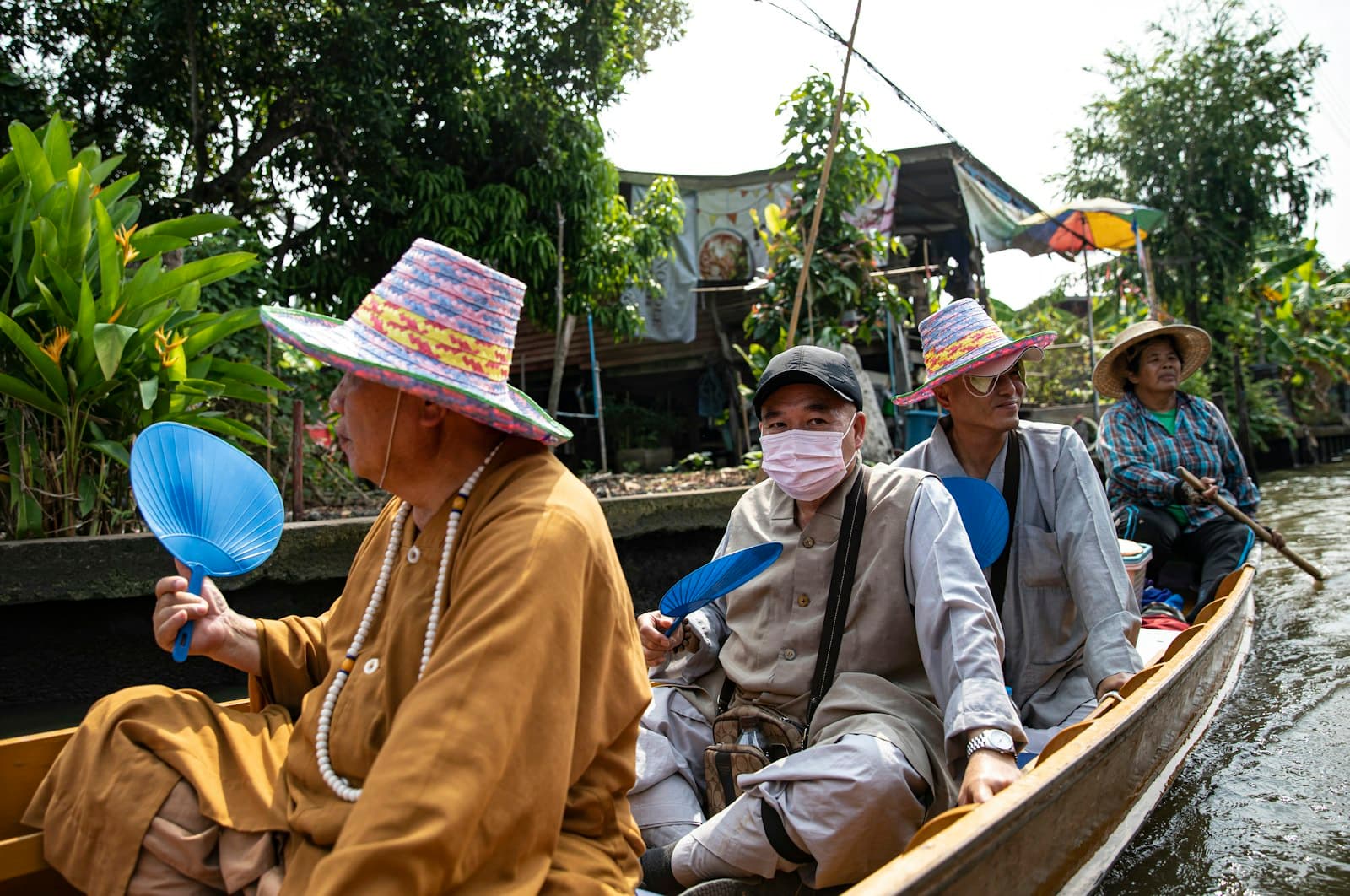
The Best Things to Do in The Mekong River: Ho Chi Minh City to Siem Reap

Charting the Mekong: Why This Stretch of River Rewards Slow Travel
Between Ho Chi Minh City and Siem Reap, the Mekong does something no bus or plane route can replicate: it lets the landscape change one riverbend at a time, from the rice paddies and floating markets of the Vietnamese delta to the temple spires and royal stupas of Cambodia. This list ranks the stops and experiences that make that transition unforgettable, drawn from the same route covered in our full Mekong itinerary guide, but distilled here into the moments worth building your whole trip around.
Spring, roughly March through May, sits at the tail end of the dry season, which means lower water levels but also clearer mornings on the delta and easier road transfers into Angkor. It is not the lush green season, but it is one of the most reliable for river navigation and comfortable temple visits before the afternoon heat sets in.
This ranking weighs three things: how much a stop reveals about daily river life rather than staged tourism, how logistically workable it is within a typical multi-day cruise itinerary, and how well it rewards travelers who linger rather than rush the gangway.
Every entry below has been placed based on firsthand cruise routings that run this stretch, cross-checked against typical opening hours and entry costs as of early 2025. Prices are given in ranges because border towns and temple sites adjust fees seasonally.
Cai Be Floating Market at First Light
Tien Giang Province, Vietnam
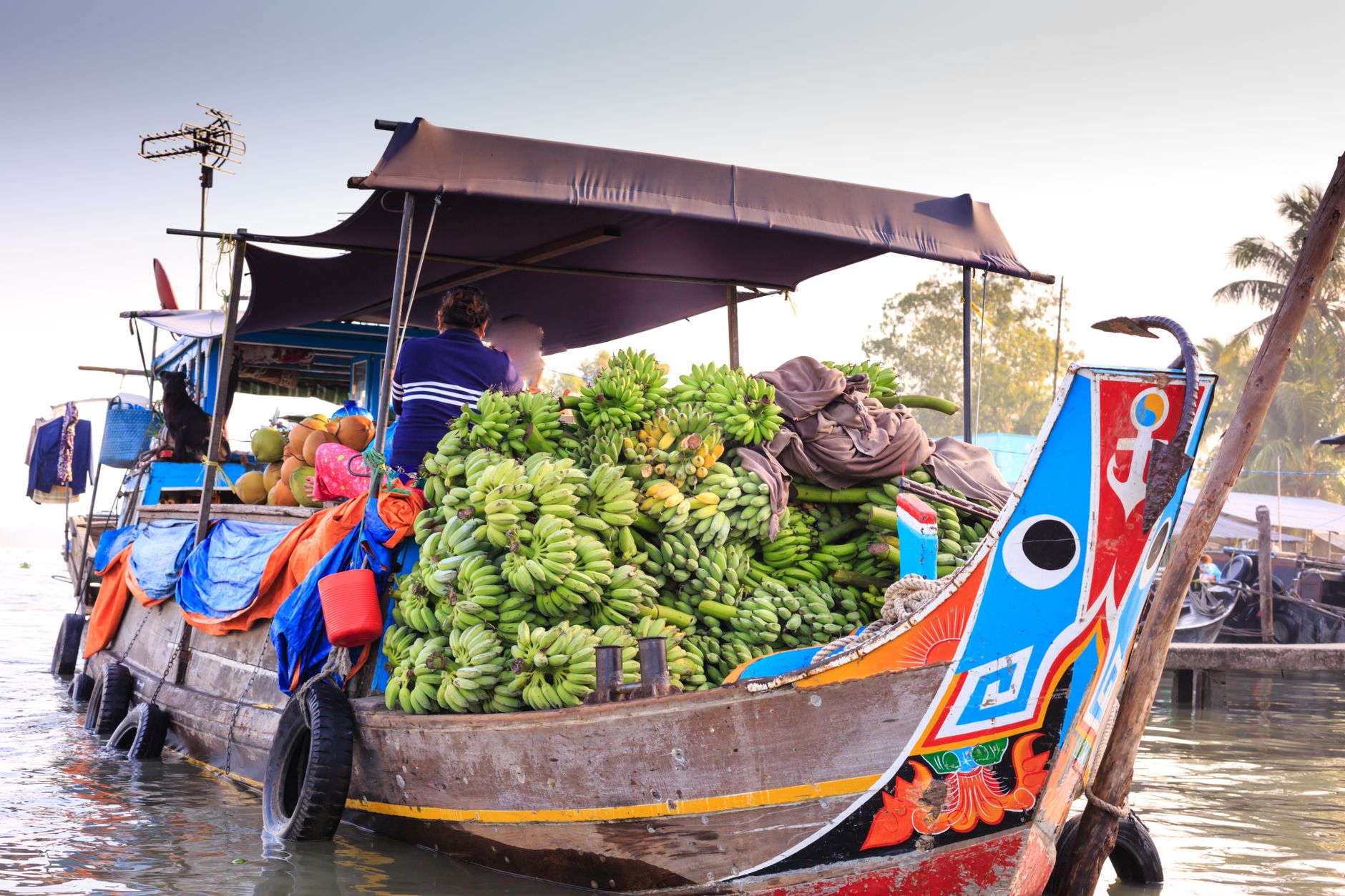
Boats start rafting up along the Cai Be canal junction as early as 5:30am, hulls piled with dragon fruit, jackfruit and green coconuts, each vendor's pole-mounted sample telling you what's for sale before you're close enough to ask the price.
This is the most photographed floating market on the route, but it earns the top spot because it is also the least sanitized for tourists: locals genuinely provision here, and the narrow-boat detours into the surrounding canals reveal brick kilns, coconut candy workshops and stilt houses that most itineraries only glimpse from the main channel.
The Huynh Thuy Le Ancient House in Sa Dec
Dong Thap Province, Vietnam
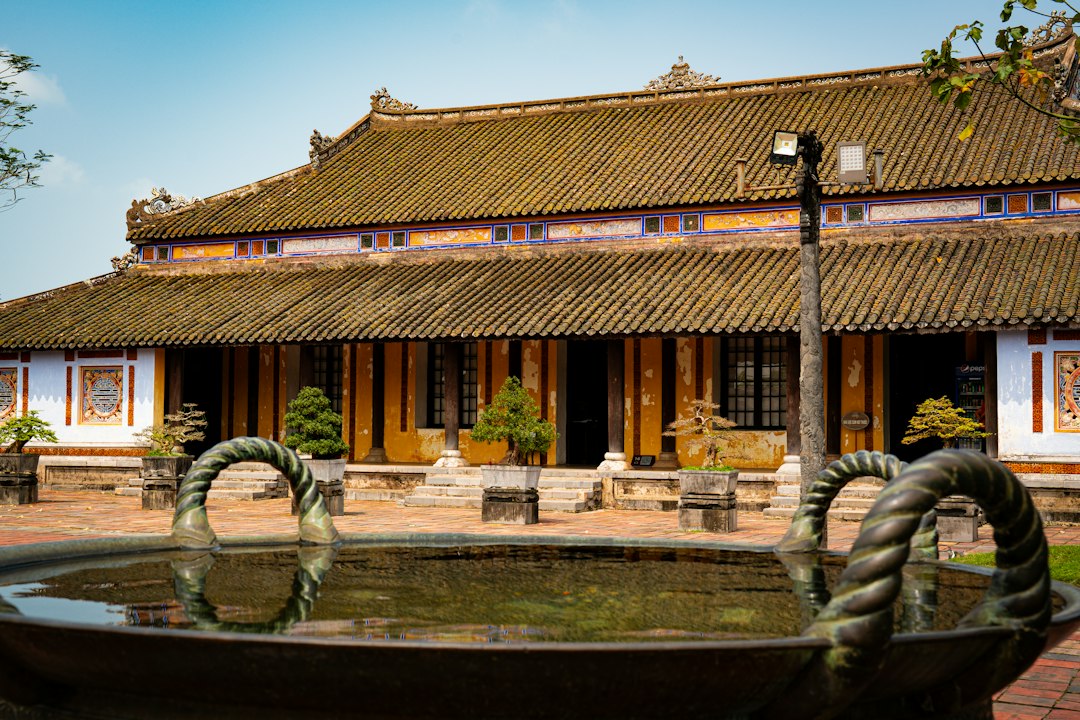
This 1895 merchant house, blending French colonial columns with Chinese lacquered woodwork, is famous as the setting for Marguerite Duras's novel The Lover, and it still feels lived-in rather than museum-frozen.
Entry runs roughly VND 20,000-30,000 (about USD 1), and the caretakers are happy to point out the altar room and the riverfront balcony where Duras is said to have first met her lover in the 1920s. Pair it with a walk through Sa Dec's flower nurseries, which supply much of the Mekong Delta's cut-flower trade.
Sam Mountain and the Border Town of Chau Doc
An Giang Province, Vietnam
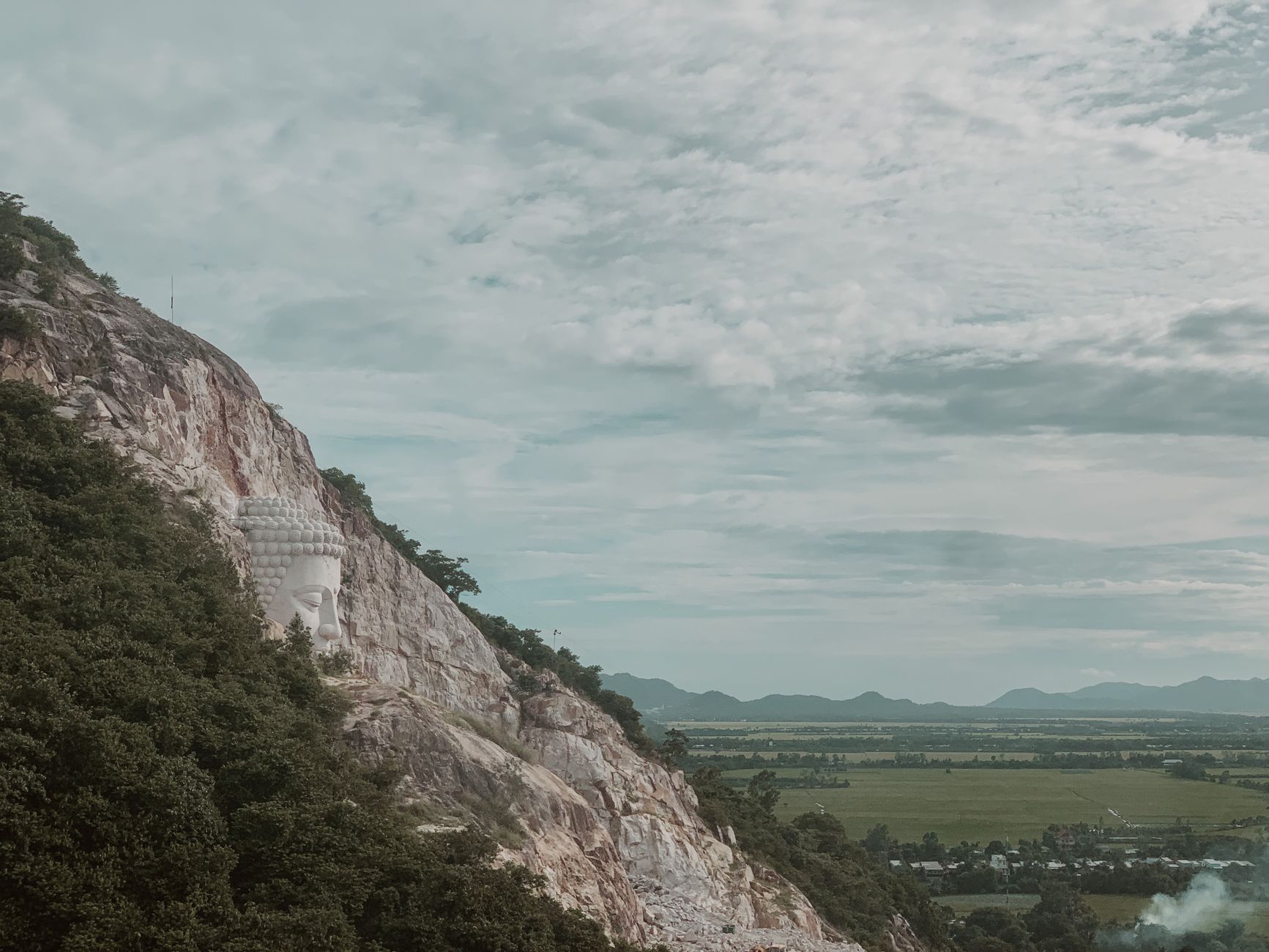
Chau Doc is the last real Vietnamese town before the Cambodian border, and it has a frontier energy: Cham fishing villages on stilts, a floating fish farm you can walk straight into, and Sam Mountain rising abruptly out of the flat delta a few kilometers outside town.
The climb or motorbike-taxi ride to the top takes about 20-30 minutes and rewards you with a sweeping view over the rice fields toward Cambodia. At the base, Ba Chua Xu Temple draws pilgrims year-round for its statue of the Lady of the Realm.
Crossing Nations by River at Vinh Xuong-Kaam Samnor
Vietnam-Cambodia border
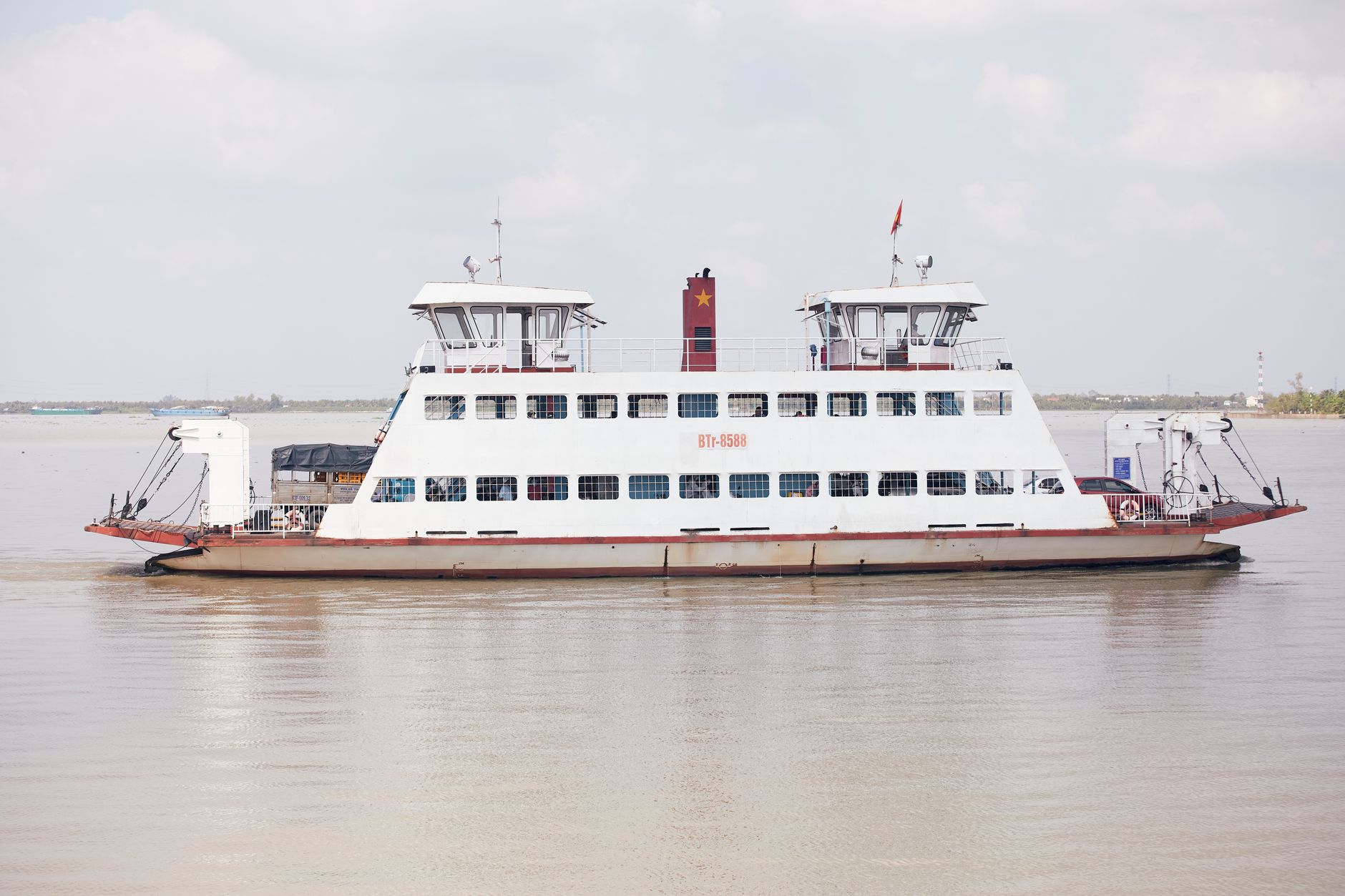
There is something quietly thrilling about clearing customs on the water rather than at an airport counter. The border post at Vinh Xuong on the Vietnamese side and Kaam Samnor on the Cambodian side handles passport stamping directly from the boat deck, and the whole process usually takes 45-90 minutes depending on how many vessels are queued.
Once through, the river widens noticeably and the architecture along the banks shifts almost immediately, from Vietnamese tile roofs to the wooden stilt houses and Buddhist wats that mark the start of Cambodia.
Phnom Penh's Royal Palace, Silver Pagoda and Killing Fields
Cambodia's capital, on the Tonle Sap-Mekong confluence
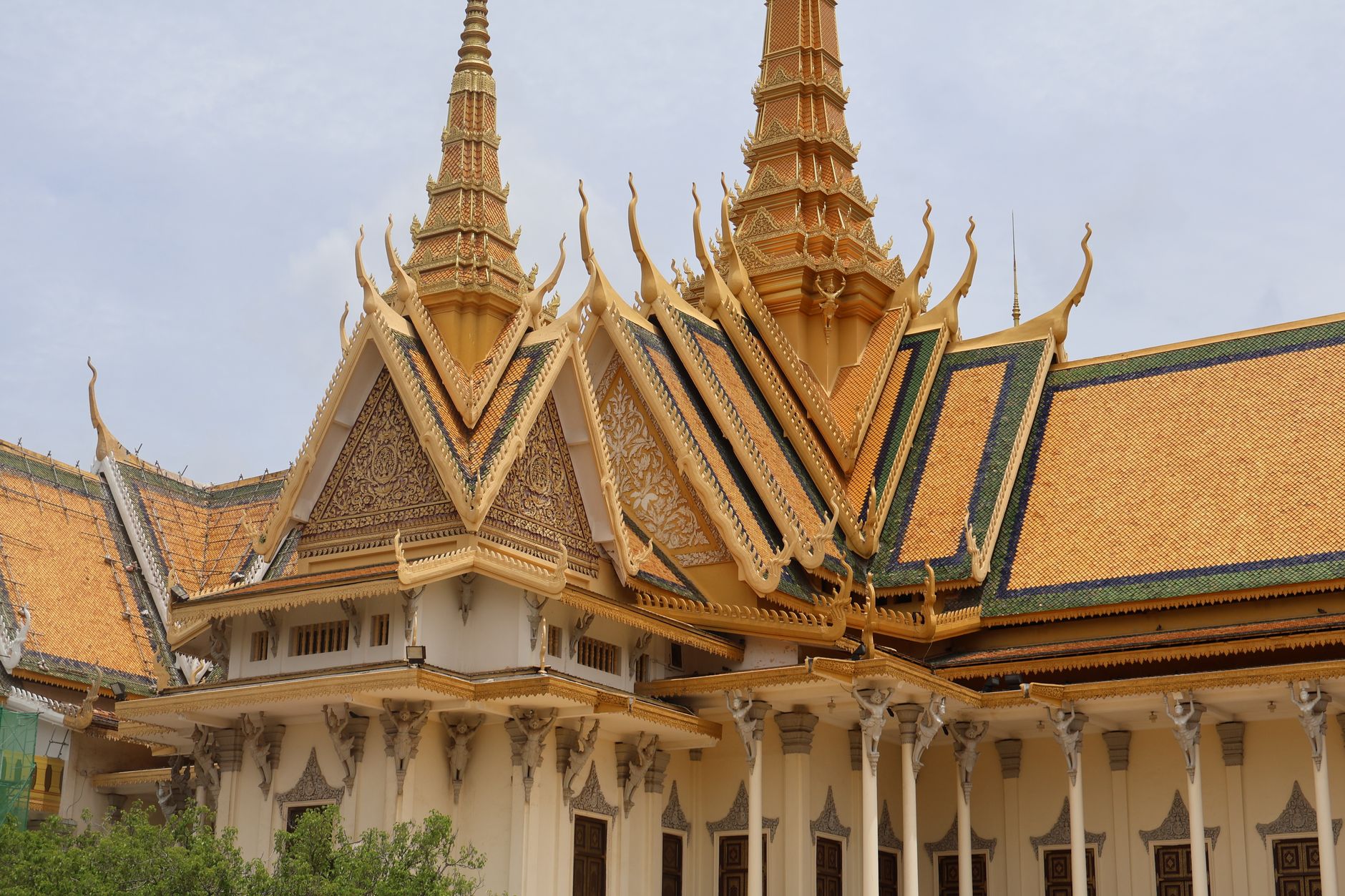
Phnom Penh sits exactly where the Tonle Sap River meets the Mekong, and the Royal Palace complex, with its glittering Silver Pagoda floor tiled in over 5,000 silver blocks, is the obvious daytime highlight. Entry runs about USD 10, and modest dress covering shoulders and knees is enforced at the gate.
But the city's weight comes from Tuol Sleng Genocide Museum (entry roughly USD 6, audio guide included) and the Choeung Ek Killing Fields memorial about 15km outside the center (also around USD 6). Set aside a full morning for both; rushing them does a disservice to what they document.
Balance the heaviness with the Central Market's art deco dome and the riverside promenade at dusk, where families gather for badminton and grilled corn as the sun drops behind the water.
Cordelie travel advisors
Go with someone who knows
The right suite, the right season, the reservations that never appear online — your Cordelie advisor knows them, and holds them for you.
Plan with a Cordelie advisorFree to ask. Cordelie Travel Services · IATA/ARC 06649064
Wooden Stilt Houses of Angkor Ban
Kampong Cham Province, Cambodia
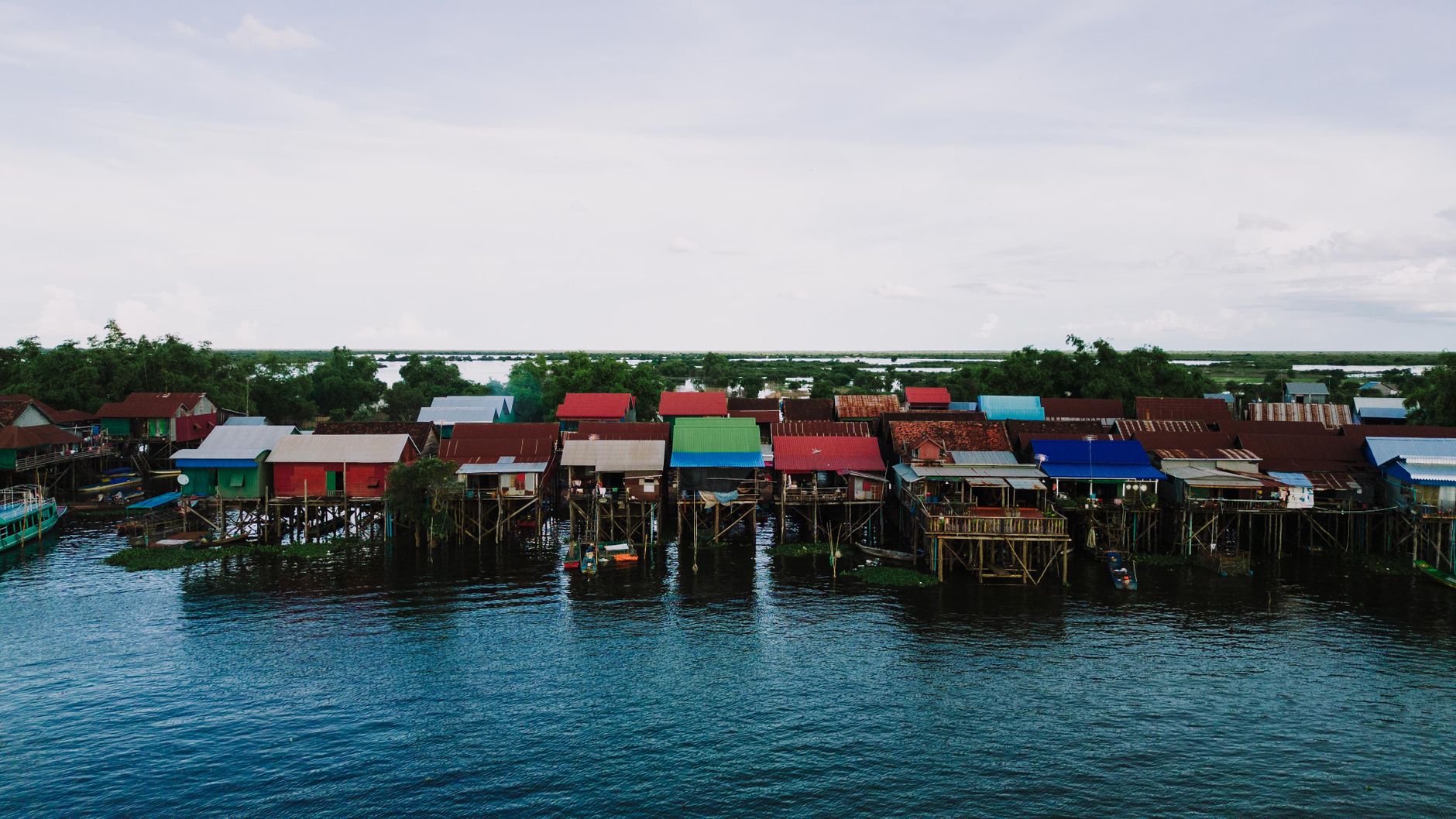
Angkor Ban is one of the few riverside villages that survived the Khmer Rouge years largely intact, and its century-old wooden stilt houses, raised on carved posts against the annual floods, are protected as a heritage site.
Walking the dirt lanes between houses in the late afternoon, with schoolchildren cycling past and women laying out rice to dry, gives a far more honest sense of rural Cambodian life than any curated cultural show. There's no entry fee; a small donation to the village pagoda is appreciated.
Wat Hanchey's Hilltop View Over the Mekong
Kampong Cham, Cambodia
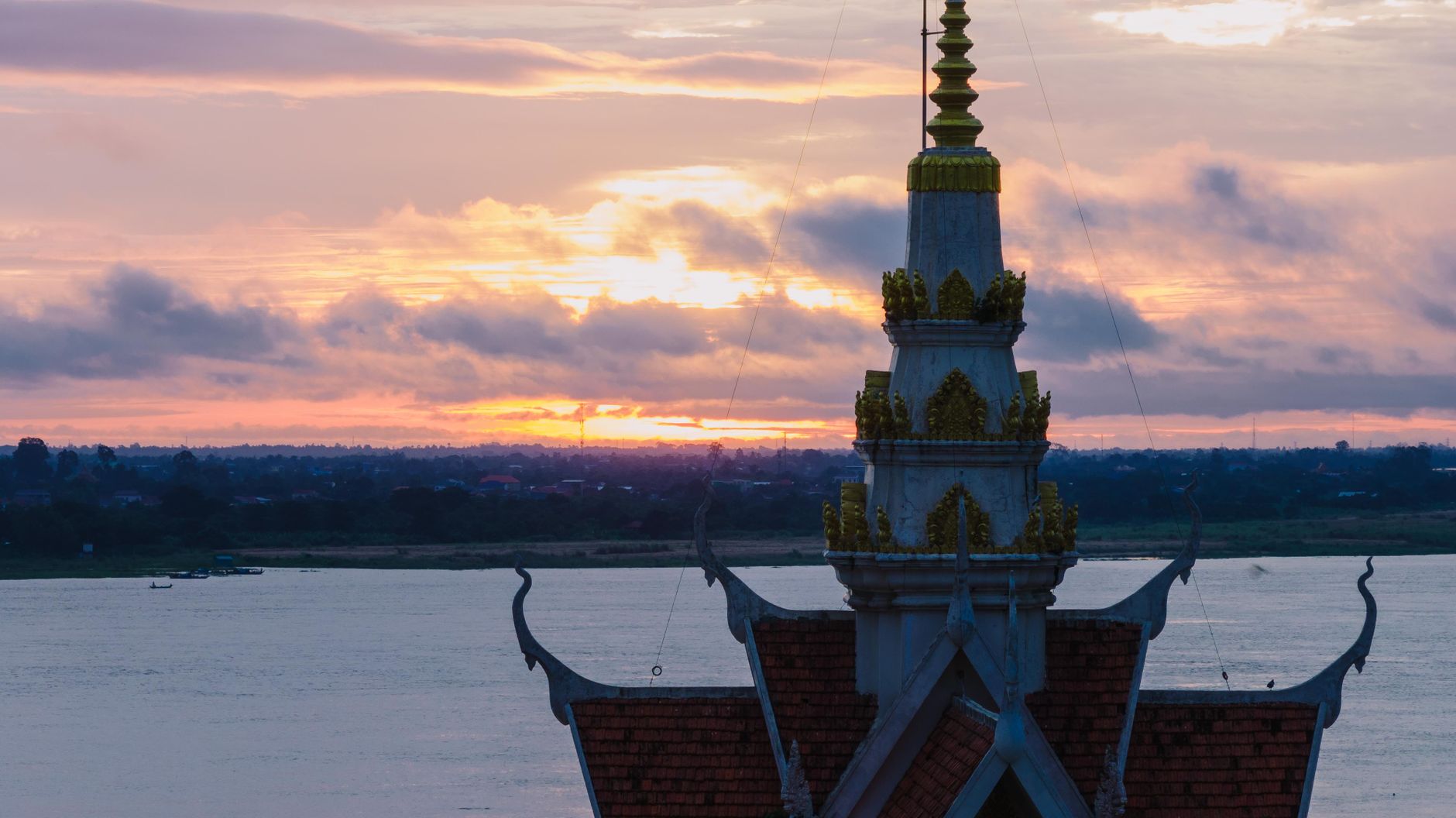
The climb to Wat Hanchey, a working monastery perched on a ridge above the river, takes about 10-15 minutes up a shaded staircase lined with saffron-robed monks going about their afternoon routines.
From the top, the Mekong stretches wide and brown in both directions, dotted with fishing boats and sandbanks that shift with the season. Brick foundations near the modern temple date back to the pre-Angkorian period, a reminder that Khmer civilization was building in stone along this river centuries before Angkor Wat existed.
The Forgotten Royal Capital of Oudong
About 40km north of Phnom Penh
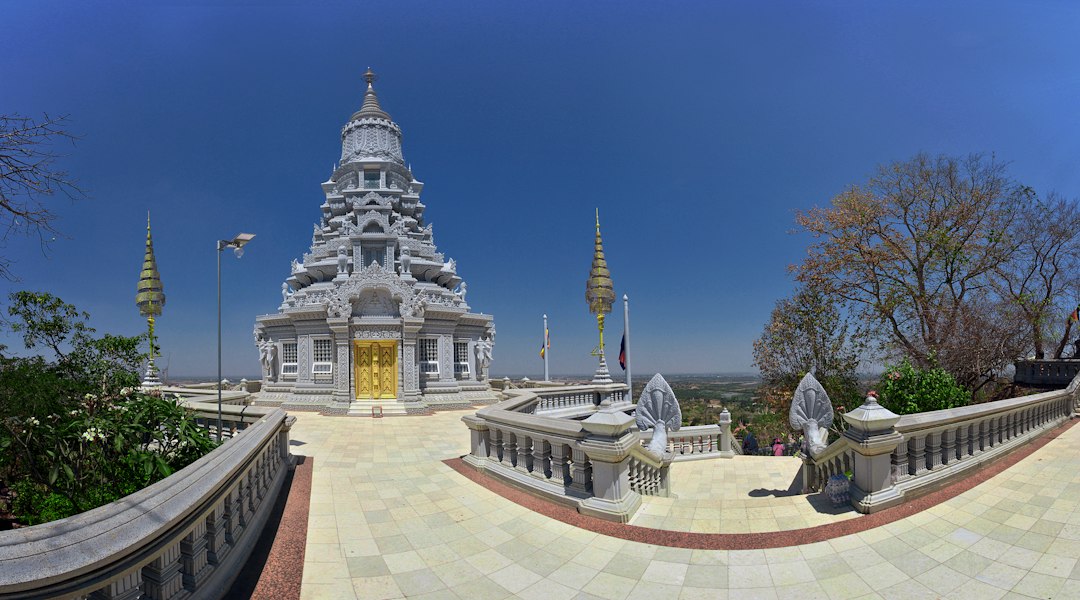
Oudong served as Cambodia's royal capital for close to 250 years before Phnom Penh took over in the 1860s, and the ridge above the town is still lined with the whitewashed stupas of past kings and queens.
The site was badly damaged during the Khmer Rouge period and has been rebuilt since, which means the stupas feel less ancient and more like an active site of memory and restoration. Climbing to the top takes about 20 minutes up a stepped path shaded by frangipani trees, and the summit view stretches across flooded rice fields toward the Mekong.
Arriving in Siem Reap for Sunrise at Angkor Wat
Gateway to the Angkor temple complex
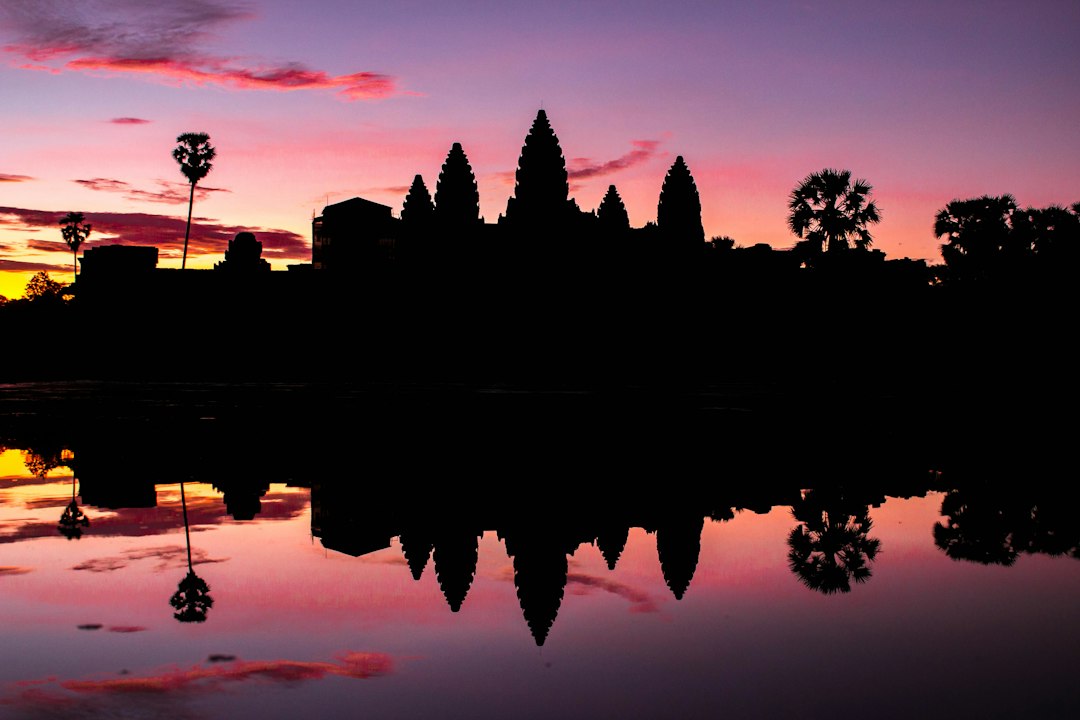
This is the destination the whole river journey is building toward, and it delivers. Most cruise itineraries transfer guests from the river route to Siem Reap by road once low-season water levels make direct passage across the Tonle Sap impractical; the drive takes roughly 5-6 hours depending on the route and season.
A one-day Angkor Archaeological Park pass costs around USD 37 (as of late 2024) and covers Angkor Wat, the Bayon's carved stone faces at Angkor Thom, and the tree-swallowed ruins of Ta Prohm. Arrive at the western entrance by 5am to claim a spot at the reflecting pool before the sunrise crowd thickens.
In town, Pub Street's chaos is fun for one evening, but Phare, the Cambodian Circus, on the eastern edge of Siem Reap is the better use of a night: a nightly acrobatic and theatrical performance staged by graduates of a social arts school in Battambang.
Three More Mekong Stops That Almost Made the Cut
Vinh Long's floating market and surrounding fruit orchards are quieter than Cai Be's and worth a detour if your itinerary already includes a homestay night in the delta. The Cham stilt village near Kompong Tralach, reached by ox-cart from the riverbank, offers a slower alternative to Angkor Ban with fewer other visitors around. And the floating villages on the Tonle Sap near Siem Reap, particularly around Kampong Phluk, show stilt houses that rise and fall with the lake's dramatic seasonal water levels, though spring's low water can leave some channels too shallow for larger boats.
The trickiest part of this route isn't any single stop, it's the seams: matching a cruise departure with the right Phnom Penh-to-Siem Reap connection, securing a Cambodian e-visa in time, and choosing a vessel with the right cabin category and shore-excursion pace for how you actually like to travel.
A Cordelie advisor builds the whole passage around what matters most to you, whether that's a private sampan at Cai Be before the crowds arrive or a suite with a river-facing balcony for the Phnom Penh sunset. You get a trip shaped to your rhythm, not a fixed itinerary you adjust yourself.
The Single Best Reason to Take This Route: Cai Be Floating Market at Dawn
If you only have room for one unforgettable morning, make it this one.
Cai Be tops this list because it captures everything the Mekong does better than any other river in Southeast Asia: real commerce, real light, and real proximity to daily life, all within a short sampan ride of your cruise vessel.
Everything downstream, from Sam Mountain to Angkor Wat's causeway, is worth the journey too. But Cai Be at 6am, before the tour groups arrive and while the canal is still busy with actual trade, is the moment that will stay with you longest.
Last checked for accuracy: . How we check

Sarah Chen has covered Asia for twelve years, first as a wire reporter in Jakarta and now from Singapore, where she keeps a standing list of the region's most misunderstood destinations. She writes about the distance between what a place is famous for and what it is actually like to spend a week in — and is happiest on an overnight train with a bad seat and a good view.
Related Articles
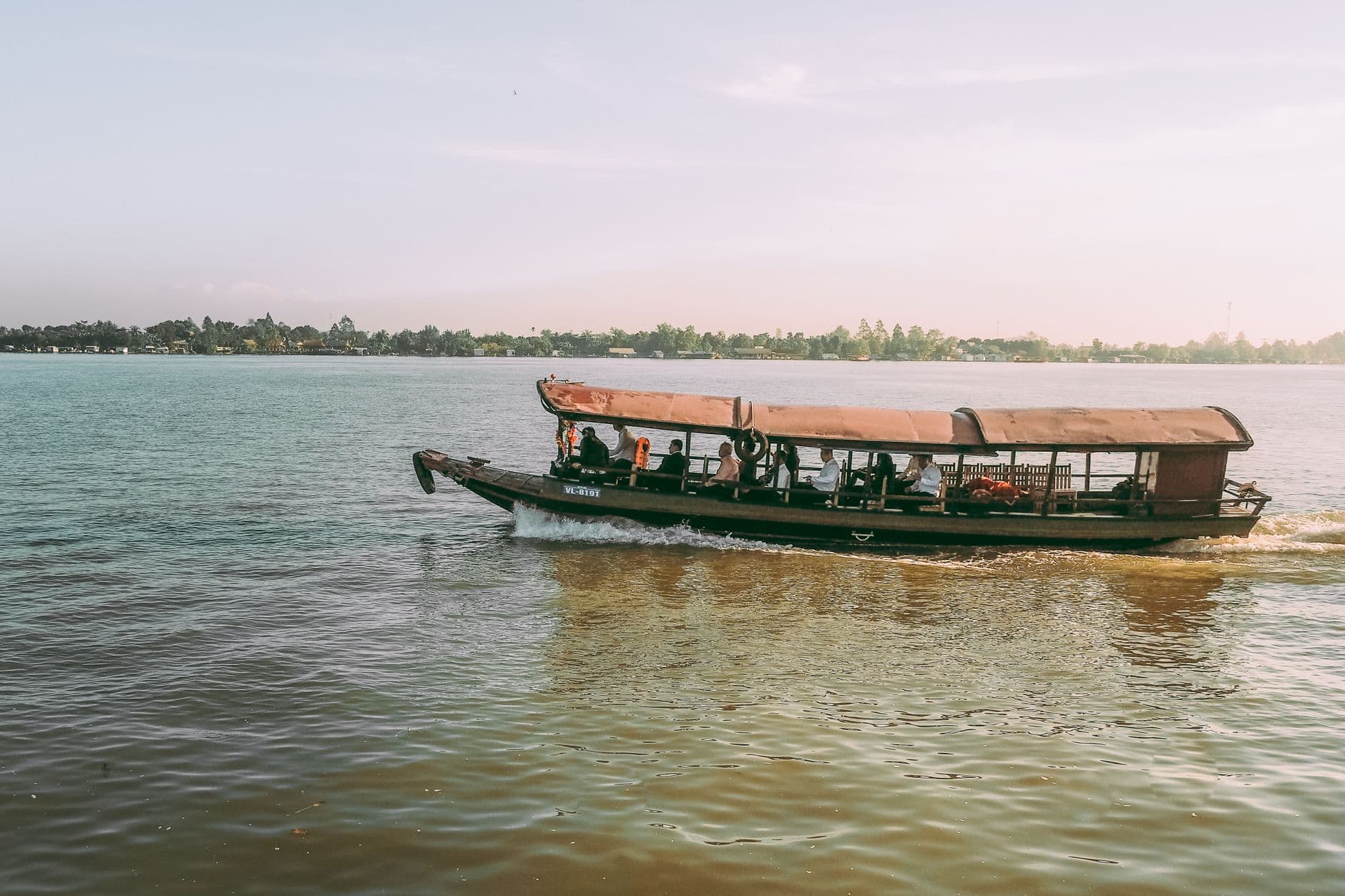
The Complete Mekong River Cruise Itinerary: From Ho Chi Minh City to Siem Reap
A stop-by-stop guide to the Mekong River cruise from Ho Chi Minh City to Siem Reap, covering floating markets, Phnom Penh's riverfront, border logistics, and the best sailing season.