
The Complete Guide to the Amalfi Coast: What to See, Do & Eat

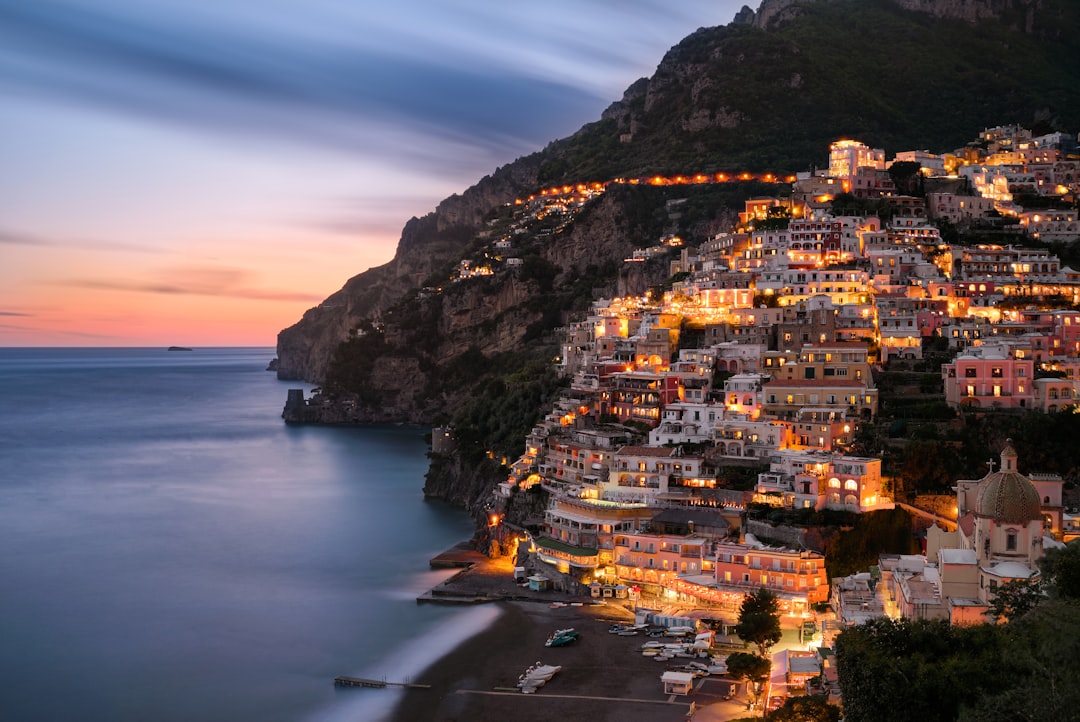
A Coastline That Rewards Walkers, Eaters, and Early Risers
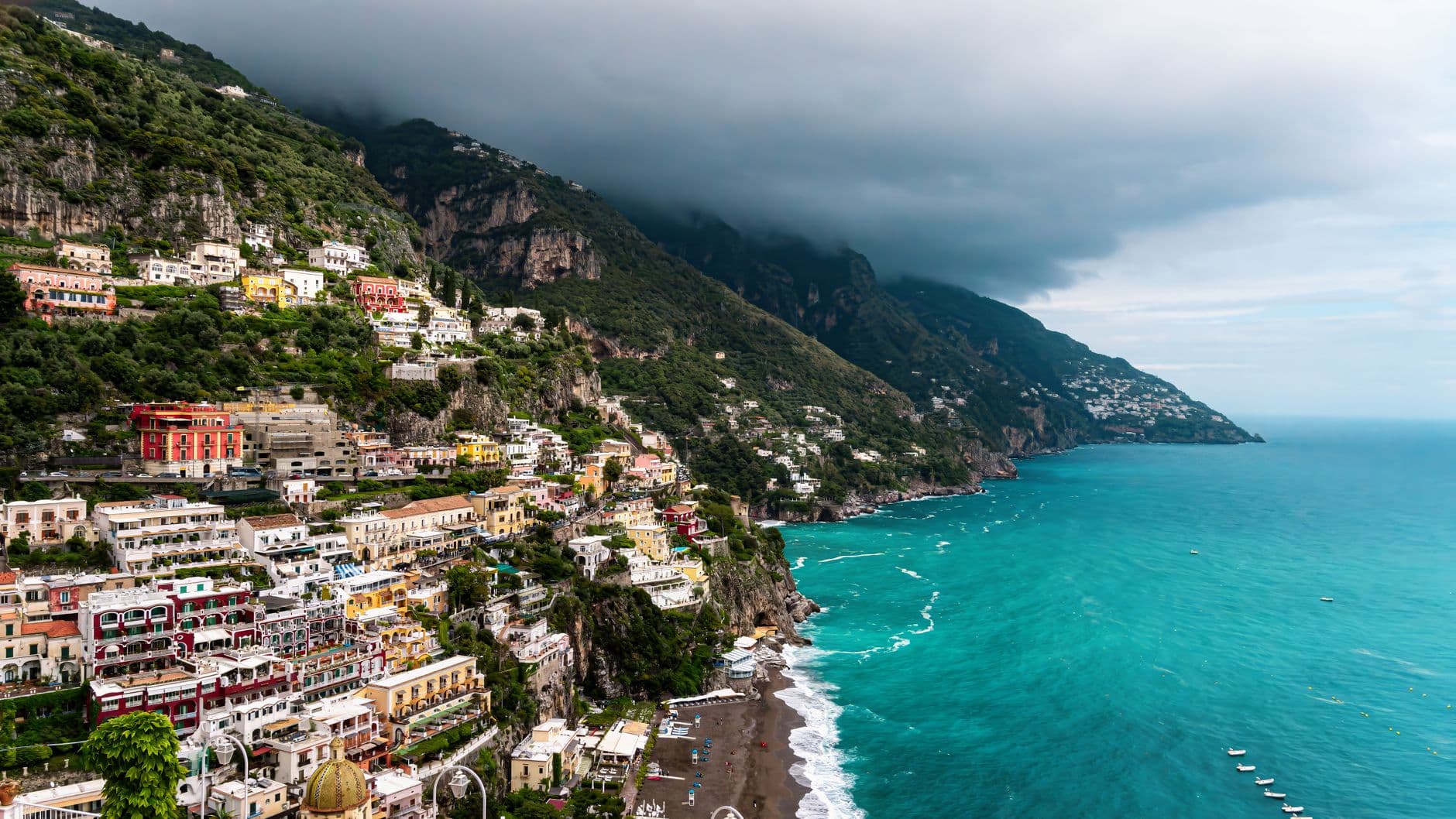
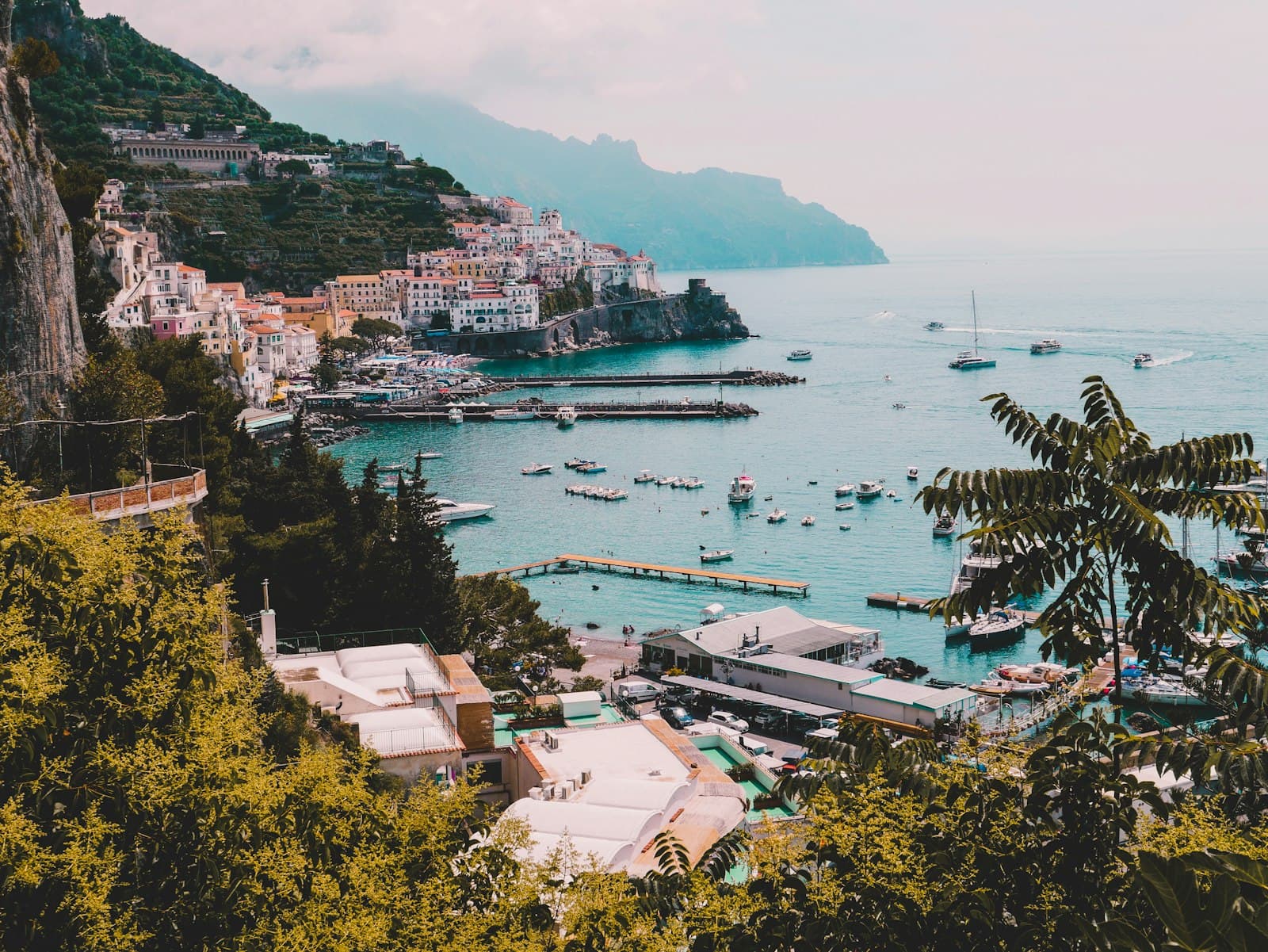
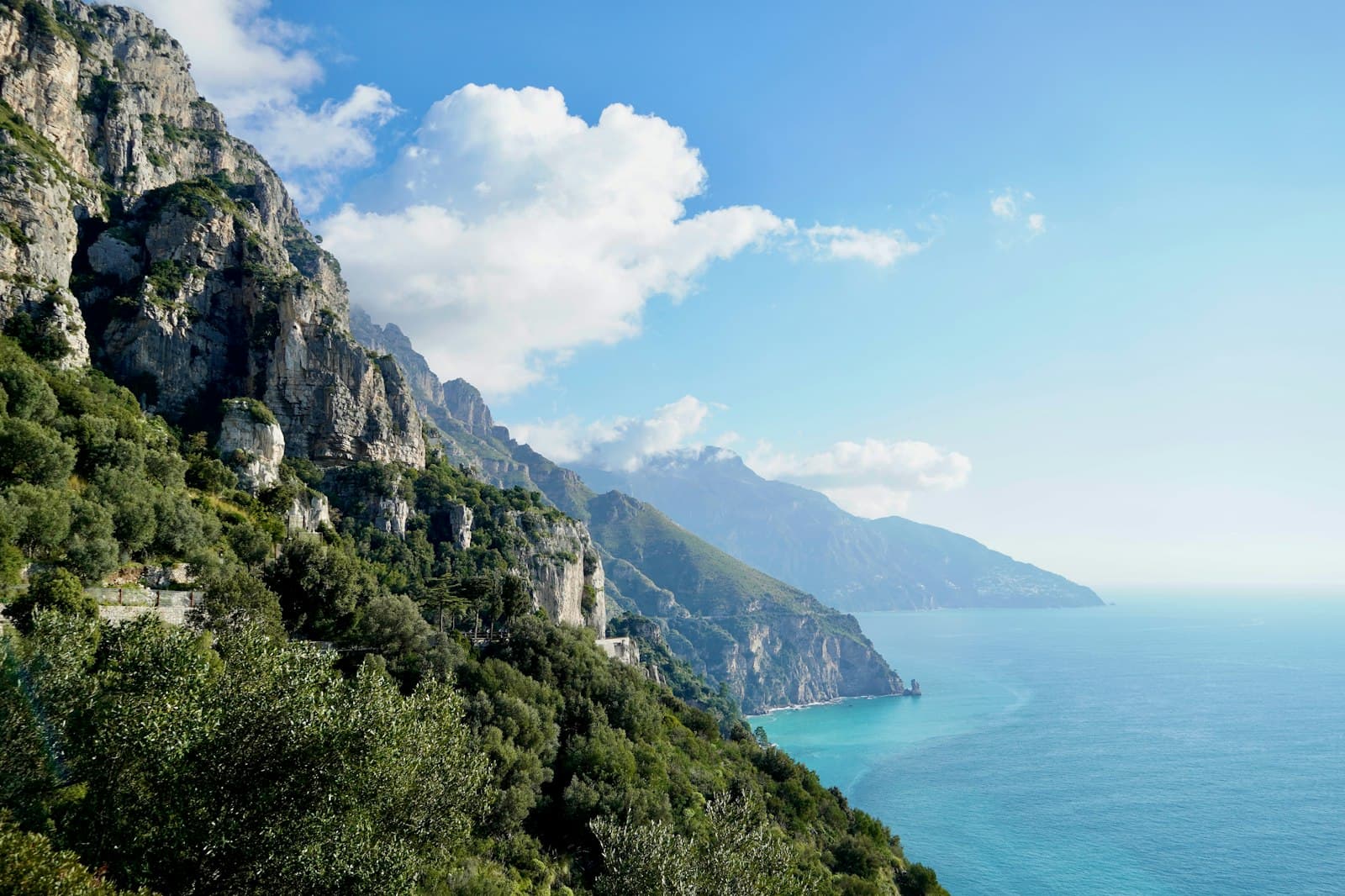
Most people picture the Amalfi Coast as a strip of postcards: lemon groves, striped umbrellas, a boat pulling into Positano's harbor. What the postcards leave out is the vertical drama of the place — a 50-kilometer ribbon of road stitched to cliffs that drop straight into the Tyrrhenian Sea, with mule tracks and stone staircases climbing into terraced hills above.
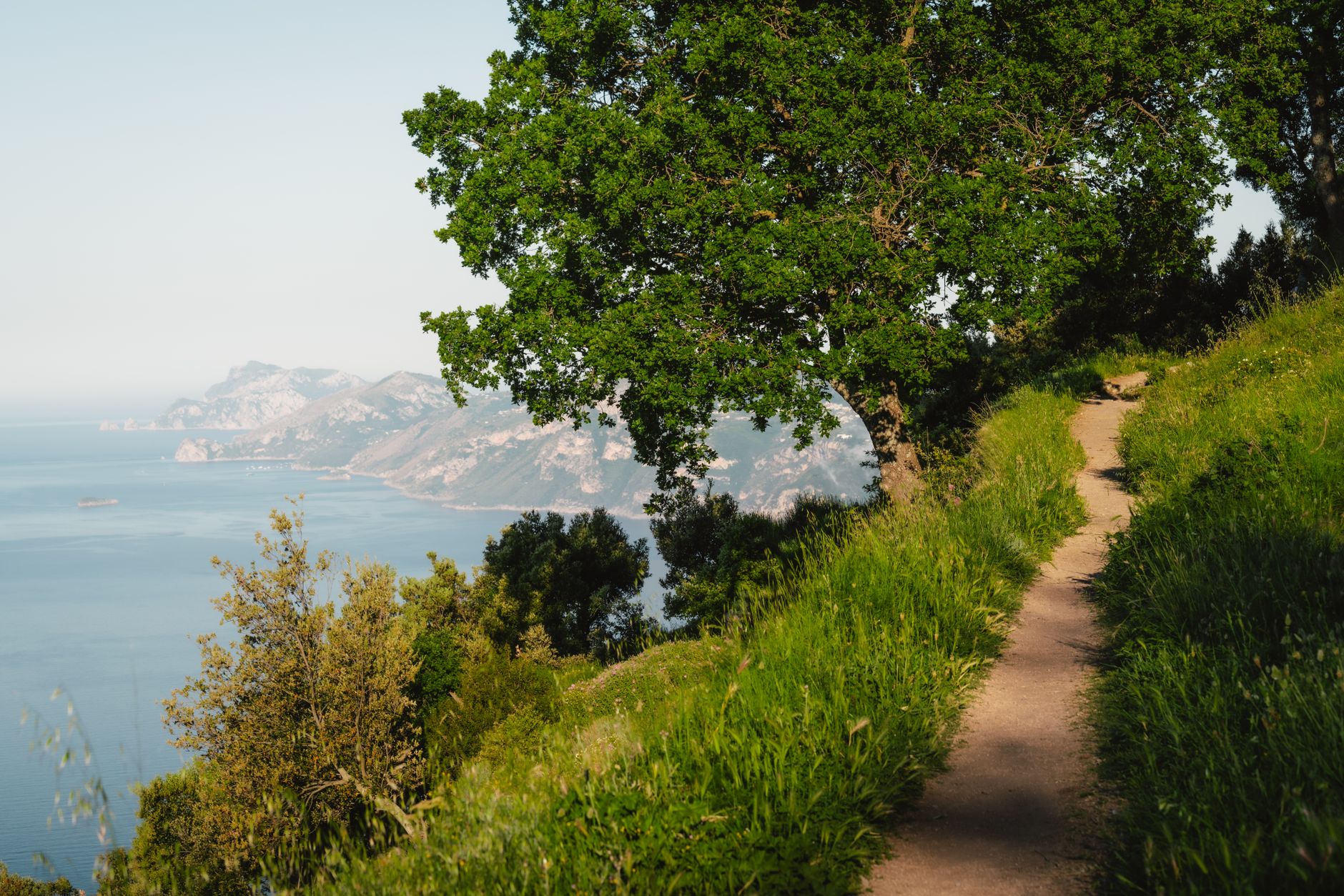
This is a destination best met on foot as much as by boat. The Sentiero degli Dei, the Path of the Gods, traces the ridgeline above Positano with views that make you stop mid-stride. Down at sea level, Amalfi town's cathedral steps and Ravello's cliffside gardens offer a gentler, unhurried counterpoint. Come in winter and you get all of it with fewer people and lower prices, in exchange for shorter days and a handful of shuttered hotels.
Amalfi Coast Quick Facts
Why Winter Might Be the Coast's Best-Kept Secret (With Caveats)
From roughly mid-November to late March, the Amalfi Coast shifts into a different gear. Daytime temperatures sit around 8-15°C, the sea turns choppy and grey, and a good number of restaurants, boutique hotels and beach clubs close their doors entirely — often from early January until Easter. Ferries between Amalfi, Positano and Sorrento run on a reduced winter timetable, and in the roughest weeks they stop altogether, which makes the SITA bus your reliable backup, not your last resort.
What you get in exchange is real space. The Path of the Gods, which can feel like a queue in August, is genuinely walkable in solitude on a clear December morning. Amalfi's Duomo square empties out by 5pm., an easy half-day detour if you're basing yourself near the coast's eastern end. For the specifics of what stays open and what doesn't, it's worth reading through before you book — our guide to essential tips for traveling to the Amalfi Coast covers the seasonal gaps in detail.
Cordelie travel advisors
Planning Amalfi Coast? Go with someone who knows
The right suite, the right season, the reservations that never appear online — your Cordelie advisor knows them, and holds them for you.
Plan with a Cordelie advisorFree to ask. Cordelie Travel Services · IATA/ARC 06649064
The Sentiero degli Dei and Five Other Must-Do Days on the Coast
The Path of the Gods runs roughly 7.8 kilometers from Bomerano, a hamlet above Agerola, down to Nocelle above Positano. Budget 3.5 to 5 hours depending on stops, and take this seriously: the trail is mostly rocky single-track with several exposed sections where the drop to your left is real. Ankle-supporting boots are non-negotiable, a trekking pole helps on the descent's loose scree, and you want at least 1.5 liters of water even in winter, since there's no reliable refill point along the route. After heavy rain the path can turn slick and muddy in places — check conditions locally before you set out, and skip it entirely if there's been a storm in the last 24 hours.
Beyond the hike, spend a morning inside the Duomo di Sant'Andrea in Amalfi town, whose crypt holds relics believed to be those of St. Andrew the Apostle; entry to the cathedral complex runs roughly €4-5. Ravello's Villa Rufolo and Villa Cimbrone gardens both perch on the cliff edge with views back along the coast — Cimbrone's Terrace of Infinity earns its name. If the sea's calm enough, a boat trip to the Grotta dello Smeraldo near Conca dei Marini shows off the cave's eerie green light, though winter access depends entirely on conditions. For a fuller rundown of what to prioritize, see our roundup of the best things to do in the Amalfi Coast.
Coastal Highlights Worth Building a Day Around
Basing Yourself in Positano, Amalfi Town, or Sorrento
Positano suits travelers who want to be in the postcard. Le Sirenuse anchors the town's upper tier, with rooms running roughly €600-1,200 a night in peak months and the hotel closing for a stretch each winter — call ahead before counting on it. A step down in price and up in coziness, Hotel Marina Riviera in Amalfi town sits just above the harbor and stays open through most of the off-season, with doubles from around €150-220 in winter.
Ravello's Palazzo Avino is the quieter, more garden-facing luxury option, though it too shuts for parts of January and February. For flexibility and year-round buses and trains at your doorstep, Sorrento is the practical base: Hotel Correale and similar three-star properties run roughly €90-140 a night even in the shoulder season, and you're 40-60 minutes by SITA bus from Positano or Amalfi. If you're planning several nights along the coast rather than a single base, our week-long Amalfi Coast itinerary lays out how to split your stay between towns without wasting travel days.
Lemons, Limoncello, and the Rituals of a Coast That Eats Slowly
The coast's food starts with the sfusato amalfitano, an elongated lemon grown on terraces so steep the harvest is done partly by rope and pulley. It ends up in delizia al limone, a dome of lemon-cream sponge cake found on nearly every dessert menu, and in limoncello, the syrupy digestivo served ice-cold after dinner whether you ordered it or not. Look for scialatielli ai frutti di mare, a thick hand-cut pasta with clams and mussels, and colatura di alici, the fermented anchovy essence made in Cetara that turns up drizzled over spaghetti around Christmas.
For a proper sit-down meal, Trattoria da Ciccio in Praiano and Da Gemma in Amalfi both do seafood with unfussy confidence, mains running roughly €18-28. In Ravello, Cumpa' Cosimo has been serving the same family recipes for decades and takes reservations seriously in the small dining room. Lunch here tends to run long, dinner rarely starts before 8pm, and in the deep winter months many family-run trattorias close for a week or two around the holidays — always call ahead rather than just showing up.
“The lemons here don't taste like lemons anywhere else — everything on this coast, food included, is shaped by the cliffs it grows on.”
SITA Buses, Winter Ferries, and Why You Shouldn't Drive Yourself
The SS163, the coastal road linking Sorrento to Salerno, is barely wide enough for two buses to pass, let alone a rental car and a delivery truck. SITA Sud buses run this route roughly every 30-60 minutes in season, with tickets costing €2.40-10 depending on distance; a day pass is worth it if you're hopping between three or more towns. Trains are simpler at the western end: the Circumvesuviana connects Naples to Sorrento in about 70 minutes for €4-5, and Sorrento is where most coastal buses begin their run.
Ferries from Travelmar and NLG are the fastest way between towns in high season but run a skeleton schedule, or none at all, from roughly November through March. Don't build a winter day around a ferry connection without a bus-route backup plan. Driving yourself is technically possible but genuinely stressful — narrow tunnels, blind hairpins and the occasional winter rockslide closure make a private driver or transfer worth the extra cost for most first-time visitors. Our essential tips for traveling to the Amalfi Coast walks through the logistics in more detail if you're weighing a rental car against a driver.
Three Days From Positano's Beaches to Ravello's Gardens
Positano at Ground Level
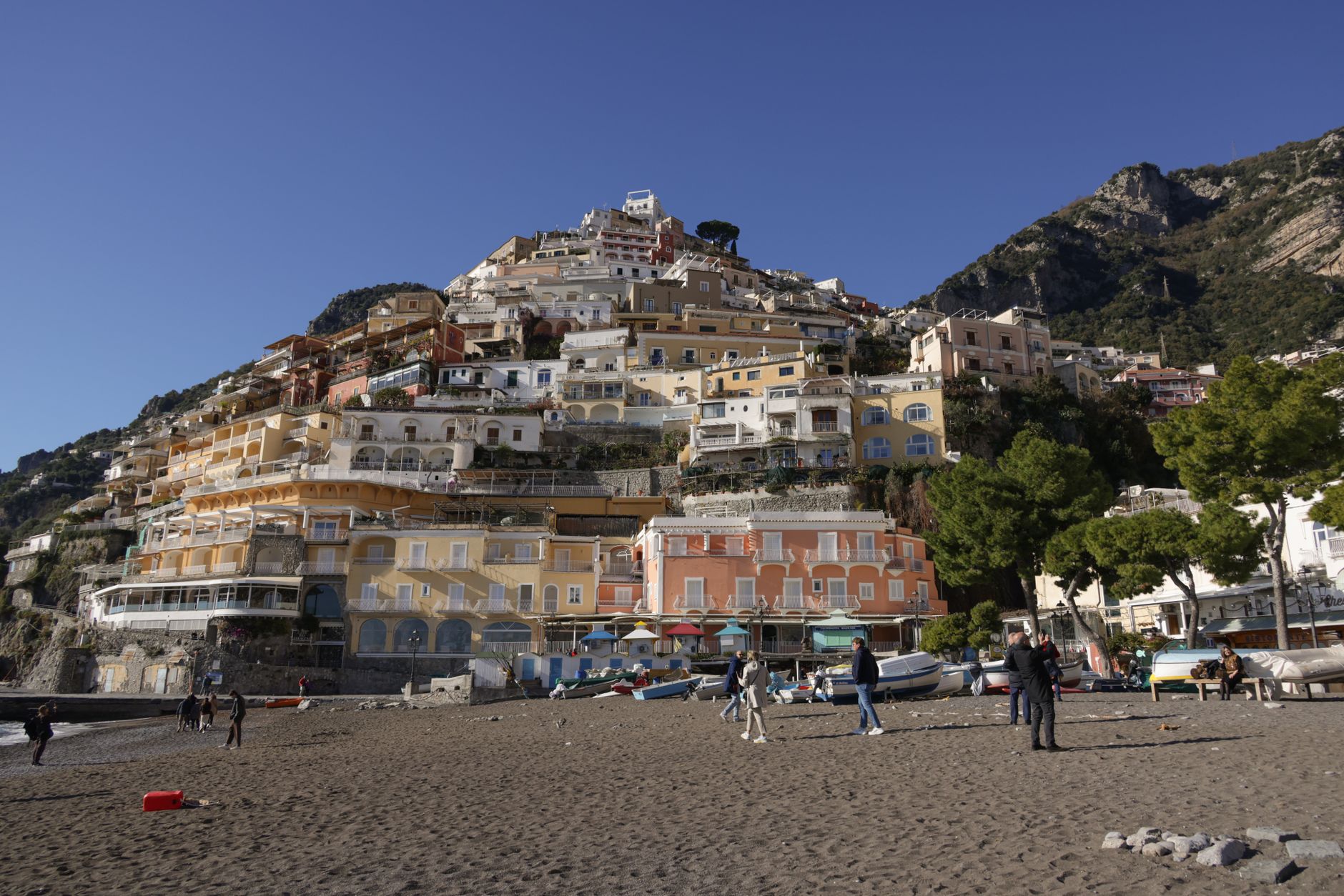
Start at Spiaggia Grande, Positano's main beach, when the morning light hits the houses stacked above it — in winter you'll often have long stretches of it to yourself. Climb the steps to the Church of Santa Maria Assunta and its majolica dome, then wander the boutique-lined lanes of Via dei Mulini before they fill up for lunch.
Have a long midday meal at La Cambusa, right on the harbor, and spend the afternoon walking the coastal path toward Fornillo beach, about a 15-minute walk west. Book dinner at La Tagliata, up in the hills above town, where the multi-course set menu (roughly €35-45) keeps arriving until you tell them to stop.
The Path of the Gods, Then Amalfi's Cathedral
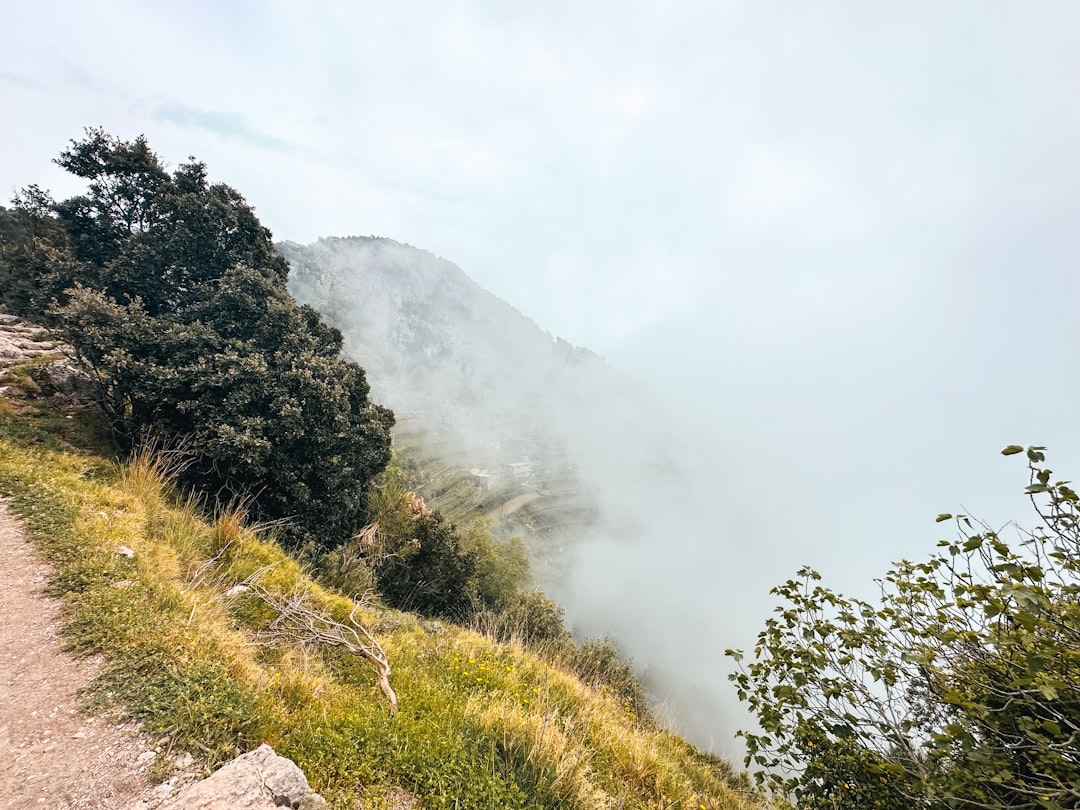
Take the early SITA bus toward Agerola and get off at Bomerano to start the Sentiero degli Dei. This is the physical heart of the trip — 7.8 kilometers, 3.5 to 5 hours, moderate-to-hard, with narrow exposed stretches that demand real footing. Boots with ankle support and a trekking pole are worth the extra weight in your bag.
The trail ends at Nocelle, from where roughly 1,700 steps drop down to Positano, or you can catch a local minibus if your legs have had enough. Recover with a slow coffee, then take the bus onward to Amalfi town for the late afternoon, when the Duomo di Sant'Andrea and its cloistered crypt are calm and the light on the piazza turns gold.
Ravello's Gardens and Vietri's Ceramics
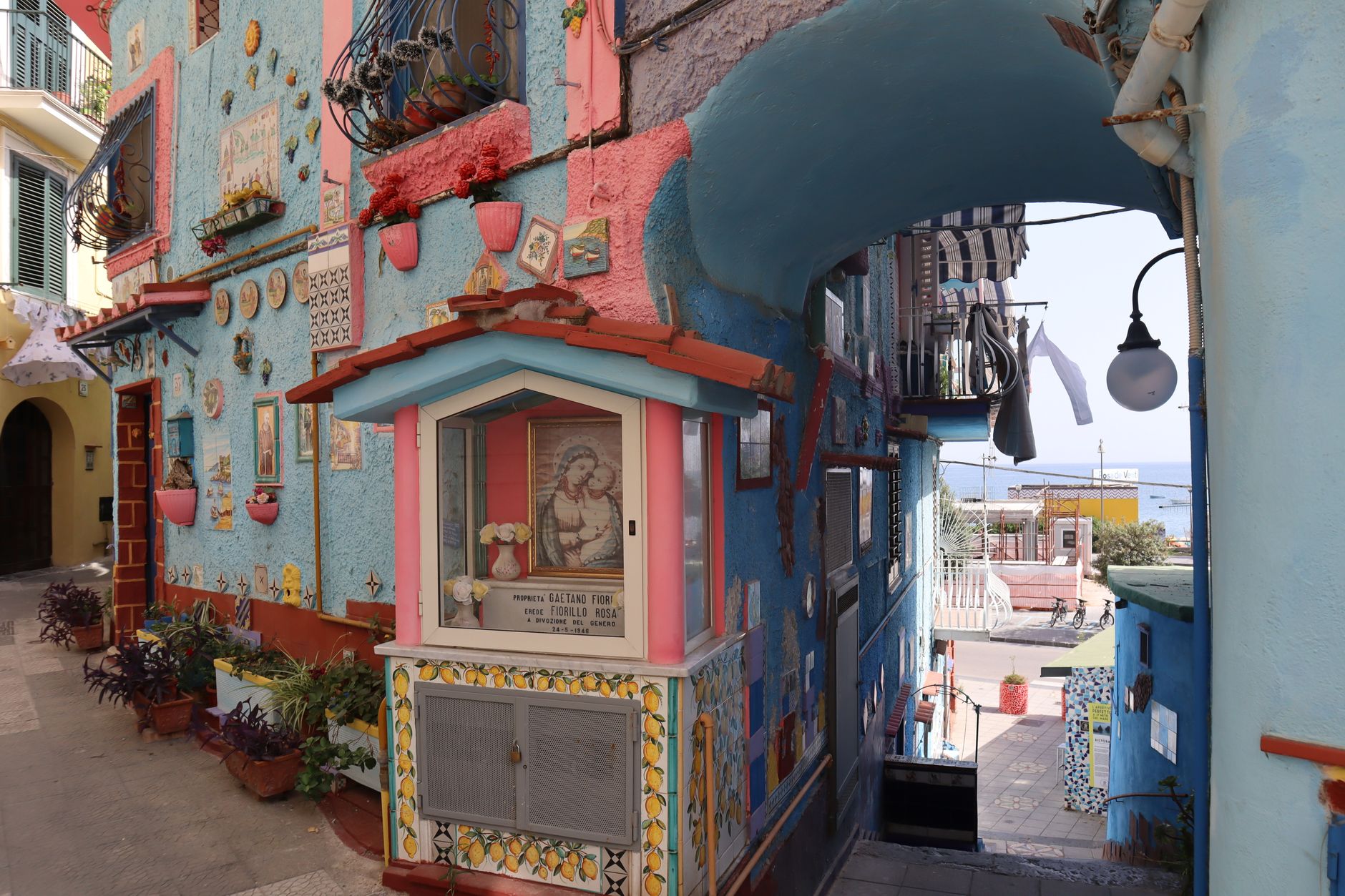
Bus up to Ravello, about 25 minutes from Amalfi, and spend the morning in Villa Rufolo's gardens, followed by the short walk to Villa Cimbrone and its Terrace of Infinity — arguably the coast's best single view, and one you'll likely have mostly to yourself in winter.
Head back toward Vietri sul Mare in the afternoon, the ceramics town at the coast's eastern edge, where workshops sell hand-painted plates and tiles direct from the kiln. Close the day with an early dinner in Salerno if the Luci d'Artista light festival is running, or head back to your base for a final quiet night on the water.
The Amalfi Coast rewards precise timing more than most destinations — the right table at Le Sirenuse, a private boat to the Grotta dello Smeraldo on the one calm morning that week, a driver who knows which hairpin bends to avoid at sunset traffic. A Cordelie advisor builds those details into your itinerary from the start, matched to your pace, your appetite for hiking, and the season you're actually traveling in.
Reach out through cordelie.com/contact and let them shape a trip around the coast's rhythms, not the other way around.
Amalfi Coast At a Glance
One of Europe's great coastal landscapes, best experienced on foot and out of peak season — just plan around winter closures and reduced ferries.
The Amalfi Coast delivers on the postcard and then some, but it's a destination that punishes poor planning: narrow roads, seasonal closures and a hiking trail that deserves real respect rather than flip-flops. Come prepared with proper footwear, a bus schedule, and restaurant reservations, and it's one of the most rewarding stretches of coastline in Italy for walkers as much as sunbathers.
Last checked for accuracy: . How we check

Marcus Rivera has spent fifteen years writing about places you have to walk into. He has guided in Patagonia, reported from Kilimanjaro's quieter routes, and has strong opinions about which of them are worth the airfare. He is based in Boulder, mostly so he can leave it.
Related Articles
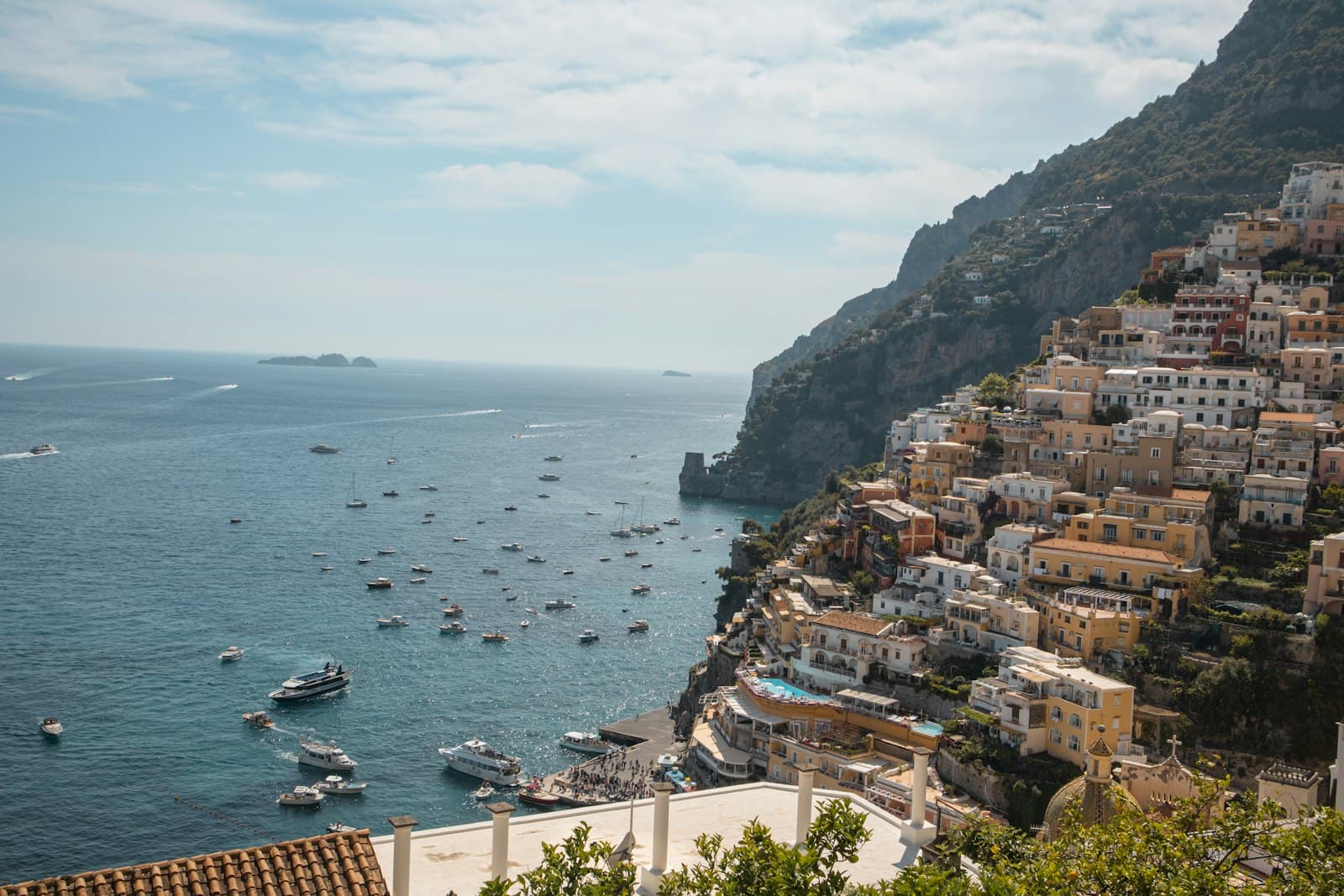
The Complete Guide to the Amalfi Coast: What to See, Do & Eat
The Amalfi Coast rewards patience more than speed — a cliffside hike, a slow dinner in Cetara, a ferry timed around the weather. Here's what to see, where to stay, and how the logistics actually work.
The Complete Guide to the Amalfi Coast: What to See, Do & Eat
A full planning guide to the Amalfi Coast — the Path of the Gods hike, where to stay from Positano to Ravello, what to eat, and a three-day itinerary built for spring.
The Complete Guide to the Amalfi Coast: What to See, Do & Eat
The Amalfi Coast rewards travelers who hike its old mule paths, eat where the fishermen do, and time their visit for spring. Here's everything you need to plan it right.