
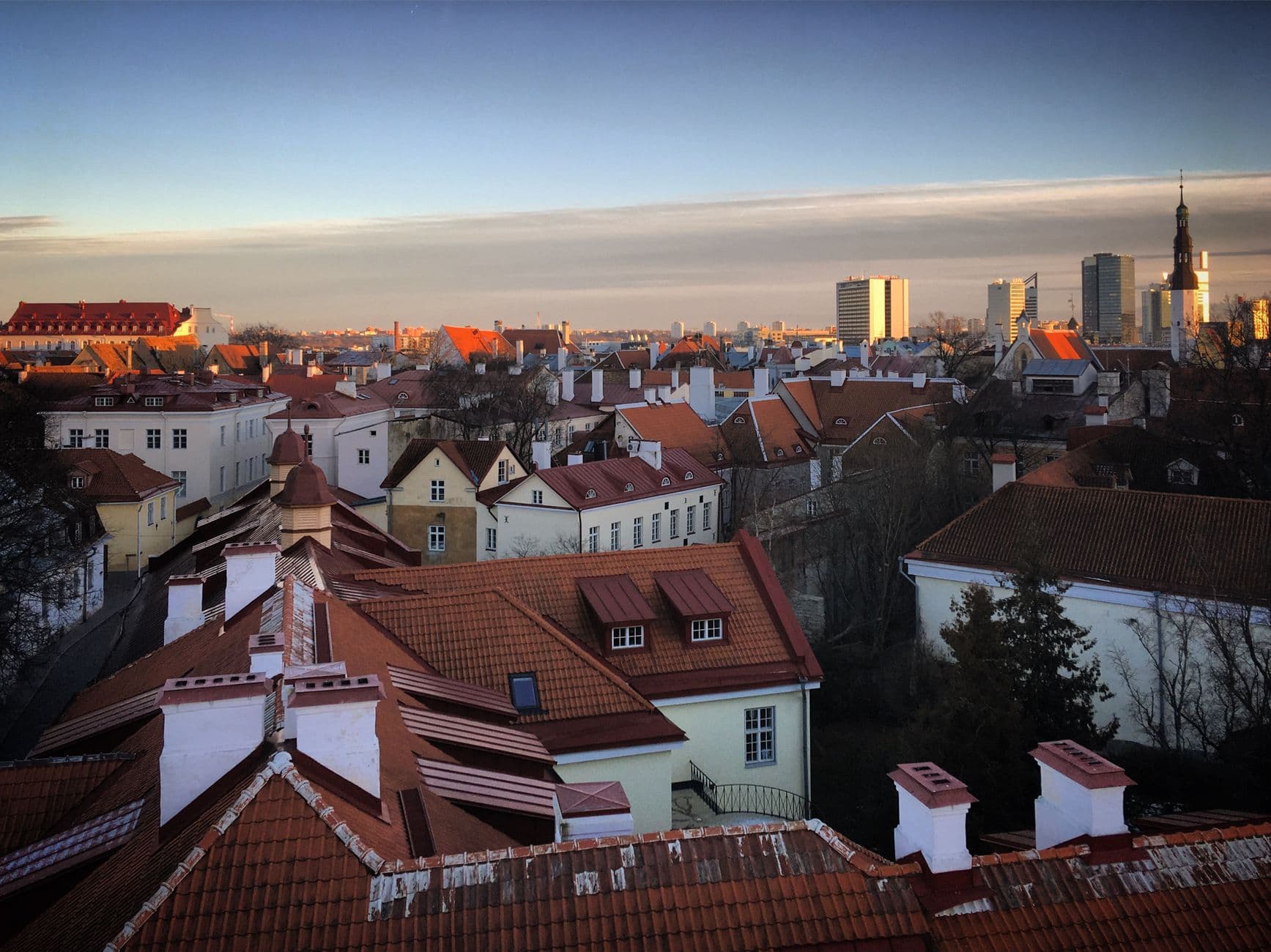
The Complete Guide to Tallinn

A Medieval Capital That Never Feels Like a Museum
Step through the Viru Gate and the twenty-first century falls away almost immediately. Cobblestones underfoot, limestone walls rising on either side, and the smell of woodsmoke drifting from a courtyard tavern — Tallinn's Old Town has survived seven centuries of Danish, Swedish, German, Russian, and Soviet rule largely intact, and it wears that history without apology.
What sets Tallinn apart from other well-preserved European old towns is the contrast just beyond its walls. Within twenty minutes you can walk from a fourteenth-century guild hall to Telliskivi Creative City, a former industrial complex full of design studios, craft breweries, and street art, or hop a tram to Kadriorg, an eighteenth-century Baroque palace park where Estonians jog past fountains on their lunch break. This is a small, walkable capital where medieval and digital-age Estonia sit a few blocks apart.
Tallinn Quick Facts
White Nights, Christmas Markets, and the Shoulder Months in Between
Tallinn's climate is shaped by the Baltic Sea, which means summers are mild rather than hot and winters are cold but rarely brutal. June and July bring the longest daylight of the year, with the sun barely dipping below the horizon and temperatures typically in the 18-23°C range. This is peak season, when Raekoja Plats fills with outdoor cafe tables and the Old Town Days festival in early June turns the streets into a medieval fair with jousting, craft stalls, and folk music.
August and September are the quieter alternative, with fewer cruise-ship crowds and crisp evenings good for a walk along the city walls. Spring, from April to May, is unpredictable and often still cool, but it is when Kadriorg Park comes into bloom and hotel rates dip noticeably below summer peaks. Winter is a different city altogether: from late November to early January, the Christmas Market on Raekoja Plats sets up wooden stalls selling mulled wine and hand-knit wool, and snow on the church spires makes the Old Town look almost improbably picturesque, though you should pack for temperatures that regularly sit below freezing.
Cordelie travel advisors
Planning Tallinn? Go with someone who knows
The right suite, the right season, the reservations that never appear online — your Cordelie advisor knows them, and holds them for you.
Plan with a Cordelie advisorFree to ask. Cordelie Travel Services · IATA/ARC 06649064
From Toompea's Ramparts to the Seaplane Harbour's Submarine
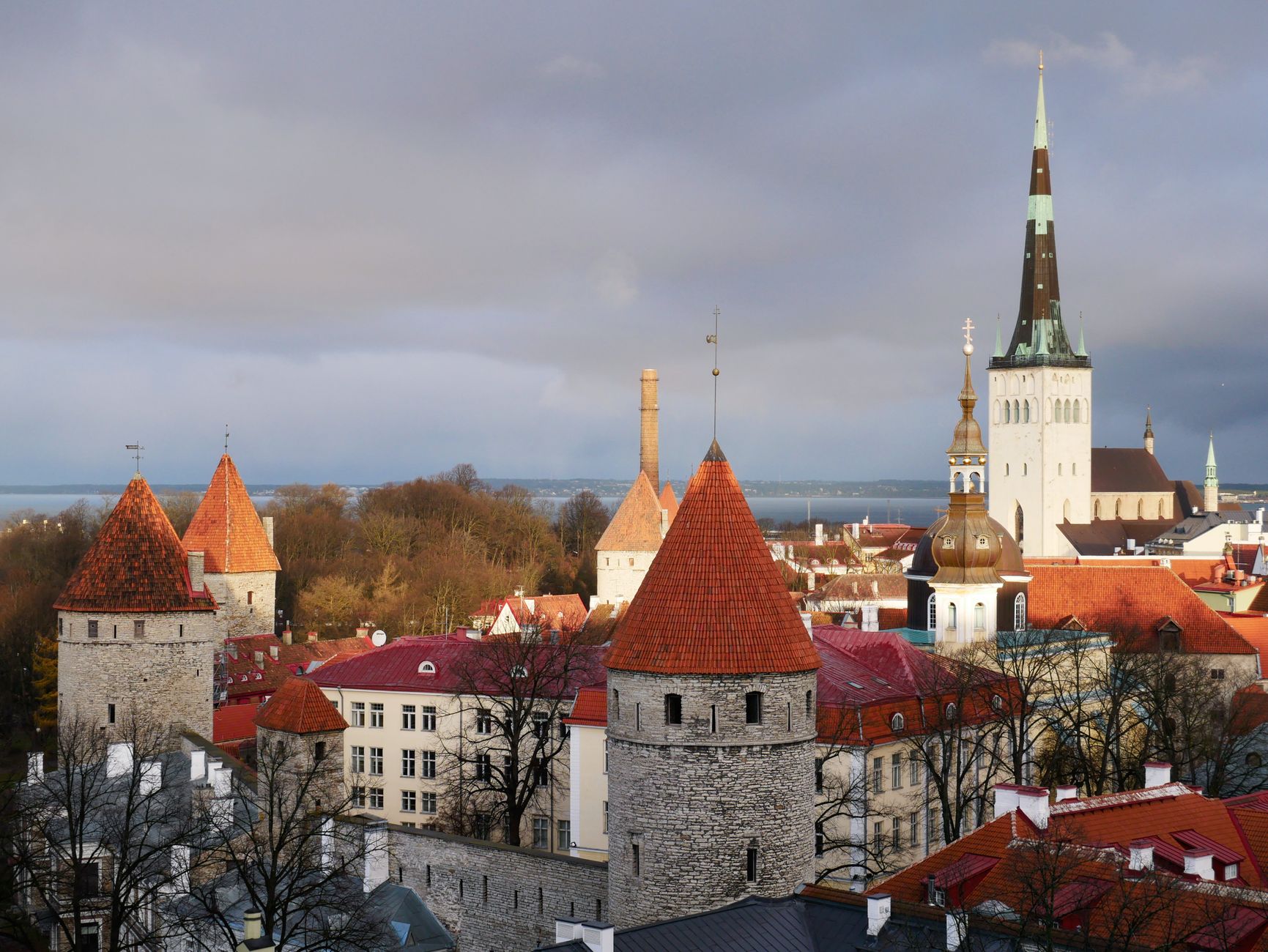
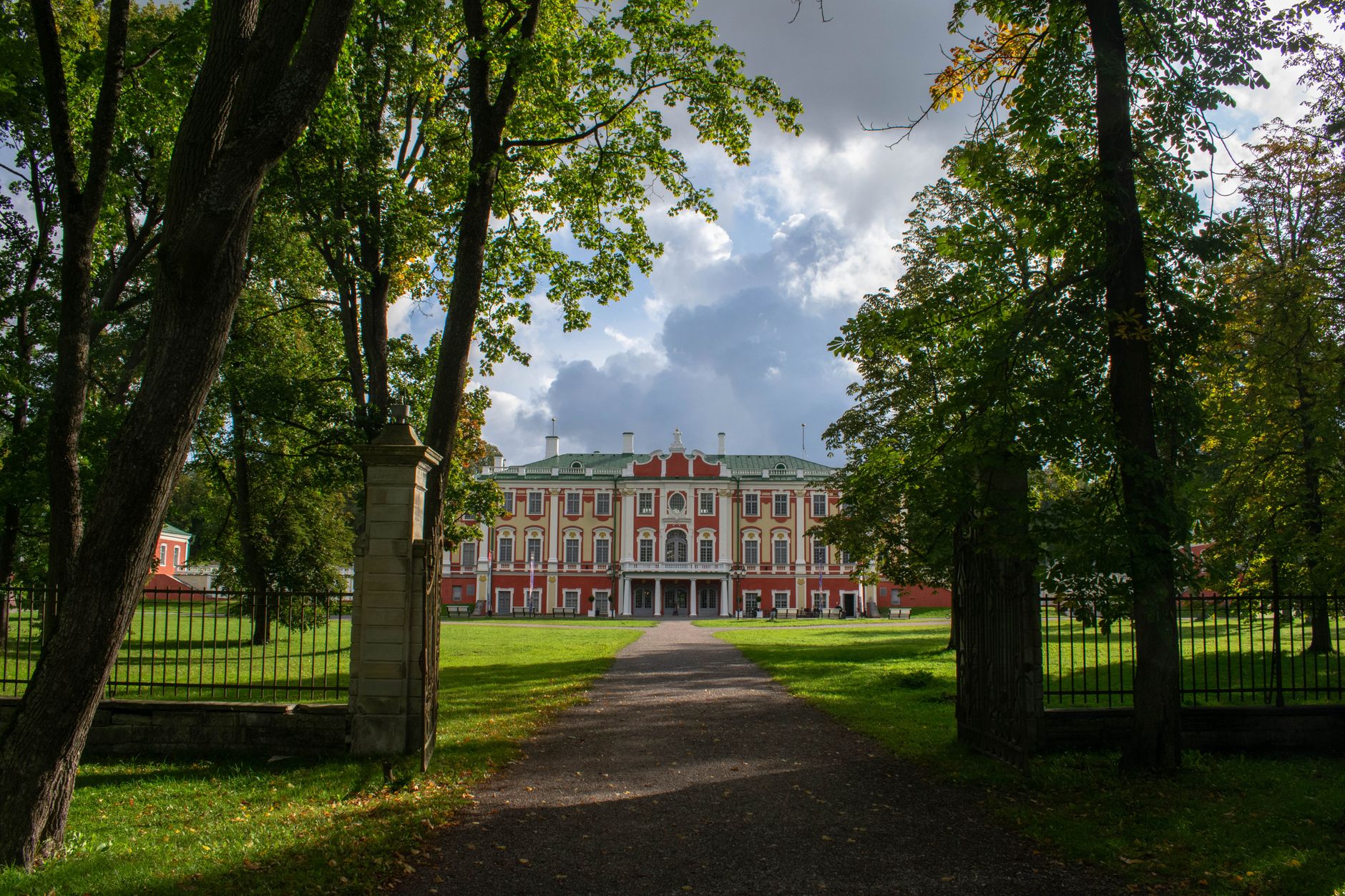
Start on Toompea Hill, the limestone outcrop where the city's earliest fortress stood. The pink Baroque facade of the Estonian Parliament building sits directly across from the onion domes of Alexander Nevsky Cathedral, a striking juxtaposition of Lutheran-era architecture and late-Tsarist Orthodox grandeur completed in 1900. Walk a few minutes further to the Kohtuotsa and Patkuli viewing platforms for the postcard shot over the Lower Town's red roofs toward the harbor.
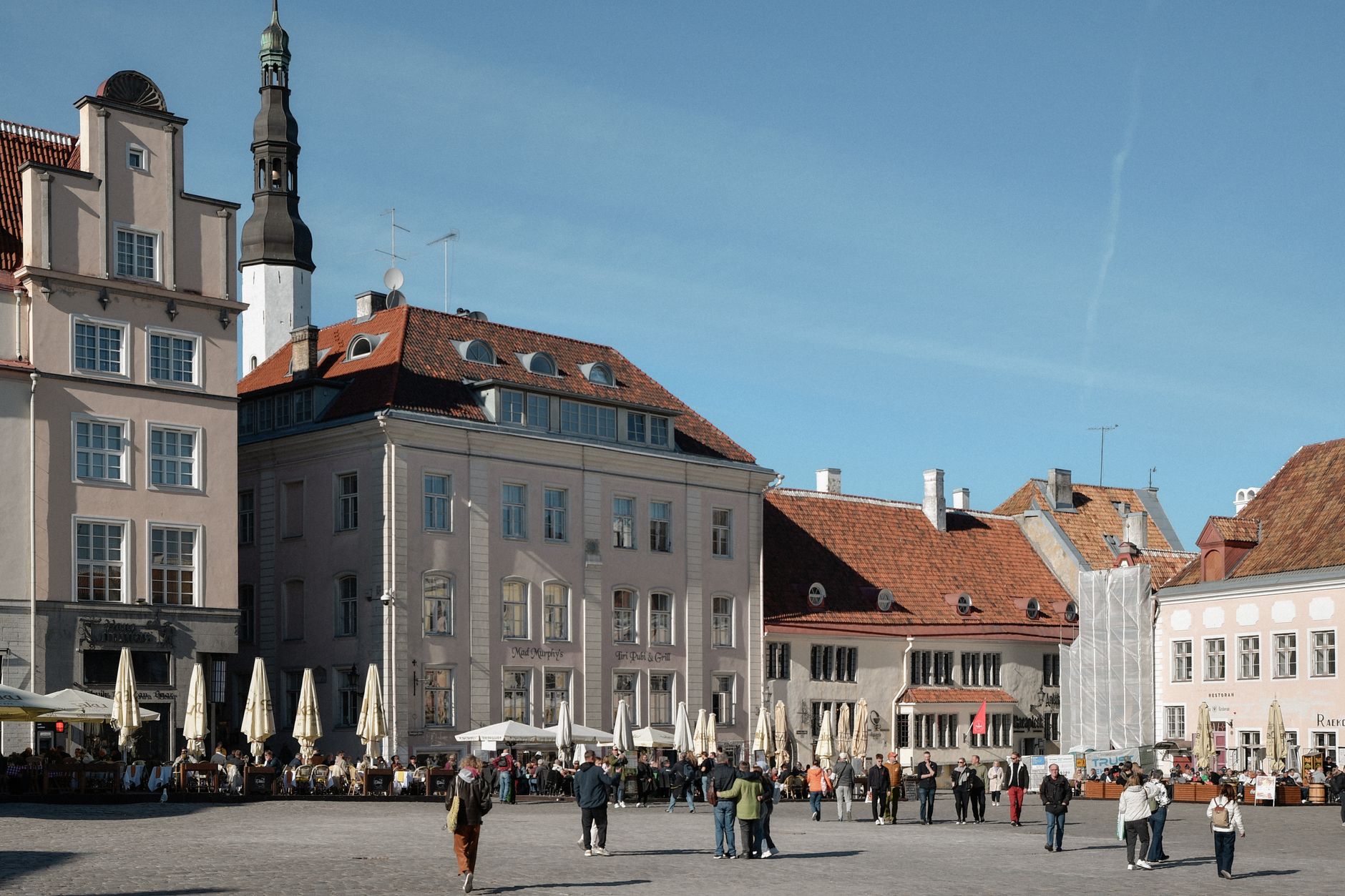
Down in the Lower Town, Raekoja Plats has been the city's market square since the thirteenth century, anchored by the Tallinn Town Hall, the only surviving Gothic town hall in the Baltic region. Climb its tower (open seasonally, roughly May to September, for a small fee in the €4-6 range) for a view without the crowds you get from Toompea. St. Olaf's Church nearby was once among the tallest structures in the world when its spire was rebuilt in the sixteenth century; you can still climb 258 steps for a view over the harbor for a few euros.
For something entirely different, take tram 1 or 2 to the Seaplane Harbour (Lennusadam), a maritime museum housed in a vast 1916 concrete seaplane hangar where a restored British-built submarine, the Lembit, sits alongside vintage aircraft. Budget at least ninety minutes, and check the current ticket price online before you go, as it typically runs in the €16-20 range for adults. Insider tip: arrive right at opening, usually 10:00, to explore the submarine's interior before school groups descend.
Tallinn's Landmarks, Old and New
Sleeping Inside the Walls or a Tram Ride From Them
For a first visit, staying inside or just outside the Old Town walls makes the most sense, since nearly everything worth seeing is within a fifteen-minute walk. At the top end, the Schlössle Hotel occupies a converted fourteenth-century merchant building on Puhavaimu street, with vaulted ceilings, a small spa, and rates that typically run from roughly €250 a night. Hotel Telegraaf, set in a former telegraph office near St. Catherine's Passage, pairs similarly grand rooms with one of the city's better hotel restaurants, Tchaikovsky.
In the mid-range, Hotel Palace on Vabaduse Square offers comfortable rooms with Old Town or sea views for roughly €120-160 a night, and Nordic Hotel Forum, just outside the walls near Viru Gate, is a reliable choice for travelers who want modern rooms and easy tram access for around €90-130. Budget-conscious travelers do well at Hotel Bern, a straightforward business-style hotel a short walk from the walls with doubles often under €90, or at Tabinoya, a Japanese-run guesthouse known for its small garden and quiet courtyard rooms. Whichever you choose, book Old Town properties several weeks ahead for June through August, when rooms sell out around festival dates.
Black Bread, Baltic Herring, and a Liqueur Older Than the Republic
Estonian cuisine draws on centuries of German, Russian, and Nordic influence, filtered through a landscape of forests, bogs, and coastline. Dark rye bread, leib, appears at nearly every meal, often alongside pickled herring, smoked fish, or a bowl of sült, a jellied pork dish served cold. In autumn and winter, look for verivorst, blood sausage traditionally eaten around Christmas with lingonberry sauce and sauerkraut.
For a proper sit-down meal, Rataskaevu 16 on a quiet Old Town lane is a longtime local favorite for updated Estonian classics, with mains typically in the €18-26 range; reservations are wise for dinner. Leib Resto ja Aed, hidden behind an unmarked door and reached through a garden courtyard, does a lighter, herb-forward take on the same traditions. For a splurge, Ö Restoran and NOA Chef's Hall both offer tasting menus that reinterpret Estonian ingredients — think sea buckthorn, foraged mushrooms, and Baltic fish — in a fine-dining format, generally starting around €70-90 per person for a multi-course menu.
For something more casual, Balti Jaama Turg, the covered market beside the Baltic Station, is where locals buy produce, cheese, and street food side by side; grab a plate of pelmeni or a sausage roll for under €6. And no visit is complete without a small glass of Vana Tallinn, the dark, spiced rum-based liqueur that has been produced in Estonia since the Soviet era and is sold in every gift shop and bar in the Old Town.
“Tallinn doesn't perform its history for tourists — the guild halls are still guild halls, the church bells still mark the hour for people who live above the shops beneath them.”
Why You Won't Need a Car in a City Built for Feet and Trams
Lennart Meri Tallinn Airport sits only about 4km from the city center, and tram 4 connects the terminal directly to the Old Town in roughly 15-20 minutes for the price of a standard public transport ticket, around €2 bought on board or less through the mTicket app. Taxis and ride-hailing apps like Bolt cost somewhat more but rarely exceed €12-15 for the same trip.
Within the city, the Old Town itself is entirely pedestrian and best explored on foot; cars aren't much use on cobblestones designed for horse carts. For everywhere else, Tallinn's tram, bus, and trolleybus network is efficient and cheap, with a single ticket around €2 and a 24-hour ticket typically €6-8. The Tallinn Card, sold in 24, 48, and 72-hour versions, bundles public transport with entry to dozens of museums and attractions and can be worth it if you plan to hit several paid sights in a short stay.
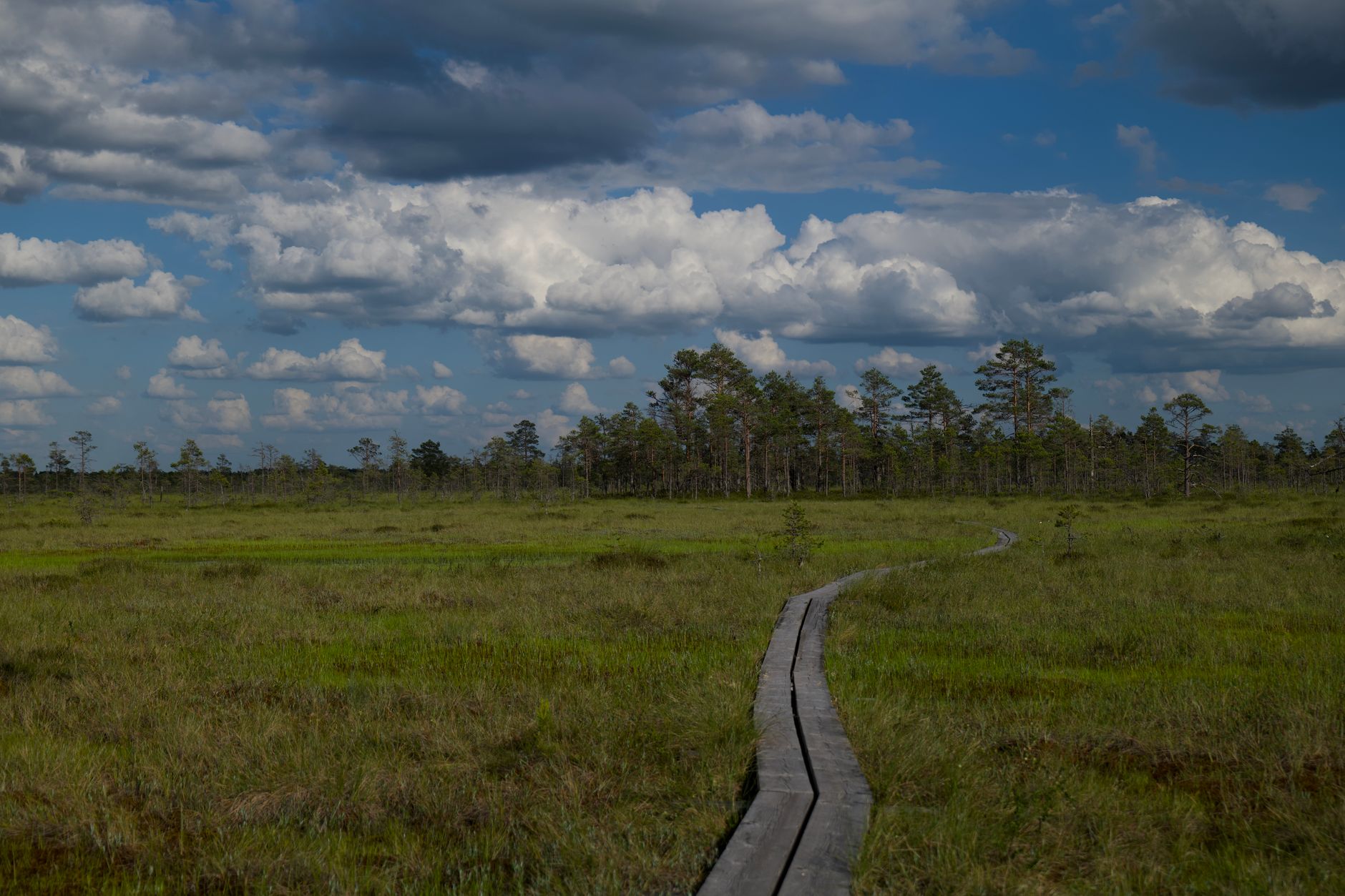
If you're continuing to Helsinki, the Tallink and Viking Line ferries cross the Gulf of Finland in about two to two and a half hours, with multiple daily departures from the Old City Harbour, a fifteen-minute walk or short tram ride from Raekoja Plats. For day trips out of the city, Lahemaa National Park, roughly an hour's drive east along the coast, offers bogs, manor houses, and hiking trails through Estonia's largest national park, and is easiest to reach with a rental car or a guided small-group tour.
Three Days: Old Town, Museums, and a Coastal Escape
Toompea Hill and the Medieval Lower Town
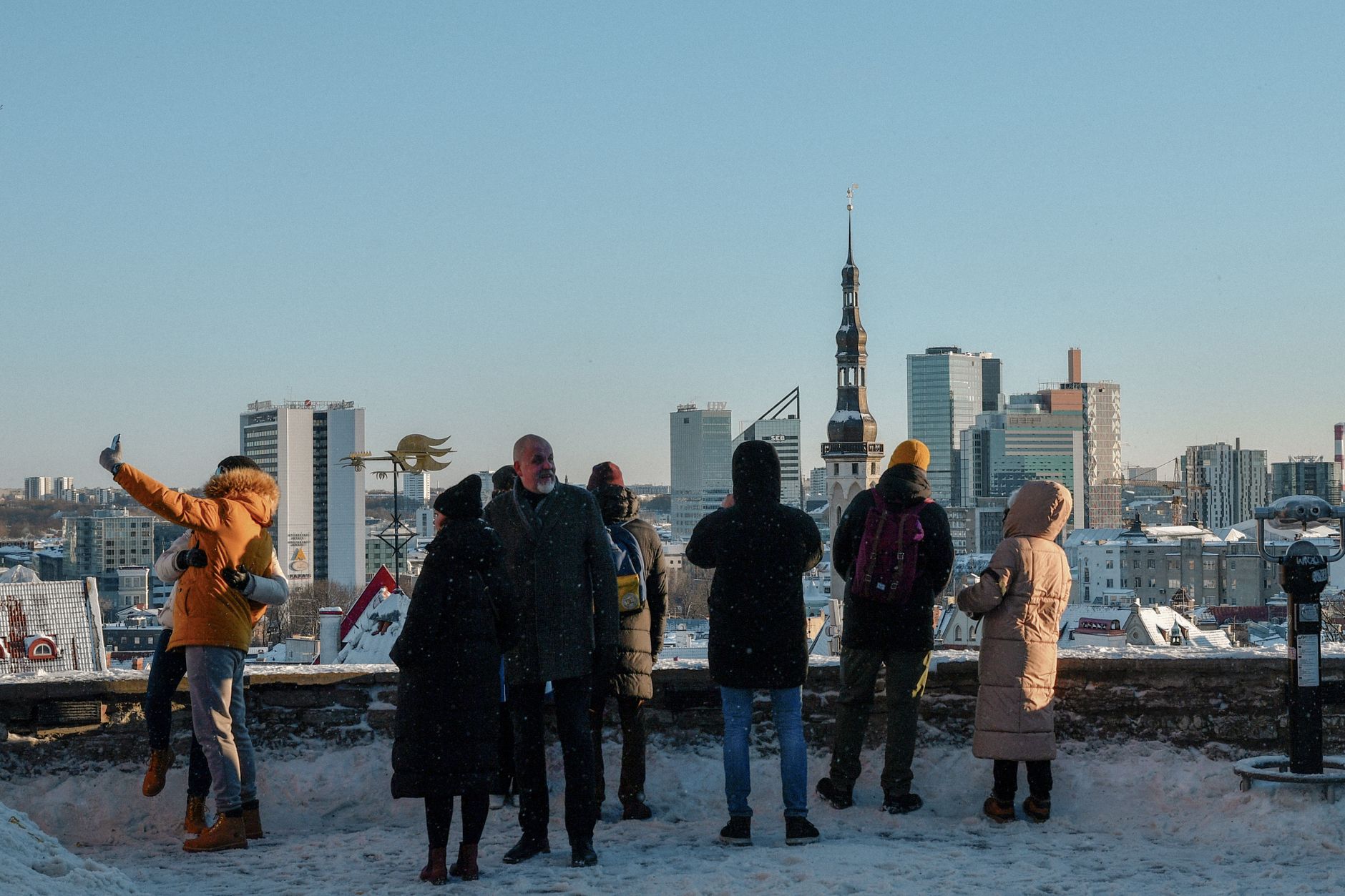
Begin on Toompea Hill while the light is still soft, walking from the Parliament building past Alexander Nevsky Cathedral to the Kohtuotsa viewing platform for your first proper look over the rooftops.
Descend into the Lower Town through the Danish King's Garden and spend the late morning around Raekoja Plats, climbing the Town Hall tower if it's open, then continue to St. Olaf's Church for its own climb and harbor view.
In the afternoon, wander the narrow lanes near St. Catherine's Passage, where local ceramicists and glassblowers still work in small studio shops, before a relaxed dinner at Rataskaevu 16.
Museums, the Harbor, and Telliskivi's Warehouses
Spend the morning at the Seaplane Harbour museum, giving yourself at least ninety minutes to explore the seaplane hangar and the Lembit submarine before the midday crowds arrive.
Walk or take a short tram ride to Kalamaja, a former fishing and factory district now full of wooden houses and cafes, then continue to Telliskivi Creative City for lunch among its converted rail-yard buildings.
In the evening, head to Kadriorg Park to see the Baroque palace and, if you have time, step into the Kumu Art Museum for a look at Estonian art from the nineteenth century to today.
Beyond the Walls: Coast, Bogs, or a Ferry to Helsinki
If staying local, take tram 1 or 5 out to Pirita, a sandy beach and marina about 6km from the center, and walk along the promenade toward the ruins of St. Bridget's Convent, dating to the fifteenth century.
Alternatively, arrange a half-day trip to Lahemaa National Park for a walk through the Viru Bog boardwalk trail and a stop at one of the park's restored manor houses.
If your schedule allows a longer detour, the Tallink or Viking Line ferry to Helsinki takes roughly two to two and a half hours each way, making a day trip to Finland feasible if you catch an early crossing.
Booking a private guide who can get you past the queue at the Town Hall tower, or timing a ferry connection to Helsinki around a same-day return, is exactly the kind of scheduling a good travel advisor sorts out in a few emails rather than a few frustrating hours online.
A Cordelie advisor can also bundle Tallinn with a wider Baltic or Nordic itinerary, coordinating hotel and ferry timing so you're not stuck comparing five booking sites at midnight. Reach out through cordelie.com/contact to start planning.
Tallinn At a Glance
A compact, walkable capital that rewards a short stay with real medieval texture and a lively creative scene just beyond its walls.
Tallinn works well as a standalone three-to-four day trip or as a Baltic-Nordic add-on with Helsinki or Riga.
Go in June or July for the long white nights and outdoor festival energy, or in December for the Christmas Market on Raekoja Plats.
Base yourself inside or near the Old Town walls, keep a public transport card handy for Kadriorg and the Seaplane Harbour, and set aside at least one afternoon for Telliskivi Creative City.
Last checked for accuracy: . How we check

Sarah Chen has covered Asia for twelve years, first as a wire reporter in Jakarta and now from Singapore, where she keeps a standing list of the region's most misunderstood destinations. She writes about the distance between what a place is famous for and what it is actually like to spend a week in — and is happiest on an overnight train with a bad seat and a good view.
Related Articles
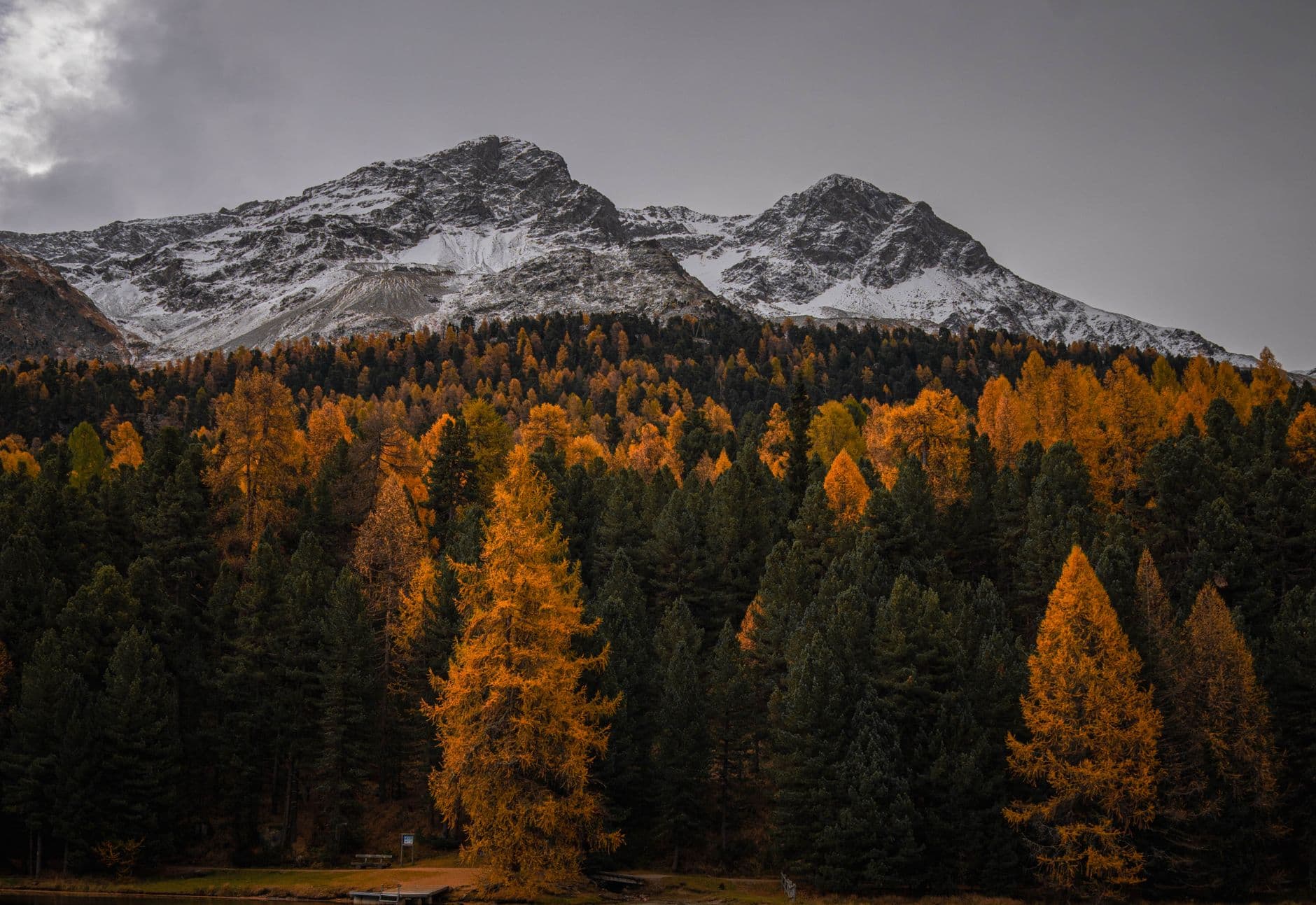
Why The Swiss Alps Rewards an Off-Season Visit
The Swiss Alps in September and October stand nearly empty. Trails quiet, prices halve, and snow dusts the highest peaks while larch forests turn gold—creating an entirely different alpine experience.

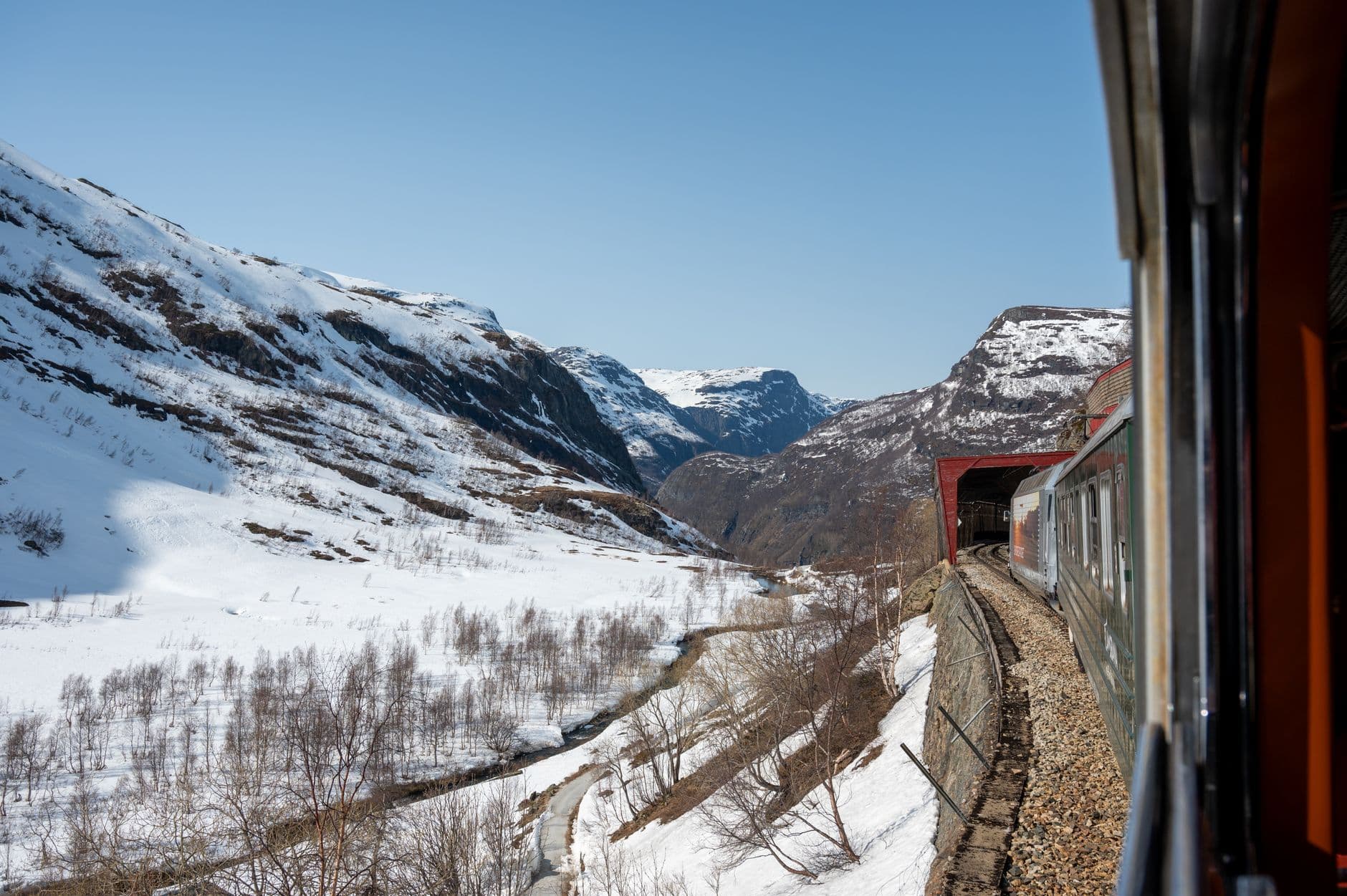
Essential Tips for Traveling in Norway
Norway rewards planners: book fjord trains early, pack for four seasons in a day, and pick your season for midnight sun or northern lights. Here's the essential prep guide.

The Best Things to Do in The Dolomites
From a sunrise cable car ride out of Ortisei to a two-Michelin-star table in Alta Badia, here are the seven Dolomites experiences worth building an itinerary around.