The Complete Guide to Seville

Seville: Andalusia's Warmest, Most Danceable City
Seville doesn't ease you in. You step off the train at Santa Justa and within twenty minutes you're standing under orange trees older than most nations, listening to a Sevillana ripple out of a bar doorway while someone's grandmother critiques the footwork. This is a city that runs on ritual, from the paseo before dinner to the three-hour tapas crawl that somehow only covers four blocks.
What sets Seville apart from the rest of Andalusia is density: the Real Alcázar, the Cathedral, the old Jewish quarter of Santa Cruz, and the flamenco bars of Triana all sit within a 25-minute walk of each other. You can spend a morning inside Moorish palace walls and be eating salmorejo across the river by 2pm. Few European capitals of history pack this much into so walkable a footprint.
Seville Quick Facts
Orange Blossom in March, Fever Pitch in April: Timing Your Trip
Spring is Seville's showcase season. Semana Santa (Holy Week, usually late March or April) fills the streets with silent processions and incense, while two weeks later the Feria de Abril turns a fairground on the Los Remedios side of the river into a canvas-tented city of flamenco dresses and rebujito. Hotel prices spike hard for both, so book four to six months out if you want to be anywhere near the centre.
Summer is a different proposition entirely. Daytime temperatures regularly climb past 38°C (100°F) in July and August, and Seville has a reputation as one of mainland Europe's hottest cities in that stretch. Locals shift their day around it — shops shutter from roughly 2pm to 5pm, terraces fill after 9pm, and the riverside paseo doesn't really wake up until the heat breaks. If you come in summer, plan sightseeing for before 11am and after 6pm.
Autumn brings the calm back: warm days in the low-to-mid 20s°C, thinner crowds at the Alcázar, and the grape harvest around nearby Jerez. Winter is mild by northern European standards, rarely dropping below 5°C overnight, though January and February can bring a run of grey, rainy days that catch visitors off guard packing only sundresses.
Cordelie travel advisors
Planning Seville? Go with someone who knows
The right suite, the right season, the reservations that never appear online — your Cordelie advisor knows them, and holds them for you.
Plan with a Cordelie advisorFree to ask. Cordelie Travel Services · IATA/ARC 06649064
Inside the Alcázar and Beyond: What You Actually Shouldn't Skip
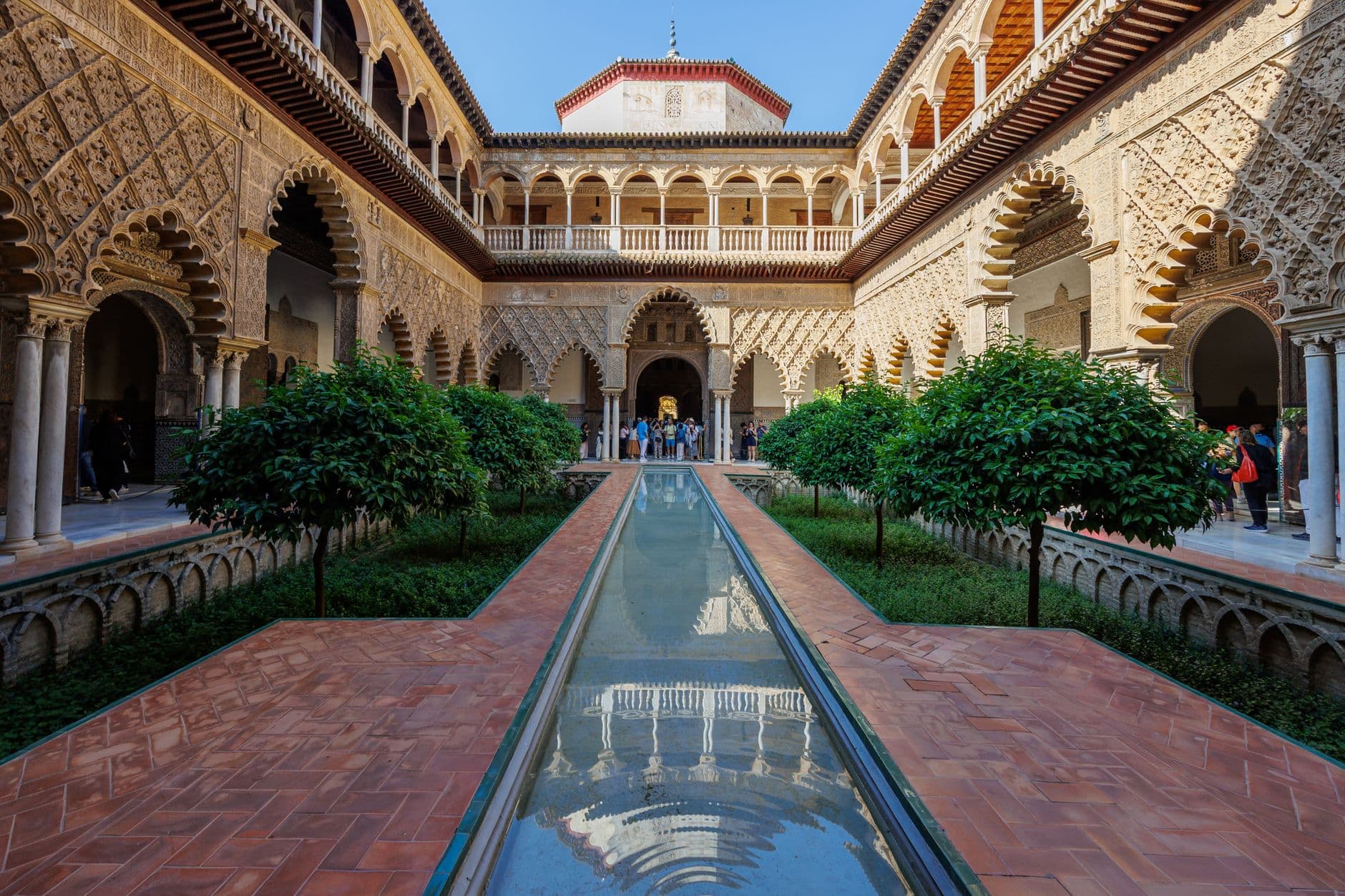
The Real Alcázar is the reason most people build a Seville trip in the first place, and it earns it. This working royal palace — still used by the Spanish royal family on visits — layers Mudéjar plasterwork, Renaissance ceilings and Almohad gardens into one site. Entry runs roughly EUR 13-15 for adults (2025 pricing), and same-day walk-up tickets often sell out by mid-morning in high season, so book online for a specific entry slot a few days ahead.
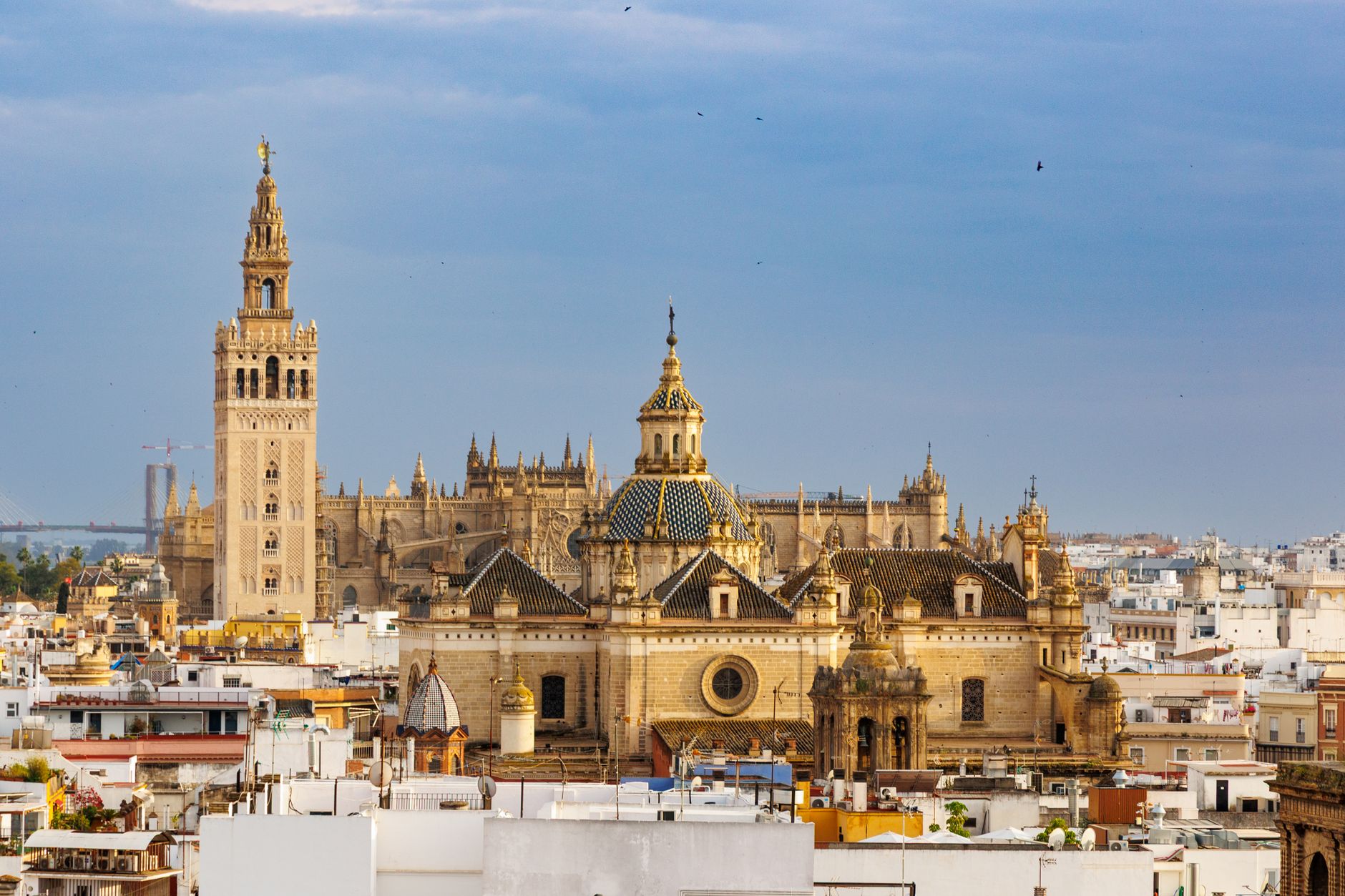
Next door, Seville Cathedral is the largest Gothic cathedral in the world by floor area and holds a tomb attributed to Christopher Columbus. Combined tickets with the Giralda bell tower cost around EUR 12-15, and climbing the tower's 34 ramps (built for mounted guards, not stairs) rewards you with the best rooftop view of the old city. Go for the 9:30am opening slot to beat both heat and tour groups.
For a different register entirely, Plaza de España — built for the 1929 Ibero-American Exposition — is free, sprawling, and best seen either at golden hour or from a rented rowboat on its curved canal (about EUR 6 for 35 minutes). Just beyond it, the Parque de María Luisa offers shaded paths and horse-drawn carriage rides if you need a break from stone and sun.
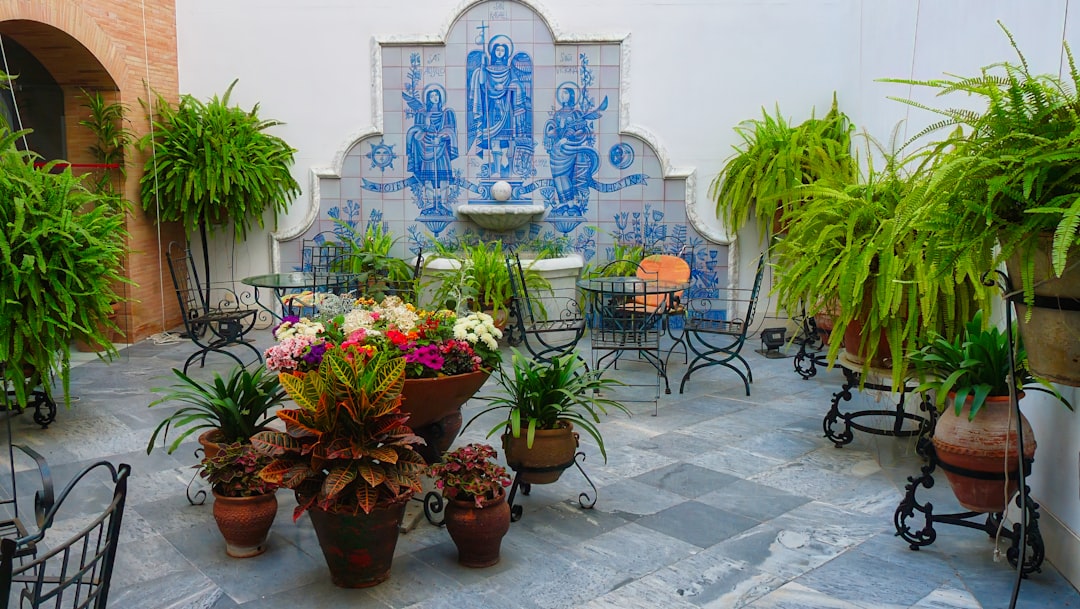
Cross the Puente de Isabel II into Triana for the city's other half. This is where flamenco actually lives, in small tablaos and neighbourhood bars rather than tourist theatres. Casa de la Memoria (in the Alameda area) runs intimate hour-long shows for about EUR 20-22, seating only around 100 people, so book a day or two ahead. Ceramics shops along Calle Alfarería still make Triana's famous tiles the traditional way, and a few will ship purchases home.
Seville in Frame
From Riverside Palace Hotels to Santa Cruz Boutiques
Seville's grandest address is Hotel Alfonso XIII, a 1929 palace hotel near the Cathedral with a central courtyard, tiled arcades and rooms that regularly run EUR 450-700 a night. For a slightly gentler splurge, the Hotel Palacio de Villapanés occupies a converted 18th-century mansion in the Santa Catalina district, with a rooftop pool and rates closer to EUR 200-300.
Mid-range travellers do well at Hotel Casa 1800 Sevilla, tucked into Santa Cruz just steps from the Cathedral, where a courtyard hotel with free evening cava typically runs EUR 150-220 a night. Eurostars Sevilla Boutique, near the Setas de Sevilla, offers similar comfort with rooftop views for somewhat less.
Budget-conscious visitors should look toward the Alameda de Hércules area, where boutique guesthouses and well-reviewed hostels like Oasis Backpackers' Palace put you within a 15-minute walk of everything for EUR 25-45 a night in a shared room. Whichever budget you're working with, staying inside the old city — Santa Cruz, El Arenal or Alameda — beats a taxi commute from the outskirts every time.
Salmorejo, Sherry and the Unhurried Art of the Tapeo
Seville treats tapas as a verb, not a menu category — sevillanos say they're going out to tapear. Order two or three dishes per stop and keep moving. Essentials to look for include salmorejo (a chilled tomato-and-bread soup similar to gazpacho but thicker), espinacas con garbanzos (spinach and chickpeas, a legacy of the city's Moorish-Jewish kitchens), and cola de toro, a slow-braised oxtail stew that shows up on menus during bullfighting season.
For a proper old-guard tapas bar, El Rinconcillo near the Alameda claims roots back to 1670 and still chalks up your tab on the wooden bar in front of you. Bodega Santa Cruz, informally known as Las Columnas, is a stand-up-only spot where most tapas cost EUR 3-4 and the crowd spills onto the plaza outside. Across the river in Triana, the market at Mercado de Triana pairs food stalls with archaeological ruins visible underfoot.
Sherry, not wine, is the local pour — ask for a fino or manzanilla served chilled, and don't be surprised if it arrives before you've ordered food. Dinner runs late here, with most kitchens not opening until 8:30 or 9pm and locals eating closer to 10pm, so plan your evening rhythm accordingly rather than showing up hungry at 6.
“Aquí no se come, se vive comiendo — here, you don't just eat, you live while eating.”
Walking the Old City and Riding the Rest
Central Seville rewards walking more than almost any Spanish city — Santa Cruz, El Arenal and the Cathedral district are all connected by narrow, shaded lanes that make a car actively unhelpful. Where the distances stretch, Line 1 of the tram (MetroCentro) runs from San Bernardo to Plaza Nueva for about EUR 1.40 a ride, and the EnCicla bike-share system has stations throughout the centre for short hops.
From Sevilla-San Pablo Airport, a taxi to the centre costs a flat rate of roughly EUR 25-27 and takes 15-20 minutes; the EA bus runs the same route for about EUR 4 and takes closer to 35 minutes with stops. Santa Justa train station, Seville's main rail hub, sits about a 20-minute walk or a EUR 8-10 taxi ride from the historic core.
Day trips are genuinely easy from here. The high-speed AVE train reaches Córdoba in about 45 minutes (from roughly EUR 15-40 depending on how far ahead you book) and Madrid in around 2 hours 15 minutes. Cádiz, with its Atlantic beaches, is roughly 1 hour 45 minutes away by regional train.
Three Days in Seville: A Sample Route
Cathedral, Alcázar and the Lanes of Santa Cruz
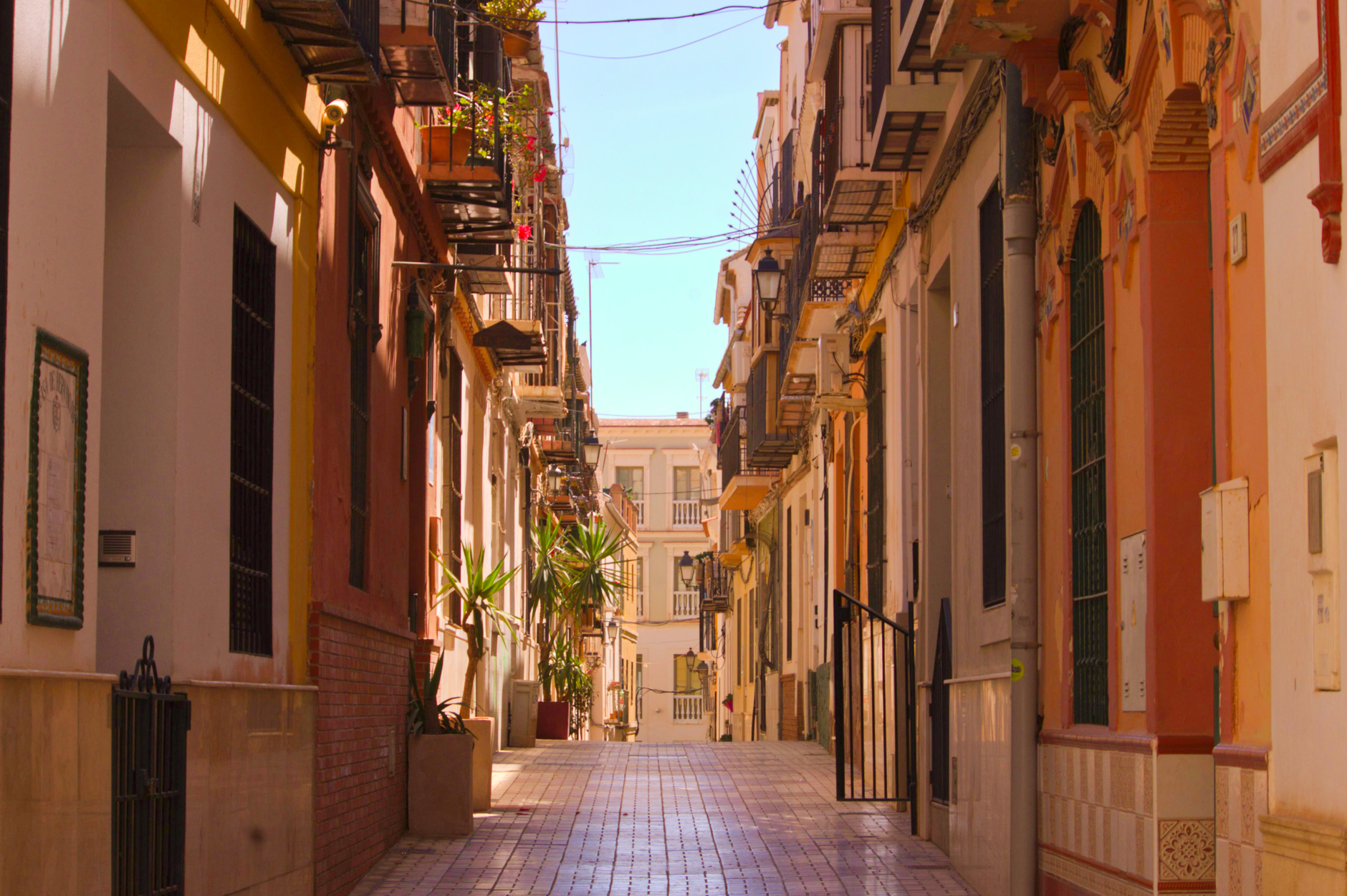
Start early at the Cathedral and Giralda tower before the 9:30am opening crowd builds, then walk five minutes to the Real Alcázar for your pre-booked entry slot. Budget at least two to three hours inside — the gardens alone reward slow wandering.
In the afternoon, get lost deliberately in the narrow streets of the Barrio Santa Cruz, once the city's Jewish quarter, stopping for a late lunch of salmorejo and croquetas at a shaded terrace on Plaza Doña Elvira.
Close the day with tapas at Bodega Santa Cruz (Las Columnas), a five-minute walk from the plaza, where most dishes run EUR 3-4 and the standing crowd spills onto the street after 8pm.
Plaza de España, Triana and a Flamenco Night
Spend the morning at Plaza de España and the adjoining Parque de María Luisa — rent a rowboat on the canal for around EUR 6 if the queue looks short, or simply walk the tiled provincial alcoves.
Cross the Puente de Isabel II into Triana for lunch at the Mercado de Triana, where food stalls sit above visible archaeological remains of the old Castillo de San Jorge.
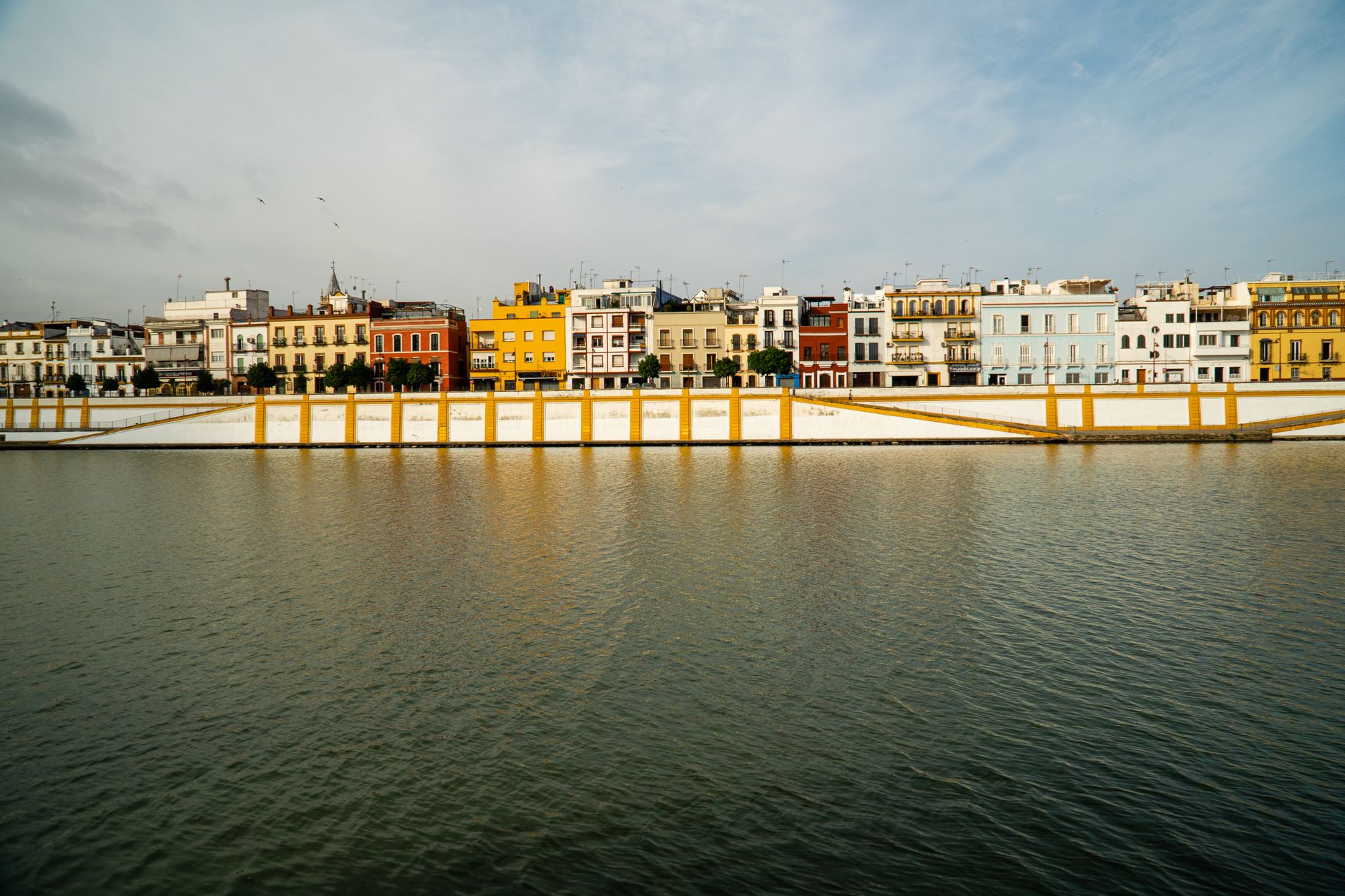
Book an evening flamenco show at Casa de la Memoria (around EUR 20-22, roughly an hour long) and follow it with a late tapas crawl through Triana's Calle Betis, which runs along the river with views back toward the old city.
Metropol Parasol, Casa de Pilatos and a Córdoba Option
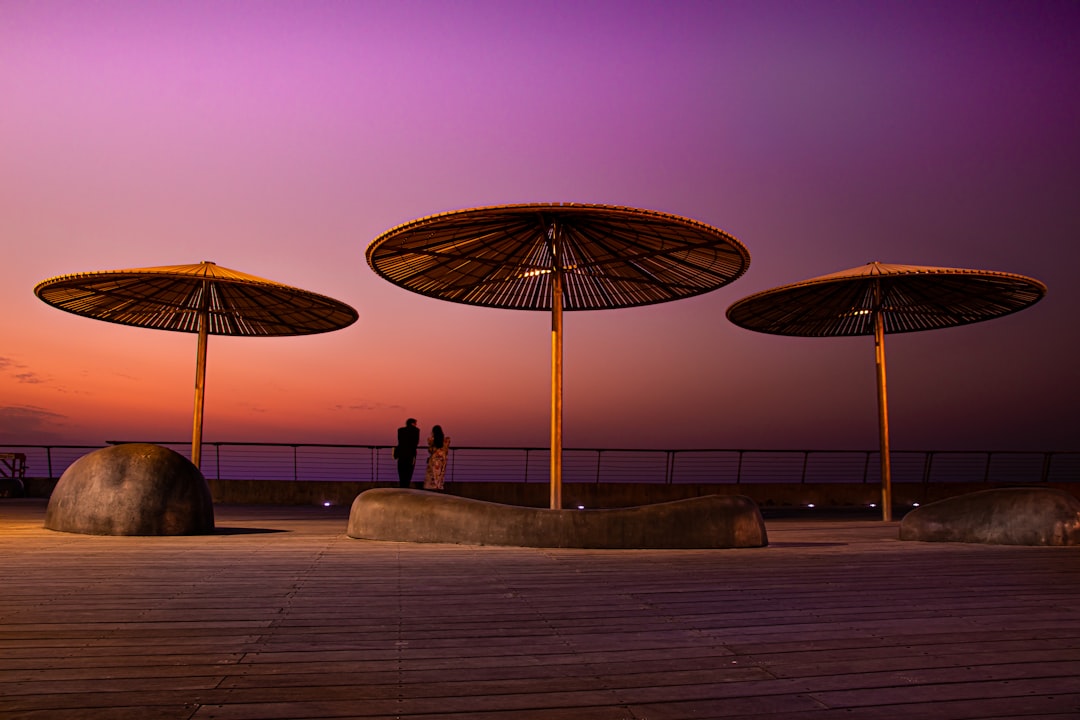
Start at the Setas de Sevilla (Metropol Parasol), a striking mushroom-shaped wooden structure over the Plaza de la Encarnación with a rooftop walkway costing roughly EUR 5-8. Beneath it, the Antiquarium museum displays Roman and Moorish ruins uncovered during construction.
From there, walk 10-15 minutes to Casa de Pilatos, a 16th-century noble palace often called a smaller cousin of the Alcázar, with entry around EUR 10 for the full palace and courtyards.
If you'd rather spend the day outside the city, swap the afternoon for a Córdoba day trip: the AVE gets you there in about 45 minutes, leaving several hours to see the Mezquita-Catedral before the last train back.
Alcázar tickets and Feria de Abril accommodation are the two things that genuinely lock up in Seville — the palace sells out days ahead in spring, and hotel rooms during the Feria and Semana Santa can be booked out six months in advance at multiples of standard rates.
A Cordelie advisor can secure timed entry, arrange a private after-hours palace visit when it's offered, and build the flamenco and day-trip logistics around your actual dates rather than a generic itinerary. Reach out at https://cordelie.com/contact to start planning.
Seville At a Glance
A compact, walkable city that rewards slow travel with palace architecture, riverside flamenco and some of Spain's best tapas culture.
Seville suits travelers who want cultural depth without the sprawl of Madrid or Barcelona — the entire historic core fits inside a 25-minute walk.
Come in April-May or September-October for the best weather; avoid July-August unless you're prepared to structure your day around the heat.
Budget three full days minimum for the Alcázar, Cathedral, Triana and Plaza de España, and add a fourth if a Córdoba day trip is on your list.
Last checked for accuracy: . How we check

Sarah Chen has covered Asia for twelve years, first as a wire reporter in Jakarta and now from Singapore, where she keeps a standing list of the region's most misunderstood destinations. She writes about the distance between what a place is famous for and what it is actually like to spend a week in — and is happiest on an overnight train with a bad seat and a good view.
Related Articles
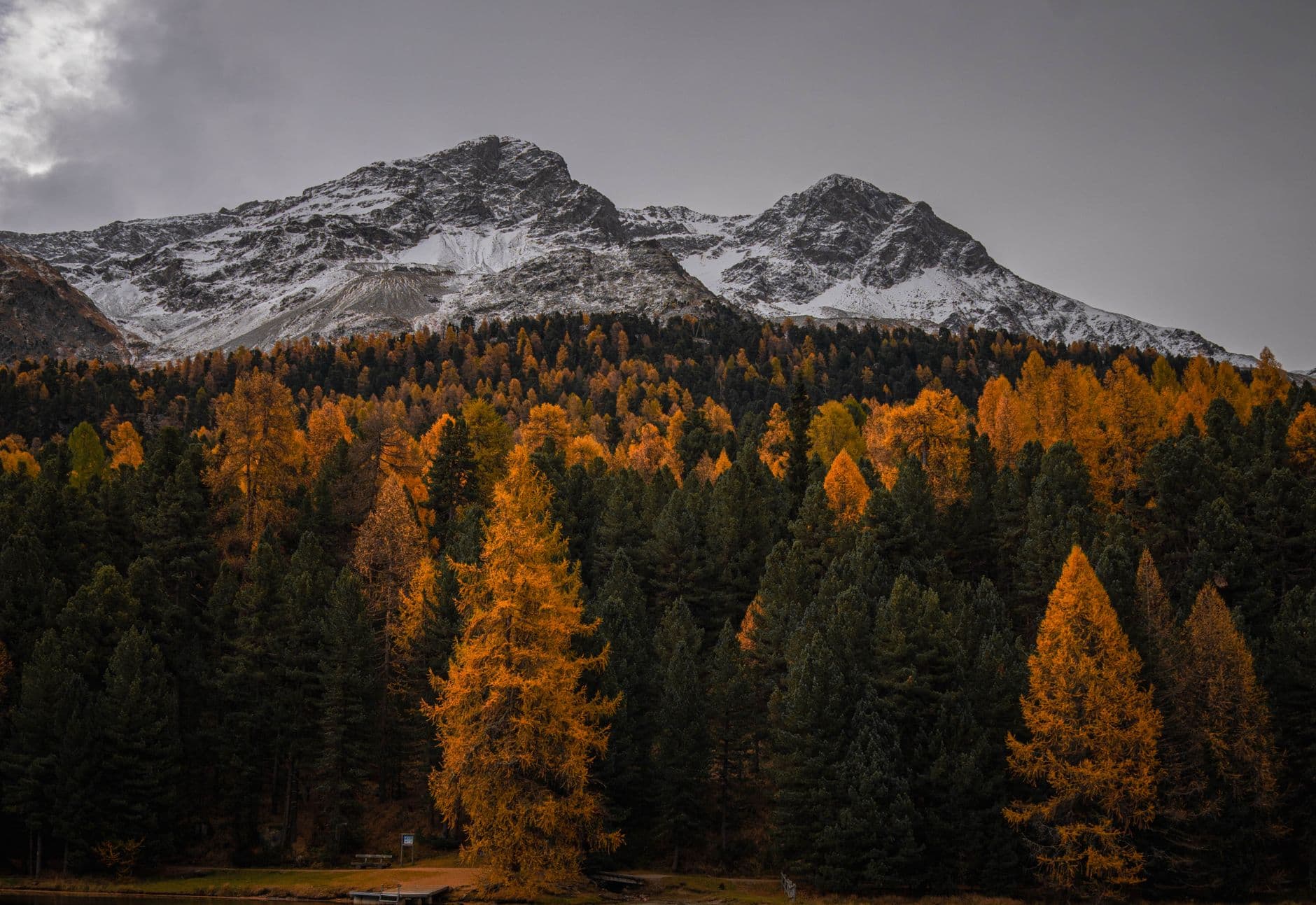
Why The Swiss Alps Rewards an Off-Season Visit
The Swiss Alps in September and October stand nearly empty. Trails quiet, prices halve, and snow dusts the highest peaks while larch forests turn gold—creating an entirely different alpine experience.

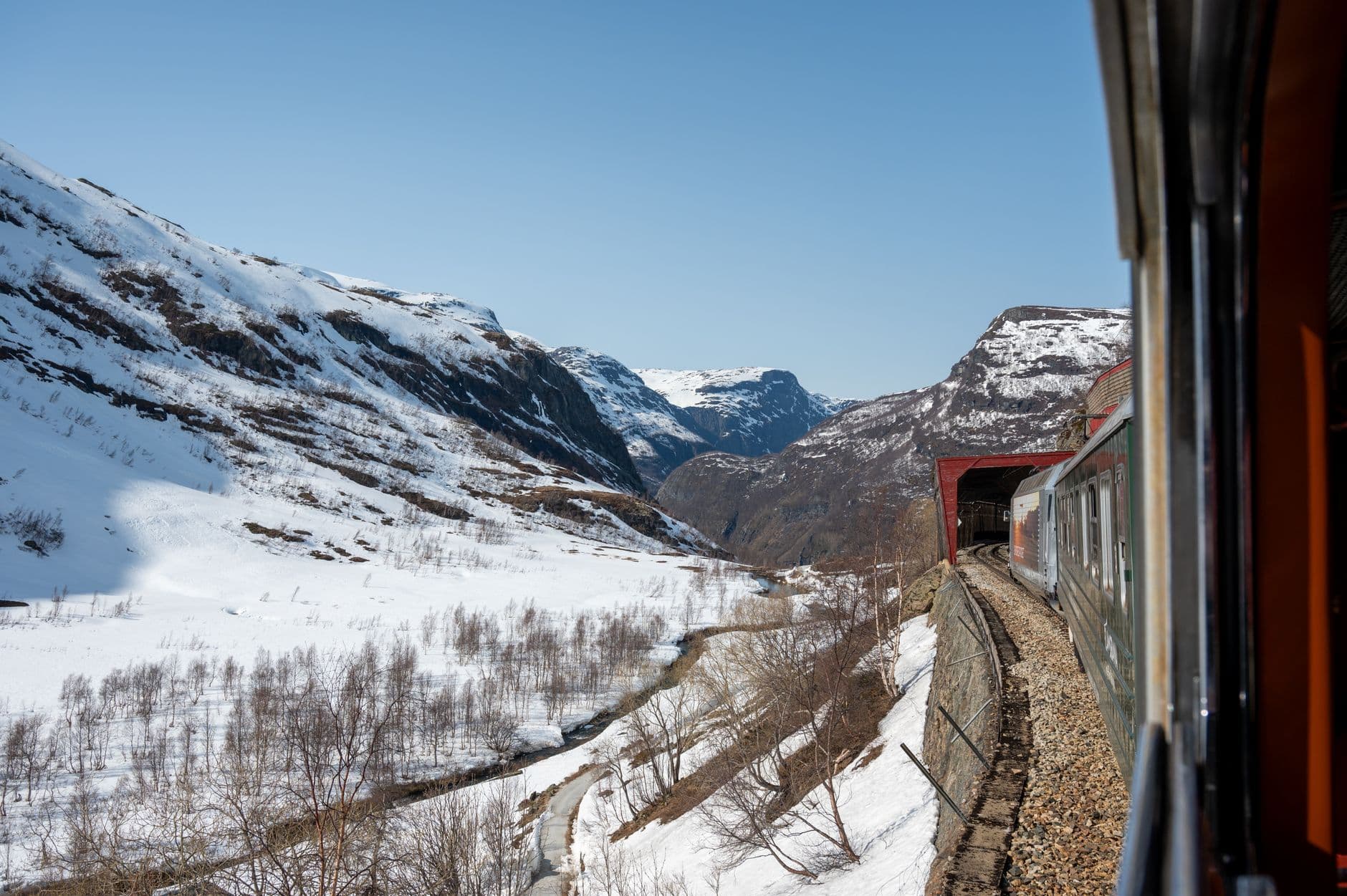
Essential Tips for Traveling in Norway
Norway rewards planners: book fjord trains early, pack for four seasons in a day, and pick your season for midnight sun or northern lights. Here's the essential prep guide.
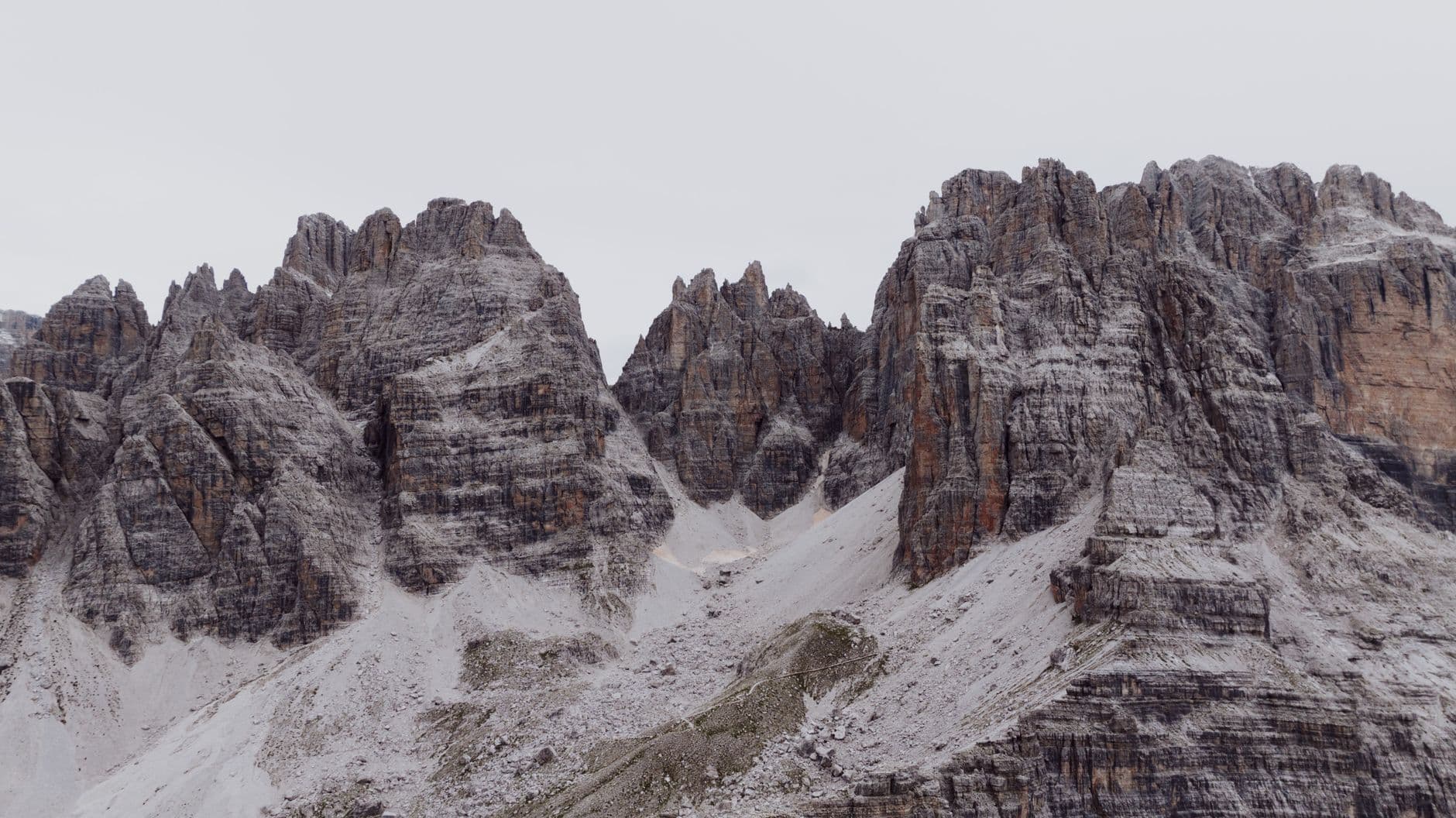
The Best Things to Do in The Dolomites
From a sunrise cable car ride out of Ortisei to a two-Michelin-star table in Alta Badia, here are the seven Dolomites experiences worth building an itinerary around.