
The Complete Guide to Porto

Why Porto Casts Such a Long Spell on Its Visitors
Porto doesn't announce itself the way Lisbon does. There's no grand square or postcard hilltop view waiting at the airport exit. Instead the city reveals itself in layers: a tram bell echoing off tiled facades, the smell of roasting chestnuts near São Bento station, the sudden hush of a Port wine cellar cut into the hillside of Vila Nova de Gaia. Built on granite bluffs above the Douro River, Porto has spent centuries shipping the wine that bears its name, and that trade still shapes everything from its architecture to its dinner tables.
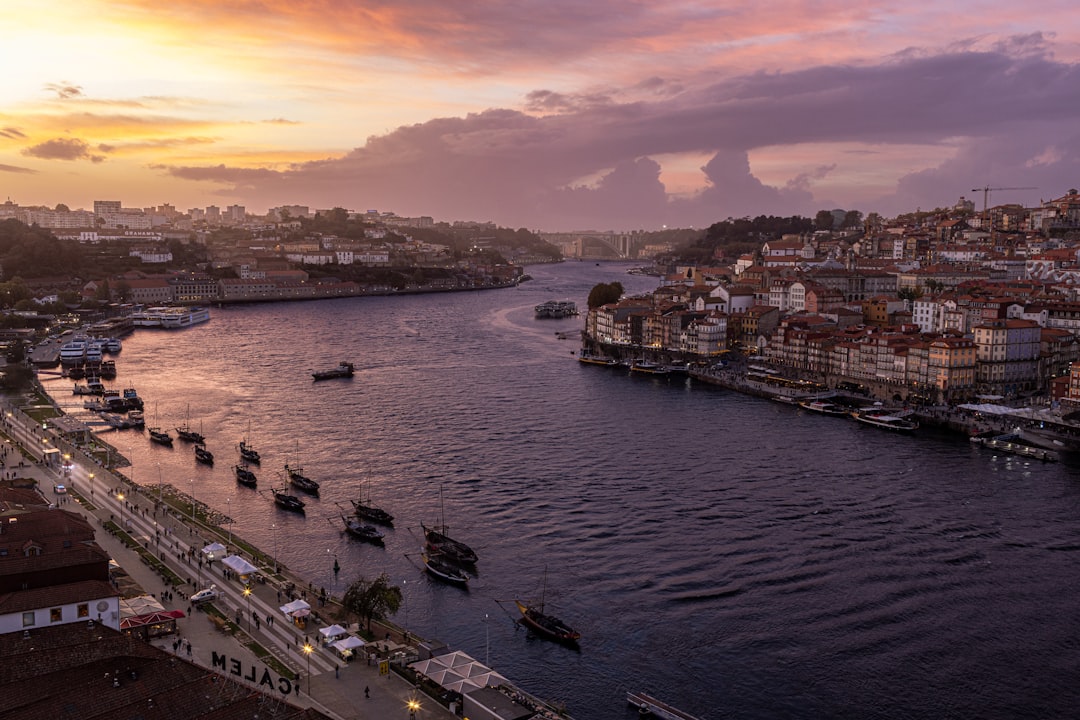
What makes Porto worth the trip is how compact and walkable that history is. You can stand on the upper deck of the Dom Luís I Bridge, watch rabelo boats drift below, and see three centuries of the city's story in a single glance. This is a guide for travelers who want the real texture of northern Portugal without needing a car, a translator, or more than three or four days.
Porto Quick Facts
Porto's Weather Moods: From Misty Winters to Golden September Evenings
Porto sits on the Atlantic, so its weather runs damper and greener than sun-baked Lisbon or the Algarve. Spring, roughly April through June, brings mild days in the high teens to low 20s Celsius and jacaranda blossoms along Avenida dos Aliados. Summer, July and August, is the busiest and driest stretch, with daytime highs often in the upper 20s and long queues forming outside Livraria Lello by mid-morning.
Autumn is arguably Porto's finest season. September and early October pair warm afternoons with cooler evenings, and this is also grape harvest time in the Douro Valley, an easy day trip east of the city. Winter, from November through March, is quiet and rainy, with temperatures rarely dropping below 5°C, but hotel rates fall and the Port cellars in Vila Nova de Gaia feel wonderfully empty. Plan around Festa de São João on the night of June 23-24, when the whole city takes to the streets with plastic hammers, sardines on the grill, and fireworks over the river — book accommodation well ahead if your dates overlap.
Cordelie travel advisors
Planning Porto? Go with someone who knows
The right suite, the right season, the reservations that never appear online — your Cordelie advisor knows them, and holds them for you.
Plan with a Cordelie advisorFree to ask. Cordelie Travel Services · IATA/ARC 06649064
From Port Wine Cellars to Rooftop Bell Towers: Porto's Essential Experiences
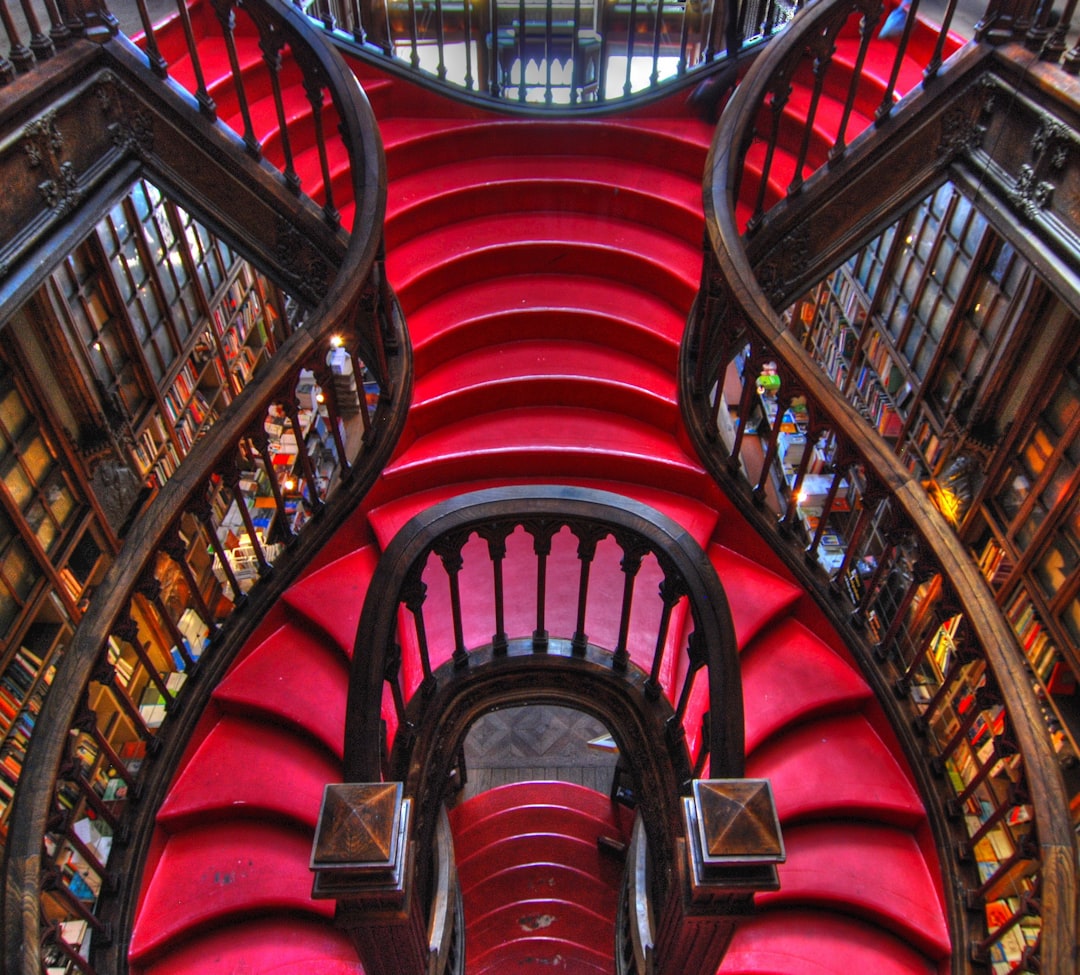
Start at Livraria Lello, the neo-Gothic bookshop on Rua das Carmelidas whose carved staircase draws long lines; entry costs roughly €8, deductible against a book purchase, and booking a timed slot online in advance saves an hour of standing outside. A five-minute walk away, the Torre dos Clérigos rewards a climb of 225 spiral steps (about €6-8 for tower access) with a 360-degree view over Porto's terracotta rooftops to the river.
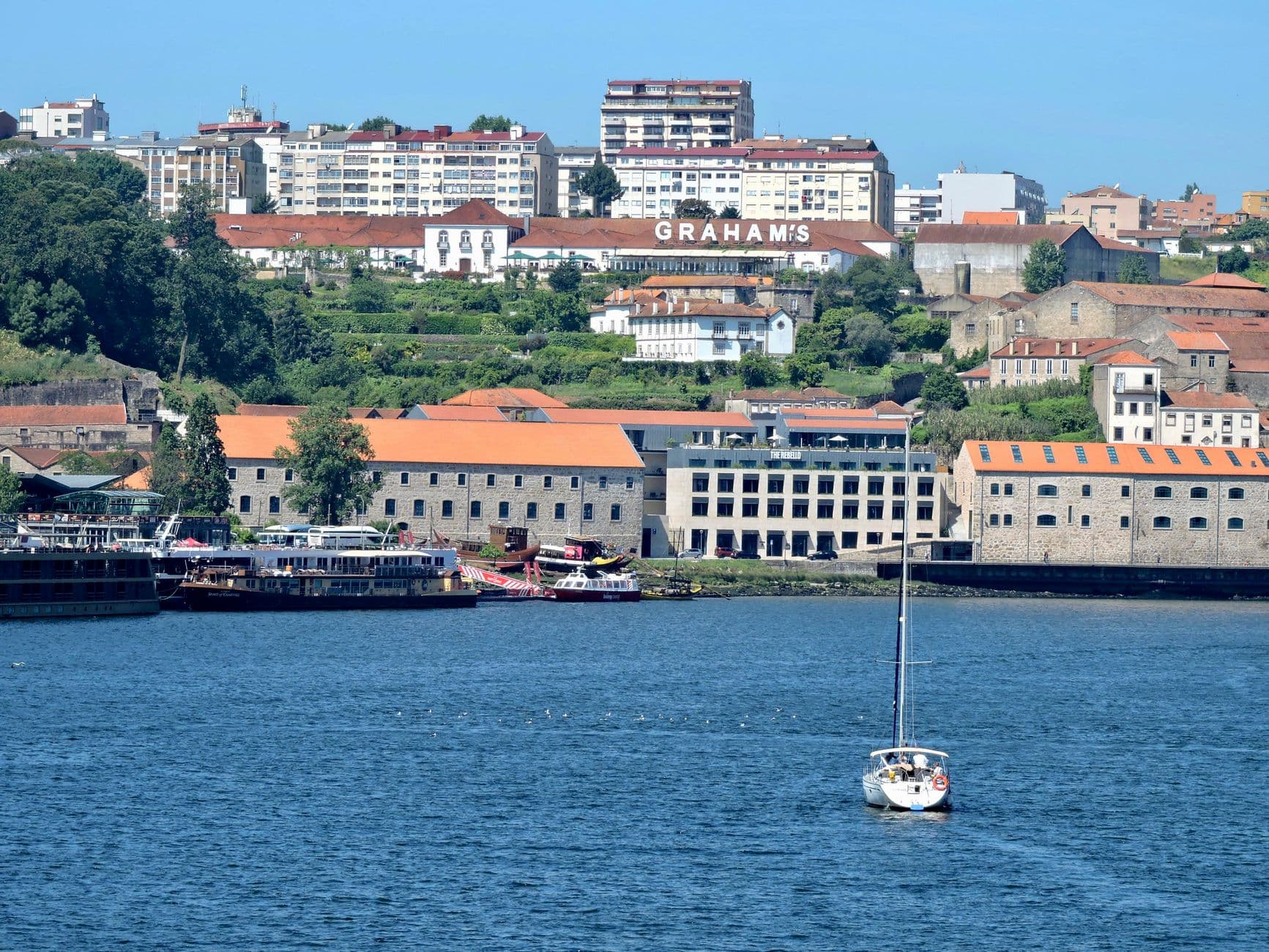
Cross to Vila Nova de Gaia for the city's real specialty: Port wine cellars built into the riverbank. Graham's, Taylor's, and Calém all run tours with tastings for roughly €15-25 per person, and each has its own personality — Graham's terrace has the best skyline view, while Calém pairs its tour with fado performances some evenings. Walk back across the upper deck of the Dom Luís I Bridge rather than taking the metro; the crossing takes about ten minutes on foot and delivers the view every guidebook photo promises.
Don't skip São Bento train station, whose entrance hall is lined with roughly 20,000 hand-painted azulejo tiles depicting Portuguese history — it costs nothing to walk in and look, even if you're not catching a train. For a slower afternoon, ride the century-old Tram 1 from Infante D. Henrique along the Douro's north bank out to Foz do Douro, where the river meets the Atlantic and locals gather for sunset drinks along the Passeio Alegre gardens.
Porto's Signature Sights
Riverside Boutiques to Historic Palace Hotels: Sleeping Well in Porto
For a splurge, The Yeatman sits among the vineyard terraces of Vila Nova de Gaia with Douro-facing rooms running roughly €400-600 a night and a wine cellar built into the hillside beneath it. Closer to the historic center, Torel Avantgarde is an adults-only design hotel on the Vitória hillside with rooms from around €250-350, each themed after a Portuguese cultural figure.
In the mid-range, Pestana Vintage Porto occupies a row of restored townhouses directly on the Ribeira waterfront, with doubles typically €150-220 depending on season, and Hotel Teatro in the Baixa district offers stylish rooms from about €130-180 a short walk from São Bento station. Budget travelers do well at Gallery Hostel in the Cedofeita art district, where dorm beds run €25-35 and private rooms €70-90, or The Passenger Hostel, set inside a restored wing of São Bento station itself with beds from around €20-30.
Francesinhas, Tripe, and the Sacred Ritual of Port Wine
Porto's signature dish is the francesinha, a sandwich stacked with cured meats, sausage, and melted cheese, drowned in a spiced tomato-beer sauce and often topped with a fried egg. Café Santiago and Brasão Cervejaria are two long-running spots that locals still argue over; expect to pay roughly €10-14 and to leave fuller than you planned. Porto residents are nicknamed tripeiros, or 'tripe eaters,' after tripas à moda do Porto, a slow-cooked bean and tripe stew tied to a 15th-century legend about the city giving away its best meat to outfitting ships — order it at a traditional tasca like Casa Guedes if you want the full story with your meal.
Lunch generally runs from about 12:30 to 15:00 and dinner rarely starts before 19:30, later on weekends. Tipping 5-10% for good service is appreciated but not obligatory. Port wine itself comes in several styles worth learning before you taste: Tawny is aged in wood and tastes of caramel and nuts, Ruby is fruitier and younger, and Vintage is the rare, cellar-worthy style bottled from a single exceptional harvest. Most cellar tours in Vila Nova de Gaia end with a flight of two or three styles side by side, which is the easiest way to actually understand the difference.
“The Douro made this city rich, and the city never stopped saying thank you — in tile, in stone, and in a glass of Tawny poured a little too generously.”
Metro Lines, Riverside Trams, and Why You Won't Need a Car
Porto's compact center means most of the sights listed above sit within a 20-minute walk of each other, though the hills between the Baixa and the Ribeira are genuinely steep — comfortable shoes matter more here than in almost any other European city. The Metro do Porto runs six color-coded lines and connects the airport to the city center in about 30-35 minutes for roughly €2-2.50 with an Andante card, which you can buy and top up at any station.
The Funicular dos Guindais climbs the steep bank between the Ribeira and Batalha in under two minutes for about €2.50 one-way, a fair trade for the stairs it saves. Historic Tram 1 runs from Infante D. Henrique out to Foz do Douro for roughly €3-3.50 a ride. For the Douro Valley, direct trains leave São Bento station for Pinhão in around two hours and cost approximately €12-16 each way; river cruises and organized wine-tasting day trips are also easy to book from the Ribeira docks if you'd rather not manage the schedule yourself.
A Three-Day Route from Ribeira Cobblestones to the Douro Vineyards
Historic Center and the Ribeira Waterfront
Begin at São Bento station to see the azulejo panels before the morning crowds arrive, then walk ten minutes to the Torre dos Clérigos for the climb up its bell tower. From there it's a short stroll to Livraria Lello — book your timed entry before you leave the hotel.
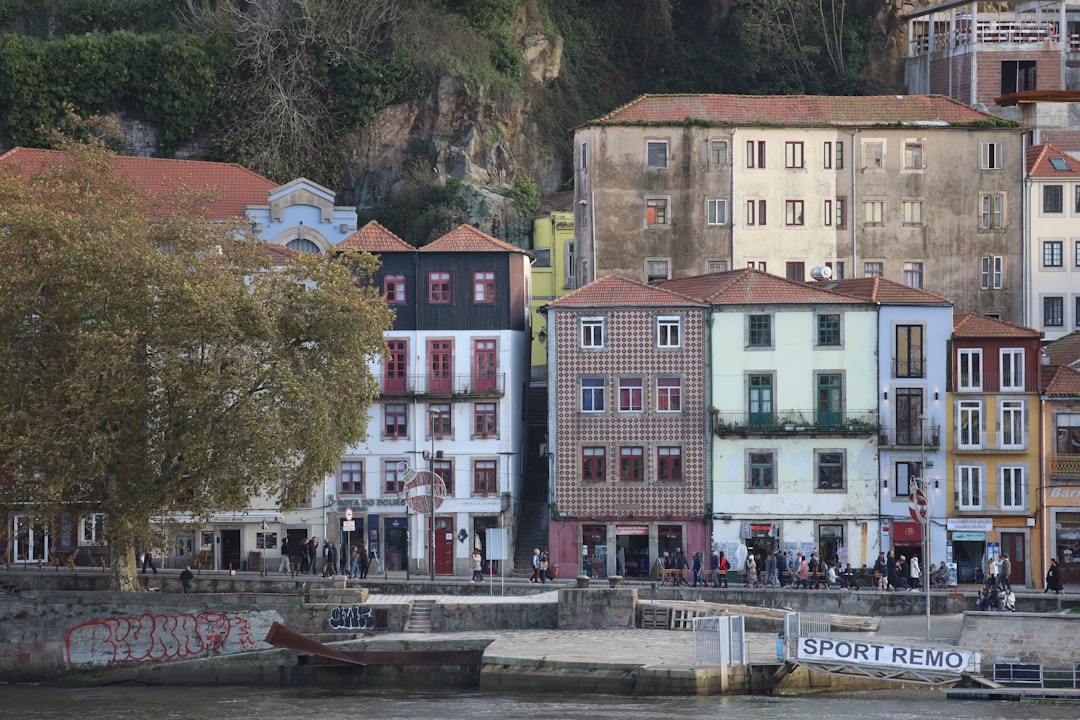
Spend the afternoon wandering down through the Baixa toward the Ribeira, stopping at Praça da Ribeira's cafés for a coffee break. As evening falls, walk the length of the waterfront and cross partway onto the lower deck of the Dom Luís I Bridge for photos before dinner at one of the riverside tascas serving grilled fish and vinho verde.
Vila Nova de Gaia and the Port Wine Cellars
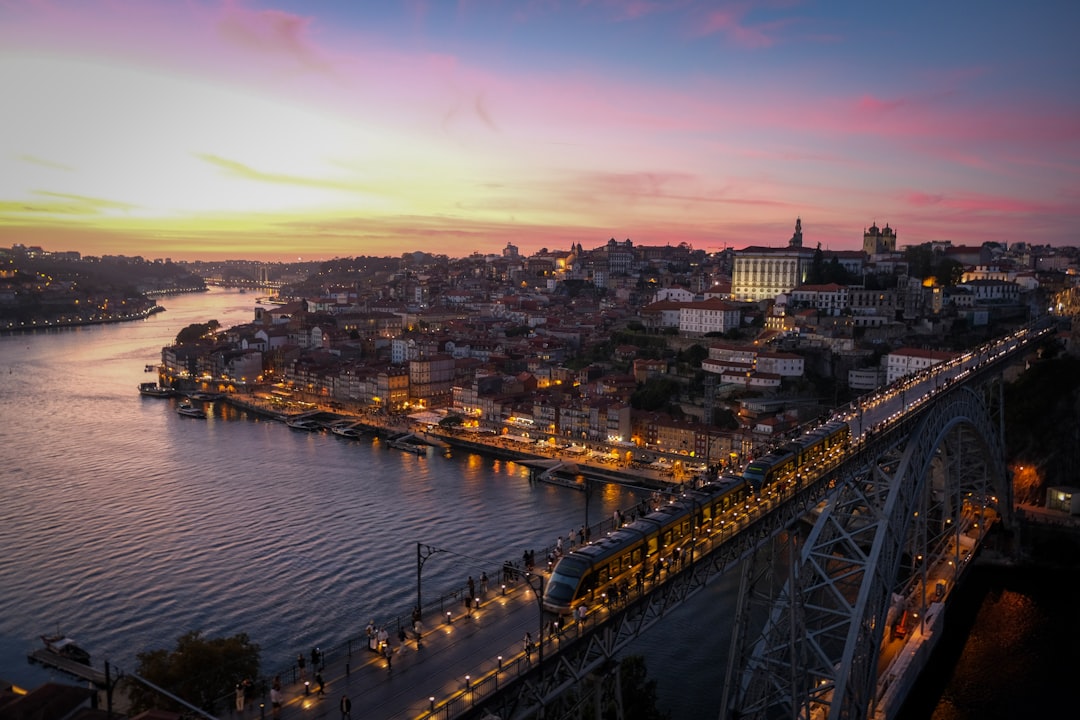
Cross the upper deck of the Dom Luís I Bridge on foot into Vila Nova de Gaia and spend the morning touring two Port cellars — Graham's for the terrace view, Taylor's for the depth of its tasting flight. Ride the Teleférico de Gaia cable car (about €6-8 one-way) between the riverbank and the hilltop for a different angle on the crossing.
In the afternoon, take Tram 1 or a taxi out to Foz do Douro, where the river widens into the Atlantic. Walk the Passeio Alegre gardens and watch the sunset from one of the kiosks along the Marginal before heading back into town for a francesinha at Brasão Cervejaria.
A Day Trip into the Douro Valley
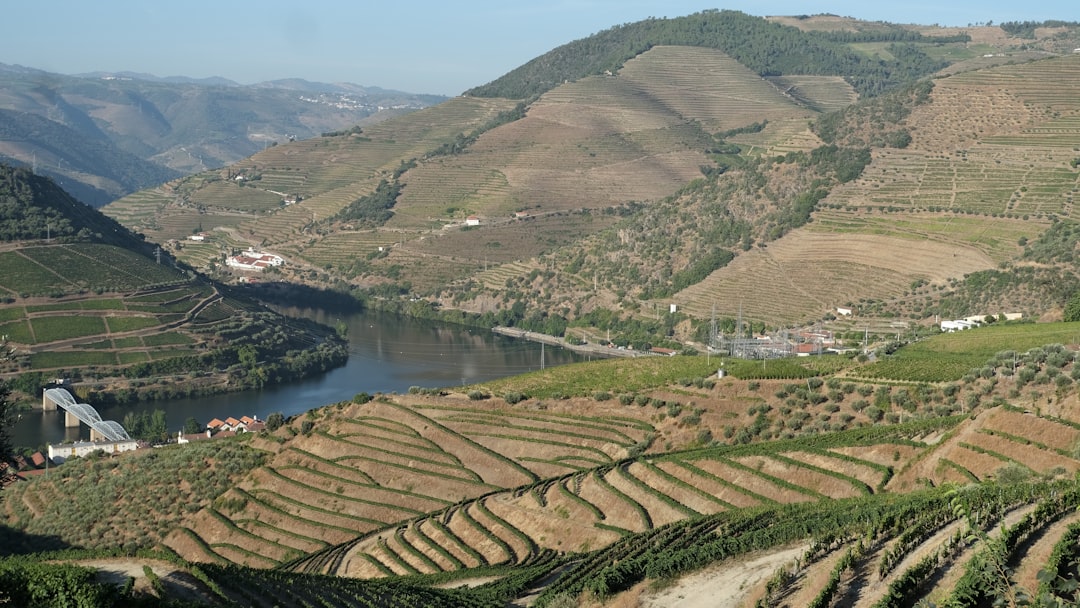
Catch a morning train from São Bento to Pinhão, roughly two hours through terraced vineyards that climb the Douro's steep slopes. Many quintas near Pinhão offer walk-in or pre-booked tastings, and a short river cruise from the town's small pier is an easy way to see the valley from the water.
Return by train in the late afternoon, or arrange a private guided day trip through a travel advisor if you'd rather not manage train timetables on vacation. Either way, save your last Porto evening for a relaxed dinner back in the Ribeira — you'll have earned it.
The trickiest part of a Porto trip usually isn't the city itself — it's timing the Douro Valley day trip, securing a table at a fully booked cellar tasting, or getting a room at The Yeatman during harvest season when it sells out months out.
A Cordelie travel advisor can build your Porto stay around private cellar visits, a chauffeured Douro day trip instead of the public train, and priority reservations at hotels and restaurants that don't take walk-ins during peak weeks. Reach out at https://cordelie.com/contact and they'll handle the parts that are hard to arrange from your kitchen table.
Porto at a Glance
A walkable, riverside city that rewards three or four unhurried days with world-class Port wine, honest home cooking, and one of Europe's most photogenic bridges.
Porto works well as a standalone long weekend or as the northern half of a Portugal trip paired with a few days in Lisbon or a Douro Valley extension.
Budget roughly €120-200 a day per person for a comfortable mid-range trip covering hotel, meals, and a couple of cellar tours, more if The Yeatman or a private Douro tour is on the list.
Go in late spring or September for the best balance of weather, harvest-season atmosphere, and manageable crowds around Livraria Lello and the Ribeira.
Last checked for accuracy: . How we check

Sarah Chen has covered Asia for twelve years, first as a wire reporter in Jakarta and now from Singapore, where she keeps a standing list of the region's most misunderstood destinations. She writes about the distance between what a place is famous for and what it is actually like to spend a week in — and is happiest on an overnight train with a bad seat and a good view.
Related Articles
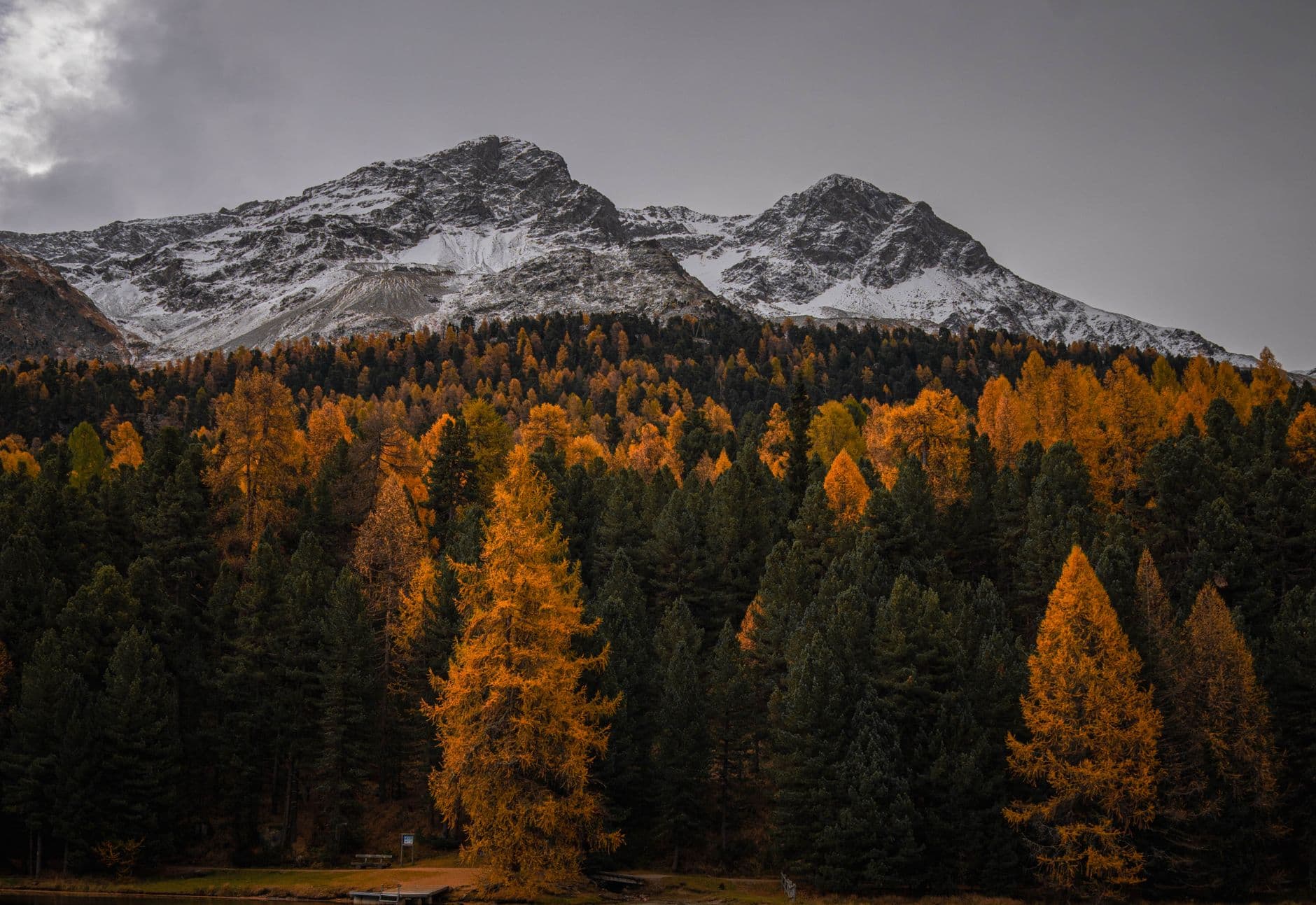
Why The Swiss Alps Rewards an Off-Season Visit
The Swiss Alps in September and October stand nearly empty. Trails quiet, prices halve, and snow dusts the highest peaks while larch forests turn gold—creating an entirely different alpine experience.

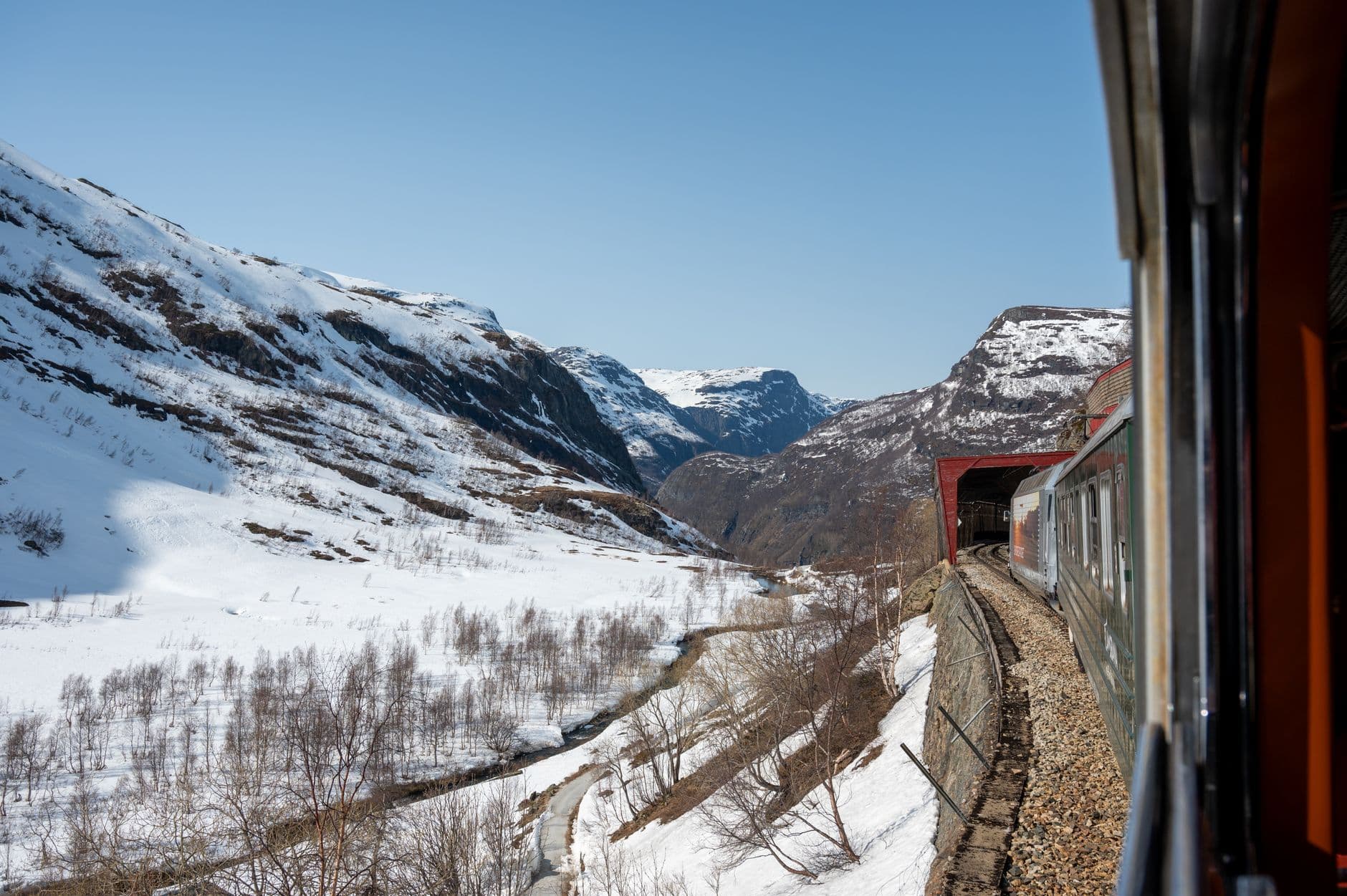
Essential Tips for Traveling in Norway
Norway rewards planners: book fjord trains early, pack for four seasons in a day, and pick your season for midnight sun or northern lights. Here's the essential prep guide.

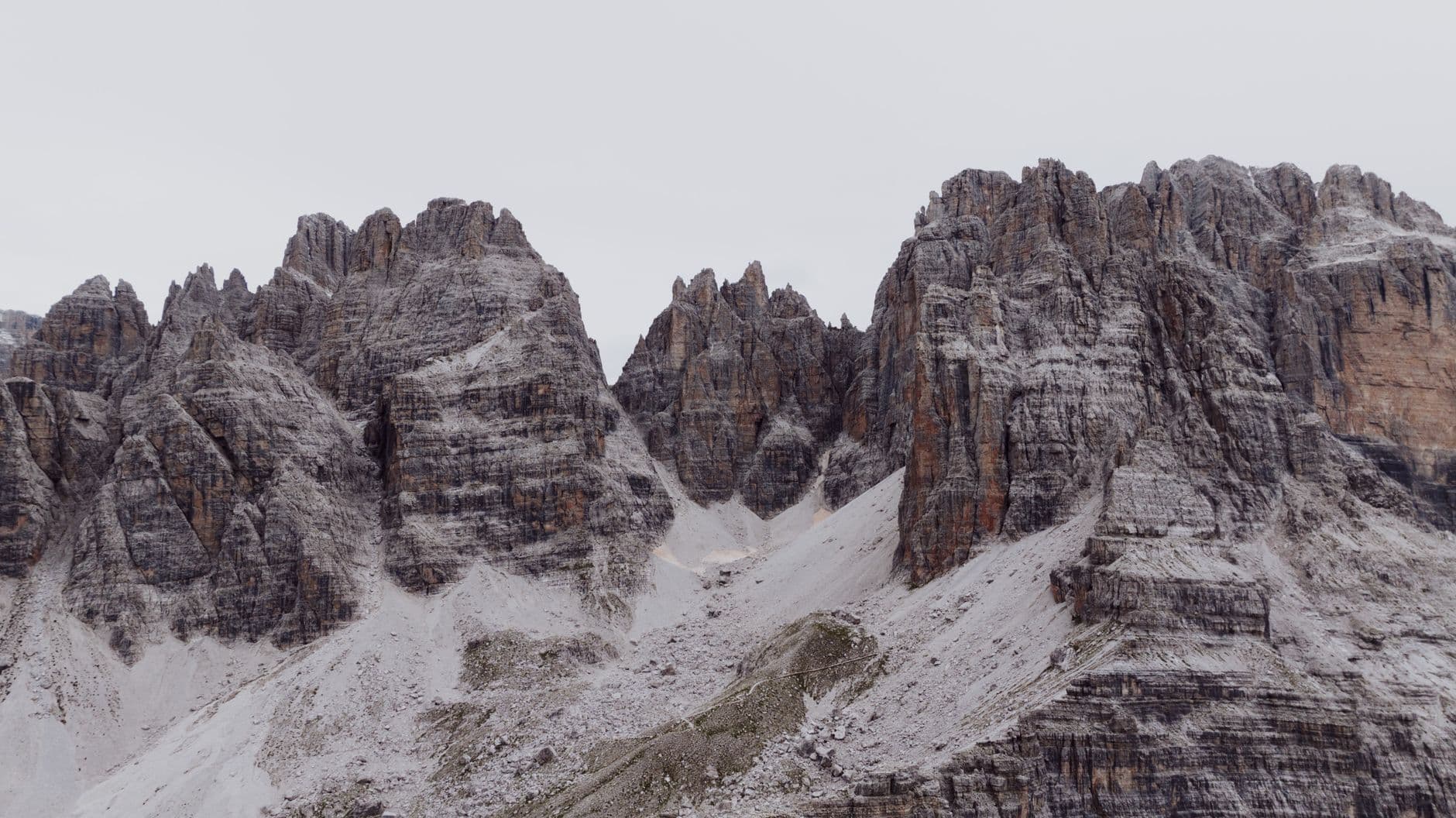
The Best Things to Do in The Dolomites
From a sunrise cable car ride out of Ortisei to a two-Michelin-star table in Alta Badia, here are the seven Dolomites experiences worth building an itinerary around.