
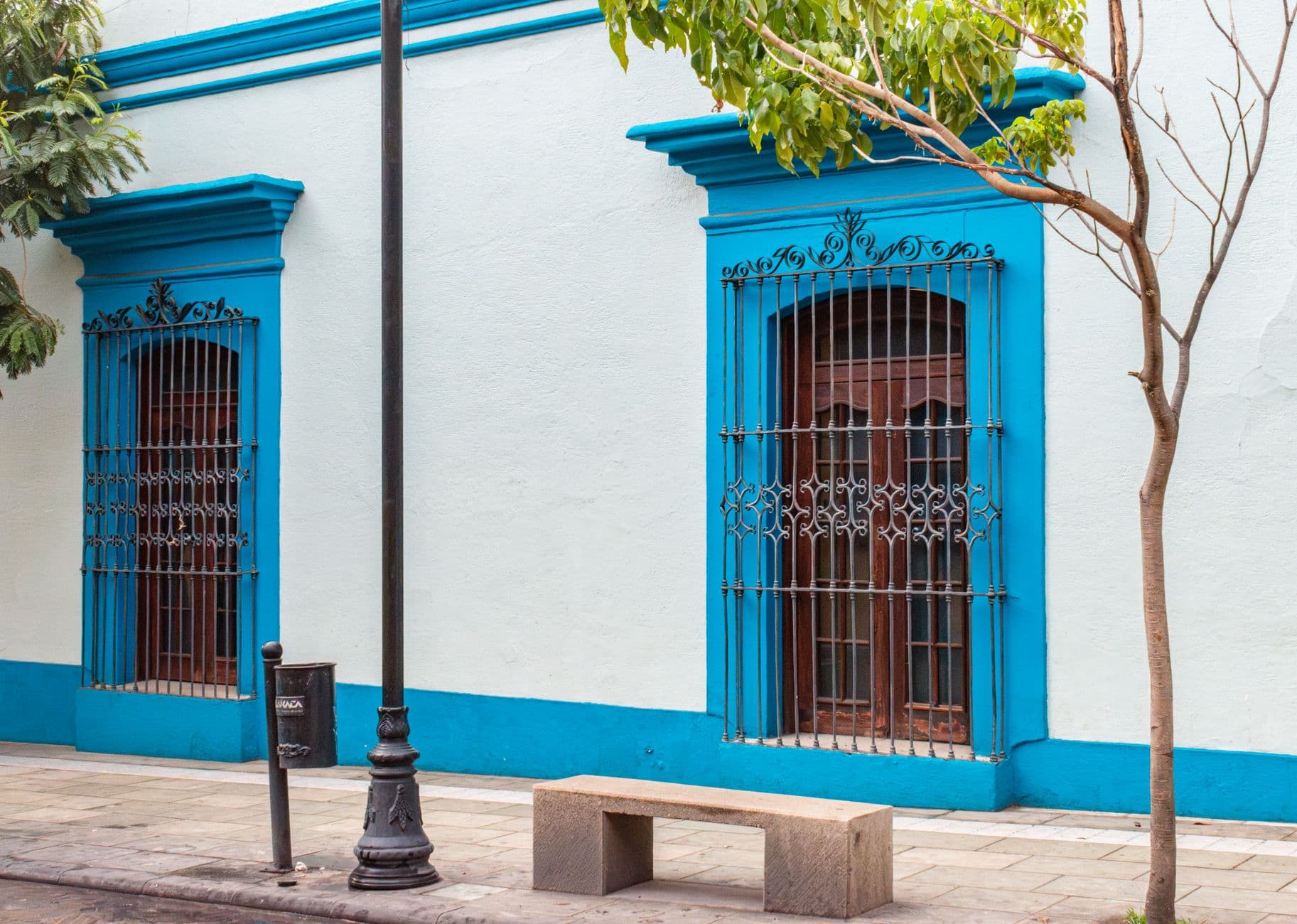
The Complete Guide to Oaxaca

Why Oaxaca Rewards the Traveler Who Slows Down
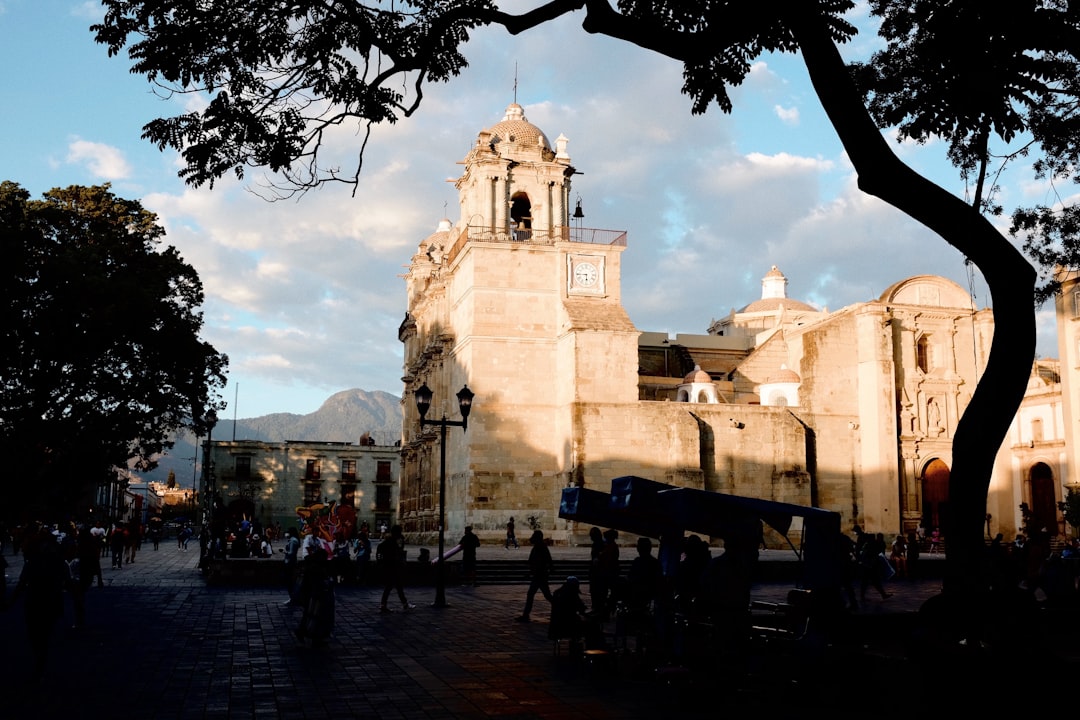
Step off a plane at Xoxocotlán International Airport and the air itself tells you something has changed: it smells of woodsmoke, roasting chiles, and the particular dust of the Oaxaca Valley at 1,555 meters above sea level. Oaxaca de Juárez, capital of Mexico's Oaxaca state, is a city built on layers — Zapotec foundations under Spanish baroque churches, indigenous languages spoken alongside Spanish in the market stalls, seven recognized moles simmering in kitchens that have made them the same way for generations.
This is a place where a Tuesday afternoon can involve climbing a 1,500-year-old pyramid at Monte Albán before lunch and watching a weaver in Teotitlán del Valle dye wool with cochineal insects by dinnertime. Oaxaca does not perform culture for visitors so much as continue living it, and the traveler who arrives with a loose schedule and an appetite — literal and otherwise — leaves changed by it.
Oaxaca Quick Facts
Dry Winters, Wet Summers, and a Festival Calendar Worth Planning Around
Oaxaca's dry season runs roughly from October through May, with warm, sunny days in the mid-70s to mid-80s Fahrenheit (24-29°C) and cool nights, especially December through February, when temperatures can dip into the low 50s (around 10-12°C). Pack a light jacket even in the dry months; the elevation means evenings cool fast once the sun drops behind the Sierra Madre del Sur.
June through September brings the rainy season, usually as short, intense afternoon downpours rather than all-day gray — mornings stay clear and the valley turns a green you won't see the rest of the year. Two dates should anchor any Oaxaca calendar: Guelaguetza, held on the last two Mondays of July, when delegations from the state's eight regions perform traditional dances in the Cerro del Fortín amphitheater, and Día de los Muertos, which builds from late October through November 2nd, when the Panteón General and the cemetery in Xoxocotlán fill with marigolds, candlelight, and families keeping vigil until dawn. Book lodging for both months ahead — rooms in the historic center routinely sell out by midsummer for the Guelaguetza weeks and by early autumn for Día de los Muertos.
Cordelie travel advisors
Planning Oaxaca? Go with someone who knows
The right suite, the right season, the reservations that never appear online — your Cordelie advisor knows them, and holds them for you.
Plan with a Cordelie advisorFree to ask. Cordelie Travel Services · IATA/ARC 06649064
From Zapotec Ruins to Mezcal Palenques: What to Actually Do Here
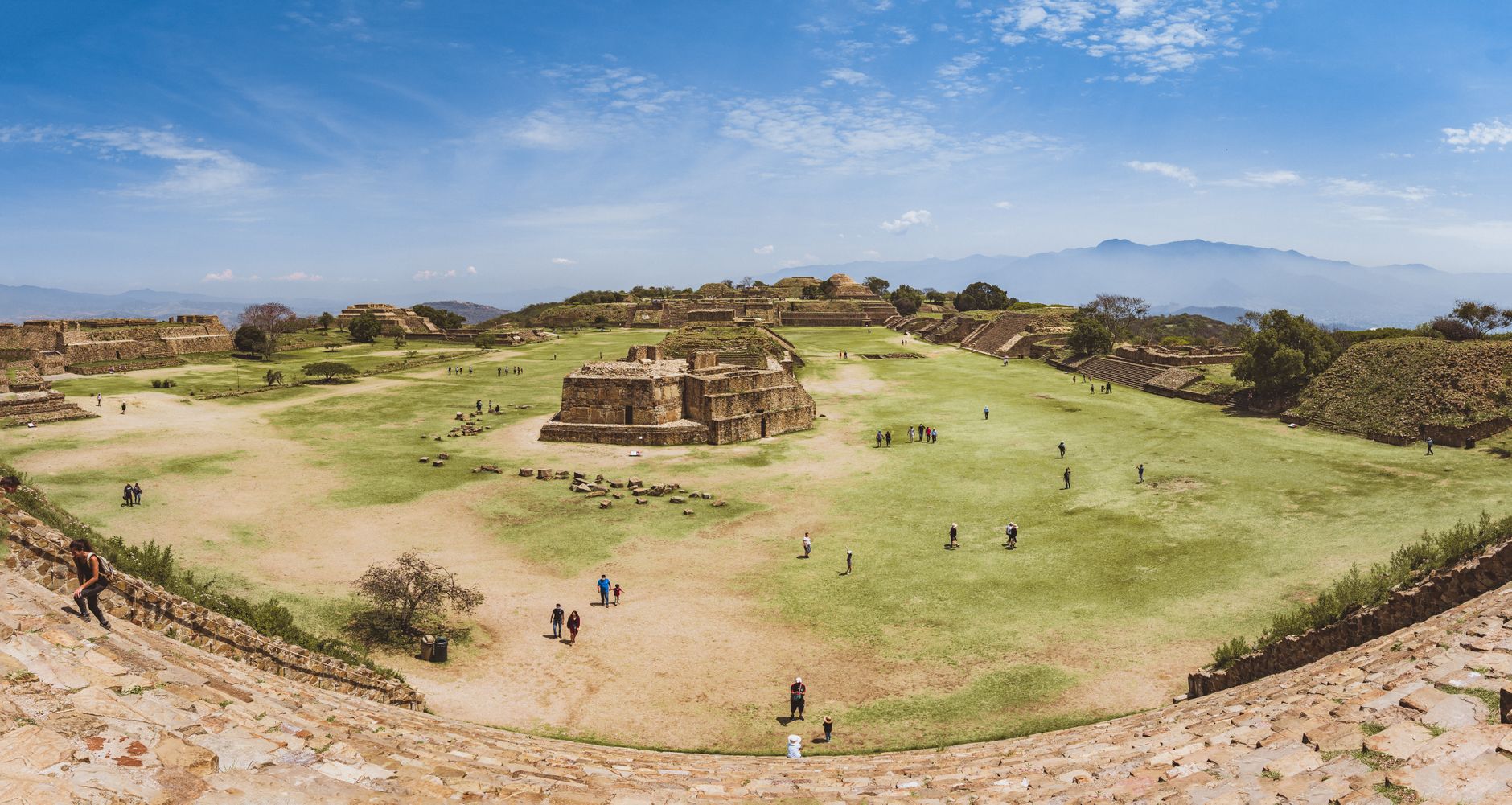
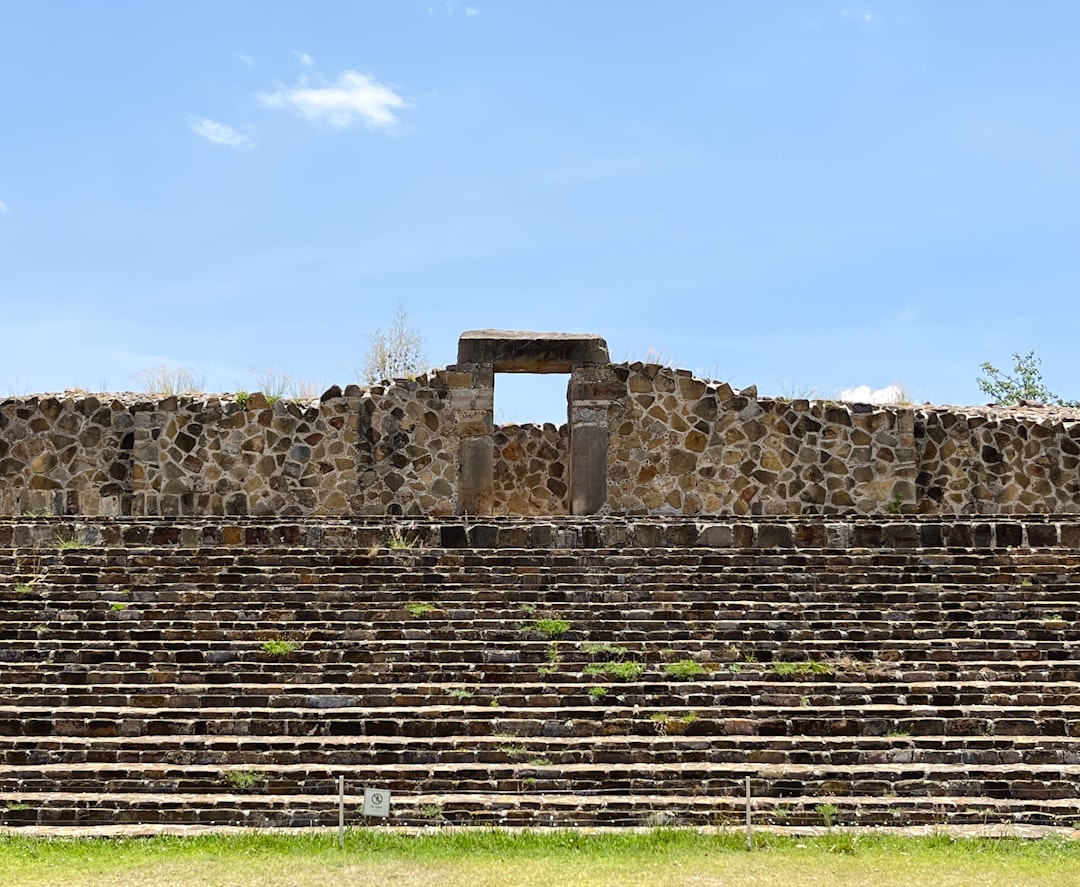
Start with Monte Albán, the Zapotec capital that dominated the valley from roughly 500 BCE until its decline around 800 CE. The site sits on a leveled mountaintop about 9 kilometers (a 20-minute drive) west of downtown, open daily from 8am to 5pm, with entry running around MXN 90-100 as of late 2025. Arrive by 9am if you want the ball court and Danzantes carvings to yourself before tour groups arrive from the city.
Give a full afternoon to Teotitlán del Valle, a Zapotec weaving village about 30 minutes east of the city, where family workshops like the ones clustered near the Templo de la Preciosa Sangre still spin, dye, and hand-loom wool rugs using cochineal, indigo, and pericón flower dyes. A short drive south, San Bartolo Coyotepec produces barro negro, the distinctive black clay pottery burnished to a metallic sheen — the workshop associated with the late Doña Rosa Real de Nieto, credited with developing the burnishing technique, still welcomes visitors.
Mezcal deserves its own itinerary line. Skip the tourist-trap tasting rooms on the Zócalo and head instead to In Situ or the Mezcaloteca, both in the centro, where knowledgeable staff walk you through espadín, tobalá, and other agave varieties without the hard sell. For the full picture, a day trip to a working palenque near Santa Catarina Minas or Matatlán shows the whole process, from roasting agave hearts in earthen pits to distilling in copper or clay stills.
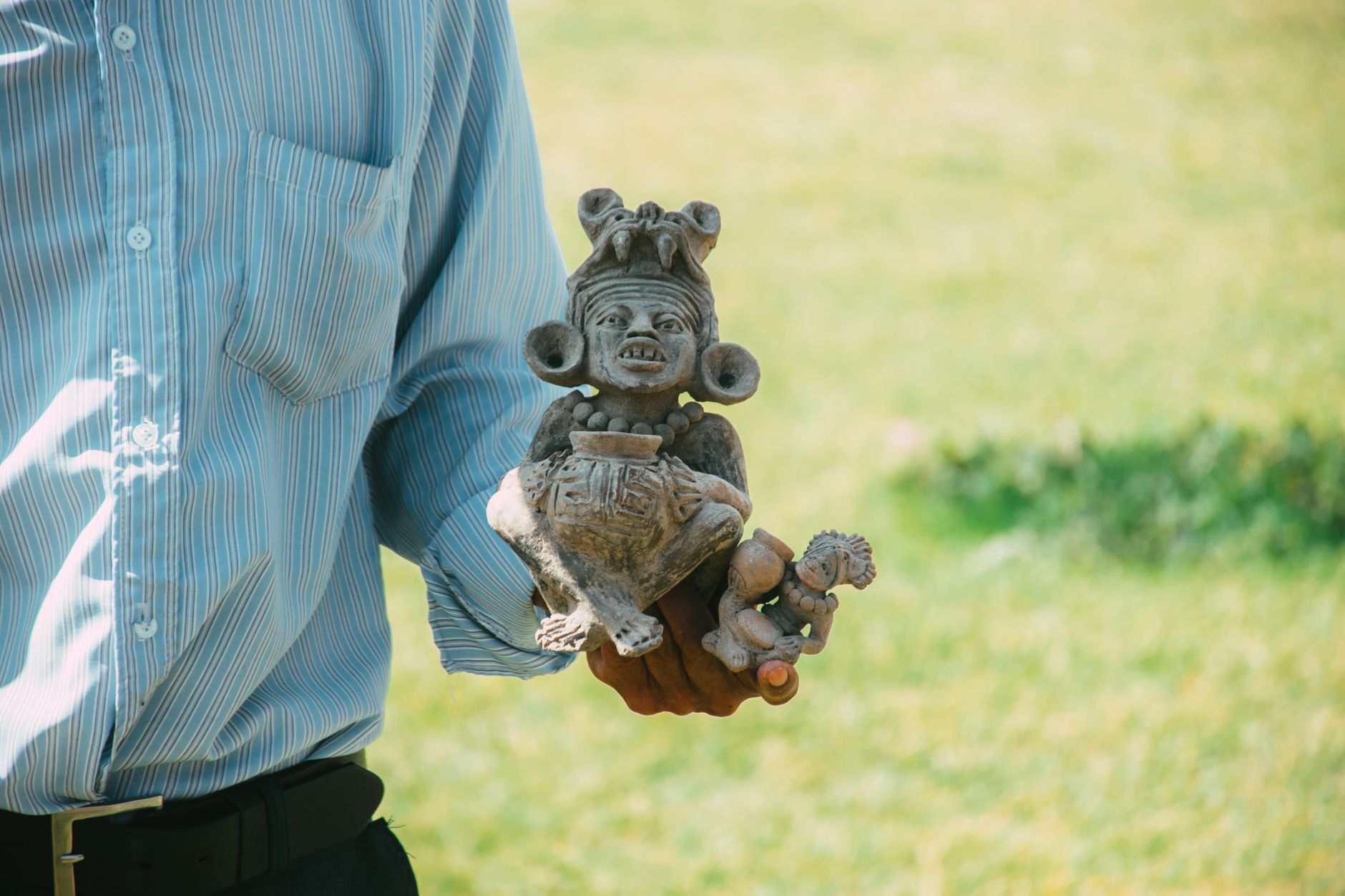
Oaxaca in Pictures
Sleeping in a Former Convent or a Colonial Courtyard House
For a splurge with real history behind it, Quinta Real Oaxaca occupies the former Convento de Santa Catalina, a 16th-century convent building whose stone arcades and courtyards now hold around 91 rooms; expect rates in the USD 250-380 range depending on season. Casa Oaxaca Hotel, a smaller boutique property near the Templo de Santo Domingo, offers roughly a dozen rooms around a plunge pool for USD 180-260 a night and puts you a five-minute walk from the Zócalo.
In the mid-range, Casa Antonieta and Azul Oaxaca both deliver colonial courtyards, exposed beams, and rooftop views for something closer to USD 90-150 nightly, with Azul's location near the Mercado de Artesanías putting you close to independent craft shops rather than tourist-strip vendors. Budget travelers do well at Iguana Hostel Oaxaca, a converted house a few blocks from the Santo Domingo plaza with dorm beds typically under USD 20 and private rooms in the USD 40-60 range — book ahead during July and late October, when the whole city tightens up.
Seven Moles, Grasshoppers, and the Etiquette of Eating in Oaxaca
Oaxaca calls itself the land of seven moles, and while mole negro — dark, complex, built on chiles, chocolate, and dozens of other ingredients — gets the most attention, don't skip mole verde or the tomato-forward mole coloradito. Order a tlayuda, the large crisp tortilla folded over beans, quesillo (Oaxaca's stretchy string cheese), and your choice of meat, at Tlayudas Libres or from any of the comal stands inside Mercado 20 de Noviembre. Chapulines — toasted, chile-lime grasshoppers — show up on tables and in tacos across the city; they're a genuine regional staple, not a novelty dare.
For a sit-down meal that takes the tradition seriously, Origen, chef Rodolfo Castellanos's restaurant near the Jardín Etnobotánico, reworks Oaxacan classics with ingredients sourced from the surrounding villages, with tasting menus generally landing in the USD 55-85 range. Criollo, chef Enrique Olvera's Oaxaca outpost, and Los Danzantes, with its striking courtyard setting, both merit a reservation made a few days out. For something humbler but no less memorable, Itanoni serves memelas and tlayudas made from heirloom corn varieties the owners source directly from small farmers — arrive hungry and expect a short wait around lunchtime.
“You don't visit a weaving village in Oaxaca — you sit down, you're offered mezcal before you're offered a chair, and somewhere in that hour you stop being a tourist and start being a guest.”
Walking the Centro, Colectivos to the Valleys
The historic center is compact and flat enough to walk in its entirety — most sights between the Zócalo and Santo Domingo sit within a 15-minute stroll of each other. For the surrounding valley towns, colectivos (shared vans) run frequent, cheap routes from designated stops near the Mercado de Abastos, typically costing MXN 20-40 depending on distance, though schedules run by fill-up-and-go rather than a fixed timetable.
Tourist buses to Monte Albán depart roughly hourly between 8:30am and 3:30pm from near the Hotel Rivera del Ángel on Calle Mina, with round-trip tickets running about MXN 90-120 and a fixed return time printed on your ticket, so plan your visit length accordingly. Taxis within the city are inexpensive, generally MXN 50-100 for a short hop, though it's worth agreeing on a price before you get in since few run meters. For the Hierve el Agua and Mitla loop, renting a car or hiring a driver for the day, roughly USD 60-100 depending on the operator, beats the slower colectivo combination.
Three Days Through the City, the Villages, and the Petrified Waterfalls
Getting Oriented in the Historic Center
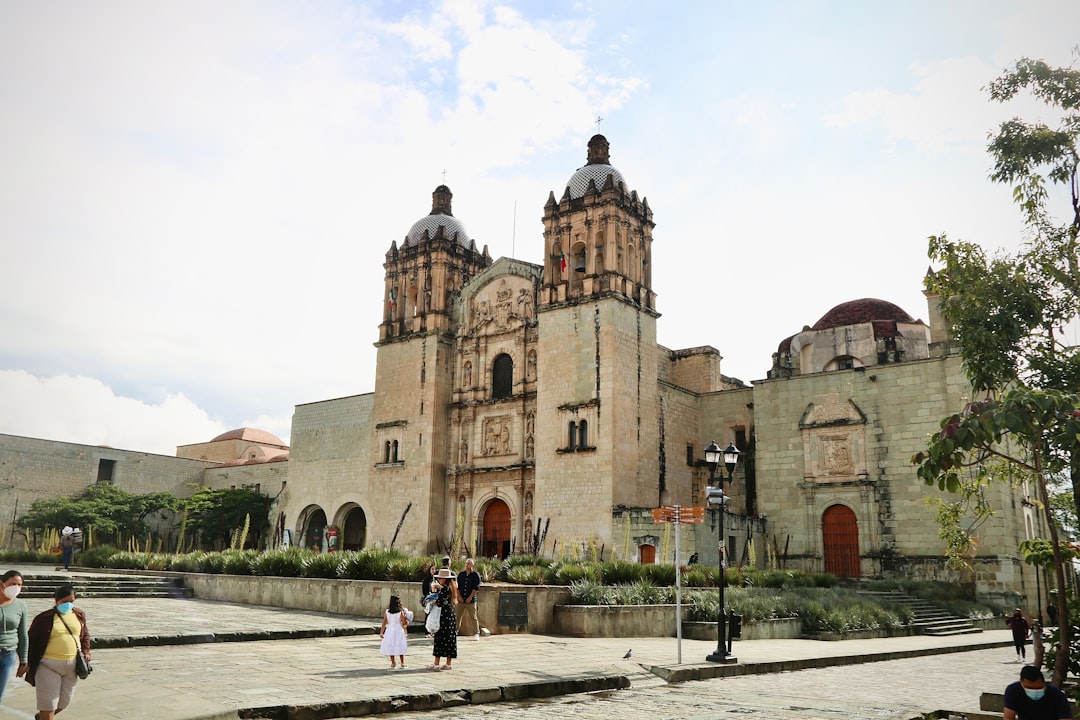
Begin in the Zócalo, then walk north ten minutes to the Templo de Santo Domingo de Guzmán, a 16th- and 17th-century baroque church whose gilded interior took decades to complete; the adjoining former monastery now houses the Museo de las Culturas de Oaxaca and the Jardín Etnobotánico, whose guided garden tours run a few times daily.
Have lunch at Mercado 20 de Noviembre, where the smoke-filled 'meat aisle' lets you pick your cut and have it grilled on the spot alongside fresh tortillas and salsas, generally for MXN 100-180 a plate.
Spend the late afternoon at the Museo Textil de Oaxaca, a few blocks from Santo Domingo, before an evening mezcal flight at In Situ, where a guided tasting of three to five pours typically runs MXN 250-400.
Zapotec Ruins and Valley Crafts
Catch the 9:30am tourist bus to Monte Albán and give the site two to three hours; the ball court, the Danzantes gallery, and the view from the Great Plaza across the whole valley are the essentials if your time is tight.
After returning to the city, head east about 30 minutes to Teotitlán del Valle for a weaving demonstration and, if you're inclined, to buy a rug directly from the family that made it — expect natural-dye pieces to run anywhere from USD 80 for a small wall hanging to several hundred dollars for a large rug.
On the way back, stop in San Bartolo Coyotepec to watch black clay pottery being burnished by hand, then close the day with dinner at Los Danzantes, whose courtyard is lit with candles after dark.
Petrified Waterfalls and Mezcal Country
Leave by 8am for Hierve el Agua, about a 90-minute to two-hour drive southeast; the mineral-crusted rock formations that appear to be frozen waterfalls, along with two natural infinity pools, are worth the early start before tour buses arrive around midday. Entry runs a small community fee, typically MXN 20-40.
On the return route, stop at the Mitla archaeological site, notable for its intricate stone mosaic friezes unlike anything else in the Oaxaca Valley, and at a roadside palenque in Santa Catarina Minas or Matatlán for a mezcal tasting straight from the copper still.
Back in the city by early evening, unwind with a simple dinner of memelas at Itanoni before packing for departure.
Guelaguetza week and the Día de los Muertos season both draw enough demand that centro hotels, private drivers, and even palenque tastings book out weeks or months ahead — and the best rooms rarely show up on general booking sites once that happens.
A Cordelie travel advisor can secure a room inside the historic center for those dates, line up a private driver for the Hierve el Agua and Mitla loop so you're not managing colectivo schedules, and arrange entry to smaller weaving and mezcal workshops that don't take walk-ins. Reach out at https://cordelie.com/contact to start building the trip.
Oaxaca at a Glance
One of Mexico's richest cultural destinations, best suited to travelers who want to eat well, move slowly, and meet the people making the crafts they're buying.
Oaxaca rewards three to five days minimum, split between the historic center and the valley villages, with an extra day for Hierve el Agua if your schedule allows it.
It's an easy add-on to a Mexico City trip — direct flights run about an hour — and works equally well as a standalone week built around food, craft, and mezcal rather than beach time.
Last checked for accuracy: . How we check

Sarah Chen has covered Asia for twelve years, first as a wire reporter in Jakarta and now from Singapore, where she keeps a standing list of the region's most misunderstood destinations. She writes about the distance between what a place is famous for and what it is actually like to spend a week in — and is happiest on an overnight train with a bad seat and a good view.
Related Articles
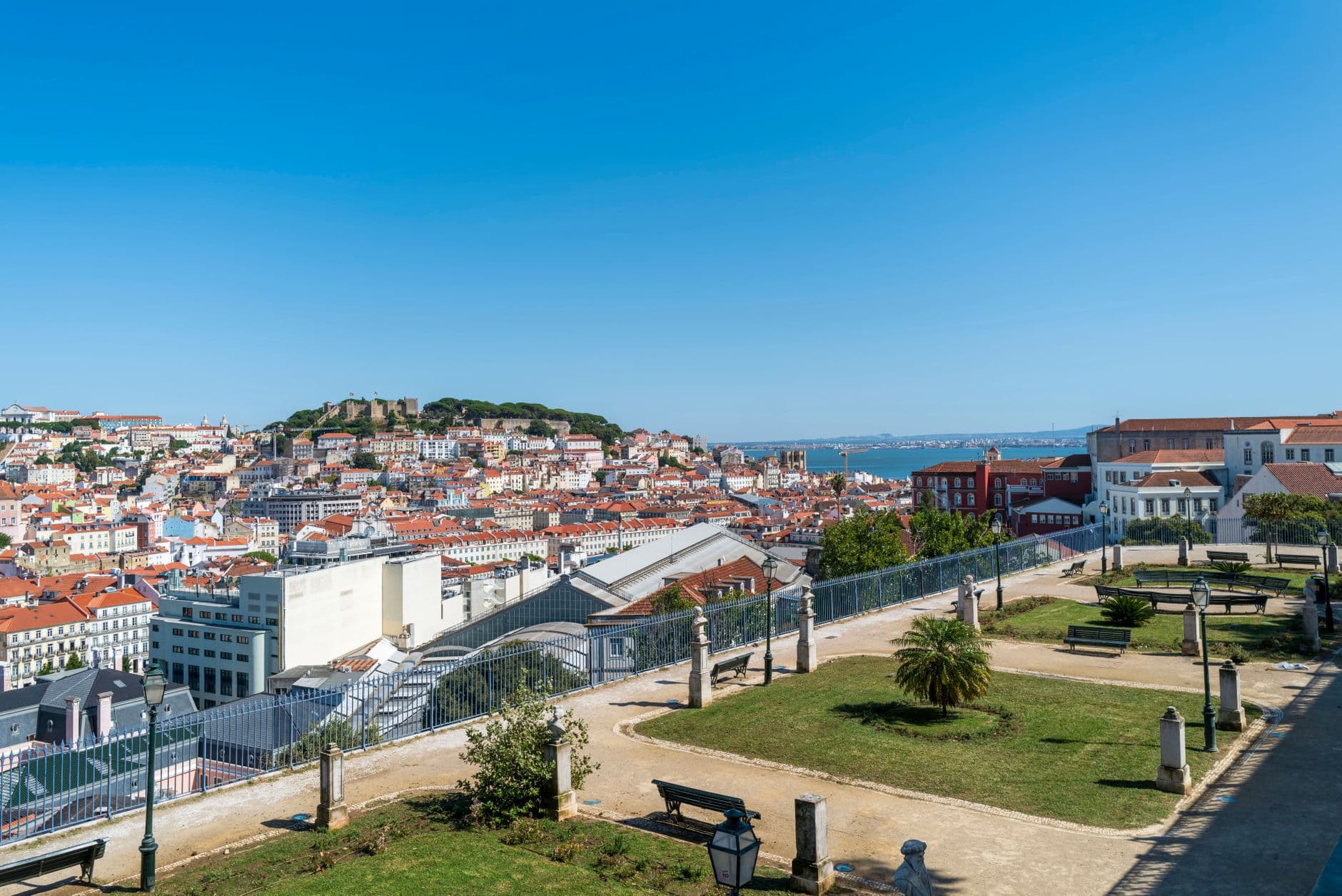
The Best Things to Do in Lisbon
From São Jorge Castle's ramparts to a fado singer's first note in a candlelit Alfama tasca, here is Lisbon ranked — with real prices, tram routes, and timing tips.
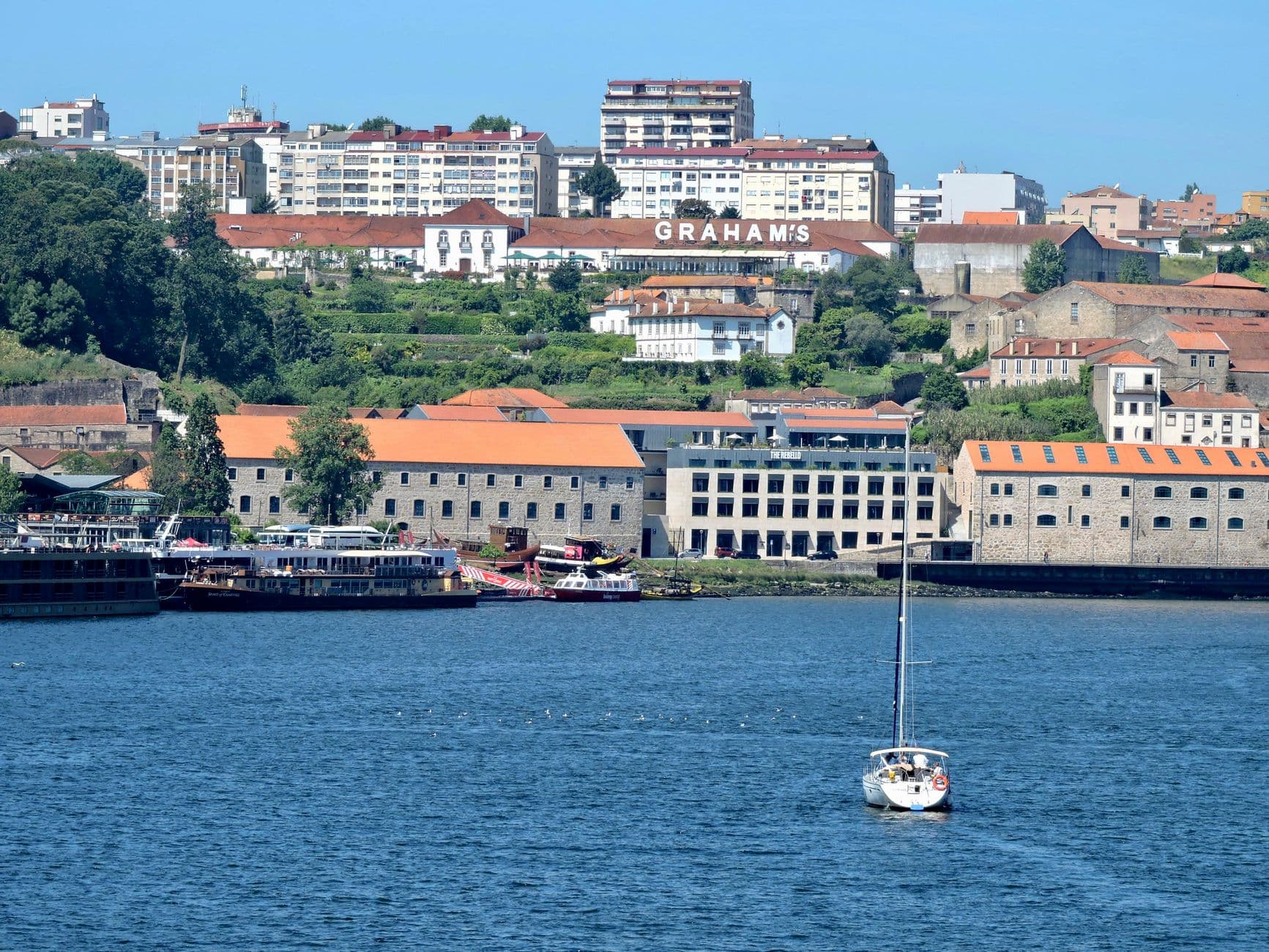
The Complete Guide to Porto
Porto pairs granite hillsides and azulejo-tiled train stations with Port wine cellars carved into a riverbank. Here's how to see it right in three or four days.

The 10 Best Rooftop Bars in Barcelona for Sunset Drinks
Barcelona's rooftops transform into magical sunset theaters where craft cocktails meet panoramic views of Gaudí's masterpieces and the sparkling Mediterranean coastline.