
The Complete Guide to Cartagena

Why Cartagena de Indias Casts a Spell on Every Visitor
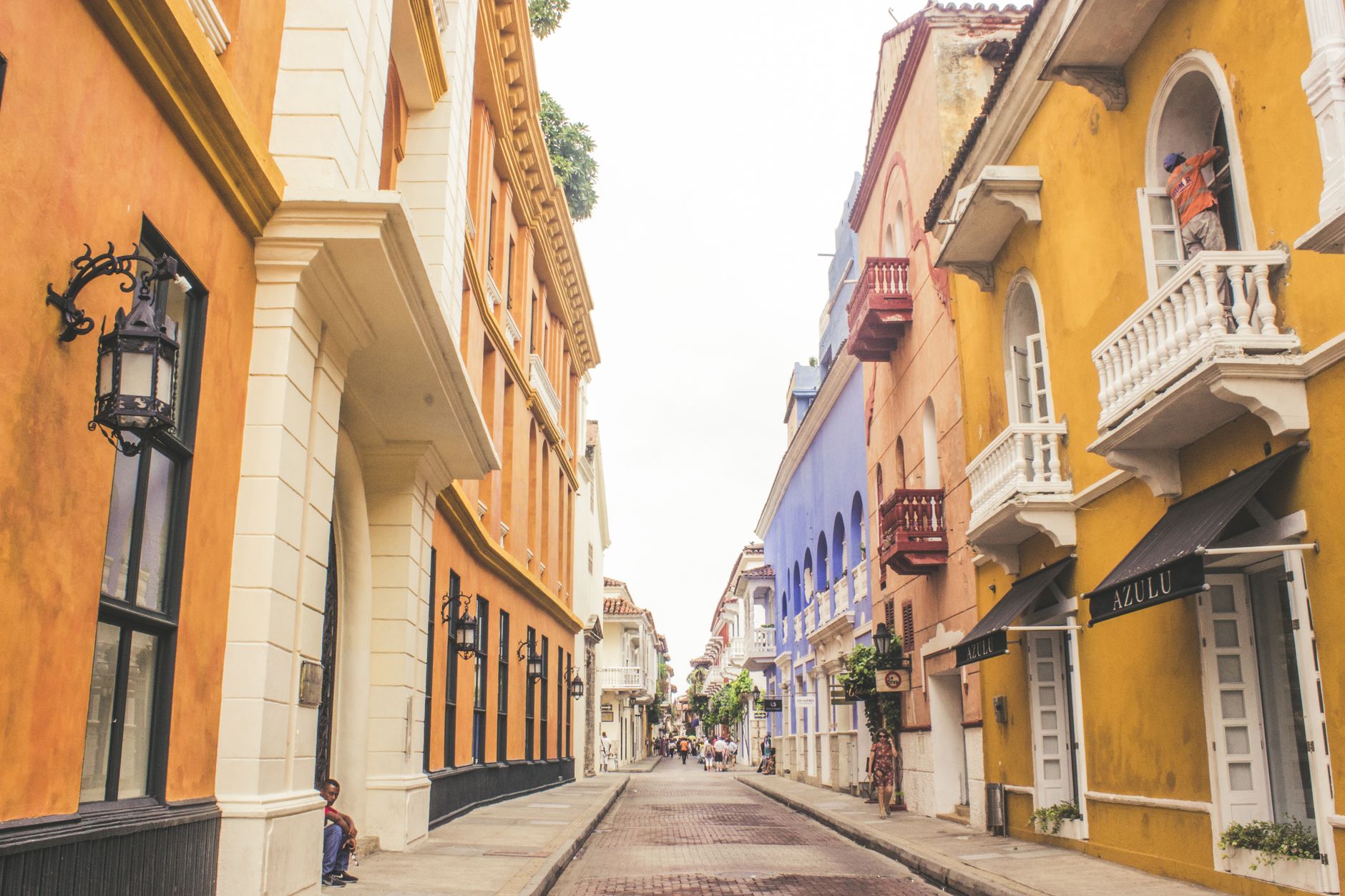
Cartagena does not ease you in. You step through the Puerta del Reloj clock tower and the noise of modern Colombia falls away behind sixteenth-century stone walls that once kept out pirates and English fleets. Inside, horse-drawn carriages clatter past mango-colored houses, Palenquera fruit vendors balance bowls of tropical fruit on their heads in white and red dresses, and salsa spills out of open doorways after dark. This is a working port city as much as a museum piece, and that tension is exactly what makes it magnetic.
Beyond the postcard walls, Cartagena rewards travelers who look for both layers: the polished Walled City with its rooftop bars and boutique hotels, and the scruffier, more musical Getsemaní neighborhood next door, where street art covers entire building facades. Add a short boat ride to the Rosario Islands' turquoise shallows, and you have a destination that mixes Caribbean beach time with genuine colonial-era history, roughly on par in atmosphere with Havana or Cartagena's own historic rival, Santo Domingo.
Cartagena Quick Facts
Cartagena's Weather Windows: Dry Season, Rain Season, and Festival Season
Cartagena sits close enough to the equator that temperature barely shifts across the year, hovering around 28-32°C (82-90°F) with high humidity almost every afternoon. What changes is rainfall and wind. From roughly mid-December to April, trade winds pick up and afternoon downpours become rare, making this the most comfortable window for walking the Walled City walls at sunset without getting drenched. From August through November, short, heavy showers arrive most afternoons — the mornings are often still clear, so it's less of a dealbreaker than it sounds, and hotel rates drop noticeably.
Time your trip around events if you can. The Hay Festival Cartagena, a literary and ideas festival, takes over the Walled City's theaters and plazas for four days each late January, drawing an international crowd and pushing hotel prices up. The Cartagena International Film Festival (FICCI) runs in March, and Independence Day festivities on November 11 fill the streets with parades, beauty pageants, and all-night parties as part of the Fiestas de Independencia. Book accommodation two to three months ahead if your visit overlaps with any of these.
Cordelie travel advisors
Planning Cartagena? Go with someone who knows
The right suite, the right season, the reservations that never appear online — your Cordelie advisor knows them, and holds them for you.
Plan with a Cordelie advisorFree to ask. Cordelie Travel Services · IATA/ARC 06649064
From the Ramparts to the Rosario Islands: Cartagena's Best Experiences
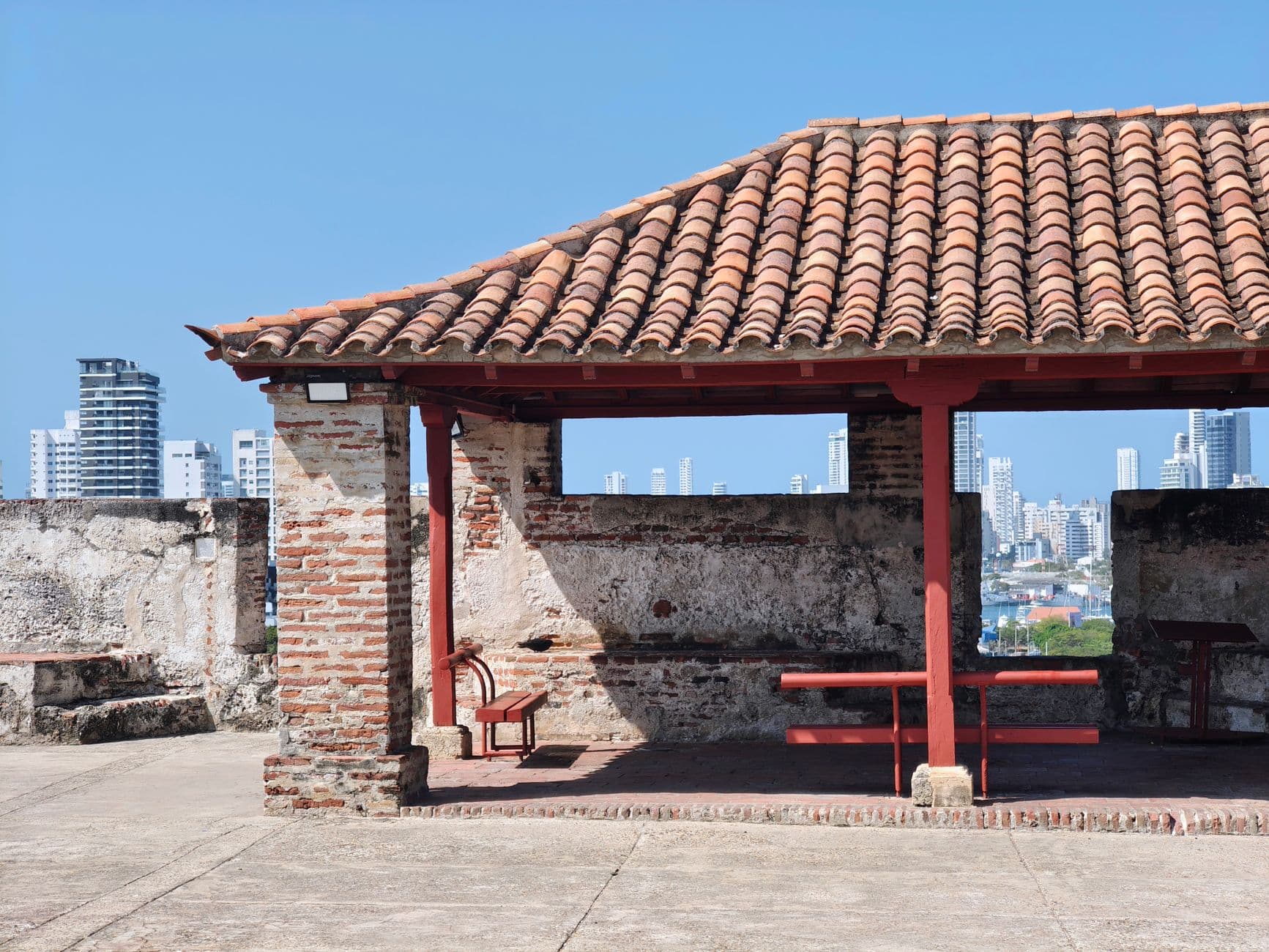
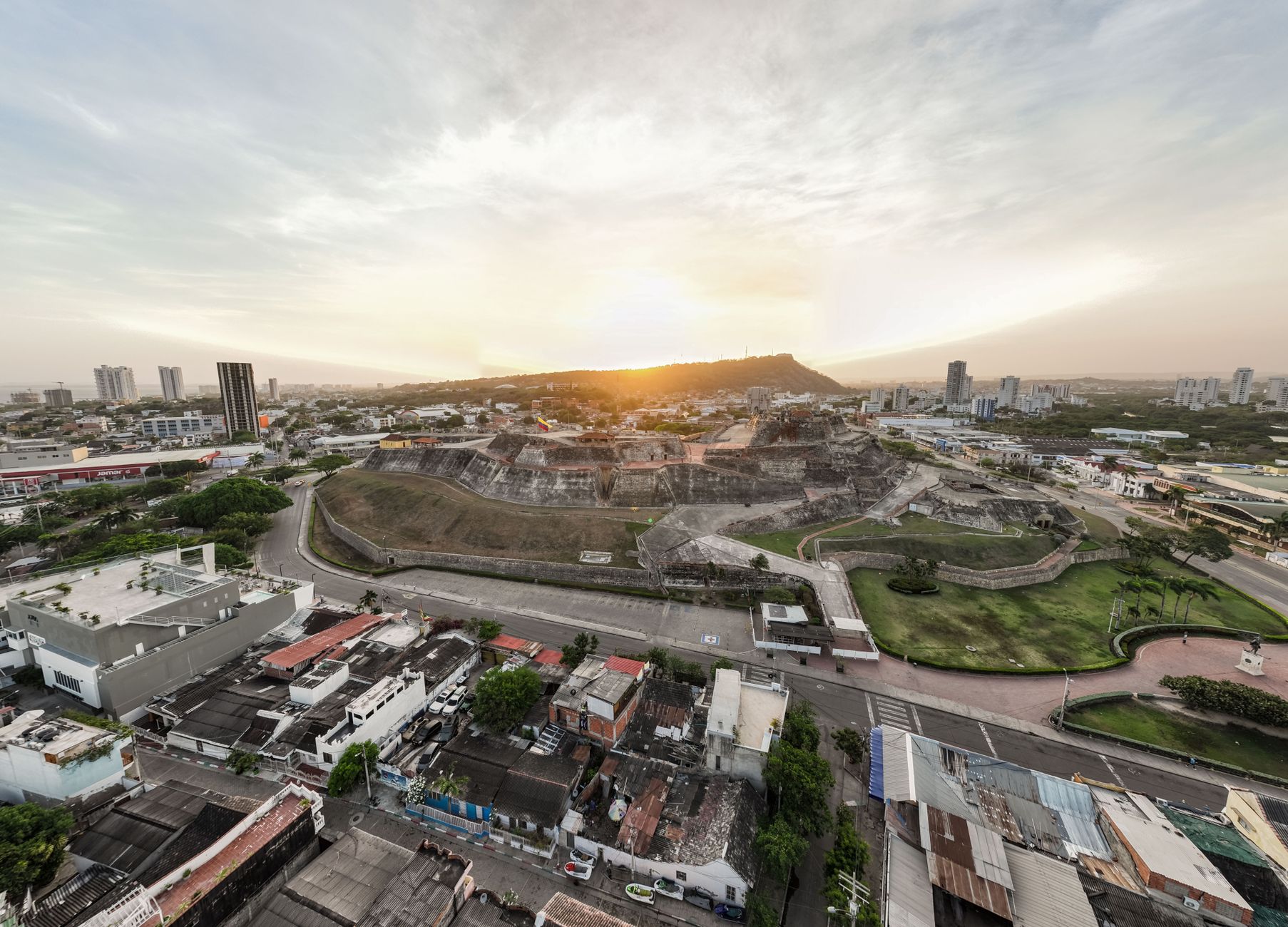
Start on the walls themselves. Las Murallas, the fortified perimeter that rings the old town, stretch for roughly 11 kilometers and are free to walk at any hour; the stretch near Baluarte de Santo Domingo is the classic spot for sunset drinks at Café del Mar, where a cocktail runs about COP 35,000-45,000 (2025 prices). A short taxi or a 20-minute walk brings you to Castillo San Felipe de Barajas, the hilltop fortress built from 1657 onward to guard the harbor from English and French raids; entry costs around COP 25,000-30,000 for foreign visitors, and the tunnels beneath it stay open roughly 8am-6pm daily.
Set aside a full day for the Rosario Islands, an archipelago of roughly 30 small coral islands about 45 minutes by boat from Muelle La Bodeguita near the Walled City. Group boats leave most mornings around 8am and return by mid-afternoon, with round-trip transport running roughly COP 90,000-150,000 depending on the operator and whether lunch is included. For a quieter version of the same water, book a private charter — this is the single easiest upgrade a travel advisor can arrange, since the best-located day clubs and eco-hotels on Isla Grande fill up fast in peak season.
Back on land, wander Getsemaní's Calle del Pozo and Plaza de la Trinidad after dark, when locals gather for impromptu dancing and vendors sell fresh coconut lemonade for around COP 5,000-8,000. Take a guided walking tour of the Walled City in the morning before the heat sets in — most tip-based free tours run about two hours and start near Plaza de los Coches. If you can, visit San Basilio de Palenque, about an hour southeast of the city, the settlement founded by escaped enslaved Africans in the early 1600s and recognized as one of the earliest free towns in the Americas.
Cartagena in Pictures
Sleeping Inside History: Where to Stay in the Walled City and Beyond
For a first visit, staying inside the Walled City itself is worth the premium. Sofitel Legend Santa Clara occupies a restored seventeenth-century convent complete with a cloistered courtyard and rooftop pool, with rooms generally running USD 350-550 a night depending on season. Casa San Agustín, built around a former monastery, layers colonial architecture with a serious kitchen and a small spa; Tcherassi Hotel + Spa, designed by Colombian fashion designer Silvia Tcherassi, brings a more contemporary, boutique feel to a similarly historic shell. Both sit within a five-minute walk of Plaza Santo Domingo.
Getsemaní, just outside the walls, offers a livelier, less formal base with better value — expect USD 100-220 a night at design-forward properties like Bantú Hotel, which has a small rooftop pool and easy access to the neighborhood's bars and street murals. Travelers on a tighter budget do well at Getsemaní hostels such as Media Luna Hostel or Republica Bacana, where dorm beds run roughly USD 15-25 and private rooms USD 45-70. If you'd rather trade colonial atmosphere for a straightforward beach stay, Bocagrande's high-rise hotels sit directly on the sand about a 10-15 minute taxi ride from the Walled City, though the beach itself is less scenic than the Rosario Islands.
Ceviche, Palenqueras, and Champeta: Cartagena's Living Culture
Cartagena's kitchen runs on coconut, plantain, and whatever came off the boat that morning. Start with ceviche de camarón at La Cevichería, the small Getsemaní spot that Anthony Bourdain once filmed at, or try arepa de huevo — a deep-fried corn cake with an egg cracked inside — from a street cart near Plaza de la Trinidad for around COP 4,000-6,000. Patacones (twice-fried plantain) usually arrive as a side with hogao sauce, and sancocho, a hearty stew, is what locals eat on a Sunday. For a special-occasion dinner, Carmen and Alma (inside Sofitel Legend Santa Clara) both do elevated Colombian coastal cooking, with tasting menus typically in the USD 60-100 range.
Culture here isn't confined to museums, though the Museo del Oro Zenú and the Palace of the Inquisition on Plaza de Bolívar are both worth an hour each. The real texture is in the street: champeta music, a local genre born from Afro-Colombian and West African rhythms, thumps out of Getsemaní's bars most nights, and the Palenqueras selling fruit throughout the Walled City trace their heritage directly to San Basilio de Palenque. It's polite to ask before photographing them, and a small tip — roughly COP 2,000-5,000 — is customary if you do.
“You don't visit these walls, you fall into them — every street corner is a story someone's grandmother is still telling.”
Walking the Walls, Hailing a Cab: Getting Around Cartagena
The Walled City and Getsemaní are almost entirely walkable, and honestly walking is the best way to notice the balconies, doorways, and side streets that make the area what it is. Between neighborhoods, taxis are cheap but rarely metered — agree on a fare before getting in, typically COP 8,000-15,000 for short hops within the historic core, or use a ride-hailing app, which operates informally but reliably and gives you a fixed, upfront price.
From Rafael Núñez International Airport, a taxi to the Walled City or Getsemaní takes about 10-15 minutes and costs roughly COP 15,000-20,000 at the official airport rate booth. For Bocagrande, add another 5-10 minutes. If you're heading to the Rosario Islands, boats depart from Muelle La Bodeguita or the Muelle Turístico, both a short walk from the Walled City's southern gate; book the previous day if you want a specific departure time, since the earliest boats around 8am tend to reach the best snorkeling spots before the crowds arrive.
A Three-Day Cartagena Itinerary: Walls, Water, and Nightlife
The Walled City, Sunset on the Ramparts
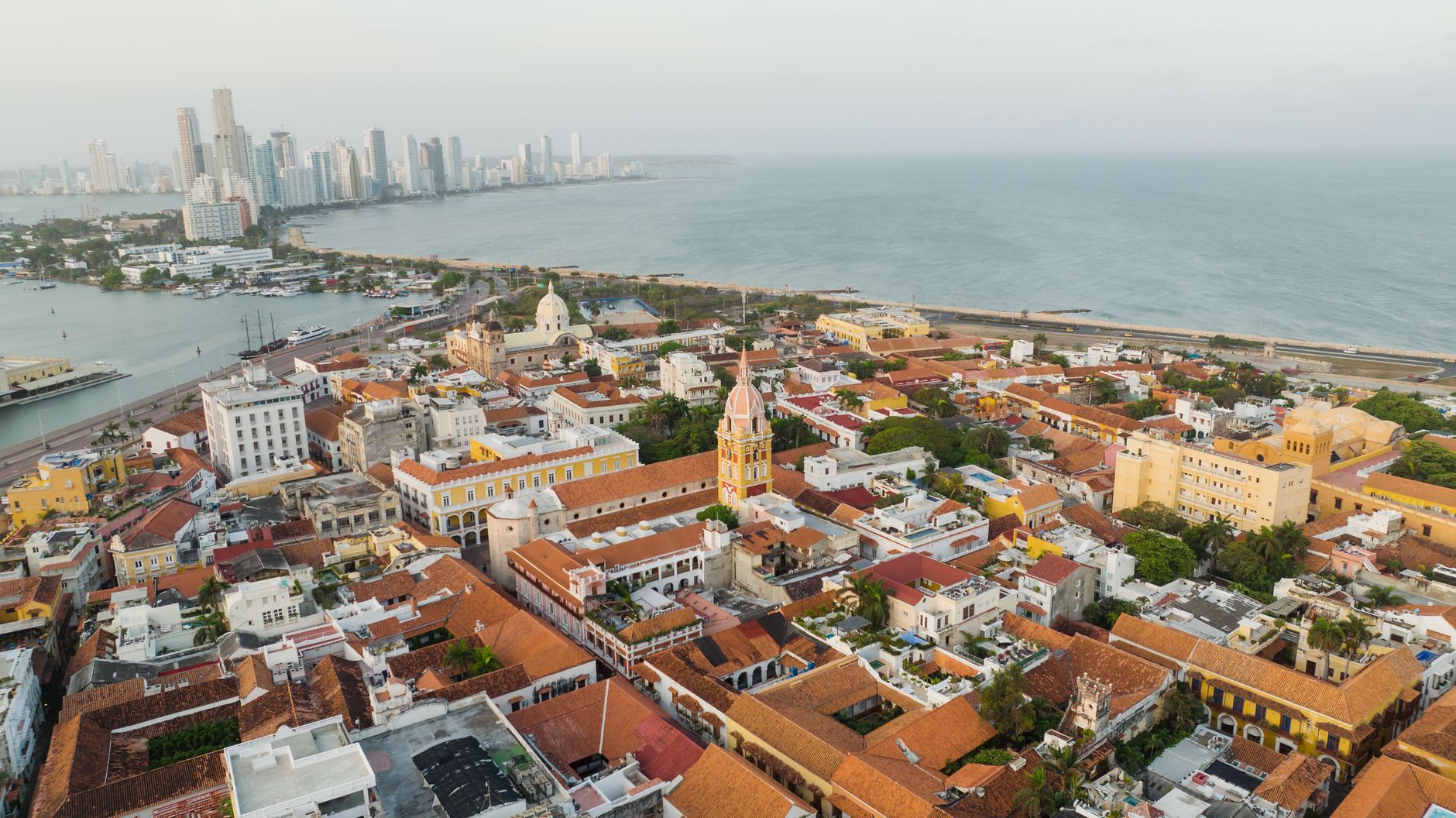
Start early with a guided walk through the Walled City before the heat builds, tracing the route from Plaza de los Coches through Plaza de la Aduana to Plaza Santo Domingo, where you'll pass the Palenqueras and the Iglesia de San Pedro Claver. Break for lunch at El Boliche Cebichería for fresh seafood in a small, unfussy dining room.
In the afternoon, take a taxi up to Castillo San Felipe de Barajas (entry roughly COP 25,000-30,000) and explore its tunnels and ramparts, then head back to the walls for sunset drinks at Café del Mar. Finish with dinner at Alma inside the Sofitel Legend Santa Clara.
Rosario Islands Day Trip
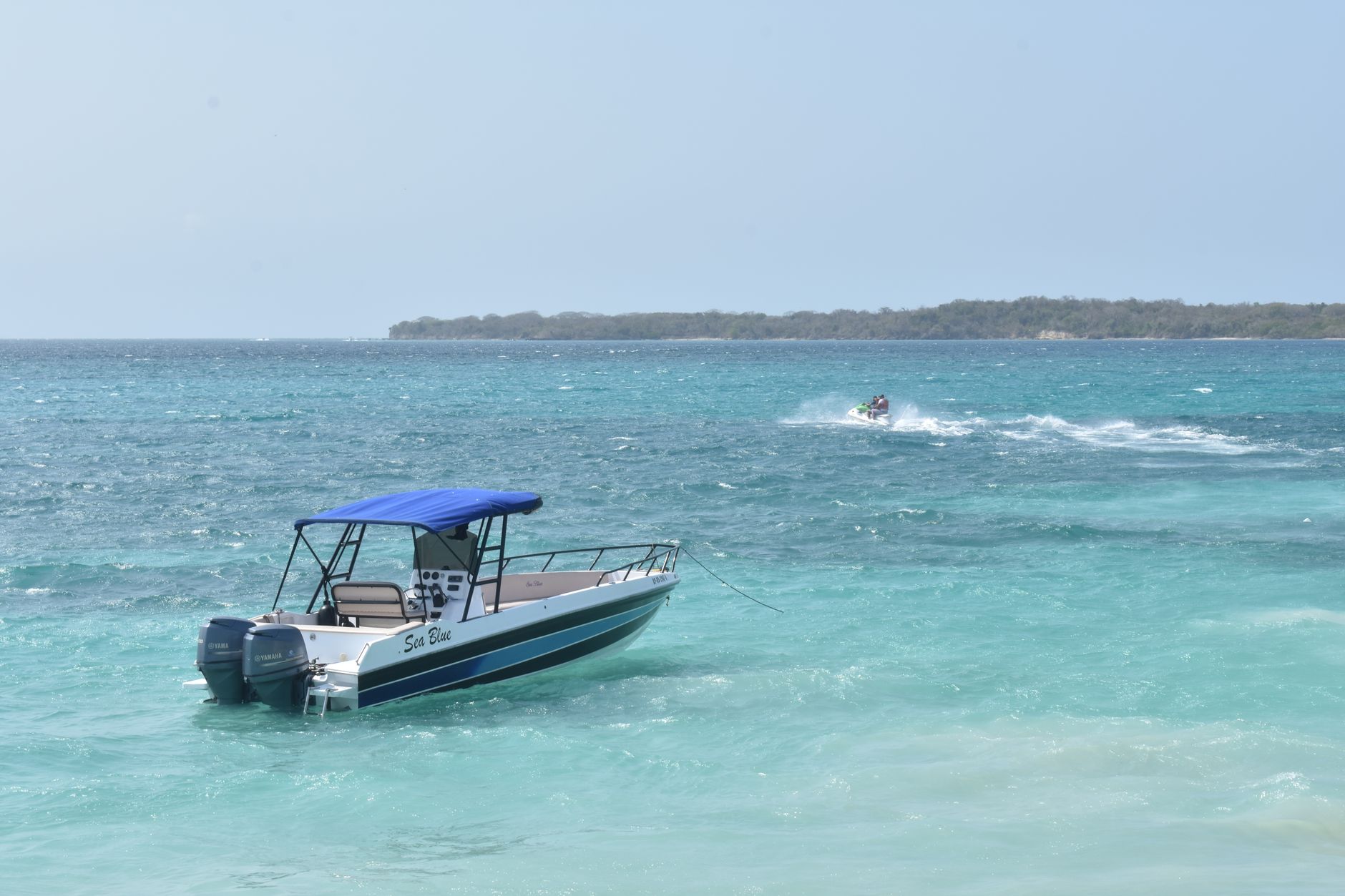
Catch an early boat from Muelle La Bodeguita, roughly 45 minutes to the Rosario Islands, for swimming and snorkeling in clear, shallow water over coral reef. Most day trips include a beach-club lunch of fried fish and coconut rice on Isla Grande or Isla Pirata.
Return to Cartagena by mid-afternoon and rest before heading into Getsemaní for the evening — walk Calle del Pozo to see the street art lit up at dusk, then have dinner at La Cevichería before moving on to a rooftop bar like Demente for live music.
Getsemaní, Culture, and a Farewell Dinner
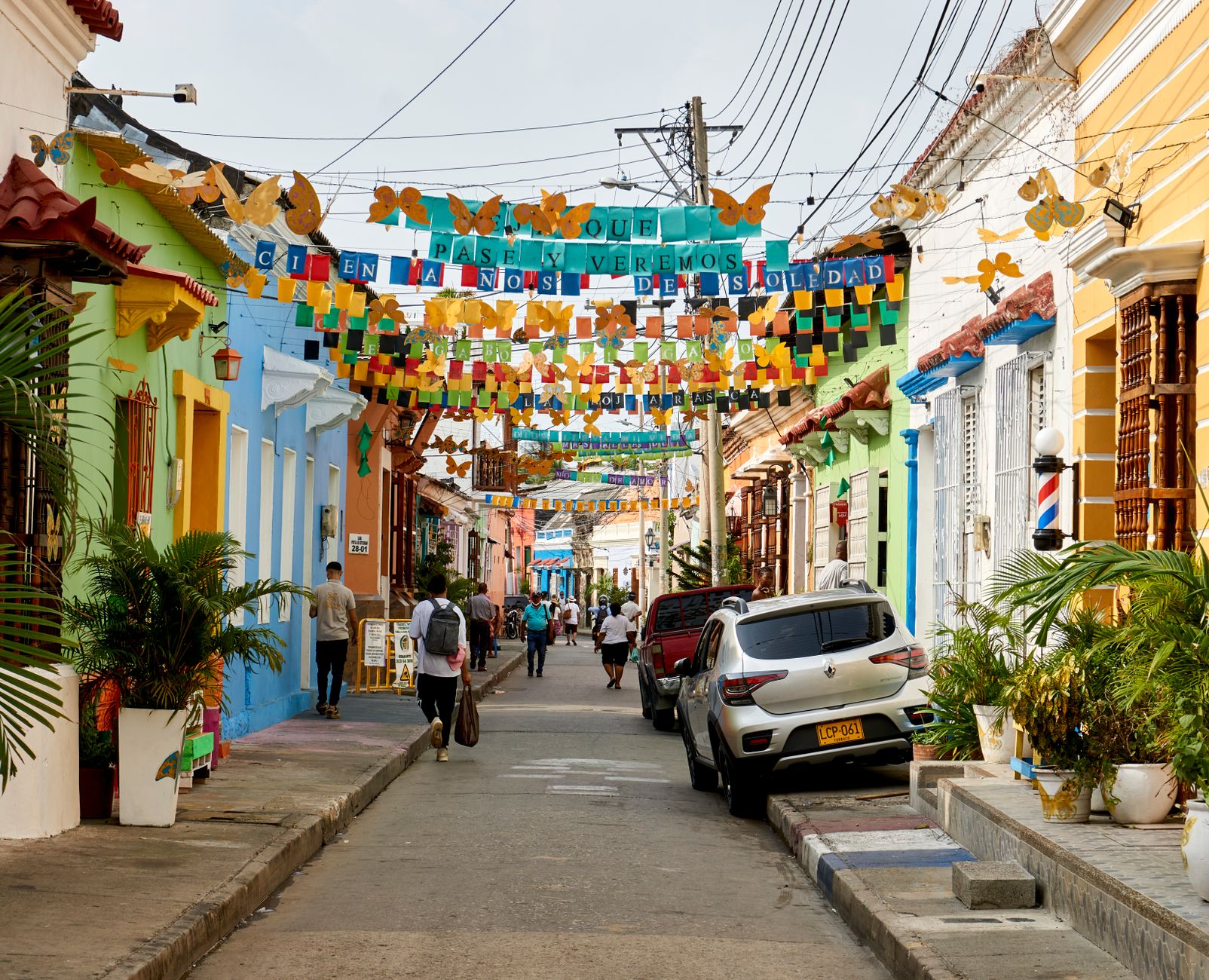
Spend the morning in Getsemaní itself, browsing the Iglesia de la Santísima Trinidad and the surrounding plaza, then take a short taxi to San Basilio de Palenque (about an hour each way) for a cultural visit if you have time before your flight, or spend the morning at the Museo del Oro Zenú and the Palace of the Inquisition instead.
For a final dinner, book Carmen in advance for tasting-menu coastal cooking, or keep it casual with patacones and ceviche at a Getsemaní street stall before one last walk along the walls near Baluarte de Santo Domingo.
The best boutique rooms inside the Walled City — and the private Rosario Islands charters that skip the crowded group boats — get reserved months out, especially around the late-January Hay Festival Cartagena. A Cordelie travel advisor can secure those rooms, lock in a private boat with a specific captain, and get you a table at Carmen or Alma on short notice rather than leaving you on a waitlist.
If you'd like help building a Cartagena trip around your dates and budget, reach out through Cordelie's contact page at https://cordelie.com/contact.
Cartagena At a Glance
A compact, walkable colonial city with real Caribbean beach time a short boat ride away — best for travelers who want history, music, and warm water in one trip.
Best for: history lovers, food-focused travelers, and anyone wanting a Caribbean beach trip with a walkable, atmospheric city attached.
Budget for: roughly USD 100-500 a night depending on neighborhood and hotel category, plus COP 90,000-150,000 for a Rosario Islands day trip.
Go for: three to five days, ideally between mid-December and April for the driest weather, and book ahead if it overlaps with the Hay Festival Cartagena in late January.
Last checked for accuracy: . How we check

Priya Raman has spent eleven years testing whether a destination works with a four-year-old, a teenager and a grandparent in the same party. She writes the version of the guide that accounts for nap times and still gets you to the good stuff, and travels from Toronto with a carry-on she can pack in nine minutes.