
The Complete Guide to Bergen

Why Bergen Casts Norway's Longest Spell
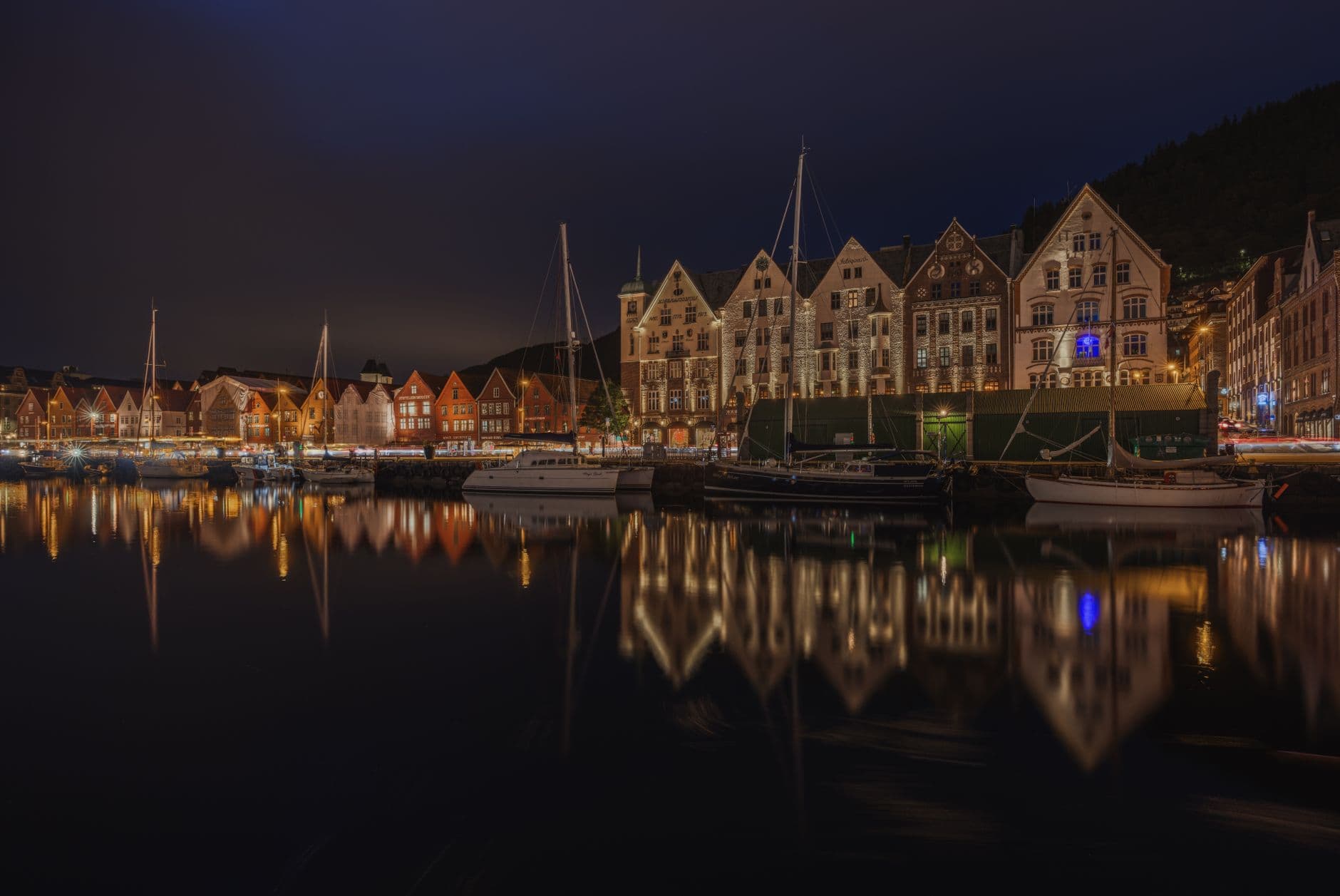
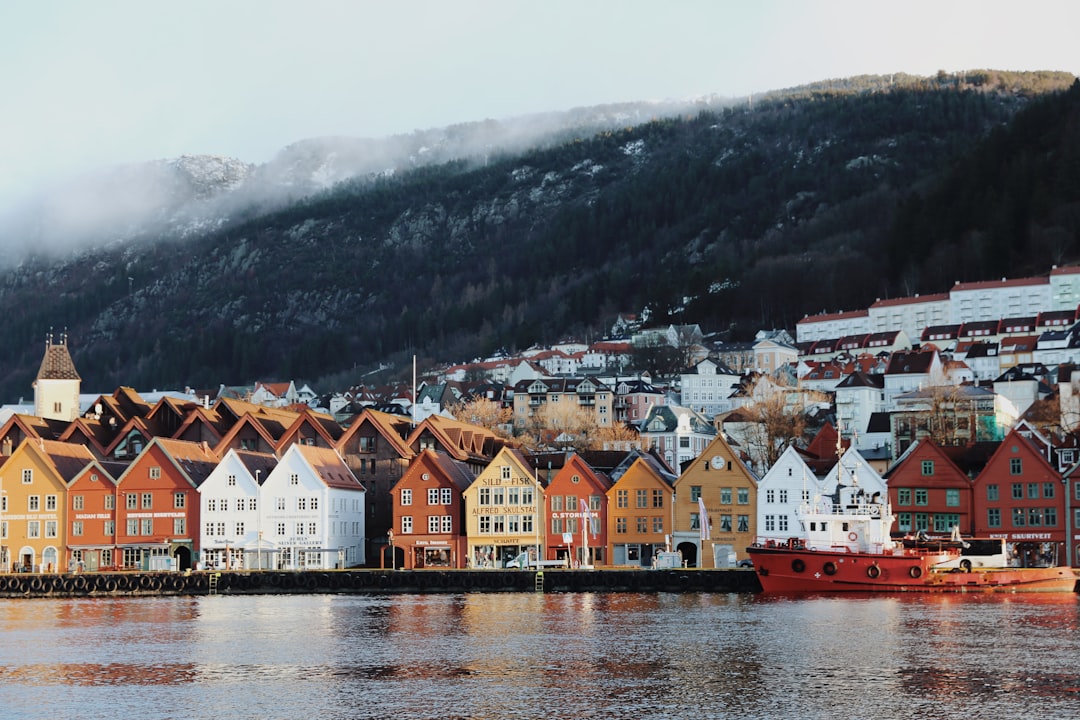
Bergen sits in a bowl of seven mountains, and the city seems to know it, tilting its rooflines upward as if constantly checking the sky for rain. The harbor is lined with the tilted wooden gables of Bryggen, a UNESCO World Heritage wharf that has been trading fish, timber, and gossip since German merchants ran it as a Hanseatic outpost. Funiculars climb into the clouds. Fishmongers still shout the day's catch at the waterfront market. This is Norway's second city, but it never behaves like a runner-up: it is the country's cultural heart, its jazz and theater capital, and the gateway most travelers use to reach the western fjords.
What makes Bergen worth the detour isn't a single monument. It's the way the whole place layers eight centuries of trade history, Edvard Grieg's music, and a genuinely stubborn relationship with bad weather into a city you can walk from end to end in under half an hour.
Bergen at a Glance
Reading Bergen's Weather: When the Rain Lifts and the Festivals Arrive
Locals will tell you, without much drama, that it rains on a majority of days in Bergen. Plan for it rather than around it: a proper waterproof shell earns its keep here more than an umbrella ever will, since wind off the fjords tends to turn umbrellas inside out within a block or two.
June through August brings the mildest temperatures, generally in the high teens Celsius, and daylight that stretches past 10:30 pm in midsummer. This is also festival season. The Bergen International Festival (Festspillene i Bergen) runs for roughly two weeks from late May into early June, filling concert halls and even Bryggen's courtyards with music and theater. Bergenfest, a rock and pop festival, follows in mid-June along the harbor. September trades some of the crowds for crisper light and turning leaves on Mount Fløyen, while winter, dark by mid-afternoon, has its own quiet charm: fewer tour groups at Bryggen, snow dusting the peaks, and the city's cafes glowing against the gloom.
Cordelie travel advisors
Planning Bergen? Go with someone who knows
The right suite, the right season, the reservations that never appear online — your Cordelie advisor knows them, and holds them for you.
Plan with a Cordelie advisorFree to ask. Cordelie Travel Services · IATA/ARC 06649064
Bryggen's Tilted Warehouses, Fløyen's View, and the Fish Market's Morning Catch
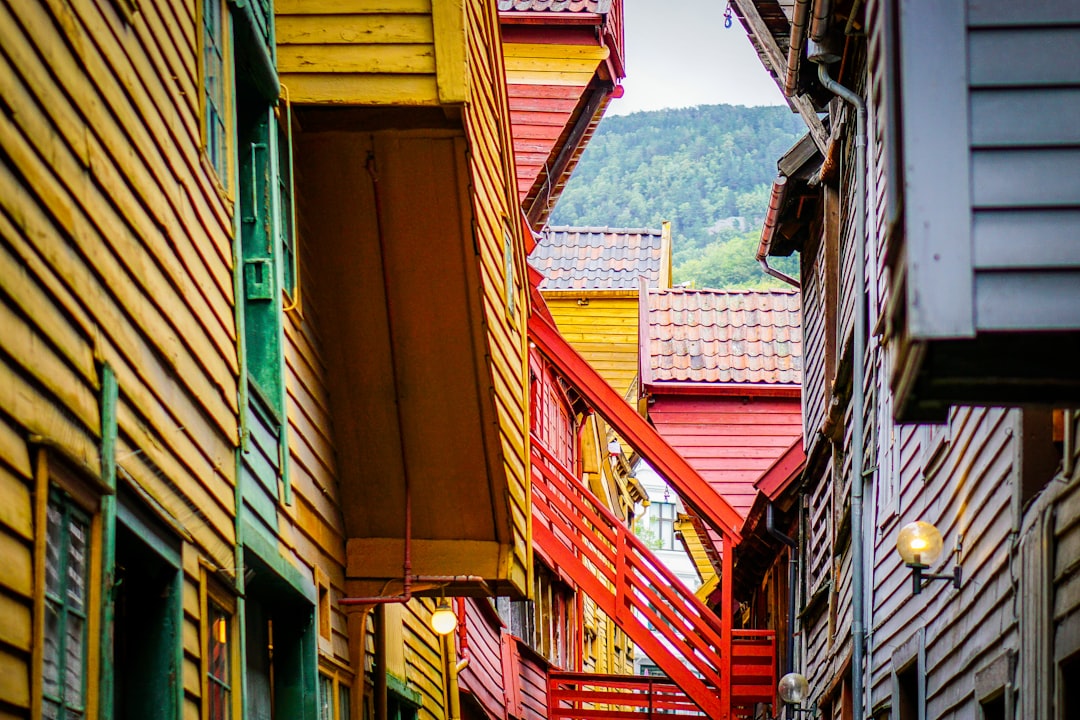
Start at Bryggen itself. Most of the roughly 60 wooden buildings standing today date from after a fire in 1702, rebuilt on medieval foundations that trace back to the 1300s, when Hanseatic merchants controlled Bergen's fish trade from these narrow, tar-scented alleys. The Hanseatic Museum, inside one of the original merchant houses, costs around NOK 100-120 for adults (2025 pricing) and gives real texture to how clerks and traders actually lived and worked here, bunks and all.
From Bryggen, it's a five-minute walk to the base of the Fløibanen funicular, which has hauled passengers up Mount Fløyen since 1918. The ride takes 5-8 minutes and climbs to a viewpoint 320 meters above the harbor; a round-trip ticket runs roughly NOK 180-220. Go in late afternoon if you can, when the light softens over the fjord and the crowds thin, then walk one of the marked trails back down through the forest, about 45 minutes to an hour on foot.
Back at sea level, Fisketorget, Bergen's fish market, is worth an early visit, ideally before 11 am when the stalls are freshest and less mobbed. Beyond the market, the KODE art museums, four connected buildings ringing the small lake of Lille Lungegårdsvann, hold one of Norway's largest Munch collections outside Oslo, and a combined ticket covering all four typically runs NOK 150-180. For something quieter, Troldhaugen, composer Edvard Grieg's lakeside villa about 8 km south of the center, is reachable by Bybanen light rail plus a short walk, or by direct bus in summer months.
Bergen's Essential Sights
From Bryggen's Historic Rooms to Harborview Suites: Bergen's Best Bases
For travelers who want to wake up inside the history, Hotel Havnekontoret occupies a former harbor administration building right on Bryggen's edge, with rooms that mix original brick and timber with contemporary furnishings; expect roughly NOK 2,200-3,200 a night depending on season. Det Hanseatiske Hotel, tucked into one of the wharf's oldest merchant houses, leans further into the period feel, with creaking floors and low doorways that are part of the charm rather than a flaw.
Mid-range travelers do well at Zander K Hotel near Torgallmenningen square, or Hotel Park, a smaller boutique property near the university district with a genuinely quiet residential feel. Both typically run NOK 1,400-1,900 a night. Budget-conscious visitors should look at Citybox Bergen on Nygårdsgaten, a self-service hotel where rooms often land under NOK 1,000 a night, or the well-located Bergen City Hotel a short walk from the train station. Wherever you stay, ask about proximity to Bryggen and the fish market; the old center is compact enough that a 10-minute walk difference matters more here than in most cities.
Klippfisk, Cinnamon Buns, and a City That Never Apologizes for Rain
Bergen's food identity is built on fish, and on the trade routes that once carried salted, dried klippfisk (cod) south to Portugal and Spain in exchange for wine. You'll find that history on plates all over the city: a bowl of fiskesuppe (fish soup, thick with cream, root vegetables, and whatever's fresh) is practically the city's signature dish, served well at Bryggeloftet & Stuene, a wood-paneled restaurant that's occupied the same Bryggen address for generations.
For something more contemporary, Colonialen Litteraturhuset pairs a relaxed dining room with a menu that shifts with the seasons, while To Kokker, also on Bryggen, leans into fine dining built around local seafood and game. At the market, look for smoked salmon sandwiches and reindeer skewers from the food stalls, both easy lunches in the NOK 100-180 range. Don't skip a skillingsbolle, Bergen's oversized cinnamon-cardamom bun, best hunted down at a local bakery like Godt Brød rather than a tourist-facing cafe. Bergensers take coffee seriously too; Kaffemisjonen near the fish market roasts its own beans and is a good gauge of the city's genuinely strong cafe culture.
“You don't visit Bergen despite the rain. You visit it because the rain is what made the wood this dark, the harbor this alive, and the coffee this necessary.”
On Foot, By Funicular, and Along the Bybanen: Navigating Bergen
Central Bergen rewards walking. From Bryggen to the fish market to Torgallmenningen, the main pedestrian square, is under 15 minutes on foot, and most first-time visitors will barely need public transport for sightseeing within the core.
For the airport, the Bybanen light rail runs from Flesland into the city center in about 45 minutes, with tickets around NOK 50-60, or the Flybussen coach covers the same route in roughly 30 minutes for a slightly higher fare. Within the city, Bybanen also connects useful stops like Nesttun (near Troldhaugen) and the university area. Bergen Bysykkel, the city's bike-share network, is handy for longer hops along the harbor in drier weather, with day passes typically around NOK 90. For the fjords beyond the city, day cruises to the Mostraumen narrows or the Osterfjord depart from the harbor near Bryggen and run roughly 3-4 hours round trip.
Three Days Between the Seven Mountains: A Bergen Itinerary
Bryggen, the Fish Market, and Sunset from Fløyen
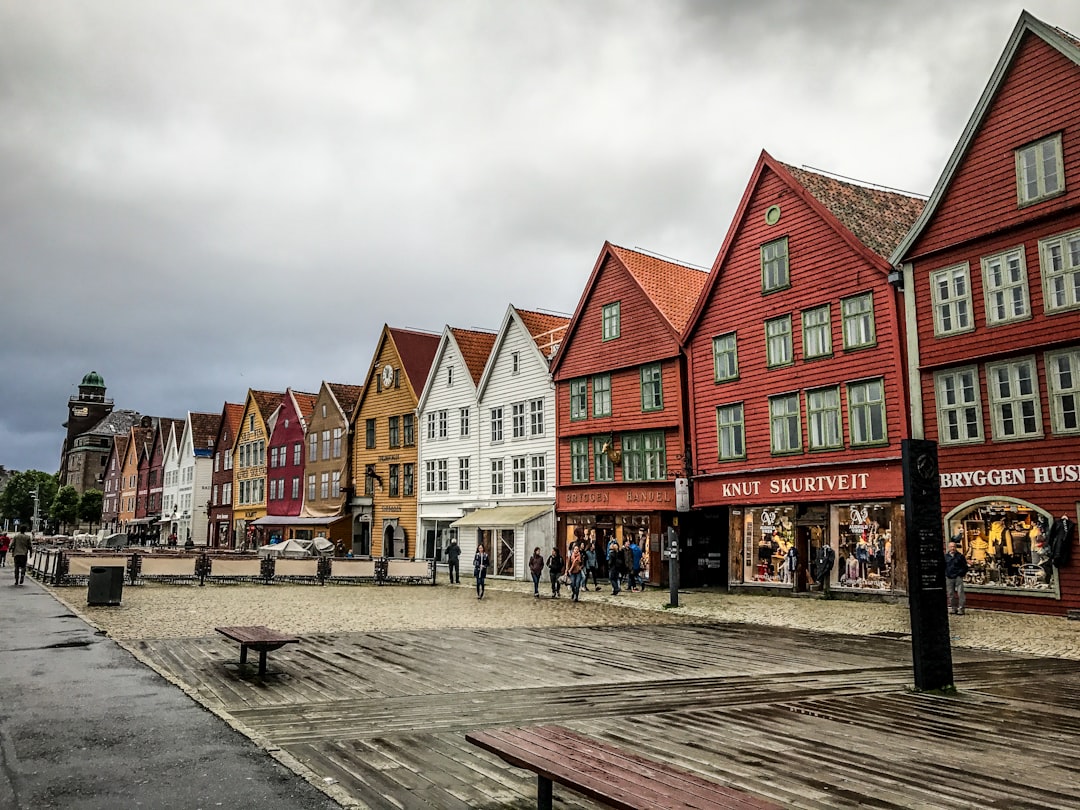
Begin at Bryggen while the wharf is still quiet, wandering the timber alleys before the tour groups arrive around 10 am. Duck into the Hanseatic Museum for context on the merchant history that built these buildings.
Cross to Fisketorget for a seafood lunch at one of the market stalls, then spend the afternoon browsing Torgallmenningen and the small shops along Strandgaten. Time your evening for the Fløibanen funicular, riding up around 6-7 pm to watch the light change over the harbor before dinner at Bryggeloftet & Stuene back at street level.
Grieg's Villa, the KODE Museums, and a Fjord Afternoon
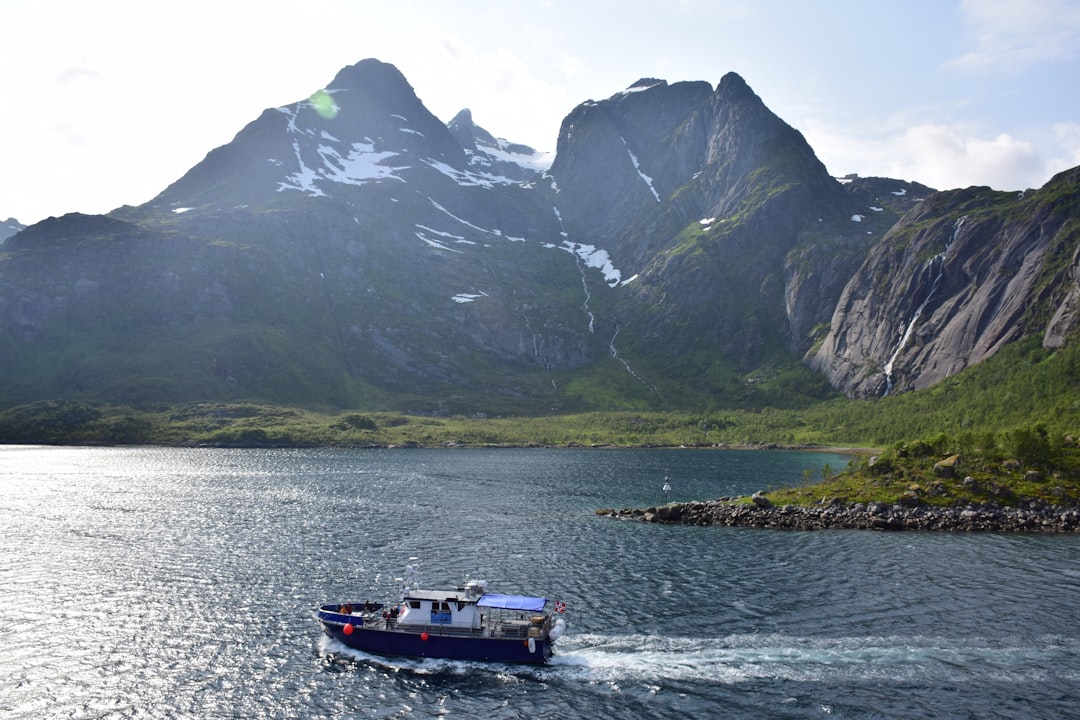
Take the Bybanen light rail south to Nesttun and walk to Troldhaugen, Edvard Grieg's home above Nordåsvannet lake, arriving when it opens around 10 am to have the villa and its small concert hall relatively to yourselves.
Back in the center by early afternoon, spend two to three hours across the four KODE buildings, then board an afternoon fjord cruise toward the Mostraumen narrows, returning to the harbor by early evening for dinner at Colonialen Litteraturhuset.
Mount Ulriken, Bergenhus Fortress, and a Final Wharf Dinner
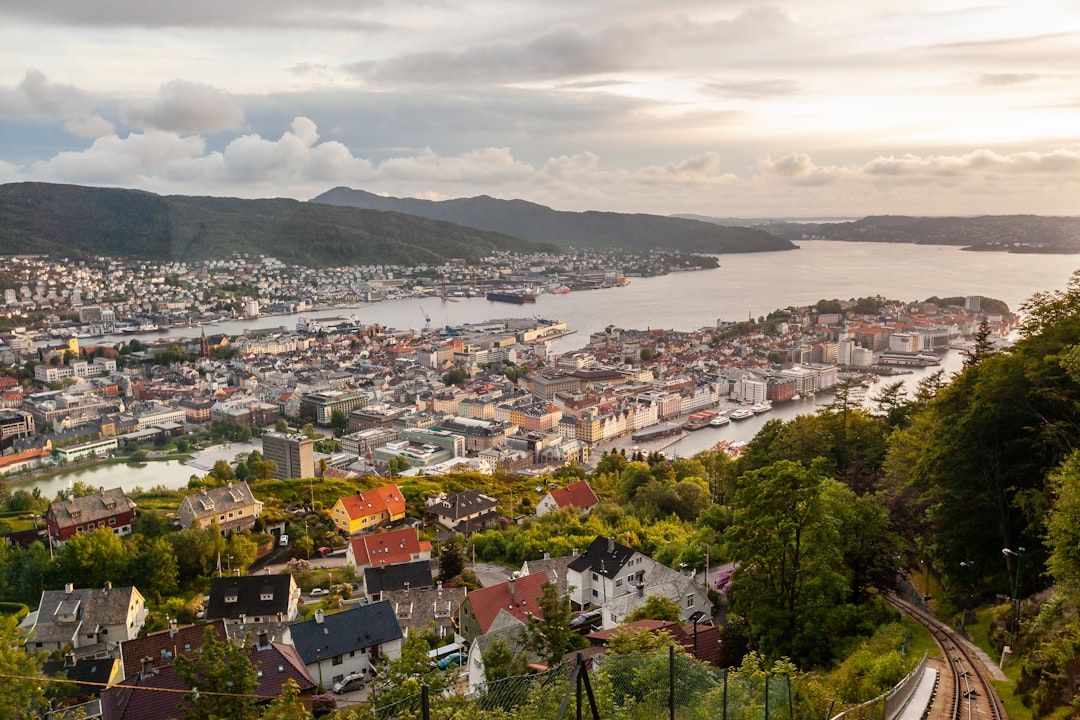
Ride the Ulriksbanen cable car up Mount Ulriken, Bergen's highest peak at 643 meters, for panoramic views that reach further than Fløyen's; the trip up takes about 7 minutes and round-trip tickets run roughly NOK 340-380.
Spend the afternoon at Bergenhus Fortress, a low-key medieval and 16th-century complex near the harbor mouth, then close the trip with a final dinner at To Kokker on Bryggen, saving one last walk along the wharf for after dark, when the gas lamps are lit and the crowds have thinned.
Fjord cruises and Bryggen's best-located hotel rooms sell out fast during the Bergen International Festival and Bergenfest windows in late May and June, often months ahead for the properties right on the wharf.
A Cordelie travel advisor can lock in a room at Hotel Havnekontoret or Det Hanseatiske Hotel before the festival crowds arrive, and can also bundle in the onward leg most travelers actually want, the Flåm Railway and Norway in a Nutshell fjord route, so the logistics between Bergen and the fjords are arranged rather than improvised at the train station.
Bergen: The Verdict
A compact, walkable city that pairs genuine Hanseatic history with easy access to Norway's fjords, best visited late May through September or in a quiet winter week.
Bergen works whether you have two days as a fjord gateway stopover or a full week to fold in Troldhaugen, the KODE museums, and a proper fjord cruise. Pack for rain regardless of the forecast, book Bryggen accommodations early if you're traveling in festival season, and let the funiculars do the heavy lifting for the views.
Last checked for accuracy: . How we check

Isaac Reid has spent fourteen years on ships and on foot in the places weather still decides. He sailed his first Drake Passage as an expedition assistant and has since made the crossing more than thirty times, between seasons trekking in Nepal and Patagonia. He writes about what these trips actually ask of a traveller — the days that get cancelled, the kit that matters, the difference between a landing and a cruise-by — and thinks the honest version sells them better than the brochure does.
Related Articles
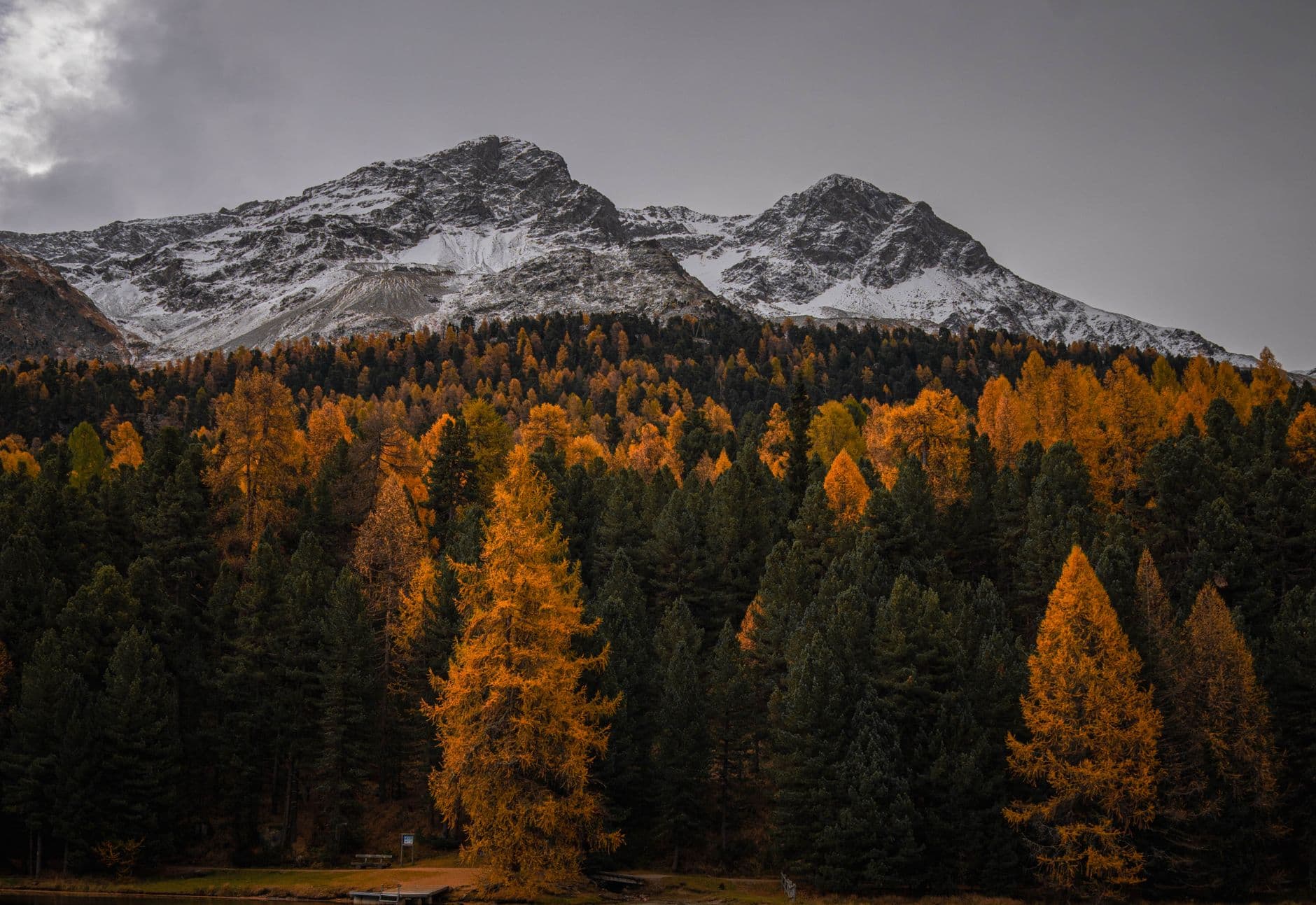
Why The Swiss Alps Rewards an Off-Season Visit
The Swiss Alps in September and October stand nearly empty. Trails quiet, prices halve, and snow dusts the highest peaks while larch forests turn gold—creating an entirely different alpine experience.

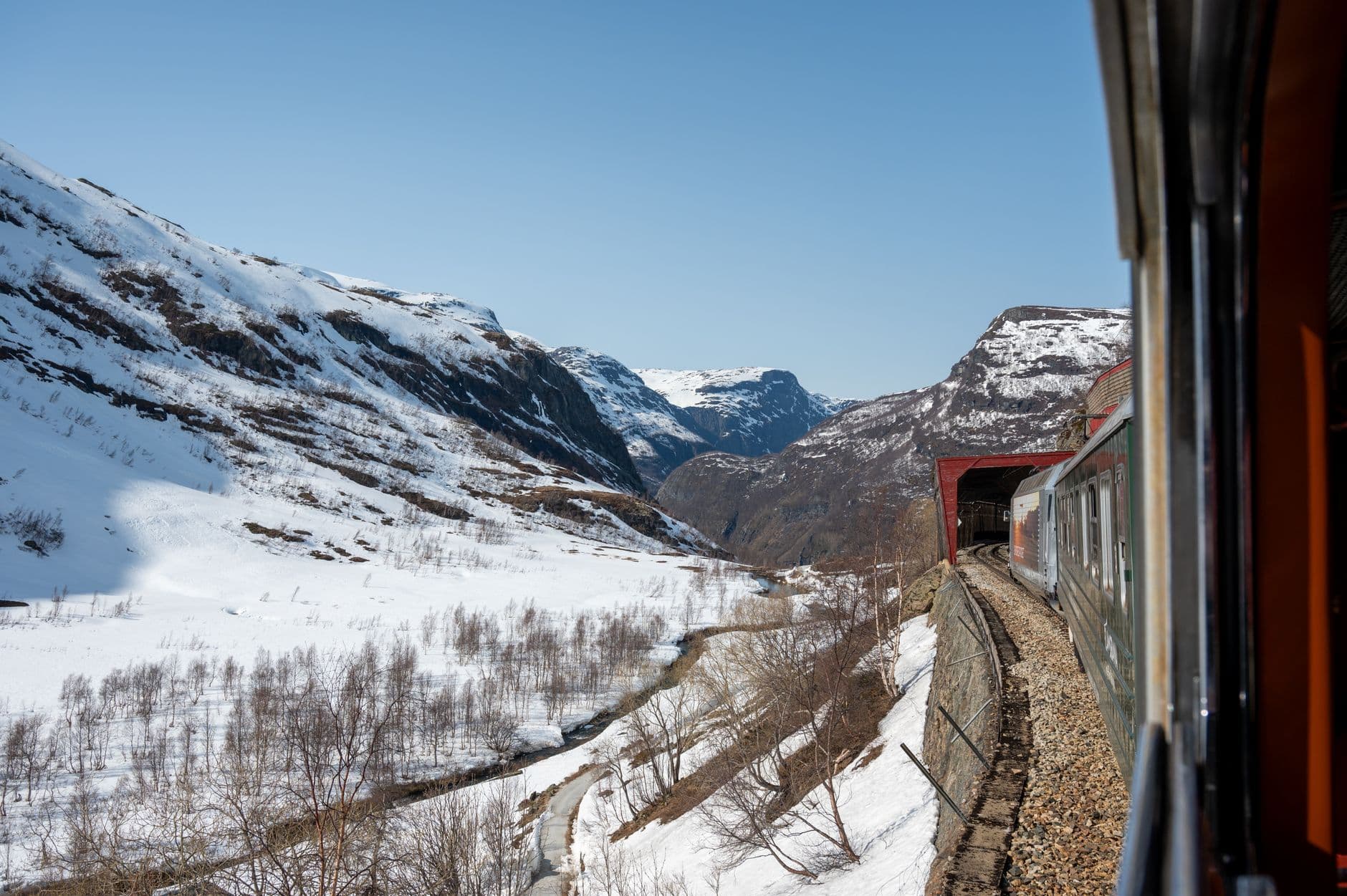
Essential Tips for Traveling in Norway
Norway rewards planners: book fjord trains early, pack for four seasons in a day, and pick your season for midnight sun or northern lights. Here's the essential prep guide.

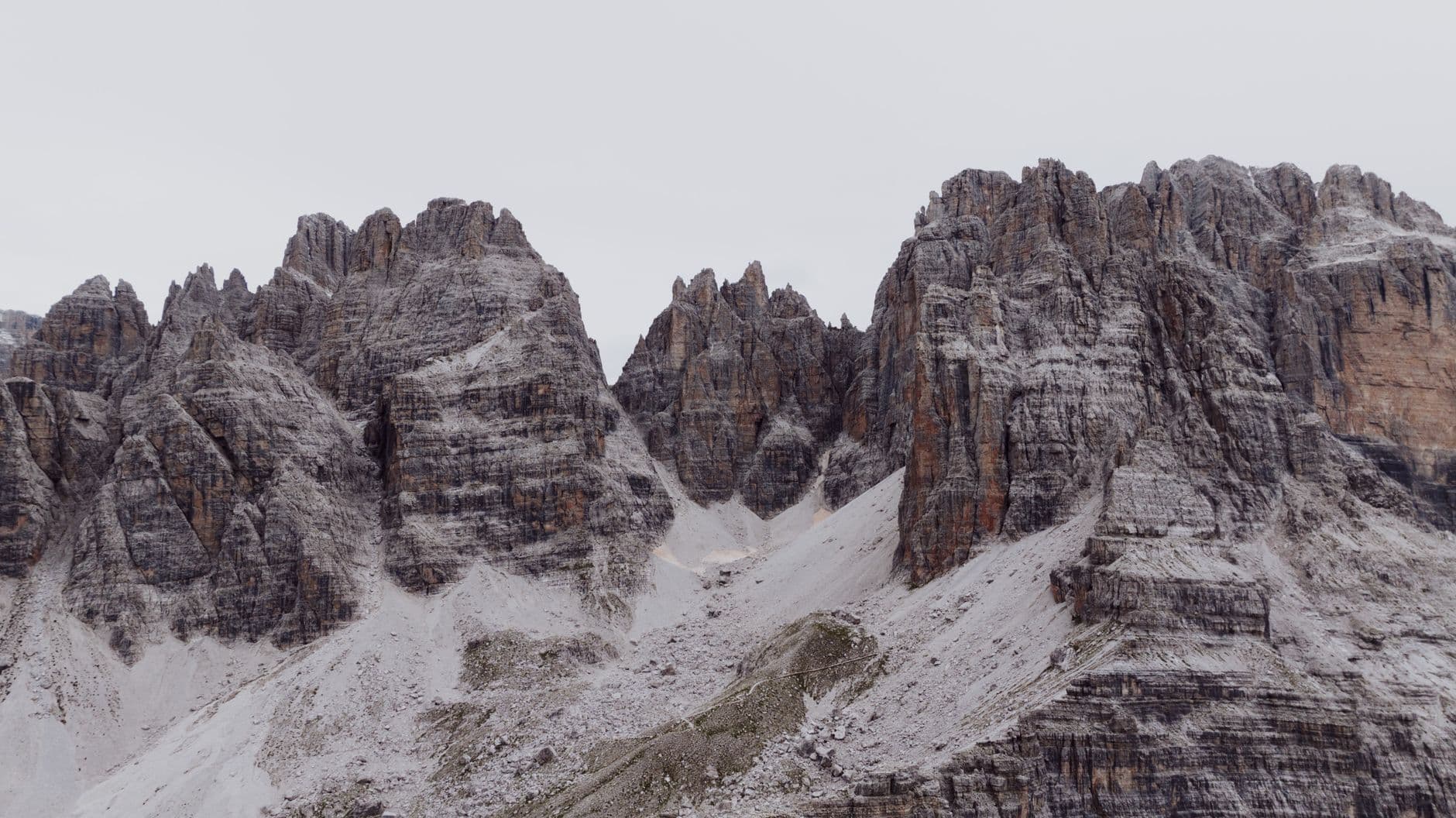
The Best Things to Do in The Dolomites
From a sunrise cable car ride out of Ortisei to a two-Michelin-star table in Alta Badia, here are the seven Dolomites experiences worth building an itinerary around.