
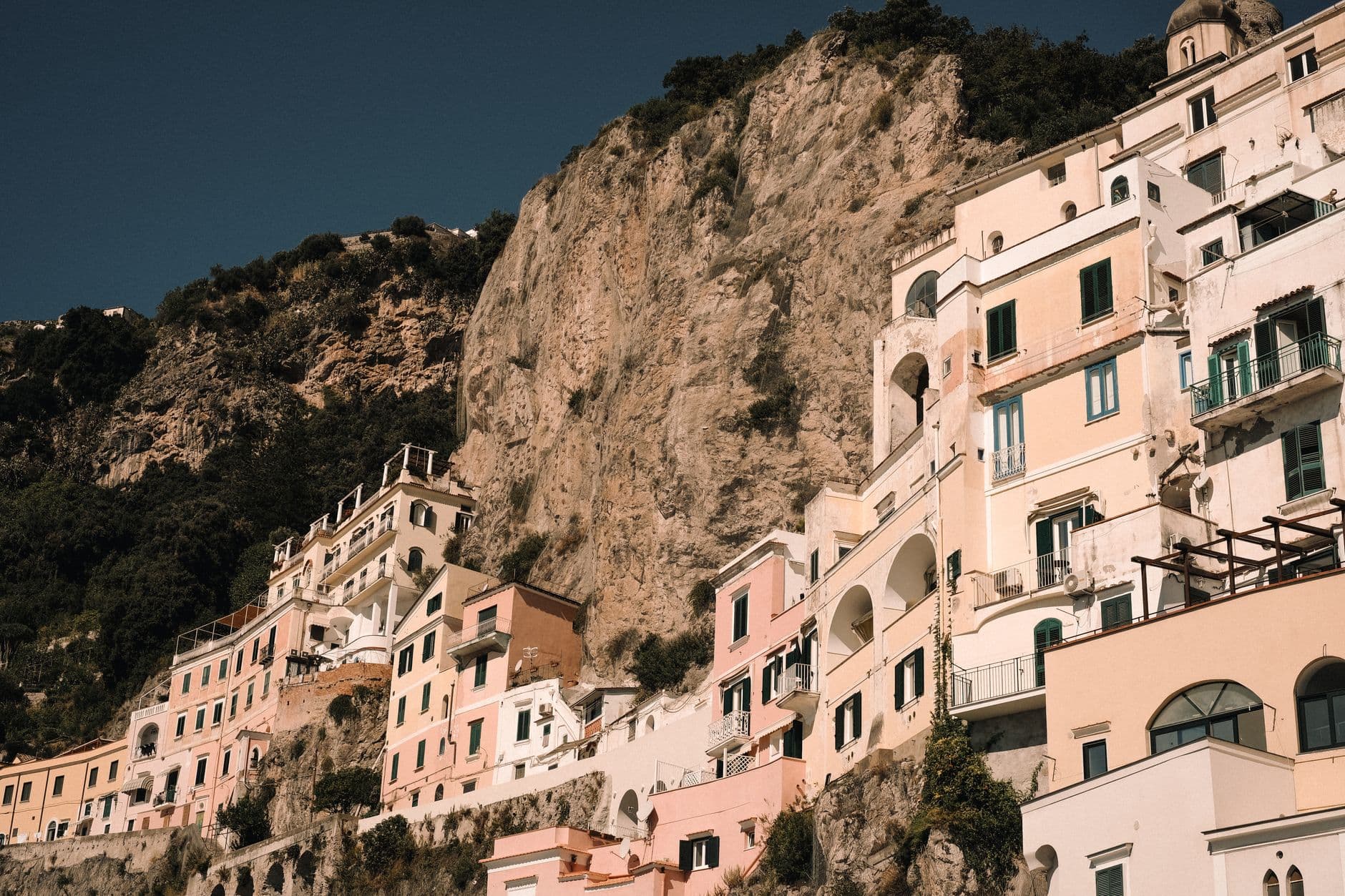
The Best Things to Do in The Amalfi Coast

The Best Things to Do on the Amalfi Coast, From Positano's Cliffs to Nerano's Hidden Bay
There is no wrong way to spend a week on the Amalfi Coast, but there is a right order to figure out what actually deserves your time. This stretch of the Sorrentine Peninsula, roughly 30 miles of hairpin road strung between Sorrento and Salerno, packs lemon groves, Byzantine cathedrals, and cliffside piazzas into a coastline you can drive end to end in about ninety minutes if the SS163 cooperates, which in August it rarely does.
This list ranks the experiences that reward the effort of getting here: the hikes, the boat rides, the towns worth an overnight rather than a photo stop. I've weighted things toward what a first-time visitor with three to five days should prioritize, while still pointing serious repeat travelers toward the coves and back roads that thin out the crowds.
I judged each entry on four things: how much the experience depends on actually being on the Amalfi Coast versus something you could find elsewhere in Italy, how manageable it is logistically (parking, ferry schedules, hike difficulty), the quality of what you get for the money, and how it holds up outside peak season, since June through August brings both the best weather and the worst traffic.
Everything here is something I'd tell a friend to book before they land in Naples, not a padded list of every church and viewpoint along the coast.
Wander Positano's Vertical Streets and Spiaggia Grande
The postcard town, and it earns it
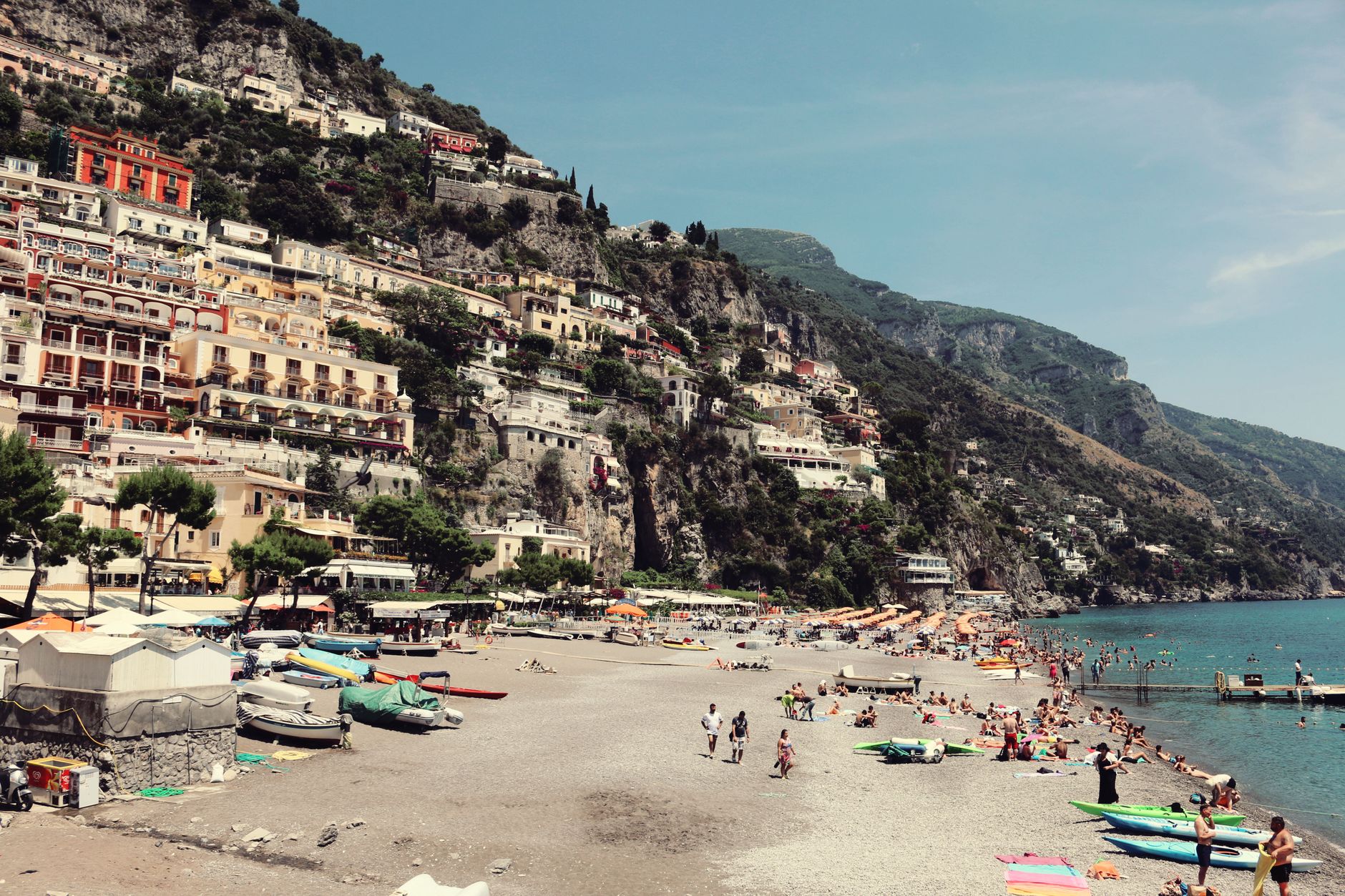
Positano is the town everyone photographs from the water, and the view earns the reputation, but the real experience happens on foot once the day-trip boats pull out. Start at the top near the Church of Santa Maria Assunta, whose majolica-tiled dome anchors the skyline, then let the Via Positanesi d'America path pull you downhill past bougainvillea and boutique doorways toward Spiaggia Grande.
The beach itself is mostly gray volcanic sand with a mix of free and paid sections; a lounger and umbrella at a beach club like La Scogliera runs roughly EUR 25-35 a day depending on season. Come back after 18:00, when the day-trippers from Naples have gone and the town's own rhythm returns to the piazzas along the water.
Hike the Sentiero degli Dei, the Path of the Gods
The coast's best view costs nothing but sweat
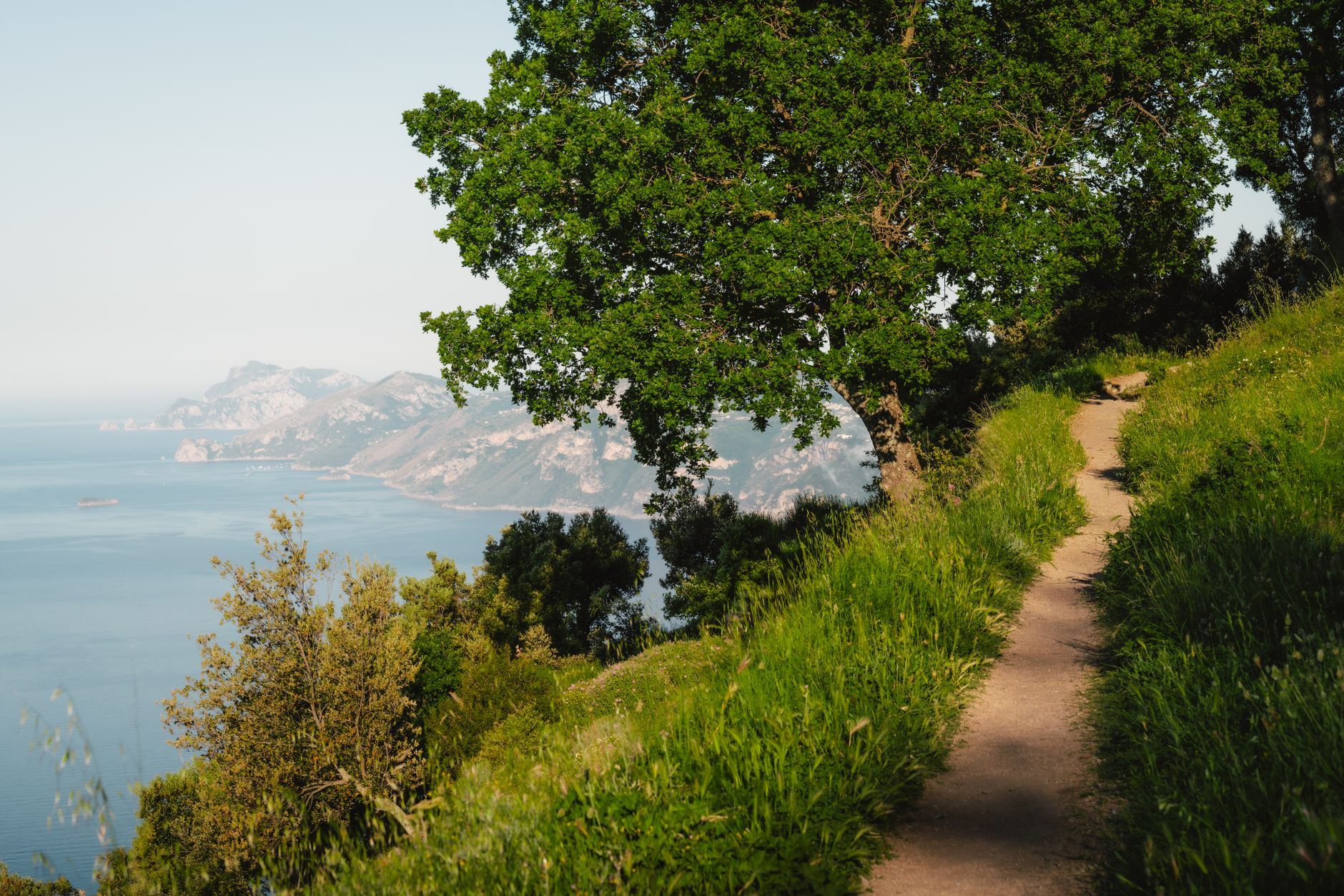
The Sentiero degli Dei traces the limestone ridge above the coast between Bomerano and Nocelle, and it is the single best free thing to do here. Most hikers start in Bomerano (reachable by SITA bus from Amalfi, about 40 minutes) and finish in Nocelle above Positano, a route that takes roughly 3 to 4 hours at an easy pace with plenty of stops for photos.
The trail is largely flat until the final descent into Nocelle, which drops steeply via stone stairs; trekking poles help. Bring at least a liter of water per person, since shade is scarce and there's no reliable water source along the way. Finish with a granita in Nocelle before catching the local bus or a taxi down to Positano proper.
Get Lost in Ravello's Gardens Above the Coast
The Amalfi Coast's quiet, cultured hill town
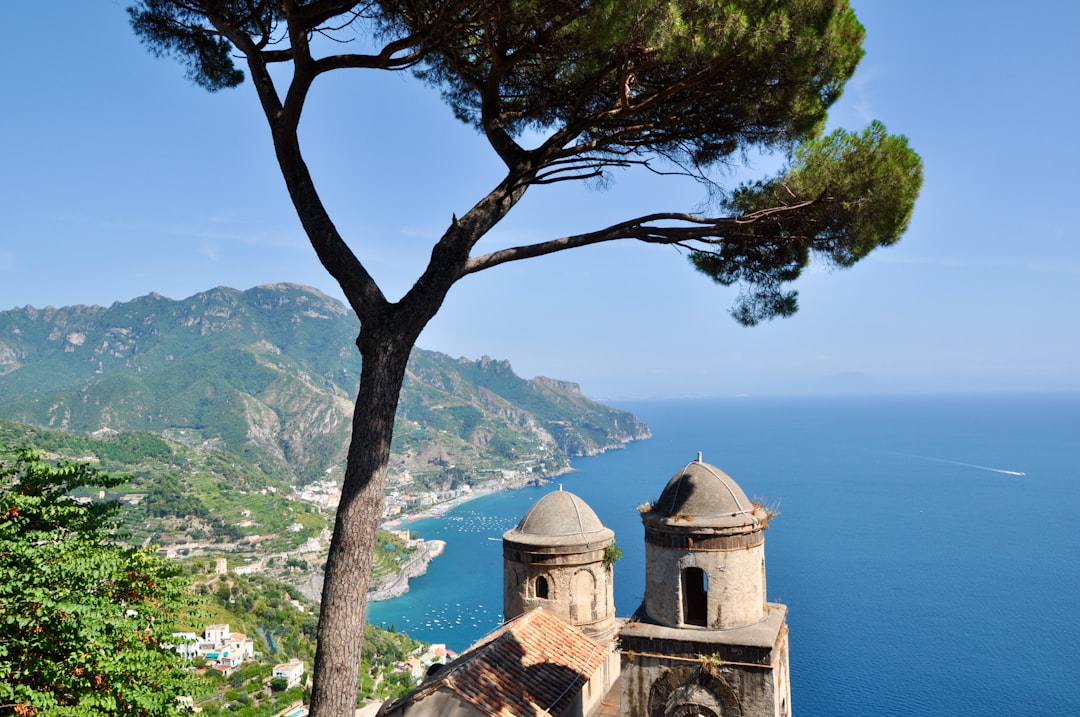
Ravello sits about 1,100 feet above the sea, high enough to escape the coastal crowds entirely, and its two great gardens justify the climb. Villa Rufolo, where composer Richard Wagner reportedly found inspiration for Parsifal, charges roughly EUR 7-8 for entry and opens most mornings by 9:00. Its terraced gardens frame a sightline straight down to the water that's hard to beat anywhere on this coast.
Villa Cimbrone's garden walk ends at the Terrazza dell'Infinito, the Terrace of Infinity, a balustraded overlook that lives up to its name. If you can time a visit to the Ravello Festival, which runs concerts and performances through the summer months in the Villa Rufolo gardens, do it; check current-season dates before you go, since the program shifts year to year.
Step Inside Amalfi Town's Duomo and Paper Museum
The coast's namesake town has real history behind the gelato stands
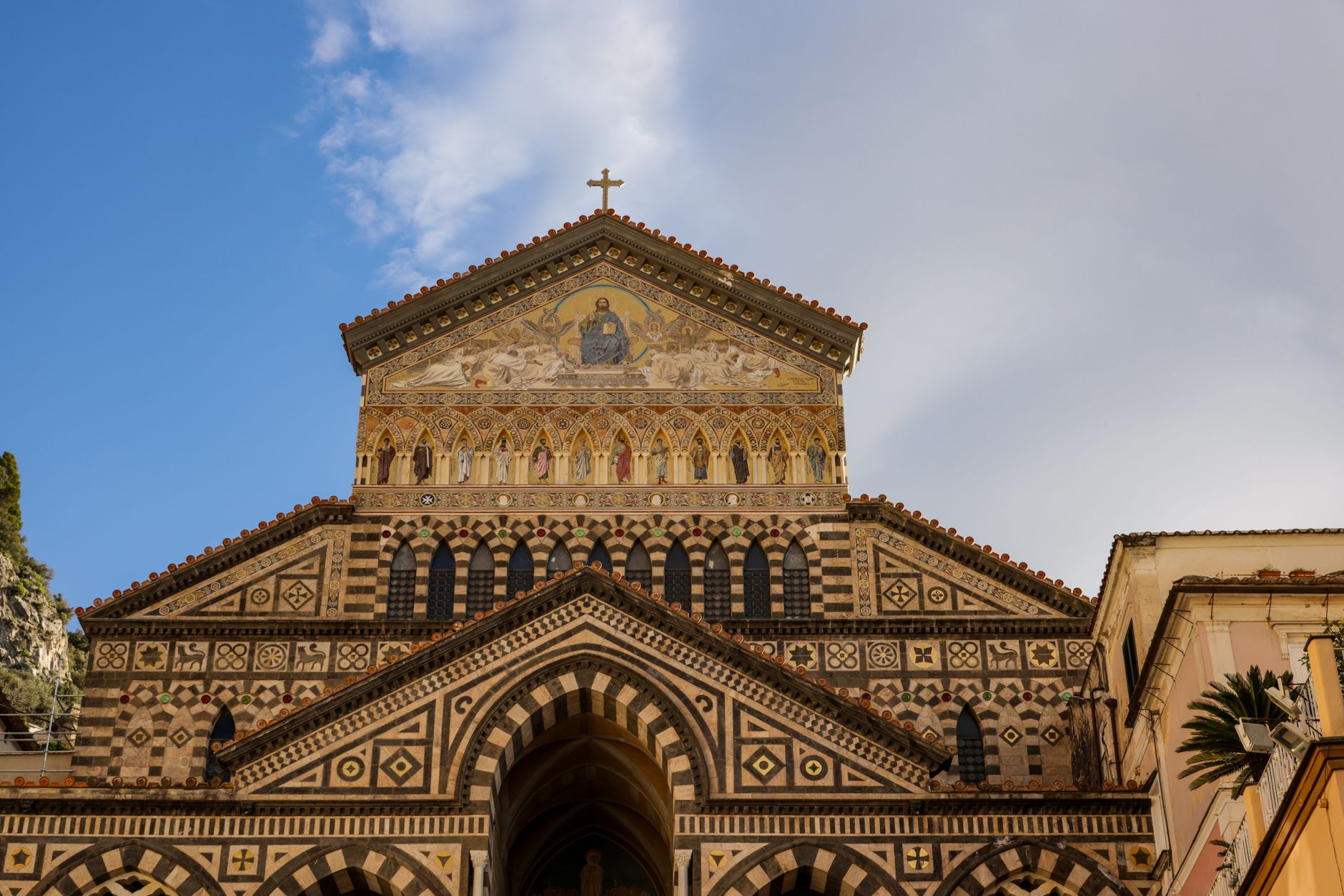
Amalfi gave this coast its name, and its cathedral, the Duomo di Sant'Andrea, gives the town its skyline. The striped facade and bronze doors date back to the 11th century, when Amalfi was a maritime republic trading with Byzantium and North Africa. Entry to the cathedral complex, including the Cloister of Paradise, runs roughly EUR 3-4 and takes about 30 minutes to see properly.
A five-minute walk up the Valle dei Mulini leads to the Museo della Carta, the paper museum, where you can watch demonstrations of the centuries-old process that made Amalfi's handmade paper famous across Europe. Entry runs roughly EUR 4-5. The town itself is compact enough to see in half a day, which makes it an easy pairing with a ferry ride up the coast.
Take a Boat Along the Coast to the Emerald Grotto and Fiordo di Furore
See the coastline the way it was meant to be seen: from the water
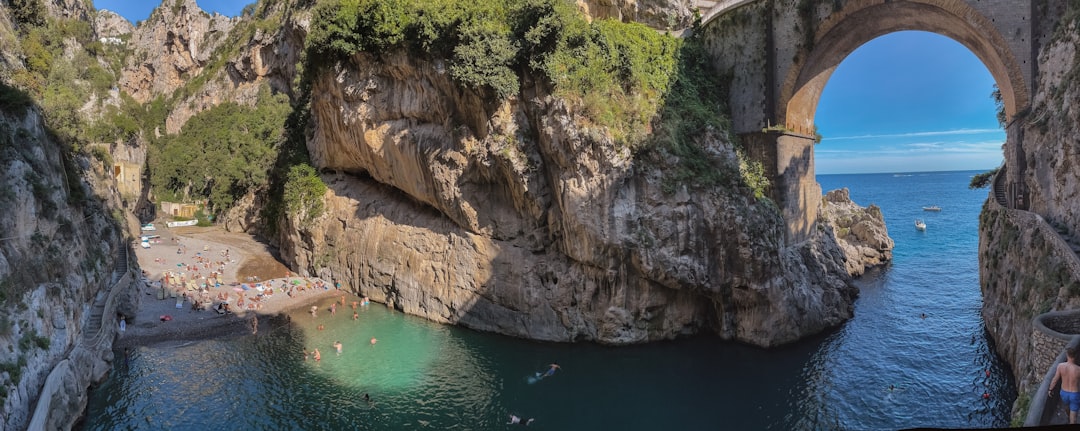
Renting a small motorboat or booking a shared coastal tour out of Amalfi or Positano is the fastest way to understand why this coast looks the way it does. A half-day boat trip, typically 3-4 hours and priced around EUR 60-100 per person on a shared tour, usually stops at the Grotta dello Smeraldo, the Emerald Grotto, near Conca dei Marini, where sunlight through an underwater opening turns the cave water a startling green. Entry to the grotto itself runs roughly EUR 6.
From there, most routes swing past the Fiordo di Furore, a narrow fjord-like inlet with a single arched bridge overhead, before looping back with a swim stop in a quiet cove. If you'd rather skipper yourself, a license-free boat rental in Positano or Amalfi runs roughly EUR 150-250 for a half day depending on the boat.
Cordelie travel advisors
Planning The Amalfi Coast? Go with someone who knows
The right suite, the right season, the reservations that never appear online — your Cordelie advisor knows them, and holds them for you.
Plan with a Cordelie advisorFree to ask. Cordelie Travel Services · IATA/ARC 06649064
Day-Trip to Capri from the Coast
A different island, worth the crossing
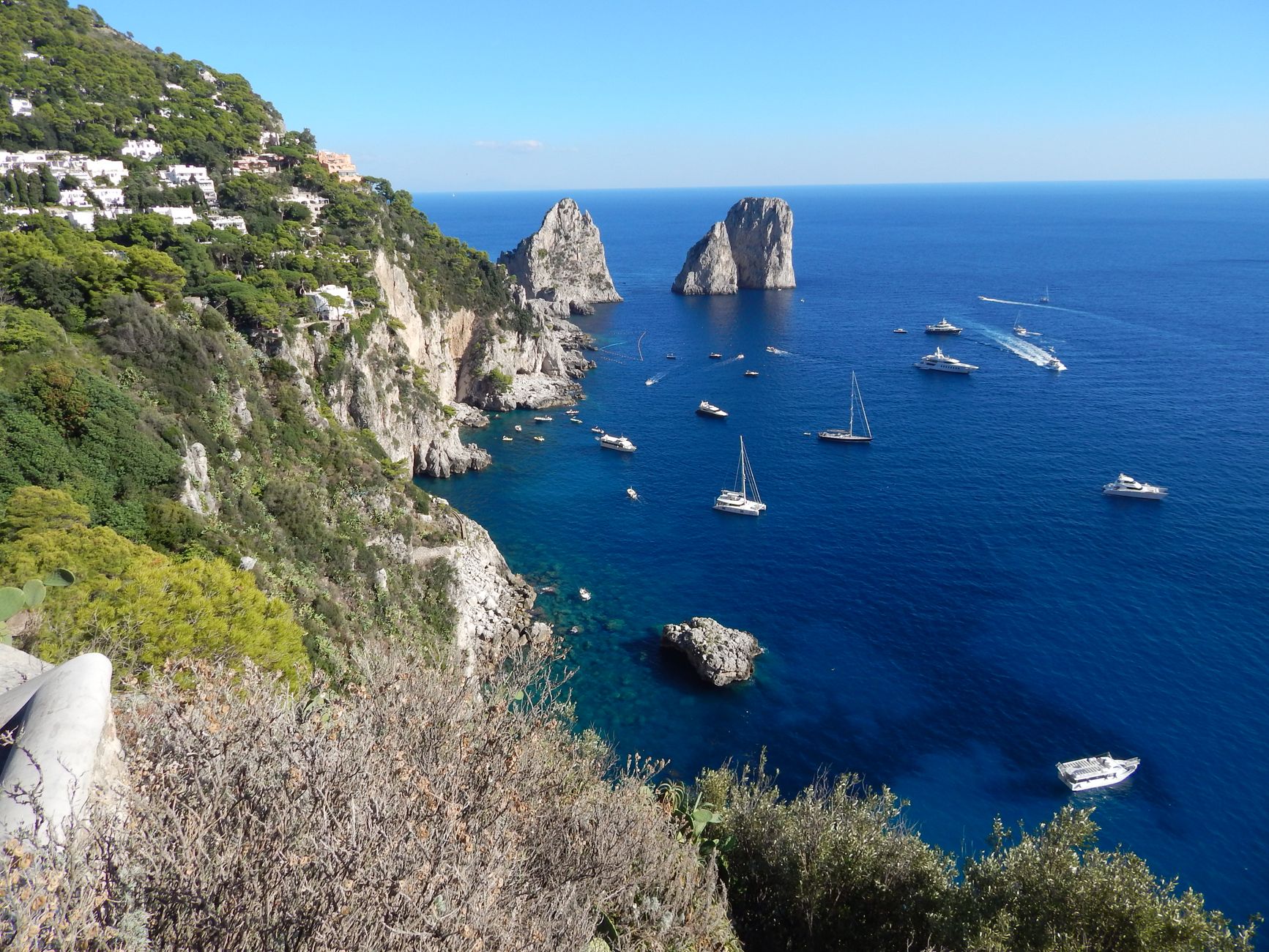
Capri isn't technically part of the Amalfi Coast, but it's close enough, and popular enough among people already here, that skipping it feels like an oversight. Hydrofoils run from Positano and Amalfi in season, taking roughly 30-50 minutes each way and costing around EUR 20-25 one way per person. Land in Marina Grande, then take the funicular up to Capri town, about EUR 2 and 5 minutes, for views over the Faraglioni sea stacks.
Skip the Blue Grotto unless you're willing to queue; the line for the small rowboats that ferry visitors inside can run well over an hour in July and August. A better use of a single day is the walk along Via Krupp toward Marina Piccola, or lunch at one of the trattorias in Anacapri away from the marina crowds.
Slow Down in Praiano and Swim at Marina di Praia
The coast's most underrated base
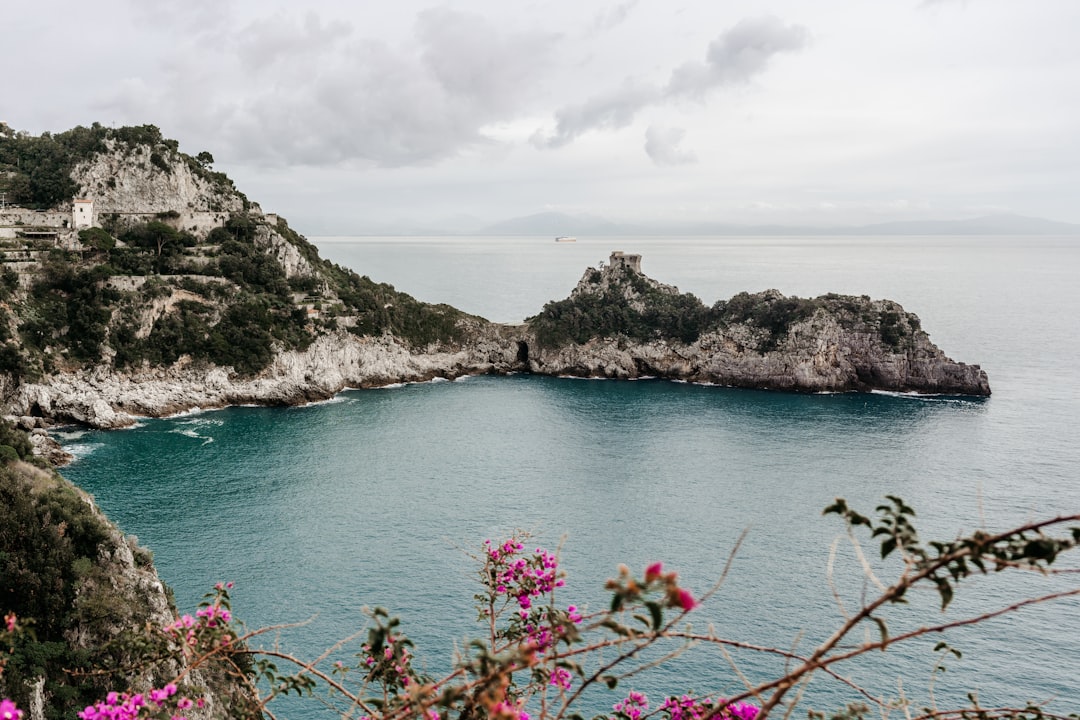
Praiano sits between Positano and Amalfi, and locals treat it as the coast's best-kept secret for a reason: fewer crowds, lower prices, and some of the best sunset views anywhere on this stretch of coastline. The tiny cove of Marina di Praia, tucked below the main road, has a rocky beach, a couple of simple seafood restaurants, and clear water good for snorkeling right off the rocks.
At night, the cove transforms; the Africana Famous Club, built directly into the cliffside cave, has drawn a late-night crowd since the 1960s, with cover charges that vary by event and season. Praiano makes a smart base if you want Amalfi Coast access without Positano prices; a comparable hotel room here often runs 20-30% less than an equivalent in Positano proper.
Lunch in Nerano and Swim Ieranto Bay
The best meal on the coast is at the end of a dirt path
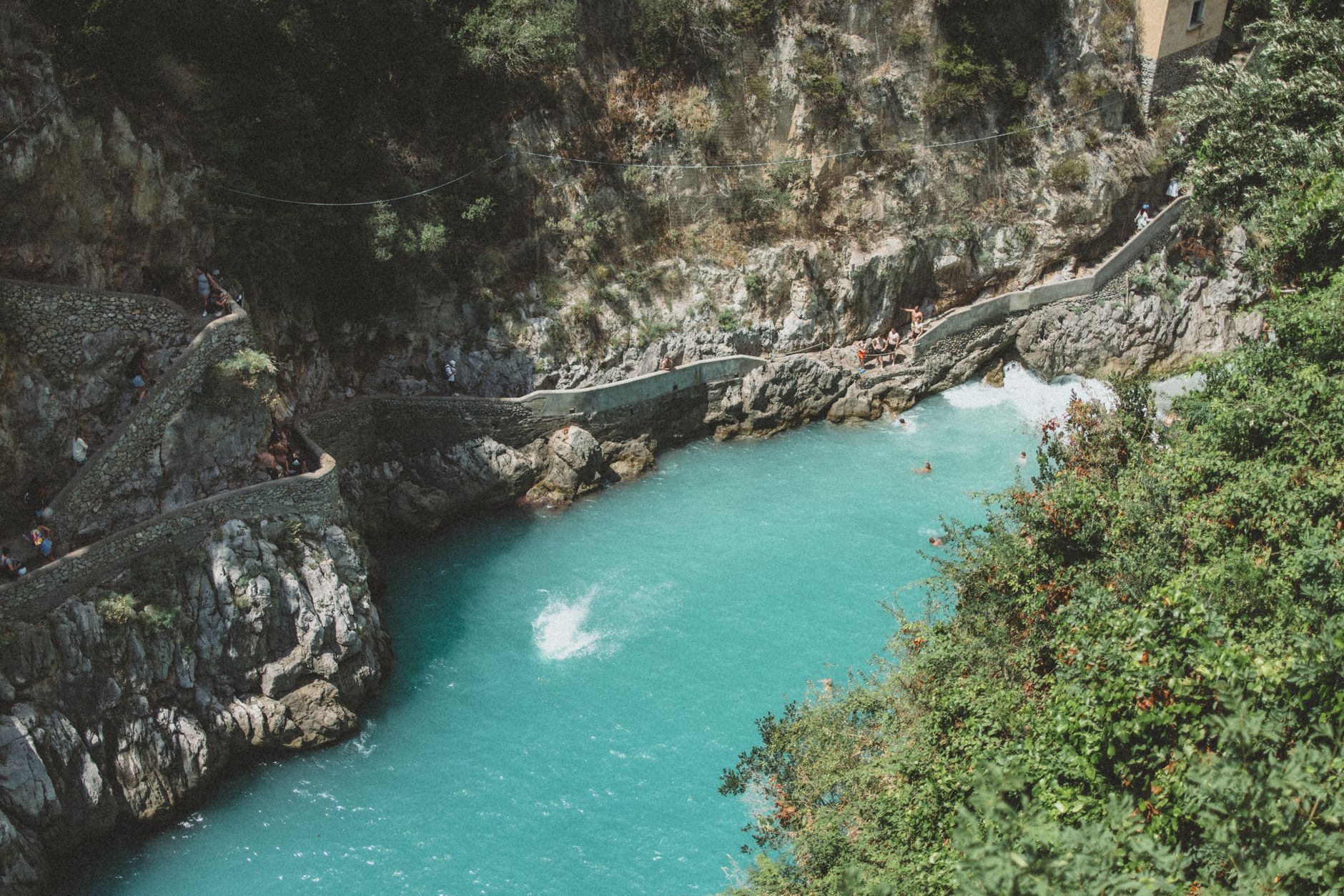
Nerano and Marina del Cantone sit past Positano, on the quieter Sorrento side of the peninsula, and they're worth the extra drive for two reasons. First is Lo Scoglio, a family-run restaurant on the water credited with popularizing the local pasta dish spaghetti alle zucchine; a meal here runs roughly EUR 60-90 per person and reservations matter, especially for lunch in July and August.
Second is Ieranto Bay, reached by a roughly 40-minute walk from Nerano through Punta Campanella nature reserve, ending at a secluded cove with some of the clearest water on the coast and none of the beach-club chaos. Bring water shoes; the entry into the bay is rocky, not sandy.
Three More Amalfi Coast Stops That Almost Made the Cut
Minori deserves a mention for Sal De Riso, the pastry shop responsible for popularizing the delicate lemon delight cake, sfogliatella-style pastries, and a genuinely great espresso stop right on the town's small seafront promenade. It's a five-minute ferry hop or a short drive from Amalfi, and worth the detour if you have a sweet tooth and half an hour to spare.
Cetara, a tiny fishing village on the coast's eastern edge toward Salerno, is where colatura di alici, a prized anchovy sauce with roots tracing back to ancient Roman garum, is still made in small family-run cellars. It's less photogenic than Positano but feels genuinely working, with fishing boats pulled up on the beach rather than day-trip catamarans.
Vietri sul Mare, right where the coastal road meets Salerno, is the ceramics capital of the region. Workshops here have produced the hand-painted majolica tiles you'll spot on church domes all along the coast for generations, and prices for a set of plates or bowls run well below what you'd pay for the same designs in Positano's boutiques.
The Amalfi Coast's single road, the SS163, is stunning and also genuinely one of the more stressful drives in Europe, especially between Positano and Amalfi in peak summer, when traffic can crawl for well over an hour on a route that takes 25 minutes with clear roads. A Cordelie advisor can arrange a private driver for transfers, pre-book skip-the-line entries at Villa Rufolo or the Duomo cloister, and secure hard-to-get lunch reservations at spots like Lo Scoglio that book out weeks ahead in July and August.
If you're weighing a base in Positano versus Praiano versus Ravello, or trying to fit Capri into a coastal itinerary without wasting a full day on transfers, that's exactly the kind of planning problem worth handing to someone who does this daily. Reach out through cordelie.com/contact and an advisor can start sketching a route before you've even picked hotels.
The One Thing to Do If You Only Have One Day: Positano
Positano earns the top spot because it delivers the full Amalfi Coast experience in miniature: the cliffside architecture, the beach culture, the boat access to everywhere else, and a nightlife scene that keeps piazzas full well past 22:00.
If your Amalfi Coast time is limited to a single day, spend it here. Arrive early by ferry from Sorrento or Salerno to avoid the worst of the road traffic, walk the town top to bottom via Via Positanesi d'America, swim at Spiaggia Grande by midafternoon, and stay through sunset when the town's own residents reclaim the streets from day-trippers.
Everything else on this list, from the Path of the Gods to Ravello's gardens, is reachable from a Positano base by bus, ferry, or a short drive, which makes it the most practical anchor point as well as the most photogenic one.
Last checked for accuracy: . How we check

Emma Blackwood has reviewed hotels for eighteen years and can tell within an hour of arrival whether a property means it. She writes about the difference between expensive and excellent, which is not the same thing, and about the handful of places that are both.
Related Articles
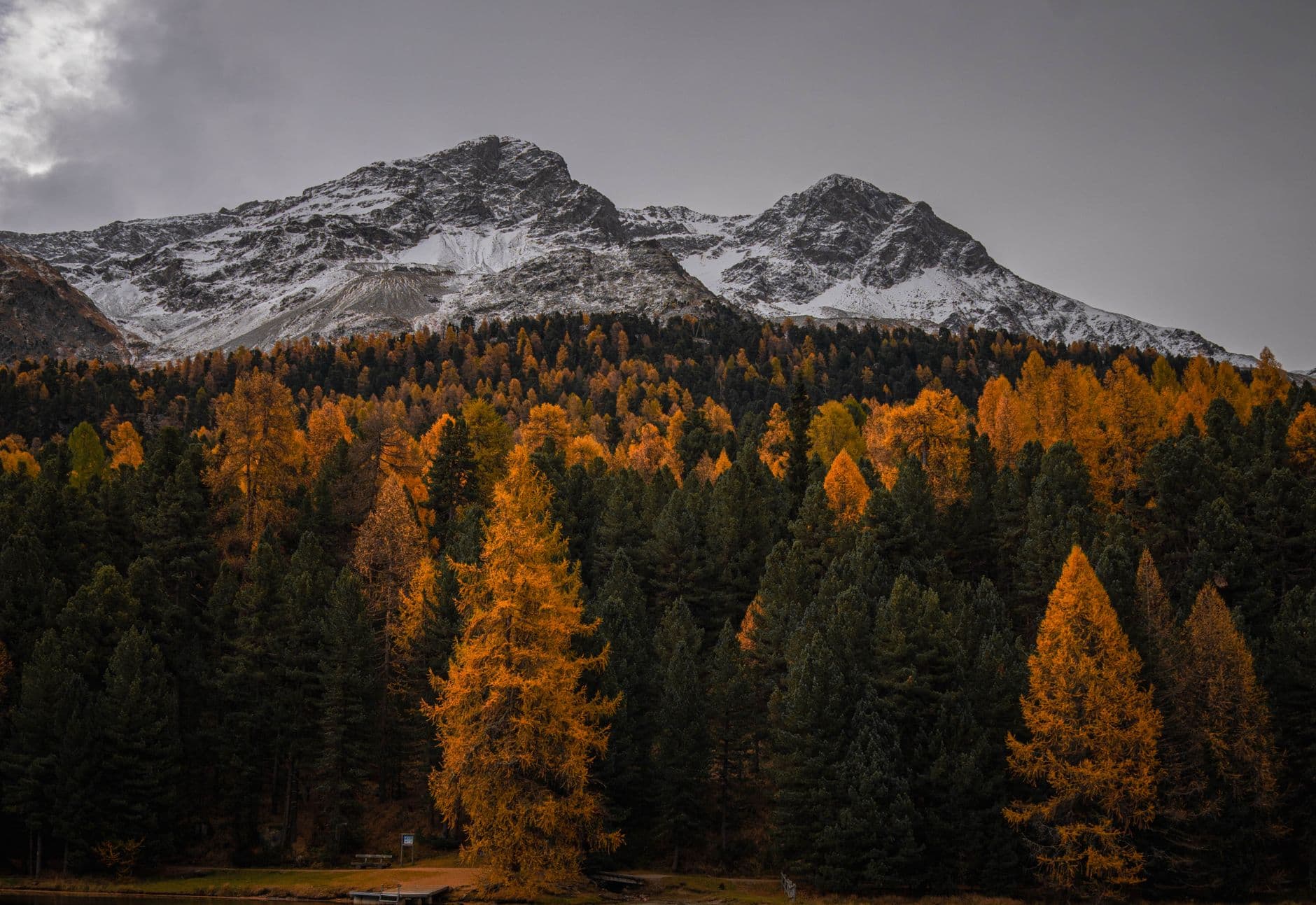
Why The Swiss Alps Rewards an Off-Season Visit
The Swiss Alps in September and October stand nearly empty. Trails quiet, prices halve, and snow dusts the highest peaks while larch forests turn gold—creating an entirely different alpine experience.
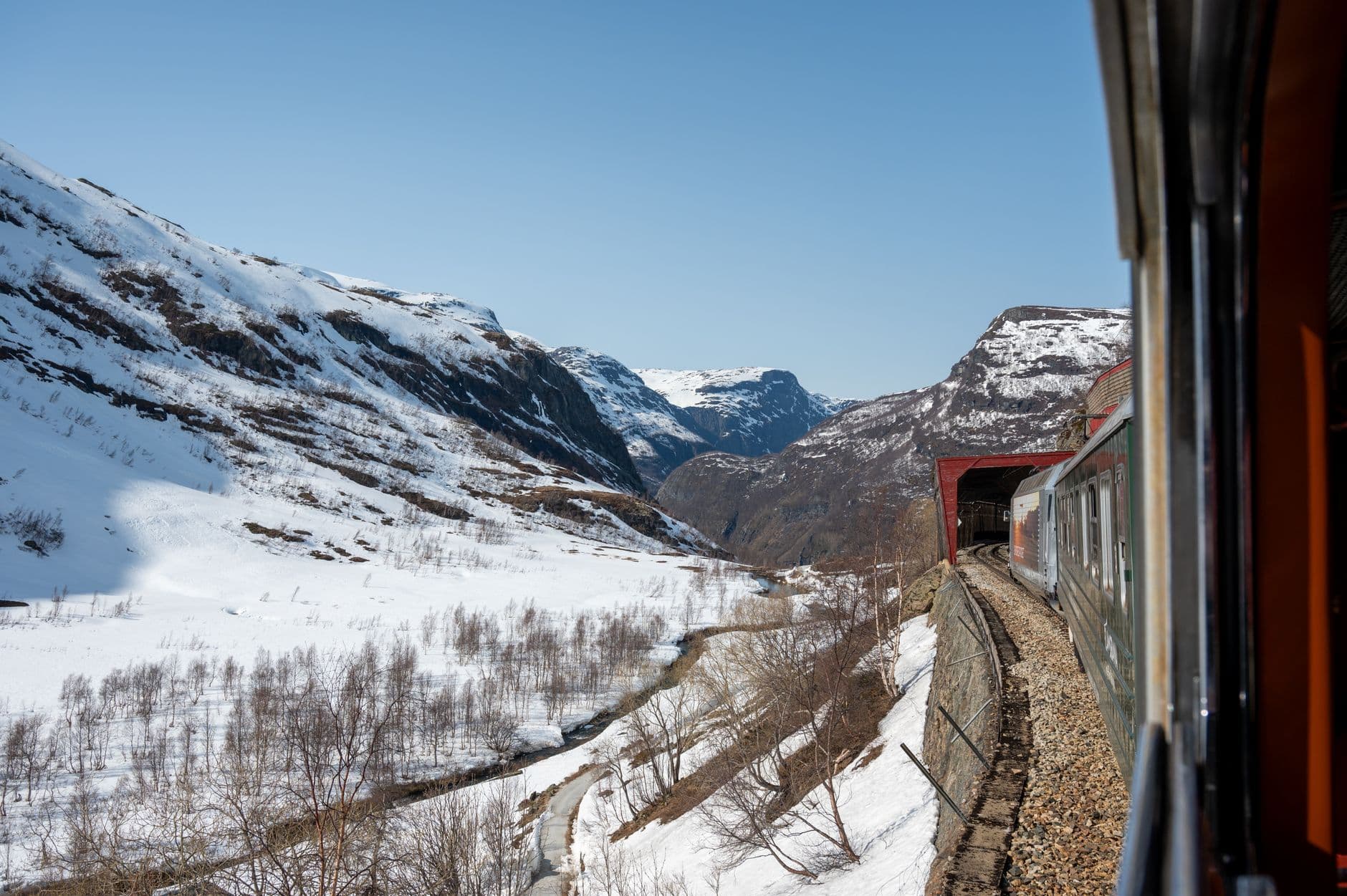
Essential Tips for Traveling in Norway
Norway rewards planners: book fjord trains early, pack for four seasons in a day, and pick your season for midnight sun or northern lights. Here's the essential prep guide.

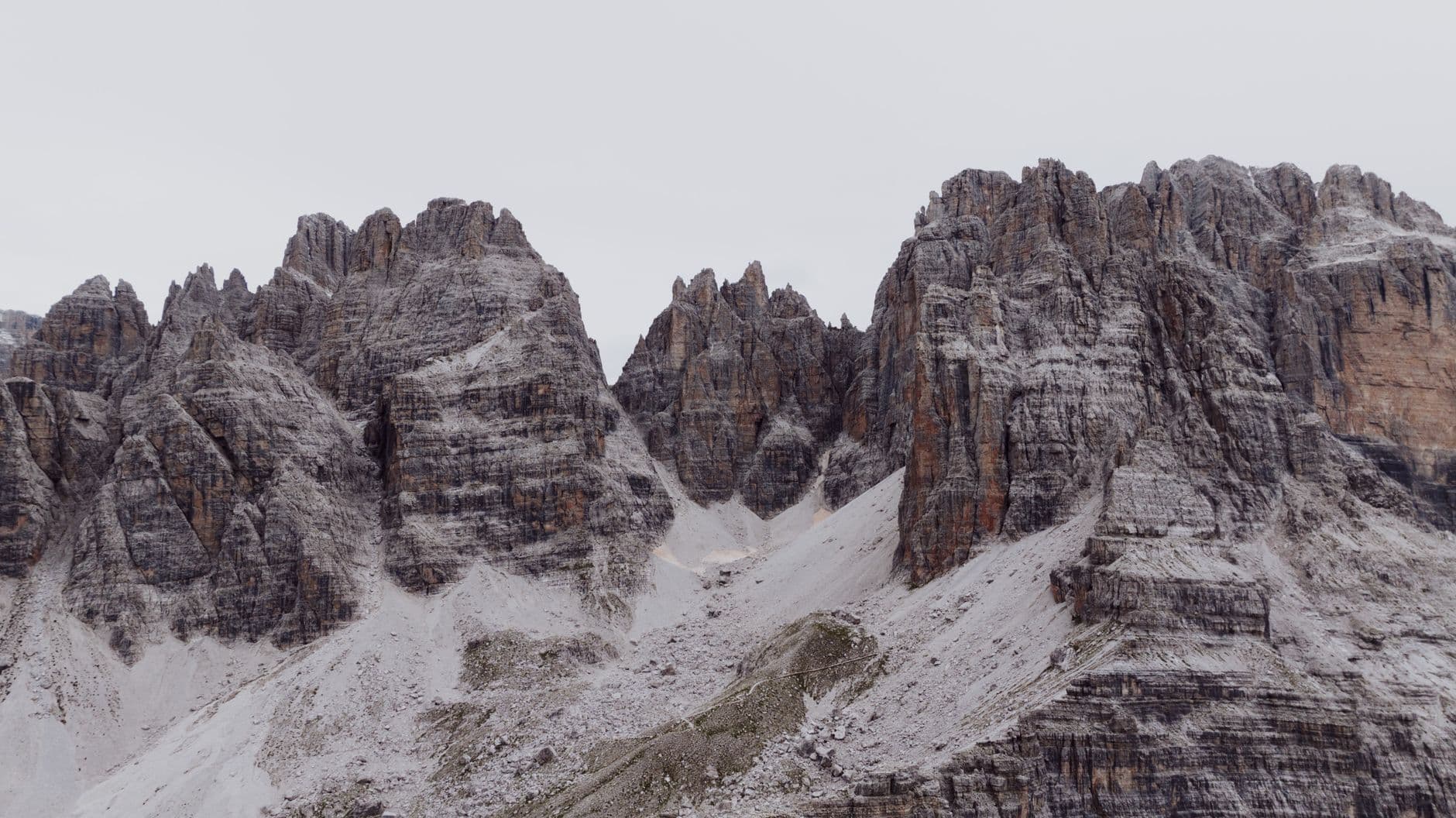
The Best Things to Do in The Dolomites
From a sunrise cable car ride out of Ortisei to a two-Michelin-star table in Alta Badia, here are the seven Dolomites experiences worth building an itinerary around.