
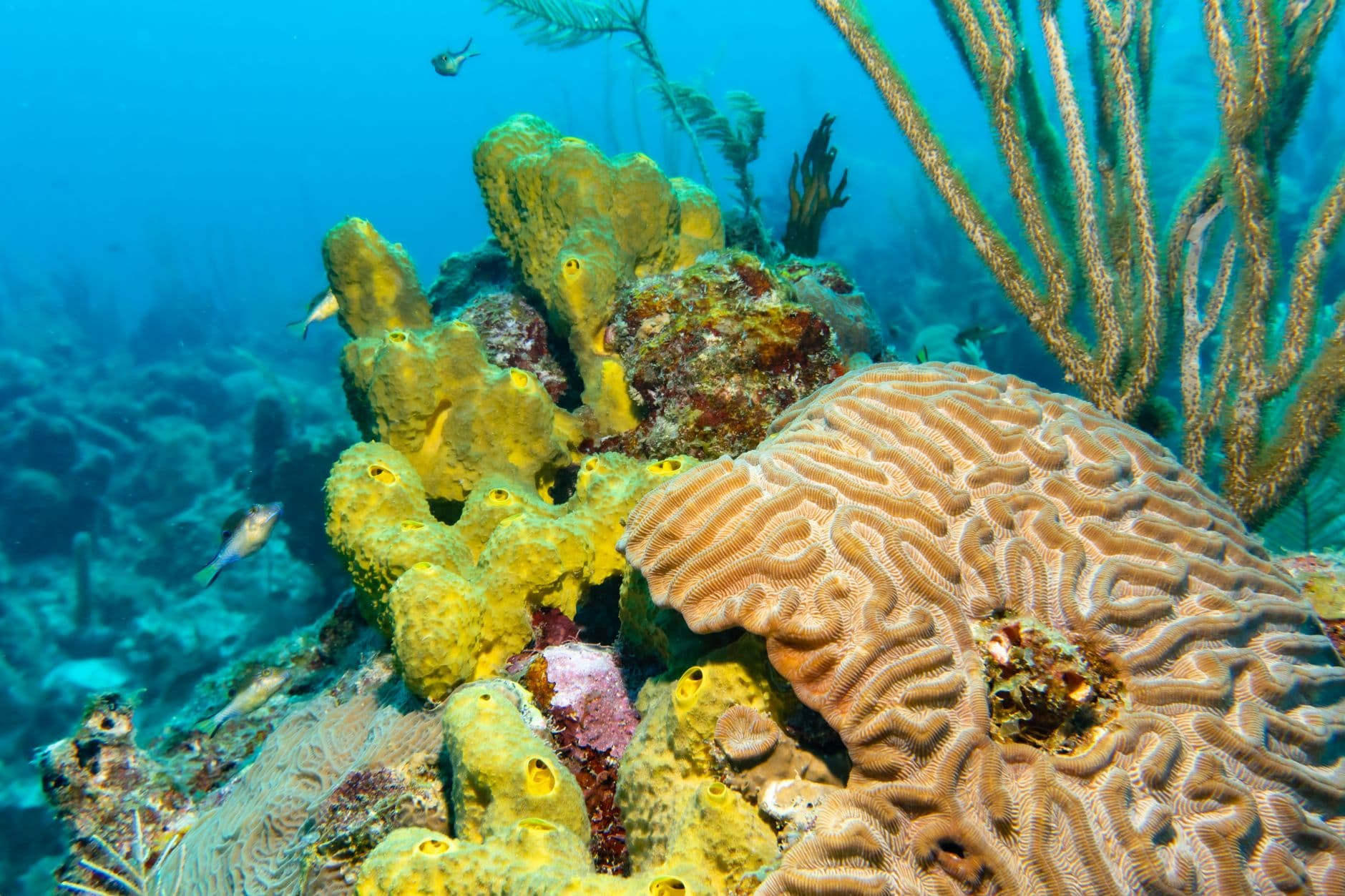
Scuba Diving in the Caribbean: Top 5 Sites for Every Level
Bonaire: The Shore-Diving Capital
Bonaire earned its reputation as the Caribbean's best shore-diving destination decades ago, and it continues to deliver. The entire coastline is a protected marine park, and over 80 marked dive sites are accessible directly from shore — no boat needed.
The house reef at most hotels offers immediate access to healthy coral gardens teeming with parrotfish, trumpetfish, and seahorses. Night diving is Bonaire's secret weapon — the reef comes alive after dark with octopuses hunting, basket stars unfurling, and bioluminescent plankton sparking in your wake.
For beginners, this is the ideal Caribbean dive destination. Calm conditions, shallow reefs, and easy shore access make learning to dive here stress-free. PADI Open Water certification courses run $400-500 and take 3-4 days.
Grand Cayman: The Walls and the Wrecks
Grand Cayman's underwater topography is dramatic — the island sits on the edge of a deep ocean trench, and the wall dives here plunge from 60 feet to over 6,000 feet of open blue water. Drifting along the wall at 100 feet with eagle rays soaring below is a premier Caribbean dive experience.
The Kittiwake, a decommissioned US Navy submarine rescue vessel, was sunk as an artificial reef in 2011 and is now the island's signature wreck dive. At 251 feet long, it's large enough for multiple penetration routes, and marine life has colonized every surface.
The famous Stingray City isn't technically a dive site — it's a shallow sandbar where wild southern stingrays gather. But it's an unmissable experience, accessible to snorkelers and divers alike, and a highlight for visitors of all skill levels.
Curaçao: Coral Diversity and Easy Access
Curaçao flies under the radar compared to Bonaire, but its diving is equally impressive. The island's reefs boast over 60 species of coral — among the highest diversity in the Caribbean — and the conditions are consistently calm with visibility exceeding 100 feet.
Mushroom Forest, a field of giant pillar corals that have eroded into mushroom shapes, is unlike any other Caribbean dive. Located at 40-80 feet with minimal current, it's accessible to intermediate divers and endlessly photogenic.
Turks and Caicos: The Wall Diving Frontier
Providenciales sits on the edge of a 7,000-foot wall that drops into the Turks Island Passage. The wall dives here are the Caribbean's most pristine — massive barrel sponges, black coral trees, and regular encounters with reef sharks, spotted eagle rays, and migrating humpback whales (January-March).
Grace Bay's calm, clear waters make it an excellent learning environment. Several dive operators offer try-dives and certification courses with small class sizes and patient instruction. Even seasoned divers appreciate the easy conditions between more challenging wall dives.
Practical Tips for Caribbean Diving
Caribbean water temperatures hover between 78-84°F year-round. A 3mm wetsuit is sufficient for most divers, though deeper wall dives at 100+ feet can feel cool after 40 minutes. Shorty wetsuits work fine for shallow reef dives.
Most Caribbean dive operators are PADI or SSI affiliated. Costs average $90-120 for a two-tank boat dive, $350-500 for Open Water certification, and $50-75 for single shore dives with tank rental. Multi-dive packages offer the best value.
Dive insurance through DAN (Divers Alert Network) is strongly recommended. Annual coverage costs $35-75 and covers hyperbaric chamber treatment, medical evacuation, and dive-related injuries. The nearest chamber may be on another island, making evacuation coverage essential.
Diving the Caribbean's best sites often means island-hopping between Bonaire, Grand Cayman, Curaçao, and Turks and Caicos—each with different operators, certification requirements, tank availability, and dive insurance rules that vary by location. A Cordelie Travel advisor can sequence your sites for optimal conditions, pre-arrange tank fills and DAN coverage across islands, and handle the logistics so you arrive ready to dive.
Last checked for accuracy: . How we check

Marcus Rivera has spent fifteen years writing about places you have to walk into. He has guided in Patagonia, reported from Kilimanjaro's quieter routes, and has strong opinions about which of them are worth the airfare. He is based in Boulder, mostly so he can leave it.
Related Articles
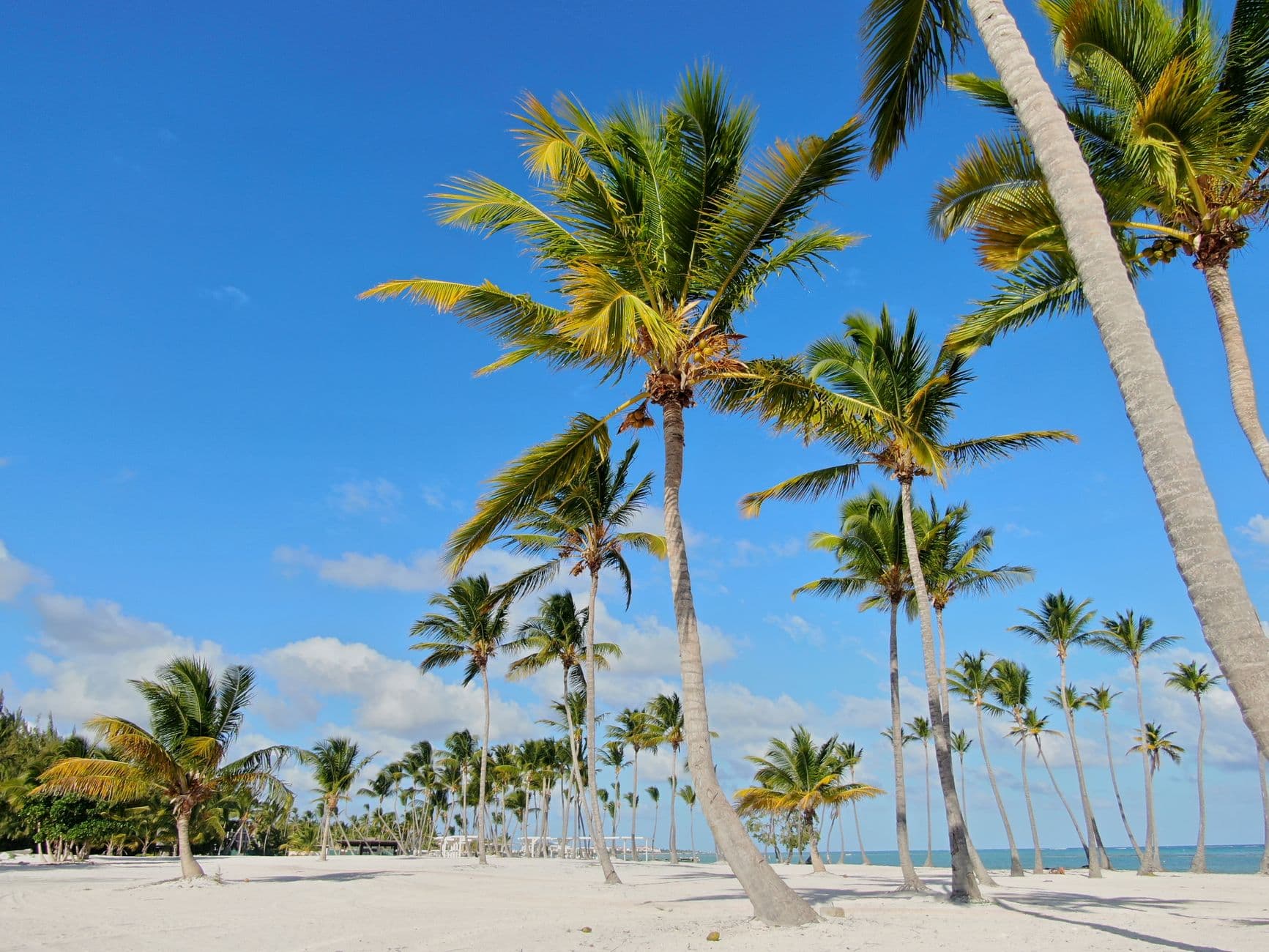
Winter Escapes: 5 Warm Destinations to Beat the Cold
Escape winter's grip with our top 5 Caribbean destinations offering perfect 80°F weather, luxury resorts, and unique seasonal experiences from sea turtle nesting to whale watching.

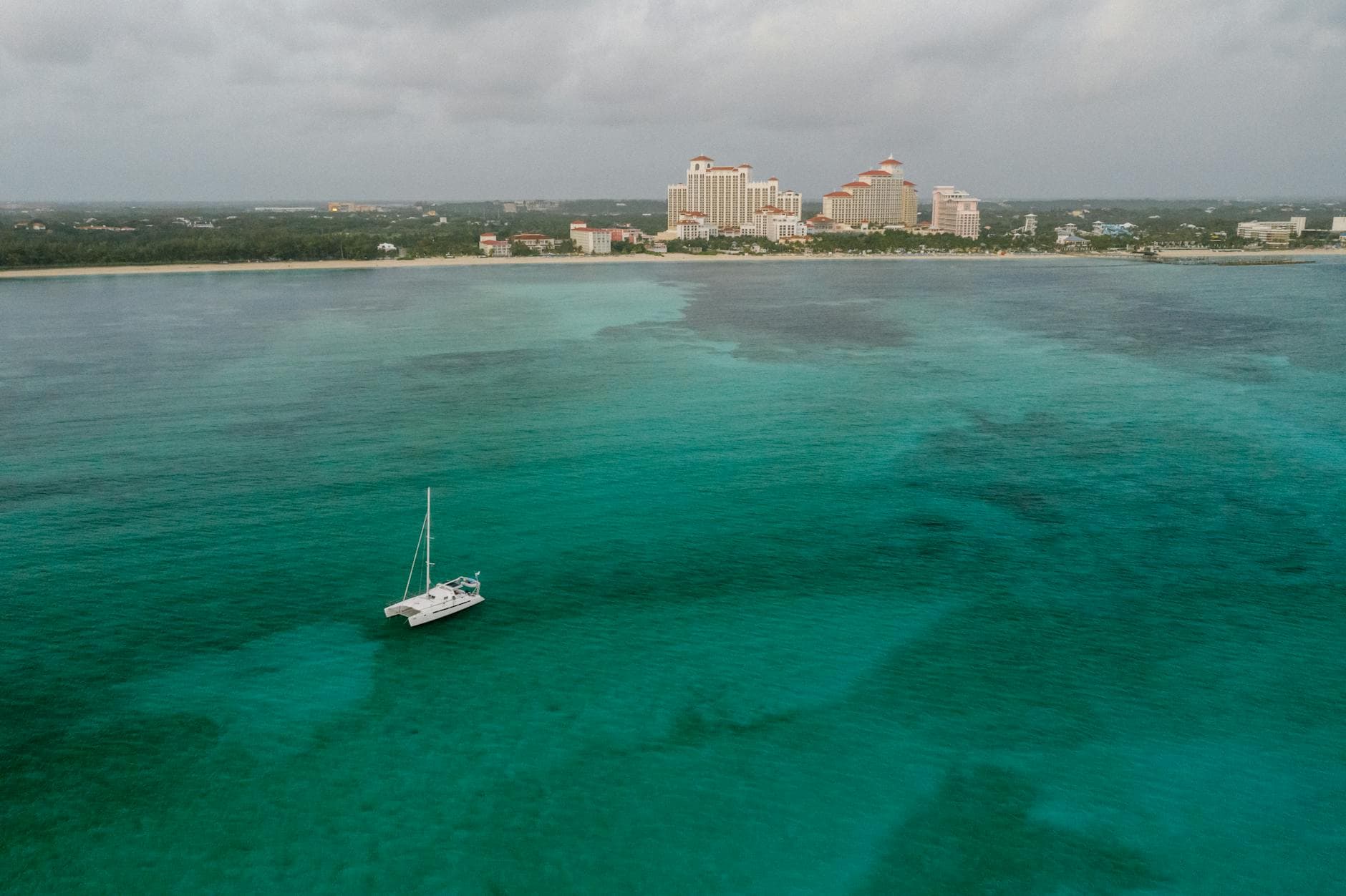
Caribbean Island-Hopping: Your Complete Planning Guide
Planning a multi-island Caribbean adventure? Here's everything you need to know about routes, ferries, flights, and which islands to combine.