
Maldives Quick Guide: Everything You Need to Know

Key Facts
World-Class Diving & Luxury Island Retreats
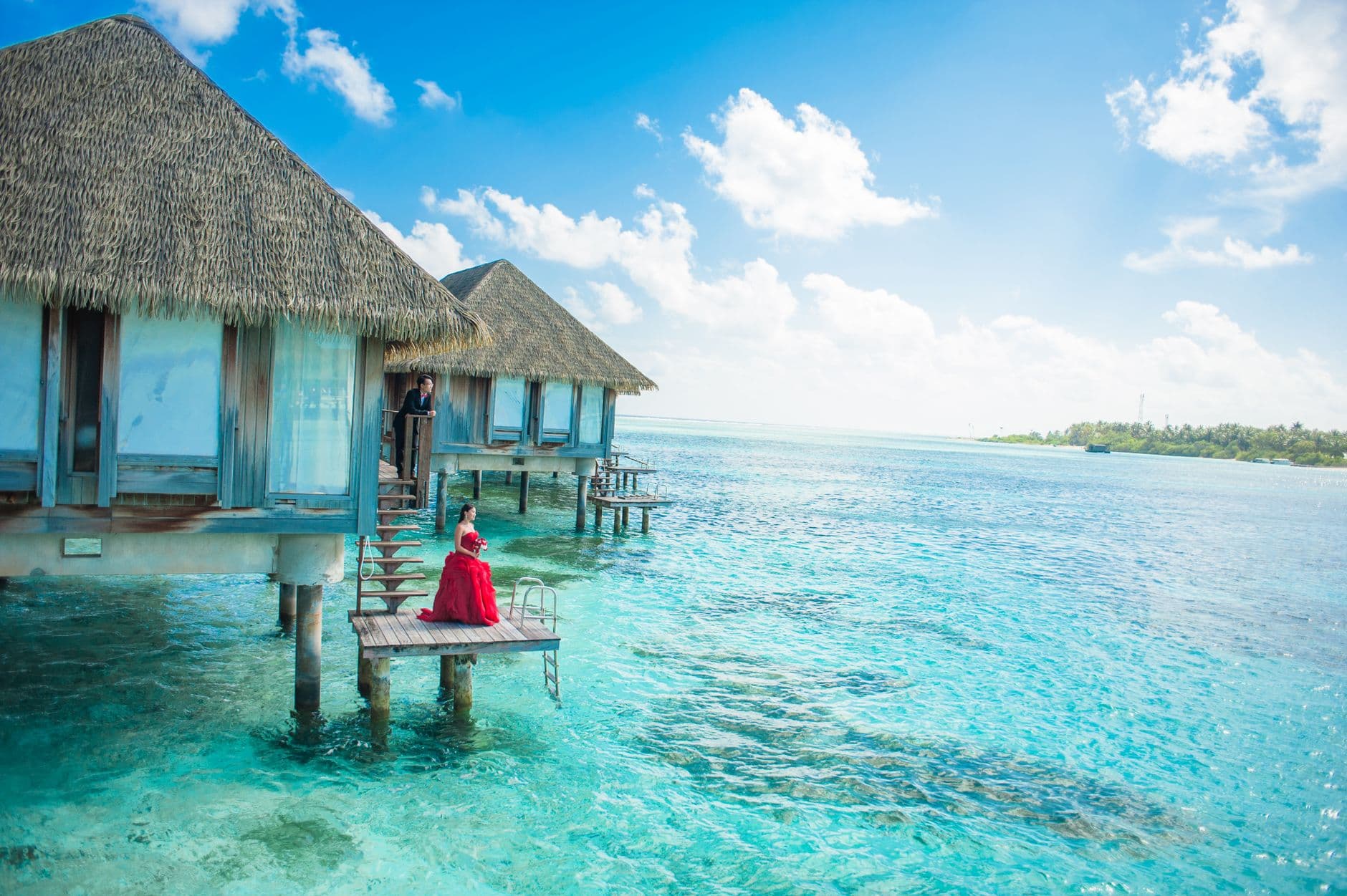
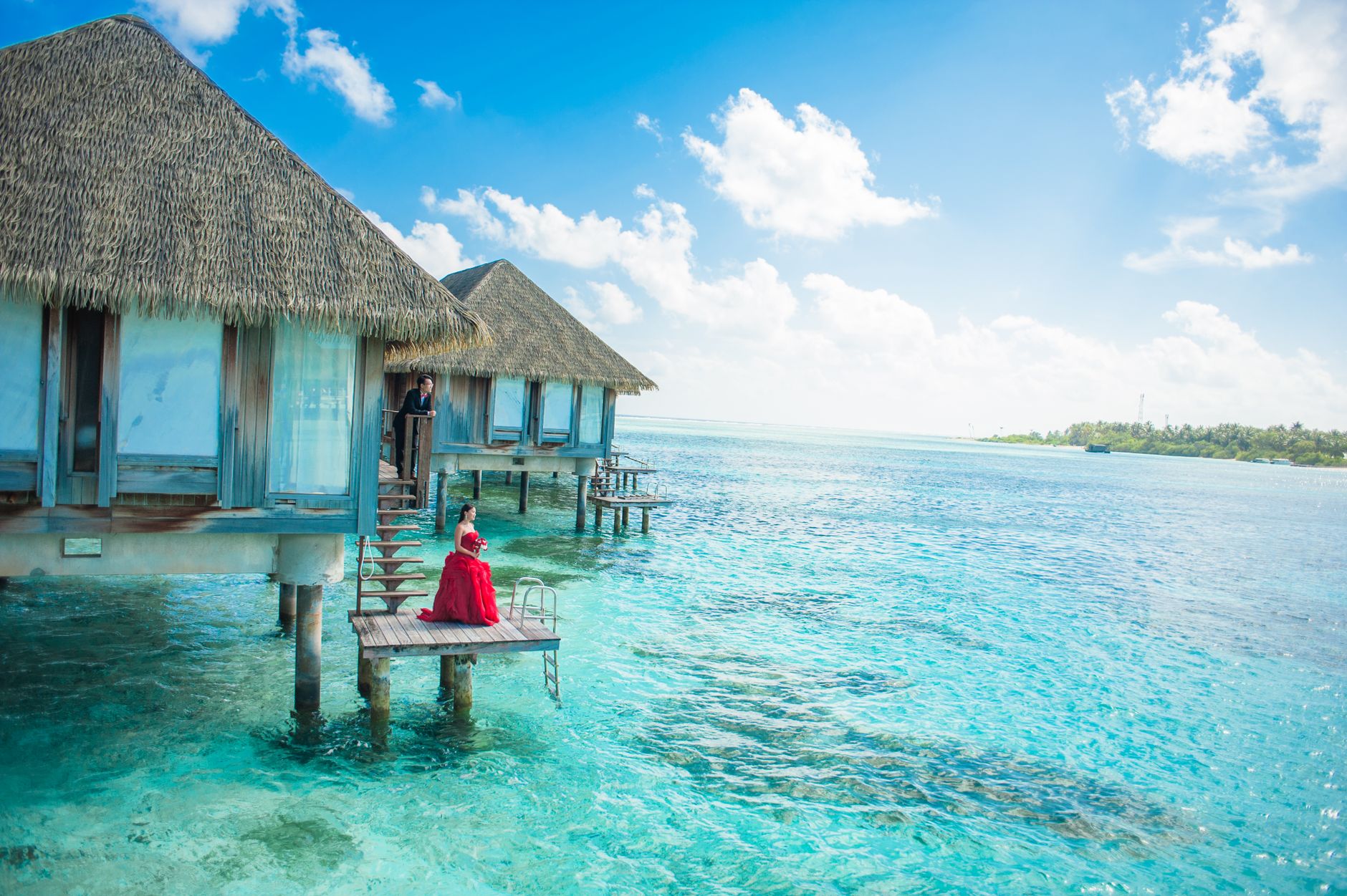
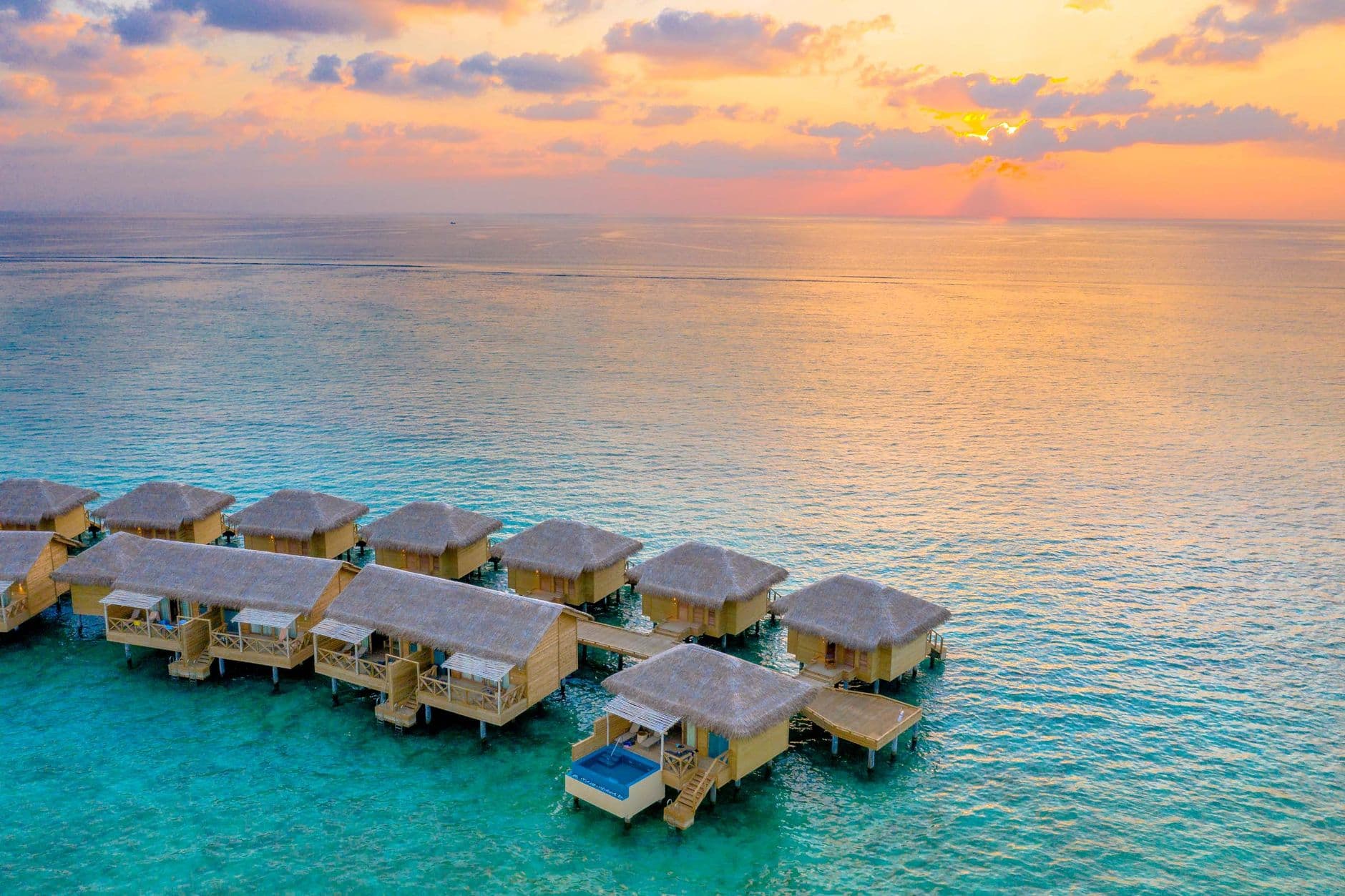
The Maldives punches far above its weight as one of Earth's most electrifying tropical destinations. This archipelago of 1,190 coral islands scattered across the Indian Ocean delivers pure adrenaline for divers, snorkelers, and water sports enthusiasts. With 26 atolls and countless unnamed reefs teeming with manta rays, whale sharks, and over 1,000 species of tropical fish, the Maldives transforms every ocean descent into an otherworldly adventure. On land, overwater bungalows perched above crystalline lagoons offer unmatched luxury, while the energetic capital of Malé provides cultural depth and street food thrills that contrast beautifully with the serene island experience.
Getting There, Best Time to Visit & Costs
The Maldives operates as an archipelago where each atoll functions as a semi-independent travel zone. Most international visitors fly into Velana International Airport in Malé, then transfer via speedboat (30 minutes to 2 hours) or seaplane (15 minutes to 1 hour) to their resort atoll. November through March is peak season—expect balmy 80–86°F temperatures, calm seas, and visibility exceeding 100 feet for diving. September to May stretches the diving season thanks to seasonal wind patterns that shift nutrient-rich water, attracting larger pelagic species.
The Maldives is relatively expensive: mid-range resort rooms run $200–$400 per night, while luxury properties exceed $600. However, budget travelers can experience the islands via guesthouses on inhabited atolls like Rasdhoo or Thoddoo for $50–$150 nightly. All-inclusive resort packages often deliver better value than booking components separately. Alcohol is prohibited in Islamic areas but freely available in resorts. The local currency is the Maldivian Rufiyaa, but resorts and most tourism businesses accept USD directly. No visas are required for most nationalities; a 30-day tourist permit is issued on arrival free of charge.
Getting around demands water-based transport. Speedboats connect resort atolls to Malé and provide day-trip island hops. Seaplane transfers cost $300–$600 per person each way but slash travel time dramatically—a thrilling 15-minute flight replaces a 90-minute speedboat journey. Renting a speedboat with a captain and guide runs $500–$1,200 daily and unlocks flexibility for multiple dive sites, uninhabited island picnics, and reef exploration. Within resort properties, kayaks, snorkels, and paddleboards typically provide unlimited complimentary access.
The Maldives consists of 1,190 islands spread across 26 atolls spanning 54,000 square miles of ocean. Fewer than 200 islands are inhabited; most resorts occupy their own private atolls. The highest natural point is just 7.5 feet above sea level, making the Maldives the world's lowest-lying country—a reality that underscores the urgency of experiencing this fragile ecosystem now.
Essential Packing & Planning Advice
Book your seaplane transfer when reserving your resort—it's expensive but absolutely worth the cost and creates a stunning aerial introduction to the archipelago. Pack reef-safe sunscreen exclusively; the Maldives banned oxybenzone and octinoxate to protect coral. Bring a high-quality underwater camera (GoPro or mirrorless with housing); the photogenic encounters with manta rays and reef sharks demand documentation. Plan at least two full days of diving to justify the travel time and cost; a single day leaves you wanting more. Visit Malé for one day to experience the bustling bazaars of the Chaandhanee Magu market, taste street fish curry, and tour the stunning Islamic Center Mosque before retreating to island tranquility. Fall (September–November) offers fewer crowds and slightly lower prices than winter peak season, though September–October remain rainy months—December through February is genuinely perfect.
Hire a local diving guide through your resort; knowledge of seasonal current patterns, seasonal fish behavior, and secret shallow-water snorkel spots transforms casual swimming into masterclass ocean education. Respectfully observe marine life—never touch coral, chase turtles, or provoke sharks. Download offline maps before arrival; cell service in remote atolls is unreliable. Bring cash (USD or Rufiyaa) for tips, small island excursions, and local shops; credit cards work at resorts but fail elsewhere. Schedule sunset fishing trips (sunset dolphin cruises particularly) as a meditative counterpoint to high-intensity diving; the sight of spinner dolphins leaping against a burning orange sky ranks among nature's transcendent moments. Arrive with realistic expectations about your diving certification level—advanced open water certification opens access to deeper pinnacles and drift dives, while basic certification restricts you to shallow house reefs and guided shallower sites.
The Maldives demands strategic resort selection—choosing the wrong atoll kills your experience. Some atolls offer superior house reef diving (Baa Atoll, North Male Atoll) while others excel at pelagic encounters (Ari Atoll). A Cordelie Travel advisor intimately understands each atoll's strengths, seasonal conditions, and which resorts match your diving level and budget. They'll negotiate package deals, arrange custom guiding, and ensure your transfer logistics flow seamlessly—turning complex logistics into a frictionless adventure.
Last checked for accuracy: . How we check

Alex Moreau writes about going slowly. Nine years of reporting from trains, river boats and towns nobody has a hashtag for, mostly across Europe and North Africa. They live in Lisbon, keep a running list of the continent's best two-hour lunches, and believe most itineraries would improve if you deleted a city.
Related Articles
The Best Things to Do in the Maldives
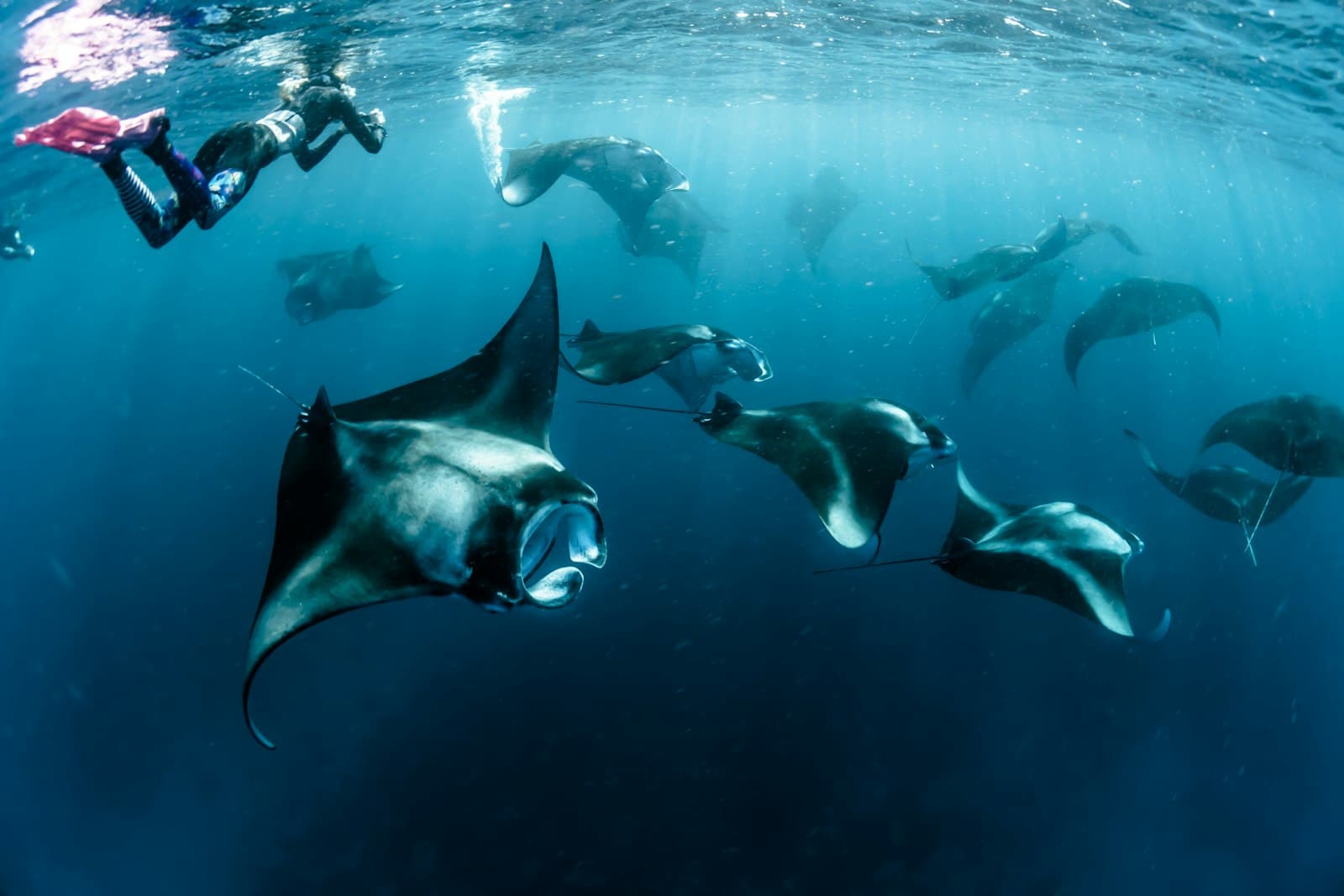
Manta rays, an underwater restaurant, glowing plankton beaches, and the local island most tourists never see — ranked for a spring trip to the Maldives.

My Spring in the Maldives: A Travel Story
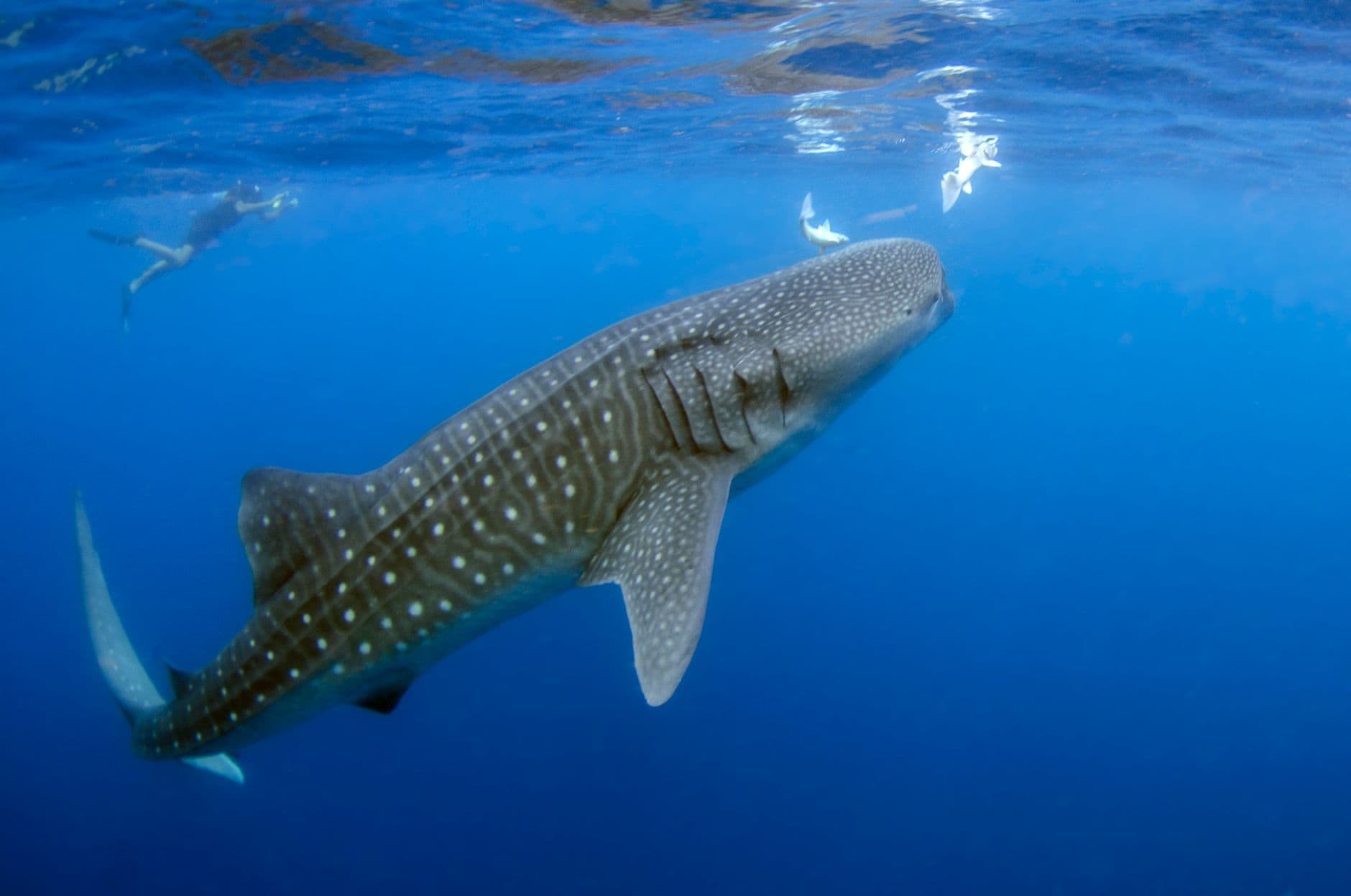
Five days across a Maldives local island and an Ari Atoll resort: whale sharks, drift dives, sandbank picnics, and the food that fueled all of it.

Best Maldives Travel Deals This Winter
Soneva Jani's 20% winter discount cuts villa rates to $3,200–$4,100/night, with $300–$400 spa credit and daily breakfast included through January.