
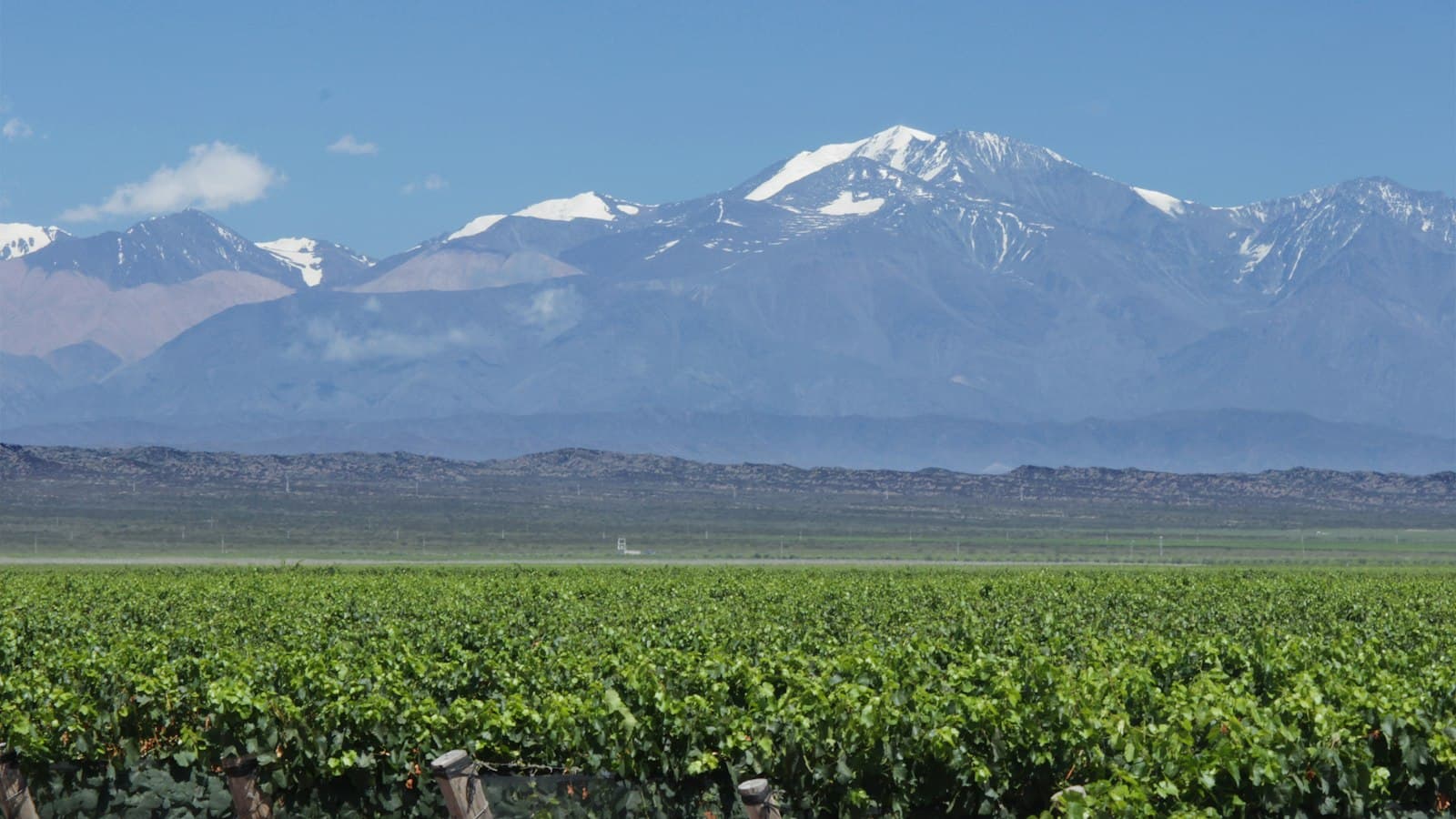
Harvest Season in Mendoza: When to Chase Malbec Through the Andes


Mendoza's Harvest Season: When Malbec Ripens and the Valley Comes Alive
February arrives in Mendoza with a particular electricity in the air. The summer heat that has baked the vineyards for months begins to soften, and the grapes—deep purple and heavy on their vines—reach the precise moment of ripeness that winemakers have been calculating since budbreak. This is vendimia, the harvest, and it transforms the province from a place you visit into a place you experience as part of something larger than yourself.
The harvest season runs from late February through mid-April, though the bulk of activity clusters between mid-March and early April. This is when Mendoza's wine country reveals itself not as a tourist attraction but as a working landscape. You will see crews moving through the rows at dawn. You will smell fermentation rising from the bodegas. You will eat asado with vignerons who have been awake since before sunrise. The Vendimia Festival, held in early March in Mendoza city, anchors the season with parades and celebrations, but the real harvest—the one that matters—happens in the rows and the tanks, away from the crowds.
The Three Valleys: Where to Base Yourself During Harvest
Luján de Cuyo: The Heart of Malbec Country
Home to Mendoza's oldest and most prestigious boutique producers

Luján de Cuyo sits just south of Mendoza city and holds the distinction of being where Mendoza's wine reputation was first established. The district splits into two parts: the flatter Agrelo area closer to the city, and the high-altitude Perdriel section that climbs toward the Andes. During harvest, Luján de Cuyo feels like the center of something ancient and important.
Stay in the small towns of Perdriel or Agrelo rather than the city. Perdriel, at roughly 950 meters elevation, offers proximity to producers like Catena Zapata and Achaval Ferrer—both of whom open their harvest operations to visitors who book in advance. You will see the destemming, the sorting tables, the fruit being handled with the care a surgeon might give to tissue. These are not public tours; they are working visits, and they require time and a booking made through your advisor or directly weeks ahead.
The rhythm of a day in Luján de Cuyo during harvest: visit a bodega from 09:00 to 11:00 while the first pressing is underway; take lunch at a local parrilla like El Tonel de Jorge in Agrelo, where the owner often serves asado paired with his own wines, around 13:00 to 14:30; rest during the afternoon heat; visit a second bodega from 17:00 to 19:00 as the day's fruit is being processed. Expect to spend 1.5 to 2 hours per bodega visit.
Accommodation in the Agrelo or Perdriel areas runs between USD 150-300 per night for small hotels and posadas with character. Boutique stays like Finca Adalberto or similar family-run properties connect you directly to the land and the people who work it.
Valle de Uco: High-Altitude Terroir and Emerging Excellence
Tupungato and San Carlos offer Malbec with mineral intensity and altitude drama

Two hours south of Mendoza city, the Valle de Uco—encompassing Tupungato and San Carlos—represents a younger, more experimental chapter of Mendoza wine. Vineyards here sit between 1,000 and 1,500 meters elevation, making them among the highest in Argentina. The altitude brings a distinctive mineral quality to Malbec, with higher acidity and a tensile elegance that contrasts with the riper, deeper fruit of lower-altitude zones.
During harvest, Valle de Uco becomes a destination for travelers seeking a quieter, more immersive experience. The producers here—names like Domaines Bousquet, Salentein, and smaller operations like Terrazas de Los Andes—are less frequented than those in Luján de Cuyo, which means you are more likely to find genuine engagement rather than a scripted tasting.
The drive from Mendoza city to Tupungato takes 90 minutes to two hours, depending on which bodega you are visiting. Many visitors base themselves in the small town of Tupungato itself, which has grown quieter and more refined in recent years. The town offers a few excellent small hotels like Posada Salentein, and from there, you can reach multiple bodegas within 15-30 minutes by car.
Harvest timing in Valle de Uco typically occurs one to two weeks later than in lower-altitude Luján de Cuyo, as the grapes need the extra time to achieve ripeness at elevation. This staggered calendar means that if you spend four to five days in the region, you are likely to catch active harvest at multiple properties.
Accommodation in Tupungato ranges from USD 120-250 per night. The smaller hotels and estancias (ranch stays) often arrange harvest experiences as part of their offering, making them valuable partners if you book directly or through an advisor.
Maipú and Godoy Cruz: Historic Grounds and Working Cellars
Closer to the city but less polished—where serious wine producers have stood for generations

Maipú and Godoy Cruz, the zones immediately north and west of Mendoza city, occupy the historical heart of the region's wine production. These are not the climbing, theatrical landscapes of the high valleys. They are flatter, drier, hotter—the zones where some of the oldest Malbec vines in Argentina still grow.
What makes these districts compelling during harvest is that they feel less touristed and more functional. The bodegas here often serve local and national markets more than the export premium crowd, which means you are likely to encounter genuine working harvest conditions rather than carefully choreographed harvest experiences.
Producers like Bodega Suter in Maipú have been operating since the late 1800s. A visit during harvest might involve meeting an enologist elbow-deep in tasting tanks, adjusting fermentation protocols in real time, rather than following a professional guide through a curated route. This is the trade-off: less comfort, more authenticity.
Maipú and Godoy Cruz are a 15-30 minute drive from Mendoza city, making them accessible for day trips or as part of a longer stay with the city as a base. If you choose to stay in Mendoza city proper, you are closer to restaurants and services, but further from the rhythm of the harvest. Many travelers split their time: three nights in Luján de Cuyo or Valle de Uco, then two nights in the city for Vendimia Festival events and urban dining.
Cordelie travel advisors
Planning Mendoza? Go with someone who knows
The right suite, the right season, the reservations that never appear online — your Cordelie advisor knows them, and holds them for you.
Plan with a Cordelie advisorFree to ask. Cordelie Travel Services · IATA/ARC 06649064
Harvest Experiences Worth Planning Around
The Vendimia Festival, held in early March in Mendoza city, is the province's marquee harvest celebration. It runs for nine days and includes parades, music performances, and a coronation ceremony for the Vendimia Queen. The central parade down Avenida San Martín draws crowds, and evening performances in the Plaza Independencia showcase music and dance. It is unabashedly touristic, but it is also the moment when Mendoza officially marks the season.
More valuable than the festival, though, are the experiences that an advisor can arrange: private harvest visits to bodegas that do not normally receive tourists. Catena Zapata in Perdriel offers pre-arranged harvest visits where you can spend two to three hours observing destemming, sorting, and the early stages of fermentation. The experience typically runs 09:00 to 12:00, costs between USD 60-90 per person (early 2025), and includes a light breakfast and a tasting of the previous vintage afterward. You must book this through the bodega or your advisor at least three weeks before your arrival.
Asado—Argentine grilled meat—takes on particular importance during harvest season. Vignerons often invite visitors and workers to communal asado lunches, especially on weekends. These are not commercial experiences; they happen because someone knows someone. This is where an advisor earns their value. They can arrange access to asado experiences at small producer properties, where you eat beside the vineyard and meet the people who work there year-round. A private asado for four to six people at a bodega runs USD 30-50 per person and includes wine, beef, offal, salads, and several hours of conversation. The timing matters: most asados happen between 13:00 and 16:00.
High-altitude vineyard tours offer a distinct seasonal draw. During harvest, you can visit vineyards at 1,200 to 1,500 meters and observe how altitude shapes the harvest timing and fruit handling. These tours typically run from 14:00 to 17:00 (when the heat moderates slightly) and combine walking through the vineyards, observing harvest crews at work, and tasting directly from tanks in the cellar. Tours cost roughly USD 45-80 per person and require booking one to two weeks in advance. The physical demands are moderate—the terrain is uneven, and the altitude may affect some visitors—but the perspective is irreplaceable.
The Harvest at Work

Harvest season in Mendoza moves quickly and depends on weather, fruit ripeness, and cellar capacity. Booking a harvest experience requires forethought and flexibility. A Cordelie advisor understands the seasonal rhythms here—which bodegas are open to harvest visitors, which weeks offer the richest activity, how to sequence your time between active vineyard work and the cultural events like Vendimia. They can reserve your spot at a boutique bodega two months in advance, arrange private asado experiences, and time your visit to catch the peak of fermentation activity rather than arriving to find tanks already closed. The difference between a self-planned trip and an advisored one is the difference between watching harvest through a fence and standing in the fermentation room with a winemaker explaining what is happening in real time.
Eating and Drinking Through the Season
During harvest, Mendoza eats simply and well. The restaurants that matter are the ones that serve the vignerons and harvest workers—the parrillas, the unpretentious spots where quality is assumed.
In Agrelo, El Tonel de Jorge serves the best asado in Luján de Cuyo. The owner sources meat from a single supplier and grills it over wood and coals. A full asado for two—beef ribs, steak, organ meat, chimichurri, salads—runs USD 35-45 and includes a bottle of house wine. The restaurant closes on Mondays and Tuesdays and does not take reservations, so arrive early on Thursday through Sunday, before 13:30.
In Perdriel, Restaurante Viñas has less fanfare but consistent quality. The cazuela (a slow-braised beef stew) pairs precisely with the Malbecs on the list, which lean toward smaller producers. Main courses run USD 18-28. This is where you sit at lunch and watch the lunch crowd thin as people return to their vineyards.
In Tupungato, Los Pioneros Grill serves the same elemental cooking—wood-fired meat, fresh vegetables, local wine—at slightly lower prices than Luján de Cuyo. A good dinner for two costs USD 35-50. The town itself has fewer restaurants, which means your options are concentrated, which also means reservations matter. Ask your hotel to book a day ahead.
The wine list question during harvest is straightforward: drink the young wine. The 2024 vintage is in fermentation; the 2023 is being bottled and aged. You will encounter both at reasonable prices. A glass of 2023 Malbec from a small producer runs USD 6-10 at restaurants. A bottle of the same vintage costs USD 20-35. The wine is not meant to be intellectualized. It is meant to be drunk alongside asado, al fresco, in the light that comes off the Andes at 17:00.
The Practical Details: When to Come, How to Move, What to Pack
Mendoza harvest season runs from late February through mid-April, but the intensity peaks between mid-March and early April. If you are visiting specifically for harvest, aim for that window. Vendimia Festival occurs in early March; most harvest activity is concentrated in March and April.
Flying to Mendoza: Most international travelers arrive via Buenos Aires and take a connecting flight. Aerolíneas Argentinas and other carriers operate Buenos Aires to Mendoza several times daily; the flight takes approximately two hours. From Mendoza airport, a rental car is essential if you plan to visit multiple bodegas. Taxis and ride-shares exist but are expensive for multiple daily trips to vineyards. Rent a car for USD 40-70 per day (early 2025) and factor in fuel costs of roughly USD 1.50 per liter.
Distances: Mendoza city to Luján de Cuyo is 30-40 kilometers (30-45 minutes by car). Mendoza city to Tupungato in Valle de Uco is roughly 110 kilometers (90 minutes to two hours). Within Luján de Cuyo, most bodegas cluster within 20-30 kilometers of each other.
Timing: Bodegas are most active in the morning (08:00-12:00) when fruit is being delivered and processing begins. Many close between 12:00 and 17:00 for lunch and rest. Evening visits (17:00-19:00) are possible at some producers but require advance arrangement. The Vendimia Festival runs day and evening events; most parades and public events occur in Mendoza city, not in the wine regions.
What to pack: Harvest season (February-April) in Mendoza is late summer to early autumn. Days are warm (25-28°C or 77-82°F), but altitude and evening cooling can bring temperatures down 10 degrees or more. Bring layers—a light jacket or sweater for evening. Wear sturdy, closed-toe shoes; you will be walking through vineyards and cellars with uneven floors. Sunscreen and a hat are essential; the sun at altitude is intense. Bring a refillable water bottle; hydration matters during the day.
Accommodation booking: Reserve hotels in Luján de Cuyo, Perdriel, or Tupungato at least six weeks ahead if you are traveling in mid-March through early April. The Vendimia Festival draws tourists, and the harvest itself attracts food-and-wine travelers. Availability tightens significantly in February for March travel.
Harvest Season in Mendoza: The Essential Guide
February through April transforms Mendoza from a wine destination into a working landscape. If you want to understand Malbec and the effort behind it, arrive during harvest.
Best time to visit: Mid-March through early April for peak harvest intensity. Vendimia Festival occurs in early March if you prefer cultural events alongside harvest.
Where to base yourself: Luján de Cuyo (Perdriel or Agrelo) for proximity to prestigious bodegas and high-altitude terroir; Valle de Uco (Tupungato) for cooler, more experimental production and fewer crowds; Mendoza city for access to restaurants and cultural events but less connection to the working harvest.
Must-do experiences: Private harvest visits (book 3-4 weeks in advance), asado lunch at a bodega property, high-altitude vineyard tour (1,200+ meters), Vendimia Festival if timing allows.
Approximate costs: USD 150-300 per night for accommodation, USD 60-90 for a bodega harvest visit, USD 30-50 per person for private asado, USD 45-80 for a high-altitude tour. Meals at casual parrillas: USD 15-30 per person.
How to move: Rent a car (USD 40-70 per day). Distances range from 30 minutes (Mendoza city to Luján de Cuyo) to two hours (Mendoza city to Tupungato).
Book through a Cordelie advisor for: Confirmed access to harvest experiences at bodegas that do not advertise publicly, private asado arrangements, timing coordination to catch peak fermentation activity, and logistics planning across multiple wine regions.
Last checked for accuracy: . How we check

Alex Moreau writes about going slowly. Nine years of reporting from trains, river boats and towns nobody has a hashtag for, mostly across Europe and North Africa. They live in Lisbon, keep a running list of the continent's best two-hour lunches, and believe most itineraries would improve if you deleted a city.