
Essential Tips for Traveling to the Amalfi Coast

Why a Winter Trip to the Amalfi Coast Runs on a Different Clock
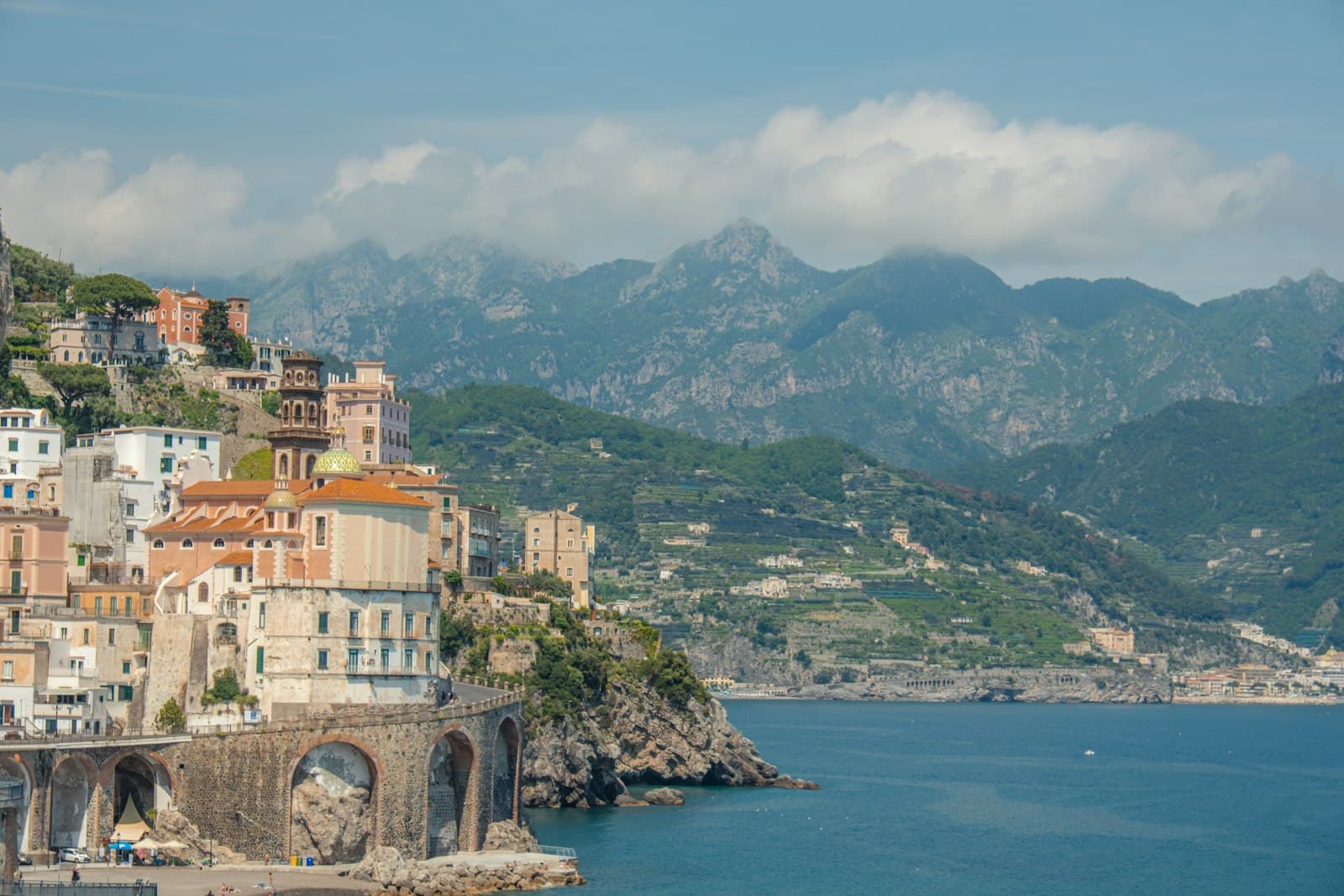
Photograph the Amalfi Coast in July and you get lemon groves, packed beach clubs, and a road so jammed with tour buses that a five-mile drive from Positano to Amalfi can eat an hour. Show up in January or February and you get something better in almost every way — empty viewpoints, dinner reservations you don't need, hotel rates cut by a third or more — but the coast stops behaving like the postcard version of itself. Ferries that run every twenty minutes in summer often stop entirely. Restaurants that were booked solid in August shutter for the season without warning on their websites. The single coastal road, the SS163, narrows to one lane in spots and closes outright when winter storms bring down rock or mud, and there is no detour around it.
None of this makes winter a bad idea — it makes it a different trip that rewards planning differently. Travelers who arrive expecting a quieter version of the summer experience end up stranded at a bus stop that only runs twice a day, or standing outside a trattoria that closed for the season three weeks earlier. Get the logistics right and you'll have the Sentiero degli Dei almost to yourself and a table at Ristorante La Caravella without needing to book a month out. Get them wrong and you'll spend your trip chasing transport instead of coastline.
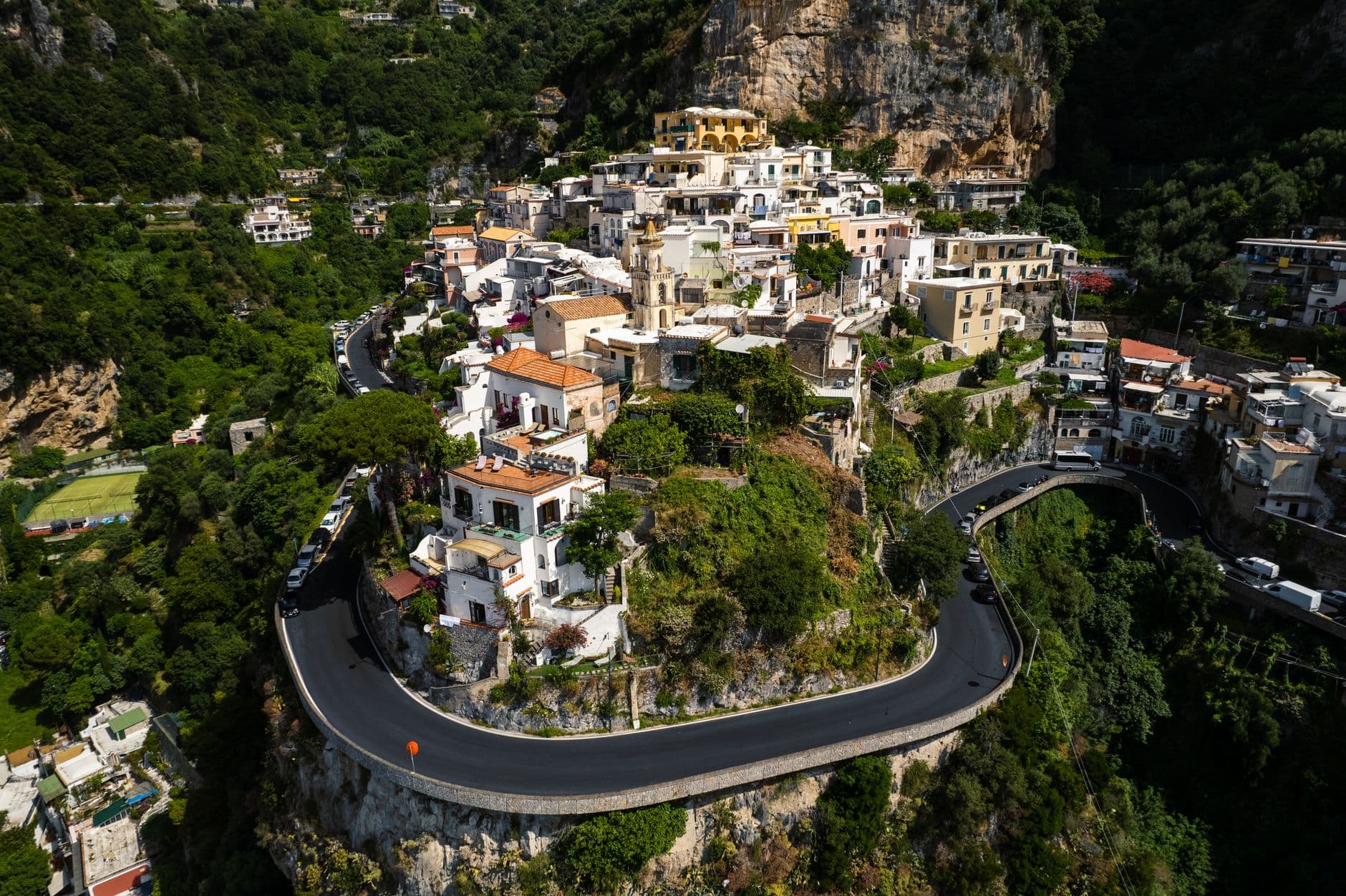
The SS163, the Amalfi Drive, is the only route connecting every town from Positano to Vietri sul Mare, and in stretches near Praiano and Conca dei Marini it narrows to barely one car's width against a cliff face. When winter rockfall or a landslide closes even a short section, there's no alternate road — traffic simply stops until the province clears it, sometimes for a few hours, occasionally for a full day.
Six Rules for Moving Through the Amalfi Coast Between November and March
These aren't generic packing tips. They're the specific adjustments that separate a smooth winter week from a frustrating one, drawn from how the coast actually operates once the summer schedule disappears.
1. Confirm the SS163 Is Open Before You Commit to a Transfer Time
Book a private transfer or SITA bus ticket for a specific hour and you're betting on a road that occasionally shuts itself down. Winter rain loosens the limestone cliffs above Praiano and Furore, and closures — usually a few hours, sometimes overnight — aren't rare between December and February. Check ANAS traffic updates or ask your hotel the morning of travel, and build at least a 90-minute buffer into any transfer to Naples Capodichino airport, which normally takes 75-90 minutes from Amalfi in clear conditions.
2. Treat the Ferries as a Summer Convenience, Not a Winter Plan
From roughly April through late October, operators like Travelmar and Alicost run boats between Positano, Amalfi, Salerno, and Capri multiple times daily, with one-way fares typically ranging from about EUR 25-30 or more depending on the route. In winter, most of that network suspends entirely or drops to a skeleton schedule tied to weather. Don't plan a day trip to Capri or a boat hop between towns without checking current sailings the day before — the SITA bus, running Sorrento to Amalfi in about 70-90 minutes for roughly EUR 2.60-4.20 a leg, becomes your real backbone.
3. Rate the Path of the Gods Honestly: This Is Moderate Terrain, Not a Stroll
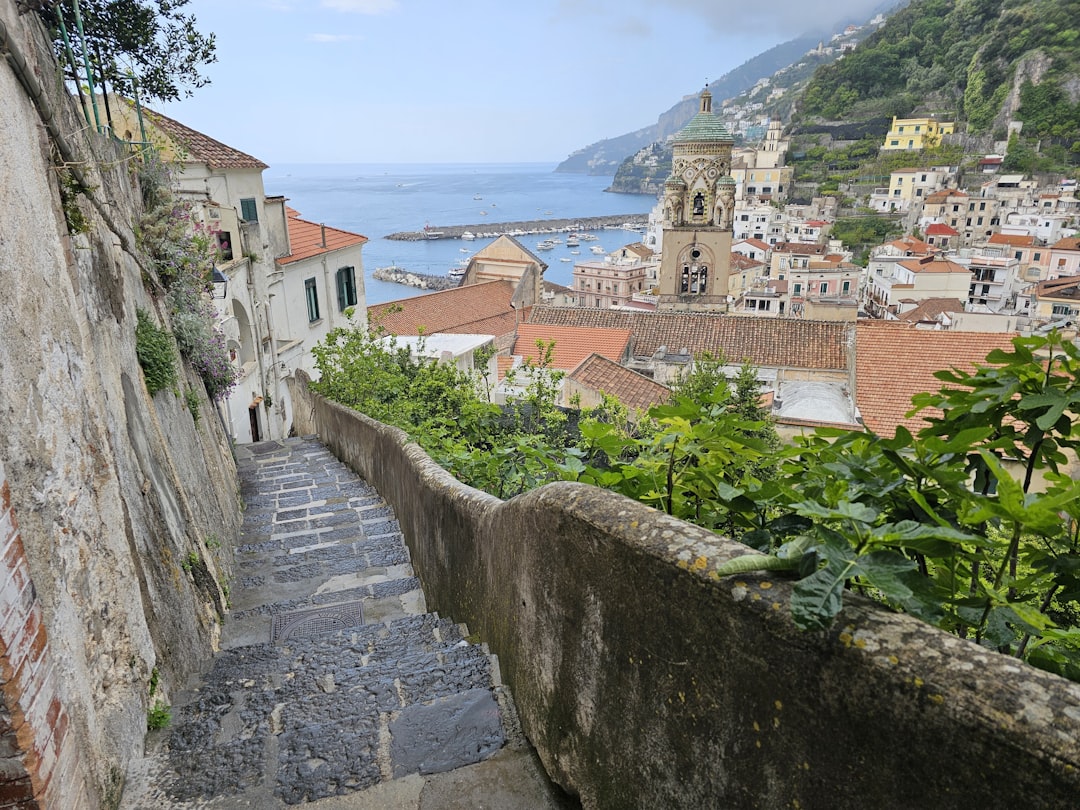
The Sentiero degli Dei runs about 7.8 km from Bomerano (Agerola) down to Nocelle above Positano, and most hikers cover it in 3-4 hours. The views over the Bay of Salerno are genuinely stunning, but the final descent into Nocelle drops through more than 1,500 uneven stone steps, and winter rain leaves them slick with mud and loose leaves. Waterproof hiking boots with real ankle support and a pair of trekking poles aren't optional here — they're the difference between a spectacular hike and a twisted ankle two hours from the nearest road. Start by 10am so you're not descending in fading light, since winter dusk arrives by 5pm.
Cordelie travel advisors
Planning Amalfi Coast? Go with someone who knows
The right suite, the right season, the reservations that never appear online — your Cordelie advisor knows them, and holds them for you.
Plan with a Cordelie advisorFree to ask. Cordelie Travel Services · IATA/ARC 06649064
4. Pack for a Coast That Swings 10°C Between Morning and Midday
Daytime temperatures typically sit between 8-15°C from December through February, but a sunny midday on a south-facing terrace in Positano can feel closer to 18°C while the same evening drops to 4-6°C once the sun clears the ridge. Layer with a base thermal, a fleece or light down midlayer, and a genuinely waterproof shell — the coast gets a fair share of winter rain, and cotton jackets stay wet for hours in that damp sea air. Good grip on your everyday shoes matters too, since many town centers like Amalfi and Ravello are stepped stone lanes that turn slippery when wet.
5. Book Ahead Even Though the Coast Looks Empty
It's tempting to assume a quiet coast means walk-in everything, but a meaningful share of restaurants and small hotels close entirely from early November through Easter, and the ones that stay open often run a shortened schedule — dinner service four nights a week instead of seven, or a kitchen that closes by 9pm instead of 11pm. Ristorante La Caravella in Amalfi and Cumpa' Cosimo in Ravello are among the reliable winter openings, but call ahead rather than assume. If you're planning a longer stay, our guide to spending
a full week along this coast walks through which towns keep their rhythm in the off-season and which effectively go dormant.
6. Base Yourself in Sorrento or Salerno, Not Positano
Positano is the postcard, but in winter a large share of its hotels and restaurants close, and you'll spend your evenings hunting for an open kitchen instead of enjoying one. Sorrento, about 40 minutes by bus or car from Positano, and Salerno, roughly an hour east of Amalfi, both stay fully operational year-round with better train and airport connections. Staying in one and day-tripping along the coast — a strategy worth reading up on if you're weighing the full range of things to do here — often produces a smoother trip than chasing a shuttered Positano.
The Three Assumptions That Wreck a Winter Amalfi Coast Trip
Most winter frustrations along this coast trace back to the same handful of misplaced assumptions — treating it like a compact summer destination when the season changes almost every rule of movement and dining.
Winter Amalfi Coast: Do vs Don't
Pros
- ✓Do check the ANAS road status or ask your hotel each morning before a drive along the SS163
- ✓Do call restaurants directly to confirm winter hours, even ones listed as open online
- ✓Do bring waterproof boots and trekking poles for any coastal hiking
- ✓Do base yourself in Sorrento or Salerno for reliable year-round transport links
- ✓Do build buffer time into every transfer to and from Naples Capodichino
Cons
- ✗Don't assume ferries between towns are running without checking the current schedule that day
- ✗Don't plan a tight, minute-by-minute itinerary along a single-lane cliff road
- ✗Don't wear city shoes on stepped lanes in Amalfi or Ravello after rain
- ✗Don't book a Positano-only stay expecting full summer-level dining and hotel options
- ✗Don't attempt the Path of the Gods late in the day when winter dusk falls by 5pm
How Locals Navigate the Coast Once the Ferries Stop
Residents of Amalfi and Ravello plan their winter week around the SITA bus timetable the way summer visitors plan around ferry departures — it's the one transport mode that runs reliably in almost any weather. They also shop and eat by what's actually open that week rather than what a map app suggests, since small family-run places post their winter hours on a paper sign in the window rather than updating Google. If a storm is forecast, most locals simply reroute their day inland toward Ravello, which sits about 350 meters above sea level and tends to clear faster than the coastal towns below.
A Cordelie advisor can build you a winter itinerary around which hotels, drivers, and restaurants are genuinely operating that week — not just what's technically open on paper — pairing a Sorrento or Salerno base with private transfers timed around the road and weather, and securing tables at the handful of standout kitchens still serving through the season. It's the difference between guessing your way along the coast and moving through it exactly as intended.
Your Pre-Departure Amalfi Coast Winter Checklist
Run through this before you leave home — it covers the gear, bookings, and logistics that matter most for a winter trip to this coast.
Winter Amalfi Coast Checklist
Last checked for accuracy: . How we check

Marcus Rivera has spent fifteen years writing about places you have to walk into. He has guided in Patagonia, reported from Kilimanjaro's quieter routes, and has strong opinions about which of them are worth the airfare. He is based in Boulder, mostly so he can leave it.
Related Articles
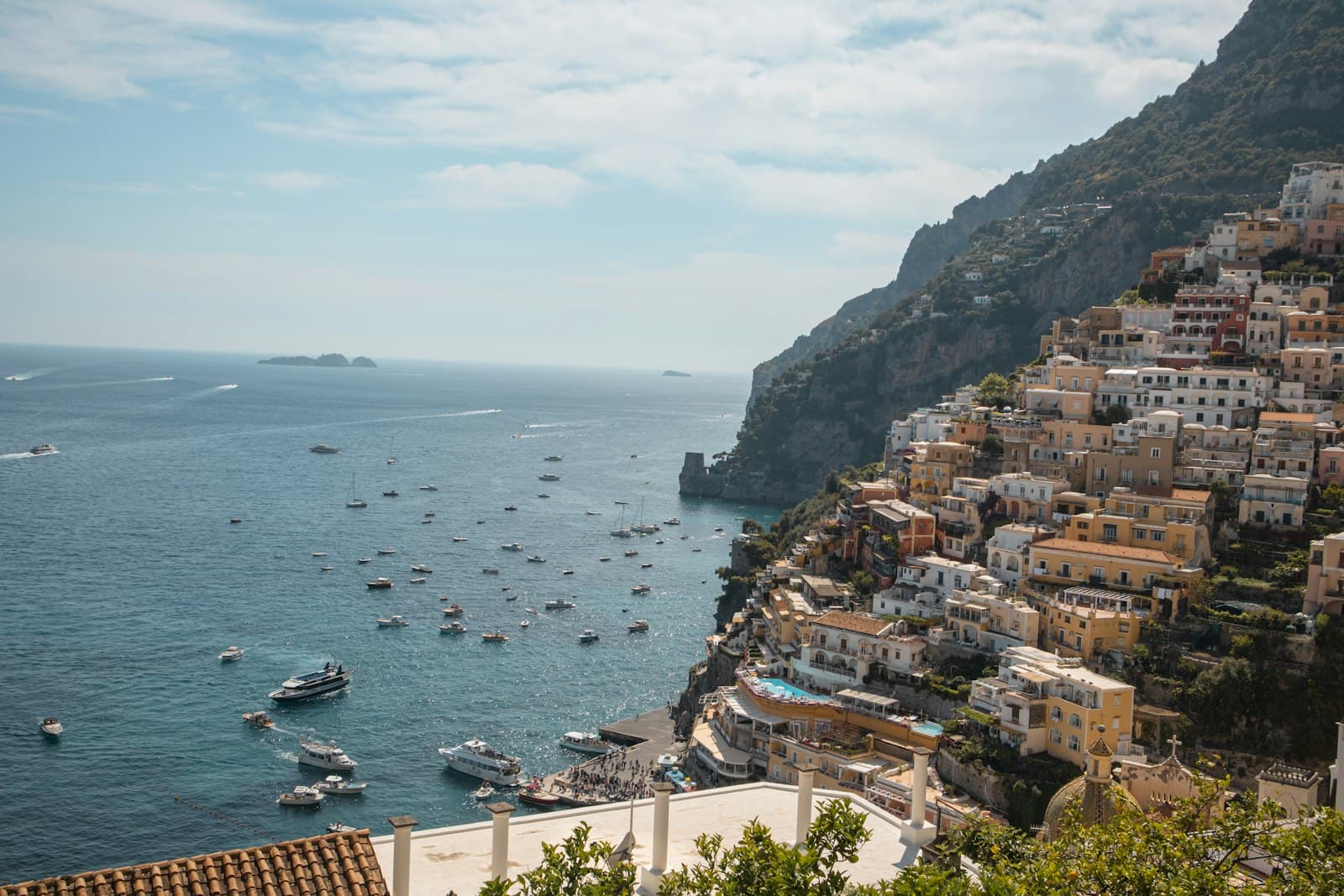
The Complete Guide to the Amalfi Coast: What to See, Do & Eat
The Amalfi Coast rewards patience more than speed — a cliffside hike, a slow dinner in Cetara, a ferry timed around the weather. Here's what to see, where to stay, and how the logistics actually work.

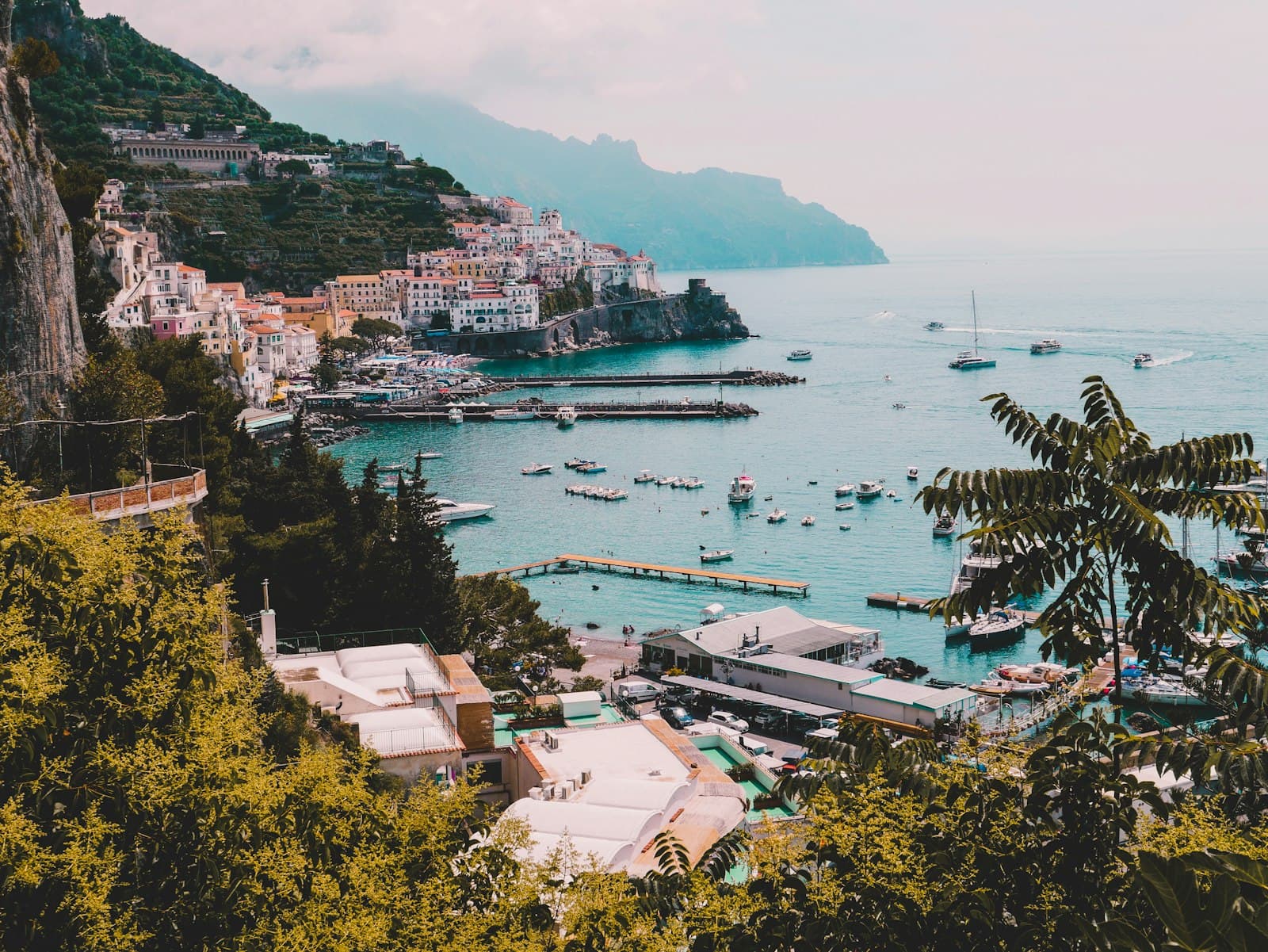
The Complete Guide to the Amalfi Coast: What to See, Do & Eat
A full planning guide to the Amalfi Coast — the Path of the Gods hike, where to stay from Positano to Ravello, what to eat, and a three-day itinerary built for spring.
What Travelers Need to Know About the Amalfi Coast Right Now
Spring brings beauty to the Amalfi Coast—and traffic chaos. Road construction through June means 30–60 minute delays between towns. Here's how to plan around it.