
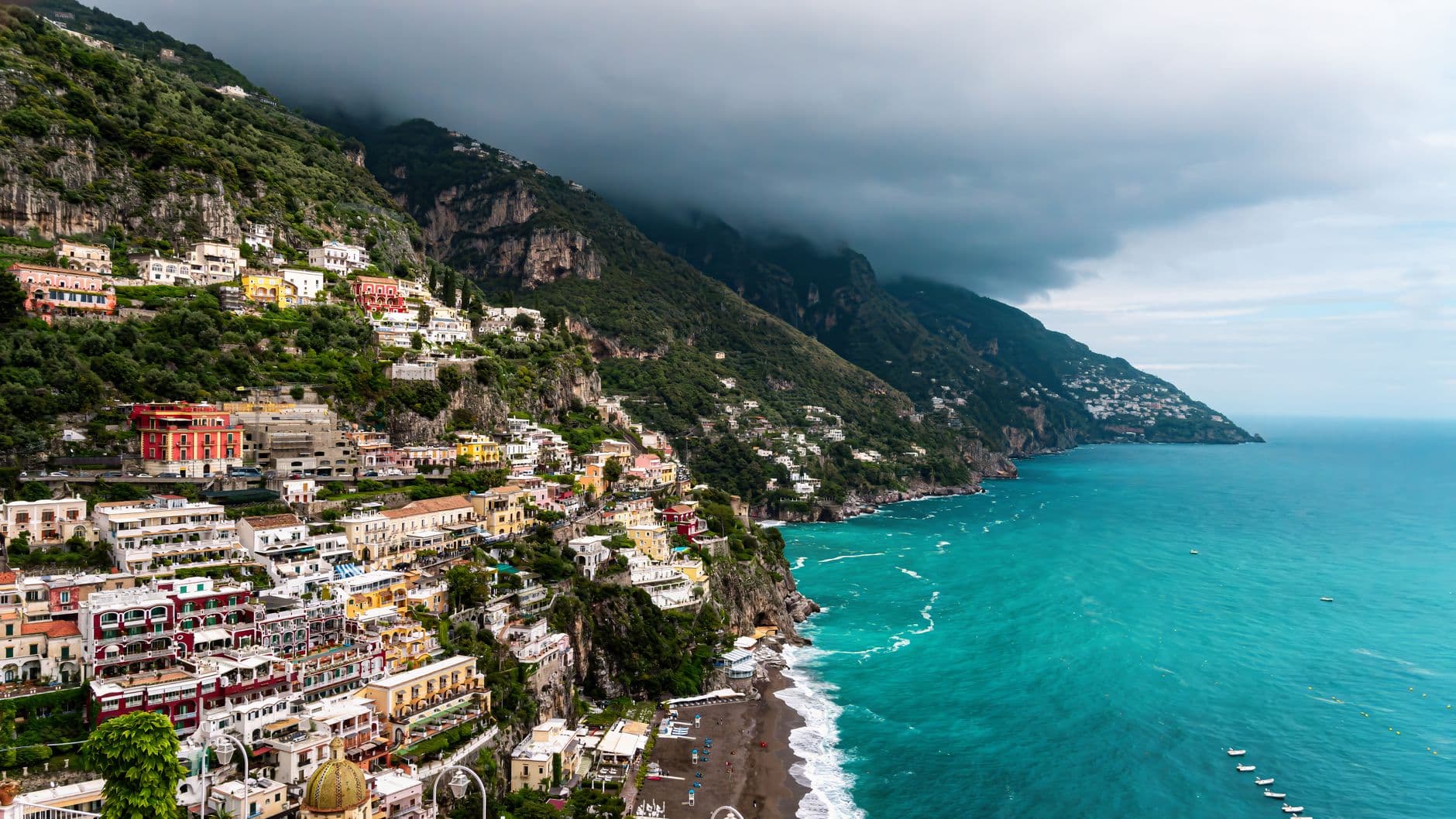
Amalfi Coast Quick Guide: Everything You Need to Know
Key Facts
The Amalfi Coast in Winter: Crowds Gone, Conditions Hard
The Amalfi Coast is not a quick trip. The coast stretches 50 kilometers along Campania's southern edge—a narrow ribbon of pastel villages, lemon groves, and clifftop villas threaded together by roads that climb, drop, and switchback with almost no margin for error. In winter, the thermometer does not plummet; this is not alpine cold. But the sea roughens, ferries run less often or stop entirely, rain arrives in sheets, and many small hotels, restaurants, and boat tours shut down for months. You come to the Amalfi Coast in winter for solitude and a lower bill. You do not come for guaranteed sunshine or spontaneous adventure.
Winter Means Rain, Closures, and Ferry Cancellations
November through March is the Amalfi Coast's off-season. Rainfall averages 150–200mm a month in winter months, with December and January the wettest. Rain does not mean constant downpour; it often arrives in afternoon squalls that clear by evening. But it does mean grey skies, slick streets, and the constant possibility of disrupted plans.
The bigger issue is what closes. Many family-run hotels, restaurants, and tour operators—particularly smaller operations in villages like Praiano or Furore—shut from November through March. Even in the main towns of Amalfi, Positano, and Ravello, expect 20 to 40 percent of dining and lodging options to be seasonal. It is worth checking ahead, as closures are not always published until late October. Ferry services shrink or stop entirely when the sea roughens. Hydrofoils from Salerno to Positano, Amalfi, and Capri run irregularly in winter; journeys may be rerouted or cancelled the morning of departure if conditions worsen.
The Amalfi Drive itself—the famous highway threading the coast—remains open all year, but landslides, flooding, and water damage force occasional closures. In 2022 and 2023, road damage from storms shuttered sections for weeks at a time. Check local traffic reports and road conditions before driving, especially if rain is forecast.
Ferries may not run; some restaurants and hotels close for the season; roads can wash out or flood. Winter is not simply 'cheaper summer.' It demands flexibility and a willingness to spend time indoors. If you are banking on outdoor activities or boat tours, you are taking a risk.
Where the Season Actually Works: What Stays Open
Not everything shuts down. Amalfi town—a working port and the region's administrative center—keeps most restaurants and hotels open year-round. The same is true for Salerno and Ravello. Ravello, perched a thousand meters above the sea, is almost unaffected by winter storms; it offers clear views and fewer tourists, though it is colder and rainier than villages on the waterfront.
Positano, the coast's most famous village, keeps major hotels and many restaurants open, though the dining scene shrinks. Expect fewer options in December through early February than in March or November. Smaller villages—Praiano, Furore, Atrani—lose most dining options. If you plan to base yourself somewhere and cook some meals, it works. If you want to eat out every night, choose Amalfi or Positano, or stay in Salerno and make day trips.
Most cultural attractions—the cathedral in Amalfi, the gardens in Ravello, the museums—stay open. The beaches are accessible but unappealing; the water is cold, around 13–14°C in January and February, and rough seas mean strong currents. Swimming is not realistic. Walking, hiking, and driving the coastal road remain viable and often more pleasant without heat and crowds.
How to Actually Get Around Without a Car
The SITA bus runs the coast road year-round, connecting Salerno north to Sorrento. Timetables are reliable but sparse in winter—expect buses every 30 to 60 minutes during peak hours, fewer outside them. A one-way ticket from Salerno to Positano costs about EUR 3–4; from Salerno to Amalfi, EUR 2.50–3.50 (late 2025). Buses are cheap and crowded but navigable.
Ferries, when running, are faster and scenic. From Salerno or Amalfi, hydrofoils reach Positano in 20–35 minutes or Capri in 50–90 minutes. A ferry ticket costs roughly EUR 8–15 one-way depending on distance. In winter, service is sporadic; check Travelmar or Alicost websites the day before, as operators post schedules by morning. If the sea forecast is rough, assume cancellations.
Driving is possible if you are comfortable with narrow, winding roads and Italian traffic. Winter weather—wet brakes, reduced visibility—makes the route more demanding. Rental cars cost EUR 40–100 per day for a compact model (late 2025). Parking in Positano and Amalfi is scarce and paid; expect to pay EUR 1.50–2.50 per hour or EUR 20–30 per day (late 2025).
What to Expect: Cold, Wet, and Quieter
Winter daytime temperatures range from 8–14°C, with nights dropping to 5–8°C. Humidity is high, making it feel colder than it is. Rain is common; plan for days when outdoor exploration is not appealing. Bring layers, a waterproof jacket, and shoes with grip. The villages are beautiful in any light, but grey skies, dark water, and shorter days mean different light than what summer photographs promise.
What you gain is absence. The beaches are empty. Hotels have availability, and rates drop 30–50 percent from summer. The restaurants that stay open are quieter and less rushed. Villages feel less like tourist stages and more like places where people live. If you want to walk the coast without dodging crowds or hike to mountain villages without sweating through your shirt, winter is the season.
Lodging, Food, and Practical Costs
A mid-range hotel in Positano or Amalfi runs EUR 80–150 per night in winter (late 2025), compared to EUR 200–400 in summer. Luxury options drop similarly but remain expensive—EUR 300–500 per night is realistic for five-star properties. Book early if you have a preference; seasonal closures mean options are already limited.
Food is where you can spend carefully or lavishly. A casual lunch—pasta, fish, a local wine—at a waterfront restaurant runs EUR 15–25 per person. Dinner at a known spot costs EUR 40–70 per person without wine. Supermarkets are normal; buying bread, cheese, and fruit at a local market (Amalfi has a good one on weekday mornings) and eating some meals in your room cuts costs. A coffee and pastry at a bar runs EUR 3–5.
Days Worth Your Time
Amalfi itself merits a morning. The cathedral sits on the main piazza, its bronze doors cast in 1066; entry is free. Walk the back streets and sample sfusato lemons—the local variety—at the fruit stands. A small lemon liqueur or lemon marmalade makes a realistic souvenir. Lunch can be simple: a pizza, a pasta con le melanzane (pasta with eggplant), a glass of local Greco white wine.
Ravello is a day trip inland. The drive or bus ride takes 45 minutes from the coast; the town sits on a ridge with views down to the sea. The Villa Rufolo and Villa d'Este are the main draws—gardens, architecture, and the sense of how Mediterranean wealth lived. Entry to each runs EUR 7–10 (late 2025). Expect to spend four to five hours walking the town, visiting a villa, eating lunch, and wandering the gardens. The town has good restaurants; Salvatore Cymer or nearby options offer solid pasta and fish.
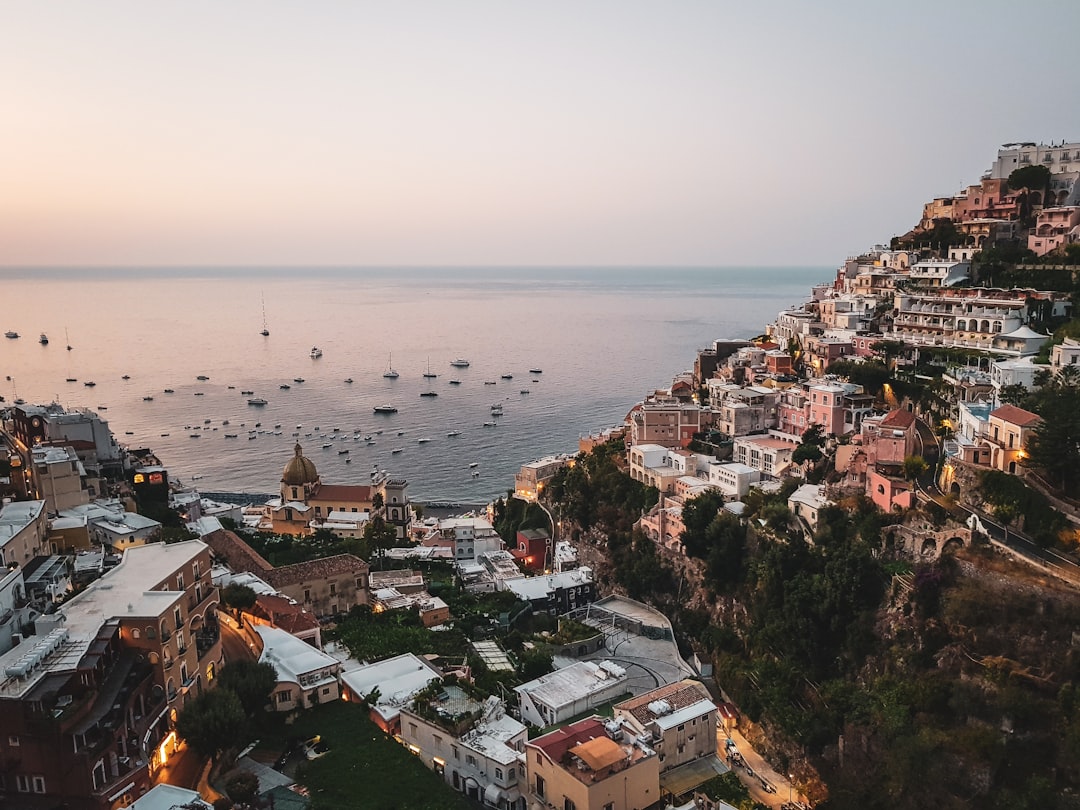
Positano is unmissable visually—the buildings cascade down a steep slope to the beach in a photographer's fantasy. Most people spend a few hours, walk the main street, have lunch, and leave. Expect crowding even in winter. The beach is cold and rocky. Few people swim. The point is to see it and move on. Lunch runs EUR 18–30 per person at decent spots.
If weather holds, the Path of the Gods—a hiking trail between Praiano and Positano—is spectacular. It runs 7.5 kilometers one-way along the hillside with sea views the whole way. It takes roughly three hours and requires steady walking but no climbing. Winter conditions can be muddy or slippery; go only if the trail is reported clear.
Planning Smart: Questions to Ask Before You Book
Call your hotel directly, not through a booking site. Ask: Are you open the dates I'm coming? What percentage of restaurants in town will be open? Is the property hosting guests in winter, or are staff minimal? Websites lag reality; a phone call takes ten minutes and clarifies everything. Ask about heating (old buildings can be cold), whether breakfast is included, and what the cancellation policy is (you may need to reschedule if ferries stop or a road closes).
Check the sea forecast before you book, and again one week before arrival. A forecast of 3–4 meter waves means ferries likely will not run. Check road conditions on the Campania regional website or Google Maps for closures. If rain is forecast, make sure your hotel or base has indoor options—museums, restaurants, shops—nearby.
Do not assume you can rent a car, drive the coast, and see everything. The route is 50 kilometers long but takes four to five hours of driving in daylight and good conditions. In winter, add weather delays. Plan to stay in one or two places and make short drives, or use buses and ferries to reduce the stress of winter driving on a narrow coastal road.
Winter on the Amalfi Coast rewards planning. A Cordelie advisor can match you with hotels confirmed open for your dates, arrange private drivers to handle the coastal road safely, secure advance reservations at the few restaurants worth booking, and pivot your plans if weather or ferries force a change. You avoid the research and the risk of discovering mid-trip that your chosen restaurant closed in December. A curated trip, not a guessed-at one.
The Real Offer: Quiet, Wet, and Cheaper
Winter on the Amalfi Coast is not a compromise. It is a different trip. Summer here is crowded, hot, and expensive—thousands of people packed into narrow streets, boats full, restaurants loud. Winter empties the coast. You see the villages as they are, not as stages for tourists. The sea is grey, the light is soft, and the rhythm is slower. It is better for some travelers and wrong for others. Know what you are choosing.
Last checked for accuracy: . How we check

Isaac Reid has spent fourteen years on ships and on foot in the places weather still decides. He sailed his first Drake Passage as an expedition assistant and has since made the crossing more than thirty times, between seasons trekking in Nepal and Patagonia. He writes about what these trips actually ask of a traveller — the days that get cancelled, the kit that matters, the difference between a landing and a cruise-by — and thinks the honest version sells them better than the brochure does.
Related Articles
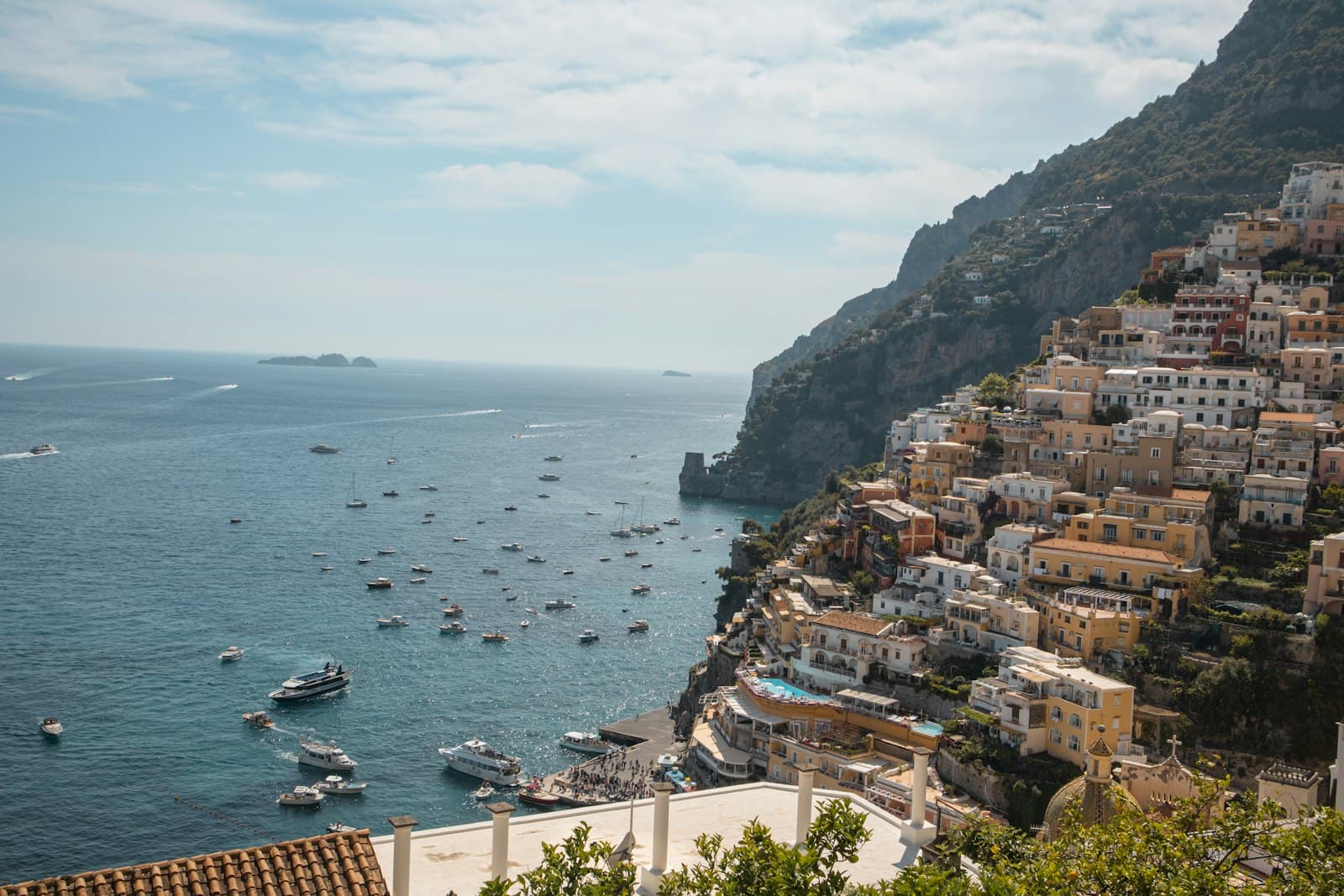
The Complete Guide to the Amalfi Coast: What to See, Do & Eat
The Amalfi Coast rewards patience more than speed — a cliffside hike, a slow dinner in Cetara, a ferry timed around the weather. Here's what to see, where to stay, and how the logistics actually work.
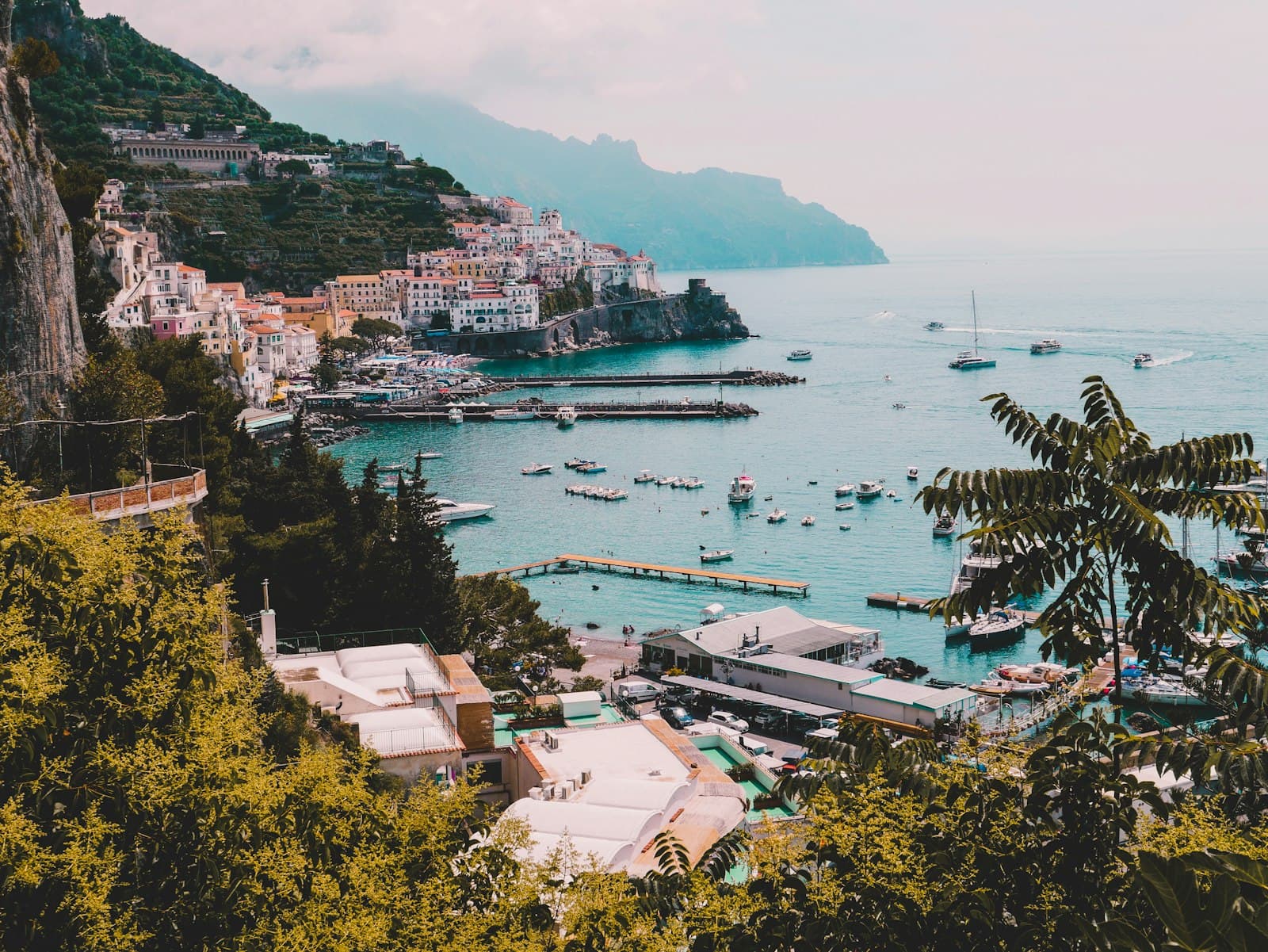
The Complete Guide to the Amalfi Coast: What to See, Do & Eat
A full planning guide to the Amalfi Coast — the Path of the Gods hike, where to stay from Positano to Ravello, what to eat, and a three-day itinerary built for spring.
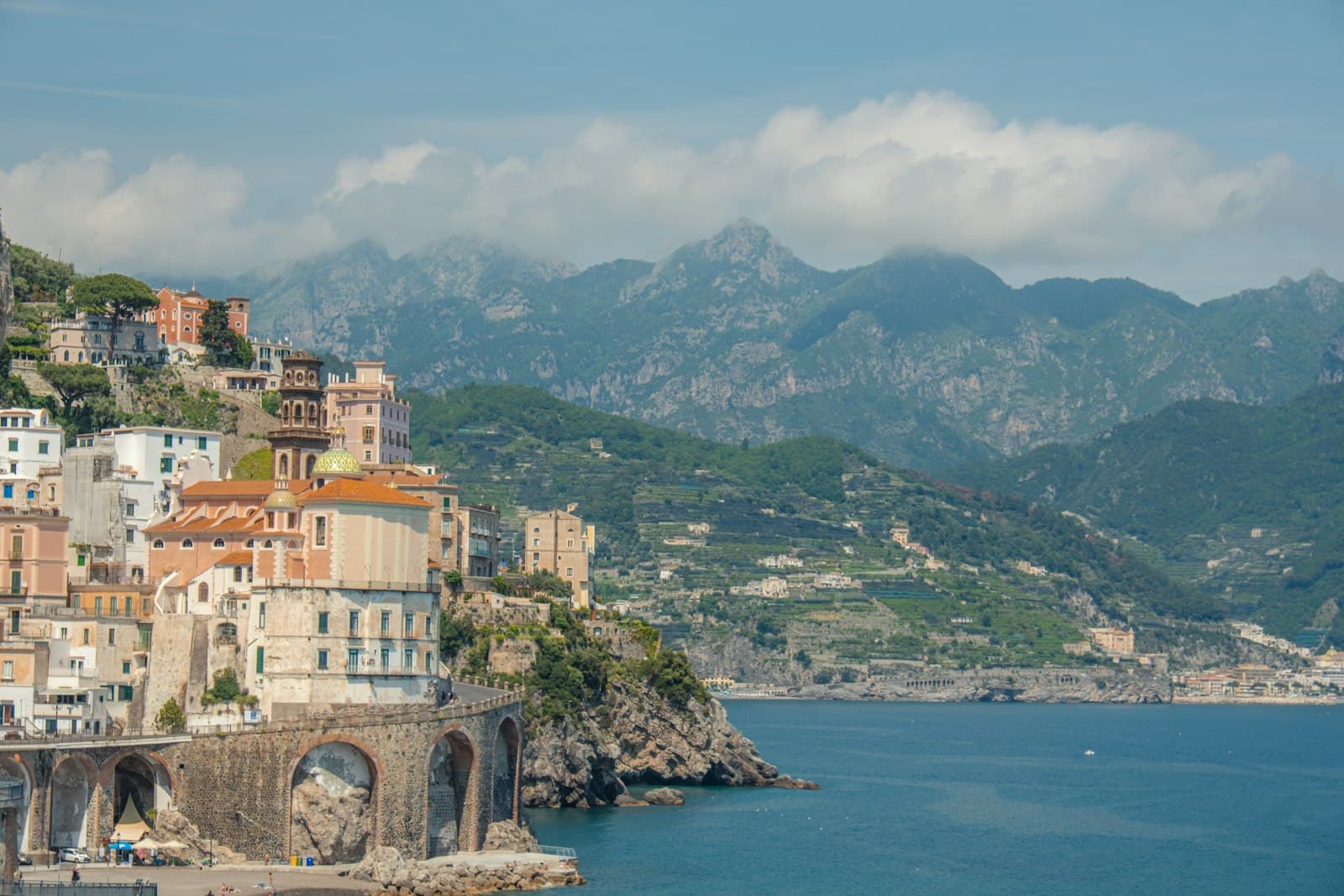
What Travelers Need to Know About the Amalfi Coast Right Now
Spring brings beauty to the Amalfi Coast—and traffic chaos. Road construction through June means 30–60 minute delays between towns. Here's how to plan around it.