
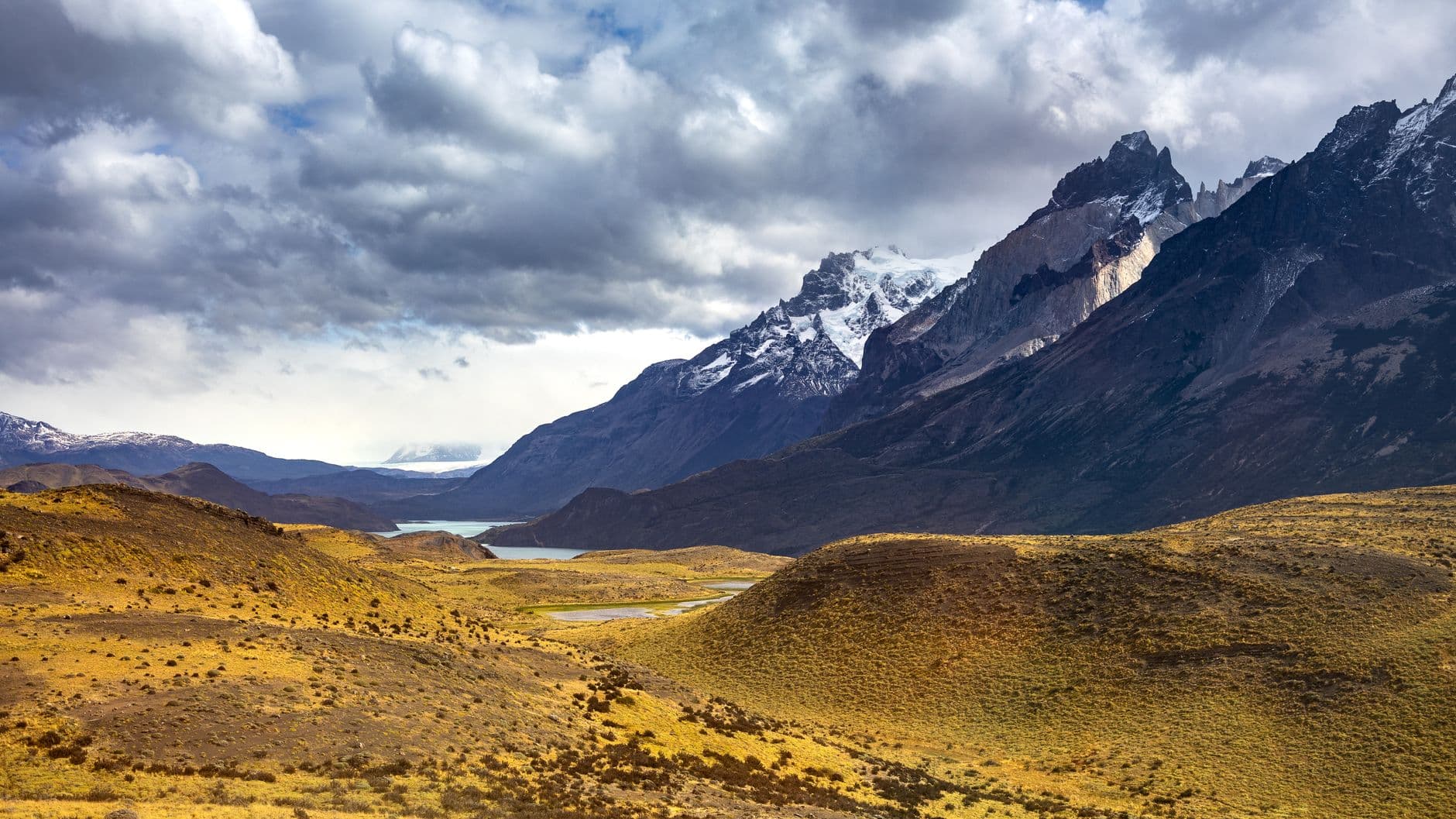
A Week in Torres del Paine
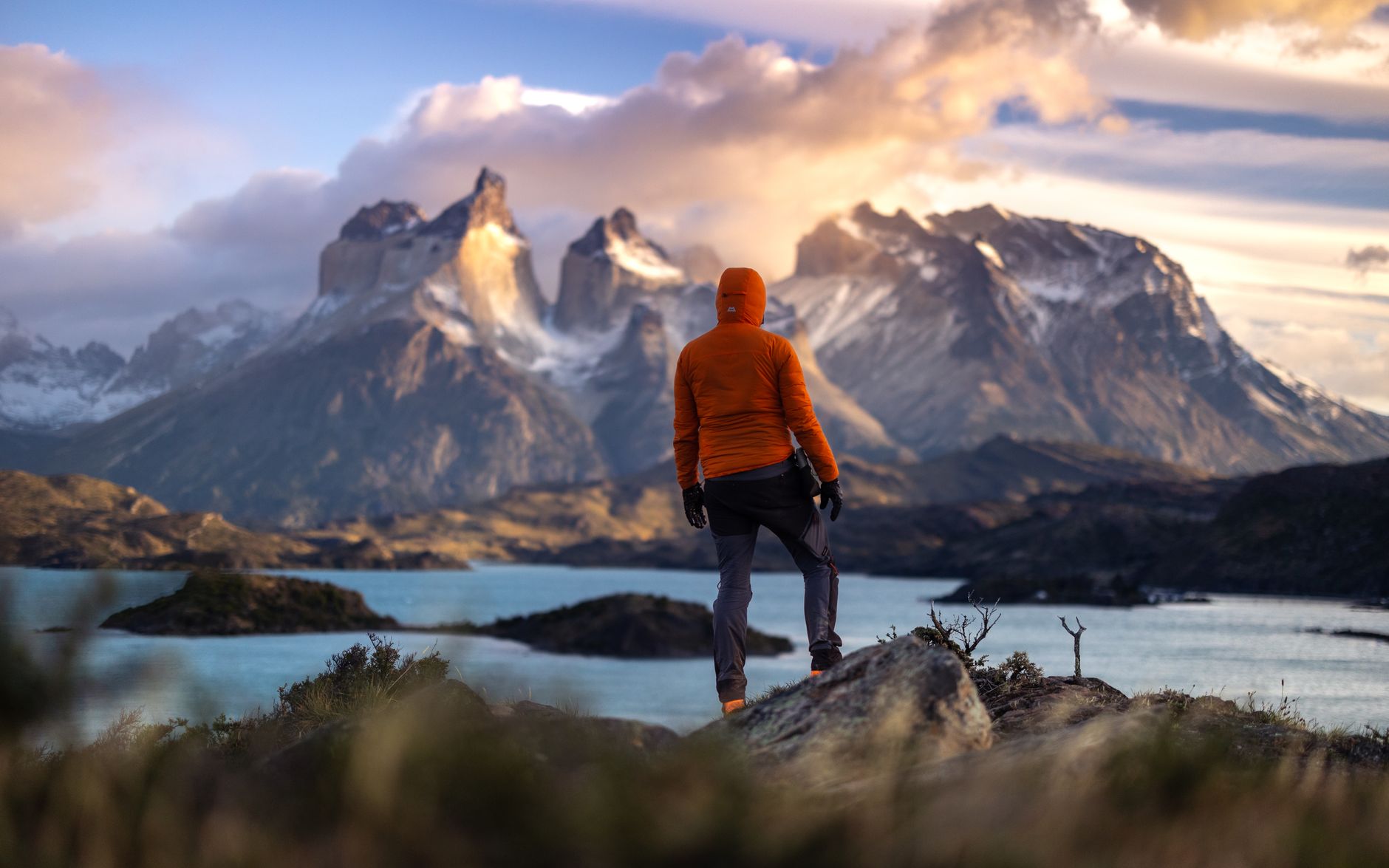
Wind, Granite, and No Signal: Arriving at the Edge of Torres del Paine
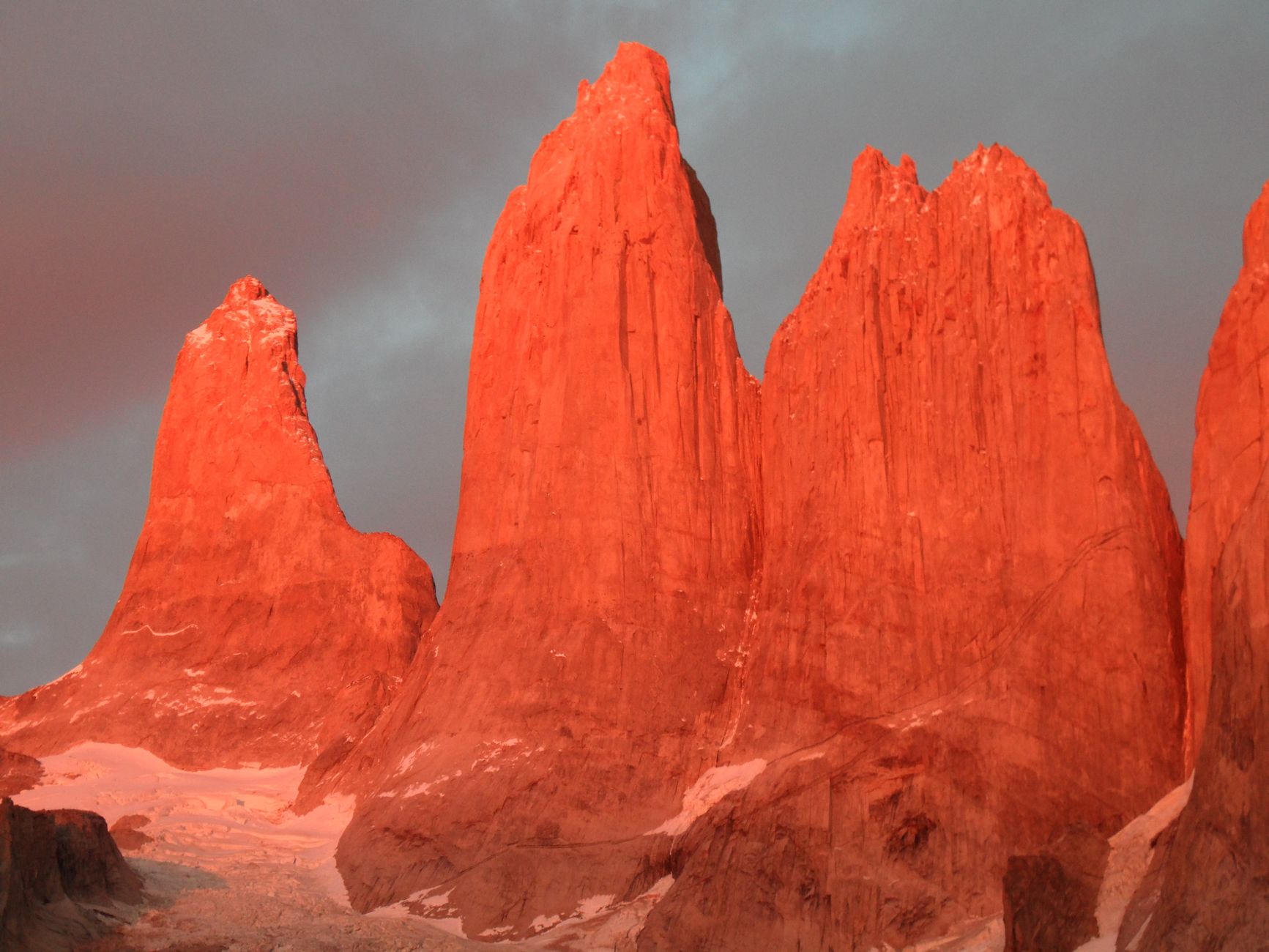
The wind hit me before the towers did. I'd been staring out the window of a shuttle van somewhere past Cerro Castillo, half-asleep after a red-eye through Santiago and a connecting flight into Punta Arenas, when the driver, a wiry man named Patricio who'd clearly made this drive a thousand times, tapped the glass and said simply, "ahí están" — there they are. I twisted around and saw them: three pale granite spires standing above a green valley like something dropped from another planet, catching the low morning light while a herd of guanacos grazed unbothered in the foreground.
It's about a three-hour drive from Punta Arenas to Puerto Natales, and another 90 minutes to two hours from Natales to the park entrance at Laguna Amarga, so by the time the towers actually appeared I'd been traveling for nearly 20 hours straight. I didn't care. Torres del Paine has a way of resetting your sense of time the moment you see it, and I spent the next week discovering just how thoroughly.
“Patagonia doesn't ask you to admire it quietly. The wind makes sure you know it's there, and so does everything else.”
Five Days Between Puerto Natales and the Base of the Towers
Puerto Natales to the Park, and a First Look at the Cuernos
I based myself for the first two nights at Hotel Las Torres, a working estancia-turned-lodge just inside the park's eastern entrance near Laguna Amarga, roughly a 40-minute drive from the CONAF ranger station where you pay the park fee. The current entrance fee for foreign visitors runs around CLP 30,000-35,000 (about USD 32-38 in late 2025), valid for multiple consecutive days if you keep your ticket.
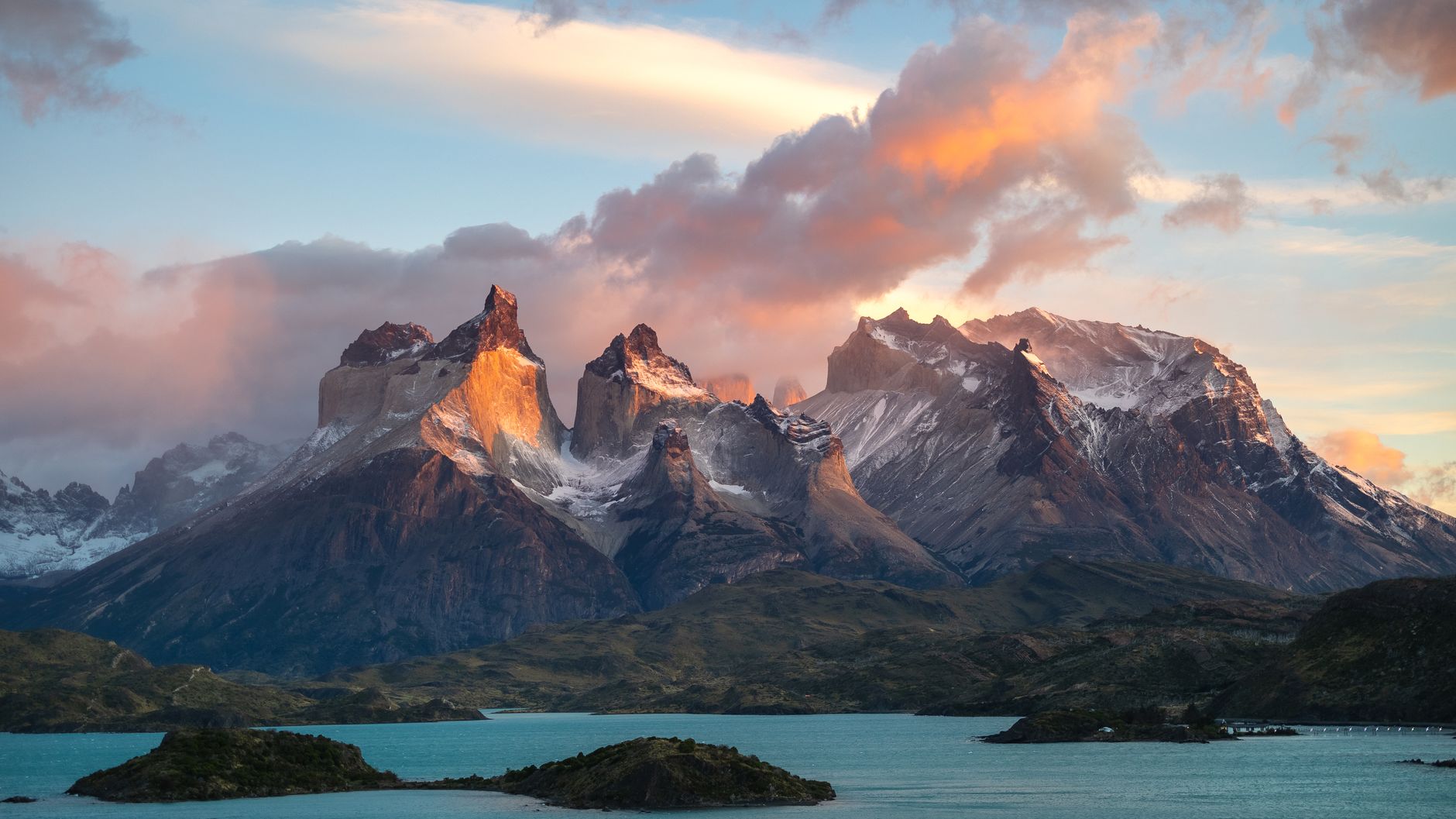
That first afternoon I did nothing more strenuous than walk the short trail behind the hotel toward Laguna Azul, a pale turquoise lake fed by glacial meltwater, and let my eyes adjust to the scale of the place. The Cuernos del Paine — the 'horns,' twin dark-capped peaks that sit beside the towers — dominate the skyline from almost every angle in the park's eastern sector, and I found myself stopping every few minutes just to look.
The Long Climb to Mirador Las Torres
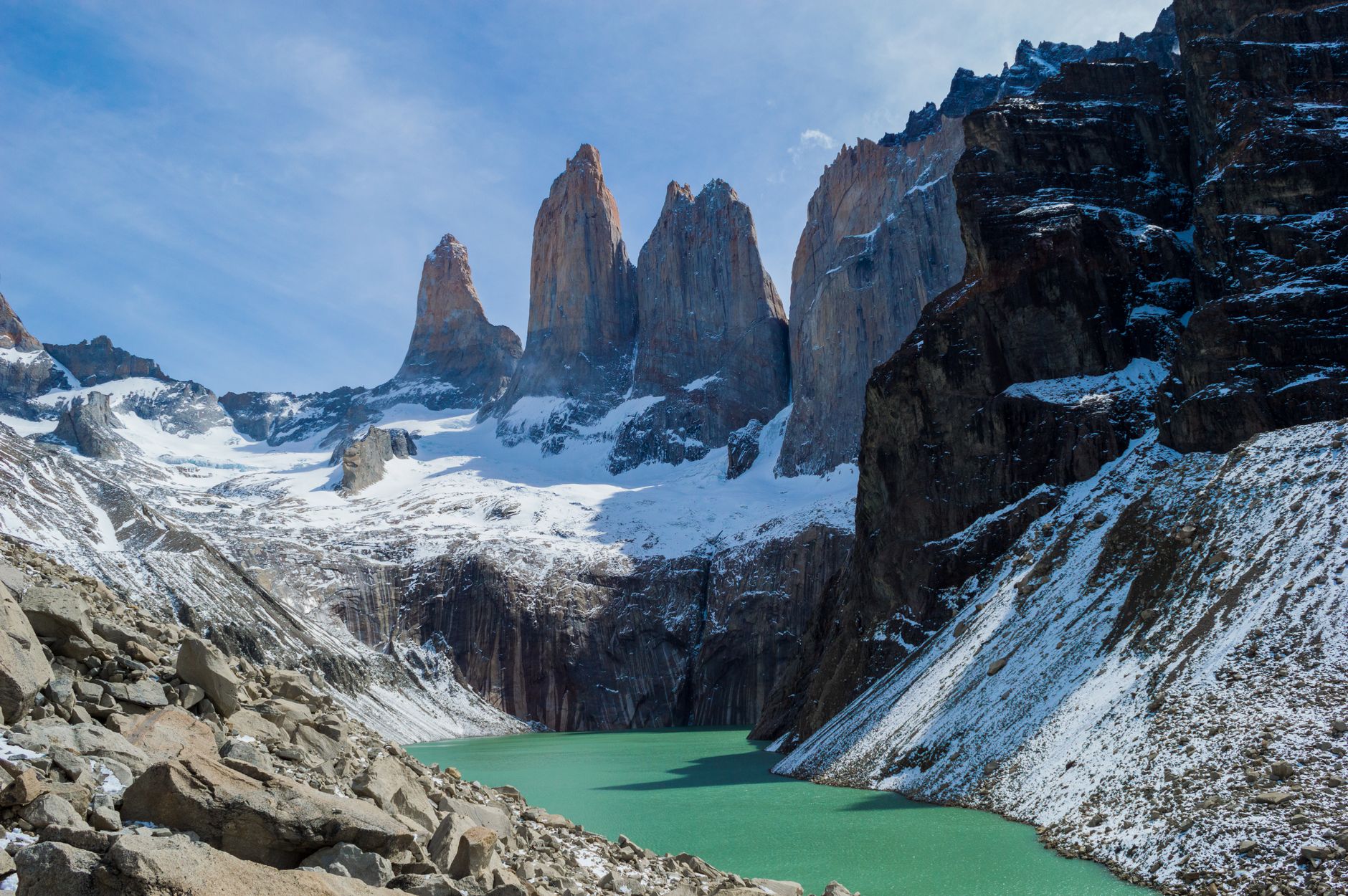
This was the day I'd built the whole trip around: the hike to Mirador Las Torres, the viewpoint that sits at the foot of the three granite towers themselves. From the trailhead near Hotel Las Torres, it's roughly 19-22 kilometers round trip depending on which map you trust, and it took me a little over nine hours with generous photo stops, a long lunch, and one ill-advised nap on a sun-warmed boulder.
The trail climbs gently through lenga forest for the first two hours, crosses a suspension bridge over the Río Ascencio, then turns brutal for the final 45 minutes — a scramble up loose glacial moraine with no real switchbacks. Nothing prepares you for cresting that last rise and finding the towers rising directly above a milky turquoise lake, close enough that I could hear rockfall echoing off the granite. I sat there for close to an hour, eating a hard-boiled egg and a stale sandwich I'd packed at breakfast, and it was, without exaggeration, the best meal of the trip.
Across Lago Pehoé to the French Valley
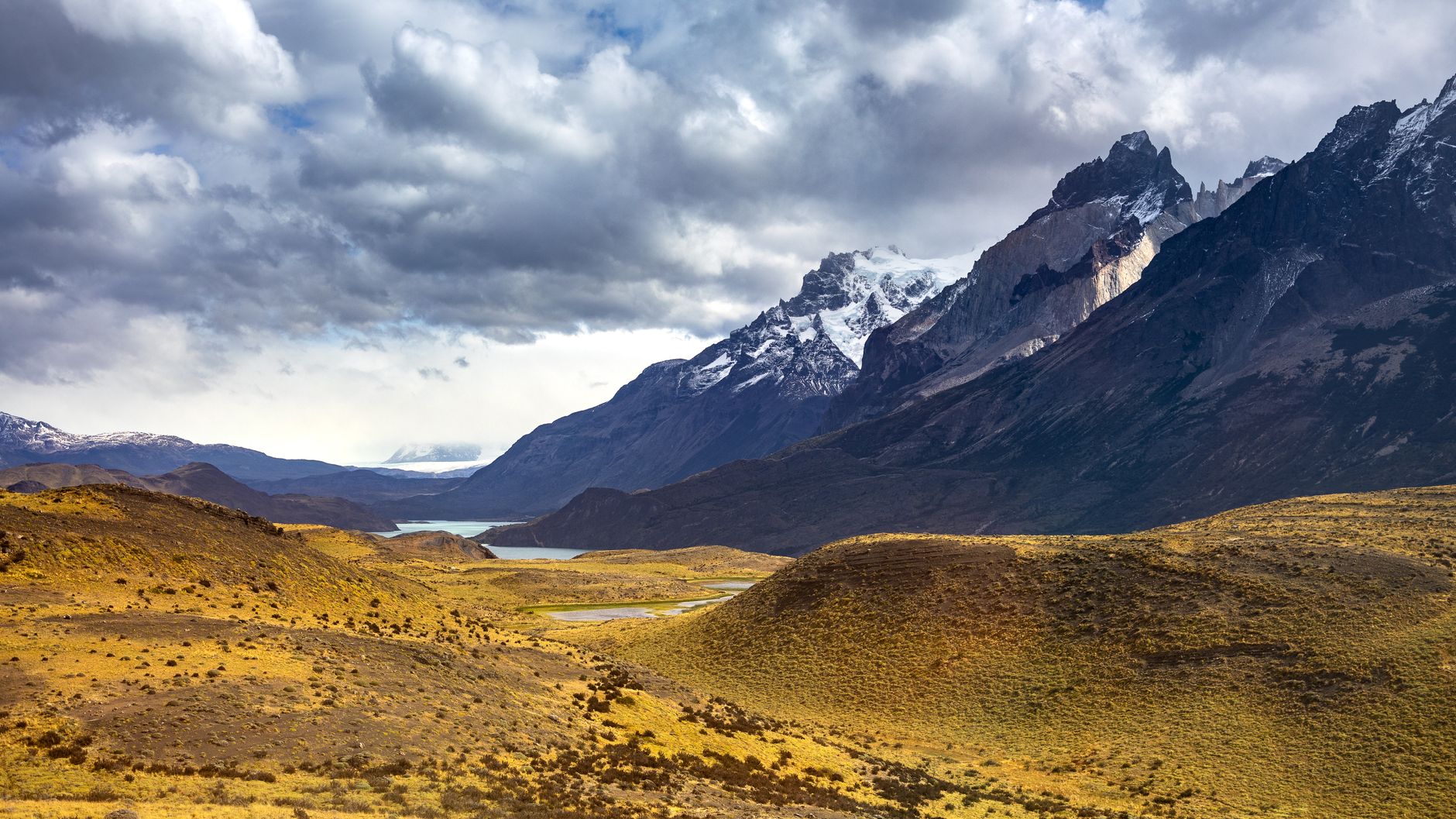
I moved lodgings on day three, driving the gravel road west to Hotel Río Serrano, a low-slung property with unbroken views of Paine Grande, the massif's highest peak, and easy access to the park's central sector. From the Pudeto dock, the catamaran across Lago Pehoé to Refugio Paine Grande takes about 25-30 minutes and runs a few times daily in high season; a one-way ticket cost roughly CLP 20,000-25,000 when I went.
From Paine Grande I did the out-and-back day hike into the French Valley, following the Río del Francés up through southern beech forest with the Cuernos looming on one side and the Paine Glacier's hanging ice on the other. It's about 15 kilometers round trip to the first mirador and back, closer to seven or eight hours if you push on to the upper viewpoint, and twice I heard the low thunder of ice calving off the glacier before I saw the plume of snow drift down the rock face.
Icebergs on Grey Lake
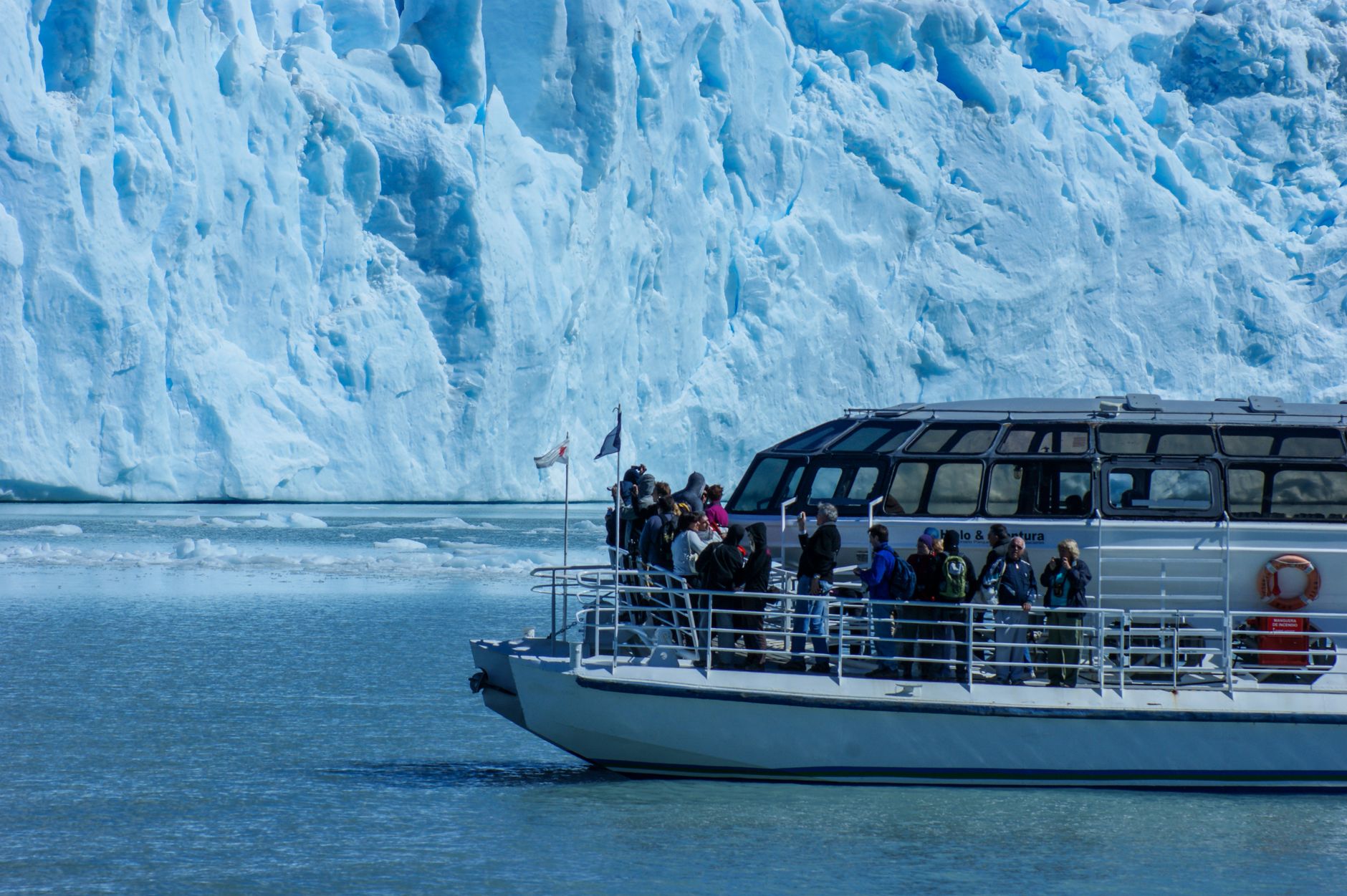
The Grey Glacier tour was the one part of the week I'd booked well in advance, since the boats fill up fast in the January-February peak. From Refugio Grey's dock, or from Hotel Lago Grey on the southern shore, catamarans run out toward the glacier's face for a look at the calving wall and the blue-white icebergs scattered across the lake; tickets ran somewhere around USD 90-120 depending on route and operator.
Up close, the ice has a color I hadn't expected — a deep, almost electric blue in the cracks, the result of centuries of compression squeezing out air bubbles. The guide cut the engine about 200 meters from the face and let us drift for ten minutes in near silence, apart from the occasional groan of the ice shifting. I'd been warned the wind out here can be brutal, and it was; even in a borrowed parka I was shivering within minutes of stepping onto the open upper deck.
Guanacos, Condors, and a Slow Drive Out
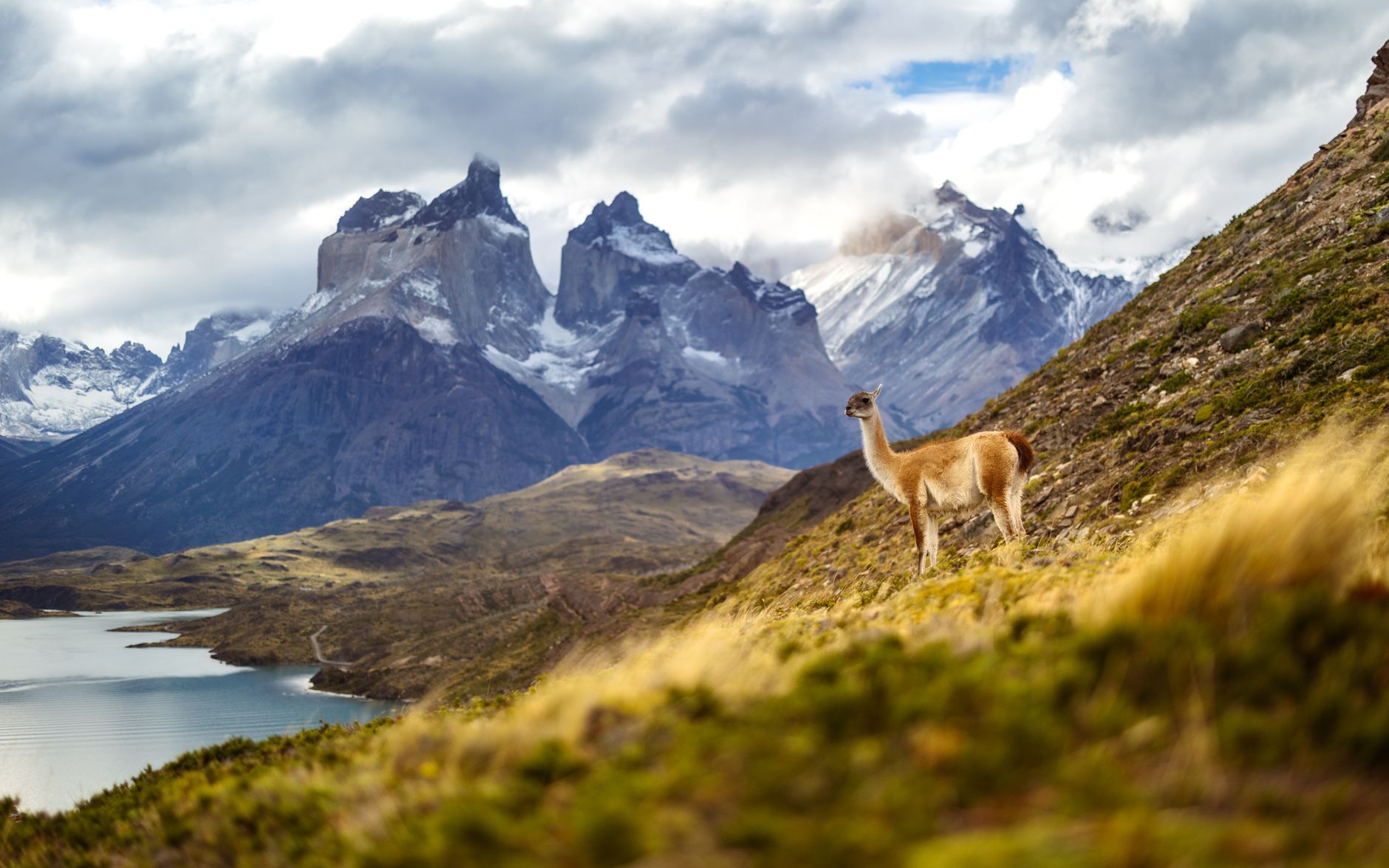
My last full day inside the park I deliberately kept unstructured. I hired a local guide, a Puerto Natales native named Fernanda who'd grown up on a sheep ranch near Cerro Guido, to drive the park's back roads at guanaco pace rather than tourist-bus pace. We spent a morning near the Laguna Amarga and Sarmiento sectors watching guanaco herds, spotted a pair of Andean condors riding a thermal above Cerro Almirante Nieto, and stopped twice for ñandú, the local rhea, ambling across the road.
We never saw a puma, though Fernanda pointed out fresh tracks pressed into mud near a fence line and told me, with the flat confidence of someone who'd seen dozens, that they were maybe six hours old. I left the park that afternoon a little disappointed not to have spotted one, and entirely certain I'd be back to try again.
Moments from a Week in Torres del Paine
Cordelie travel advisors
Planning Torres del Paine? Go with someone who knows
The right suite, the right season, the reservations that never appear online — your Cordelie advisor knows them, and holds them for you.
Plan with a Cordelie advisorFree to ask. Cordelie Travel Services · IATA/ARC 06649064
The Silence Before the Rockfall, and Other Things I Didn't Expect
What surprised me most wasn't the scenery, which I'd seen in enough photographs to arrive half-prepared. It was the sound — or the lack of it. Away from the catamaran engines and refugio generators, the park sits in a silence broken only by wind, running water, and the occasional crack of rock or ice settling somewhere out of sight. On the trail up to Mirador Las Torres, I passed a stretch where the wind died completely for maybe ninety seconds, and I could hear my own heartbeat over the creak of my pack straps.
The wildlife encounters landed harder than I expected too. Guanacos are common enough in the park that after a few days you stop reaching for your camera, but a condor overhead still stops conversation dead every time — the wingspan is enormous, and they ride the Patagonian thermals with barely a wingbeat, which somehow makes them look even bigger. I also hadn't anticipated how sociable the refugio system would make the week. Dinner at Refugio Paine Grande put me at a long communal table with a German geology student, two Chilean sisters doing the full W circuit on a budget, and a retired Canadian couple who'd been coming back to Patagonia every two years since 2011. We traded blister tape and trail gossip for two hours and I never once checked my phone, mostly because there was no signal to check.
Lamb, Calafate Sours, and the Surprising Kitchens of the Refugios
I went in expecting refugio food to be an afterthought and came out mildly obsessed with Patagonian lamb. Cordero al palo — whole lamb slow-roasted on an open cross-shaped spit — turned up at both Hotel Las Torres and Hotel Río Serrano, and at both places it was fall-apart tender, smoky, and served with almost nothing else needed beyond roasted potatoes and a simple green salad. In Puerto Natales itself, before and after the park, I ate at Afrigonia, a Zambian-Chilean fusion restaurant on Eberhard street that sounds implausible and somehow works, pairing king crab with West African spice; a main course ran roughly CLP 14,000-18,000.
For something faster and cheaper, Mesita Grande on Calle Prat does thin-crust pizzas and salads out of a converted house, popular enough with hikers refueling after the circuit that you may wait 20-30 minutes for a table on a busy evening. And no evening in the refugios felt complete without a calafate sour — pisco, lime, and the tart local calafate berry, which grows wild across the steppe and which locals insist means you'll return to Patagonia if you eat it. I had at least one every night. I'm choosing to believe it.
Refugio beds, catamaran seats, and the Grey Glacier boats all sell out during the December-March high season, sometimes weeks in advance, and the reservation systems for CONAF, Vertice, and Fantástico Sur run on separate booking platforms that don't talk to each other.
A Cordelie advisor can chain the whole thing together — refugio nights, catamaran timing, glacier tours, and the transfers between Punta Arenas, Puerto Natales, and the park entrance — so you're not toggling between three websites at midnight trying to make the dates line up. It's the single thing I'd have paid someone else to handle if I'd known how fiddly it would be.
Is a Week in Torres del Paine Worth It?
Best for travelers who want serious hiking and genuine wilderness, not a scenic drive-by.
A week gives you enough slack to hike the Base of the Towers, cross to the French Valley, get out on Grey Glacier, and still have a slow day for wildlife — without racing the clock every morning.
This trip rewards good boots, a rain shell you actually trust, and a willingness to eat dinner at a communal table with strangers. It's not a lie-by-the-pool week, and anyone expecting one should look elsewhere in Chile.
If the logistics of refugios, catamarans, and glacier permits sound like more coordination than you want to manage solo, that's exactly the kind of trip a Cordelie advisor is built to untangle — reach out at https://cordelie.com/contact before you start booking.
Last checked for accuracy: . How we check

Marcus Rivera has spent fifteen years writing about places you have to walk into. He has guided in Patagonia, reported from Kilimanjaro's quieter routes, and has strong opinions about which of them are worth the airfare. He is based in Boulder, mostly so he can leave it.
Related Articles
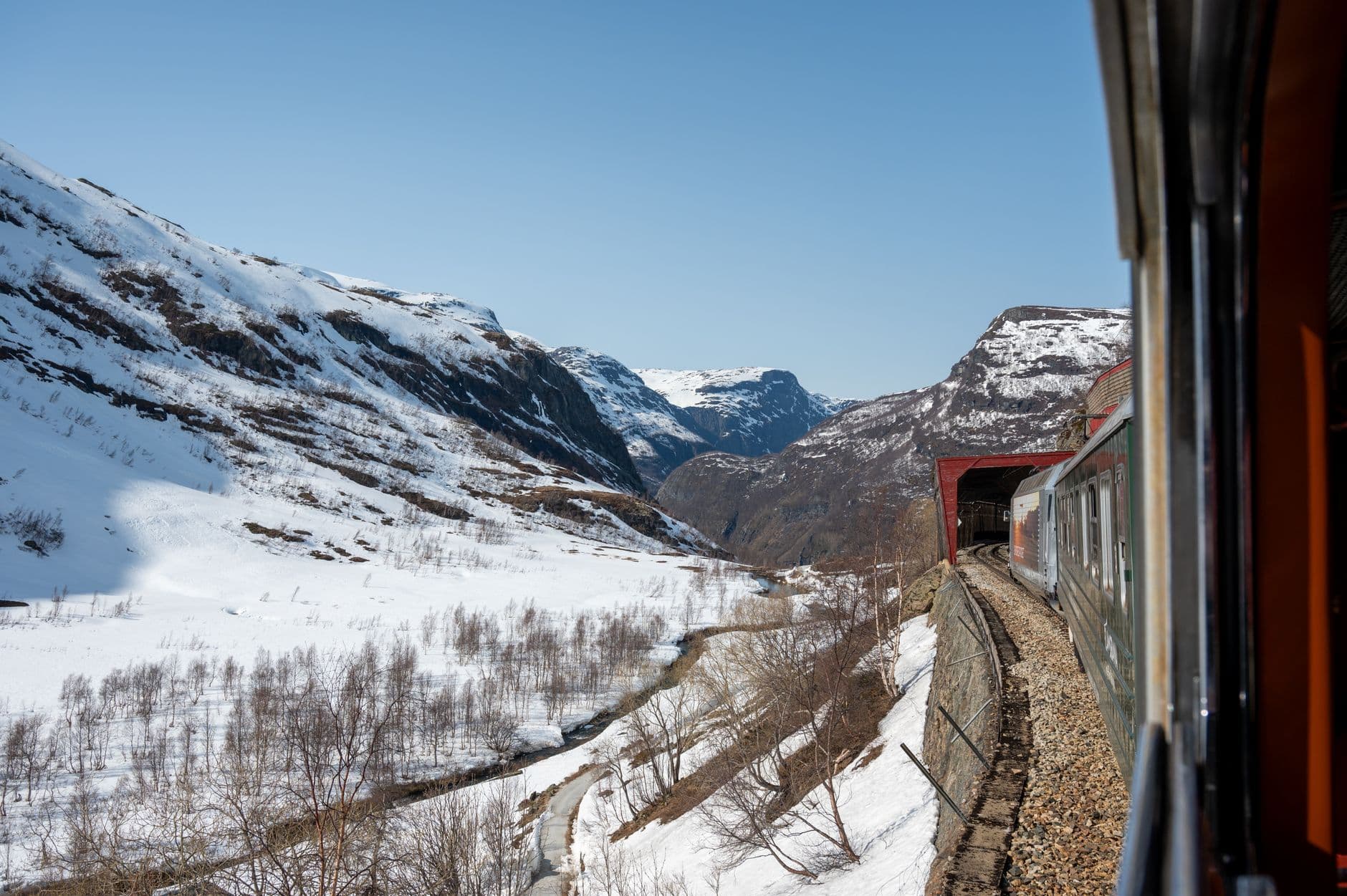
Essential Tips for Traveling in Norway
Norway rewards planners: book fjord trains early, pack for four seasons in a day, and pick your season for midnight sun or northern lights. Here's the essential prep guide.
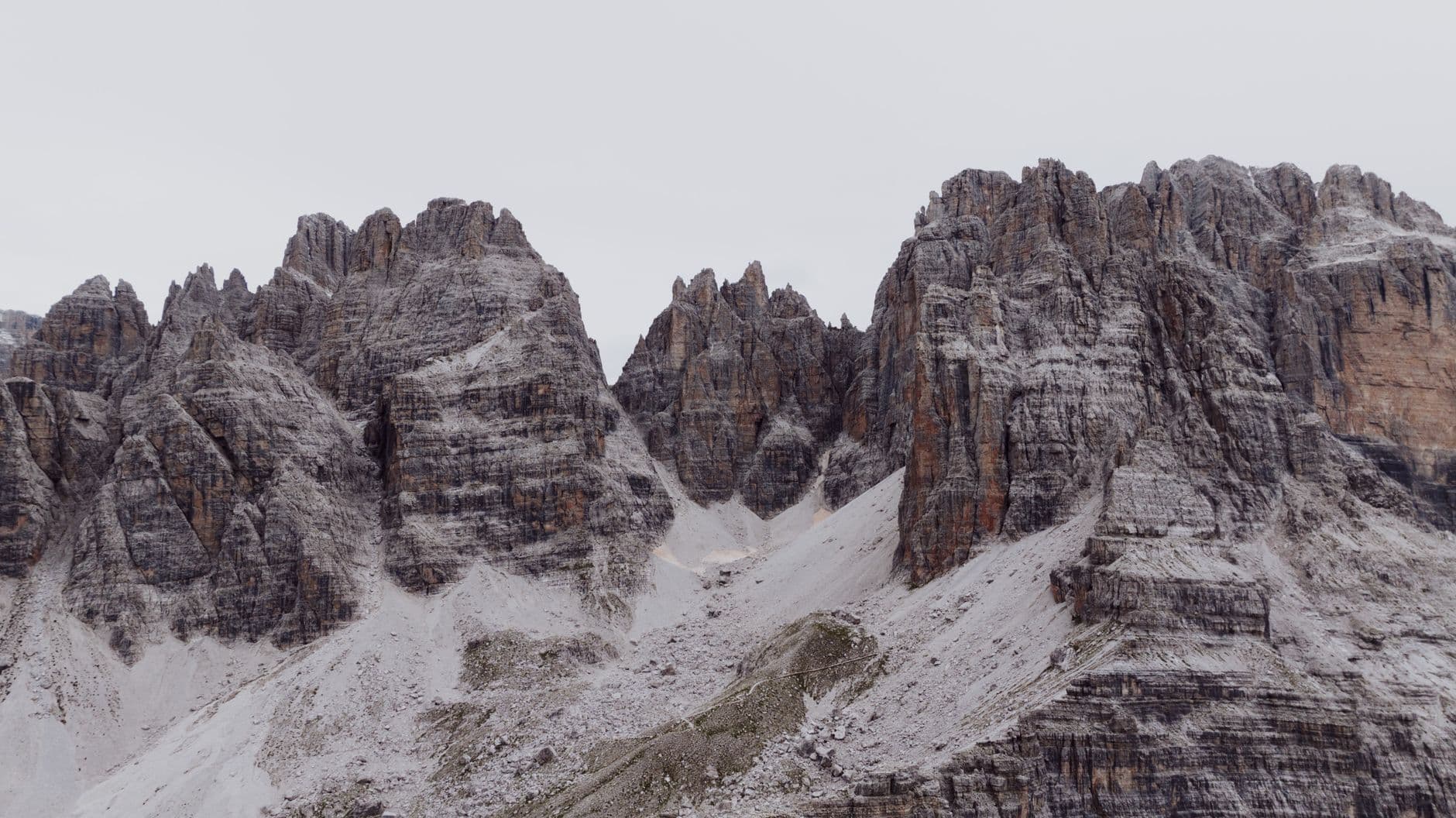
The Best Things to Do in The Dolomites
From a sunrise cable car ride out of Ortisei to a two-Michelin-star table in Alta Badia, here are the seven Dolomites experiences worth building an itinerary around.
A Week in Iceland's Ring Road
Seven days, 1,300 kilometers, and a rental car around Iceland's Ring Road, from Reynisfjara's black sand to the geothermal fields of Mývatn and back.