
A Week in Iceland's Ring Road
A Week in Iceland's Ring Road
First Light on Route 1, Where the Whole Loop Begins
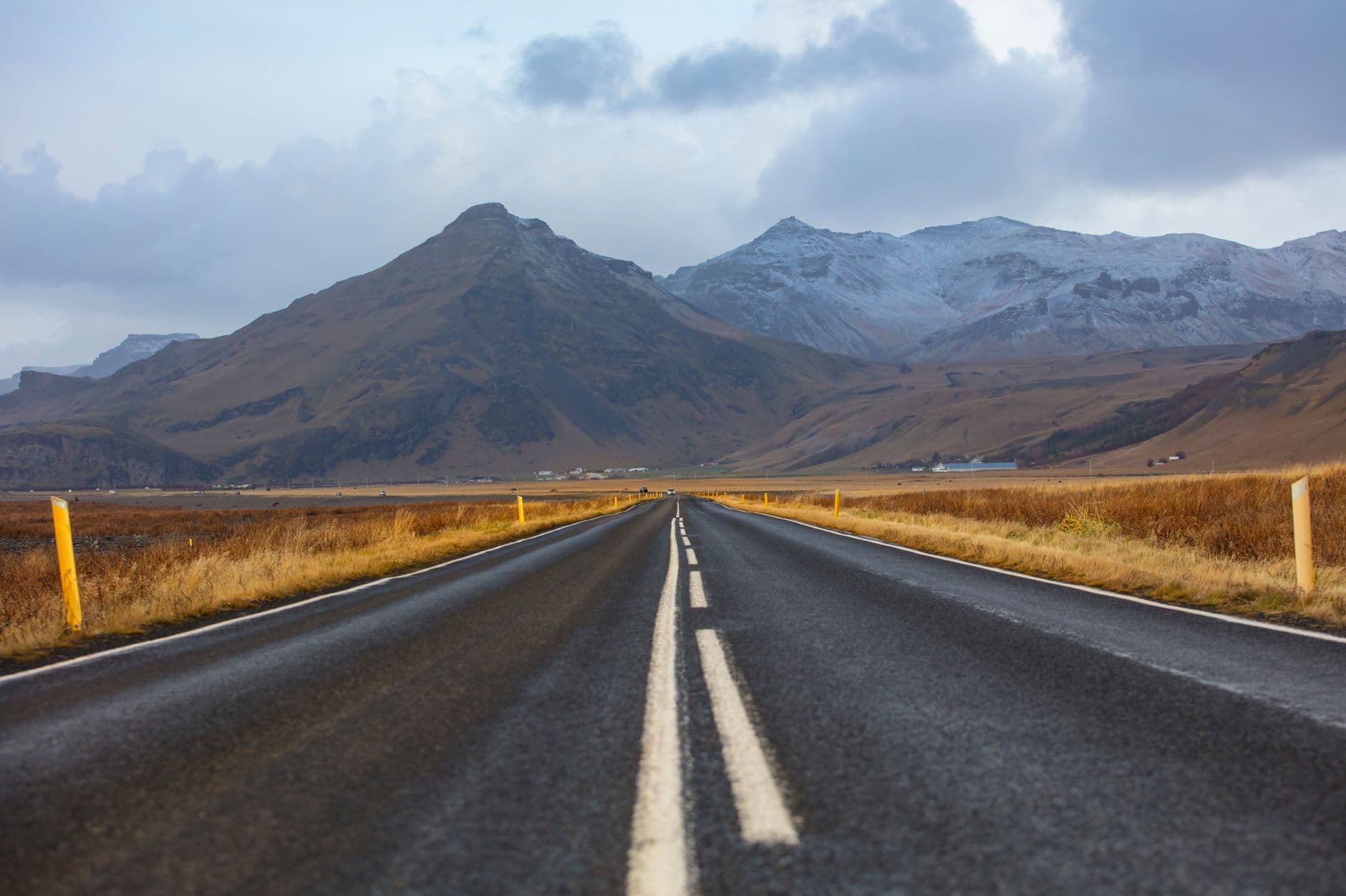
The rental counter at Keflavík Airport opens before the sun does in September, and by 8:30am I was signing paperwork for a Toyota RAV4 while a Icelandair 767 taxied past the window. Forty minutes later I was on Route 41 toward Reykjavík, windshield wipers on, the sky the color of wet slate. Iceland's Ring Road, or Þjóðvegur 1 as the road signs call it, circles the entire country in roughly 1,300 kilometers, and I had exactly seven days to drive it counterclockwise, from the capital through the south coast, up the east fjords, across the north, and back through the Snæfellsnes Peninsula before returning the car.
I'd read the practical guides. What none of them prepared me for was how quickly the landscape stops looking like anything you've driven through before. Twenty minutes past Hveragerði the road narrows, the farms thin out, and Iceland starts showing you the version of itself that ends up on postcards: black lava fields furred with green moss, waterfalls you can see from the highway without slowing down, and a horizon that never quite settles into a single shape.
“Somewhere between Vík and Höfn I stopped checking the map. The road only goes one way, and for once that felt like the entire point.”
Seven Days, One Road: How the Loop Actually Unfolded
Reykjavík to Vík í Mýrdal, via three waterfalls and a black beach
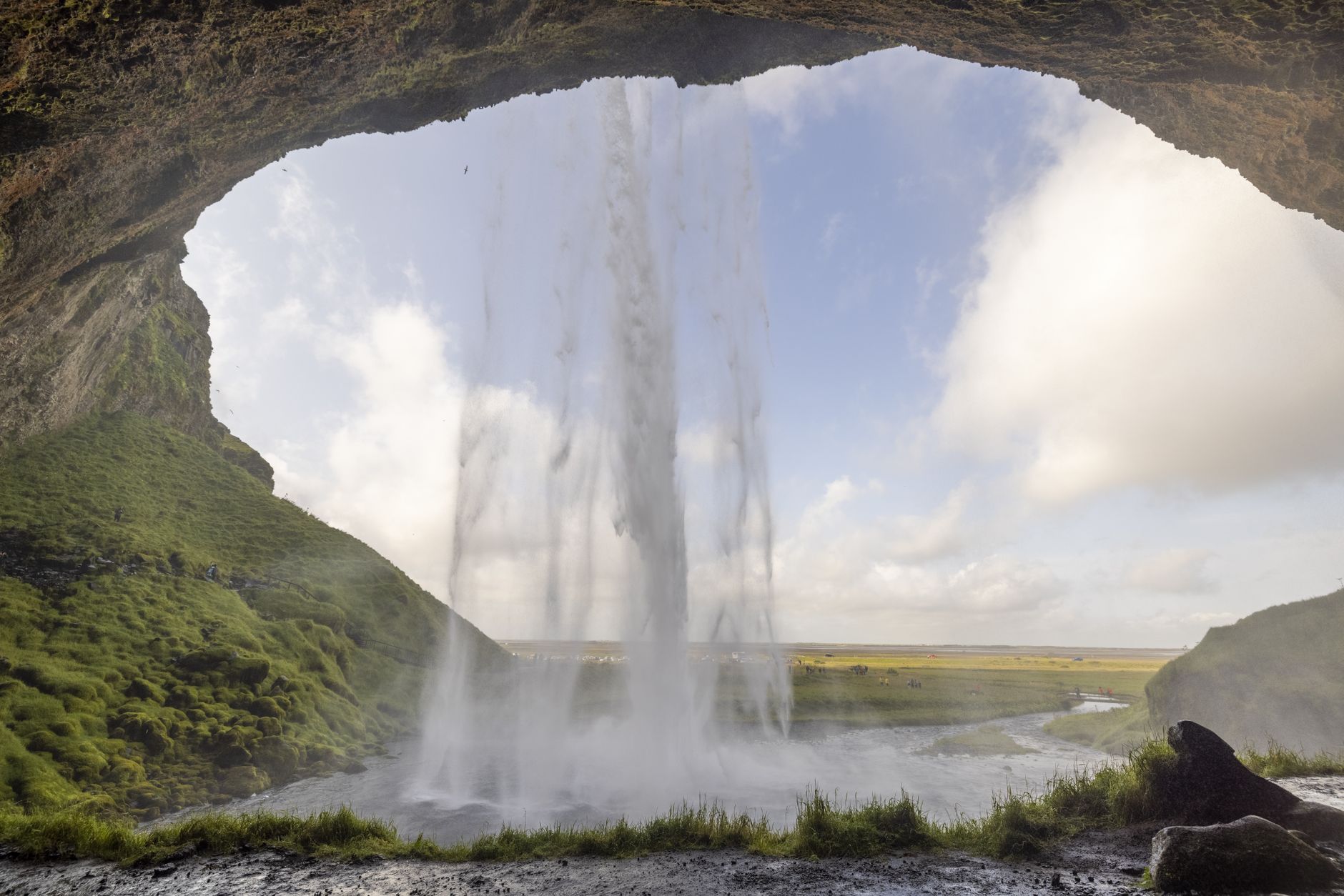
The drive from Reykjavík to Vík í Mýrdal covers about 190 km and takes just under three hours without stops, but nobody drives it without stops. Seljalandsfoss, roughly 125 km southeast of the city, drops 60 meters over a mossy overhang, and a paved path lets you walk behind the curtain of water for a soaked, slightly ridiculous five minutes; bring a dry bag for your phone.
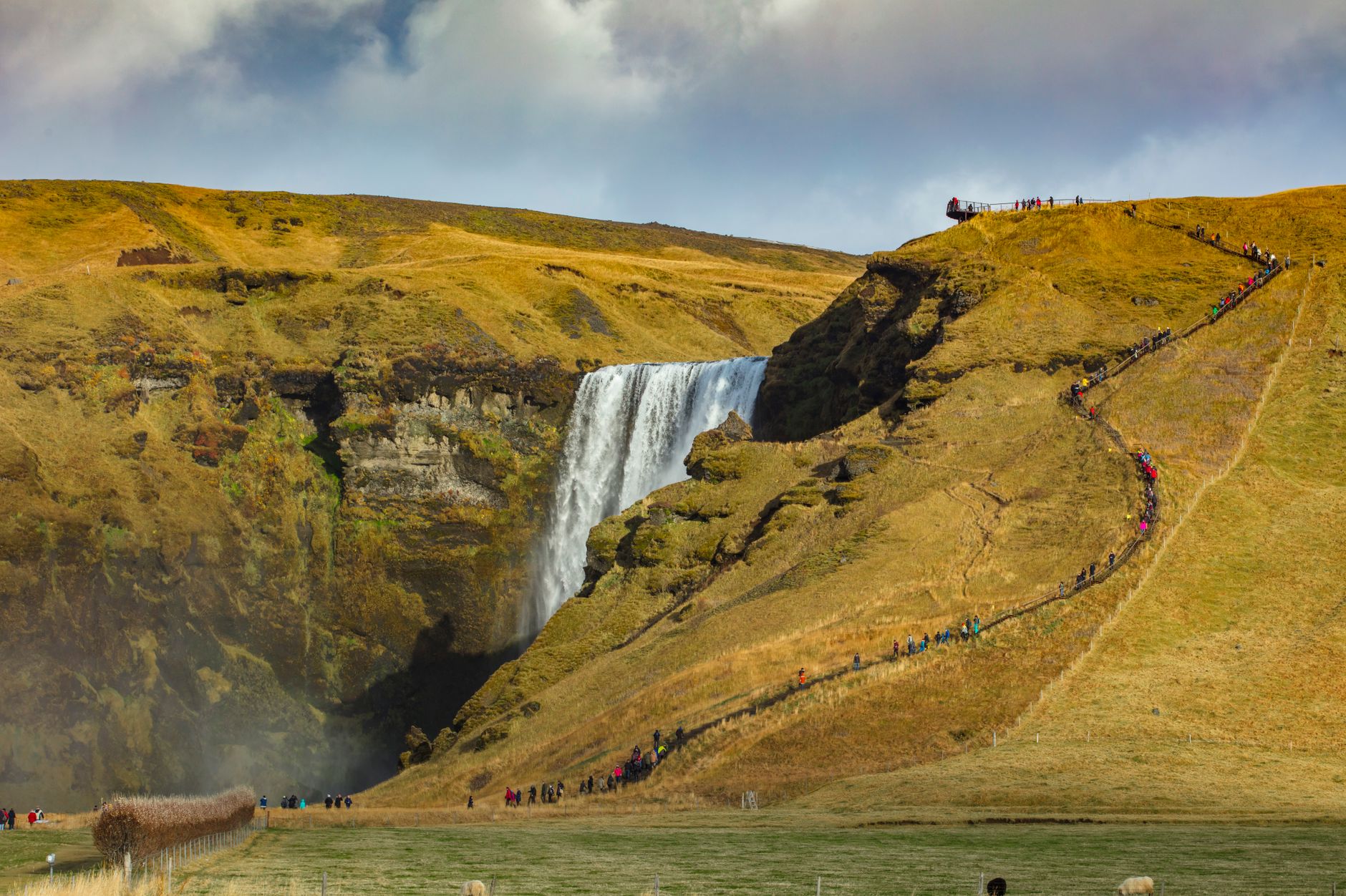
Twenty minutes further, Skógafoss thunders down a 25-meter-wide cliff face, and the 527-step staircase beside it climbs to a viewpoint over the start of the Fimmvörðuháls hiking trail. By late afternoon we reached Reynisfjara, the black sand beach beneath the basalt sea stacks of Reynisdrangar, where the surf is genuinely dangerous and the warning signs are not decorative.
We overnighted at Hotel Rangá, about 15 km outside Hella, whose lobby log fire and lava-field views made it worth the small detour off Route 1. Rooms in September run roughly USD 350-450 a night, and the hotel's private hot tubs are a good spot to watch for aurora if the forecast cooperates.
Skaftafell and Jökulsárlón: glaciers close enough to touch
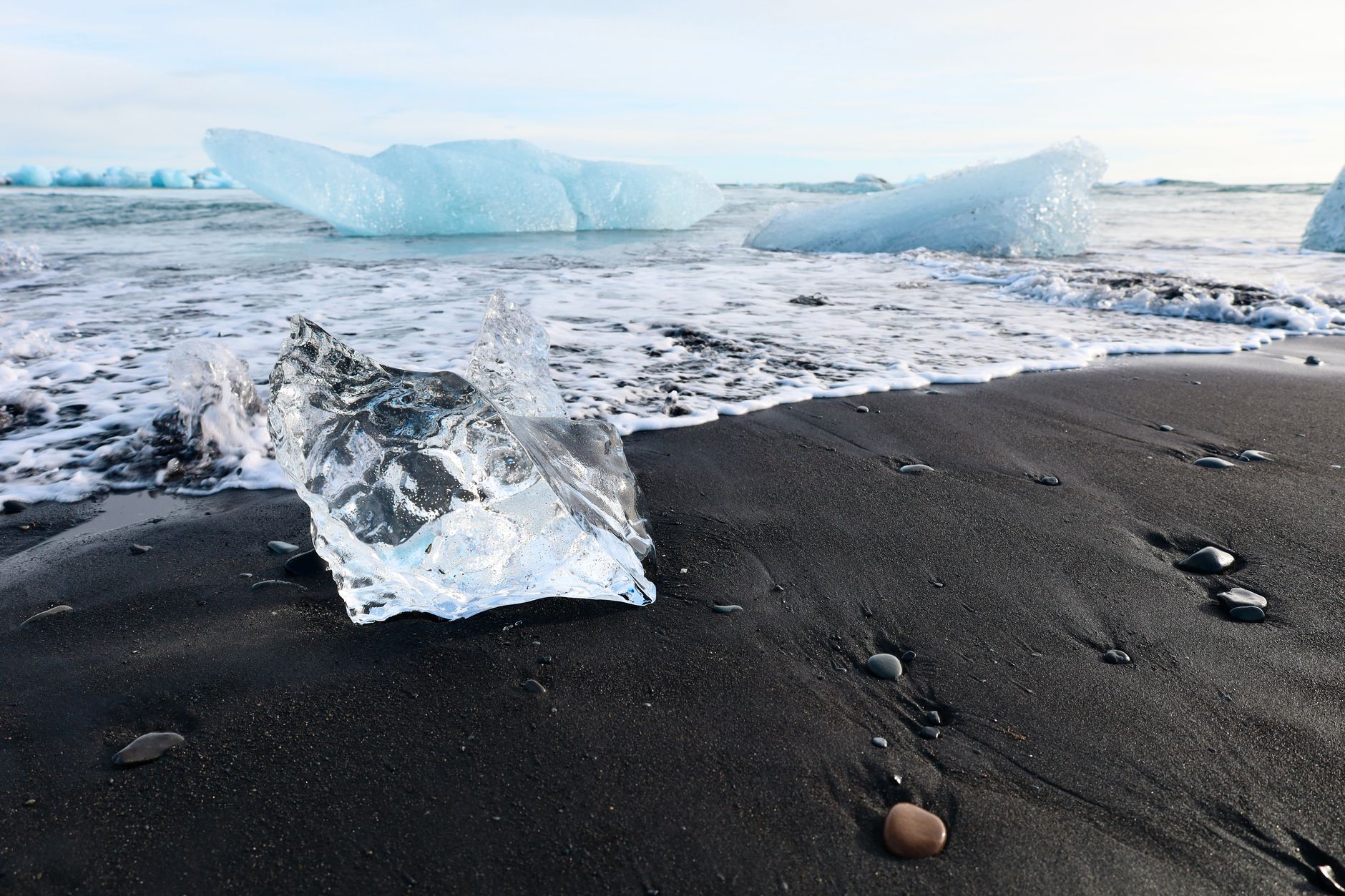
From Vík, Route 1 runs east across the Mýrdalssandur and Skeiðarársandur outwash plains, flat volcanic deserts that stretch to the horizon with almost nothing on them, before reaching Skaftafell in Vatnajökull National Park about 145 km along. We booked a 3.5-hour glacier walk on Svínafellsjökull through a local guiding outfit, crampons and ice axe included, for roughly ISK 18,000-20,000 per person; you cannot legally walk on the ice without a guide, and for good reason given the crevasses.
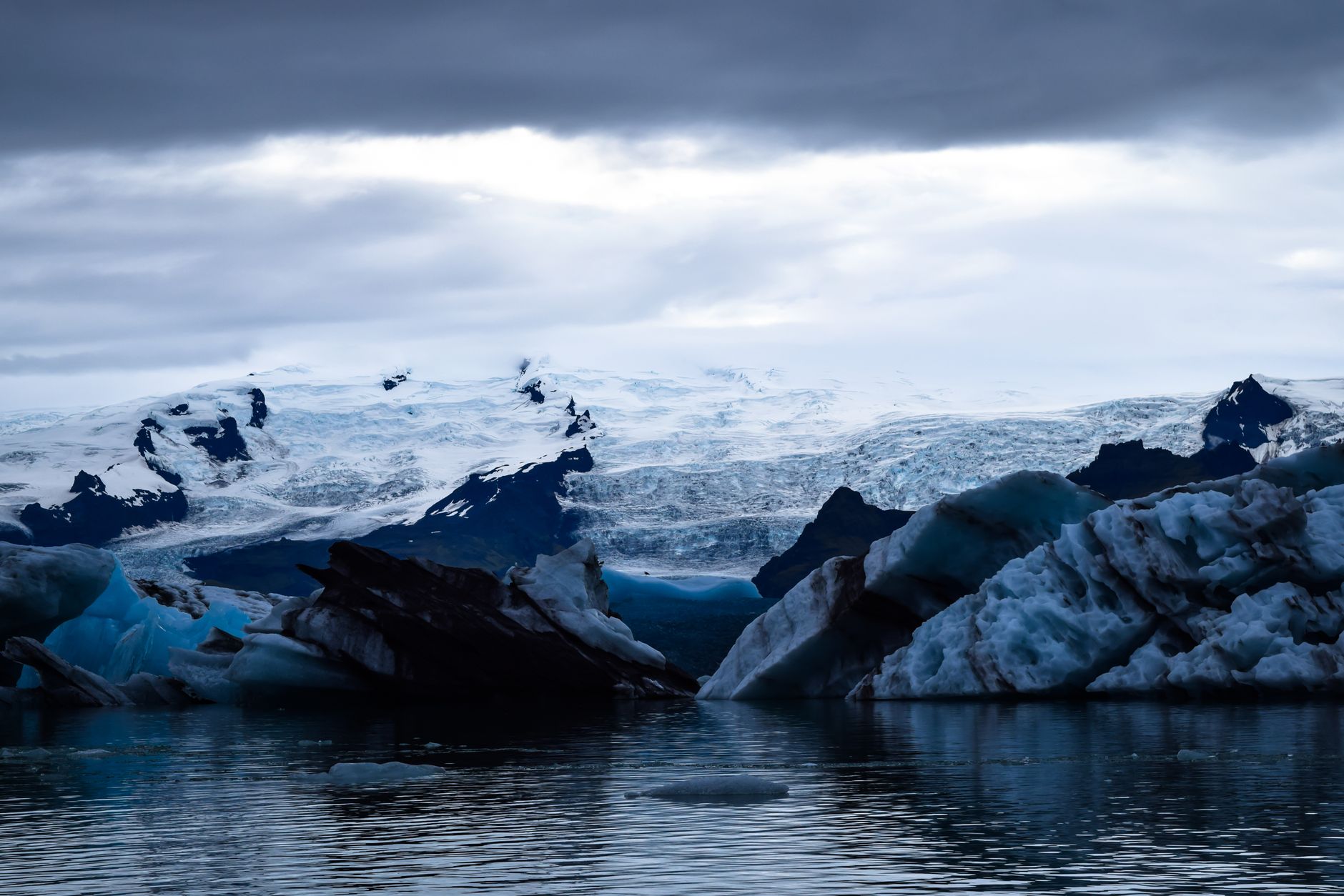
An hour further east, Jökulsárlón glacier lagoon delivers the trip's most photographed scene: icebergs calved from Breiðamerkurjökull drift silently toward the Atlantic, some the size of small buildings. Cross the road to Diamond Beach and you'll find fragments washed up on black sand, glinting like scattered glass.
We stayed at the Fosshotel Glacier Lagoon, a five-minute drive from Jökulsárlón itself, which meant we could catch the lagoon in soft evening light without racing the sunset. Doubles here run about USD 280-340 in shoulder season.
Höfn's langoustine and the quiet drama of the East Fjords
Höfn, about 80 km east of Jökulsárlón, is the self-declared langoustine capital of Iceland, and the harbor-side restaurant Pakkhús does not overpromise: their humar (langoustine) plate, priced around ISK 6,000-7,000, arrives in butter and garlic and needs nothing else.
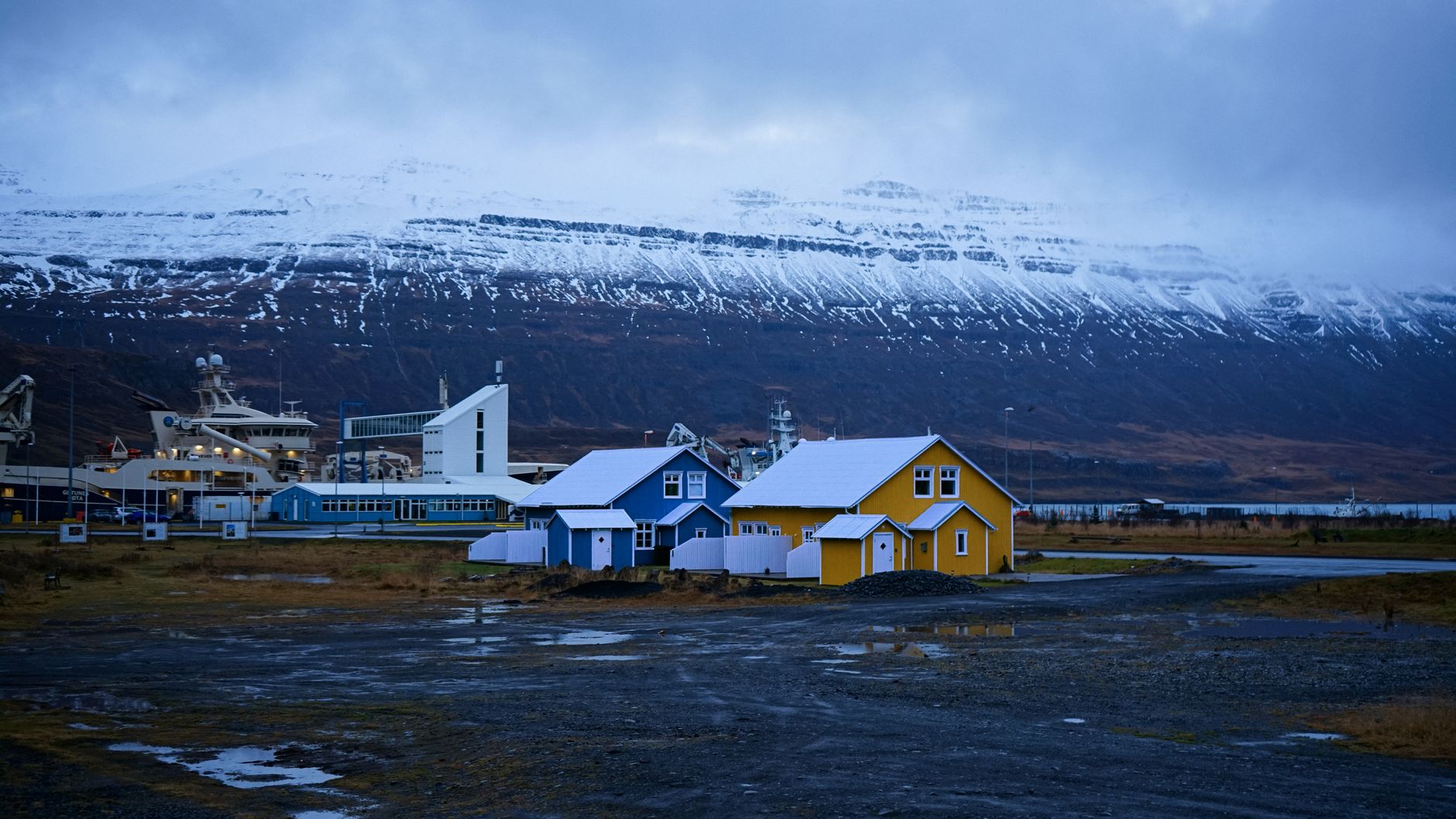
Past Höfn, the road tightens into the East Fjords, where Route 1 hugs the coastline through Djúpivogur and a string of villages with more sheep than people. We took the short detour over Fjarðarheiði to Seyðisfjörður, a town of pastel wooden houses tucked at the head of a narrow fjord, best known for the rainbow-painted street leading to its blue timber church and for Hótel Aldan, a converted 1890s building where we had dinner overlooking the water.
This stretch of road is the least trafficked part of the entire loop. We passed maybe a dozen other cars in three hours, and the fjords themselves, streaked with waterfalls that have no name on any map, felt like the trip's best-kept secret.
Mývatn's geothermal fields and the roar of Dettifoss
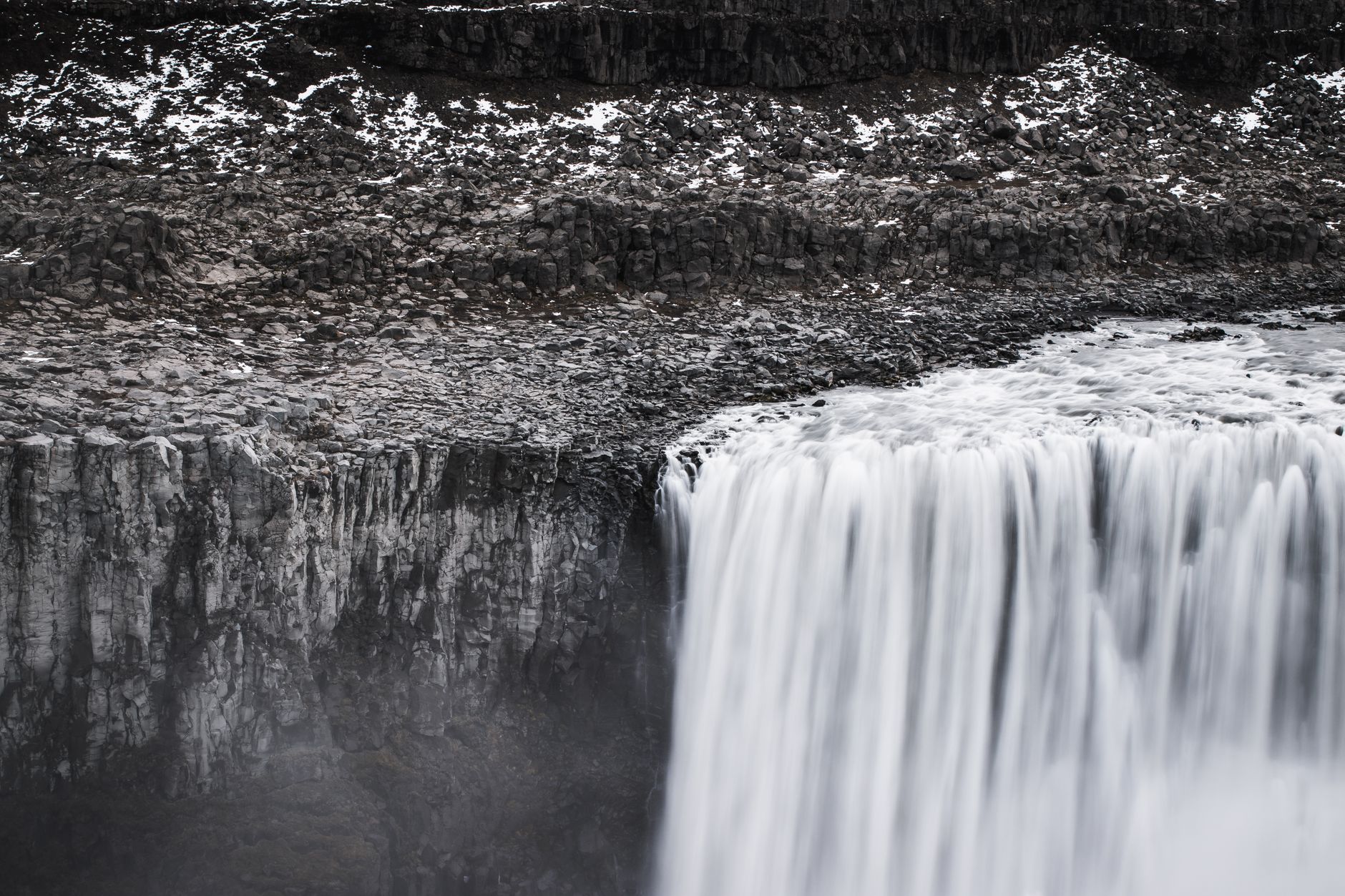
From Egilsstaðir, Route 1 climbs inland toward Mývatn, roughly 260 km northwest, crossing terrain that turns increasingly volcanic as you go. A short detour north on Route 862 or 864 brings you to Dettifoss, which pushes more water over its ledge than almost any waterfall in Europe; the west-bank viewpoint gets you closer to the spray, the east-bank one gives the better full-frame photo.
Around Mývatn lake itself, the Námaskarð pass and the Hverir geothermal field steam and hiss with sulfur vents you can smell from the parking lot, a landscape that looks more like a film set than anything real. We ended the day at the Mývatn Nature Baths, the north's answer to the Blue Lagoon at a fraction of the price, around ISK 6,500-7,500 for entry, soaking in mineral-blue water while steam rose off the lake at dusk.
We slept in Reykjahlíð at Hotel Laxá, a modern build on the lake's edge with wide windows angled toward the northern sky, useful if the forecast for aurora looks promising.
Akureyri, whales off Húsavík, and the long run back toward Reykjavík
Akureyri, Iceland's second city at around 20,000 people, sits an hour west of Mývatn at the head of Eyjafjörður. It's small enough to walk in an afternoon: the striking concrete Akureyrarkirkja church, the botanical garden Lystigarðurinn, and a solid lunch at Bautinn, a local institution for lamb soup and burgers since the 1940s.
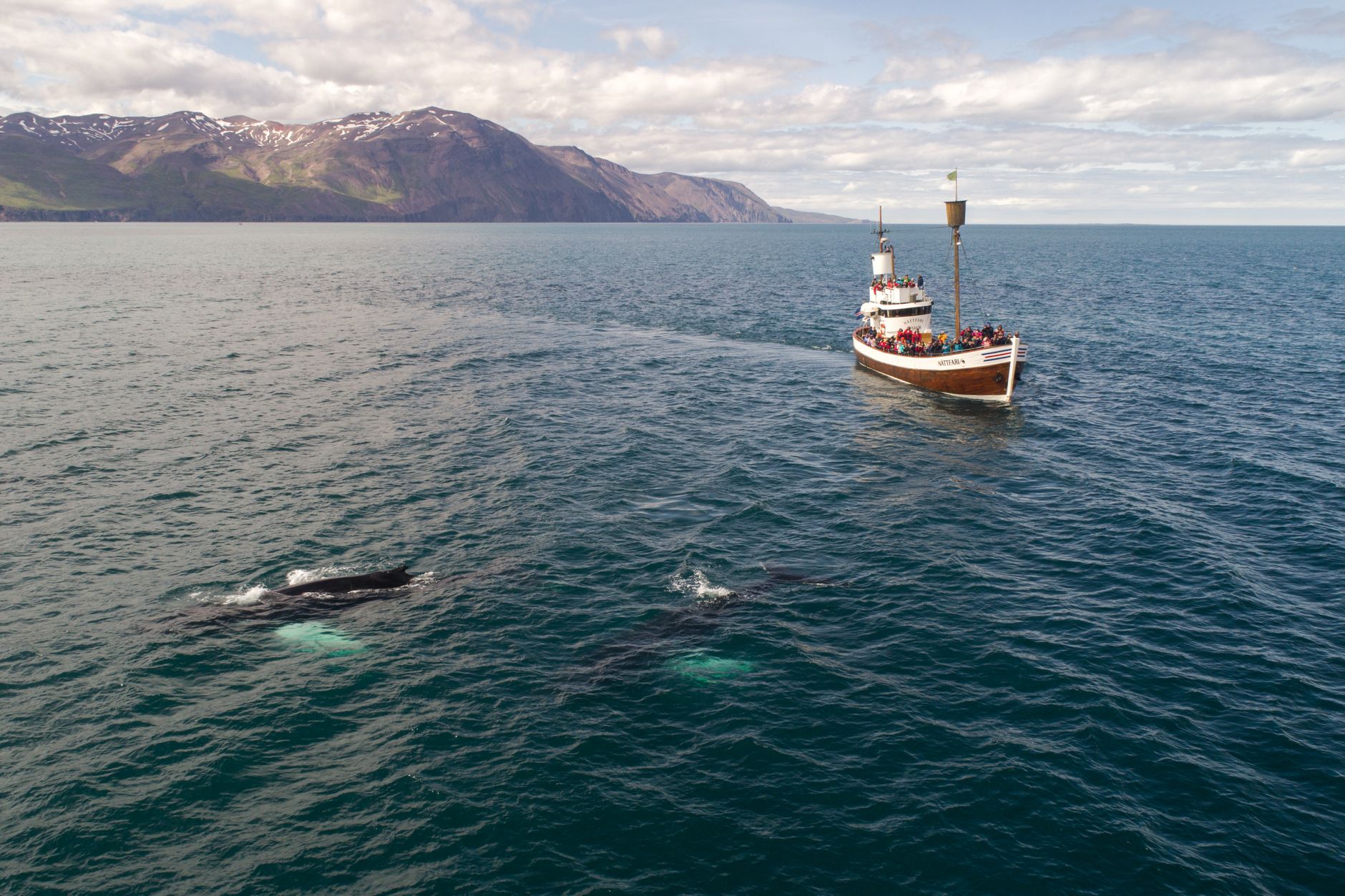
From Akureyri we drove 50 minutes north to Húsavík for a 3-hour whale watching trip; humpback and minke whales are regularly sighted in Skjálfandi Bay between June and September, and boats run around ISK 13,000-15,000 per adult with thermal suits included.
The final push back toward Reykjavík covers close to 400 km, most of it on fast, well-maintained Route 1 through Blönduós and Borgarnes before the Hvalfjörður tunnel shortcuts under the fjord and drops you back into the capital's outskirts. We split this into a last night at Hótel Búðir on the Snæfellsnes Peninsula, close enough to see Kirkjufell mountain at sunset before the drive home the next morning.
Scenes from the loop
Cordelie travel advisors
Planning Iceland's Ring Road? Go with someone who knows
The right suite, the right season, the reservations that never appear online — your Cordelie advisor knows them, and holds them for you.
Plan with a Cordelie advisorFree to ask. Cordelie Travel Services · IATA/ARC 06649064
The Three Moments That Made the Whole Loop Worth It
If I had to keep only three memories from seven days on the road, the glacier walk on Svínafellsjökull would be one. Standing on ice that's been moving, however slowly, for thousands of years does something to your sense of scale that photographs of Jökulsárlón simply can't. Our guide pointed out a crevasse system that had opened up since her last trip through the same route two weeks earlier; the ice is not a static backdrop, it's actively rearranging itself under your boots.
The second was the emptiness of the East Fjords. Everyone plans for the south coast, and rightly so, but almost nobody budgets time for the road between Höfn and Egilsstaðir, and it's a mistake. We stopped the car in the middle of Route 1 near Berufjörður, engine off, no other vehicle in sight in either direction, just wind and a waterfall somewhere up in the cliffs. It's the kind of silence that's hard to find anywhere else in Europe.
The third was smaller and stranger: floating in the Mývatn Nature Baths at dusk while steam from the lake mixed with steam off the water, watching a faint green smear appear low on the northern horizon that might or might not have been the start of an aurora. It never fully committed to a show. It didn't need to.
Langoustine, Lamb Soup, and Skyr: What We Actually Ate
Iceland's food scene along the Ring Road runs on a handful of reliable staples, done well and repeated in almost every town: lamb, fish, skyr, and increasingly good bread. Pakkhús in Höfn remains the meal I'd send anyone driving the south coast toward on purpose, not just in passing; the langoustine there is genuinely the local specialty rather than a menu gimmick, and the harbor view through the windows doesn't hurt.
In Seyðisfjörður, dinner at Hótel Aldan's restaurant leaned on Arctic char and root vegetables, simply prepared, with a bottle of Icelandic Einstök white ale that paired better than it had any right to. Akureyri's Bautinn is the opposite register entirely, a proper roadside institution since the 1940s, where the lamb soup, kjötsúpa, costs around ISK 2,200-2,600 and comes with a bread basket that will ruin your appetite for whatever comes next.
Every N1 petrol station along Route 1 doubles as a diner, and the hot dogs there, pylsur, topped with crispy onions and remoulade, are a legitimate meal at ISK 700-900 rather than a compromise. We ate more of them than I'd like to admit, usually standing in a parking lot with a waterfall visible somewhere over the pumps.
The Ring Road looks simple on a map, one road, one direction, but the logistics that actually make or break a week are the ones you can't see from a booking site: which glacier-walk operator has the right permit on Svínafellsjökull that week, whether Fjarðarheiden pass is open in shoulder season, and how to sequence hotel nights so you're not driving four hours after a full day of hiking.
A Cordelie advisor who has run this route before can pre-book the glacier walk and whale-watching slots that sell out first, flag weather-sensitive detours like Dettifoss's west-bank road before you're standing at a closed gate, and build in a buffer night near Jökulsárlón or Mývatn so an aurora forecast doesn't force you to skip it.
Is a week on Iceland's Ring Road worth it?
Yes, especially in the September-early October shoulder season, if you're comfortable with long driving days and a rental car with confident handling in wind and rain.
This trip rewards travelers who want scenery over nightlife and are happy driving 150-260 km between stops, most of it on well-paved Route 1 with the occasional gravel detour. Budget roughly USD 2,500-3,500 per person for a week covering car rental, mid-range hotels, glacier and whale-watching tours, and meals, more if you add Reykjavík nights on either end.
It's a strong fit for couples and independent travelers chasing landscape photography, waterfalls, and glaciers rather than cities; it's a tougher fit for anyone who dislikes long car days or wants a fixed base. A week is genuinely enough to circle the country once, with time to stop, but not enough to linger anywhere for more than a night or two.
Last checked for accuracy: . How we check

Isaac Reid has spent fourteen years on ships and on foot in the places weather still decides. He sailed his first Drake Passage as an expedition assistant and has since made the crossing more than thirty times, between seasons trekking in Nepal and Patagonia. He writes about what these trips actually ask of a traveller — the days that get cancelled, the kit that matters, the difference between a landing and a cruise-by — and thinks the honest version sells them better than the brochure does.
Related Articles
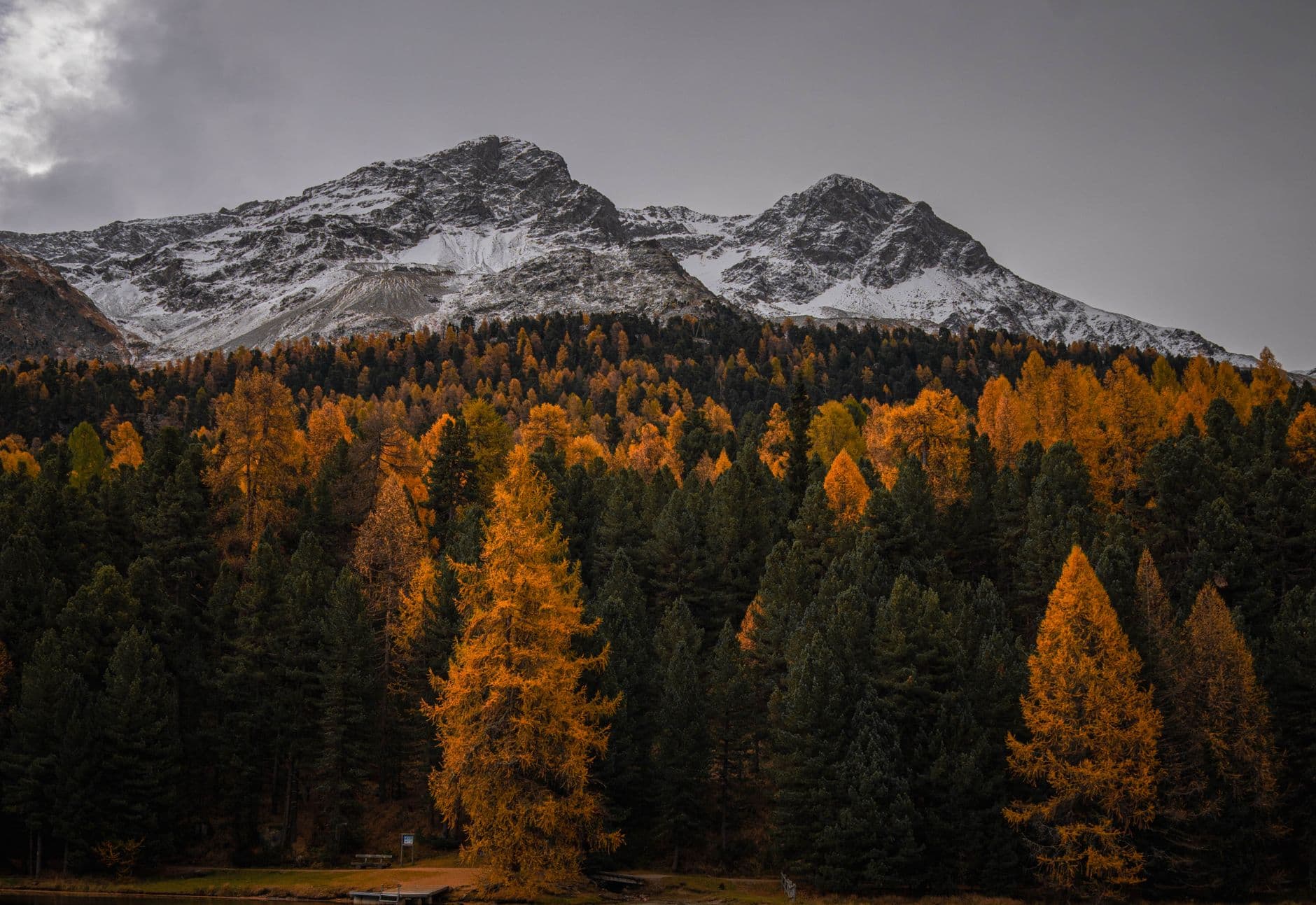
Why The Swiss Alps Rewards an Off-Season Visit
The Swiss Alps in September and October stand nearly empty. Trails quiet, prices halve, and snow dusts the highest peaks while larch forests turn gold—creating an entirely different alpine experience.
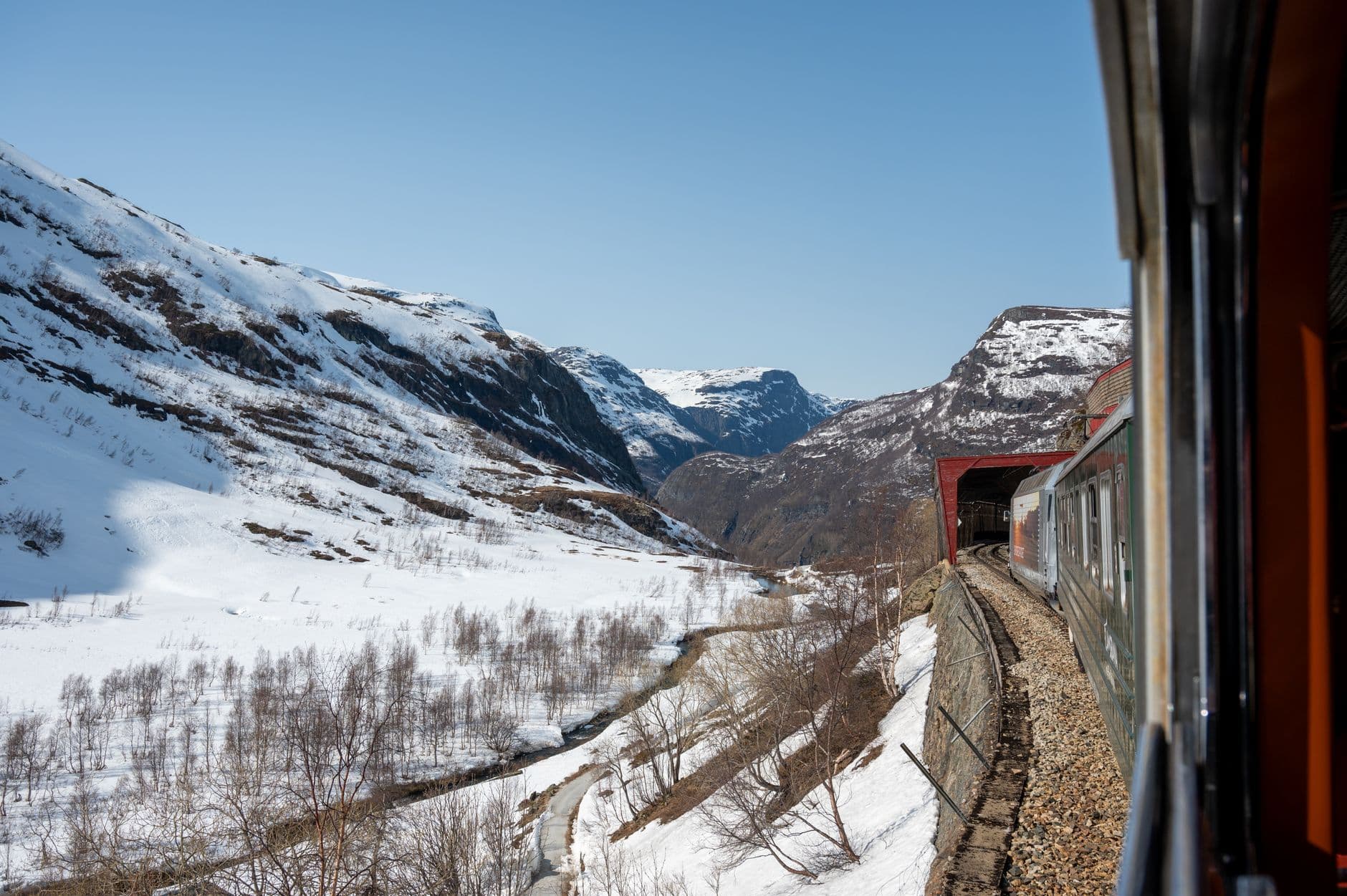
Essential Tips for Traveling in Norway
Norway rewards planners: book fjord trains early, pack for four seasons in a day, and pick your season for midnight sun or northern lights. Here's the essential prep guide.
The Best Things to Do in The Dolomites
From a sunrise cable car ride out of Ortisei to a two-Michelin-star table in Alta Badia, here are the seven Dolomites experiences worth building an itinerary around.