
A Week in The Faroe Islands
Seven Days Among the Cliffs, Sheep, and Fog of the Faroe Islands
The fog closed in about four minutes after the wheels touched down at Vágar Airport, and for a moment I could see nothing but the wingtip and a grey nothing beyond it. Someone behind me laughed and said, 'Welcome to the Faroes, the weather is the tour guide here.' By the time I collected my rental car keys at the tiny arrivals hall, sheep were visible again on the hillside above the runway, unbothered by cloud that had just swallowed a jet.
I had come for a week, which felt both like plenty of time and nowhere near enough for eighteen islands strung across roughly 1,400 square kilometers of the North Atlantic, halfway between Iceland and Norway. What follows is the week I actually had, weather included, rather than the one I planned on a spreadsheet back home.
“In the Faroes, the weather doesn't interrupt your plans. It is your plans.”
From Tórshavn's Harbor to Mykines' Puffin Cliffs: My Week Unfolds
Touchdown at Vágar and First Steps in Tórshavn
The direct flight from Copenhagen on Atlantic Airways takes about two hours, and it deposits you on Vágar, one of the smaller western islands, rather than anywhere near the capital. From the airport I drove east on Route 10 through the Vágatunnilin, the undersea tunnel that connects Vágar to Streymoy, a crossing of a few minutes that saves what used to be a ferry trip.
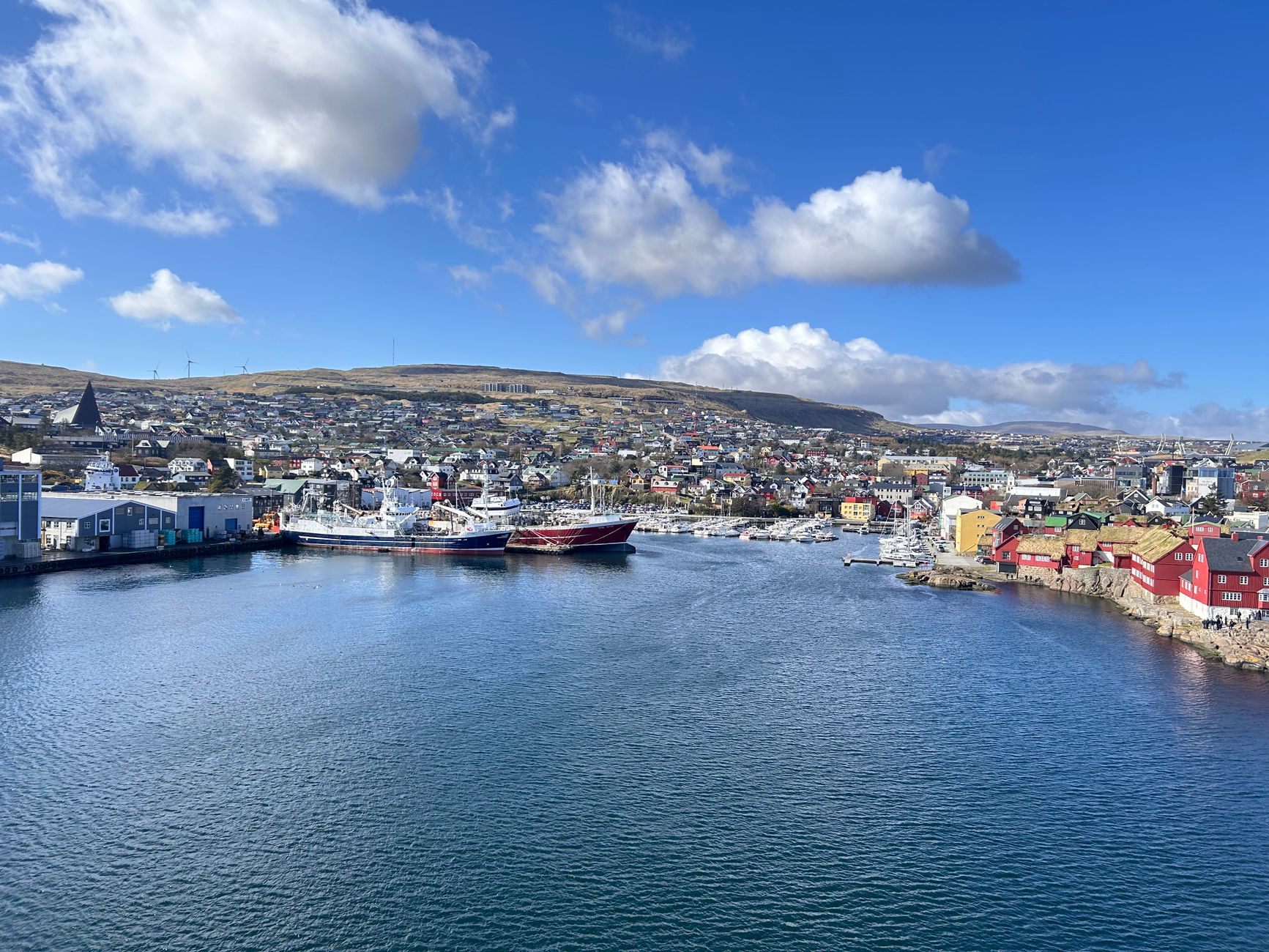
Tórshavn itself announced itself slowly, a scatter of colorful roofs below a hill, and I checked into Hotel Føroyar, which sits above the town with a long view down over the harbor and out toward Nólsoy island. I dropped my bag and walked straight down into Tinganes, the small peninsula of turf-roofed, tar-black wooden buildings that has housed the Faroese government since medieval times.
Dinner that first night was at Áarstova, a low-ceilinged, candlelit restaurant just off the harbor known for slow-braised lamb, and I ate it with the particular hunger of someone who has been awake since 4am and crossed two time zones to get there.
Turf Roofs, Sea Stacks, and the Vestmanna Bird Cliffs
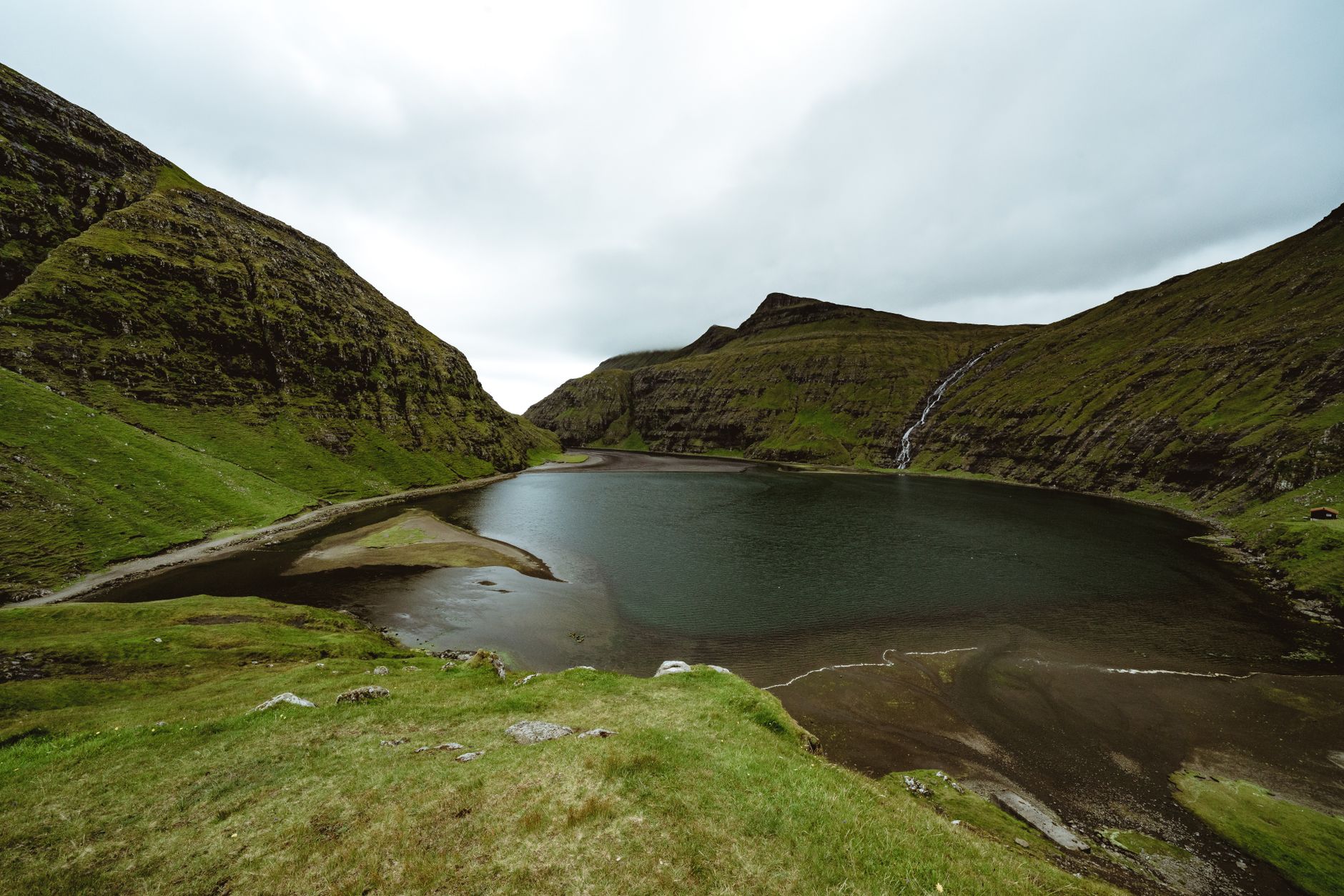
I gave myself two days to circle Streymoy without rushing. The first stop was Kirkjubøur, a village of perhaps a dozen houses that was once the religious center of the islands, home to the roofless stone ruins of Magnus Cathedral, begun around 1300 and never finished. Beside it stands Roykstovan, a wooden farmhouse still lived in by the Patursson family and reputedly one of the oldest continuously inhabited wooden buildings in the world.
From there I drove north to Saksun, where a tidal lagoon sits behind a narrow channel to the sea, ringed by cliffs that seem to close the village off from everything. A short detour to Tjørnuvík gave me my first look at Risin og Kellingin, the Giant and the Witch, two sea stacks that local legend says were turned to stone trying to drag the islands back to Iceland.
Day three was for water rather than roads. The Vestmanna cliffs boat tour runs a couple of times daily in summer, costs 450 DKK per adult, and takes about two hours through sea caves and beneath nesting kittiwakes and guillemots. Ours turned back early when the swell picked up, which the crew treated as entirely routine.
A Weather-Dependent Crossing to Mykines
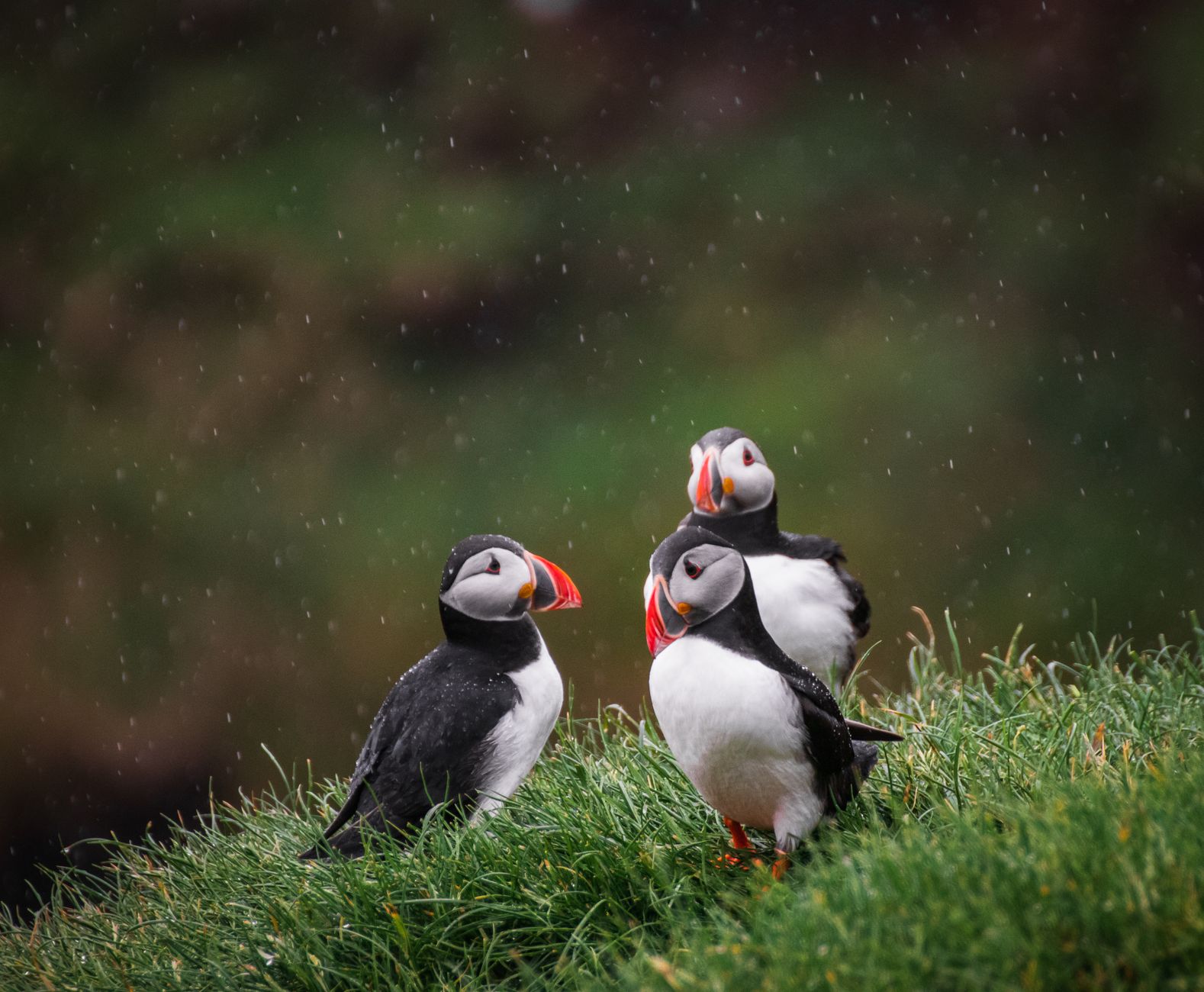
Mykines is the westernmost inhabited island and the one everyone comes for, mostly because of the puffins. The ferry leaves from Sørvágur, takes about 45 minutes, and runs a limited schedule — typically a few departures a day in high summer, and far fewer outside it, so I had booked mine before leaving home and still built in a spare day in case the crossing was cancelled.
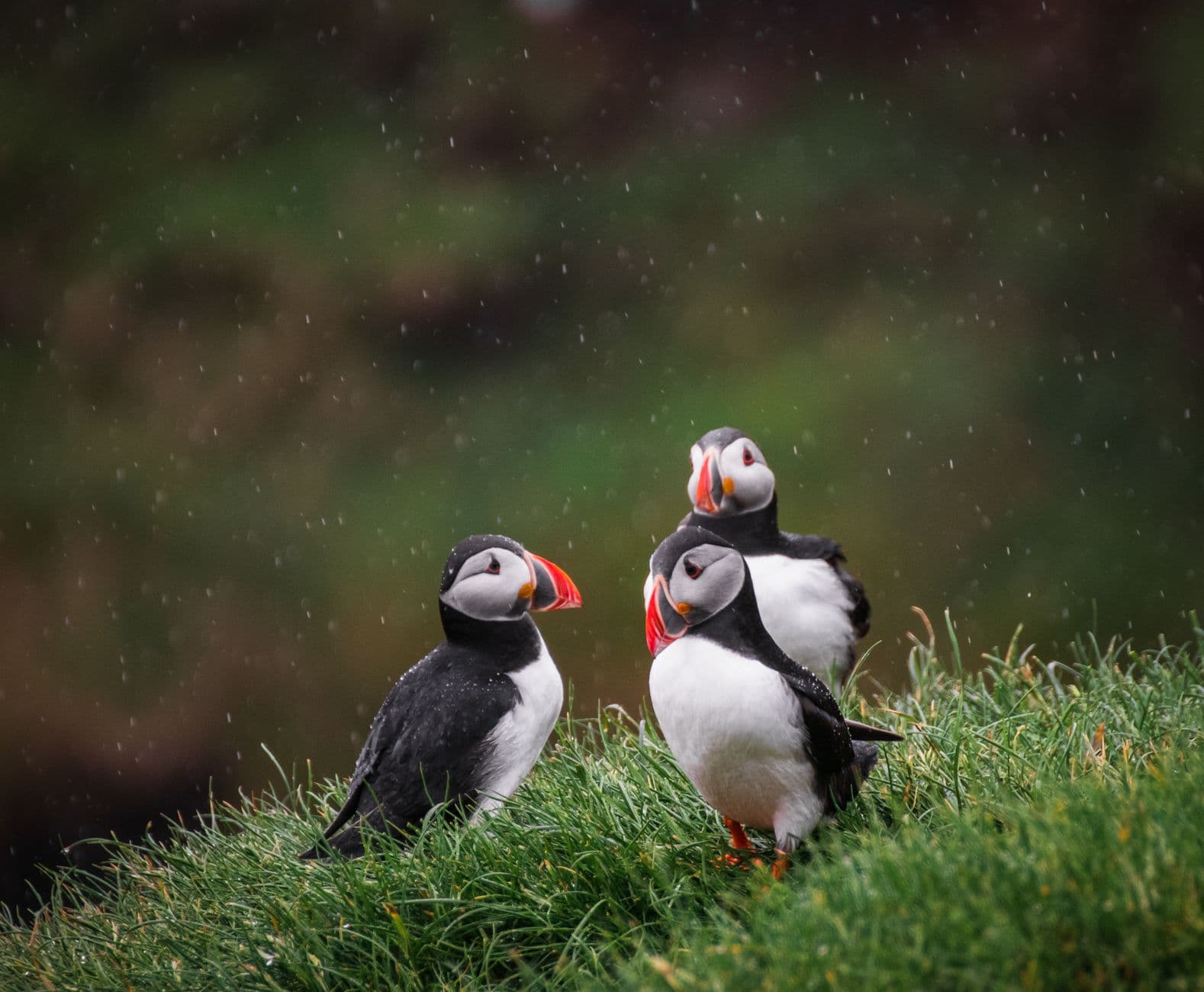
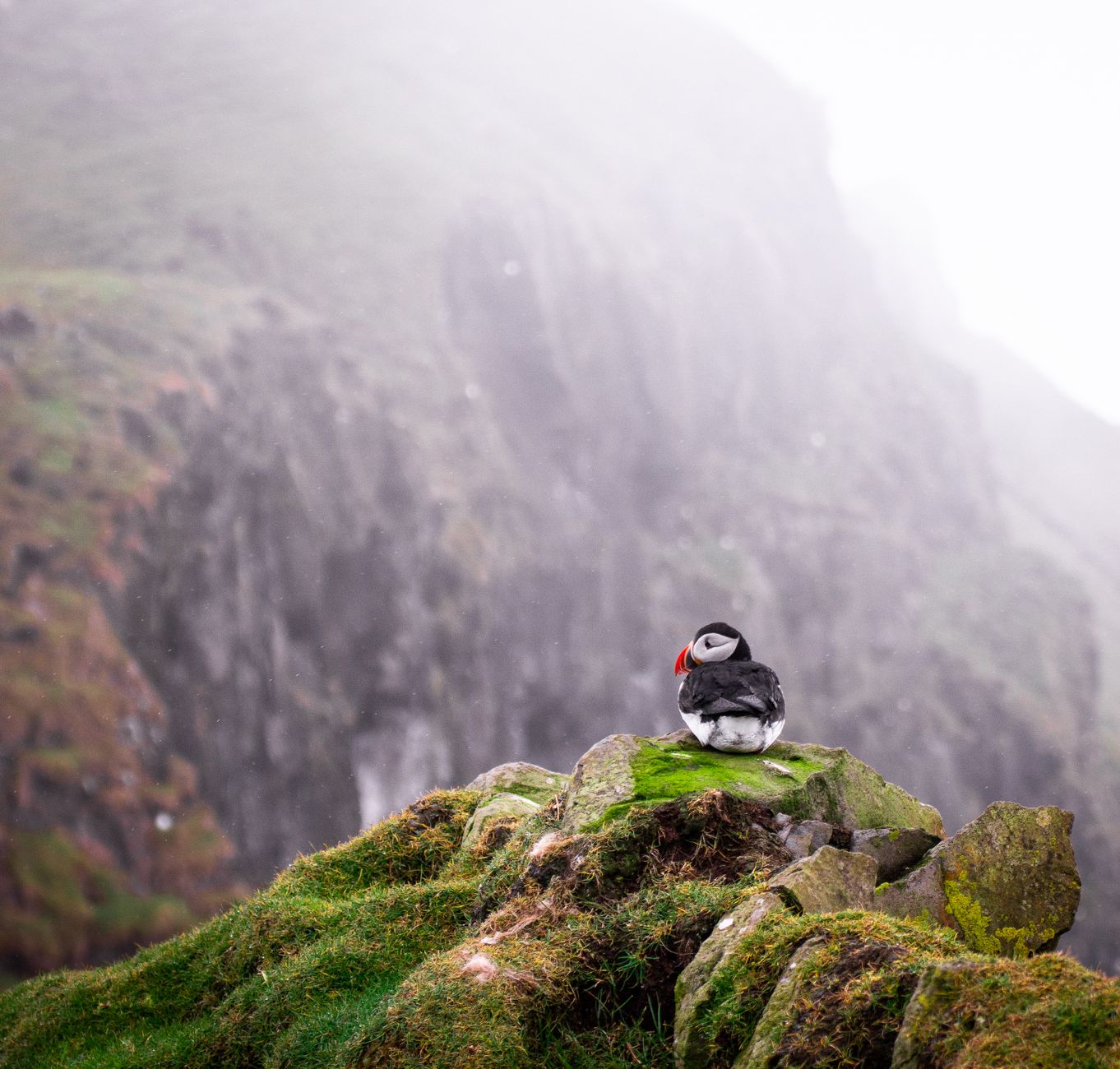
It wasn't. We landed in Mykines village, population somewhere in the low double digits year-round, and walked the hour and a half out to Mykineshólmur across a small footbridge, past a lighthouse and thousands of puffins standing at the cliff edge like they were posing for it. I sat down on the grass at one point simply because there was nowhere else to be.
The walk back felt shorter, the way return walks always do, and I caught the last ferry with about twenty minutes to spare, which is apparently normal here and not a sign that anything had gone wrong.
Under the Sea to Eysturoy, Then Out to Kalsoy's Lighthouse
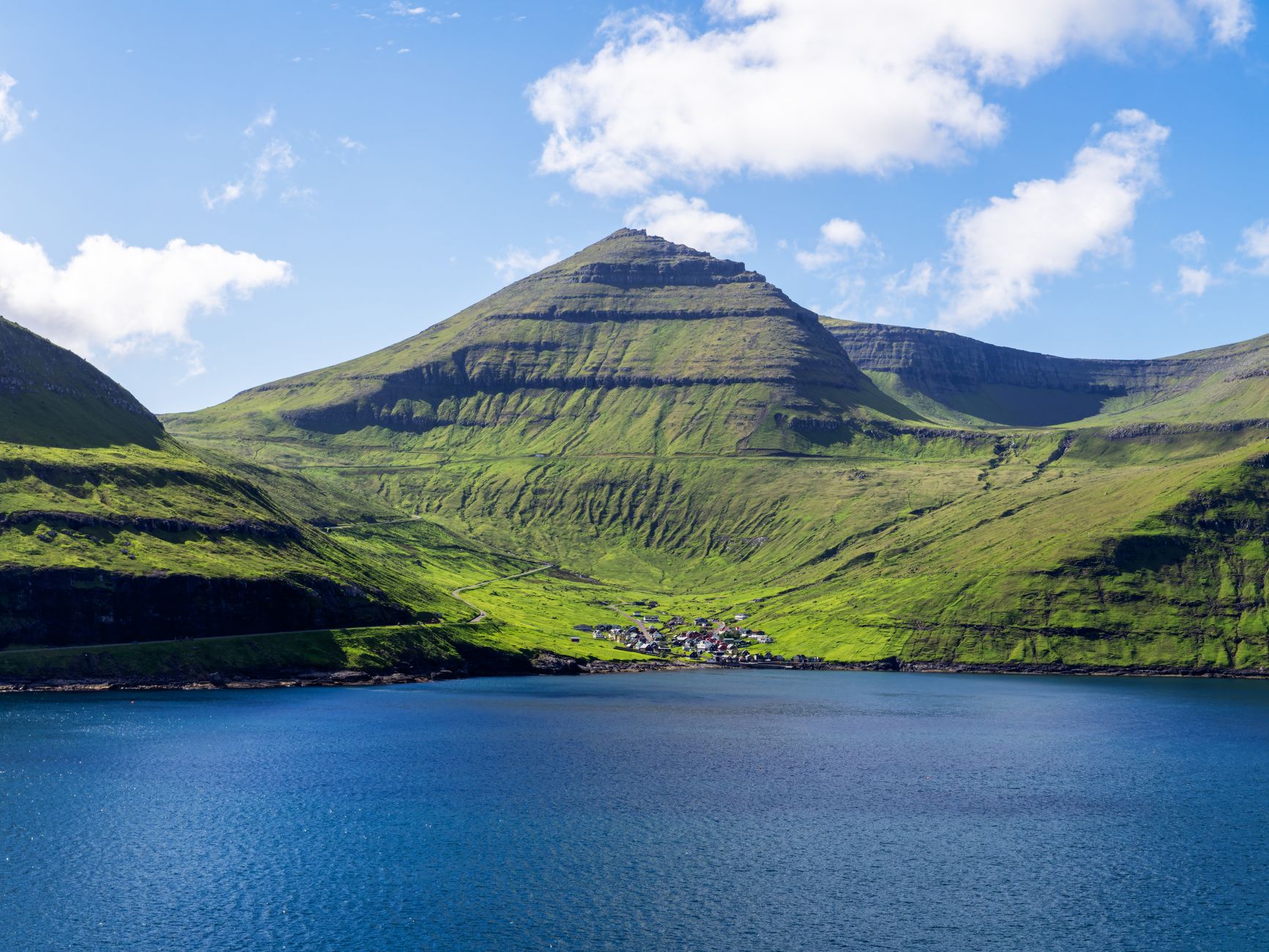
The Eysturoyartunnilin, opened in 2020, is an 11.24-kilometer undersea tunnel with a roundabout carved into the rock partway across, lit in shifting colors and genuinely disorienting the first time you drive through it. The toll is billed automatically to the rental car and runs roughly 100 to 140 DKK per one-way crossing. On the far side, Gjógv sits at the head of a narrow sea gorge, and I had a late lunch of fish soup at Gjáargarður guesthouse looking down into it.
From Klaksvík, the second-largest town in the islands, a short ferry crosses to Kalsoy in about 20 minutes, with only a few sailings a day, so timing matters. The hike out to Kallur lighthouse takes roughly an hour and a half round trip along a ridge with the sea dropping away on both sides, and it's the spot where scenes from the James Bond film No Time to Die were shot.
Klaksvík itself is worth slowing down for: Christianskirkjan church, built in 1963 with a striking modernist stone interior, sits a short walk from the harbor, and the town has a working fishing-fleet energy that Tórshavn, more government town than port these days, has largely lost.
Last Rounds in Tórshavn Before the Flight Home
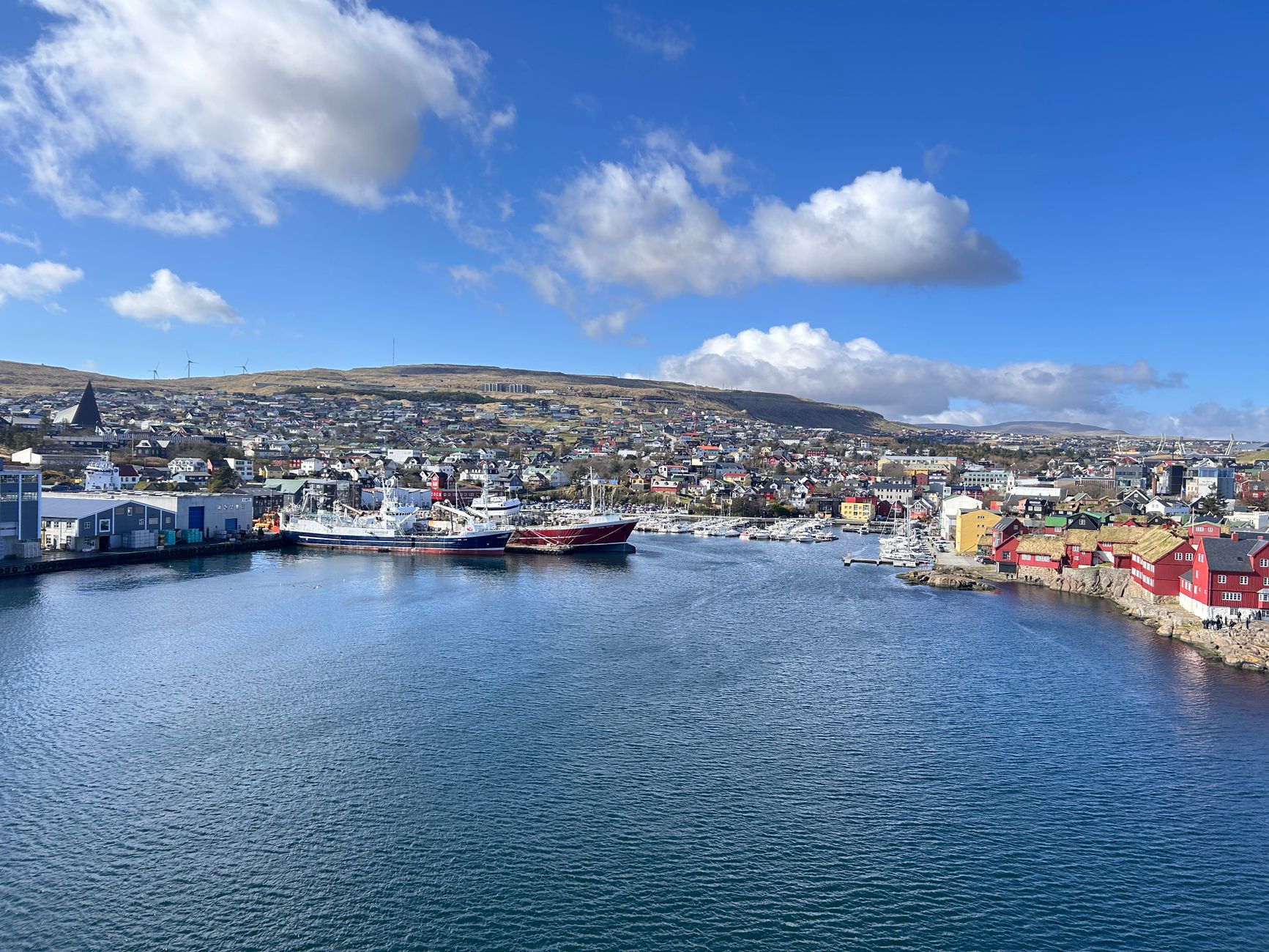
I kept the last day loose on purpose. A slow morning coffee at Kaffihúsið in Tórshavn, a wander past the wooden Havnar Kirkja cathedral, and one more circuit of Tinganes to see it without the previous week's rain.
Dinner was the one reservation I had made months in advance: KOKS, the Michelin-starred restaurant that moved from its old harbor-adjacent turf house to a lakeside site near Leynavatn, serving a Faroese tasting menu built on fermented, dried, and foraged local ingredients that runs roughly 2,000 to 2,400 DKK per person before wine, as of recent seasons.
I flew out of Vágar the next morning into fog again, which felt, by that point, entirely appropriate.
Scenes from the Week
Cordelie travel advisors
Planning The Faroe Islands? Go with someone who knows
The right suite, the right season, the reservations that never appear online — your Cordelie advisor knows them, and holds them for you.
Plan with a Cordelie advisorFree to ask. Cordelie Travel Services · IATA/ARC 06649064
The Kalsoy Lighthouse Hike and Other Moments I Didn't Expect
I expected the puffins to be the highlight, and they were good, but the moment that stayed with me longest was standing on the ridge above Kallur lighthouse on Kalsoy with fog moving up the valley on one side while the other side stayed clear. You could watch the weather arrive rather than just experience it, which is not something that happens often.
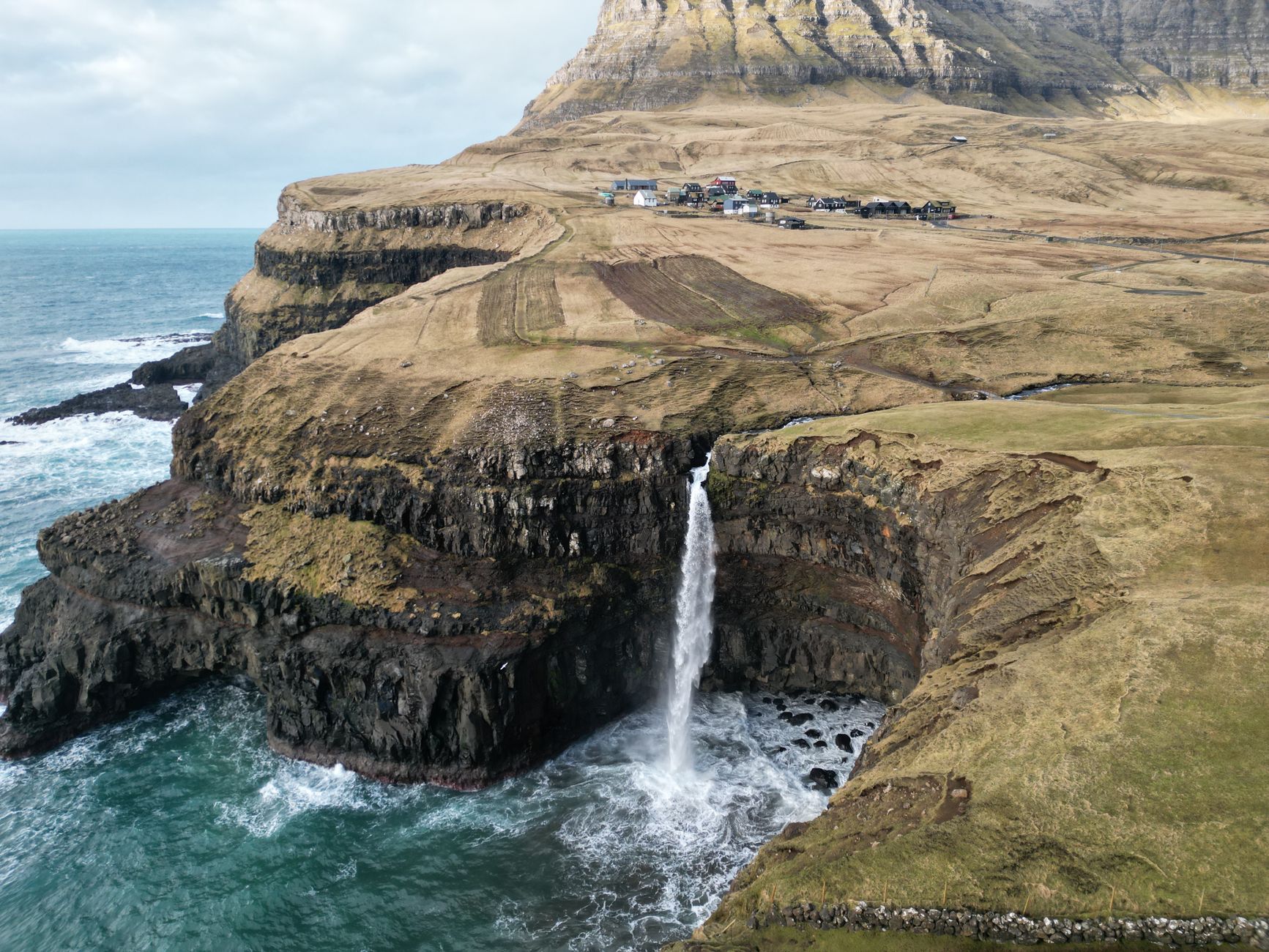
The other surprise was how few people I actually saw. Even in the height of summer, Mykines village had maybe a dozen other visitors on the trail with me, and the road out to Gásadalur was empty enough that I stopped in the middle of it more than once, purely because there was nothing coming. Sheep outnumber people in the Faroes by a wide margin, and after a few days you start greeting them out loud without meaning to.
If I'd had an eighth day, I would have used it on Suðuroy, the southernmost island, reachable by a two-hour car ferry from Tórshavn. Everyone I met who had been there described it the way people describe a secret they're not sure they want to share.
Fermented Lamb, North Atlantic Cod, and a Table at KOKS
Faroese food runs on preservation rather than refrigeration, because for most of the islands' history there wasn't much choice. Skerpikjøt, wind-dried and fermented mutton, hangs in wooden ræst huts for months and turns intensely sharp, almost blue-cheese-like in flavor; I first tried it at a small guesthouse table on Eysturoy and went back for a second, smaller slice before I fully understood what I was eating.
Áarstova in Tórshavn is the reliable, warming version of Faroese cooking, built around a wood-fired lamb dish that's been slow-cooked for hours, and Barbara Fish House, a few doors from the harbor, does simple, well-sourced North Atlantic fish and shellfish in a converted merchant house. Ræst, a small restaurant devoted almost entirely to fermented ingredients, is the place to go if skerpikjøt intrigued rather than alarmed you.
KOKS is the reason a lot of people plan a Faroese trip in the first place, and it deserves the attention: a tasting menu of a dozen or more courses built from what the islands actually produce, fermented, dried, smoked, or pulled straight from the fjord that morning. Seats are limited and the tasting menu runs roughly 2,000 to 2,400 DKK per person, so this is not a spontaneous dinner. Book it the day you book your flights, not the week you arrive.
The two things most likely to unravel a Faroese itinerary booked independently are the Mykines ferry and a KOKS reservation, both of which run on limited capacity and both of which are unforgiving of weather and demand. A Cordelie advisor can build in the standby day you actually need for Mykines, chase a KOKS table months out, and rework the route on the fly if a ferry or the Vestmanna boat gets cancelled, which happens more often than the brochures suggest.
You can start that conversation at https://cordelie.com/contact, ideally four to six months before a summer trip, since both the puffin season and the best restaurant tables book out early.
Is a week in the Faroe Islands worth it?
Best suited to travelers who want dramatic, uncrowded landscape over guaranteed sunshine or nightlife, and who don't mind rearranging a day around the weather.
A week gave me enough time to see Streymoy, Vágar, Eysturoy, and the Norðoyar without feeling rushed, plus one full day held in reserve for Mykines, which I'd genuinely consider non-negotiable given how weather-dependent that crossing is.
This trip rewards hikers, photographers, and people who like their scenery a little wild and their towns very small. It's a poor fit for anyone wanting reliably warm weather, late-night restaurants, or a packed, guaranteed-on-time schedule, since the fog and ferries here run on their own terms.
Last checked for accuracy: . How we check

Isaac Reid has spent fourteen years on ships and on foot in the places weather still decides. He sailed his first Drake Passage as an expedition assistant and has since made the crossing more than thirty times, between seasons trekking in Nepal and Patagonia. He writes about what these trips actually ask of a traveller — the days that get cancelled, the kit that matters, the difference between a landing and a cruise-by — and thinks the honest version sells them better than the brochure does.
Related Articles
Why The Swiss Alps Rewards an Off-Season Visit
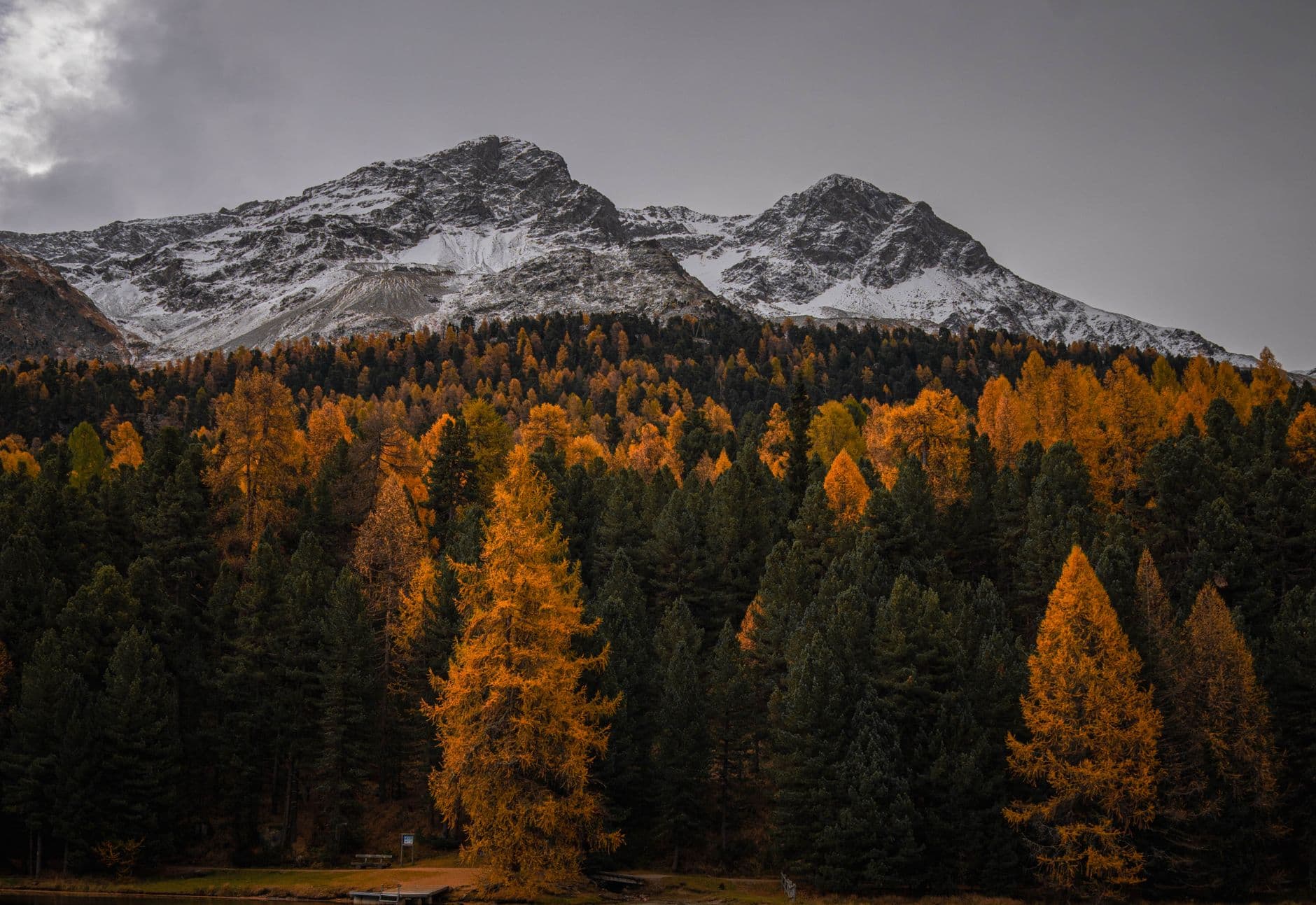
The Swiss Alps in September and October stand nearly empty. Trails quiet, prices halve, and snow dusts the highest peaks while larch forests turn gold—creating an entirely different alpine experience.
Essential Tips for Traveling in Norway
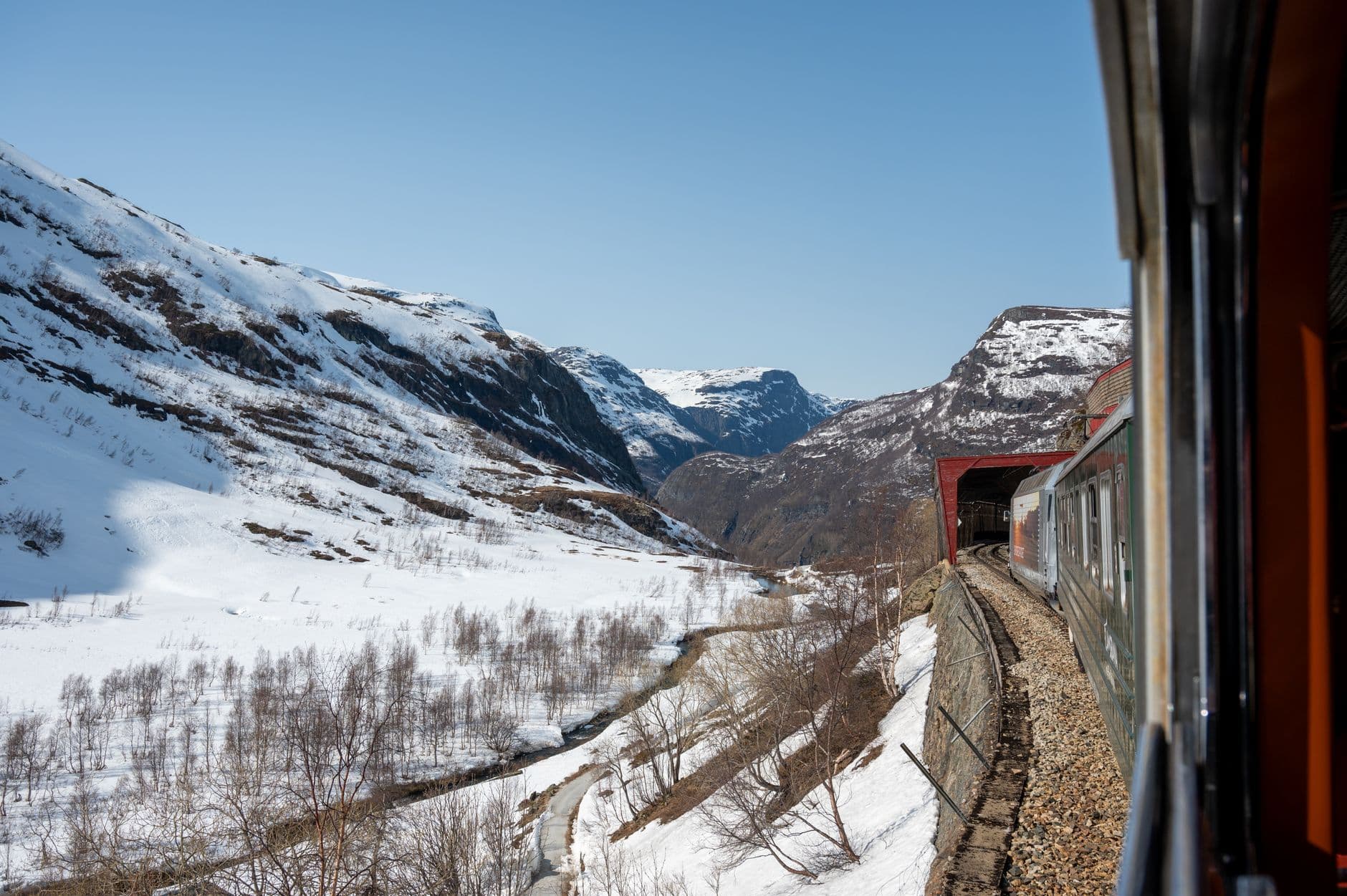
Norway rewards planners: book fjord trains early, pack for four seasons in a day, and pick your season for midnight sun or northern lights. Here's the essential prep guide.
The Best Things to Do in The Dolomites
From a sunrise cable car ride out of Ortisei to a two-Michelin-star table in Alta Badia, here are the seven Dolomites experiences worth building an itinerary around.