A Week in The Camino de Santiago

Walking the Last 115 Kilometers to Santiago de Compostela
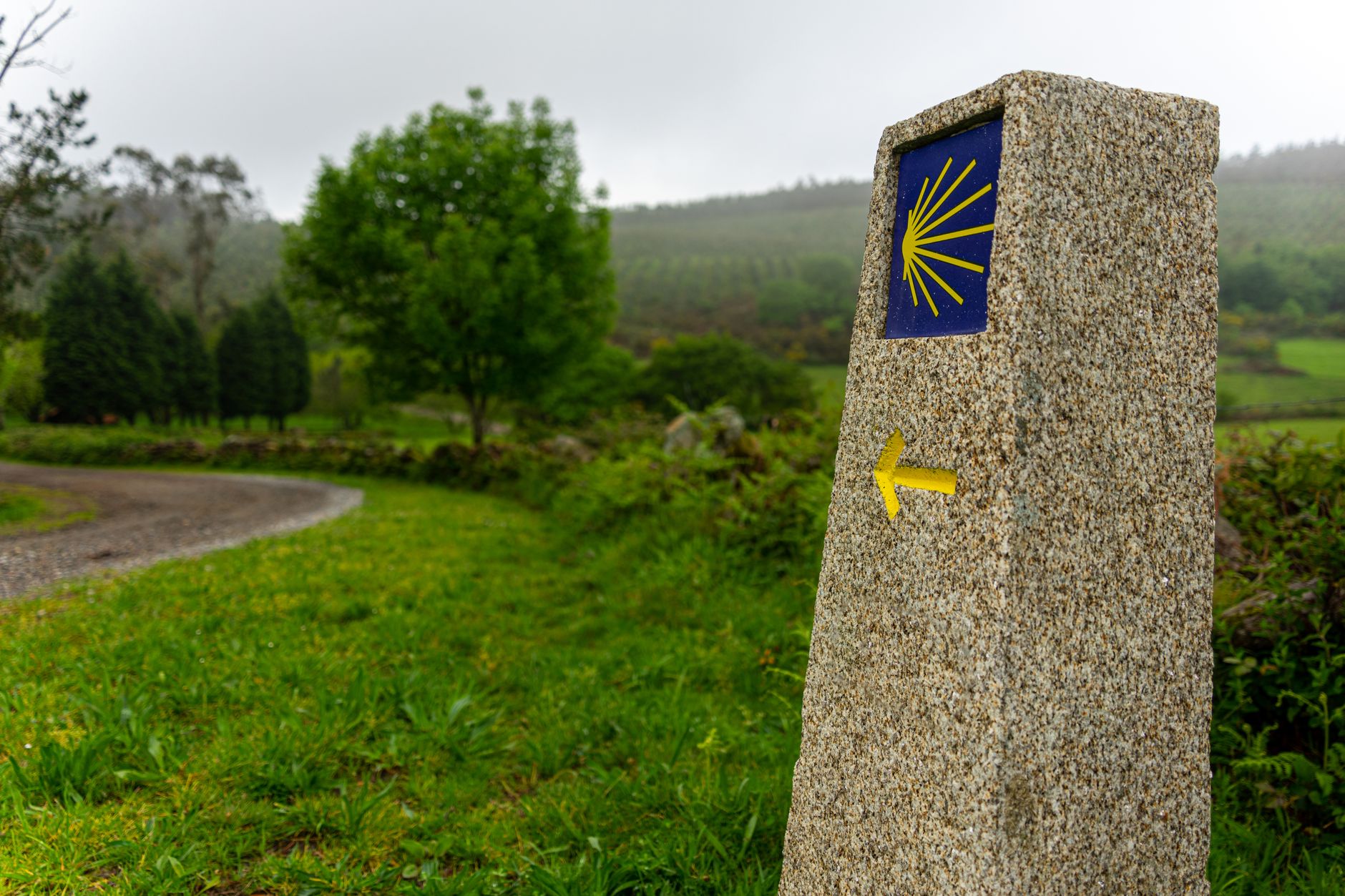
The 6:40 train from Madrid Chamartín rolled into Sarria a little after noon, and I stepped off with a backpack that felt heavier than it had in my living room. Sarria sits in the Galician hills, a stone-walled town where the smell of woodsmoke and wet slate hangs in the air even in early autumn. I had exactly seven days before a flight home from Santiago de Compostela, and 115 kilometers of yellow arrows between me and the cathedral.
Most pilgrims start here for the same reason I did: walk from Sarria and you cover just enough distance, at least 100 kilometers, to qualify for the Compostela certificate at the Pilgrim's Office in Santiago. I picked up my credential, the pilgrim passport stamped at every albergue and café along the way, for about 2 euros at the parish office near Sarria's Rúa Maior. By 2 p.m. I had my first stamp and my first blister, both before I'd left town.
“You don't walk the Camino to arrive. You walk it to notice you've been arriving the whole time.”
Five Days on the Camino Francés, from Sarria to the Cathedral Steps
Sarria to Portomarín — Chestnut Woods and a Church Moved Stone by Stone
The Camino leaves Sarria across a medieval bridge and climbs almost immediately into oak and chestnut woodland, the kind of trail where your boots find a rhythm before your brain catches up. The 22-kilometer stage to Portomarín took me just under six hours, with a coffee stop in Morgade and a longer break in Ferreiros, where the 12th-century Igrexa de Santa María still stands beside the path.
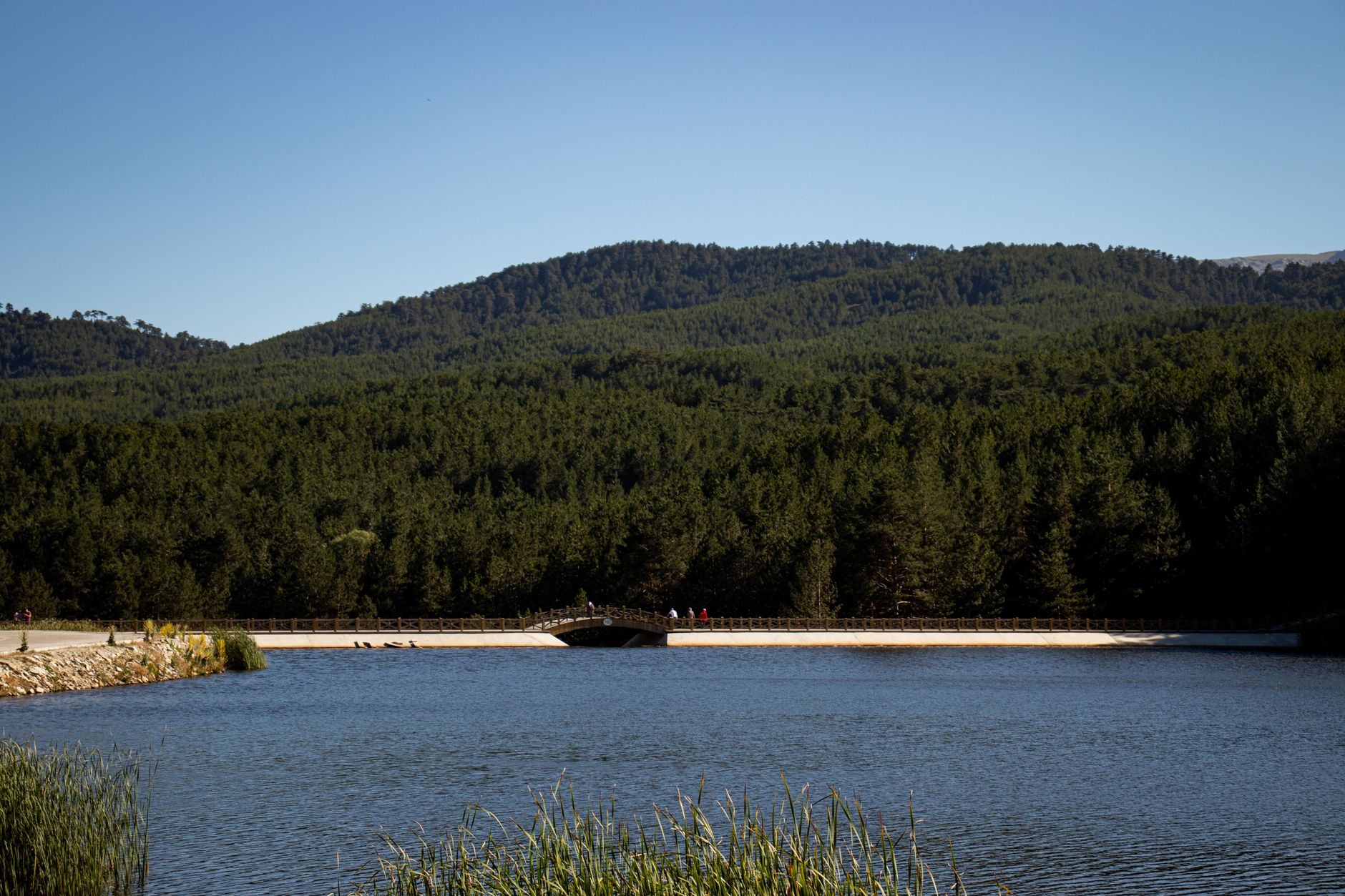
Portomarín itself is a strange, moving story. The original town was flooded in the 1960s when the Belesar reservoir was built, and its Romanesque church, the Iglesia de San Xoán, was dismantled and rebuilt stone by stone on higher ground. I crossed the long footbridge over the reservoir at dusk, watched swallows cutting low over the water, and found a bed at Albergue Ferramenteiro for around 12 euros.
Portomarín to Palas de Rei — Eucalyptus, Oak, and the First Real Ache
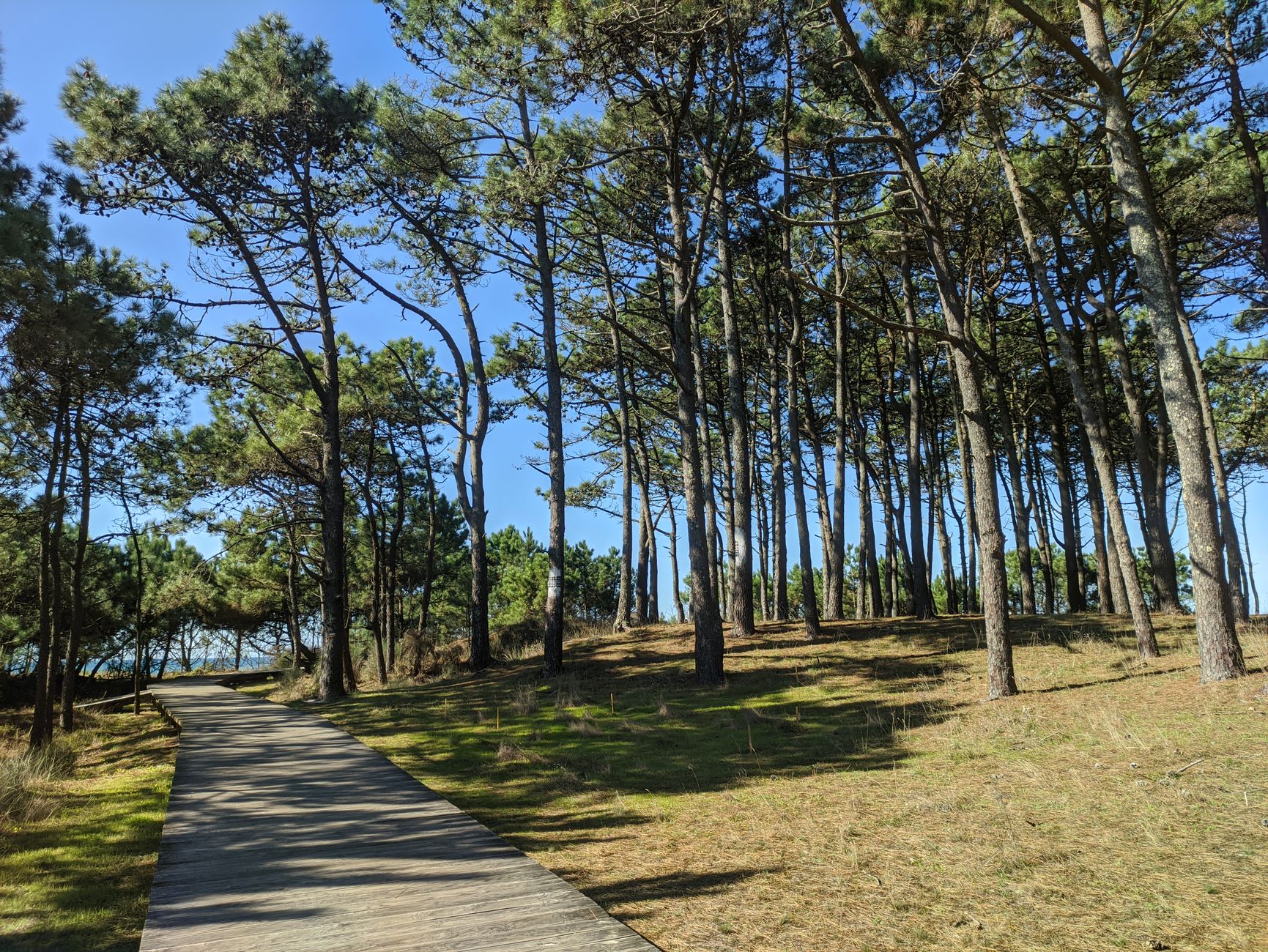
This was the longest stage of my week, about 25 kilometers through a landscape that shifts between eucalyptus plantations and dense oak forest. The path rolls rather than climbs, but by hour four the rolling starts to feel personal. I stopped for a bocadillo and a café con leche at Casa Domingo in Ligonde, where a wall covered in pilgrim credentials from decades past made the whole thing feel less like a hike and more like a relay.
Palas de Rei doesn't have the drama of Portomarín, but it has something better after a long day: an albergue with a working washing machine and a bar serving caldo galego, the white bean and greens broth that Galicia seems to produce automatically once the temperature drops.
Palas de Rei to Arzúa via Melide — Where the Camino Francés Meets the Camino Primitivo
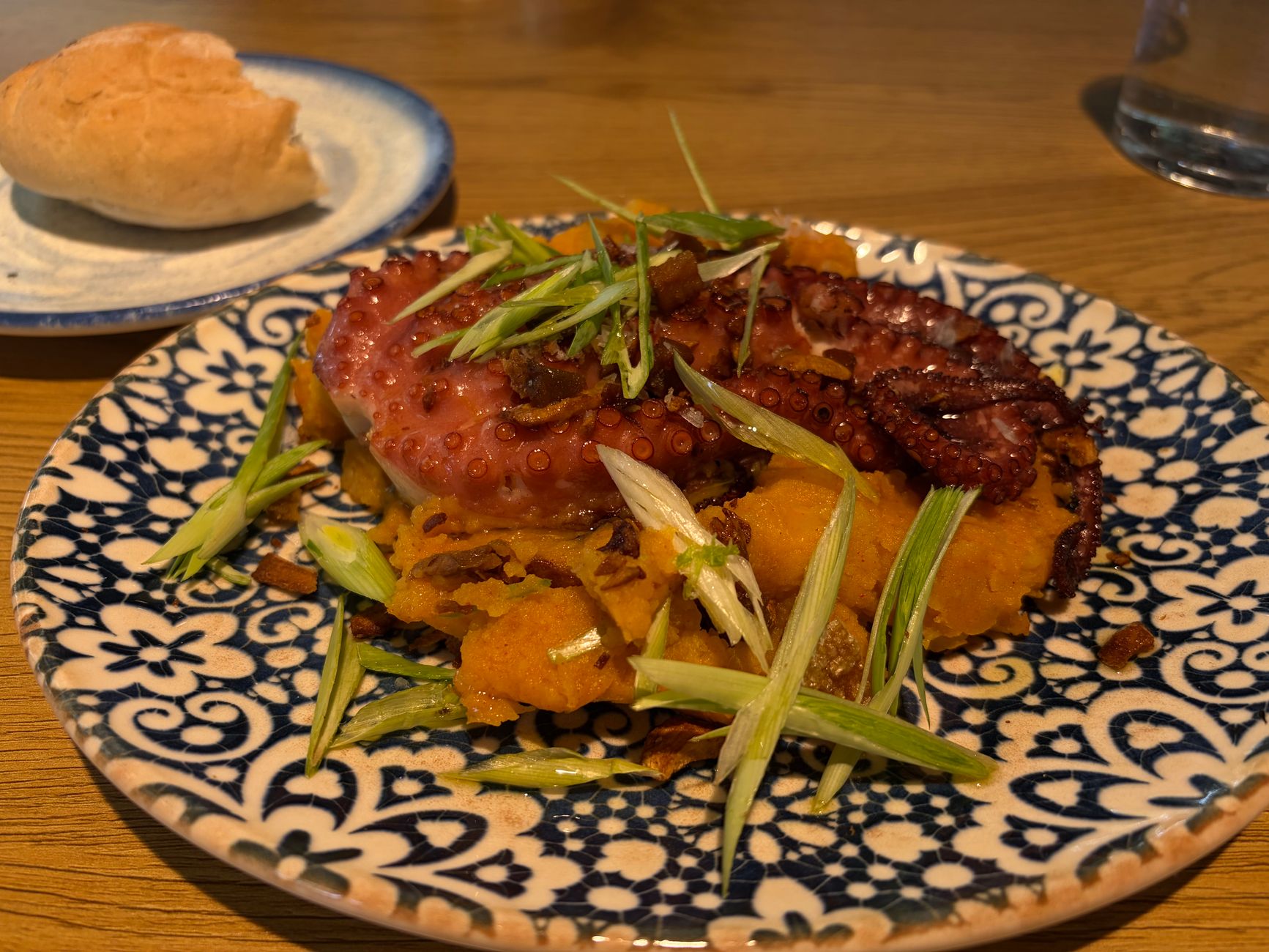
At Melide, about 14 kilometers into the day, the Camino Francés merges with the Camino Primitivo, and the town's pulperías fill with pilgrims from both routes comparing blisters over plates of octopus. I ate lunch at Ezequiel, a pulpería serving pulpo a la gallega, boiled octopus sliced onto a wooden platter and dusted with smoked paprika and coarse salt, since the 1970s. A ración runs about 12-16 euros and easily feeds two people who've just walked half a marathon.
The final stretch into Arzúa runs through farmland dotted with hórreos, the raised stone granaries scattered across the Galician countryside. Arzúa gives its name to a DOP cheese, queso de Arzúa-Ulloa, and I bought a wedge from a small shop near the church to eat with bread on the trail the next morning.
Arzúa to O Pedrouzo — The Quiet Stage Before the Crowds Return
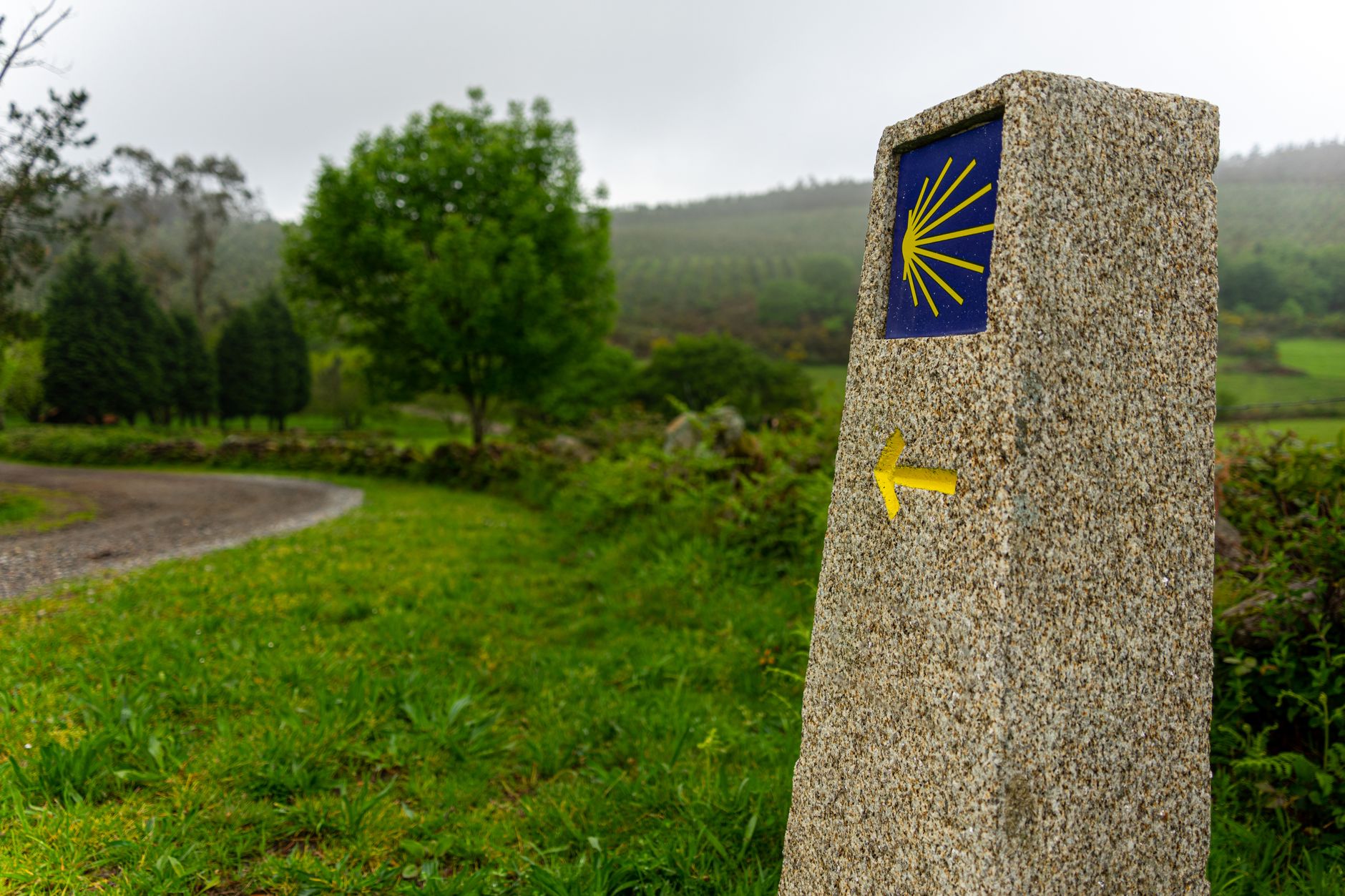
At 19 kilometers, this was the shortest day of the week and the one where I finally stopped checking my watch. The trail crosses several small rivers on stone and wood footbridges and passes through hamlets barely large enough to have a name on the map, let alone a bar. I ate a simple pilgrim menu, soup, grilled trout, flan, and a glass of Ribeiro wine, for about 12 euros at a roadside albergue outside Salceda.
O Pedrouzo has grown into a proper pilgrim town, with several albergues, a supermarket, and the last real opportunity to buy blister plasters before Santiago. I went to bed early, aware that Monte do Gozo and the cathedral were less than 20 kilometers away.
O Pedrouzo to Santiago de Compostela — Monte do Gozo and the Praza do Obradoiro
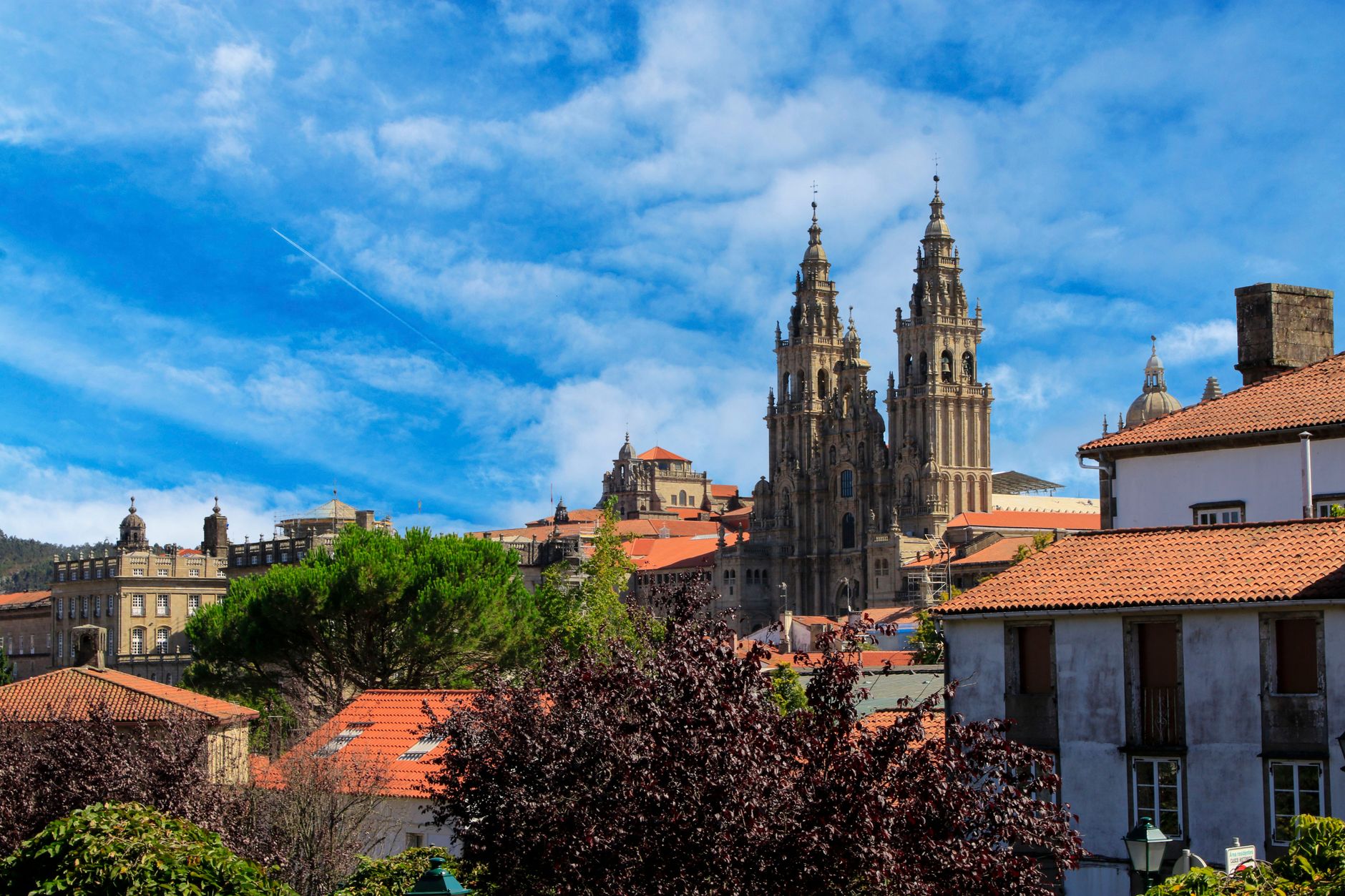
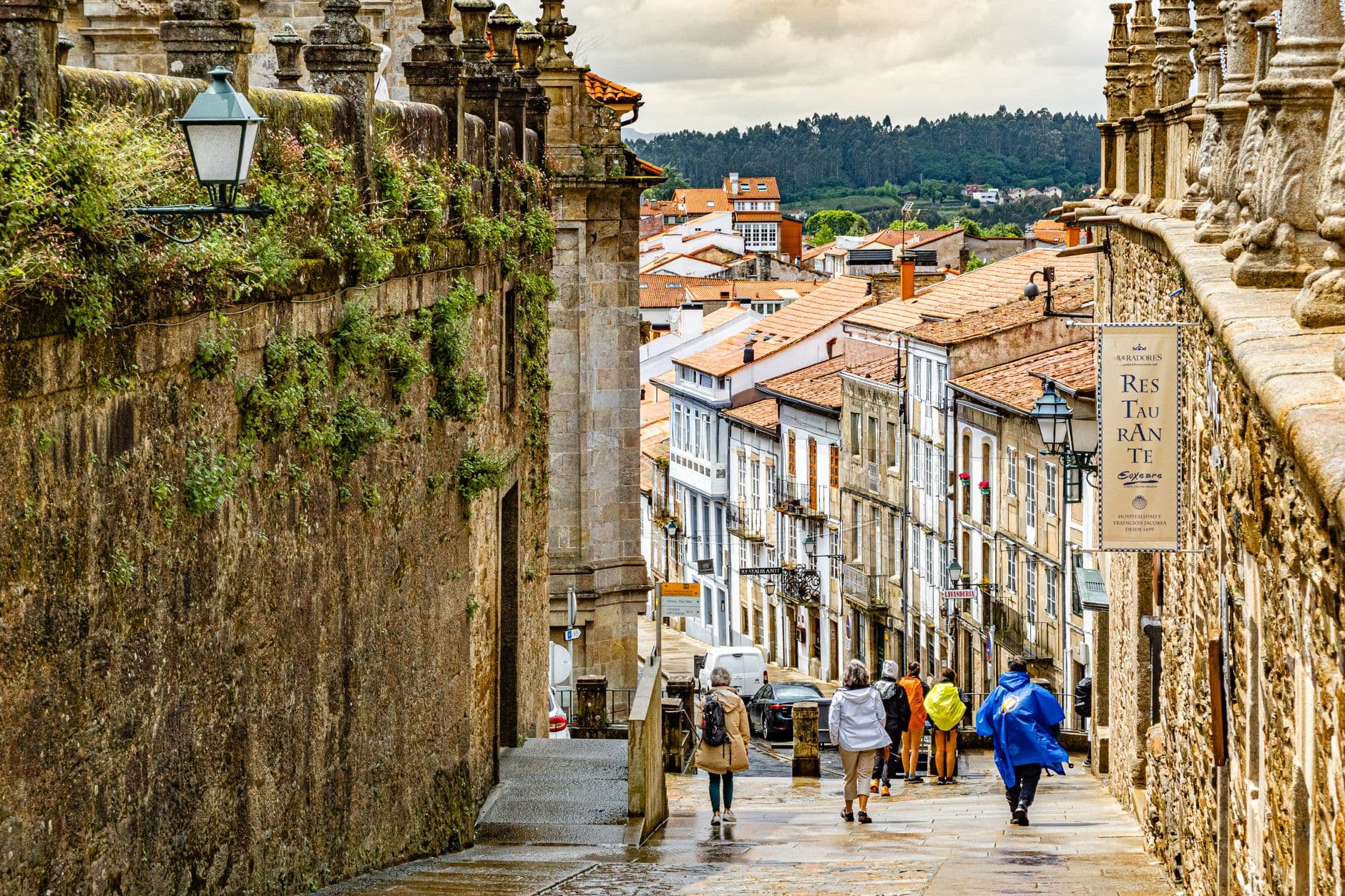
The final 20 kilometers begin in eucalyptus forest and end, abruptly, on a hill called Monte do Gozo, the Hill of Joy, where medieval pilgrims first glimpsed the cathedral's spires. From there the Camino drops into Santiago's outskirts, past the airport road, through a stretch of roundabouts and apartment blocks that nobody photographs, before the old town's granite streets take over completely.
I walked under the Arco do Franco and into the Praza do Obradoiro at almost exactly 1 p.m., which is when the square fills with pilgrims lying flat on their backs, packs still on, staring up at the cathedral's baroque west facade. I queued at the Pilgrim's Office on Rúa Carretas, the wait ran close to an hour, and left with my Compostela certificate and a distance certificate noting the exact kilometers walked.
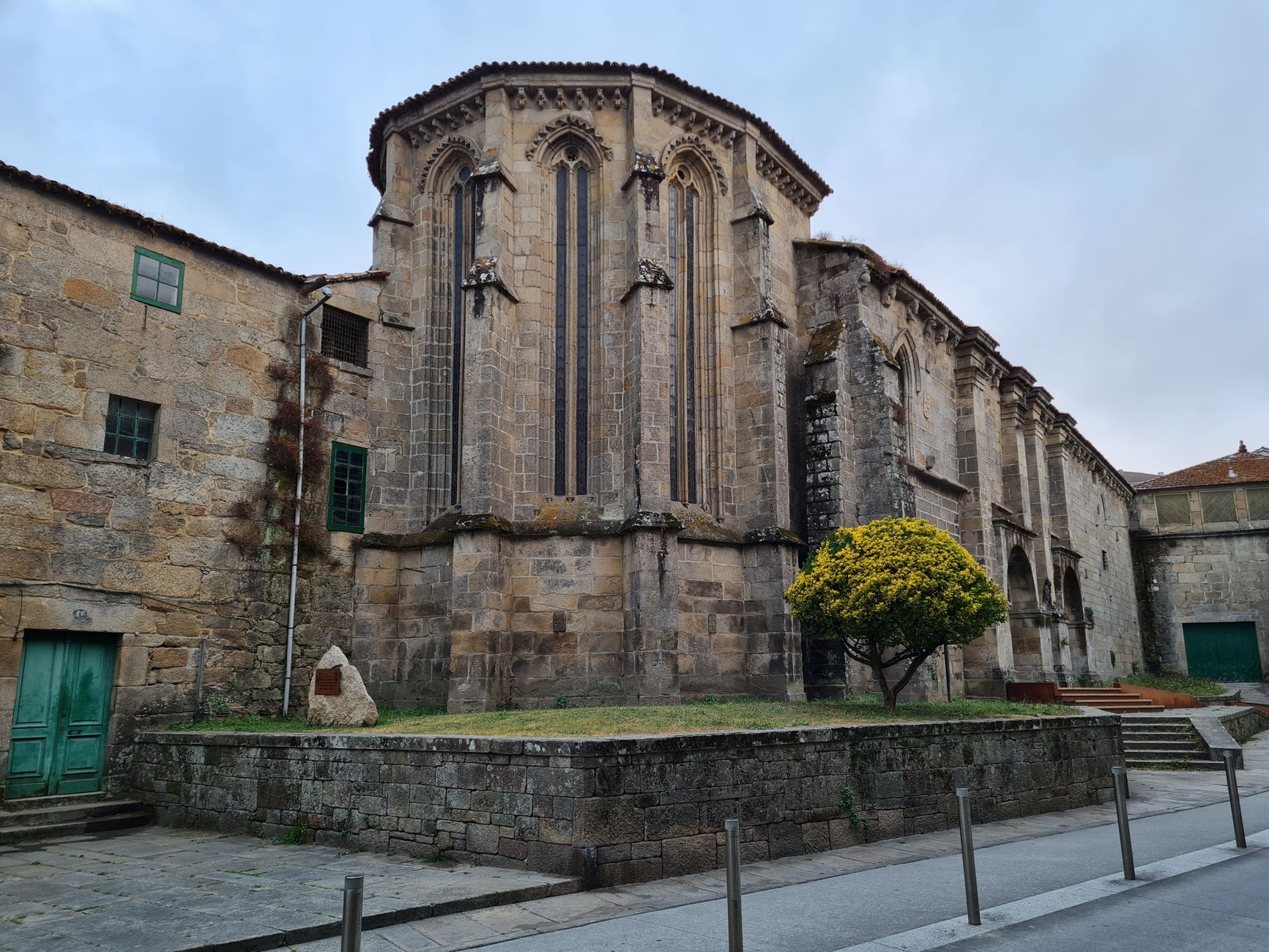
Scenes from the Trail: Sarria to Santiago
Cordelie travel advisors
Planning The Camino de Santiago? Go with someone who knows
The right suite, the right season, the reservations that never appear online — your Cordelie advisor knows them, and holds them for you.
Plan with a Cordelie advisorFree to ask. Cordelie Travel Services · IATA/ARC 06649064
The Botafumeiro, the Fog, and a Stranger's Blister Kit
The single loudest moment of the week happened inside the cathedral. I'd timed my arrival for the noon Pilgrim's Mass, not realizing the Botafumeiro, the enormous silver incense burner that swings on ropes across the transept, only appears on certain feast days or when a group has paid to sponsor it. I got lucky. Eight men in red robes, the tiraboleiros, hauled it into motion until it arced almost to the ceiling, trailing smoke over a nave packed with people who had walked, in some cases, six hundred kilometers to be standing there.
Smaller things stayed with me longer, oddly. On the second morning, fog sat so thick over the reservoir at Portomarín that the bridge disappeared into it about ten meters ahead, and I walked across hearing water below but not seeing it. Somewhere past Melide, a Dutch pilgrim I'd never met handed me a needle and thread from her blister kit without being asked, because she'd noticed my limp at the coffee stop. That kind of unprompted generosity turns up constantly on this route, and nobody quite explains why.
Octopus in Melide, Cheese in Arzúa, and the Pilgrim Menu That Never Bores
Galician food on this stretch follows the terrain: hearty, coastal-influenced, and built for people burning through calories on foot. Pulpo a la gallega in Melide is the dish everyone talks about, and it earns the reputation, tender octopus, good olive oil, smoked paprika, nothing else needed. Ezequiel and its neighbor Casa Ezequiel both do versions worth the detour into town, at roughly 12-16 euros a shareable ración.
Almost every albergue and roadside bar along the route offers a fixed pilgrim menu, usually 10-14 euros for three courses and a glass of wine or beer. Expect caldo galego, empanada gallega stuffed with tuna or pork, and grilled trout or pork loin as a main, with flan or Tarta de Santiago, the almond cake dusted with powdered sugar in a cross pattern, to finish. Queso de Arzúa-Ulloa, a soft cow's-milk cheese with DOP status, is worth buying fresh from a shop near Arzúa's main church rather than waiting for the supermarket version in O Pedrouzo.
Albergues along this final 115-kilometer section fill fast between May and September, and many operate on a first-come basis with no online booking. A Cordelie advisor can arrange private room reservations at rural casas and small hotels along each stage, plus daily luggage transfer between towns, so you're walking with a daypack instead of everything you own.
If your dates are fixed around a flight, an advisor can also pre-book the Parador Hostal dos Reis Católicos in Santiago's Praza do Obradoiro for your final night, a genuine reward after five days of albergue bunks. Reach out at https://cordelie.com/contact to build the stage-by-stage plan before you land in Galicia.
Should You Walk the Sarria-to-Santiago Stretch?
A genuinely achievable week for anyone reasonably fit, and the most rewarding short version of the Camino Francés.
This isn't the full five-week pilgrimage from Saint-Jean-Pied-de-Port, and it doesn't pretend to be. What it offers instead is 115 kilometers of Galician countryside, four or five solid walking days averaging 19-29 km each, and an ending, the Praza do Obradoiro, the Pilgrim's Mass, the Compostela certificate, that lands with real weight even on a compressed timeline.
Best for first-time long-distance walkers, travelers with a week rather than a month, and anyone who wants the Camino's communal atmosphere without committing to six weeks of albergue bunks. Pack broken-in boots, a lightweight rain shell for Galicia's frequent drizzle, and blister plasters you'll almost certainly need before Portomarín.
Last checked for accuracy: . How we check

Sarah Chen has covered Asia for twelve years, first as a wire reporter in Jakarta and now from Singapore, where she keeps a standing list of the region's most misunderstood destinations. She writes about the distance between what a place is famous for and what it is actually like to spend a week in — and is happiest on an overnight train with a bad seat and a good view.
Related Articles
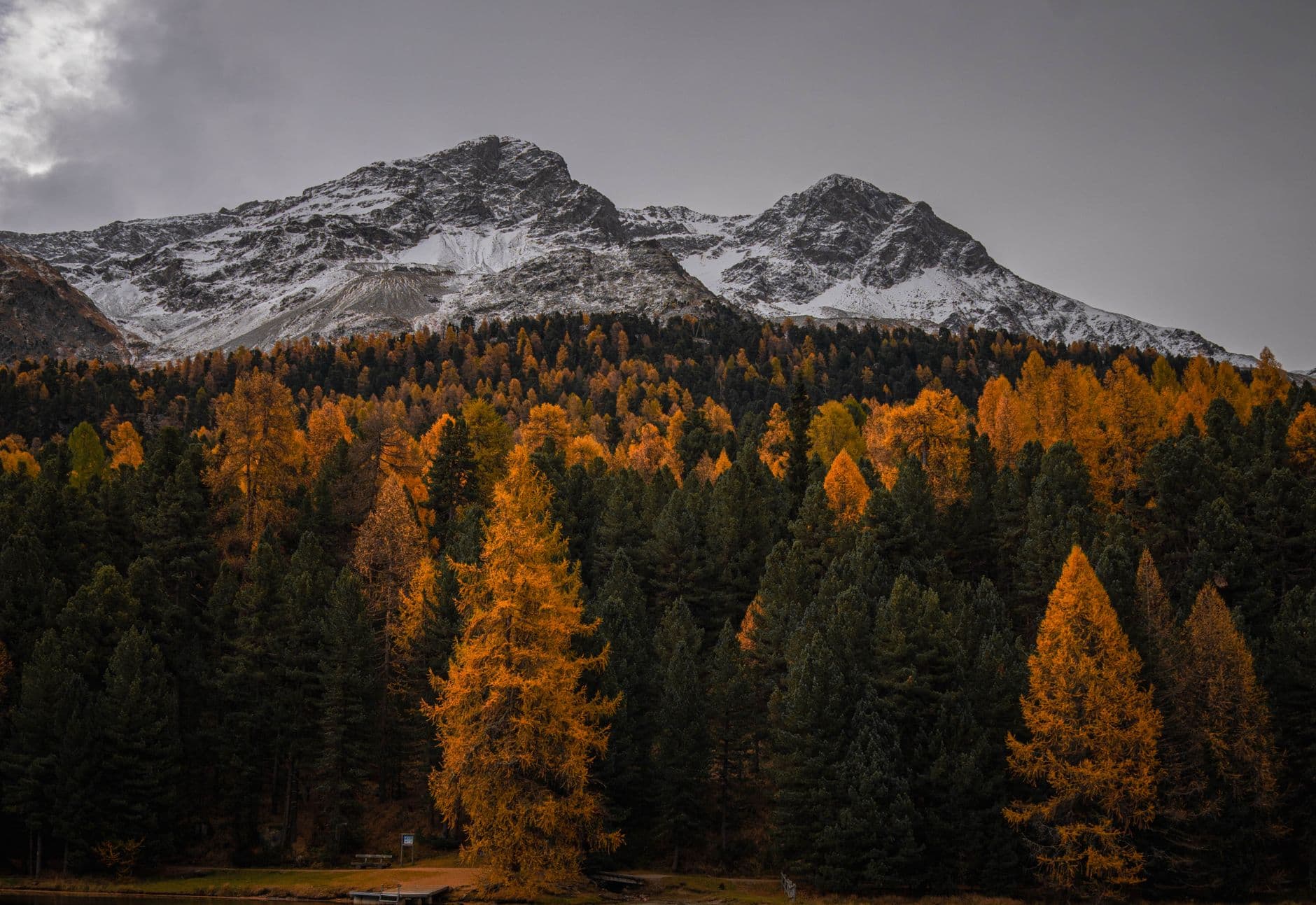
Why The Swiss Alps Rewards an Off-Season Visit
The Swiss Alps in September and October stand nearly empty. Trails quiet, prices halve, and snow dusts the highest peaks while larch forests turn gold—creating an entirely different alpine experience.

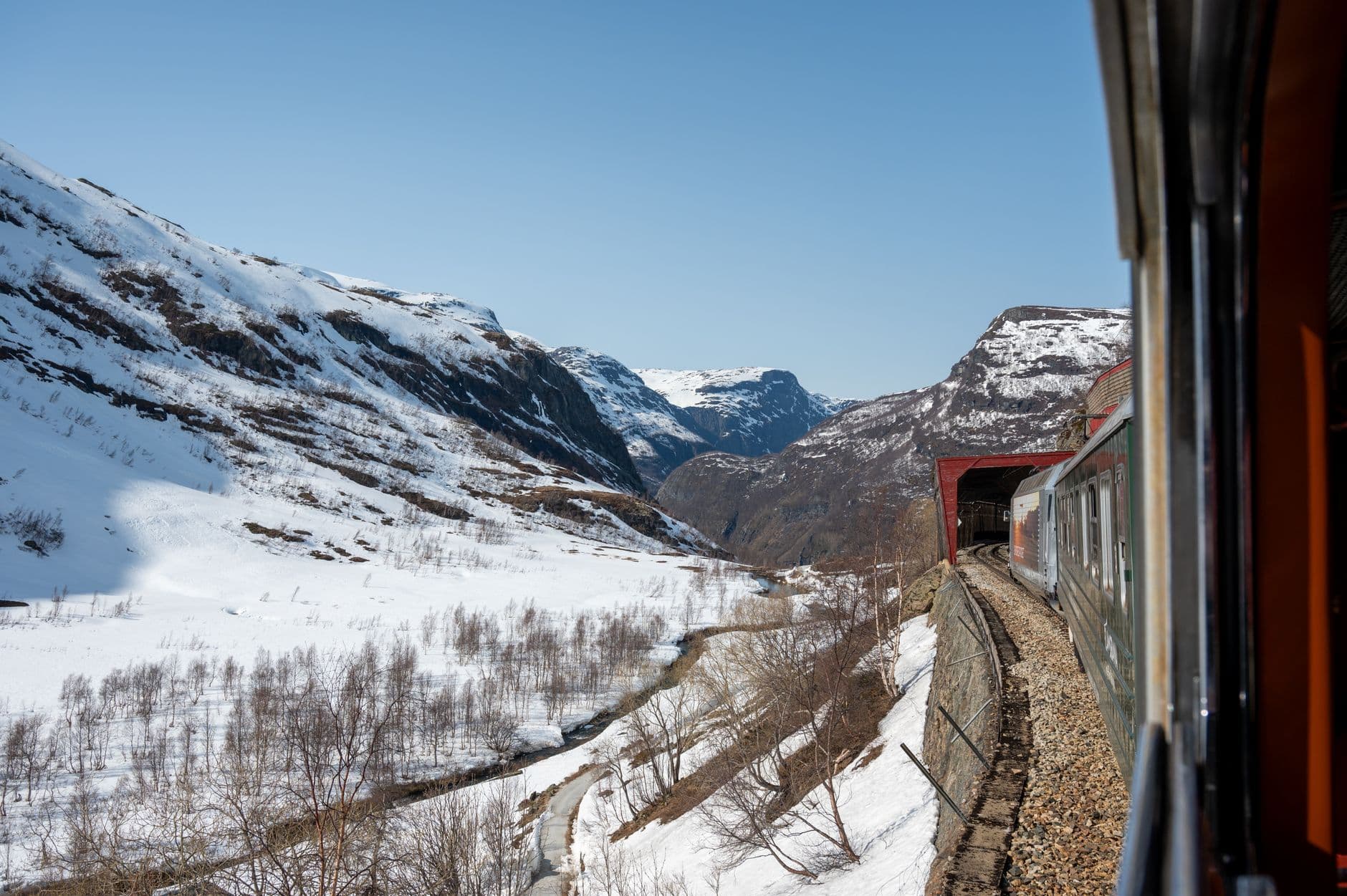
Essential Tips for Traveling in Norway
Norway rewards planners: book fjord trains early, pack for four seasons in a day, and pick your season for midnight sun or northern lights. Here's the essential prep guide.
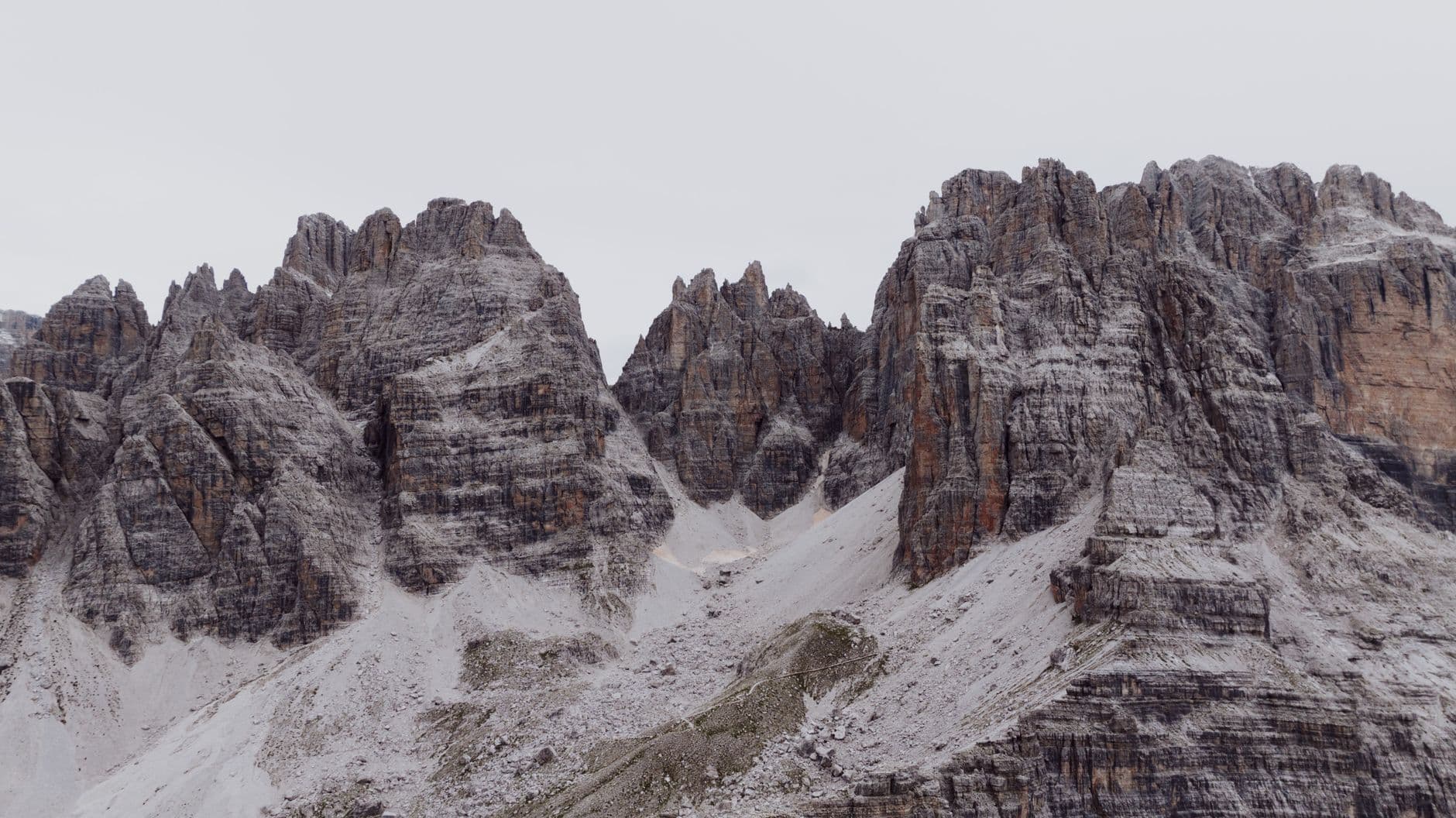
The Best Things to Do in The Dolomites
From a sunrise cable car ride out of Ortisei to a two-Michelin-star table in Alta Badia, here are the seven Dolomites experiences worth building an itinerary around.