
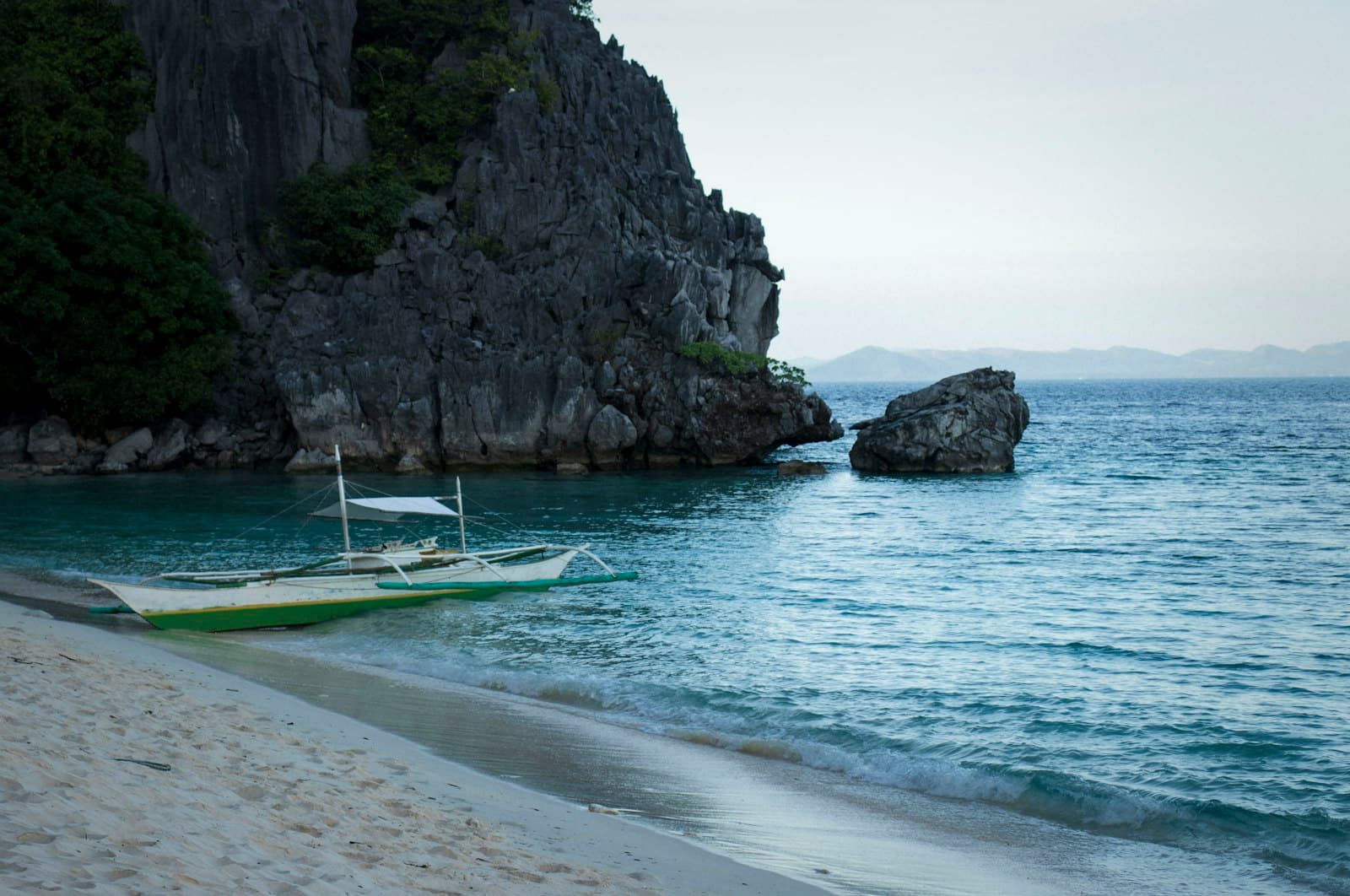
When to Sail Coron: The Philippines' Best Window for Island-Hopping Cruises

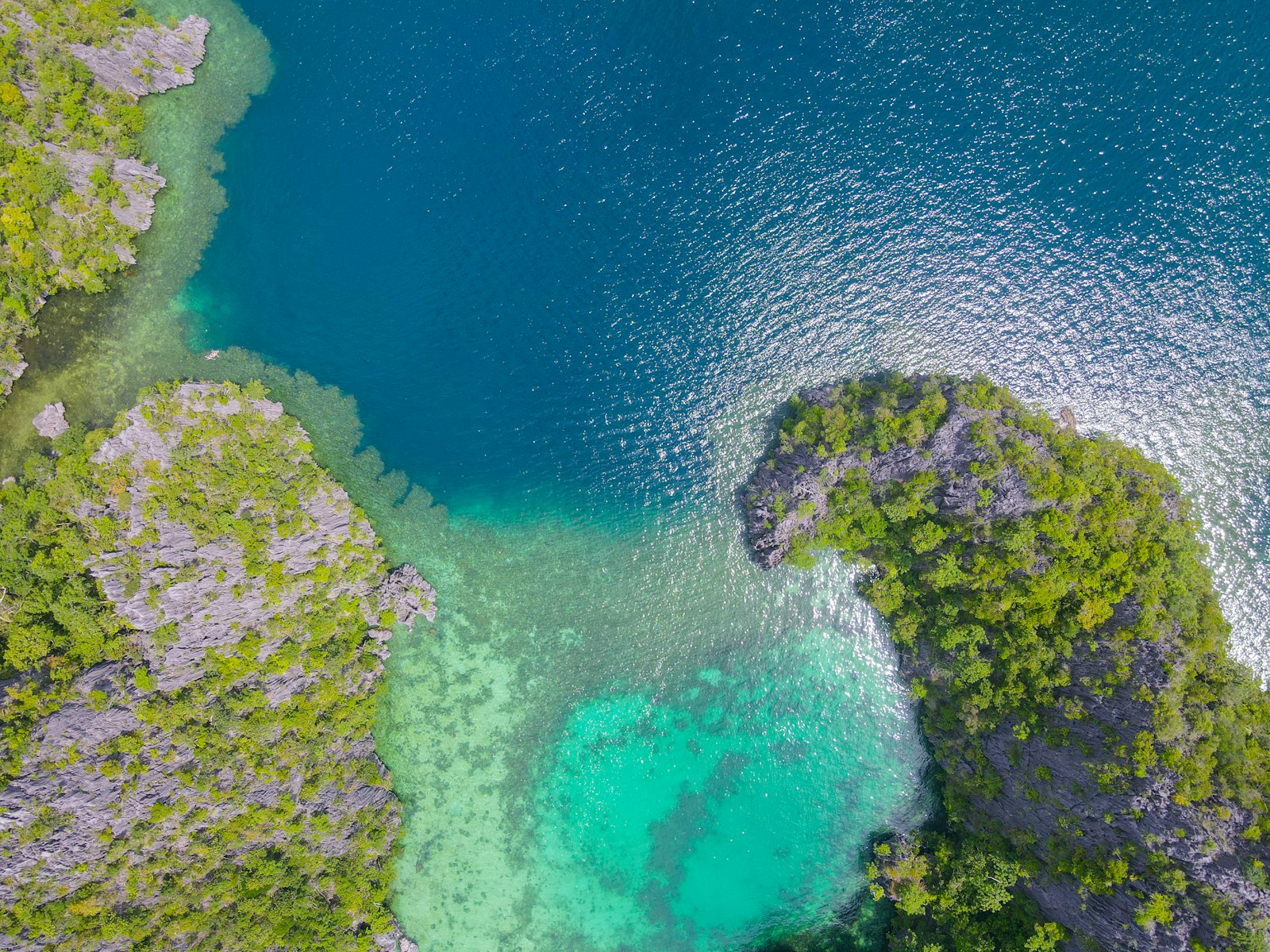
Why March to May is Peak Season for Coron Cruising
Coron in spring is a rare alignment of open water and favourable winds. Between March and May, the northeast monsoon weakens and the southwest winds have not yet arrived, creating a narrow window of predictable, calm seas. This is when the Calamian archipelago lives up to its reputation: visibility runs 15 to 25 meters in the dive sites, the limestone islands emerge clean and sharp against cloudless skies, and the small-vessel cruises that thread through the narrow passages between islands actually run rather than get postponed.
The trade-off is crowding. March through May is also when European and American travelers chase warm water before summer, meaning the popular anchorages fill with other boats and the island beaches see genuine foot traffic. But the conditions are real, not aspirational. A cruise booked for April is far more likely to depart on schedule and cover the full itinerary than one booked in June or September.
The Wreck Dives of Coron: A Spring Window
Coron's reputation rests partly on history. During World War II, a Japanese naval convoy was sunk in the harbor, and the wrecks remain among the most accessible and intact anywhere. The Akitsushima (a seaplane tender), the Okikawa Maru (a transport ship), the Irako (a naval auxiliary), and the Kogyo Maru (a cargo ship) rest in 20 to 35 meters of water. Spring seas allow dive operators to run dives on most days; in the rougher months, swells churn up visibility and surface intervals lengthen.
The wrecks are not stripped attractions: they are working dives that demand navigation skills, decompression discipline, and respect for the site as a war grave. Most operators require advanced open-water certification or equivalent and run dives in pairs or small groups. A spring voyage allows you to plan the dives without gambling on whether they will run at all.
Best Places to Anchor During Spring Cruises
Twin Lagoons
A landlocked circle of protected water surrounded by limestone cliffs
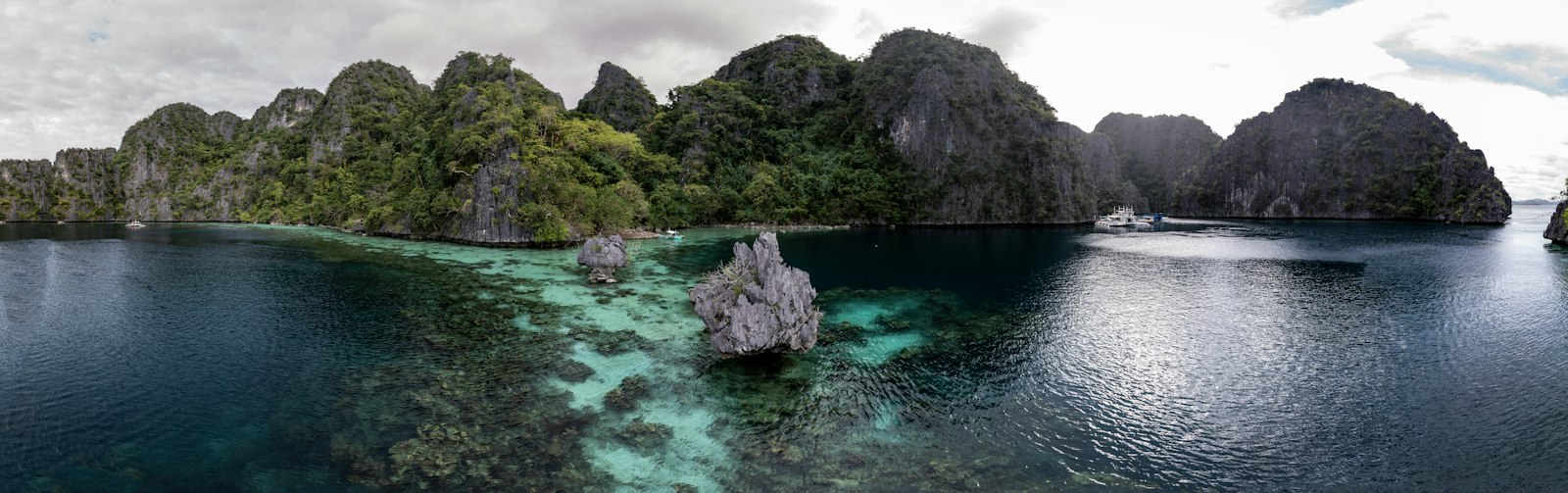
Twin Lagoons sits at the northern tip of Busuanga Island and offers what few places do: complete shelter from any swell and water so still you can navigate by reflection. The entrance is narrow—boats must time the tidal flow—but once inside, the lagoon is a world unto itself. Early morning kayaking here, before other boats arrive, reveals cave systems in the cliff face and permits close approach to nesting seabirds without disturbance.
The anchorage holds about eight to ten boats comfortably. Fresh water comes from a small waterfall on the eastern shore, and the dive site at the entrance—a shallow rocky outcrop—is suitable for snorkelers and beginners.
Barracuda Lake
A freshwater lagoon ringed by sheer rock walls
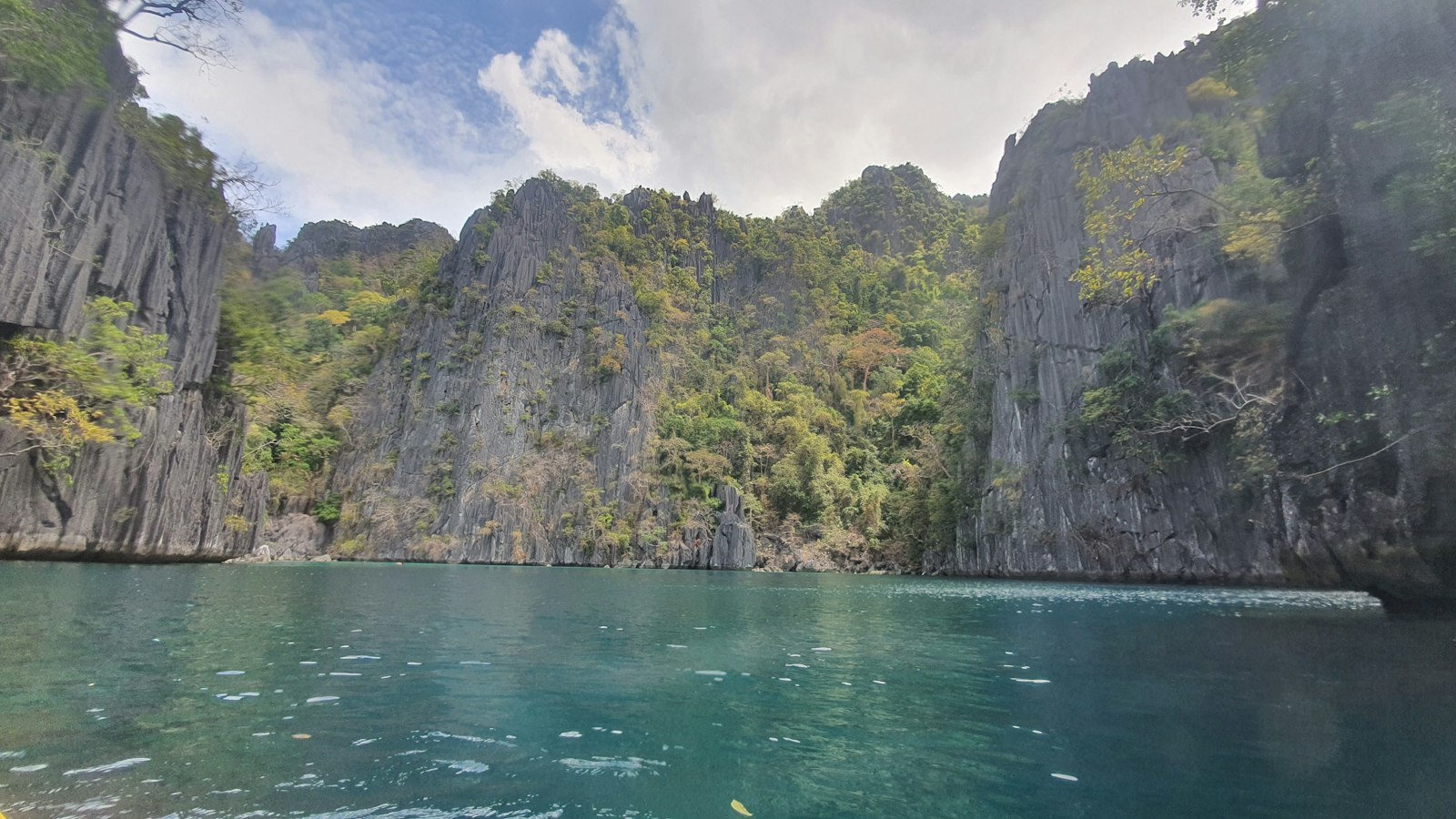
Barracuda Lake occupies a collapsed crater filled with freshwater that floats atop a layer of thermocline above the seabed. Swimming here feels like entering another medium: the upper layer is cool and clear, the thermocline itself is sharp, and below lies saltwater in which massive giant barracuda hunt. The experience is disorienting and memorable in equal measure.
The lake requires a careful anchorage outside the entrance and a dingy ride to the shore, where a steep trail leads up and around the rim. The freshwater swim is popular with non-divers, and the surrounding limestone topography rewards photography. Spring conditions mean the water is typically gin-clear and the trail manageable.
Siete Pecados (Seven Commandos) Marine Park
A cluster of small islands with pristine coral and schooling fish
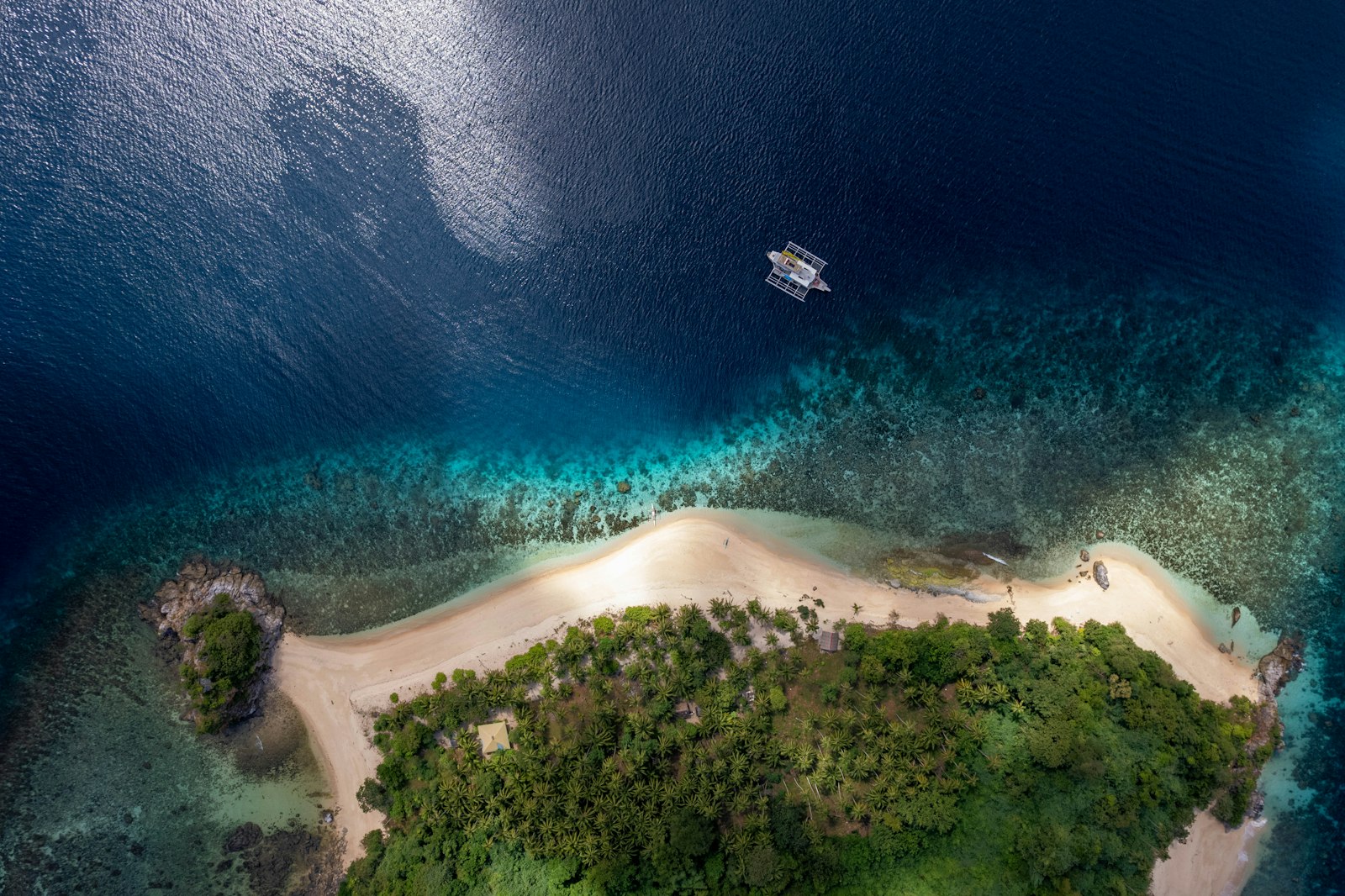
Seven small islands northwest of Coron town form a protected marine reserve where coral cover remains robust and fish populations are thick. The main dive site lies between two islands where a current funnels nutrients and brings schools of trevally and snappers through the channel. Spring conditions mean the current is usually manageable and visibility runs 18–25 meters.
Snorkeling from the boat is viable for non-divers, and the islands themselves are mostly uninhabited and steep-sided, making them less tramped than the beaches near town. A day stop here typically includes lunch on one of the islands and either a morning or afternoon water-based activity.
Kayangan Lake
The Philippines' deepest lake, enclosed by near-vertical walls
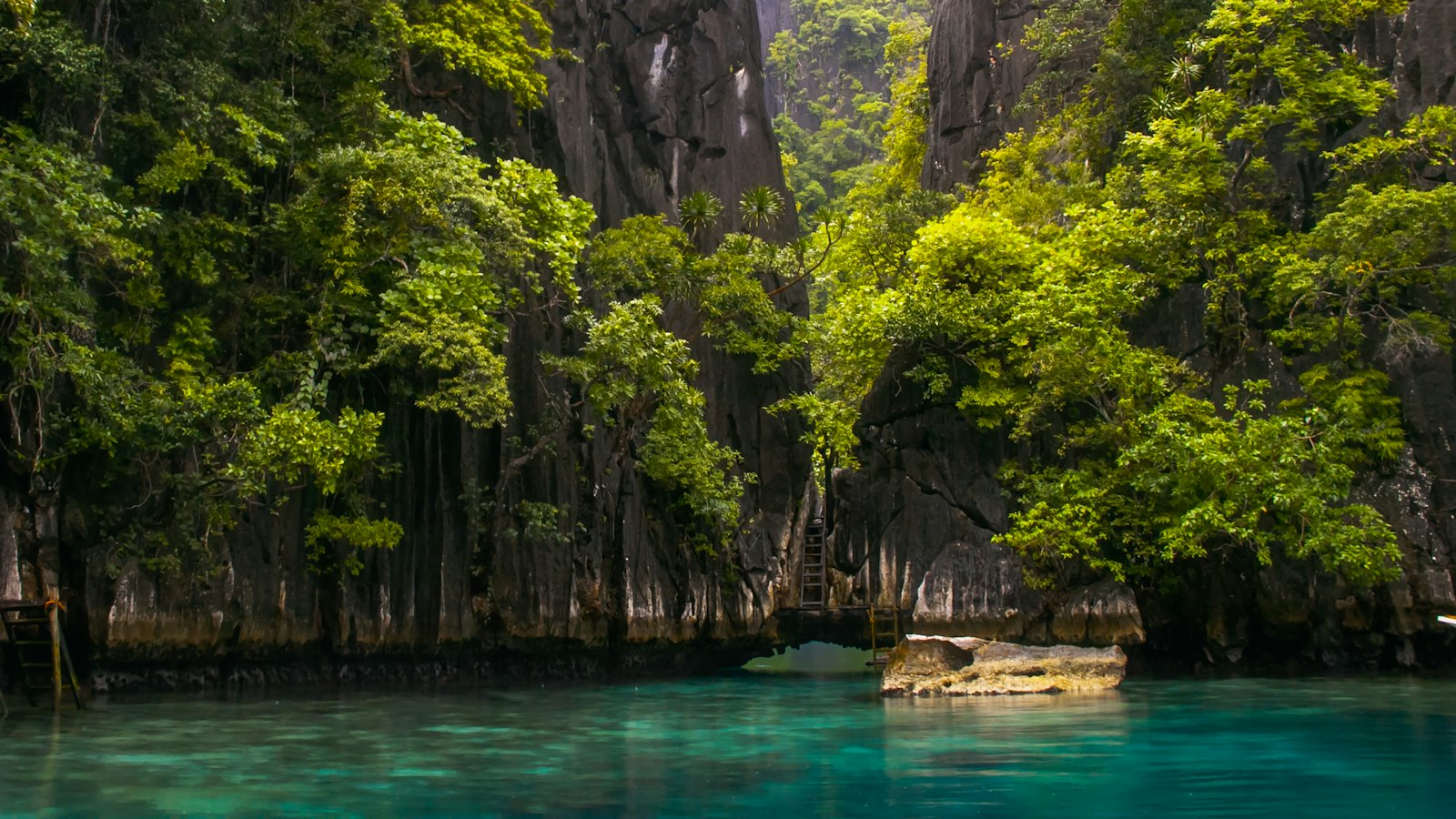
Kayangan is technically inland, reachable by boat to the Coron mainland and then a short hike, but the effort rewards you with water clarity few places match. The lake is fed by underground springs and no river exit, meaning sediment remains suspended minimally. On a calm spring day, visibility extends more than 30 meters, and you can see the limestone shelves descending into darkness.
The hike to the rim takes about 20 minutes and is steep enough to require good footing. Once at the top, a narrow ladder descent leads to a wooden platform where swimming and snorkeling occur. Guides are mandatory and included in the entry fee.
Cordelie travel advisors
Planning Coron? Go with someone who knows
The right suite, the right season, the reservations that never appear online — your Cordelie advisor knows them, and holds them for you.
Plan with a Cordelie advisorFree to ask. Cordelie Travel Services · IATA/ARC 06649064
Spring Season Specifics: What to Expect in March, April, and May
March is the safest month. The northeast monsoon is fading, and seas are typically 0.5 to 1.5 meters. Air temperatures run 28–32°C (82–90°F), and rain is rare. Overnight temperatures in early spring cool to around 22–24°C (72–75°F), making sleep comfortable aboard smaller vessels. Boat traffic is moderate by Coron standards—enough crowds to feel like a real destination, not enough to overwhelm the anchorages.
April sees temperatures climb toward 33°C (91°F) and the first scattered afternoon showers appear, though they usually pass within an hour. Seas remain predictable. This is the month when school holidays begin in Australia and Europe, so boat availability tightens and prices creep upward. Booking four to six weeks ahead becomes necessary rather than advisable.
May is the tail end of the window. Seas are still manageable, but humidity increases and the first real monsoon swells begin to build. Late May can produce 2-meter seas in the deeper channels, and some boats start canceling half-day trips or shortening their usual routes. If you are booking a May cruise, confirm the itinerary with the operator in writing, as the published route may be scaled back in practice.
Logistics: Getting to Coron and Boarding Your Cruise
Coron sits on Busuanga Island, about 240 kilometers north of Puerto Princesa. Most travelers fly Manila to Puerto Princesa (a one-hour flight, multiple daily schedules on Philippine Airlines, Cebu Pacific, and smaller carriers), then drive or fly the additional two hours north. Road travel from Puerto Princesa to Coron town takes four to five hours by van or car over paved and gravel roads in decent repair.
A faster route is to fly Manila to Busuanga Island directly. Several operators run regional flights (AirSWIFT, Skyjet) two to three times weekly, with flight times around 70 minutes. Schedules shift seasonally, so check when booking your cruise rather than as an afterthought.
Cruise departures typically leave Coron town pier in the early morning—6:30 to 7:30 AM—to maximize daylight water hours. Most operators require guests to arrive in town the evening before. A handful of hotels near the pier offer basic rooms; booking through your cruise operator often secures a discounted package.
Cruise Options: What Kind of Boat and How Many Days
Coron cruises range from day trips (single-island or single-wreck dives) to multi-day liveaboards. Single-day boats typically accommodate 20–40 people and cost PHP 1,500–3,000 per person (roughly USD 28–56, 2024–2025 range) for a full day including lunch. These are efficient for snorkeling and introductory diving but skip the deeper wrecks and the experience of sleeping aboard and waking in an anchorage.
Multi-day sailing cruises (catamaran or traditional outrigger) accommodate 4 to 20 people and typically run 3 to 7 days. Prices vary sharply by vessel class and whether meals are included. A 4-day cruise on a mid-range catamaran costs approximately USD 800–1,500 per person (2024–2025 range); a smaller luxury sailing yacht runs USD 2,500–4,500. These prices usually include accommodation, meals, guide services, and one or two diving or snorkeling stops daily, but diving certification and gear rental often carry separate fees.
Larger live-aboard dive boats (capacity 20–40) operate scheduled week-long itineraries and are booked through dive operators, often with a deposit of 20–30 percent due at booking. These cost USD 1,200–2,500 per person for a week (2024–2025 range) and assume you have at least an open-water certification.
Seasonal Highlights: What You Can Actually Do in Spring
Snorkeling and freediving are open to anyone and require no training beyond comfort in water. Spring visibility makes snorkeling over the coral at Siete Pecados and around the smaller islands worth doing multiple times. Most cruises include two snorkel stops daily.
Scuba diving requires certification. Spring conditions permit dives on the WWII wrecks and on deeper coral walls that rough seas make inaccessible elsewhere in the year. Wreck dives are typically 40–60 minutes and suited to advanced recreational divers. If you lack certification, most operators offer a confined-water checkout and a shallow dive in one day (often called a 'discover dive' or 'PADI discover scuba'), though this is not equivalent to open-water training and is limited to 12 meters.
Kayaking from the boat is a spring specialty. Calm anchorages like Twin Lagoons and small inlets around the islands invite paddle exploration. Most cruises supply kayaks or can arrange rentals.
Photography of landscapes is excellent from March through April. The light is overhead and harsh at midday but softer at dawn and dusk, when the limestone formations glow. Bring a wide-angle lens and a polarizing filter; the water clarity and reflections reward careful framing.
Spring in Coron: Scenes from Peak Season
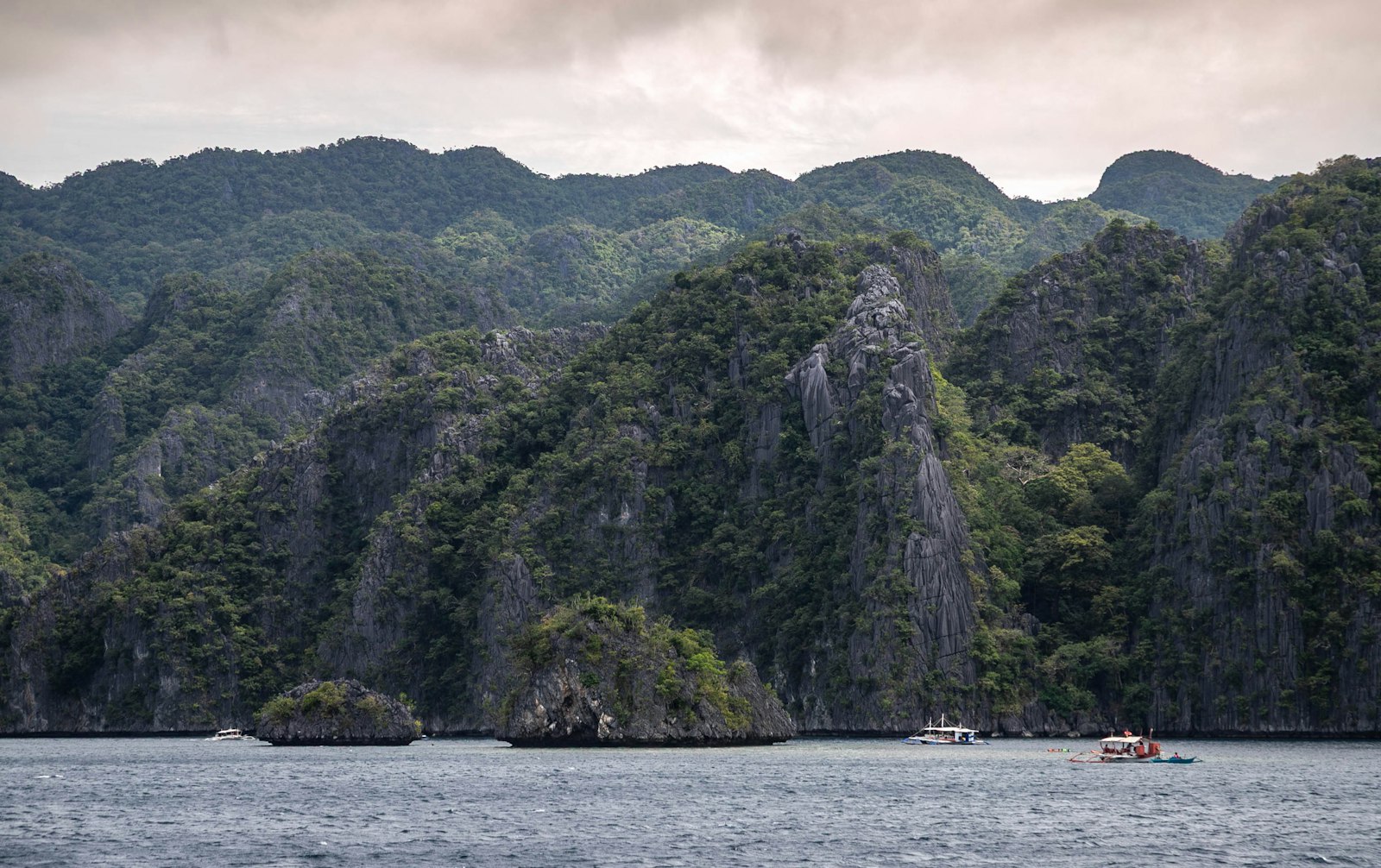
When NOT to Go: Seasons to Avoid
June through October is the southwest monsoon season. Seas regularly exceed 2 meters, visibility drops to 5–10 meters due to silt runoff, and many dive operators reduce schedules or close for extended periods. Boats that do run are pitching and rolling, making sleep difficult and making the few available dives rough, often abbreviated, and sometimes cancelled as weather deteriorates through the morning.
November and December see conditions improve, but neither month is reliably calm. Waves begin crossing from two directions (remnants of the southwest monsoon meeting the early northeast monsoon), creating confused seas. Visibility is still poor—10–15 meters at best—and divers complain of nitrogen narcosis and disorientation on the wrecks.
January and February are okay but transitional. The northeast monsoon has settled in, and seas are 1–1.5 meters. However, air temperatures are at their coolest (25–28°C during the day, dropping to 18–20°C at night), and the season is starting to fade. Booking for January costs slightly less than spring, but you are trading better prices for less predictable conditions than March through April offer.
Spring cruising in Coron demands clear thinking about what you want—wreck diving, island-hopping, luxury solitude, or budget-conscious community. Each boat type serves a different traveler, and the three-to-seven-day window between arrival logistics and departure leaves little room for last-minute changes. A Cordelie advisor works with Coron operators year-round and knows which vessels are running reliably, which divers are worth trusting, and which itineraries are realistic given conditions in the specific week you want to sail. Let them match you to the right boat and the right dates, so you arrive ready to dive, not scrambling to rebook.
What to Pack and Prepare
Spring heat and sun demand sun protection: a strong broad-spectrum sunscreen (SPF 40 or higher, reef-safe), a rash guard or dive skin (more effective than sunscreen for hour-long snorkel sessions), and a wide-brimmed hat. Glare off the water is intense, and reflection from limestone cliffs adds another angle of exposure. Sunglasses with UV protection and a strap are essential.
If you dive, bring your certification card, a dive computer (if you own one; rentals are available but often basic), and your own mask, fins, and snorkel. Renting a full kit costs USD 30–50 per day; owning cuts that to zero and ensures a fit you trust. A 3mm neoprene wetsuit is sufficient for spring water (27–29°C), though a 2mm is lighter and still adequate.
Medication for motion sickness (dramamine, scopolamine patch, ginger supplements) is worth bringing. Smaller boats pitch more in any swell, and even March seas can generate discomfort for prone travelers. Anti-nausea meds work best if taken before symptoms start, so use them preemptively if you know you are vulnerable.
Bring far more water than you think you need. Most boats supply drinking water, but dehydration at sea is real, and the heat and sun amplify thirst. A reusable bottle you can refill is lighter than packing bottles of plastic water.
Best Time for a Coron Cruise: Spring Window
March through May offers the most reliable conditions and the highest likelihood that your planned itinerary will run as scheduled. Book six weeks ahead if traveling in April or May.
Optimal months: March (most stable), April (warming but still predictable), May (acceptable but starting to deteriorate by late month)
Sea state: 0.5 to 1.5 meters typical; visibility 15–25 meters
Air temperature: 28–33°C (82–91°F)
Best for: Wreck diving, island snorkeling, photography, multi-day sailing
Expect: Moderate crowds, higher prices than off-season, boats running full itineraries on schedule
Booking timeline: 4–6 weeks ahead for mid-range vessels; 8–12 weeks for smaller luxury sailboats

Isaac Reid has spent fourteen years on ships and on foot in the places weather still decides. He sailed his first Drake Passage as an expedition assistant and has since made the crossing more than thirty times, between seasons trekking in Nepal and Patagonia. He writes about what these trips actually ask of a traveller — the days that get cancelled, the kit that matters, the difference between a landing and a cruise-by — and thinks the honest version sells them better than the brochure does.