
What to Know Before You Book a Nile River Cruise: Esna to Edfu by Dahabiya

A Quieter Nile: Why Sail the Esna-Edfu Stretch by Dahabiya
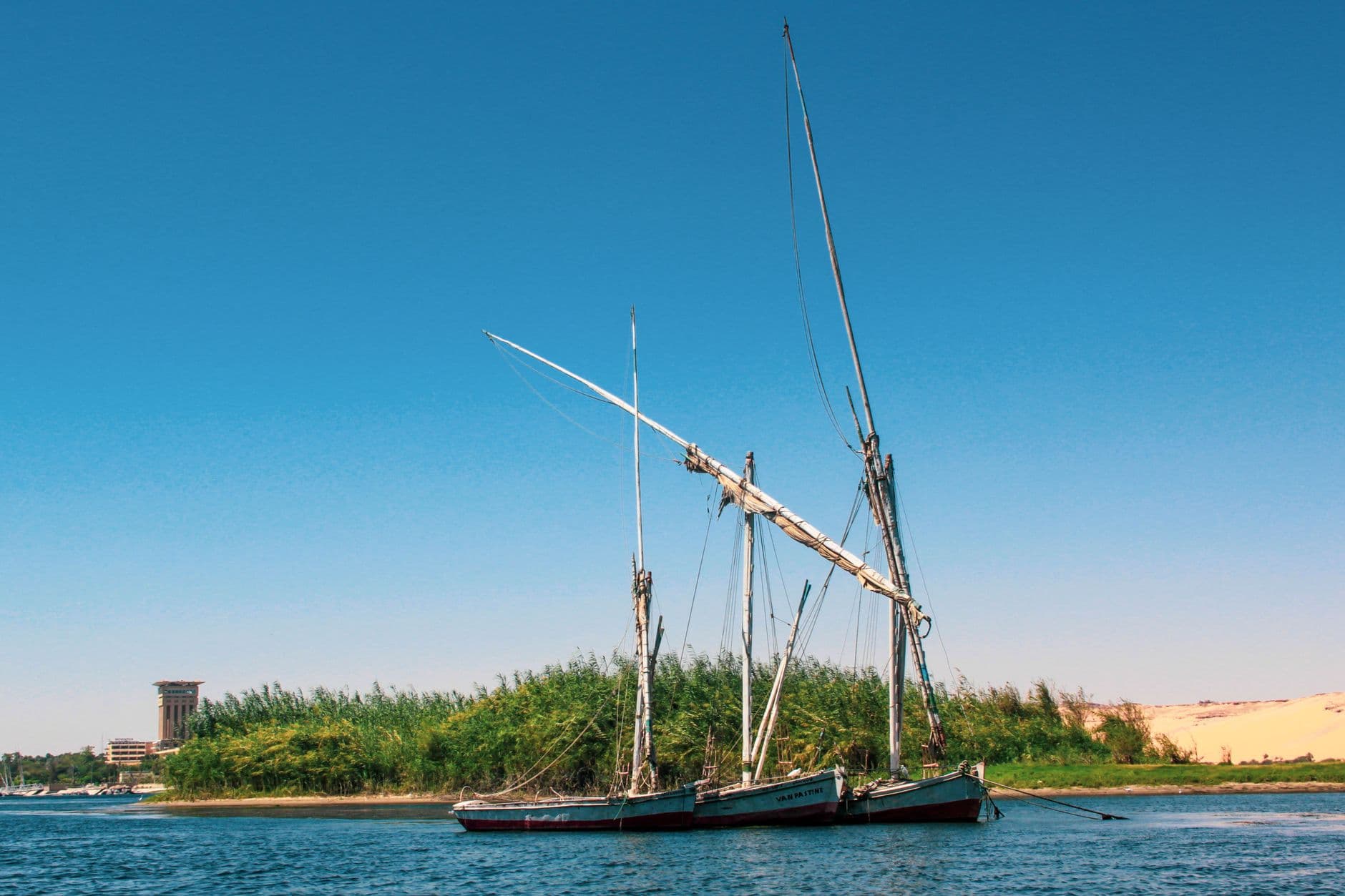
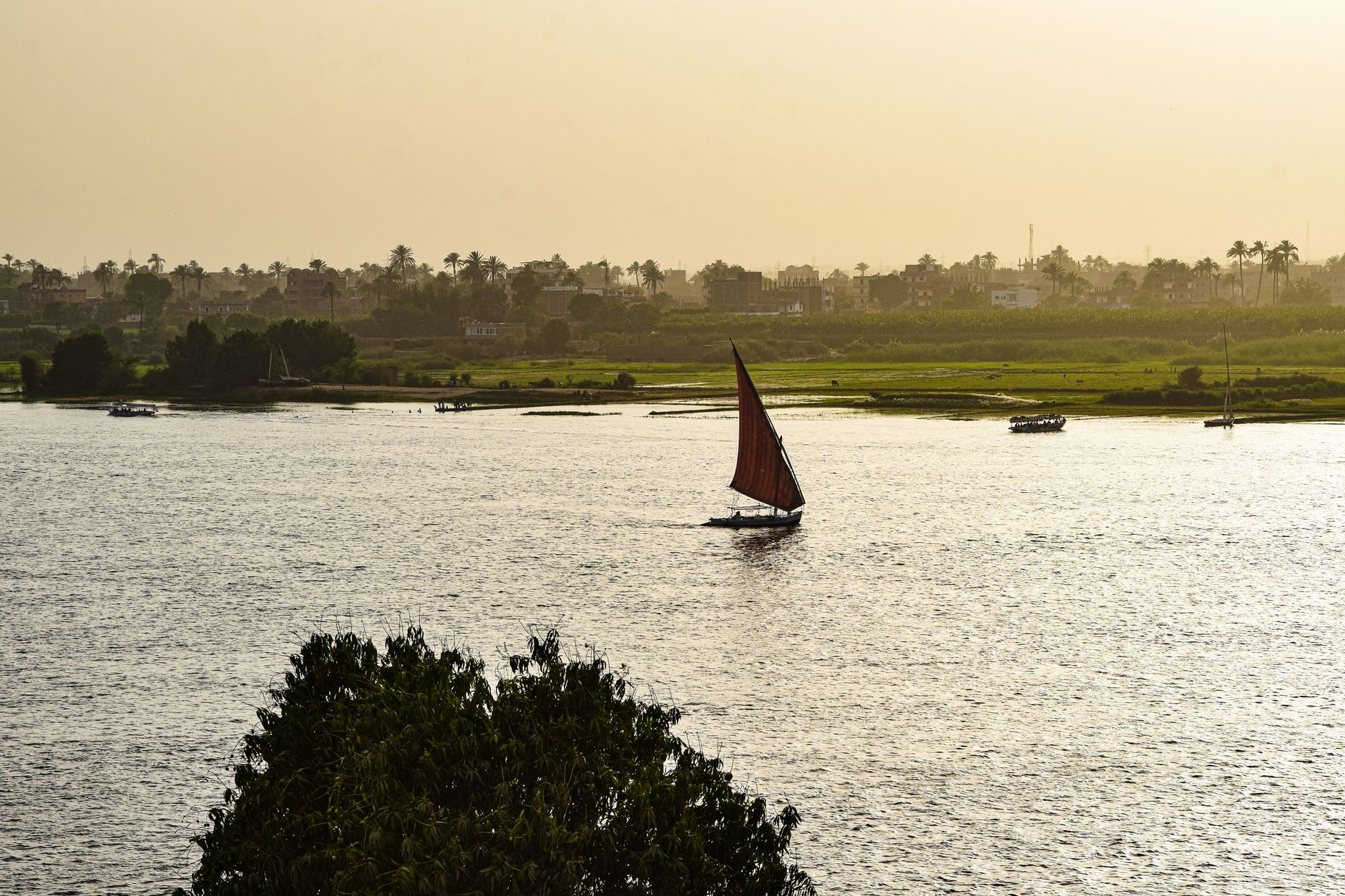
Most Nile cruises run the well-worn Luxor-to-Aswan corridor on multi-deck motor ships that dock three-deep at Kom Ombo and Edfu, engines idling while a thousand passengers file past each other on the gangway. The Esna-to-Edfu stretch, sailed the old way on a dahabiya, is a different trip entirely. These are small, privately chartered sailboats, typically carrying eight to twelve cabins, that move with the wind and a following tug rather than a diesel engine, and they stop where the big ships can't or won't: at Gebel Silsila's sandstone quarries, at the mudbrick villages of El Kab, at sandbanks with no name at all.
The route itself is short on paper, roughly 55 km (34 miles) of river between Esna and Edfu, but a dahabiya takes one and a half to two days to cover it, sailing by day and mooring by night. That slowness is the entire point. You get the Nile as it looked to nineteenth-century travelers reading Amelia Edwards on deck, minus the malaria and plus a cold Stella beer at sunset.
Esna to Edfu at a Glance
Spring on the River: Cooler Mornings, Warmer Afternoons, Fewer Crowds
Spring is a genuinely good window for this stretch of the Nile, though it asks something of you in return. March mornings on deck are cool enough for a light sweater, with temperatures often sitting in the mid-teens Celsius (roughly 60°F) at dawn, warming into the high 20s to low 30s Celsius (mid-80s to high-90s Fahrenheit) by mid-afternoon. April tips warmer still, and the occasional khamsin wind can blow dust in from the Western Desert for a day or two, which is worth knowing if you've packed only linen whites.
What spring buys you is breathing room. The peak December-January crush at Luxor's east-bank temples has thinned by March, and on the Esna-Edfu run itself, where big ships rarely bother stopping anyway, you may have the Temple of Khnum's excavation pit or the Edfu forecourt largely to yourselves for a stretch of the morning. Nile water levels are managed year-round by the Aswan High Dam, so there's no flood season to plan around, but low spring winds occasionally mean more time under tow than under sail, which your captain will explain with a shrug and a grin rather than an apology.
Cordelie travel advisors
Go with someone who knows
The right suite, the right season, the reservations that never appear online — your Cordelie advisor knows them, and holds them for you.
Plan with a Cordelie advisorFree to ask. Cordelie Travel Services · IATA/ARC 06649064
From Khnum's Sunken Courtyard to the Sandstone Cliffs of Gebel Silsila
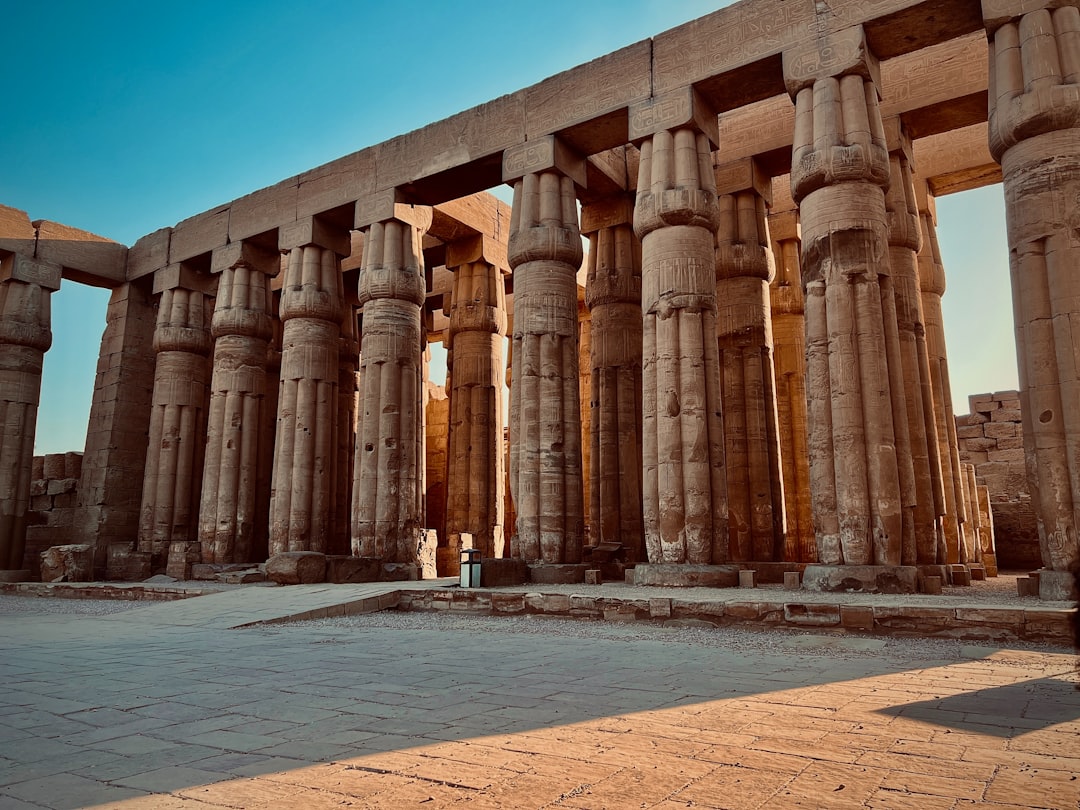
Esna's Temple of Khnum is the reason many travelers choose this route at all. Dedicated to the ram-headed creator god Khnum, the surviving hypostyle hall sits some 9 meters below the modern street level, reached down a set of stone steps that make the temple feel like it's being excavated in real time, which in a sense it still is. Entry runs roughly EGP 100-140 (about $2-4, 2024 pricing) and the site rarely sees more than a handful of visitors at once, a sharp contrast to Karnak an hour upriver.
Between Esna and Edfu, the highlight for most dahabiya guests is Gebel Silsila, a narrow sandstone gorge where the Nile pinches to its tightest point in all of Egypt. Ancient quarry marks, rock-cut shrines, and a scatter of stelae line both banks, and because there's no dock infrastructure, you reach it by rowing skiff or a short walk from where the dahabiya moors. A stop at El Kab, the ruins of ancient Nekheb with its Old Kingdom tombs cut into the eastern cliffs, is often paired with Silsila on the same afternoon. Edfu's Temple of Horus, one of the best-preserved Ptolemaic temples in Egypt, closes the route: budget 90 minutes to two hours inside, since the pylon, hypostyle hall, and inner sanctuary reward slow walking rather than a quick pass-through.
Temples and Landscapes on the Esna-Edfu Route
Choosing Your Cabin: Dahabiya Categories Between Esna and Edfu
Dahabiyas operating this stretch run far smaller than the standard Nile cruise ship, and that changes what 'choosing a cabin' even means. Operators such as Nour el Nil and Sanctuary Retreats run traditional wooden-hulled boats with eight to twelve double cabins, each with a private bathroom, ceiling fan or air conditioning, and often a window rather than a porthole, since dahabiyas sit lower and closer to the waterline than a five-deck cruiser.
Cabin categories tend to differ by deck level and size rather than by view, since almost every cabin on a dahabiya faces the river. Lower-deck cabins are typically the most affordable and can run slightly warmer in the afternoon sun; upper-deck or 'master' cabins, where available, add a bit more floor space and sometimes a small private sitting area. Expect per-person nightly rates on a private-charter or small-group dahabiya to fall roughly between $250 and $600 (2024/2025 range), depending on season, boat, and whether you book a full charter or individual cabins on a shared departure. There's no pool, no casino, and no formal-night dress code; the trade is intimacy and access for the entertainment deck of a bigger ship.
Onboard Feasts and Riverbank Traditions Along the Esna-Edfu Run
Meals on a dahabiya are cooked to order by a small onboard crew, usually just two or three people running a galley the size of a walk-in closet, and served family-style on deck when weather allows. Expect grilled Nile perch or tilapia, molokhia (a garlicky green stew eaten with rice), koshari on lighter nights, and warm baladi bread baked fresh most mornings. Breakfast is often the best meal: ful medames, fresh guava or mango depending on the season, and Egyptian coffee thick enough to stand a spoon in.
Because this stretch runs through farming villages rather than tourist towns, riverbank stops sometimes bring you into contact with local life in a way large-ship excursions rarely manage. A short walk from the mooring at El Kab or a village near Silsila might mean tea offered on someone's doorstep, or children practicing their English on the towpath. It's worth carrying small change and a few basic Arabic greetings; a simple 'salaam alaikum' goes further here than a tip.
“You forget how loud a big ship is until you're on a boat with no engine at all, just wind, a tow rope, and the call to prayer drifting across the water from a village you can't see yet.”
How Dahabiya Sailing Actually Moves You Between Esna and Edfu
A dahabiya has no engine of its own; movement depends on wind, current, and a small motorized tugboat that pulls the boat when the wind drops or runs against you, which on this stretch it often does. That means your daily schedule bends around conditions rather than a printed timetable. Mooring locations for the night are chosen by the captain based on wind and depth, not marked on any map you'll find in advance, and it's normal for the crew to adjust a planned stop by a few hours.
Shore excursions to Khnum Temple, Gebel Silsila, El Kab, and the Temple of Horus at Edfu are reached by rowing skiff, gangplank, or a short minibus transfer of 5-15 minutes where roads exist. There are no elevators, and gangways can be narrow planks rather than fixed stairs, so this route works best for travelers who can manage some uneven ground and a few steps without a handrail; it is not stroller-friendly at the temple sites themselves, though a baby carrier works fine. If mobility is a real concern, a larger Nile cruiser with a fixed dock at Edfu will be an easier physical trip, even if a less atmospheric one.
Three Days, 55 Kilometers: A Sample Esna-to-Edfu Sailing Plan
Boarding at Esna and the Sunken Temple of Khnum
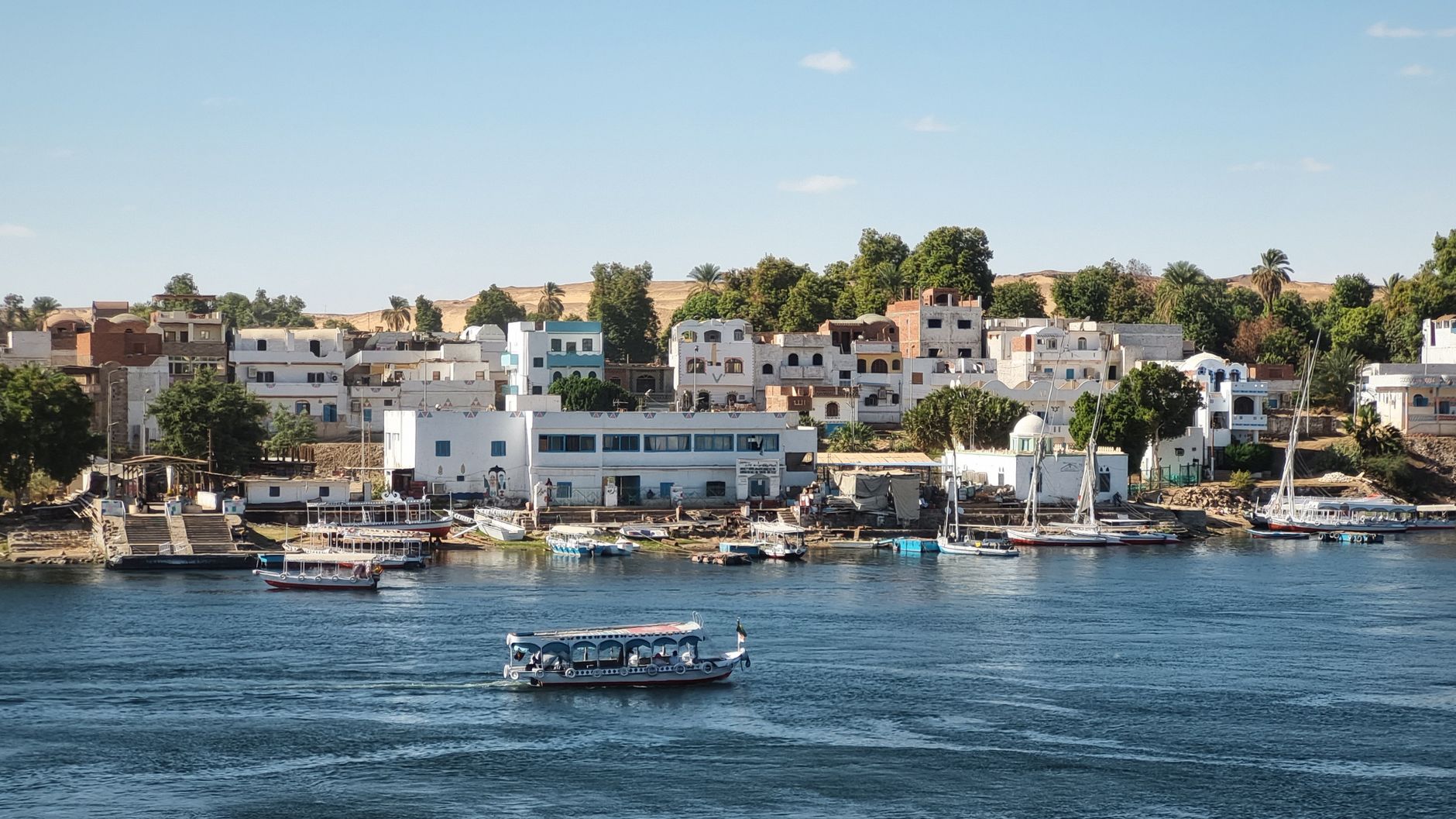
Most dahabiya charters begin with a road transfer from Luxor to Esna, about 55 km (roughly 45-60 minutes by car), where you board and settle into your cabin before lunch.
The afternoon is given to the Temple of Khnum, a short walk from the mooring, where you descend into the sunken hypostyle hall for an hour or so with a guide before the boat casts off. Dinner is served on deck as the crew raises sail for the first stretch south, weather permitting.
Gebel Silsila's Quarries and the Tombs of El Kab
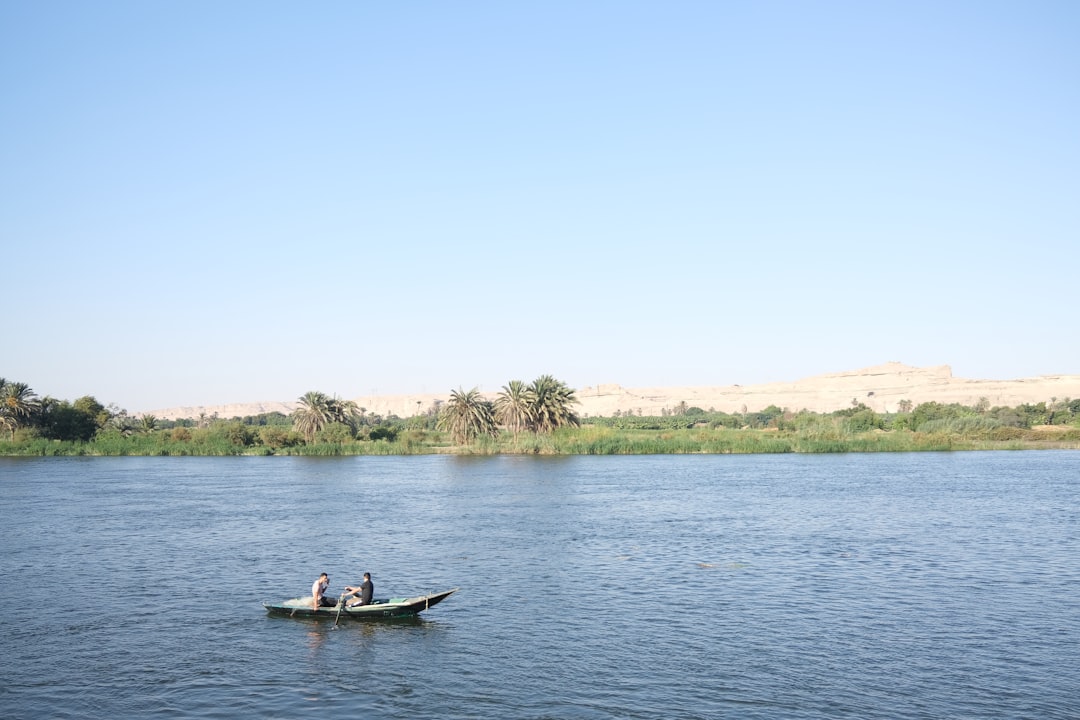
A full day of sailing and short shore stops. Morning tea on deck gives way to a skiff crossing to Gebel Silsila, where ancient quarry marks and rock-cut shrines line both banks of the Nile's narrowest point.
After lunch back aboard, the boat continues toward El Kab, ancient Nekheb, for a walk up to the Old Kingdom tombs cut into the eastern cliffs. Many crews arrange a swim stop or a village visit in the late afternoon before mooring for the night somewhere quiet enough that the only sound after dinner is water against the hull.
Arrival at Edfu and the Temple of Horus
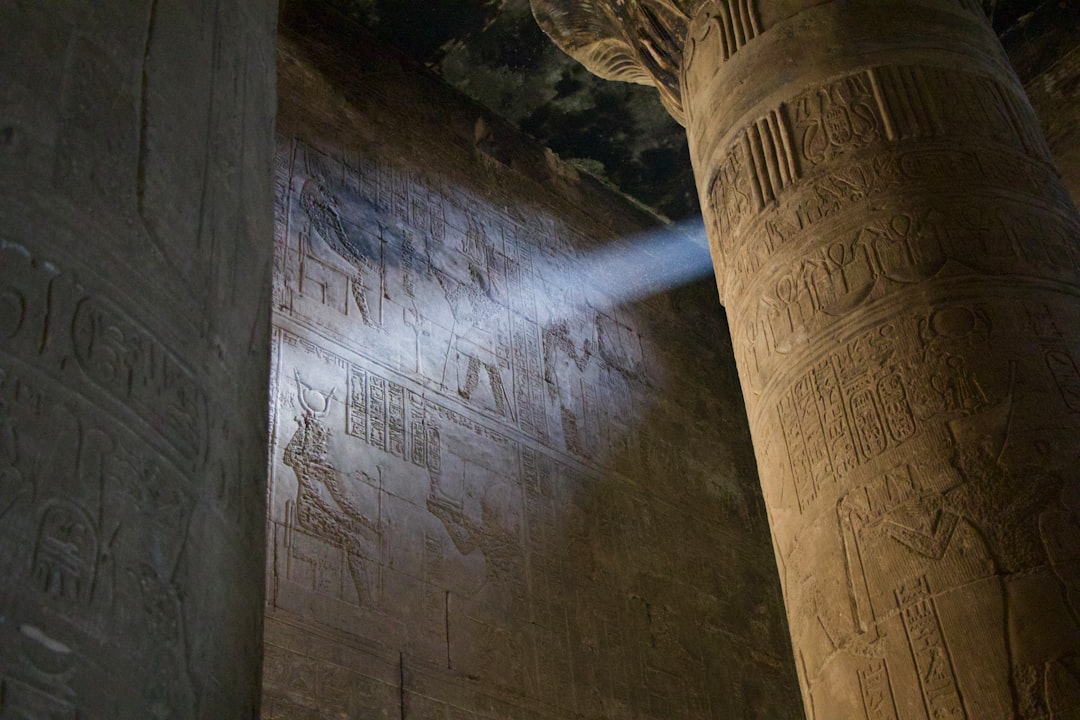
The dahabiya moors at Edfu by mid-morning, and a short minibus or horse-drawn calèche ride takes you to the Temple of Horus, one of the most complete Ptolemaic-era temples in Egypt, for a two-hour visit through the pylon, hypostyle halls, and inner sanctuary.
Most itineraries either disembark here for a transfer onward toward Aswan or Kom Ombo, or continue the sailing charter south for several more days. Either way, a final lunch on deck before disembarkation is the traditional send-off.
Dahabiya charters book unevenly by season and boat, and the difference between a full-charter departure with friends and an individual cabin on a shared sailing changes both the price and the character of the trip.
A Cordelie advisor can match you to the right vessel, cabin category, and route length for this stretch of the Nile, and layer in Luxor time, a Kom Ombo or Aswan extension, or a private guide at Edfu, so the whole journey reads as one trip rather than a string of bookings.
Esna to Edfu by Dahabiya: The Verdict
A slower, sail-powered way to see a stretch of the Nile the big ships mostly skip past.
This route rewards travelers who want fewer crowds and more atmosphere over speed and creature comforts. Between Khnum Temple's sunken hall, the quarries at Gebel Silsila, and Edfu's well-preserved Temple of Horus, the 55 km stretch packs in real depth for a short sailing distance.
It asks something in return: flexible timing, tolerance for uneven ground at temple sites, and comfort with a boat that moves at the wind's pace rather than a printed schedule. For travelers planning around older relatives or very young children, weigh the gangways and skiff transfers honestly before booking.
Last checked for accuracy: . How we check

Priya Raman has spent eleven years testing whether a destination works with a four-year-old, a teenager and a grandparent in the same party. She writes the version of the guide that accounts for nap times and still gets you to the good stuff, and travels from Toronto with a carry-on she can pack in nine minutes.