
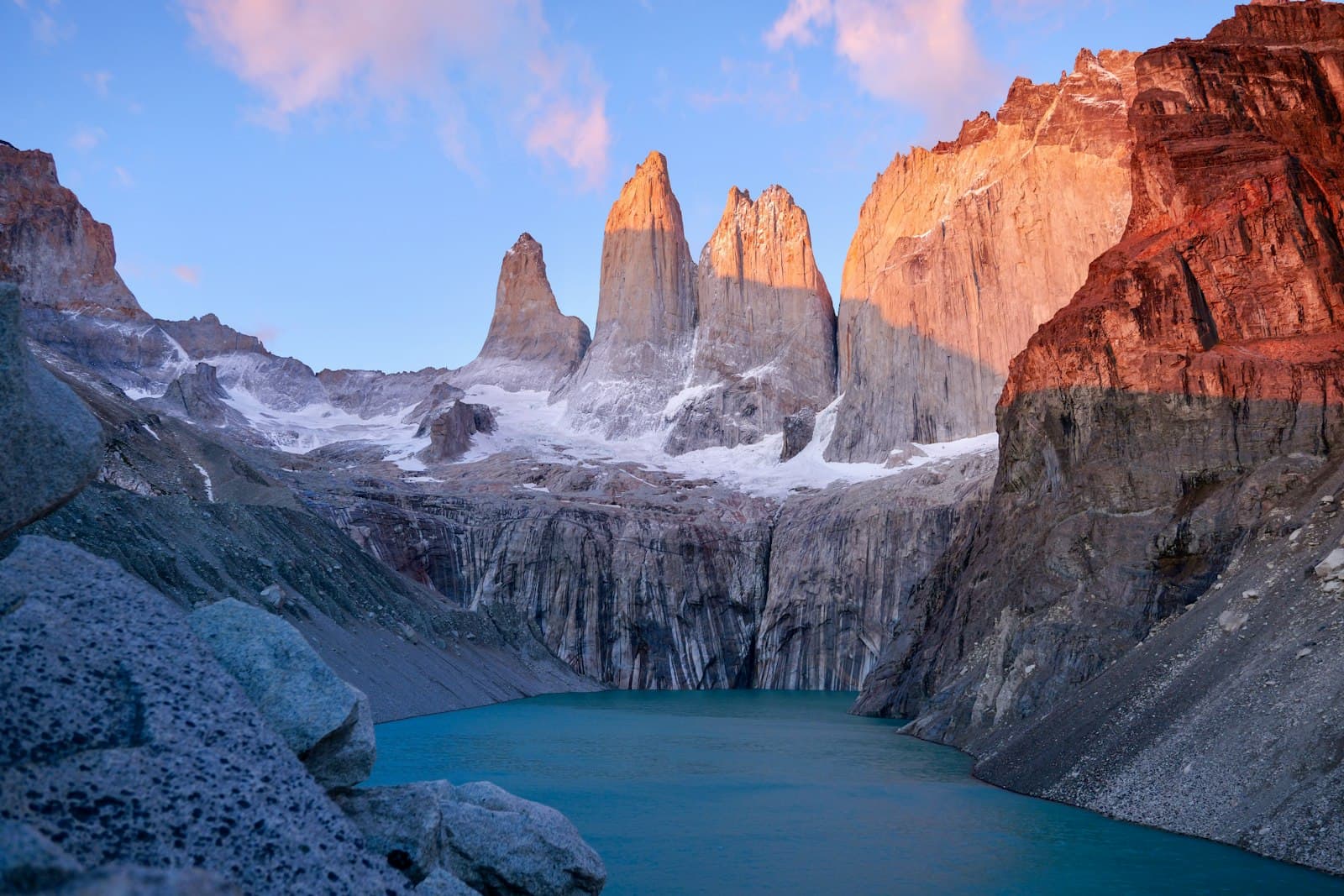
Walking the W: A Trekker's Guide to Torres del Paine
The Wind Hits First: Arriving Beneath the Cuernos
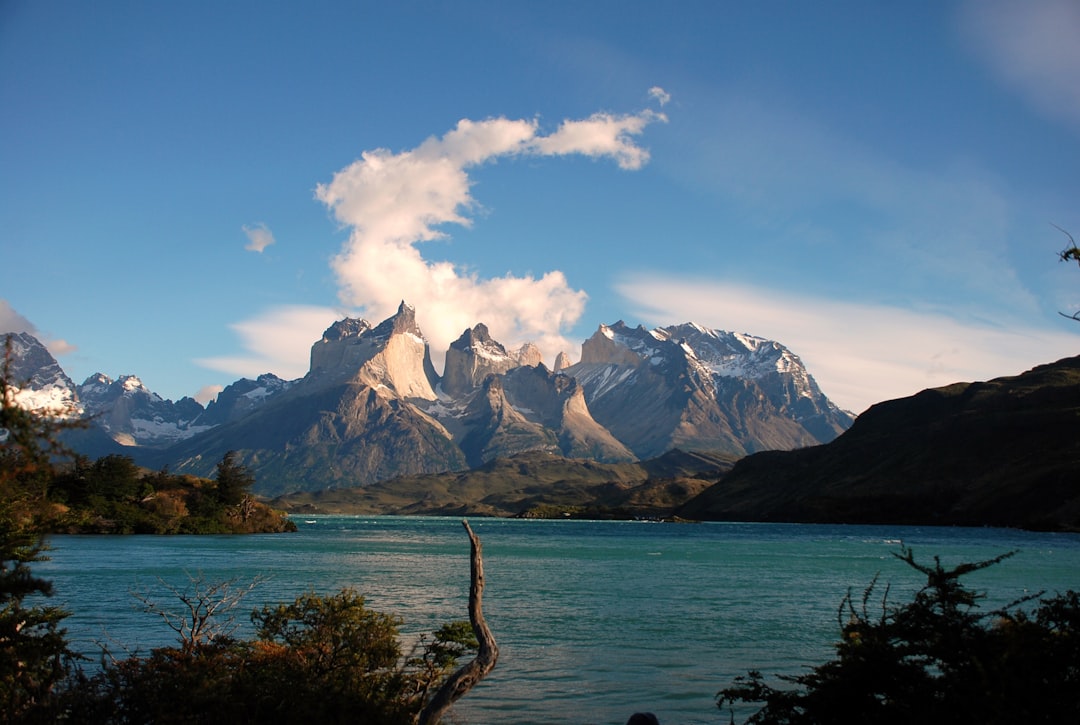
The bus from Puerto Natales rounds a bend near Laguna Amarga and the wind slams the window so hard I think a rock hit it. It hasn't. This is just Patagonia clearing its throat. Out the glass, the Cuernos del Paine appear for the first time, two black horns of granite streaked with old ice, and every person on the bus goes quiet at once.
I have done a fair number of multi-day treks, but nothing prepared me for how much this park makes you feel the weather rather than just walk through it. Over the next five days I would cover roughly 75 kilometers of the classic W route, from the ice face of Glaciar Grey to the base of the towers themselves, sleeping in a mix of refugio bunks and a wind-battered tent. This is the trip report, with the honest difficulty ratings and gear notes I wish someone had handed me at the CONAF gate.
“Patagonia doesn't test your legs first. It tests whether you packed for wind that can knock you sideways on a flat trail, in full sun, with not a cloud in sight.”
Five Days on the W: Grey Glacier to the Towers
Puerto Natales to Refugio Paine Grande — Crossing Lago Pehoé
A 07:00 bus (Bus Sur or other companies, roughly CLP 8,000 one way, about 1 hour 45 minutes) covers the distance from Puerto Natales to the Laguna Amarga entrance, where you pay the park fee, currently CLP 34,000 for a 1-day visit or CLP 48,500 for 2 or more consecutive days for foreign visitors, and register your itinerary with a ranger.
From there it's a connecting shuttle to Pudeto and a 30-minute catamaran crossing of Lago Pehoé to Refugio Paine Grande, the launch point for the western half of the W. Boats run a handful of times a day in spring and cost roughly CLP 22,000-28,000; if wind closes the lake, which happens more often than any brochure admits, you're looking at a much longer walk-around or a night stuck at Pudeto.
This is the day to test your pack, not the trail. Refugio Paine Grande has bunks with half board for roughly USD 65-95 a night, or a windswept campsite for USD 12-20 if you're carrying your own tent. I camped, and immediately learned why every guide here talks about wind ratings before boot ratings — a three-season tent without solid guy-out points will fight you all night.
Glaciar Grey and the Blue Ice — Refugio Grey Round Trip
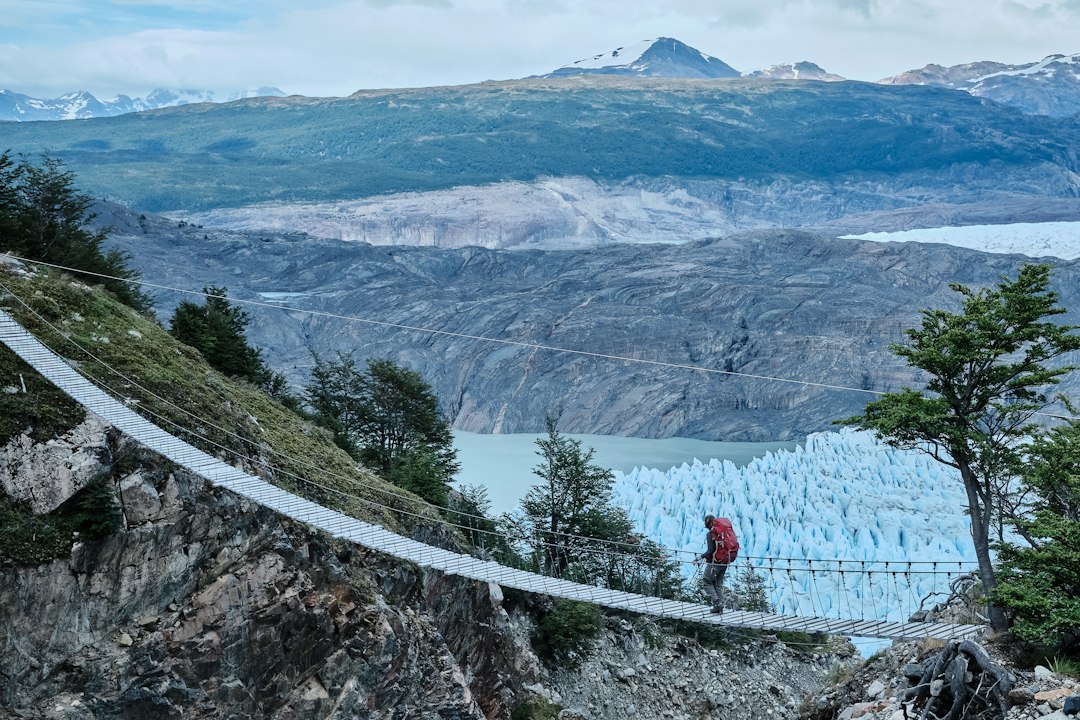
The trail from Paine Grande to Refugio Grey runs about 11 kilometers each way, climbing through beech forest and open scree before the lake widens and the glacier's blue face appears across the water. Round trip with time at the miradores, budget 7 to 8 hours; this is a genuinely long day, not a stroll with a view at the end.
There are two viewpoints before the refugio itself, Mirador Grey I and II, and both are better than the refugio's own deck for photos, since you get the ice front and the floating bergs together. Some hikers add the optional Vertice Patagonia glacier trek on the ice, bookable in advance and worth the roughly USD 120-150 if you've never walked on a glacier before.
Difficulty here is moderate-plus: the terrain isn't technical, but exposed sections along the lake catch crosswinds strong enough to stop you mid-stride. Trekking poles earned their weight, and I was glad of a hardshell jacket rather than just a softshell — spray off the lake plus wind chill drops the felt temperature fast even when the spring sun is out.
Valle Francés — The Hanging Glaciers of the Cuernos
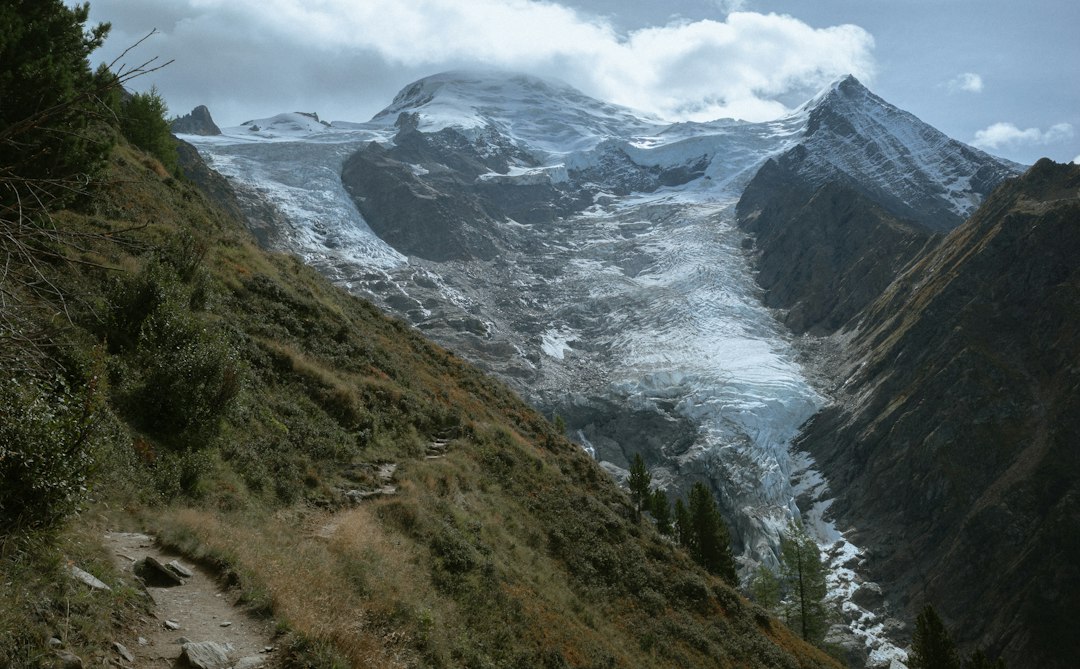
Back across the lake or along the shore trail to Campamento Italiano, the entrance to Valle Francés, then up. The out-and-back to Mirador Francés runs about 13-14 kilometers round trip from Paine Grande and takes 8-9 hours if you do the whole valley in one push, which is exactly what I did and exactly why my calves complained for two days afterward.
The valley itself is the emotional peak of the western W for a lot of hikers: hanging glaciers on the Paine Grande massif calve audibly overhead, echoing off the Cuernos on the opposite wall. You'll hear the ice before you see it fall.
If your legs are cooked, split this: overnight at Campamento Italiano (free but basic, no reservation needed as of recent seasons though this can change) and push on to Refugio Los Cuernos the next day instead of returning to Paine Grande. I'd rate this day hard — steep, rocky, and long enough that starting before 08:00 matters if you want daylight to spare.
Refugio Los Cuernos to Refugio Chileno — The Quiet Middle Day
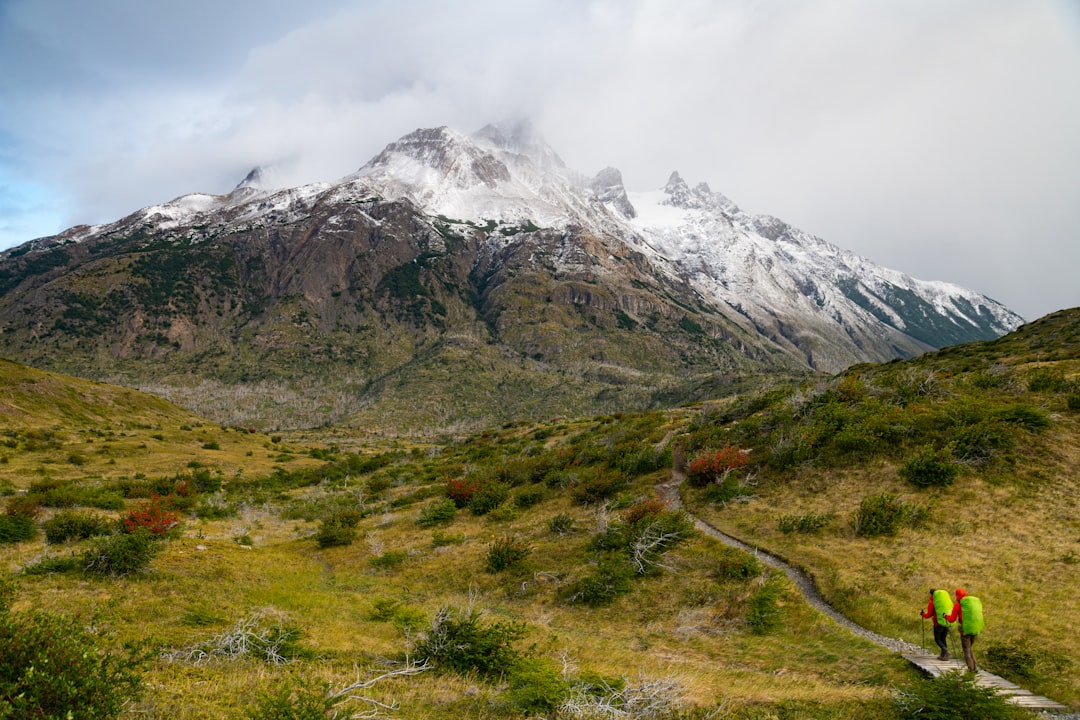
This leg runs roughly 11-12 kilometers along the base of the Cuernos, undulating rather than climbing, past Lago Nordenskjöld's turquoise water. It's the shortest trekking day of the W at 4-5 hours, and after the French Valley slog it felt like a gift.
Refugio Los Cuernos, run by Fantástico Sur, sits closest to the towers of any lodge on this stretch and has one of the better dinners on the circuit — more on that later. Refugio Chileno, your stop for the night, is smaller and sits in a gorge with almost no wind, a genuine relief after three days of it.
Book both refugios well ahead. Fantástico Sur and Vertice Patagonia control the bunks and campsites along most of the route, and in spring shoulder months — October and November, and again March into April — availability still tightens fast once the season's dates open for booking, even with lighter crowds than the December-February peak.
Sunrise at Mirador Base Torres — The Towers at Last
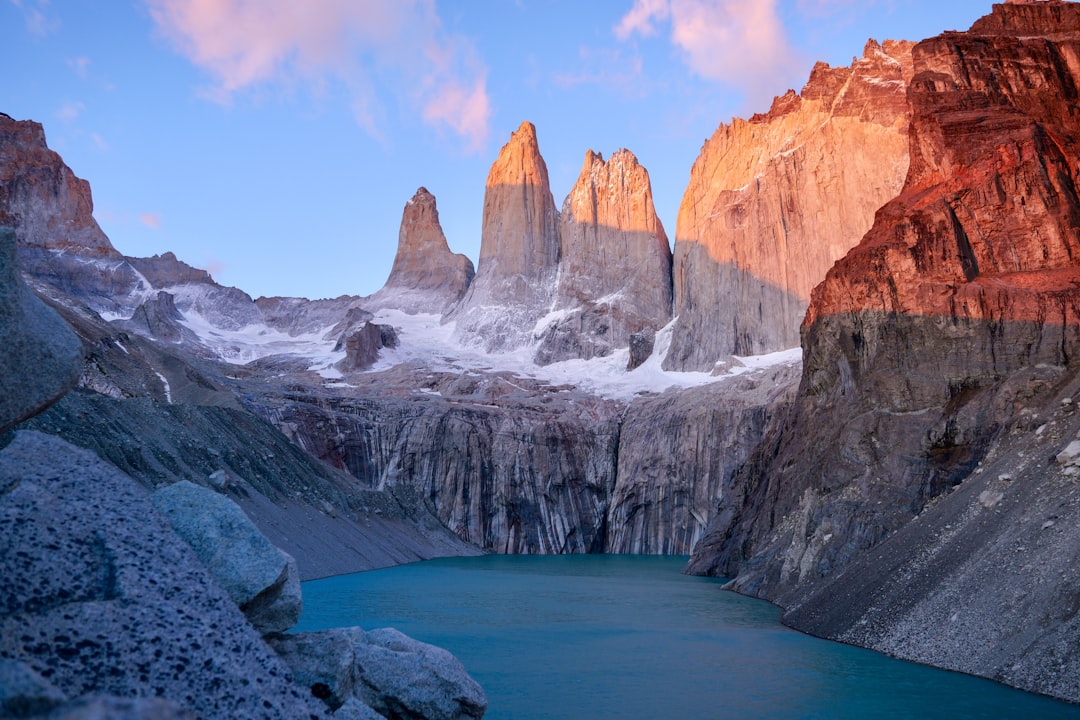
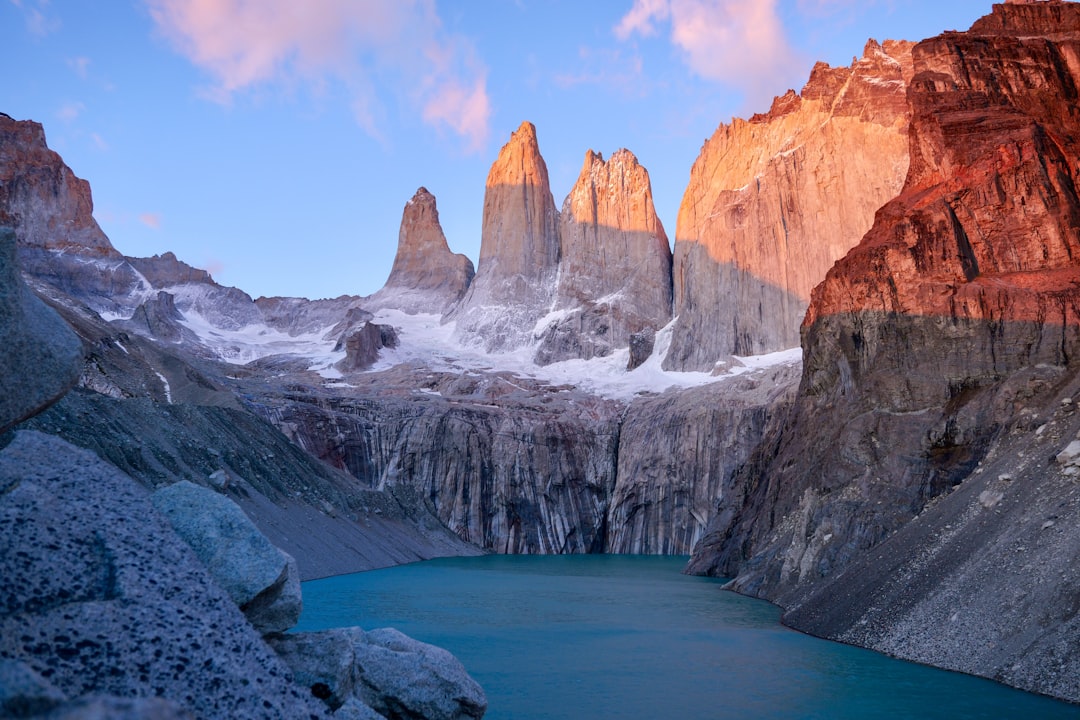
Most people leave Refugio Chileno around 04:30-05:00 to reach Mirador Base Torres before first light, a climb of roughly 3.5 kilometers and about 400 meters of elevation gain, the last 40 minutes over a steep, ankle-twisting boulder field with a headlamp on. This is the hardest single hour of the entire W. Don't let anyone tell you otherwise.
The reward, when it works, is the three granite towers lighting orange-pink above Laguna Torres while you're still catching your breath. Weather here is genuinely a coin flip even in good months, so build in a buffer night if your schedule allows rather than pinning the whole trip on one sunrise.
From the mirador it's a long descent back through Chileno to Hotel Las Torres and the park exit road, where shuttles run to Puerto Natales for roughly CLP 15,000-20,000. Total trekking for the day, mirador and out, runs 10-11 hours door to door — plan a very late lunch, not an early one.
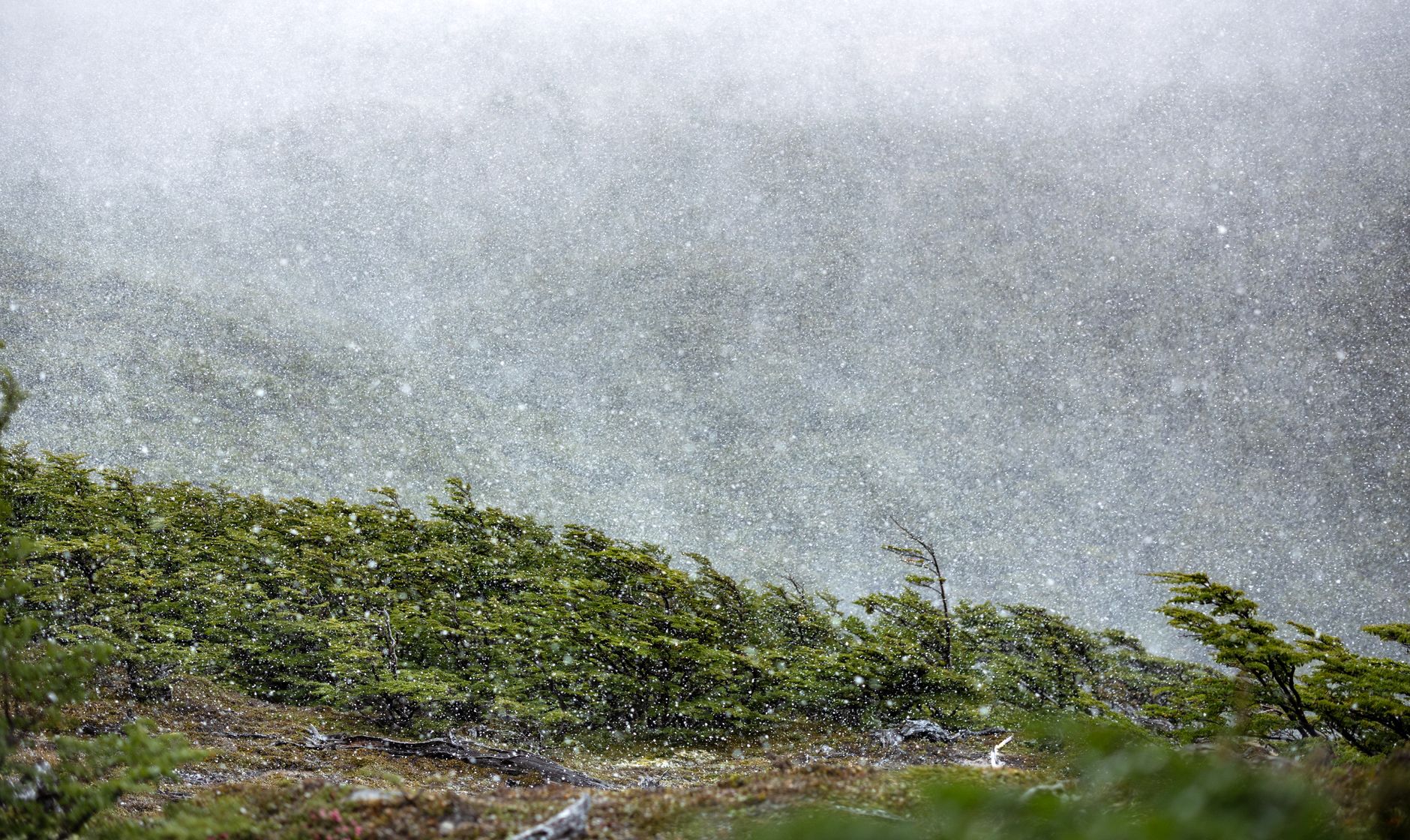
Scenes from the W: ice, wind, and granite
Cordelie travel advisors
Go with someone who knows
The right suite, the right season, the reservations that never appear online — your Cordelie advisor knows them, and holds them for you.
Plan with a Cordelie advisorFree to ask. Cordelie Travel Services · IATA/ARC 06649064
Ice, Boulders, and the Final Scramble: What Stayed With Me
The moment everyone talks about is the sunrise at the towers, and it deserves the hype, but the quieter standout for me was the sound at Valle Francés — ice cracking off the hanging glaciers and rolling down rock faces on both sides of the valley, a soundtrack no photo captures. I sat at Mirador Francés for nearly 40 minutes just listening, and I'd trade a lot of scenic overlooks elsewhere for that.
Wind is its own character in this park, not a footnote. On the exposed shoreline stretch near Refugio Grey, gusts strong enough to push a fully loaded pack sideways are normal, not exceptional, even on a clear day in November. Pack a real hardshell, not a windbreaker, and bring trekking poles even if you never use poles anywhere else — they're the difference between a stumble and a fall on the loose sections.
The refugio-versus-camping question came up daily on the trail. Refugios buy you a hot shower, a real dinner, and shelter from wind that can make sleep genuinely difficult in a tent. Camping buys you roughly a third to half the cost and total flexibility if your schedule shifts. I did both across the five days and would do it again the same way: refugio at the two exposed ends of the trek, camping in the more sheltered middle stretch near Chileno.
Refugio Kitchens, Puerto Natales Plates, and Trail Snacks That Actually Work
Refugio food is better than trail food has any right to be. Refugio Los Cuernos serves a solid Patagonian lamb stew with the half-board dinner package, and Refugio Paine Grande's cafeteria-style setup does a passable pisco sour if you want one after the glacier day. Half board across most refugios runs roughly USD 25-40 for dinner and breakfast combined when not already bundled into your bunk rate, and it is worth every peso after nine hours on the trail.
Before and after the trek, Puerto Natales is worth a full day on either end rather than a rushed overnight. Afrigonia, on Eberhard 343, does a Patagonian-African fusion menu built around local lamb and king crab that sounds odd on paper and works completely; expect mains in the CLP 12,000-18,000 range. For something simpler, Mesita Grande near the Plaza de Armas does wood-fired pizza that's genuinely good after five days of dehydrated meals, and Baguales Brewery pours its own beer if you want a proper first cold drink off the trail.
On the trail itself, dehydrated meals and instant soup cover dinner in the tent, but the real trail currency is dried fruit, salami, and manjar-filled cookies (alfajores) picked up cheaply at any Puerto Natales supermarket before you leave — cheaper and lighter than anything sold at the refugio shops, which charge a premium for the obvious reason that you're a captive audience 60 kilometers from the nearest road.
Refugio bunks and campsite permits along the W sell through Fantástico Sur and Vertice Patagonia on their own separate booking systems, and in shoulder season the dates that suit a real itinerary — not just any dates — go first.
A Cordelie advisor can lock in the exact refugio-and-campsite sequence that matches how you actually want to move through the park, coordinate the catamaran and shuttle connections around it, and layer in a private guide for the Grey glacier ice trek or a night at a lodge like Hotel Las Torres or Patagonia Camp on either end.
Reach out at https://cordelie.com/contact and let them shape a Torres del Paine trip built around the pace and comfort you actually want, rather than whatever dates happen to still be open.
Is the W Trek Right for Your Trip?
Best for fit, adventure-minded travelers who want dramatic, varied scenery packed into a five-day window and don't mind earning every view.
The W delivers glacier, forest, granite spire, and turquoise lake in one continuous route, which is rare for a trek this length. It is not a gentle walk — count on 10-22 kilometers on your longest days and a genuinely tough final ascent — and Patagonian wind is a real hazard, not a mood detail, so pack a proper hardshell and poles regardless of the forecast.
Spring shoulder season, roughly October through November, offers the best balance: fewer crowds than the December-February peak, wildflowers on the lower trails, and refugios still fully open, though snow can linger on higher passes early in the season and afternoon wind runs strong.
Book refugios and any glacier or kayak add-ons months ahead regardless of season — capacity along this route is fixed and fills long before the trailhead does.
Last checked for accuracy: . How we check

Marcus Rivera has spent fifteen years writing about places you have to walk into. He has guided in Patagonia, reported from Kilimanjaro's quieter routes, and has strong opinions about which of them are worth the airfare. He is based in Boulder, mostly so he can leave it.