
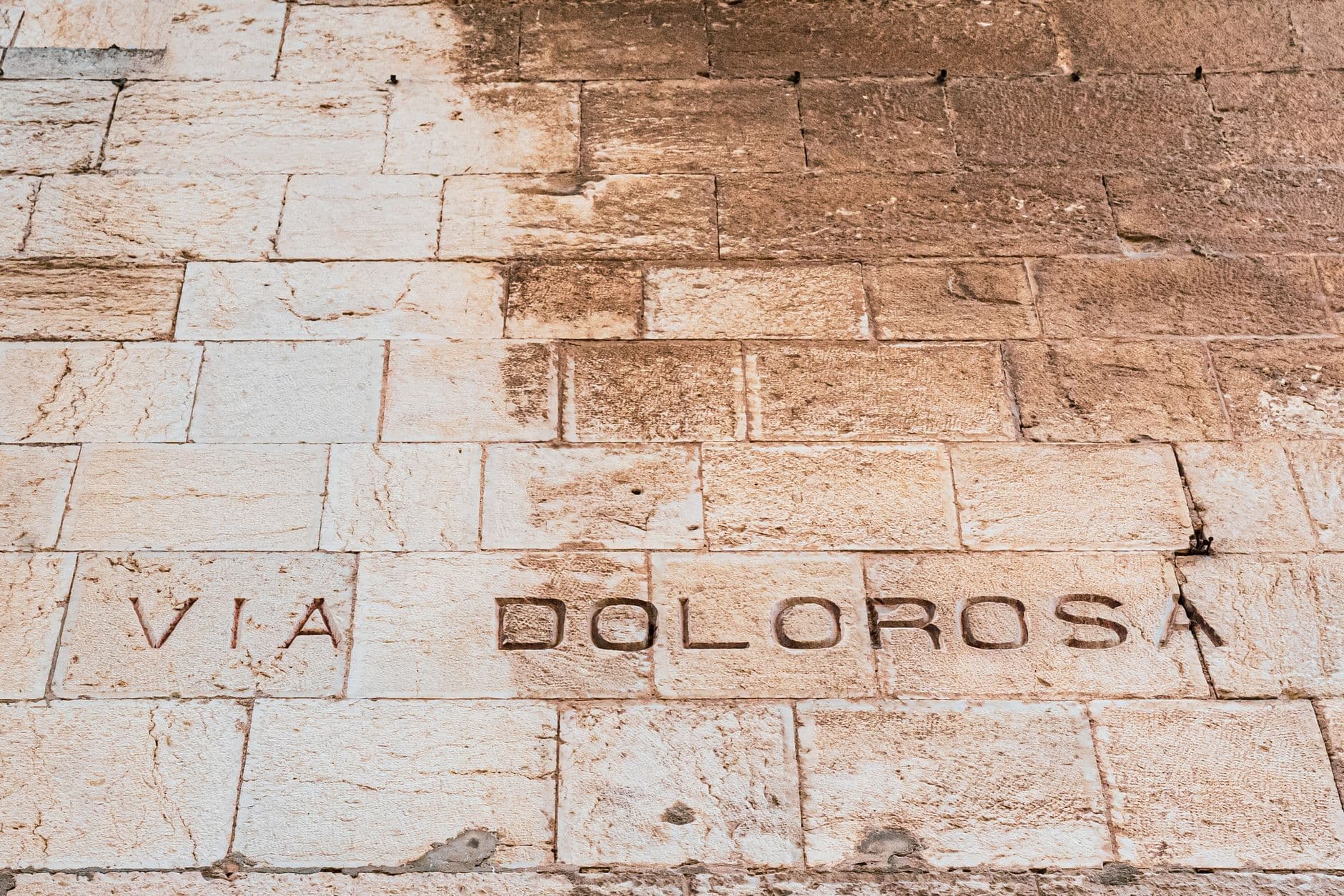
Walking the Via Appia: Tracing Rome's Oldest Road to the Sea

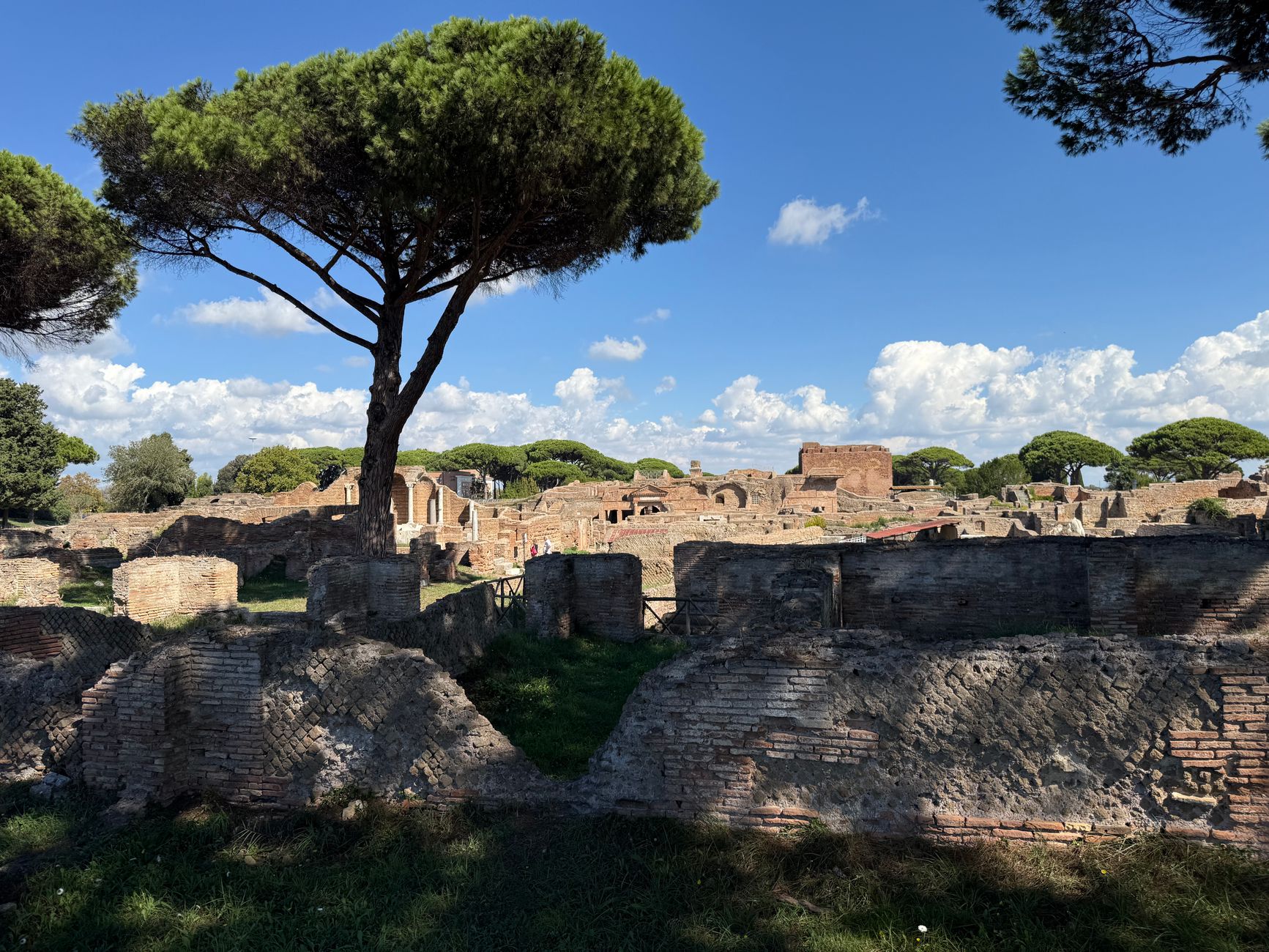
Why the Regina Viarum Still Rewards a Walker's Pace
Appius Claudius Caecus began paving this road in 312 BC, and the Romans never stopped calling it the Regina Viarum, the Queen of Roads. Walk even a few kilometers of its basalt flagstones south of Rome and you understand why. These are the same stones that carried legions toward Brindisi, merchants hauling grain and olive oil north, and the poet Horace grumbling about gnats near the Pontine Marshes on his own journey south in 37 BC. The Via Appia is not sealed behind glass. It runs through working Lazio and Puglia farmland, past pine-shaded tombs that still line its verges exactly as Roman law required, since burial inside the city walls was forbidden. Walking it, even in short sections, moves you through 2,300 years at roughly three kilometers an hour, with cicadas instead of traffic for company.
Via Appia Quick Facts
Spring Light on the Via Appia: Timing Your Walk Between Rome and the Adriatic
Late April through early June is the window most locals recommend, and for good reason. The Lazio countryside is green, the Pontine Plain hasn't yet turned hazy, and daytime temperatures hover around 18-24°C, cool enough for a 15-20 kilometer stage without wilting by noon. Wildflowers crowd the verges around Ariccia and Genzano, and the pine-shaded stretch through the Appia Antica Regional Park near Rome is at its most fragrant. Avoid July and August unless you start walking by 6:30am; the Pontine stretch toward Terracina offers almost no shade, and midday heat regularly climbs past 32°C. September and early October are the other sweet spot, with grape and olive harvests underway around Benevento. Whichever month you choose, try to time Rome's section to the first or third Sunday, when Via Appia Antica itself closes to cars from roughly 10am to 6pm for 'Domenica a piedi', leaving the road to walkers and cyclists.
Cordelie travel advisors
Planning Via Appia? Go with someone who knows
The right suite, the right season, the reservations that never appear online — your Cordelie advisor knows them, and holds them for you.
Plan with a Cordelie advisorFree to ask. Cordelie Travel Services · IATA/ARC 06649064
From the Catacombs to the Colonna Romana: The Stops That Define the Route
Begin at Porta San Sebastiano, the best-preserved gate in Rome's Aurelian Walls, and within ten minutes you reach the Catacombs of San Callisto, where early Christians, including several third-century popes, were buried in tunnels running four levels underground. Entry runs roughly EUR 10-13 (2025 rates), guided descents last about 45 minutes, and the catacombs close on Wednesdays. A kilometer further, the Catacombs of San Sebastiano occupy the site believed to have given the whole network its name. Past the fourth milestone stand the Circus of Maxentius and, beside it, the cylindrical Tomb of Caecilia Metella, a first-century BC monument so solid that medieval barons later fortified it into a castle keep. Where the road meets the sea at Terracina, climb to the Temple of Jupiter Anxur for a free, unguarded view over the Gulf of Gaeta that has barely changed in two millennia. Near Santa Maria Capua Vetere, an amphitheater rivaling the Colosseum in footprint still has its underground gladiator corridors open to visitors. In Benevento, the Arch of Trajan, raised in 114 AD, stands intact in the middle of the old town's traffic, carved with scenes of imperial generosity. The road's southern terminus is marked by the Colonna Romana on Brindisi's harbor steps, a single marble column where, by tradition, the Via Appia and the later Via Traiana both ended at the Adriatic.
Landmarks Along the Regina Viarum
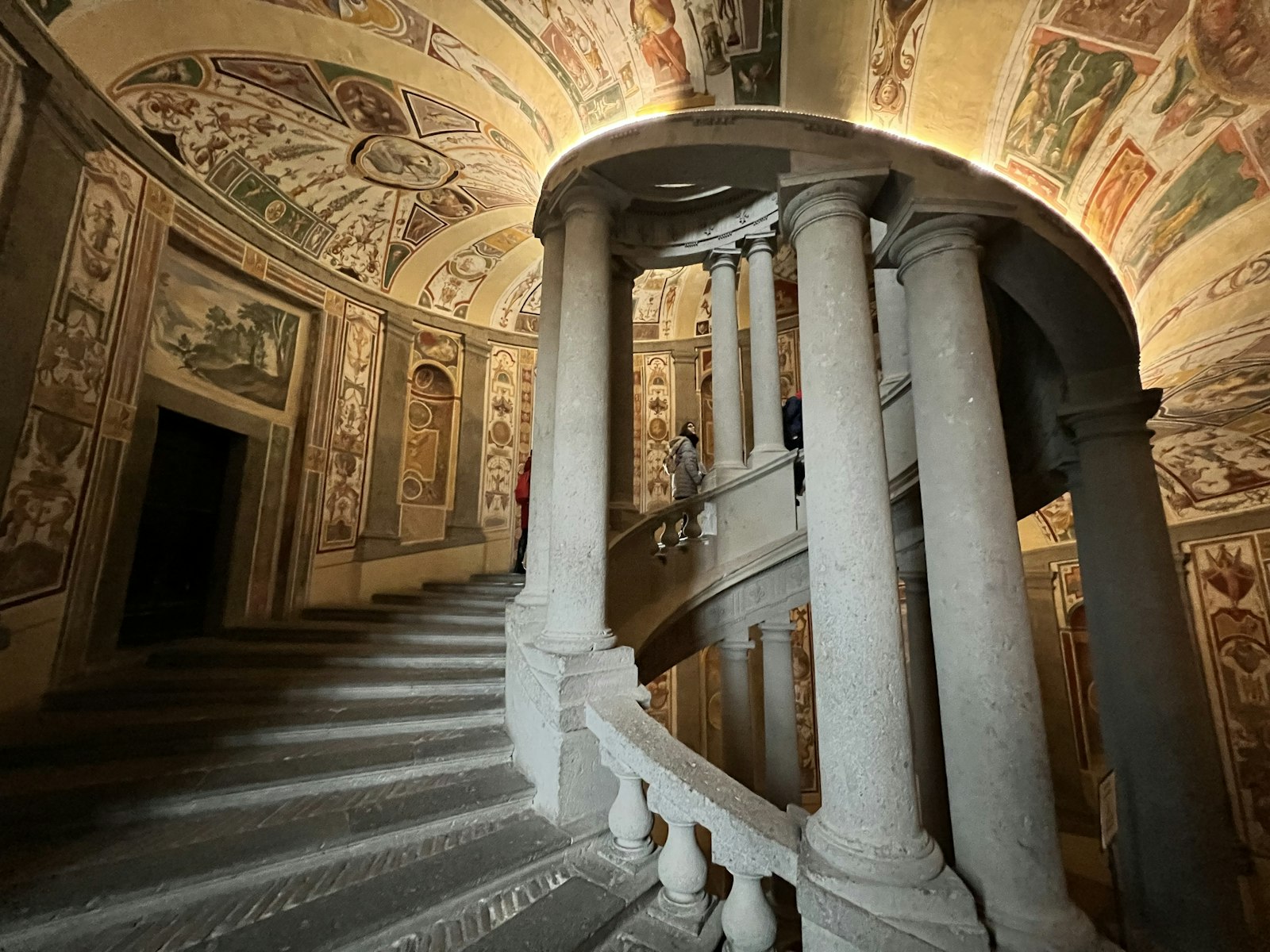
Sleeping Along the Regina Viarum, From Roman Farmhouses to Brindisi's Harbor
Near the start, Appia Antica Resort sits inside the regional park itself, a converted farmhouse with a pool about a 20-minute walk from the catacombs, with doubles typically EUR 110-160 a night in spring. Midway, in the Alban Hills, small B&Bs in Ariccia put you steps from the Ponte Monumentale and the fraschette taverns, usually EUR 70-100 a night. On the coast, hotels along Terracina's seafront face the beach directly below the ancient temple hill, with spring rates around EUR 90-130. Further south, agriturismi scattered through the Caserta and Benevento countryside, many of them working olive and hazelnut farms, offer half-board for EUR 60-90 per person and are often the only lodging within a day's walk of the smaller stages. In Brindisi, the waterfront Grande Albergo Internazionale puts you within five minutes of the Colonna Romana for a fitting last night, with spring doubles typically EUR 80-120.
Porchetta, Pecorino and Puglia: Eating Your Way Down the Regina Viarum
Ariccia, about 25 km south of Rome, claims the definitive porchetta: whole deboned pork rubbed with wild fennel and rosemary, roasted until the skin cracks, and sold by weight in the fraschette, informal taverns that also pour local Castelli Romani white wine for a few euros a carafe. Further south, Terracina's trattorie turn out spaghetti alle vongole using clams dug from the Gulf of Gaeta that same morning. Around Benevento, look for torrone and a glass of Strega, the saffron-colored herbal liqueur distilled in the town since the mid-1800s. The final stretch into Puglia changes the register entirely: orecchiette with cime di rapa, burrata from nearby Andria, and in Brindisi itself, raw seafood platters of oysters and sea urchin eaten at tables along the Lungomare Regina Margherita. Along the whole route, lunch moves slowly; most kitchens close by 2:30pm and don't reopen until 7:30 or 8pm, so plan your walking stages around the meal rather than the other way round.
“You don't walk the Appia so much as read it. Every milestone is a sentence, every tomb a footnote.”
Walking, Cycling and Trains: Covering 530 Kilometers to Brindisi
The official Cammino della Via Appia, waymarked since 2016 and part of the Via Appia's UNESCO World Heritage listing from 2024, runs in roughly 28 stages from Rome to Brindisi, each between 15 and 25 kilometers. Few travelers walk the whole thing; most pick a week or less. The first 16 kilometers, from Porta San Sebastiano to Frattocchie, are the easiest to manage without support: rent a bike for EUR 15-20 a day near the Appia Antica visitor center and you'll cover that stretch, catacombs included, in a half-day. Beyond Rome, regional trains link most of the key towns to the trail, so you can walk a stage and train back, or skip ahead. Rome to Terracina takes about 75-90 minutes, Terracina to Formia roughly 40 minutes, and Benevento to Brindisi, with a change at Caserta or Foggia, takes around 4-5 hours. A rental car is the practical choice for the agricultural stretches through Fondi, Itri and the Caserta countryside, where public transport thins out and the ancient road sometimes survives as a quiet provincial lane running parallel to the modern SS7.
Three Days on the Regina Viarum: A Sampler for Travelers Short on Time
Rome's Appian Way: Catacombs, Tombs and the First Roman Milestones
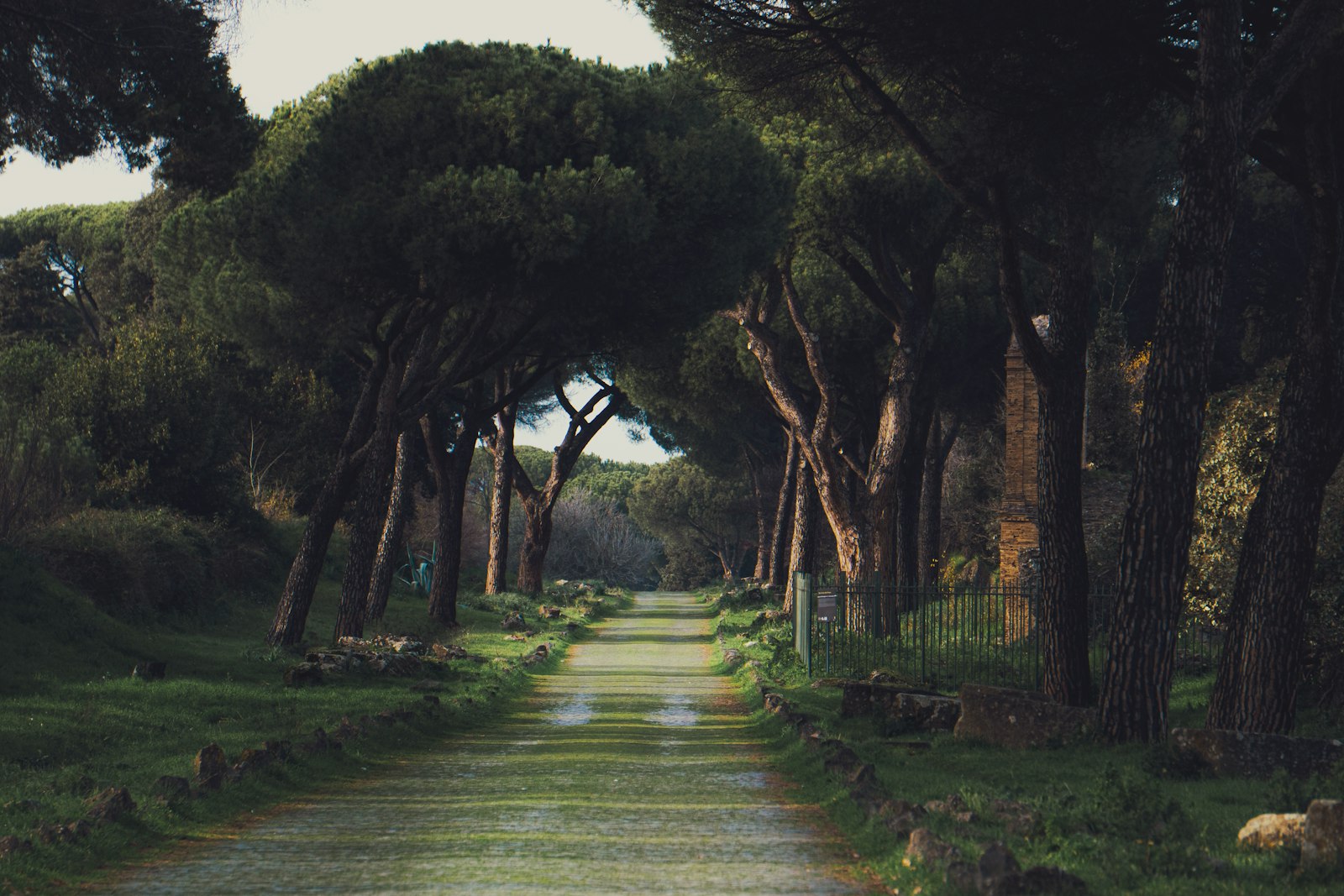
Start at Porta San Sebastiano by 9am, before the tour buses reach the catacombs. Walk or cycle the basalt-paved stretch south, stopping first at the Catacombs of San Callisto and then the Catacombs of San Sebastiano, roughly 1.5 km apart.
By early afternoon you'll reach the Circus of Maxentius and the Tomb of Caecilia Metella, about 5 km from the gate. If it's a first or third Sunday, the whole road is closed to cars until 6pm, which makes the walking considerably more pleasant. Finish with lunch at a trattoria near Via Appia Antica, then taxi or train back into central Rome for the night.
The Alban Hills to Terracina: Porchetta, Fraschette and the Temple Above the Sea
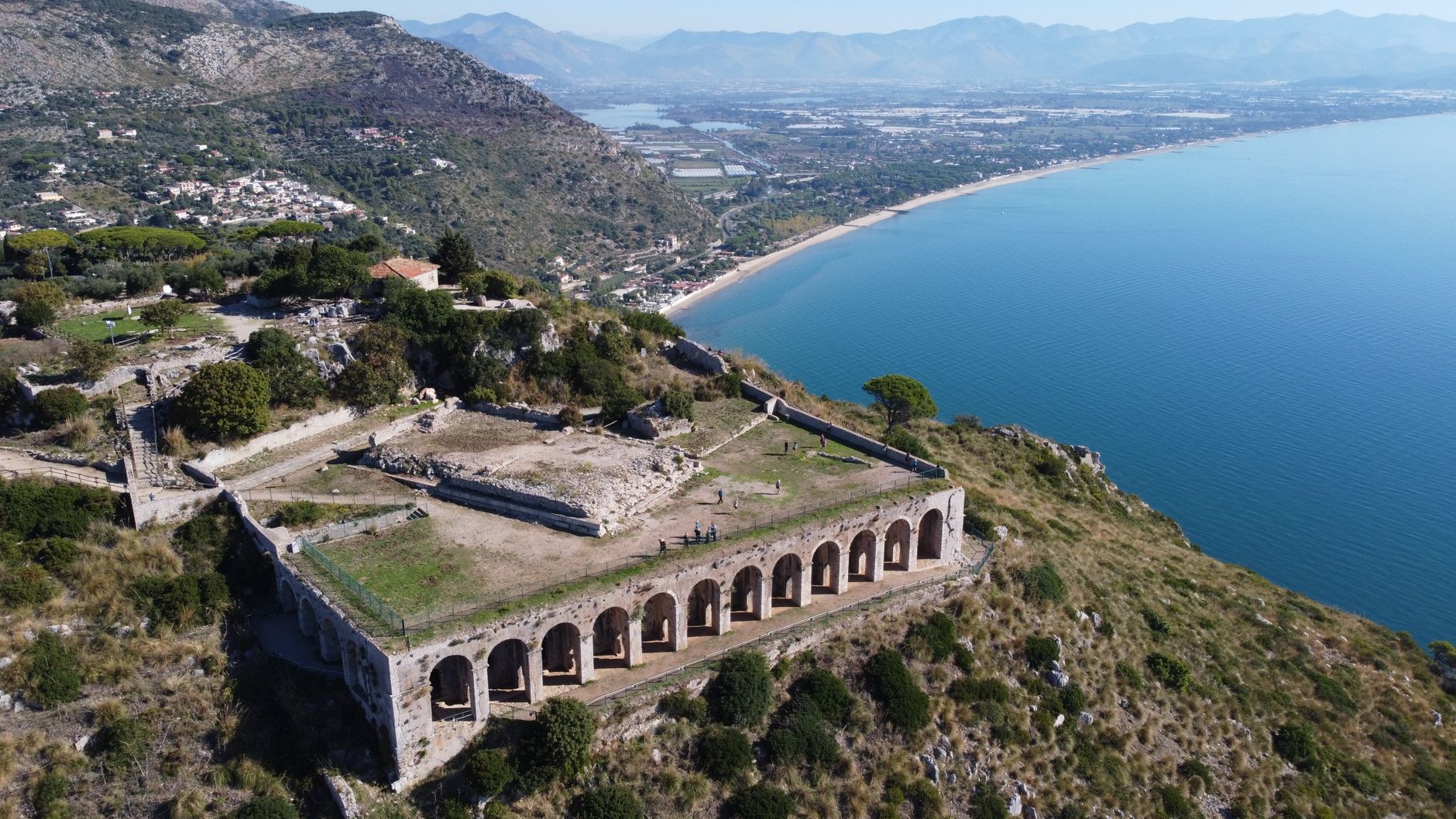
Take a regional train or short drive to Ariccia, about 25 km southeast of Rome, for a mid-morning porchetta and a glass of local white wine at one of the town's fraschette. From there, continue by car or train toward Terracina, roughly 90 km further south, arriving by mid-afternoon.
Climb the hill above the old town to the Temple of Jupiter Anxur for sunset over the Gulf of Gaeta, then descend for a seafood dinner of spaghetti alle vongole in the harbor district.
Benevento's Arch to Brindisi's Column: Reaching the Adriatic
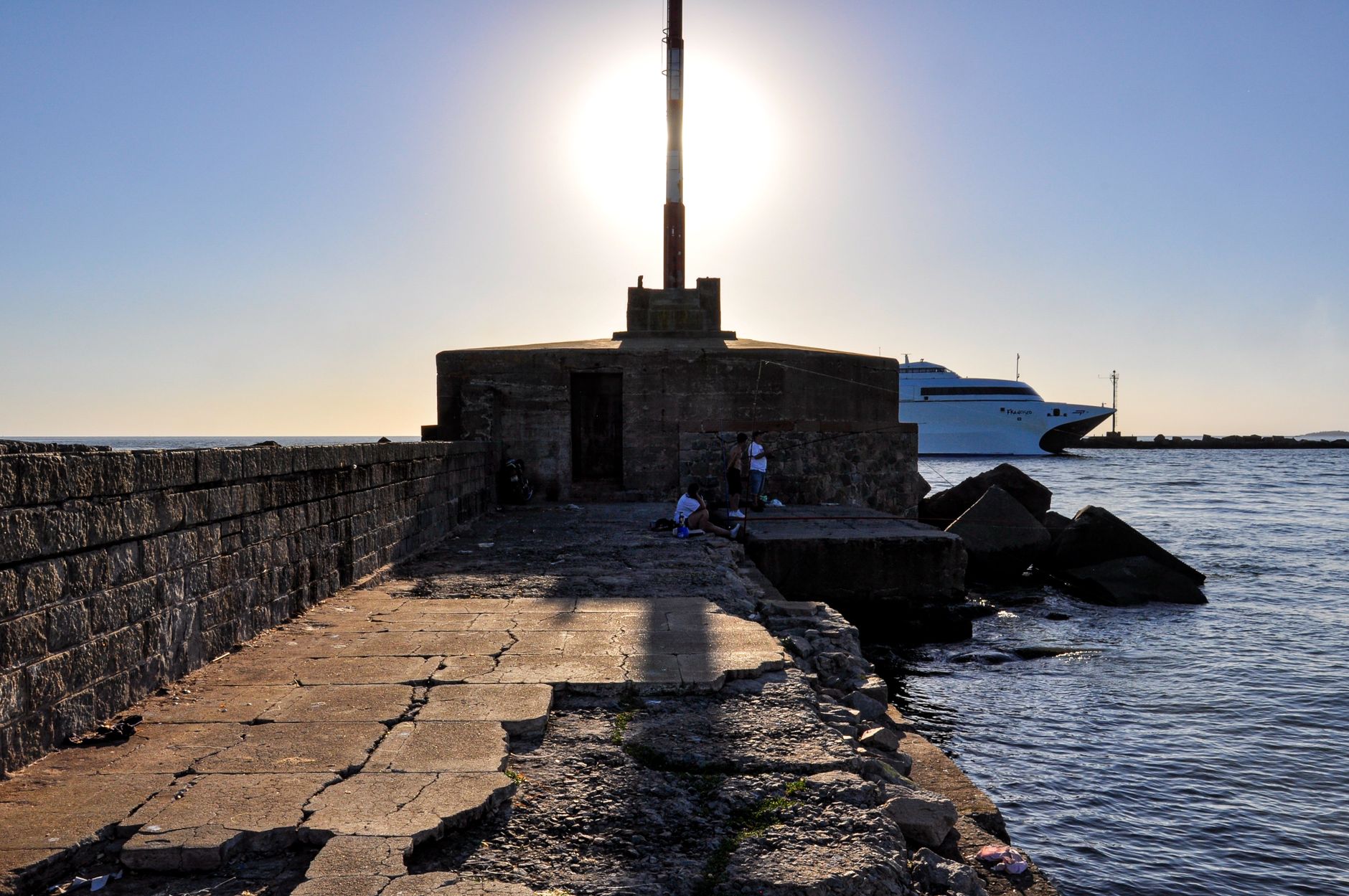
This stage covers the most ground: a morning stop in Benevento to see the Arch of Trajan intact in the old town center, followed by a drive or train connection of roughly 4-5 hours southeast to Brindisi.
Arrive by late afternoon and walk the short stretch from Corso Garibaldi down to the Colonna Romana on the harbor steps, the traditional end of the ancient road. Watch the evening ferries loading for Greece from the same waterfront the Romans used to embark for the Adriatic crossing, then close the day with raw seafood along the Lungomare Regina Margherita.
A Cordelie advisor can arrange a private, guided descent into sections of the Catacombs of San Callisto that aren't open on the standard ticket, a twilight visit to Villa dei Quintili after the regular closing hour, and a driver who meets you at the end of each walking stage so your luggage is already waiting at the next farmhouse or harbor hotel.
That kind of access, and that kind of ease, is what turns a long walk into a journey you remember for the right reasons. Let a Cordelie advisor craft your Via Appia itinerary, timed to the villages, the harvests and the light of the season you choose.
Via Appia At a Glance
A 2,300-year-old road that rewards unhurried travelers with Roman ruins, Lazio farmhouse tables and a Puglia harbor at the end of the walk.
Budget at least a week to sample the highlights properly: Rome's Appian Way, the Alban Hills, Terracina's coast and a final push to Brindisi. Walkers with a month can attempt the full waymarked Cammino della Via Appia; everyone else can mix walking, cycling and regional trains without losing the thread of the ancient road.
Start planning a tailored route, with the access and timing handled by someone who knows the stages, at https://cordelie.com/contact.
Last checked for accuracy: . How we check

Sarah Chen has covered Asia for twelve years, first as a wire reporter in Jakarta and now from Singapore, where she keeps a standing list of the region's most misunderstood destinations. She writes about the distance between what a place is famous for and what it is actually like to spend a week in — and is happiest on an overnight train with a bad seat and a good view.