
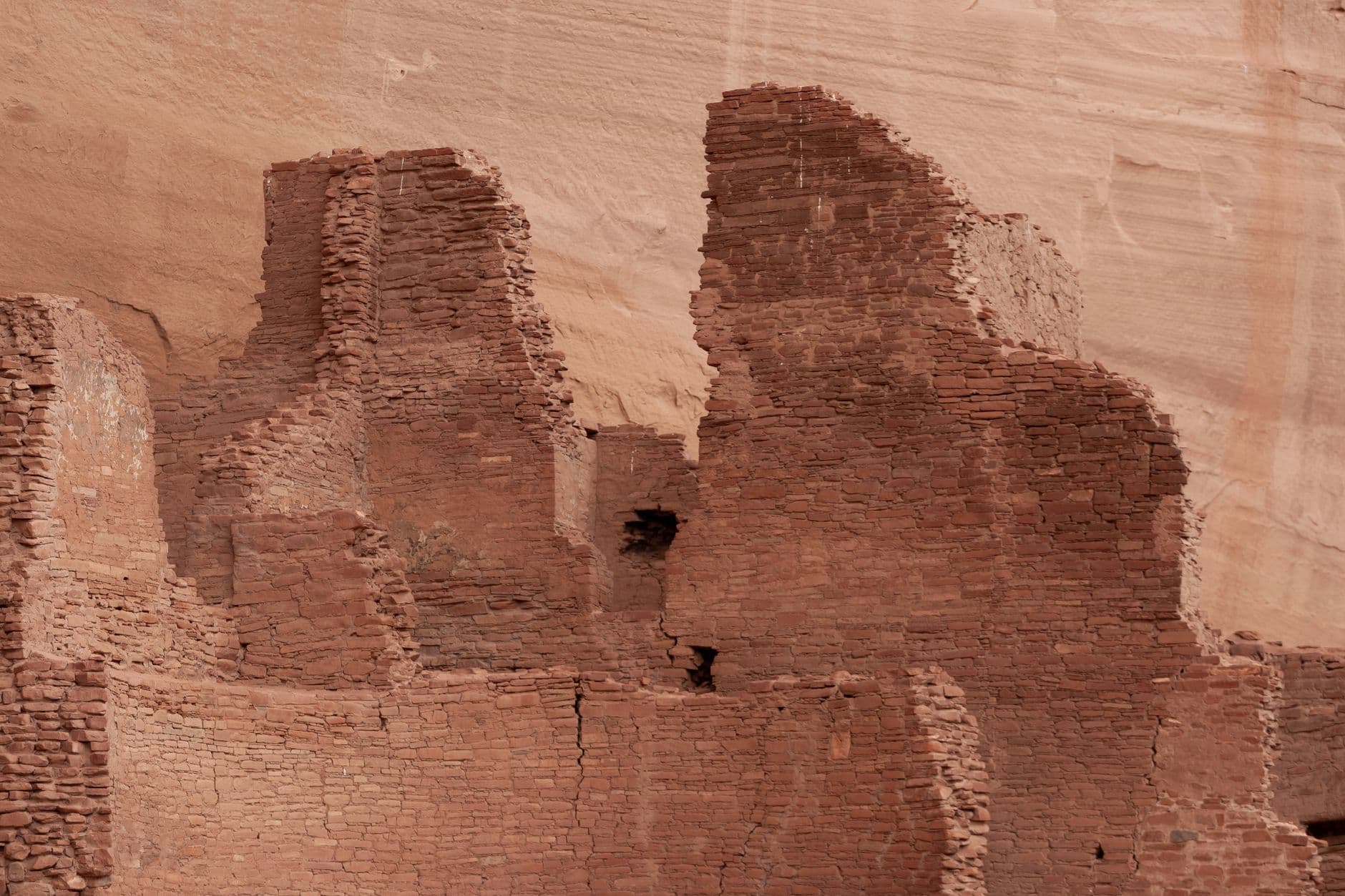
Walking the Land: A Cultural Guide to Canyon de Chelly and the Navajo Nation

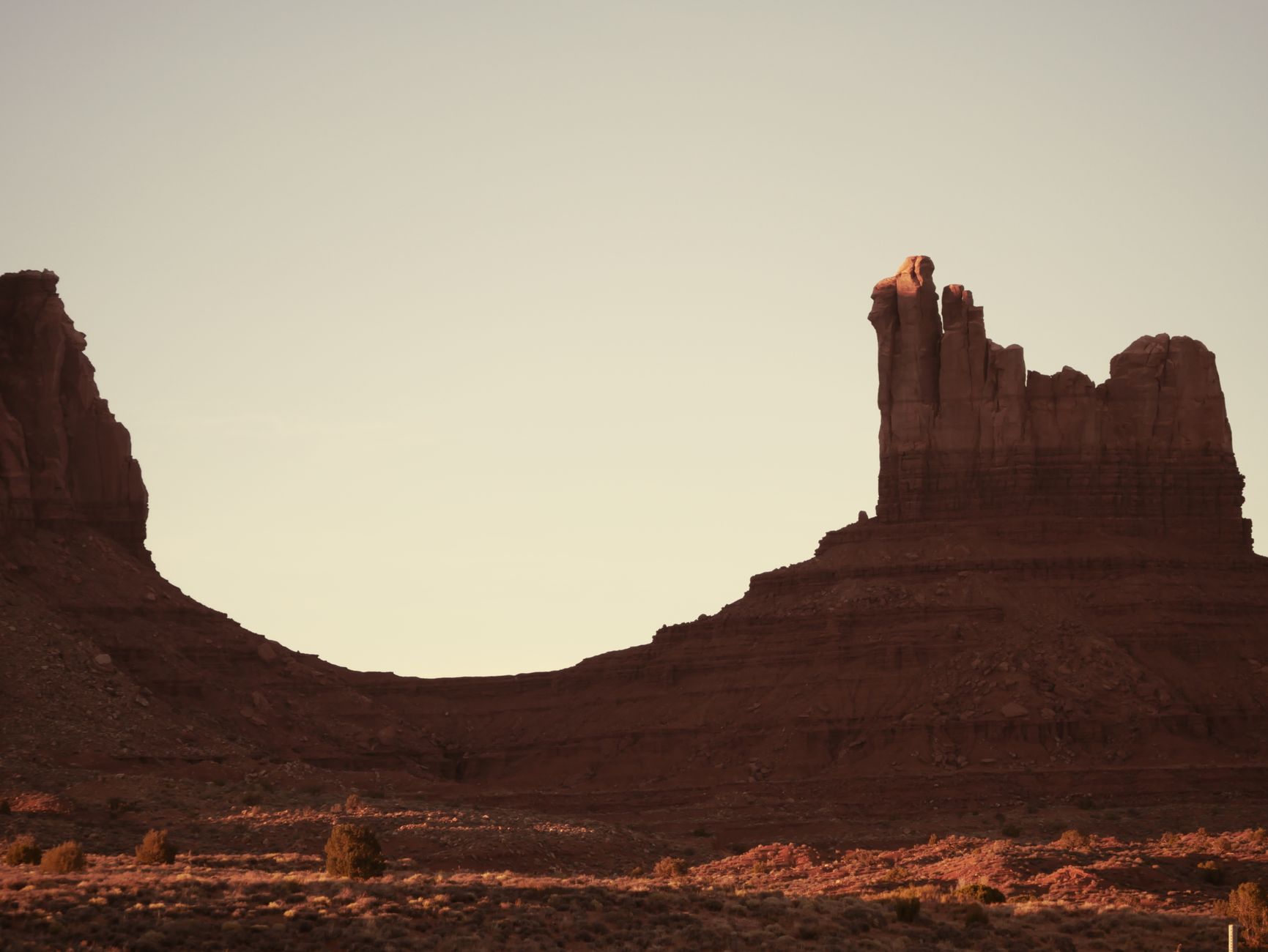
Where the Diné Still Farm the Canyon Floor
You can stand at the rim of Canyon de Chelly for an hour and see almost nothing move except cottonwood leaves and a hawk riding the thermals off the sandstone walls. Then you notice the orchard rows a thousand feet below, the sheep corral, the smoke thread from a hogan chimney, and you understand this is not a preserved ruin but a working homeland. Navajo families have farmed this canyon floor for generations, and their permission, not a park entry fee, is what actually lets you in. That single fact reshapes the whole visit: this is a place you enter as a guest, guided by the people who still call it home, rather than a monument you simply drive through and photograph.
Quick Facts: Canyon de Chelly & the Navajo Nation
Cottonwood Green, Cool Nights, and Why Spring Beats the Monsoon
Spring is the quiet negotiation between winter's last cold fronts and the heat that arrives by June. In April and May, daytime highs on the rim typically run 60–75°F, dropping into the 30s and 40s after dark, so pack layers even if the afternoon feels warm. The cottonwoods along Chinle Wash leaf out in a bright, almost electric green that photographs beautifully against the red-orange De Chelly sandstone, and the canyon floor's irrigation ditches run full from snowmelt.
Summer brings afternoon monsoon storms, usually building by mid-July, that can flash-flood the wash and shut down canyon floor tours with little warning. Fall, from late September through October, offers similar mild conditions to spring with turning cottonwood leaves instead of new ones. Winter is workable but unpredictable — snow and ice can close the canyon floor entirely for days, and some guided tours pause between December and February. Spring, in short, is the season when the canyon is most reliably open and most visually alive at once.
Cordelie travel advisors
Go with someone who knows
The right suite, the right season, the reservations that never appear online — your Cordelie advisor knows them, and holds them for you.
Plan with a Cordelie advisorFree to ask. Cordelie Travel Services · IATA/ARC 06649064
Jeep, Horseback, or on Foot: The Only Ways In Are Through a Navajo Guide
With one exception, every route below the rim requires a Navajo guide, and this is not bureaucracy — it is the terms under which the families who live in the canyon share it. Thunderbird Lodge, a historic trading post at the mouth of Canyon de Chelly in Chinle, runs Navajo-guided open-air vehicle tours including a 4-hour canyon-floor tour at about USD 80 per person and an 8-hour all-day tour at about USD 160 per person. Justin's Horse Rentals, also near the visitor center, arranges horseback trips with Navajo guides for riders of most experience levels, a slower, quieter way to cover the same ground.
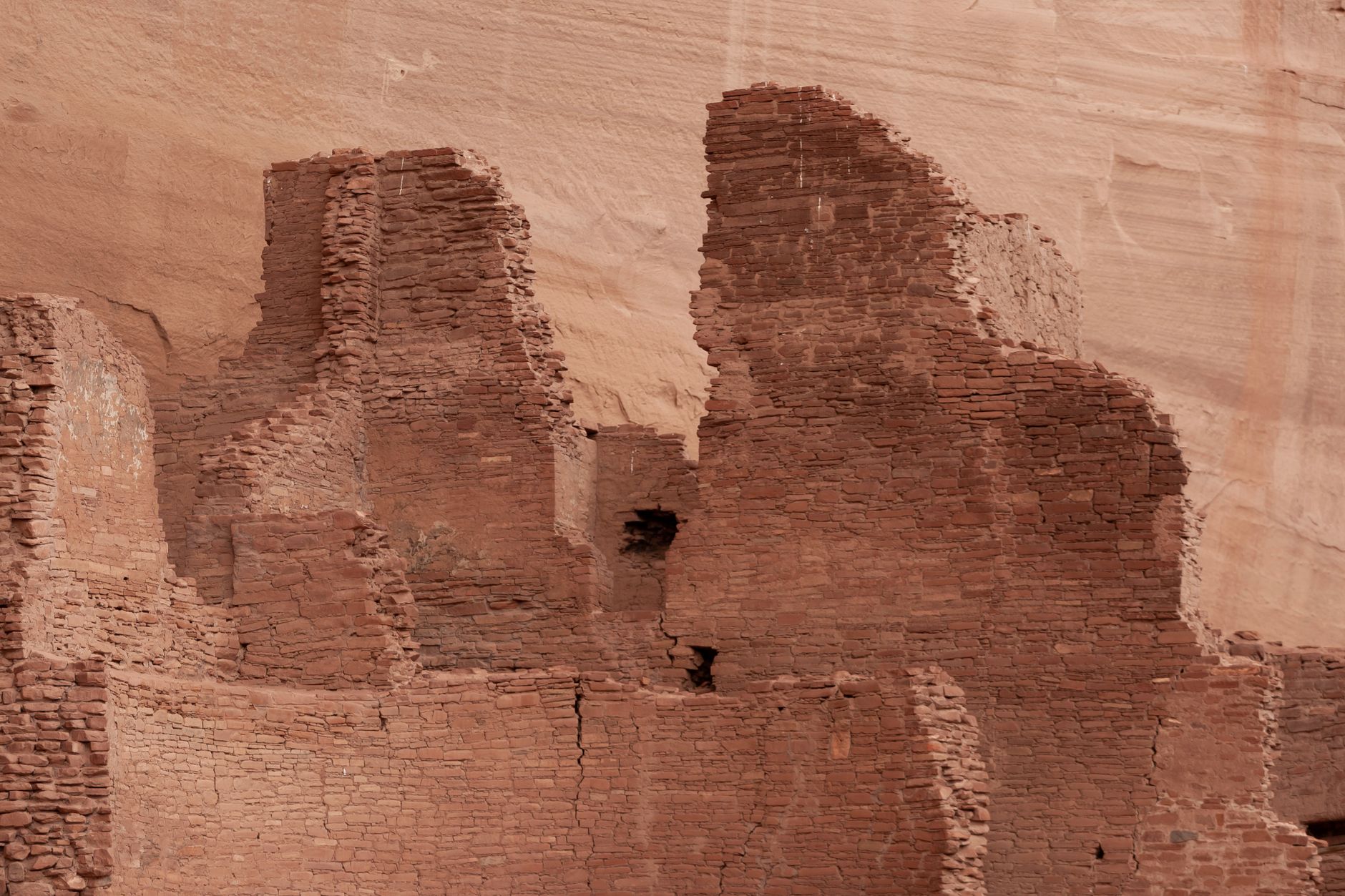
The single self-guided route is the White House Trail, a 2.5-mile round trip descending roughly 600 feet from the South Rim to White House Ruin, an Ancestral Puebloan cliff dwelling built into the rock face around a thousand years ago. Budget 90 minutes to two hours and start early — the trail has almost no shade and gets warm by midmorning even in spring. Everywhere else, a guide sets the pace, the route, and the protocol: ask before photographing homes, livestock, or residents, and expect your guide to explain what you're seeing rather than simply drive past it. That distinction — visiting a landscape versus being taught it by someone who grew up in it — is the whole point of coming here.
Canyon de Chelly in Focus
From the Historic Thunderbird Lodge to a Quiet Cottonwood Campground
Thunderbird Lodge is the only lodging facility located within the boundary of Canyon de Chelly National Monument near Chinle, developed from an early 20th-century trading post and offering simple motel-style rooms, a cafeteria-style dining room, and on-site jeep tours; rooms now generally run higher than USD 120–180 a night in spring. In town, the Best Western Canyon de Chelly Inn and the Holiday Inn Express Chinle offer more standard chain comforts in a similar price bracket, both a short drive from the visitor center.
For a slower pace, Cottonwood Campground adjacent to the monument entrance takes tent and RV sites on a first-come, first-served basis, shaded by mature cottonwoods — a good base if you want two full days rather than a rushed one. There is no lodging on the canyon floor itself; overnight stays there happen only through arranged tribal permits, another reason a knowledgeable local outfitter or advisor matters if that's the kind of trip you want.
Fry Bread, Mutton Stew, and the Etiquette of a Living Homeland
Navajo tacos — fry bread piled with seasoned ground beef or mutton, beans, and shredded lettuce — are the dish you'll find at roadside stands and at the Thunderbird Lodge cafeteria alike, usually in the USD 10–15 range. Blue corn mush and mutton stew show up on more traditional menus, worth seeking out if you want a fuller sense of Diné foodways beyond the fair-adapted fry bread. Roadside vendors along Route 191 near Chinle sell fresh fry bread and jewelry from folding tables; buying directly from these stands puts money straight into the community rather than into a gift shop markup.
A few customs matter more here than at most national parks. The Navajo Nation is alcohol-free by tribal law, so don't plan on a bottle of wine with dinner. Photographing people, homes, or livestock without asking first is genuinely intrusive — this is someone's working land, not a backdrop. And when a guide tells a story about a place, understand you're hearing an oral history passed down within a family, not a museum placard; it deserves the same attention you'd give a teacher, not a photo-op pause.
“This canyon raised me. I'm not showing you a park — I'm showing you where my grandmother's sheep still graze.”
Two Rim Drives, One Trail on Foot, and Nothing Else Without a Guide
The South Rim Drive along Indian Route 7 covers about 34 miles round trip from the visitor center to Spider Rock Overlook, with pull-offs at Tsegi, Junction, White House, and Sliding House along the way — budget two to three hours if you stop at each. The North Rim Drive on Indian Route 64 runs a similar distance to Antelope House, Mummy Cave, and Massacre Cave overlooks and sees noticeably fewer visitors. Both drives are free and open roughly sunrise to sunset; the visitor center itself generally keeps hours around 8am–5pm, extending slightly in summer.
A rental car is essential — there's no public transit here, and distances between Navajo Nation towns are real: Chinle to Window Rock, the tribal capital, is about 65 miles east; to Gallup, New Mexico, roughly 100 miles; to Flagstaff or Albuquerque, closer to 200 miles either direction. Cell service is patchy across the reservation, so download offline maps before you set out, and fill your gas tank in Chinle rather than assuming you'll find another station soon.
A Three-Day Route: Ganado, the Canyon Floor, and Window Rock
Hubbell Trading Post to the South Rim at Golden Hour
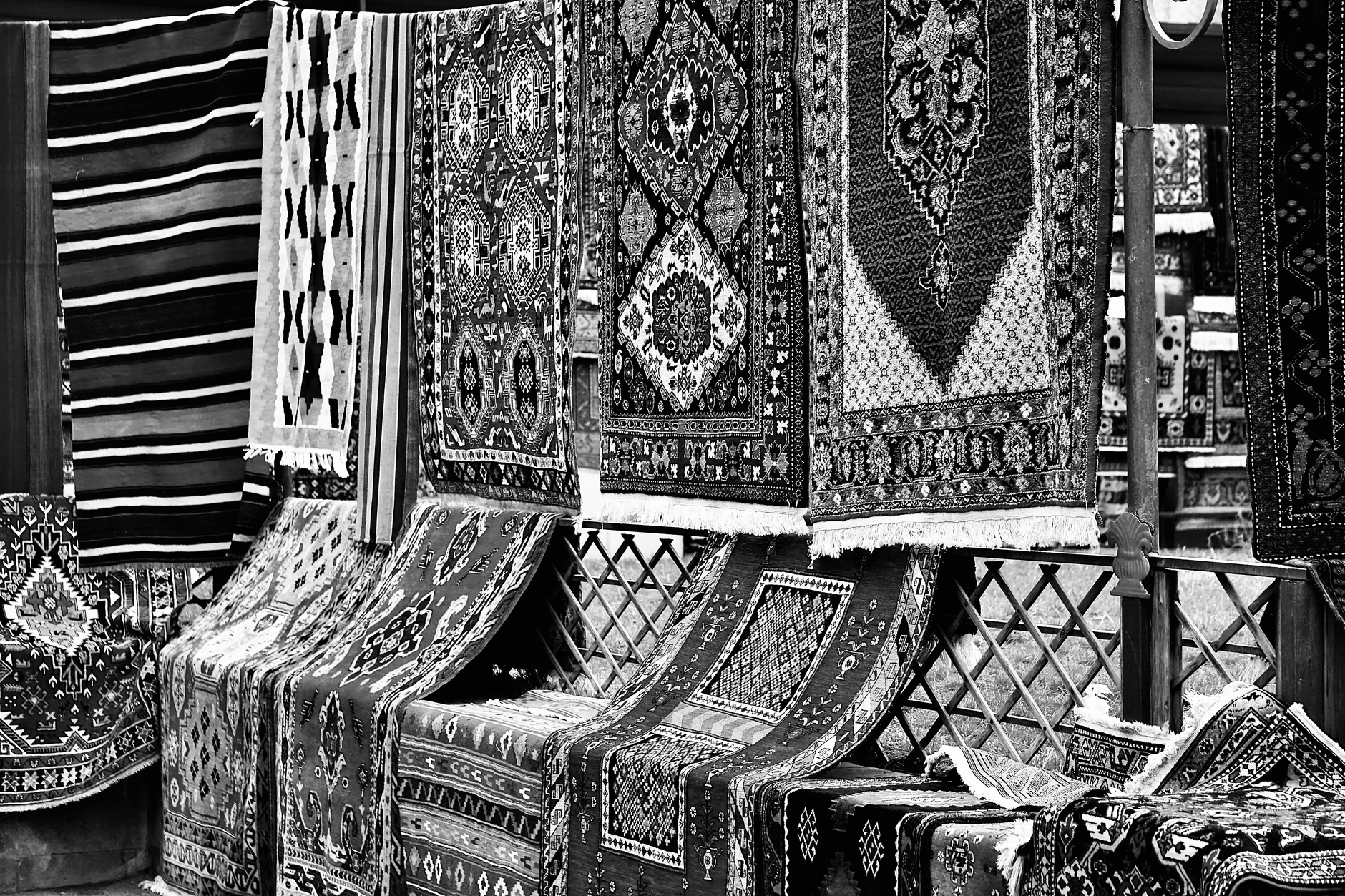
Break the drive into Chinle at Hubbell Trading Post National Historic Site in Ganado, about 35 miles southwest — the oldest continuously operating trading post on the Navajo Nation, still selling rugs and pawn jewelry from the same 1878 building. Allow an hour for the visitor center and rug room before continuing north.
By late afternoon, drive the South Rim Drive on Indian Route 7, stopping at Tsegi, Junction, and White House overlooks before ending at Spider Rock as the light turns the sandstone deep orange. Settle in at Thunderbird Lodge for the night.
A Full Day Below the Rim with a Navajo Guide
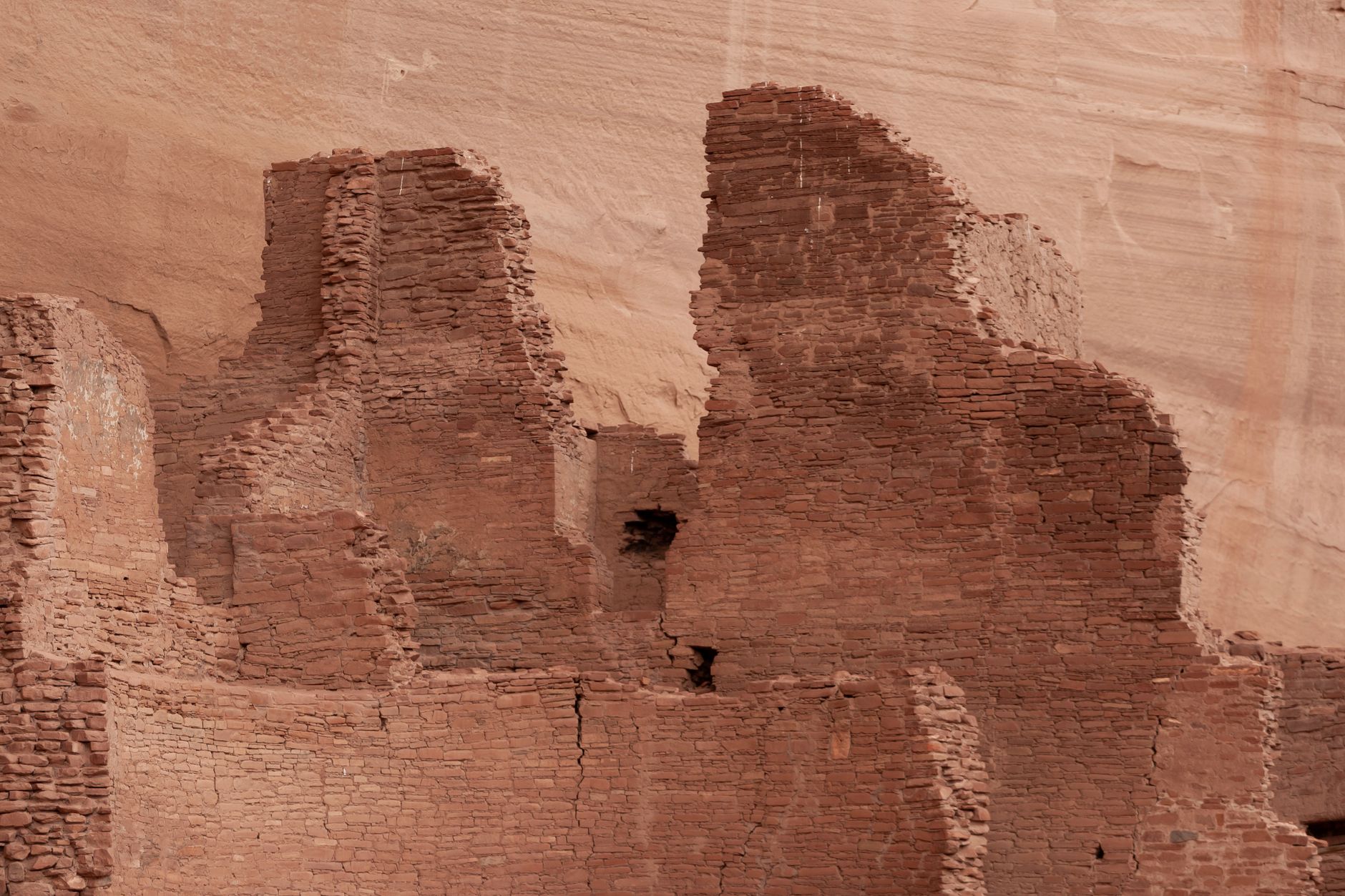
Book a full-day jeep or horseback tour into the canyon floor through Thunderbird Lodge or Justin's Horse Rentals, reserved a few weeks ahead in spring when demand runs high. The route typically reaches Antelope House Ruin, passes working farmland and orchards, and ends near the base of Spider Rock.
Expect six to eight hours moving at a deliberate pace, with your guide narrating the ruins, rock art, and family history as you go rather than simply pointing at scenery.
White House Trail on Foot, Then East to Window Rock
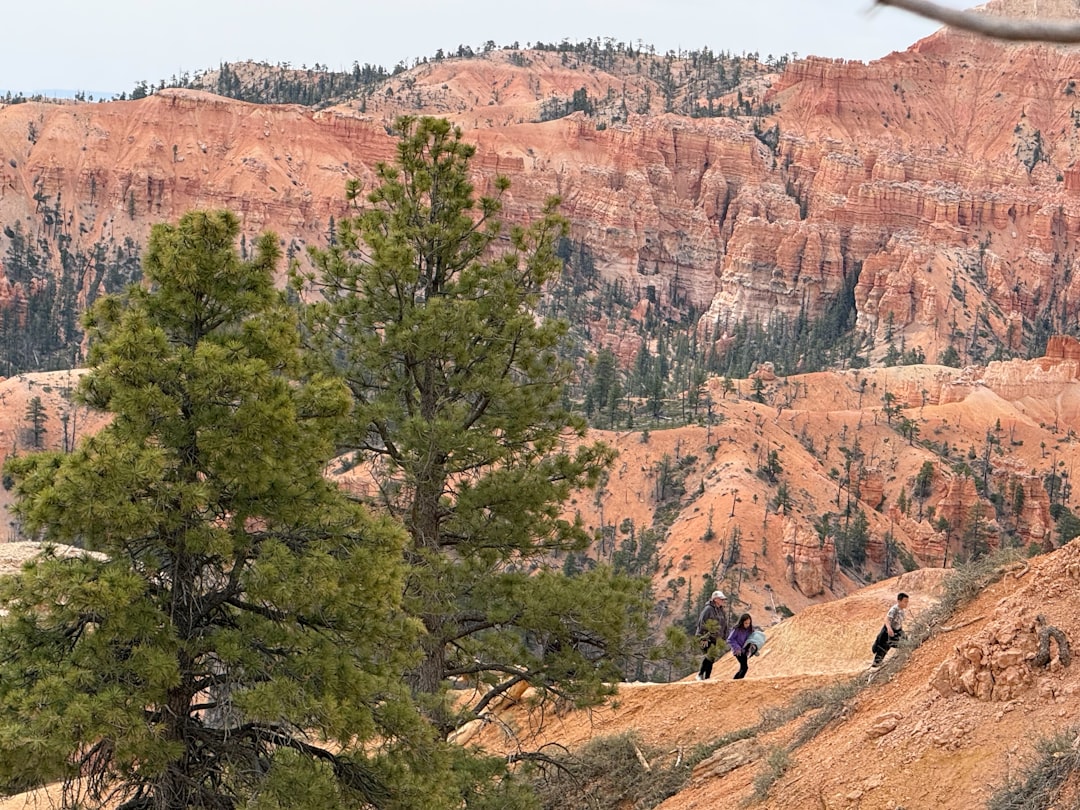
Start early on the White House Trail, the only self-guided descent into the canyon — 2.5 miles round trip, roughly 600 feet down and back, best walked before the day heats up. Afterward, drive the North Rim on Indian Route 64 for a quieter set of overlooks at Antelope House and Mummy Cave.
Depart east toward Window Rock, about 65 miles away, stopping at the Navajo Nation Museum and the sandstone arch that gives the tribal capital its name before continuing on toward Gallup or Albuquerque.
The best guided tours and canyon floor camping permits book out weeks ahead in spring, and the outfitters who offer them rarely have easy-to-find online booking. A Cordelie advisor can secure a private guide, arrange a multi-day canyon floor stay with proper tribal permits, and pair the visit with time at Hubbell Trading Post and Window Rock — a trip built around genuine access rather than the standard overlook circuit.
Start the conversation at https://cordelie.com/contact and let your itinerary open doors most travelers never find on their own.
Canyon de Chelly & the Navajo Nation: At a Glance
A slow, guided descent into a homeland still lived in — reward comes from staying with one guide, one family's stories, rather than rushing the overlooks.
Come for spring's cottonwood green and cool nights, plan around a Navajo-guided canyon floor tour rather than the rim alone, and give it three unhurried days between Hubbell Trading Post, the canyon, and Window Rock.
This is not a place you check off a list. It rewards travelers willing to listen more than they photograph.
Last checked for accuracy: . How we check

Alex Moreau writes about going slowly. Nine years of reporting from trains, river boats and towns nobody has a hashtag for, mostly across Europe and North Africa. They live in Lisbon, keep a running list of the continent's best two-hour lunches, and believe most itineraries would improve if you deleted a city.