
Ubud Quick Guide: Everything You Need to Know

Key Facts
Ubud's Rhythm: Art, Rice, and the Art of Slowing Down
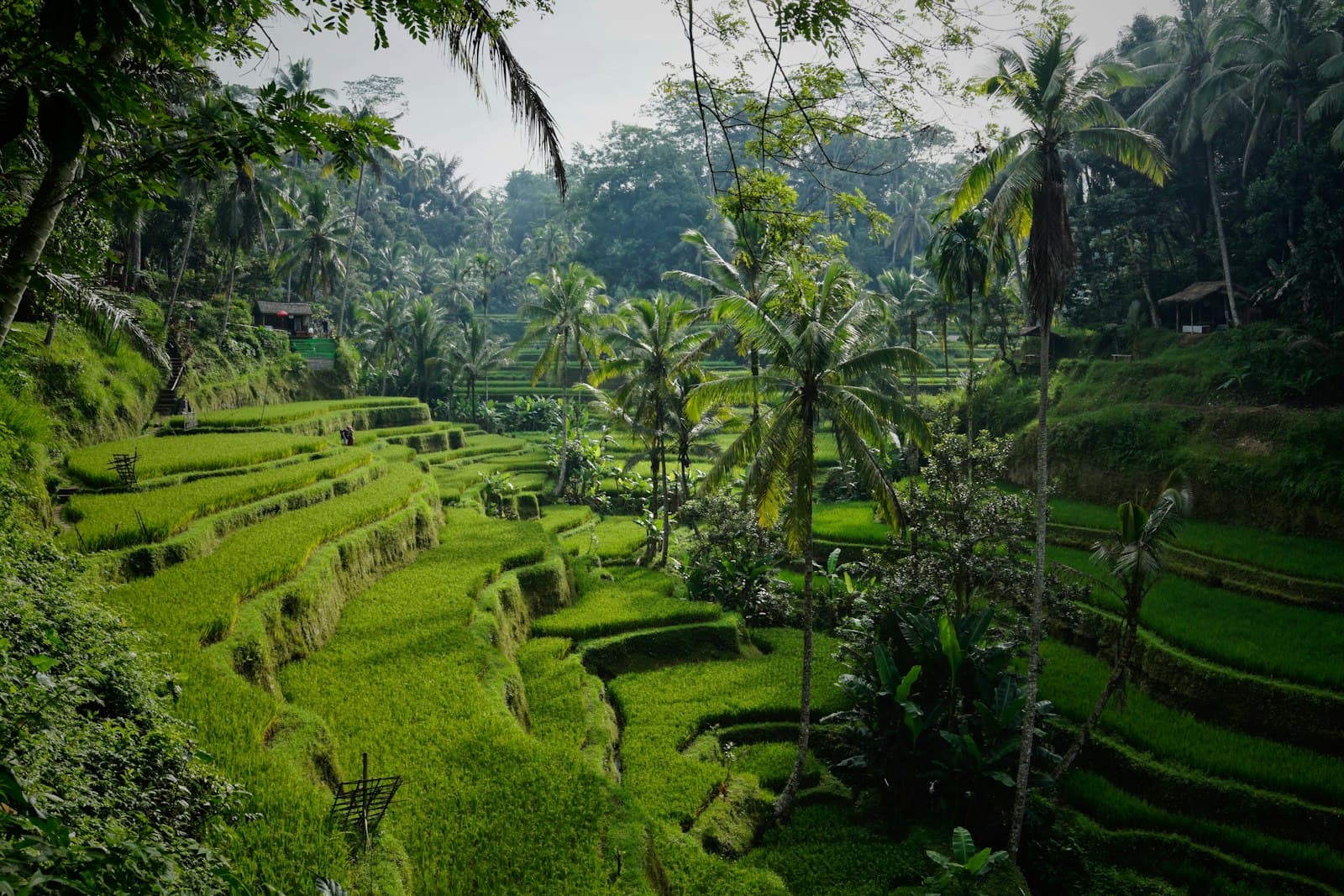
Ubud sits in Bali's interior, built on steep rice terraces and fed by rivers that carve through volcanic landscape. It is not a beach town. What it is—a working arts hub, a writer's hideout, a place where the pace of life genuinely separates from the tourist corridor—matters more than what it lacks. The town holds around 70,000 people year-round, swelling with visitors during peak months, yet its character remains rooted in Balinese ritual and craft rather than resort architecture. Spring brings warm afternoons, the rice paddies at their greenest, and fewer crowds than summer will bring. If you are planning to stay in Bali beyond a few days, Ubud is where depth lives.
Why Ubud Asks You to Stay Longer
Most visitors arrive in Ubud as a pit stop between beaches or a day trip from a resort. That is the template the town's infrastructure has been built to accommodate. But Ubud's real work happens when you unwind. The morning light in the market, the weight of humidity during an afternoon rainstorm, the sound of a temple ceremony drifting across the valley at dusk—these textures accumulate. Three days is the minimum to feel the place; five to seven allows you to attend a workshop, befriend a restaurant owner, wander without a schedule.
The town's economy runs on craftspeople: wood carvers, painters, textile makers, musicians. These are not tourist performances but working studios. A weaver at a traditional loom in a family compound is not staging the moment for your benefit; she is making cloth for local use. A gamelan rehearsal in a temple pavilion is community practice, not an arranged show. Ubud feels different because the tourism here has learned—imperfectly, unevenly—to wrap around local life rather than replace it.
Spring weather in Ubud runs warm and humid, averaging 28–30°C (82–86°F) in the afternoons. Afternoon showers arrive most days for 30 minutes to an hour, usually between 14:00 and 16:00, cooling the air and filling the gutters with a sound that defines the season. These rains are brief and predictable enough that a morning at a gallery or a cooking class still fits easily into a day. The showers keep tourism lower than the bone-dry months of July and August, and the landscape greener than it will be by October.
Ubud's central market has operated in the same location for generations. It opens around 06:00 for local produce and livestock, peaks with tour groups between 09:00 and 11:00, then quiets again by midday. The real market—the one locals navigate—lives in the early morning, before the tour buses arrive. Prices for souvenirs drop noticeably as morning turns to afternoon, but the energy of discovery fades too.
Moving Around, Staying Put
Ubud's geography is vertical. The town spreads across a river valley on a slope steep enough that walking between neighborhoods involves climbing or descending. Jalan Raya Ubud (the main road) runs roughly north–south through the center, where most galleries, cafes, and hotels cluster. The market sits at the valley floor; accommodation spreads uphill in all directions.
On foot, Ubud is exhausting and rewarding in equal measure. A walk from the market to the Tegallalang rice terraces (the most photographed viewpoint) takes roughly 40 minutes downhill through residential streets, past small temples and family compounds, then another 20 minutes back up. The journey is not scenic in the Instagram sense; it is textured with real detail—laundry lines, children playing, women making offerings, dogs sleeping in the middle of the lane. That is the Ubud that reveals itself slowly.
Scooter rental runs about 50,000–70,000 IDR per day (roughly USD 3–4.50). Driving requires a valid international permit and nerves; Ubud's roads are narrow, traffic lights are inconsistent, and scooters share space with trucks and motorcycles piloted with a different philosophy of risk than Western riders expect. A hired driver with a car costs 400,000–600,000 IDR per day (roughly USD 25–40) for a full day, and is worth the peace of mind if you are exploring beyond walking range. Ride-hailing through Grab or Gojek works reliably within Ubud for trips between 15,000–50,000 IDR, though drivers sometimes struggle to find specific addresses in the warren of small roads.
Eating in Ubud Without Tourism Fatigue
Ubud's restaurant landscape splits cleanly: there are places designed for foreign palates and profit margins, and there are places where locals eat. The best meals often happen at compounds where a family cooks to order. Warung Pulau Kelapa, in a residential area south of the market, serves only lunch and makes everything fresh to order from simple ingredients—grilled fish, sambal, rice—for around 40,000–60,000 IDR per plate. It closes by 14:00 most days. Sari Organik, a platform restaurant overlooking rice paddies west of town, requires an appointment (usually through your hotel) and offers a set menu of organic vegetables and local protein for 250,000–350,000 IDR, including transport from your hotel. These extremes—the warung and the experience restaurant—represent different ways to eat rather than a hierarchy of quality.
Balinese food in Ubud tends toward the familiar categories: satay (grilled meat on sticks), gado-gado (boiled vegetables with peanut sauce), lawar (minced meat and spices wrapped in coconut leaf), nasi kuning (turmeric rice). Babi guling (suckling pig, slow-roasted with spices) is a specialty of the region but not everywhere, and not for everyone. Prices in tourist-facing restaurants run 80,000–200,000 IDR for a main course; warungs serve similar dishes for 35,000–65,000 IDR. Spring's afternoon humidity makes eating the spicier dishes a full-body engagement—Ubud's heat and chilies are a partnership.
Coffee matters in Ubud. The region produces Bali's specialty coffees, and roasters have opened storefronts across town. A cappuccino at a tourist cafe costs 35,000–50,000 IDR; a pour-over of local bean costs similar. The distinction is not price but intentionality. Karsa Kafe, a bare-bones roastery near the market, serves coffee alongside Balinese snacks to a mix of locals and aware tourists. No WiFi, no comfort, no pretense—just coffee and conversation in Indonesian and English.
What to Actually Do Here
The conventional Ubud agenda—temple visits, monkey forests, rice terrace walks—can be completed in a day and feels thin for the journey. The deeper Ubud emerges through smaller commitments: a morning at a traditional weaving workshop, an afternoon conversation with a painter in her studio, a cooking class that begins at the market and ends with lunch. These are not bucket-list activities but textures of time.
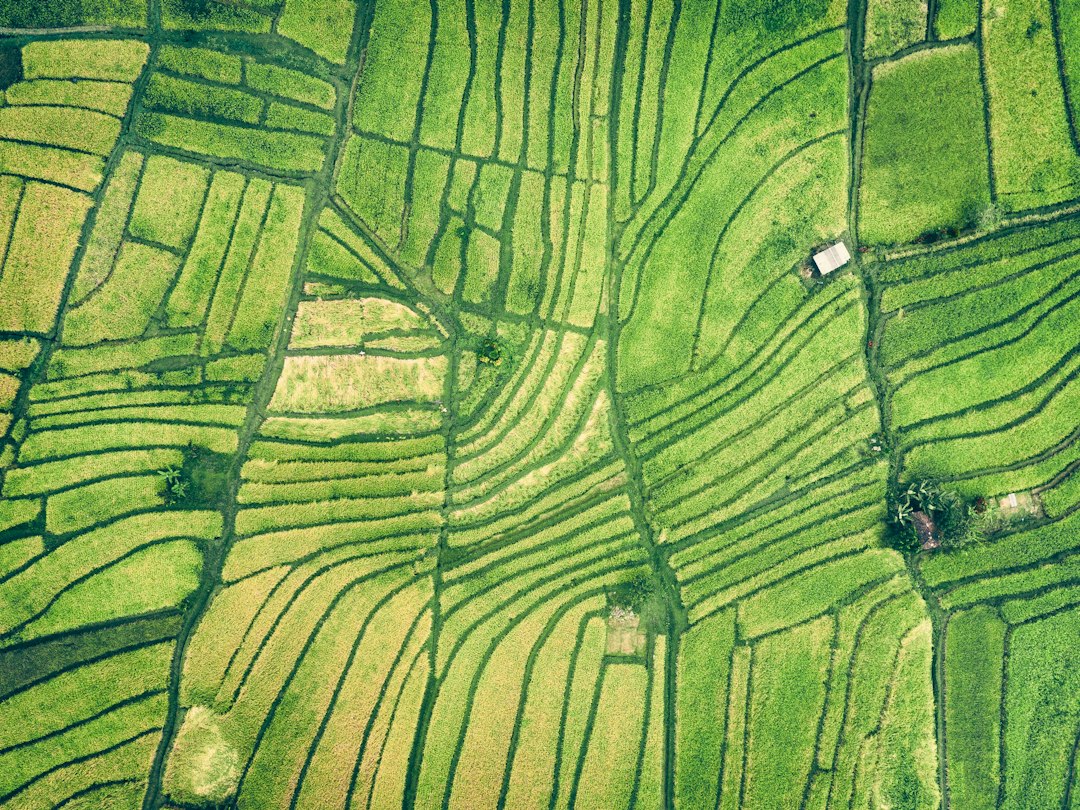
The Ubud Museum of Art holds significant works by Balinese painters but serves a secondary purpose: it is quiet, climate-controlled on hot afternoons, and filled with locals on weekday mornings. Entry costs about 50,000 IDR. The Tegallalang rice terraces remain iconic for a reason—the geometry of the paddies is genuinely striking—but visiting at dawn (05:30 departure from central Ubud) or after 16:00 avoids the concentrated tourist hours. A guide from your accommodation can walk you through the terraces and explain the irrigation system; the journey matters more than the destination photograph.
For deeper engagement, look toward the craftspeople. The Threads of Life cooperative offers a tour of local weavers that involves traveling to nearby villages and seeing textiles made using traditional methods. A half-day experience costs 300,000–400,000 IDR including transport and a conversation with the artisans. Cooking classes with local instructors run 150,000–350,000 IDR for 3–4 hours, including market visit and meal. These are genuine exchanges of time, not performances staged for tourism.
Where to Sleep: Comfort Levels and Value
Ubud's accommodation spans a wide range. Budget guesthouses (losmen) rent rooms for 150,000–300,000 IDR per night, usually with basic plumbing, limited hot water, and a front desk that doubles as someone's living room. Mid-range hotels offer comfort and cleanliness for 400,000–800,000 IDR, often with views of paddies or gardens. Higher-end resorts charge 1,500,000–4,000,000 IDR or more, offering privacy, pools, and the illusion of seclusion in the middle of a working town.
Location shapes the experience more than price. Staying near the market means noise, foot traffic, and easy access to warung breakfasts; staying uphill in a residential zone means quiet and a walk downhill each morning. The Sayan neighborhood, northwest of central Ubud, attracts a certain demographic—writers, retreats, wellness-focused visitors—and its hotels reflect that sensibility. Campuhan, a valley between the town and outlying areas, offers a middle ground: close enough to walk to restaurants, far enough to hear cicadas.
Spring bookings are lighter than peak season but still advance by 2–3 weeks for known properties. Late bookings (2–3 days before arrival) can yield mid-range discounts of 10–20%. Most small hotels do not have websites; they appear on booking platforms and through word of mouth. A Cordelie advisor can navigate the subtle differences between properties—which ones have reliable water pressure, which ones overcharge for airport transport, which ones genuinely honor their quiet hours—and match you to the version of Ubud you are actually seeking.
Practical Calendar for Spring
Spring in Ubud (April through May) is the shoulder between dry and wet patterns. April tends warmer and drier than May; by late May, afternoon showers arrive regularly. Most businesses, studios, and warungs keep normal hours year-round. Temple ceremonies (which occur regularly according to the Balinese calendar, not the Western one) happen whether you are there to observe them or not; your guide or hotel can tell you when one is happening nearby and whether outsiders are welcome. Legong dance performances at Ubud Palace occur several evenings a week; ticket prices run 100,000–150,000 IDR.
Spring also means fewer tourists than summer, which means shorter queues at restaurants, easier access to local artists' studios, and a town that still hums at its own pace rather than choreographed for arrivals. The trade-off is afternoon rain and occasional humidity that makes afternoon heat feel more demanding. A light rain jacket and a flexible schedule solve both.
A Framework for Planning
The most common Ubud mistake is underestimating how much time you will want. Two days feels like nothing once you arrive; three or four allows you to breathe. If you are staying on Bali longer than a week, split the time between the coast and Ubud rather than concentrating it all in one place. Ubud and the beach are not competing experiences; they are different speeds of the same island.
The second mistake is overscheduling. Ubud's real value emerges from wandering, sitting, observing, and small conversations. A day that includes a temple, a rice terrace hike, a cooking class, and a performance is a day you will leave exhausted and unable to absorb any of it. A day that includes one thing and three hours of unstructured time is a day that might crystallize into memory.
Budget conservatively. Ubud is not expensive, but thoughtful eating and activities accumulate. Plan for 300,000–500,000 IDR per day (roughly USD 18–32) for food and activities if you are minimalist; add 500,000–1,000,000 IDR if you are indulging in classes, guides, and higher-end restaurants. This is on top of accommodation and transport.
Ubud's depth reveals itself through timing, through knowing which restaurants open at which hours, through understanding when you will encounter crowds and when silence prevails. A Cordelie advisor has walked these streets, eaten in these warungs, and knows which experiences actually honor your time. They can arrange introductions to working artists, secure seats at a family cooking class, time your arrival to avoid the worst heat, and recommend the accommodation that matches not the price but the version of Ubud you are seeking. Let a Cordelie advisor craft your Ubud stay as the place it actually is, not as the template suggests it should be.
Ubud is a place where slow travel makes sense. It asks you to notice. It rewards patience. And when you leave, you will not have checked items off a list so much as accumulated the texture of a place that still knows how to be itself.
Last checked for accuracy: . How we check

Alex Moreau writes about going slowly. Nine years of reporting from trains, river boats and towns nobody has a hashtag for, mostly across Europe and North Africa. They live in Lisbon, keep a running list of the continent's best two-hour lunches, and believe most itineraries would improve if you deleted a city.
Related Articles
The Best Things to Do in Ubud
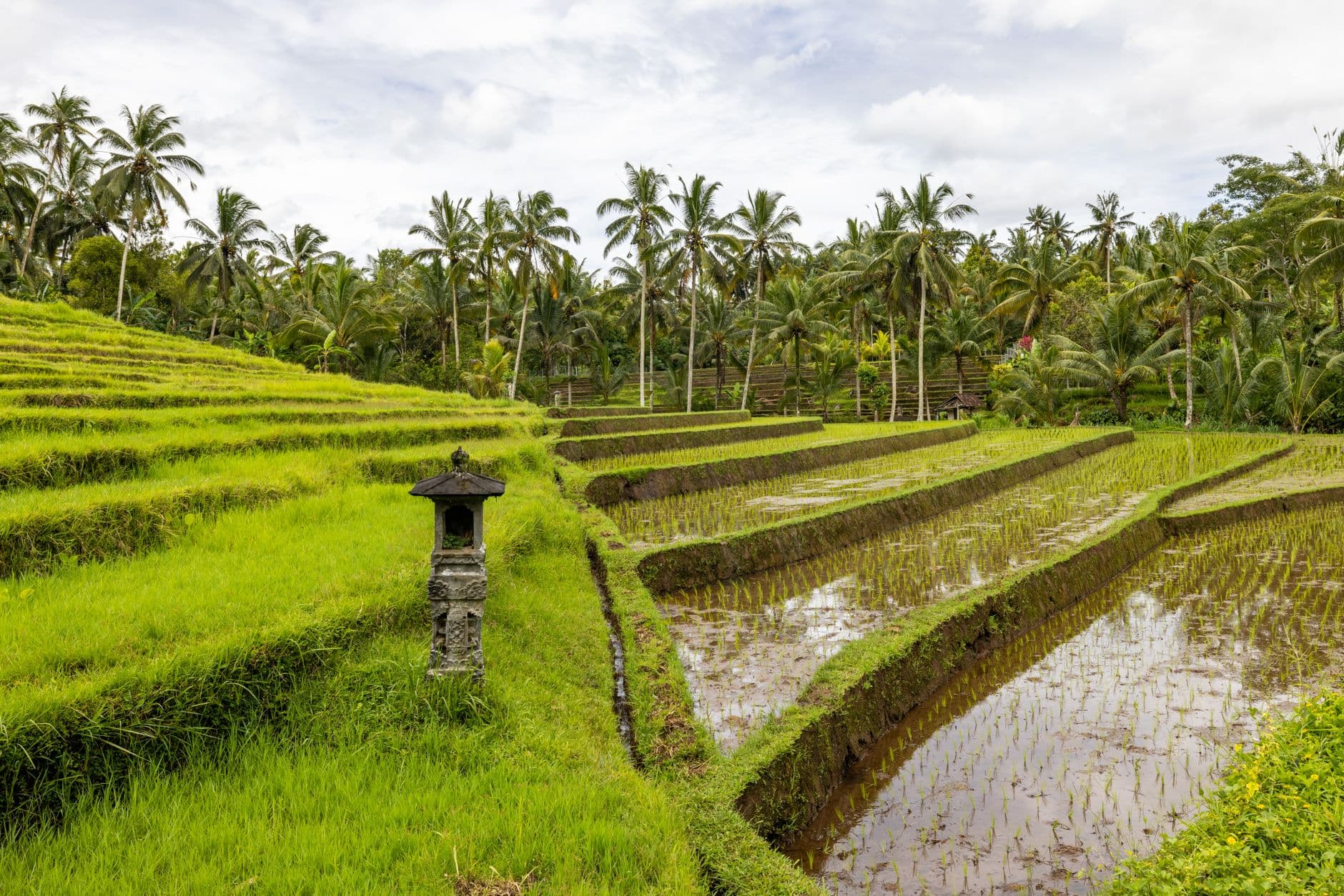
A ranked, unhurried guide to Ubud's best mornings and half-days, from a free dawn ridge walk to holy-water temples, built for winter's quieter, greener season.
My Week at the Four Seasons Bali: A Trip Report
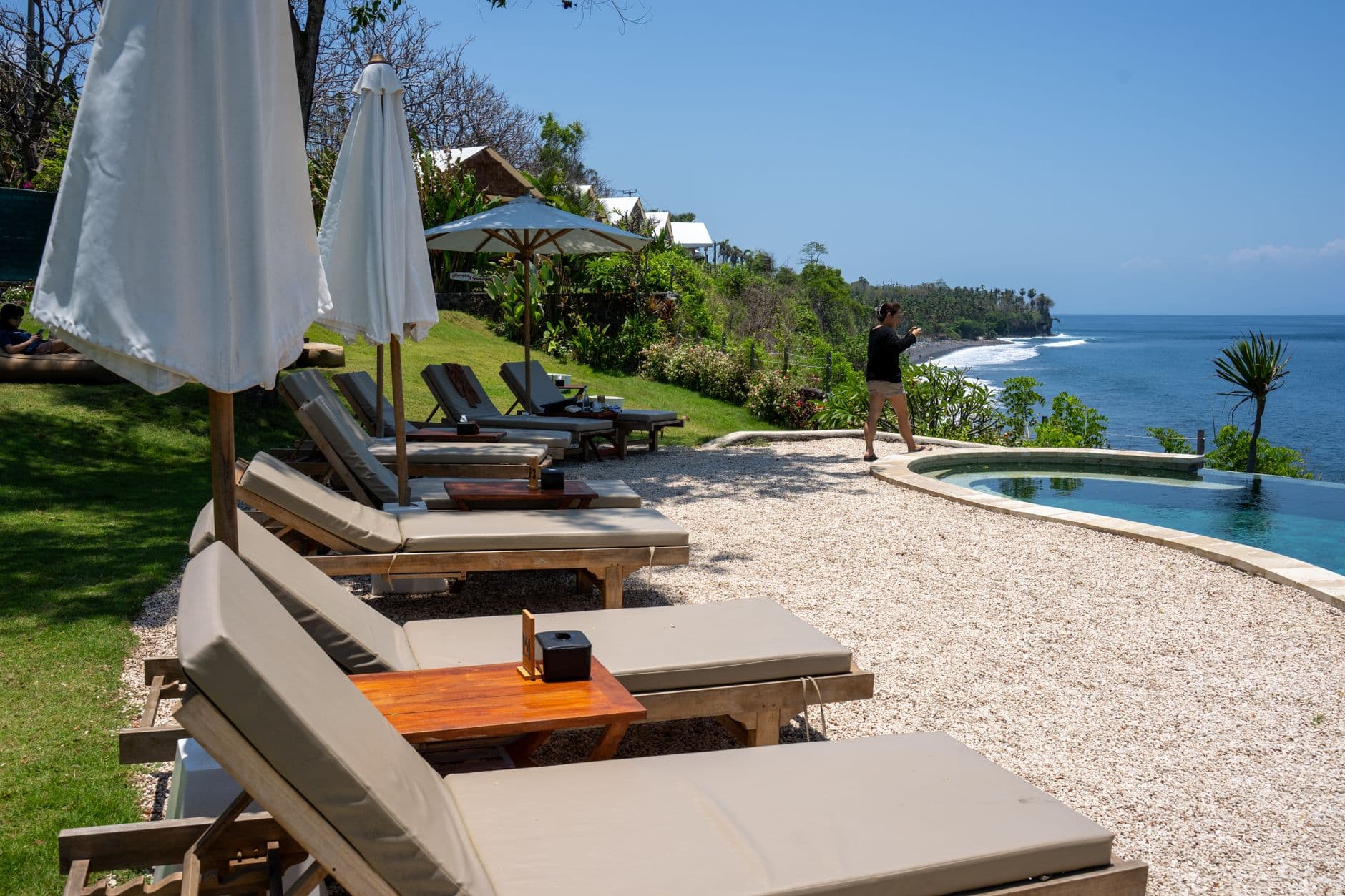
A detailed trip report from one of Bali's most celebrated luxury resorts — the riverside sanctuary where infinity pools meet ancient rice terraces.