
Two Countries, One River: A Traveler's Guide to Cruising the Lower Mekong

Two Nations, One Waterway: Why the Phnom Penh–Saigon Stretch Is the Mekong's Most Rewarding Run
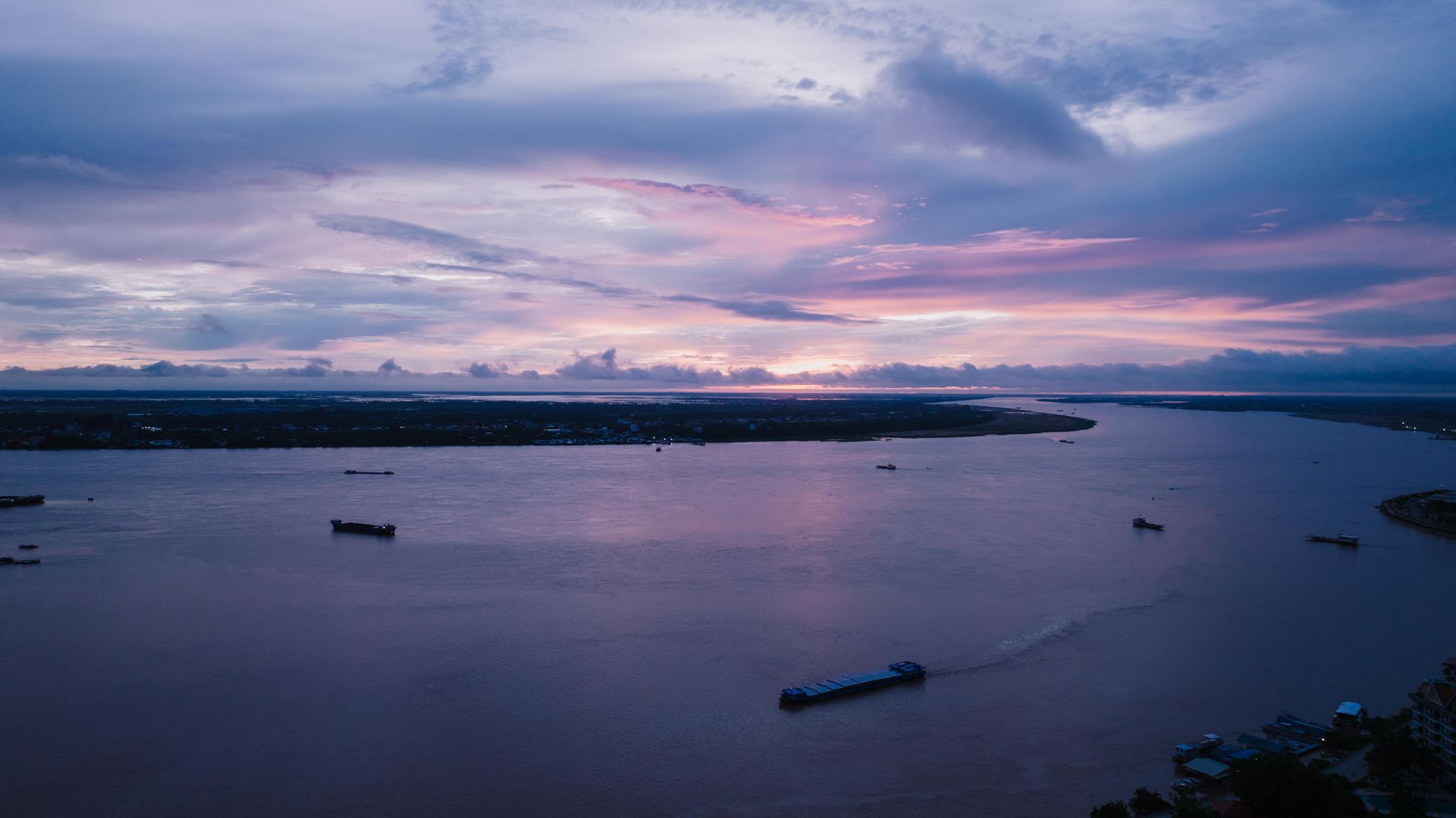
There is no bridge, no departures board, no line of trucks idling at a boom gate. The border between Cambodia and Vietnam on this stretch of the Mekong is a stamp in a passport handed back to you on deck, somewhere near a village called Kaam Samnor, while a fisherman a few boat-lengths away hauls in his net as if nothing has changed at all. That quiet, almost invisible crossing is the whole appeal of cruising this reach of the river: three or four days that move you from the gilded roofs of Phnom Penh's Royal Palace to the fluorescent-lit chaos of Ho Chi Minh City's Ben Thanh Market, without ever setting foot on a runway or a highway.
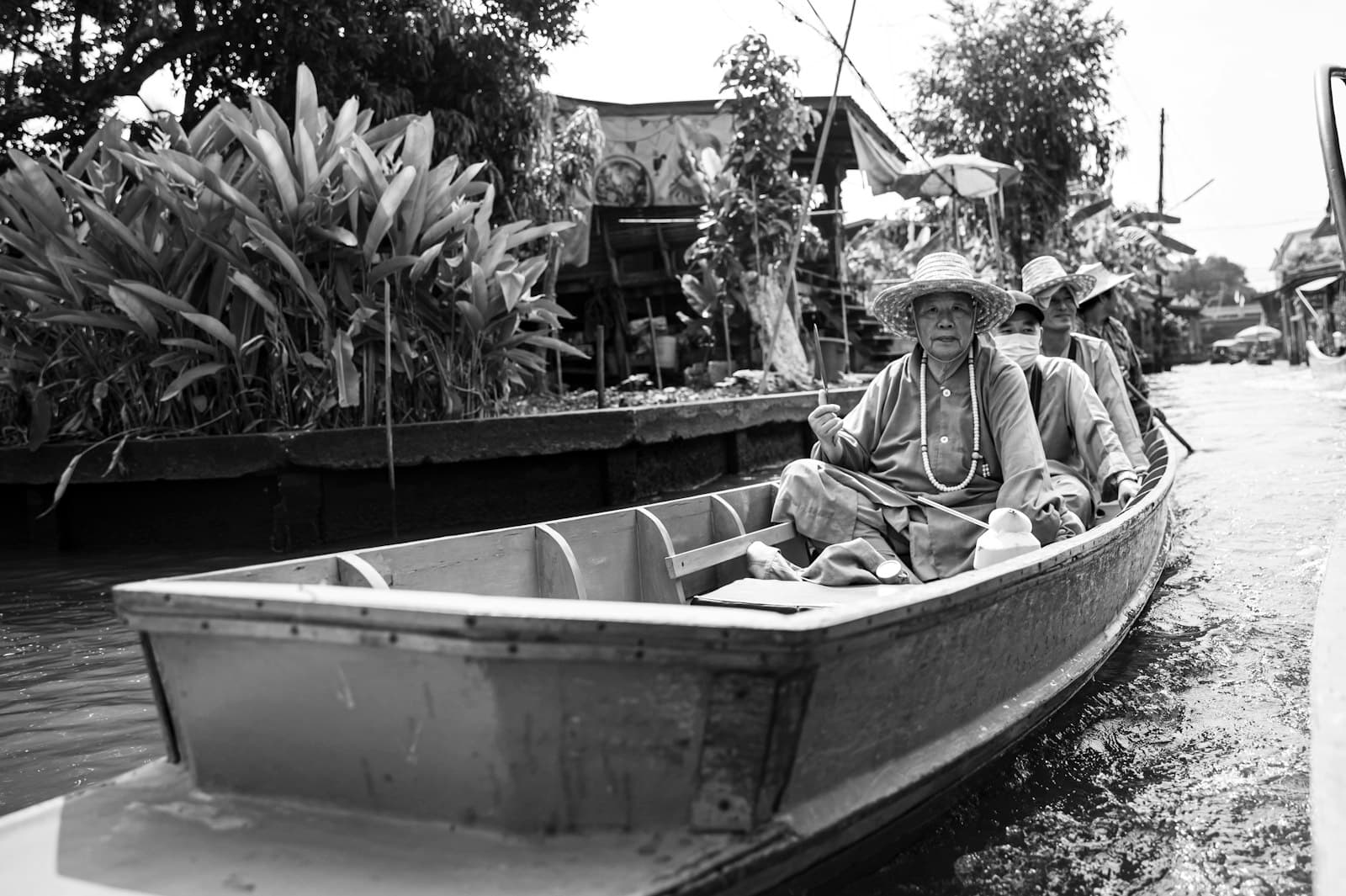
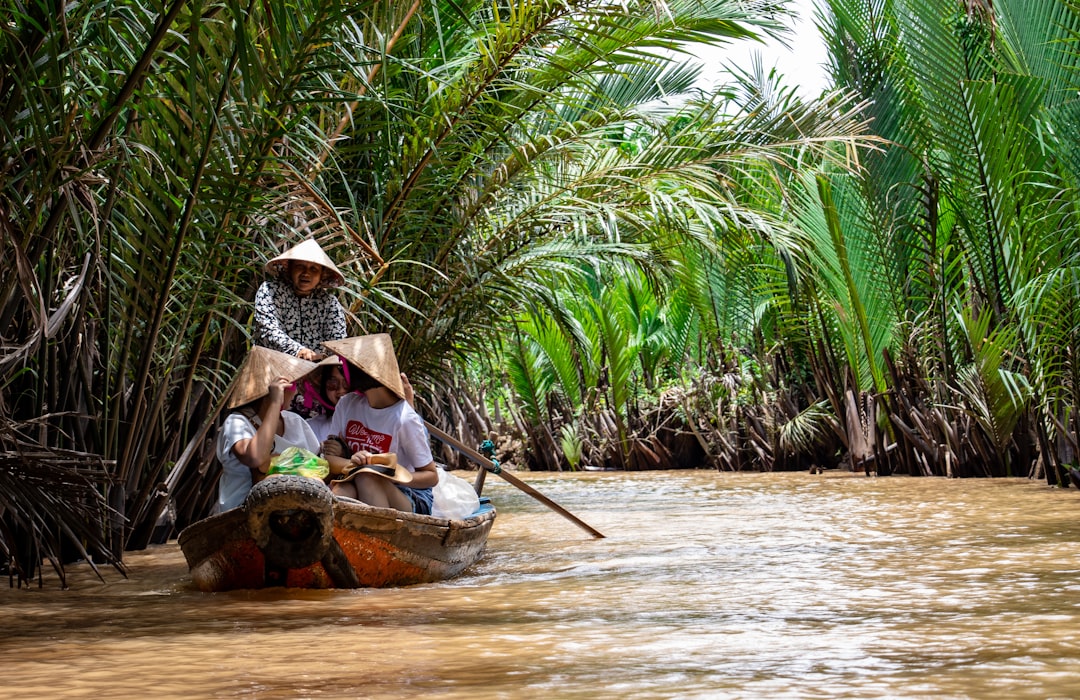
Between those two cities, the river does the talking. You'll pass silk-weaving villages on Koh Dach, floating fish farms lashed to stilt houses near Chau Doc, and the low green orchards of Tien Giang province where entire families still paddle to market before sunrise. It is a trip built for people who want their transit to be part of the story, not an interruption of it.
Lower Mekong Cruise: Quick Facts
Dry Season, Flood Season, and the Water Levels That Decide Your Sailing
The Mekong's level on this stretch swings by several metres between seasons, and it genuinely changes what your cruise looks like. From roughly December through May, the dry season keeps the river low and the current gentle, which suits smaller riverboats well but can leave larger vessels navigating carefully around sandbars near the border, particularly in April and May when levels bottom out before the monsoon arrives.
If you're sailing in spring, expect hot, dry weather — daytime temperatures often climb into the mid-30s Celsius by April — and be aware that some operators substitute smaller local boats for a few hours around the shallowest crossing points near Vinh Xuong. It's a minor logistical wrinkle rather than a dealbreaker, and most passengers barely notice the switch. June through October brings the flood pulse: the river swells, backs into flooded forest and rice paddies, and the scenery turns a startling green, though downpours are more frequent and some smaller landings become harder to reach on foot.
Cordelie travel advisors
Go with someone who knows
The right suite, the right season, the reservations that never appear online — your Cordelie advisor knows them, and holds them for you.
Plan with a Cordelie advisorFree to ask. Cordelie Travel Services · IATA/ARC 06649064
From Tan Chau's Silk Looms to Cai Be's Dawn Market: What to See Along the Way
The stops along this route are small and specific, and that's their charm. In Cambodia, most itineraries call at Wat Hanchey, a hilltop pagoda near Kampong Cham with river views worth the short climb, and at Angkor Ban, a village of century-old wooden stilt houses where a local family will usually invite you in for tea. A stop at Kampong Tralach often includes an ox-cart ride through rice paddies — bumpy, slow, and one of the better ways to see rural Cambodia up close.
Once you cross into Vietnam, Tan Chau is usually the first proper stop: a Mekong Delta town known for its silk weaving, where you can watch looms in action before cycling or taking a sampan through narrow canals lined with fruit trees. Further downriver, Chau Doc offers floating fish farms and a visit to a Cham Muslim village, a reminder that the delta's population is more layered than it first appears. Cai Be's floating market, in Tien Giang province, is the stop most travelers remember longest — boats loaded with pineapples, dragon fruit, and watermelons cluster on the water from around 5:00 to 8:00 in the morning, each one advertising its cargo by hanging a sample from a tall pole. Many cruises pair it with a coconut-candy workshop in nearby Vinh Long or a quiet stop in Sa Dec, the town where Marguerite Duras set The Lover.
Scenes Along the Lower Mekong
Pandaw, AmaWaterways, or Aqua Mekong: How the Cabins Actually Compare
This route is served by a handful of mid-size lines, and cabin size varies more than most brochures let on. Pandaw River Expeditions runs colonial-style teak vessels like the RV Mekong Pandaw, with cabins around 14 to 16 square metres, mostly portholes rather than balconies, and a capacity of roughly 50 to 120 passengers depending on the ship — the atmosphere leans nostalgic rather than plush. AmaWaterways' AmaDara and AmaLotus carry around 62 to 88 guests, with staterooms of 17 to 24 square metres and some French balconies on upper decks, positioning them a notch more contemporary.
At the upper end, Aqua Expeditions' Aqua Mekong carries only around 40 guests in suites of roughly 40 square metres with full balconies and floor-to-ceiling windows, closer in spirit to a boutique hotel than a river cruiser. Heritage Line's Jayavarman splits the difference with around 26 suites styled in French-colonial teak and brass. Scenic's Spirit sails a similar route with roughly 68 guests, a spa, and pricing to match. Budget-conscious travelers often look to CroisiEurope, whose vessels run simpler cabins at a noticeably lower nightly rate. Before or after your sailing, Raffles Hotel Le Royal in Phnom Penh and the Park Hyatt Saigon in Ho Chi Minh City are the two hotels most cruise itineraries build extensions around.
Amok, Coconut Candy, and the Flavors That Shift Overnight at the Border
The food changes almost as fast as the language does. In Cambodia, look for amok — fish steamed in a banana leaf with coconut milk and turmeric — and, if your itinerary passes near Kampong Cham or continues toward Kampot, the region's famous pepper turns up in everything from crab dishes to simple stir-fries. Cross the border and the palate shifts toward Vietnam's delta cuisine: hu tieu noodle soup, bánh xèo (crisp turmeric pancakes folded around shrimp and pork), and cá tai tượng, a whole fried elephant-ear fish often wrapped in rice paper with fresh herbs at the table.
Most riverboats build a hands-on element into at least one stop — a coconut-candy workshop near Cai Be or Vinh Long, where you'll watch the caramel being pulled and cut by hand, or a rice-wine tasting on a smaller Cambodian tributary. Dress modestly for pagoda and temple visits on both sides of the border — shoulders and knees covered is the standard expectation — and it's customary to tip boat crews and delta guides separately, often in the range of US$5 to US$10 per person per day, paid in cash at the end of the cruise.
“The river doesn't care about the border. It just keeps moving, and so do you.”
Crossing Without a Land Border: How Kaam Samnor–Vinh Xuong Actually Works
This is the detail travelers ask about most, and it's simpler than it sounds. Most cruise operators collect passports the evening before the crossing; Cambodian and Vietnamese immigration officials board the vessel at Kaam Samnor and Vinh Xuong respectively, or passengers step briefly ashore to a small immigration post while formalities are handled. The whole process typically takes an hour or two and requires no paperwork from you beyond having your visa already arranged — the cruise line's onboard agent does the rest.
If you're extending your trip by land, note that the main road crossing between the two countries sits well to the east, at Bavet on the Cambodian side and Moc Bai on the Vietnamese side, roughly a five to six-hour drive from Phnom Penh to Ho Chi Minh City on that route. And if you choose to fly one leg instead of cruising it, remember that Phnom Penh and Ho Chi Minh City sit in different countries — the roughly one-hour flight between them is an international one, not a domestic hop, so budget the same passport and security process you'd expect for any international departure.
A Three-Day Route: Royal Palace to Delta Market
Phnom Penh to the Cambodian River Villages
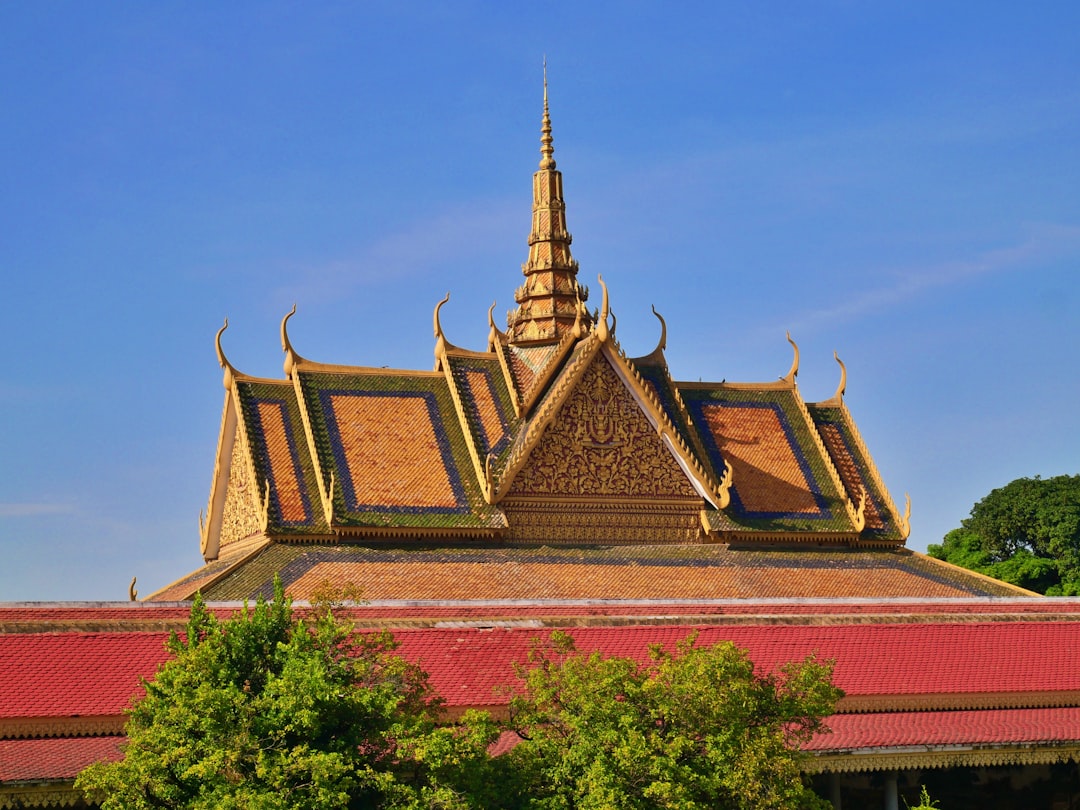
Most cruises embark in Phnom Penh in the late morning, giving time beforehand for a visit to the Royal Palace and Silver Pagoda, or the National Museum's collection of Khmer sculpture, both an easy tuk-tuk ride from the riverfront piers.
The ship sails south and east through the afternoon, passing Koh Dach's silk-weaving villages before mooring near Kampong Tralach or Wat Hanchey by evening, where an ox-cart ride or a short climb to the hilltop pagoda fills the last daylight hours.
Crossing Into Vietnam at Kaam Samnor–Vinh Xuong
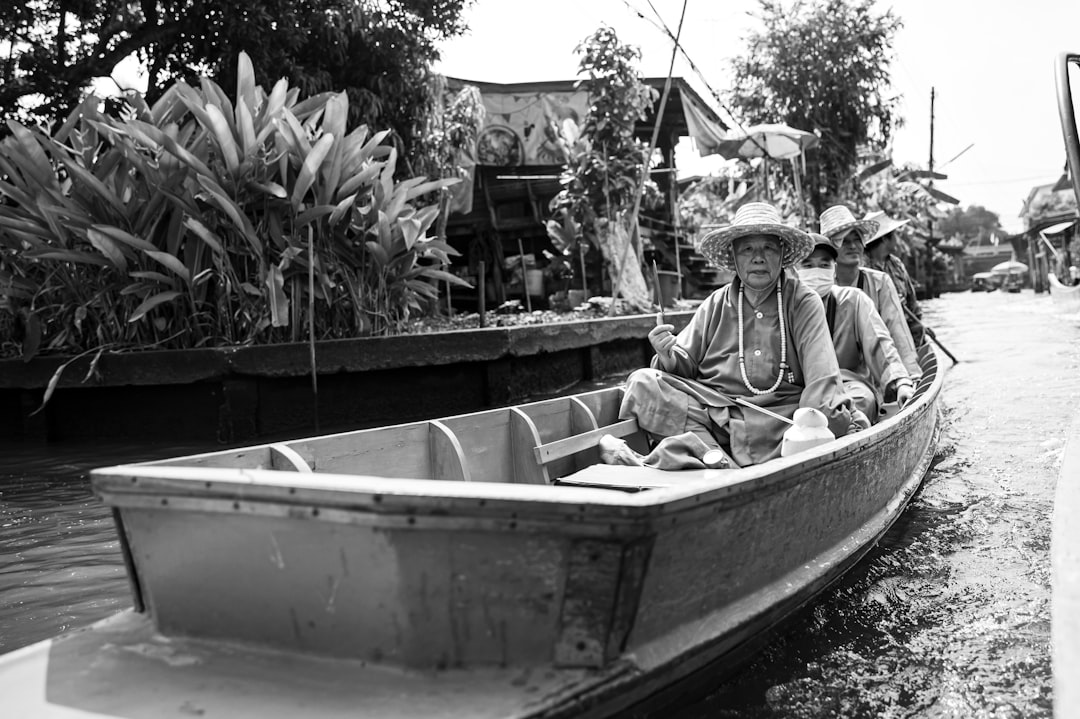
Border formalities happen onboard in the morning, with passports processed at Kaam Samnor on the Cambodian side and Vinh Xuong on the Vietnamese side — allow an hour or two before the ship continues downriver.
By afternoon you're usually docked near Tan Chau for a silk-weaving workshop and a cycling or sampan tour through the canals, followed by a call at Chau Doc to see the floating fish farms and a nearby Cham village.
Cai Be's Floating Market and Arrival in Ho Chi Minh City
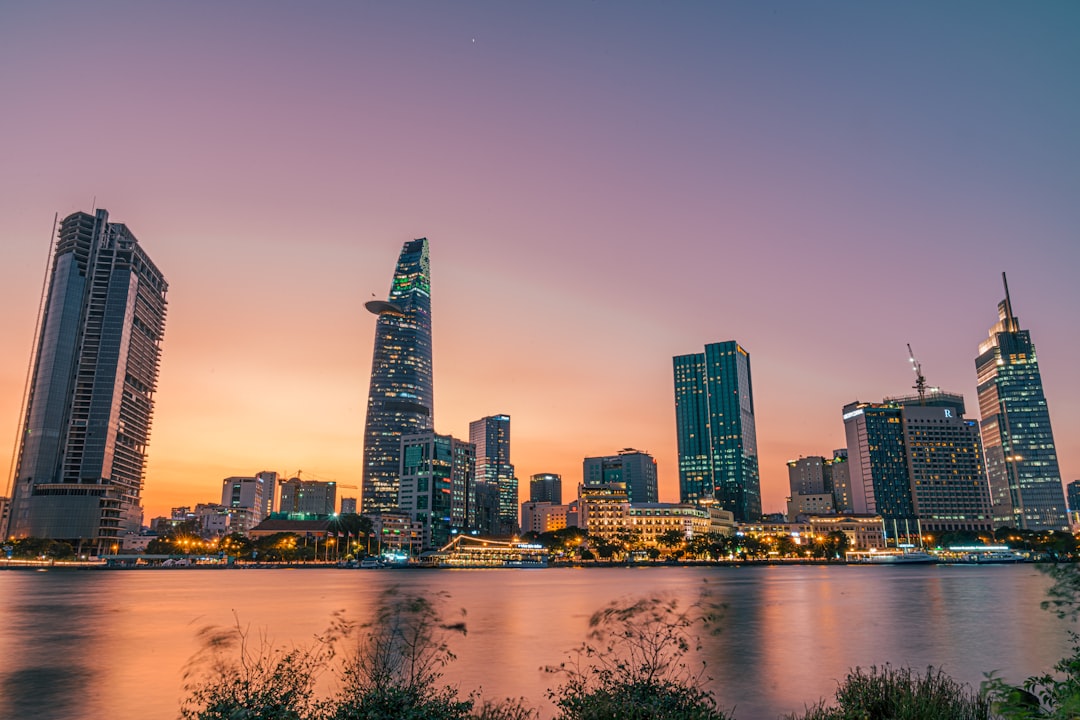
The final full day usually starts before 7:00 with a small-boat visit to Cai Be's floating market in Tien Giang province, followed by a coconut-candy or rice-paper workshop in an orchard near Vinh Long.
The ship or a connecting coach then covers the last stretch to Ho Chi Minh City, typically arriving by late afternoon via the My Tho pier, with disembarkation and a first look at the city's Ben Thanh Market or Notre-Dame Cathedral before dinner.
The gap between a 40-guest Aqua Mekong suite and a 116-guest Pandaw cabin is enormous, and so is the difference between sailing in low-water April and high-water September — the kind of nuance that's hard to weigh from a brochure alone.
A Cordelie travel advisor can pair the sailing date, ship, and cabin category to how you actually want to travel, then layer in the right hotel nights in Phnom Penh and Ho Chi Minh City on either end. Start the conversation at https://cordelie.com/contact.
The Phnom Penh–Ho Chi Minh City Mekong Run, at a Glance
A slow, border-crossing river journey that rewards travelers who'd rather watch two countries change outside their window than tick off a flight between them.
Plan on 3 to 7 nights depending on the line, with cabin sizes and price ranging widely — from Pandaw's nostalgic teak interiors to Aqua Expeditions' boutique-hotel-style suites.
November through March gives the most comfortable weather for the shore excursions that make this route worthwhile; if you're sailing in spring, expect heat and lower water, with occasional small-boat transfers near the border.
Sort your Cambodia and Vietnam visas separately and well ahead of departure — the river border itself is the easy part.
Last checked for accuracy: . How we check

Priya Raman has spent eleven years testing whether a destination works with a four-year-old, a teenager and a grandparent in the same party. She writes the version of the guide that accounts for nap times and still gets you to the good stuff, and travels from Toronto with a carry-on she can pack in nine minutes.