
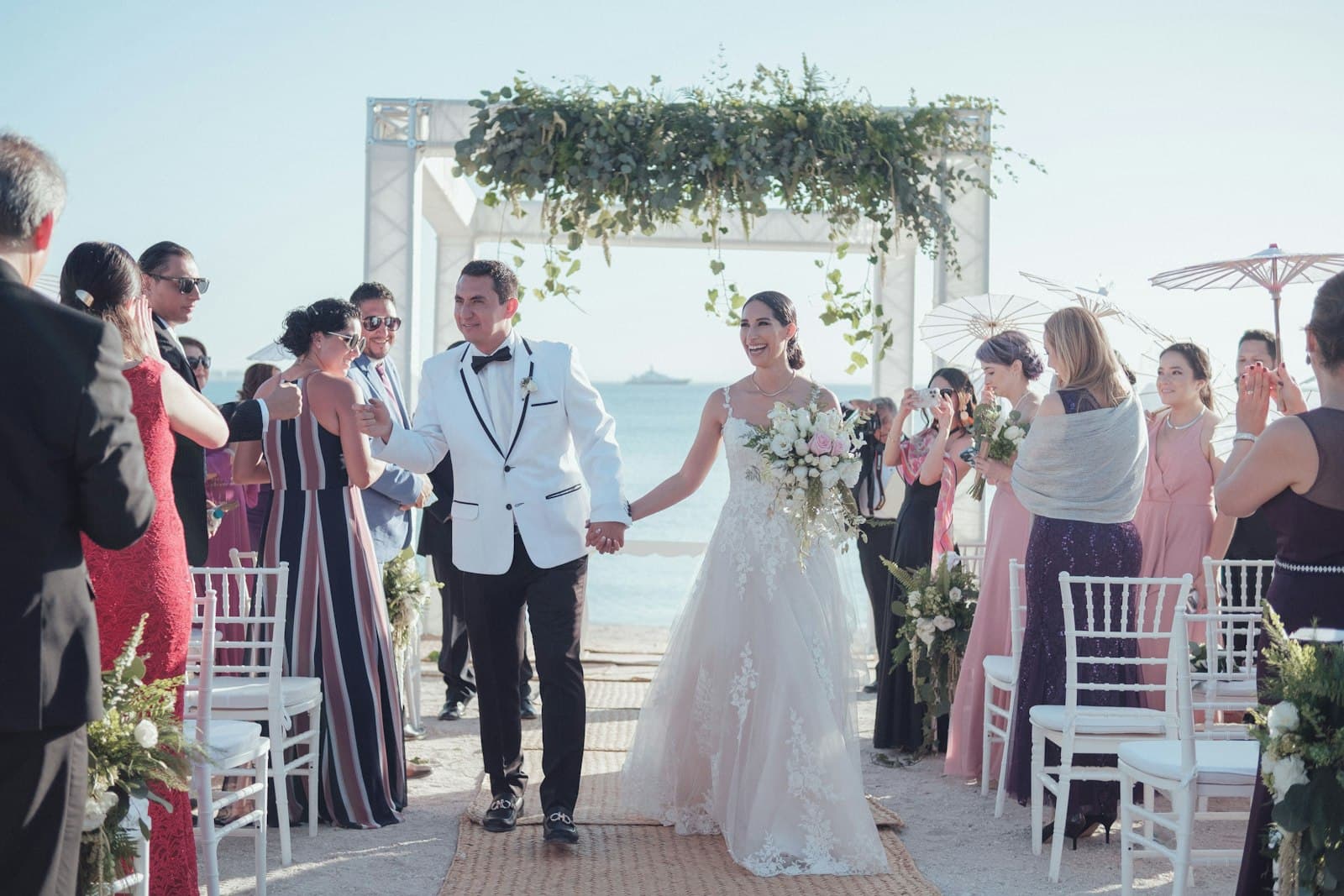
Tulum Beach Wedding Essentials: What to Know Before You Say 'I Do' on the Riviera Maya

Key Facts
Getting Married in Tulum: Legal Requirements and Beach Logistics for Destination Weddings
Tulum has become one of Mexico's most sought-after wedding destinations, with its white-sand beaches, turquoise cenotes, and jungle backdrop drawing couples from around the world. But marrying there as a foreigner requires navigating Mexican civil law, visa requirements, and the seasonal realities of the Caribbean coast. Spring weddings—March through May—offer warm weather and relatively lower rainfall, though hurricane season technically begins June 1. The process is straightforward if you plan ahead, but there is no room for last-minute changes once the paperwork begins.
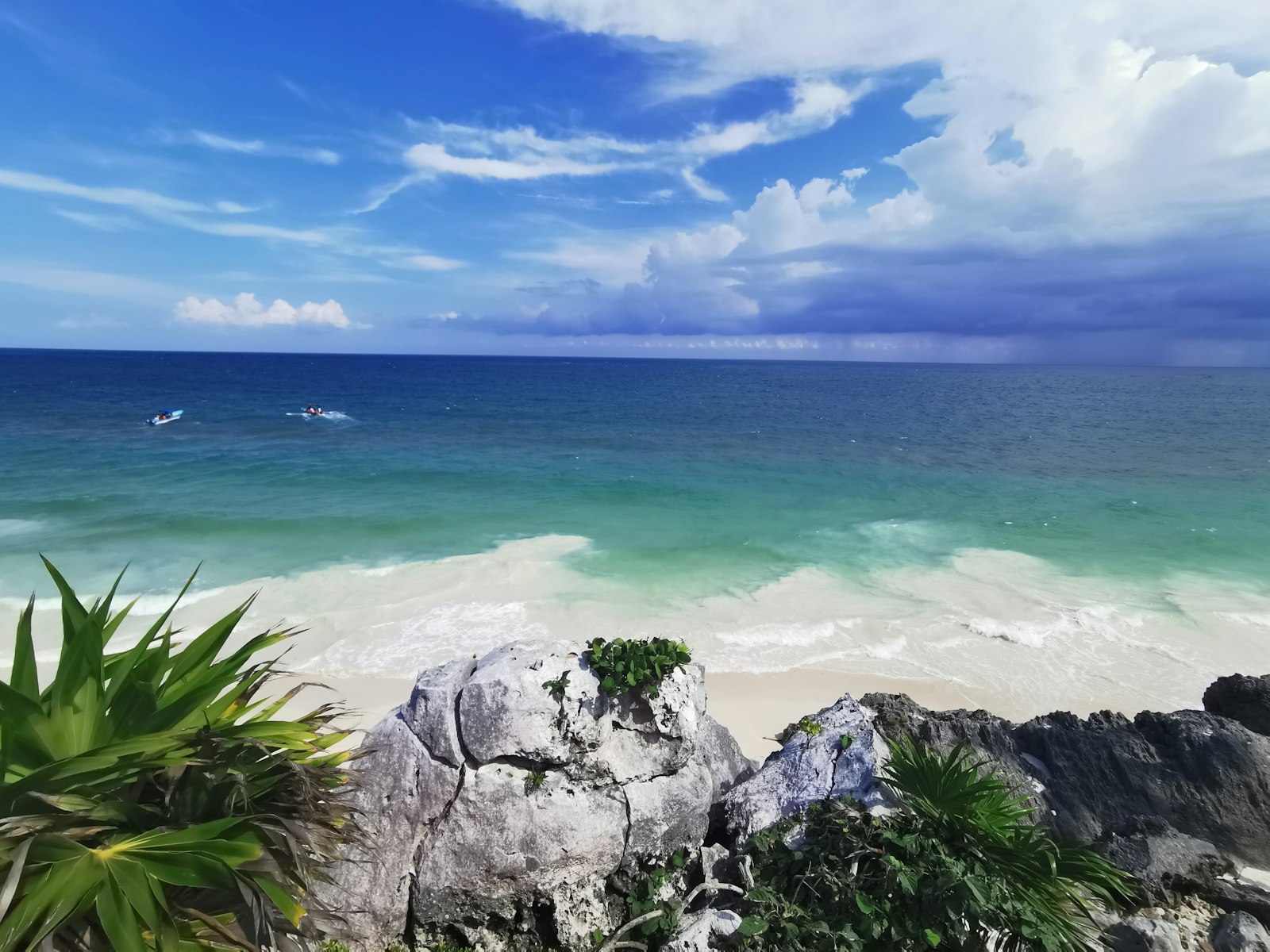
Mexican Marriage Law: What Foreigners Must Know Before Filing
To marry legally in Mexico, both partners must obtain a marriage permit from the civil registry (Oficialía del Registro Civil) in Quintana Roo state. The process begins 3 to 6 months before your wedding date and requires documents that vary by nationality. U.S. citizens typically need a certified birth certificate, a divorce decree or death certificate if previously married, a passport, and proof of address. These documents must be apostilled—a certification that confirms their legitimacy under the Hague Convention—by the issuing authority in your home country. British and Canadian citizens follow similar protocols, though specific requirements differ by province or nation. Your local embassy or consulate can provide a complete checklist, and many destination wedding planners in Tulum have handled enough international couples to anticipate what you'll need.
The civil ceremony itself must take place at the Oficialía del Registro Civil; it cannot occur beachside or at a private villa. This is a non-negotiable point in Mexican law. Most couples schedule the civil ceremony early in the day or days before their celebration, keeping the beach or villa event for the religious or symbolic ceremony—which carries no legal weight but is what guests typically witness and photograph. The cost of the civil license runs roughly 500–800 pesos (USD 30–50, 2025), paid to the registry office directly. You'll need two witnesses, who can be family members, friends, or staff provided by your planner; they must be 18 or older and present with valid ID.
If you're marrying in spring, applications should be submitted by December at the latest. Delays in apostille processing through your government—sometimes 6–8 weeks in busy seasons—are the most common cause of wedding postponement. Start documents the moment you book your date.
Choosing Your Venue: Beach Clubs, Private Villas, and Resort Ballrooms
Tulum offers three distinct venue categories, each with trade-offs that shape the entire wedding experience. The choice is less about aesthetics than about how much you want to control logistics, guest comfort, and contingency planning.
Beach clubs like Taboo, La Zebra, and Gitano have become synonymous with Tulum weddings. They offer high-end ambiance, permanent bars and restrooms, and the prestige of a named venue. Tables are set on sand or covered decks with the Caribbean as your backdrop. The catch: spring weather on the beach is unpredictable. Heat radiates off sand, humidity climbs after noon, and tropical showers can arrive without warning. Many clubs include beach heaters and misters, which help, but a 100-person outdoor reception in 32°C heat strains even well-staffed venues. Rates for beach clubs typically run 30,000–80,000 pesos (USD 1,800–4,800, 2025) for venue rental, not including catering. You're also renting the venue's cachet; if your vision diverges from their house style—minimalist white, bohemian florals, specific color palettes—negotiation is limited.
Private villas offer control that venues cannot match. Renting a beachfront or jungle property for three to five days lets you customize lighting, furniture, catering, and timing entirely. You can stage a welcome dinner, the ceremony, a reception, and a farewell brunch without moving. Villas with pools, private beaches, or cenote access command 25,000–150,000 pesos nightly (USD 1,500–9,000, 2025) depending on size and season; a 60-guest wedding might require a property that costs 100,000 pesos or more for a three-night rental. The trade-off: you manage your own infrastructure. Restroom facilities, power for sound and lighting, waste management, parking, and kitchen operations fall on you and your vendor. Wind and sand become your problem. A sudden storm means no tent-and-generator solution appears by magic—you've already decided whether to rent one and where to position it. Many couples hire a destination planner specifically to manage these logistics, which adds 8,000–20,000 pesos (USD 500–1,200, 2025) to the budget.
Resort venues offer the safety net: climate control, built-in catering, staff, backup power, and emergency protocols. Properties like Azul Fives, Grand Palladium, and Barceló offer tiered packages, from intimate ballrooms to beachfront terraces, with event coordinators embedded in the system. Costs vary widely, from 40,000 pesos (USD 2,400, 2025) for smaller events to 200,000 pesos or more (USD 12,000+, 2025) for exclusive buyouts. Guests sleeping at the same resort simplify logistics; however, the venue's aesthetic—corporate polish, repeat backdrops—may not match the raw beauty couples seek in Tulum.
Spring Weather and Hurricane Season: Planning Around Seasonal Risk
Spring in Tulum runs March through May and offers the best wedding weather: daytime highs around 30–32°C, manageable humidity, and occasional brief showers that rarely last more than 30 minutes. However, the Atlantic hurricane season officially begins June 1, and spring itself is not risk-free. Tropical storms occasionally form early, and freak rain events can flood beach venues within hours. May is particularly variable; sea conditions roughen, and afternoon thunderstorms become more frequent.
The practical reality: most experienced Tulum planners book weddings November through April, when the risk is genuinely minimal. If you're committed to spring, March and early April are the safest windows. Late April through May is navigable but requires robust contingency planning—rented tents, moveable decor, and vendor agreements that account for weather delays.
What does a weather contingency actually mean? If your beach ceremony is scheduled for 17:00 and a storm hits at 16:30, does your DJ pivot to indoor sound? Are tables already protected under structure? Can the caterer hold hot food in heated containers if service delays 45 minutes? These are not theoretical questions; they're the difference between a manageable hiccup and a wedding that feels chaotic to guests. Venues and planners who have handled dozens of weddings build these decisions into their contracts and rehearsals. Those handling their first spring wedding often have not.
June through October carries genuine cyclone risk. While catastrophic direct hits are rare in any given year, the season brings elevated insurance costs, reduced vendor availability, and widespread assumption that your wedding is risky. Book outside this window unless you have compelling reasons and a detailed risk-mitigation plan.
Hiring Local Planners and Photographers: What to Vet Before Committing
A destination wedding planner is not a luxury in Tulum; it's foundational logistics. If you're not visiting regularly and don't speak Spanish fluently, a planner handles permits, vendor relationships, day-of coordination, and contingency management. The best operate with a Rolodex of trusted caterers, florists, musicians, and rental companies honed over years of events.
When vetting planners, ask specific questions: How many weddings have they coordinated? How many were in spring? What was the budget range of their last five events? Can they reference three couples you can contact? How do they handle vendor disputes or last-minute changes? Reputable planners charge 15,000–40,000 pesos (USD 900–2,400, 2025) for full-service coordination or 8,000–15,000 pesos (USD 500–900, 2025) for day-of logistics alone. Rates vary by event complexity; a 40-person villa wedding costs less to coordinate than a 150-person resort buyout.
Photography is equally critical. Tulum's light is dramatic but demanding. Midday sun creates harsh shadows on faces; beach sand and water reflect glare intensely. You want a photographer comfortable shooting in tropical conditions and skilled with both formal portraits and candid moments. Many Tulum-based photographers work the beach club circuit and understand the venue-specific constraints—where shade exists, how quickly light changes, where guests cluster, which angles matter. Portfolio review should focus on spring or tropical-light samples, not just their best-lit studio work. Expect 15,000–35,000 pesos (USD 900–2,100, 2025) for an 8-hour coverage package from an experienced local shooter; higher if they're providing an album or drone footage.
One common pitfall: hiring an international photographer unfamiliar with Tulum without a local backup. If flights delay them, a local second shooter can save the day. Planners maintain these relationships; do not assume your out-of-country photographer will.
Practical Checklist: Essentials Before Booking Your Tulum Wedding
Start your marriage license application immediately—ideally 3 to 6 months before your date. Contact your local government authority for the full list of required documents and apostille procedures. Do not skip this step or leave it for a planner.
Lock in your venue early. Spring dates in desirable beach clubs or villas fill by August or September of the prior year. Book 12–18 months ahead if you're targeting March or April.
Confirm your planner has handled spring weddings and can articulate their weather protocols and vendor backup plans. Ask for references and check recent reviews specifically about their responsiveness and problem-solving.
Secure your photographer and videographer early as well. The best local talent commits to multiple weddings per weekend during spring; booking them a year in advance ensures availability.
If choosing a private villa, hire an on-site coordinator or planner who will be present for setup and the full event. Do not attempt to manage infrastructure remotely.
Budget contingency money—roughly 10 percent of your total spend—for unexpected costs. Currency fluctuations, vendor rate changes, and weather-related pivots are normal.
Confirm all vendor contracts specify currency (USD or pesos) and include force majeure or weather clauses that align with your expectations. Mexican contracts often differ from U.S. norms; have a bilingual attorney review if stakes are high.
Destination wedding planning in Tulum involves overlapping legal systems, seasonal risk, and vendor relationships that shift constantly. A Cordelie advisor with established ties to Tulum planners, venues, and photographers can craft a timeline, vet vendors against your specific vision, and advocate on your behalf when contracts are negotiated or disputes arise. They see the full shape of your wedding—not just individual pieces—and adjust for your preferences and constraints in real time. Let a Cordelie advisor design your destination wedding rather than piecing it together alone.
Last checked for accuracy: . How we check

Emma Blackwood has reviewed hotels for eighteen years and can tell within an hour of arrival whether a property means it. She writes about the difference between expensive and excellent, which is not the same thing, and about the handful of places that are both.