
To the End of the World: Cruising Chile's Fjords and Cape Horn

Key Facts
Why Southern Chile's Fjords Demand More Planning Than Pampering
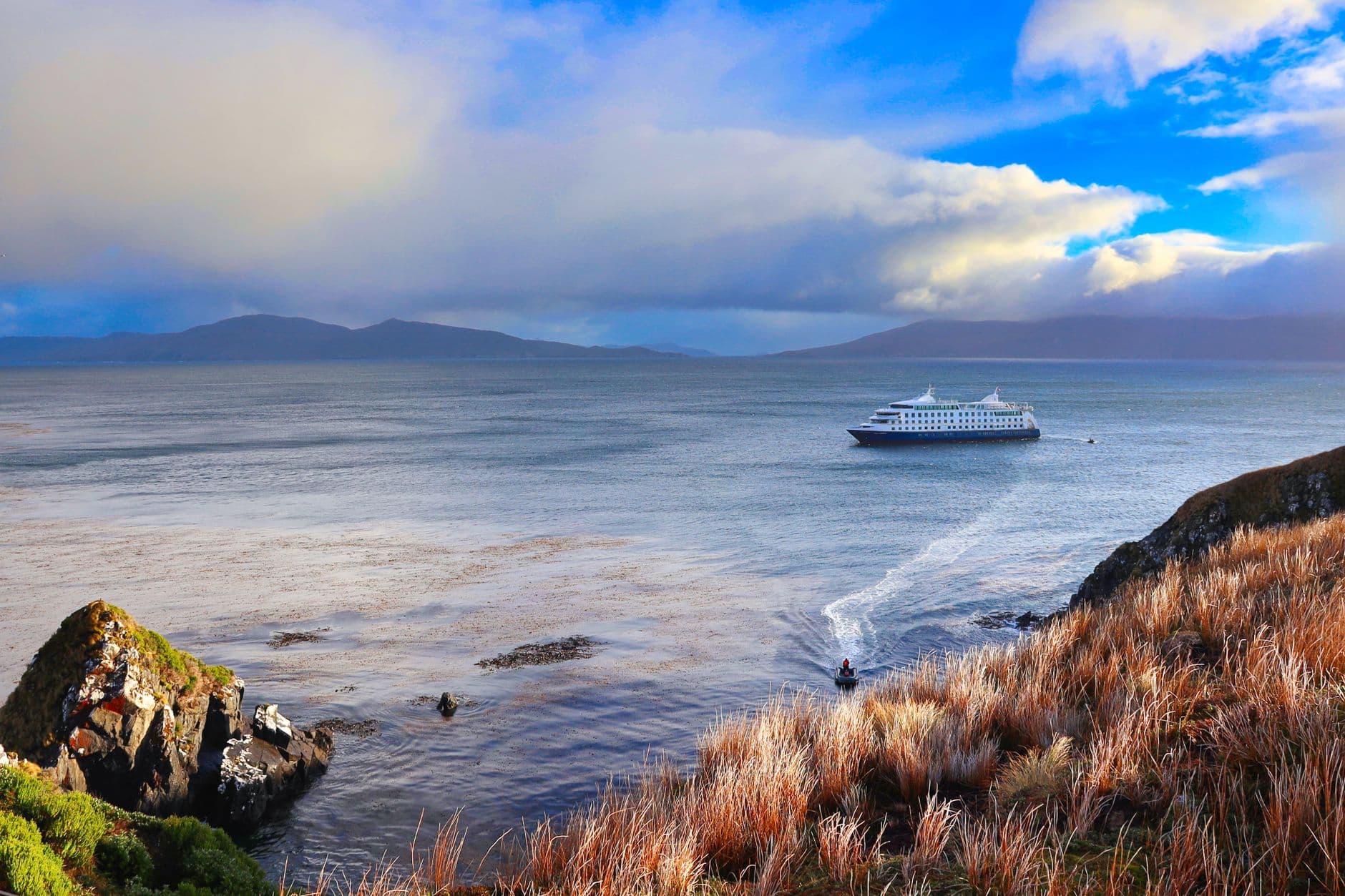
The fjords below Punta Arenas are not a soft cruise destination. These are waters where weather moves faster than schedules, where glaciers calve without warning, and where a two-hour window to see Cape Horn can close in minutes. You will spend four to seven days on a ship smaller than typical oceanliners—often carrying 100 to 300 passengers—navigating channels so narrow that crew members mark the depth in real time. The payoff is genuine: hanging glaciers, colonies of Magellanic penguins, the raw Tierra del Fuego landscape, and the southern tip of the Americas. But this is a trip that gets cancelled, rerouted, or curtailed by conditions. That is not a selling point glossed over in the fine print. That is the trip itself.
What Happens When the Weather Wins
The Beagle Channel and fjords surrounding it operate in a climate where conditions shift in hours. Spring (September through November in the Southern Hemisphere) brings longer daylight and, generally, calmer seas than summer. But "calmer" is relative. Winds can exceed 40 knots. Rain is near-constant. Fog can wall off landmarks you paid to see.
Expedition captains hold the real power. They decide whether to attempt Cape Horn—a passage that has defeated ships for centuries—based on swell, wind, and visibility. Some cruises reroute entirely to Glacier Alley or the northern fjords if conditions warrant. Others push through and make it. No two trips are identical, and no captain guarantees anything. That uncertainty is the deal you accept when you book.
Spring cruises benefit from lower passenger counts than the December-to-February peak. You will encounter fewer tourists at landing sites, shorter waits for Zodiac boats, and more attentive staff. The trade is weather risk. November is often calmer than September. October can go either way. If you cannot tolerate a reroute or a cancelled shore excursion, this is not the cruise for you.
Approximately 10–15% of Cape Horn cruises do not reach Cape Horn itself due to weather. The ship may reach nearby waters or divert to alternate fjords entirely. This is not a failure of the operator—it is the normal rhythm of this voyage.
Which Ships Actually Sail This Route
Only two operators dominate this market: Australis and Ponant. Both run expedition cruises suited to narrow passages and unpredictable waters.
Australis operates the M.V. Stella Australis and M.V. Ventus Australis, Chilean-flagged vessels carrying 210 and 210 passengers respectively. These ships are purpose-built for Patagonian waters, with shallow drafts that allow access to narrow channels. Cruises typically run four or seven days. The four-day option makes two quick loops through the Beagle Channel; the seven-day expedition attempts Cape Horn and covers more fjord territory. Australis dominates the market and has been operating this route since 1998. Pricing ranges from roughly USD 2,500–5,500 per person for four-day cruises and USD 4,500–8,500 for seven-day expeditions, depending on cabin category and season.
Ponant, the French luxury operator, runs the Le Lyrial, a 264-passenger ship with higher onboard amenities and more naturalists included. Ponant itineraries typically span ten to twelve days and often include ports in Argentina and the Falkland Islands alongside Chilean fjords. Pricing is premium: USD 6,000–12,000 per person and up. Ponant voyages include Zodiac excursions, meals, and enrichment programs in the fare, making all-in costs higher than Australis but with fewer surprise charges.
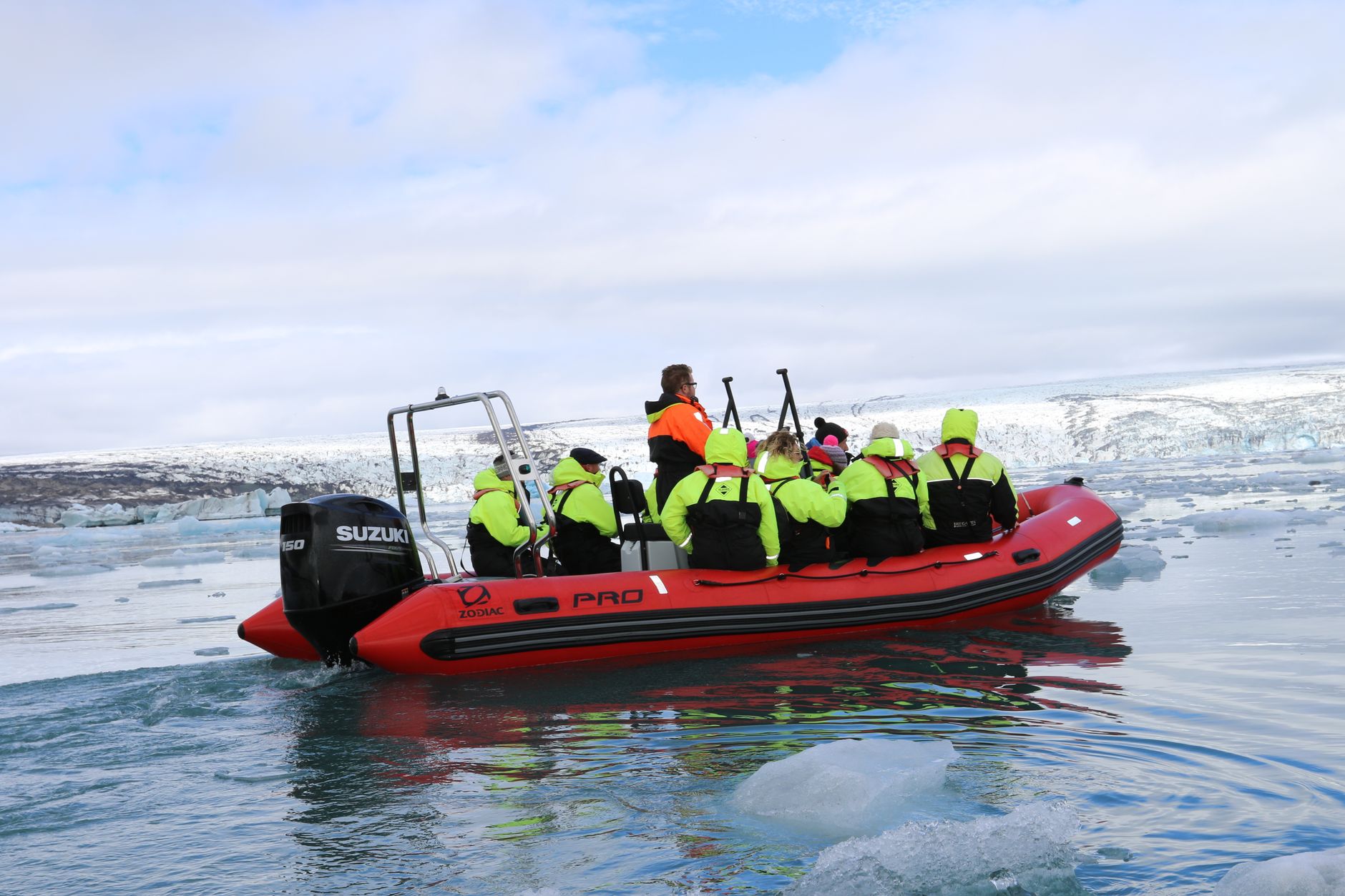
Both operators use Zodiac inflatable boats—rigid-hulled craft seating roughly 12–20 passengers—to land at sites where the main ship cannot anchor. These landings are where you get close to wildlife, glaciers, and landscape. Zodiac time is where the discomfort lives: wet suits or heavy waterproofs, cold spray, motion. Many travelers underestimate this. If you are prone to seasickness or uncomfortable in small boats in rough water, ask the operator about stabilization and request a cabin midship (less motion) rather than forward or aft.
What You Actually See: Glaciers, Penguins, and the Drake Passage
The typical seven-day Australis itinerary departs Punta Arenas on day one, transits the Strait of Magellan overnight, and enters Beagle Channel waters by morning of day two. From there, each ship makes Zodiac runs to fjords and landing sites. Ushuaia (Argentine Tierra del Fuego) is a standard port call. From there, the route pushes into Garibaldi Fjord, where hanging glaciers feed into the water. You land on a rocky beach and walk toward the ice, often hearing calving cracks in real time. The walk is short—usually 30 to 60 minutes—but the ice is active, and the sight is visceral.
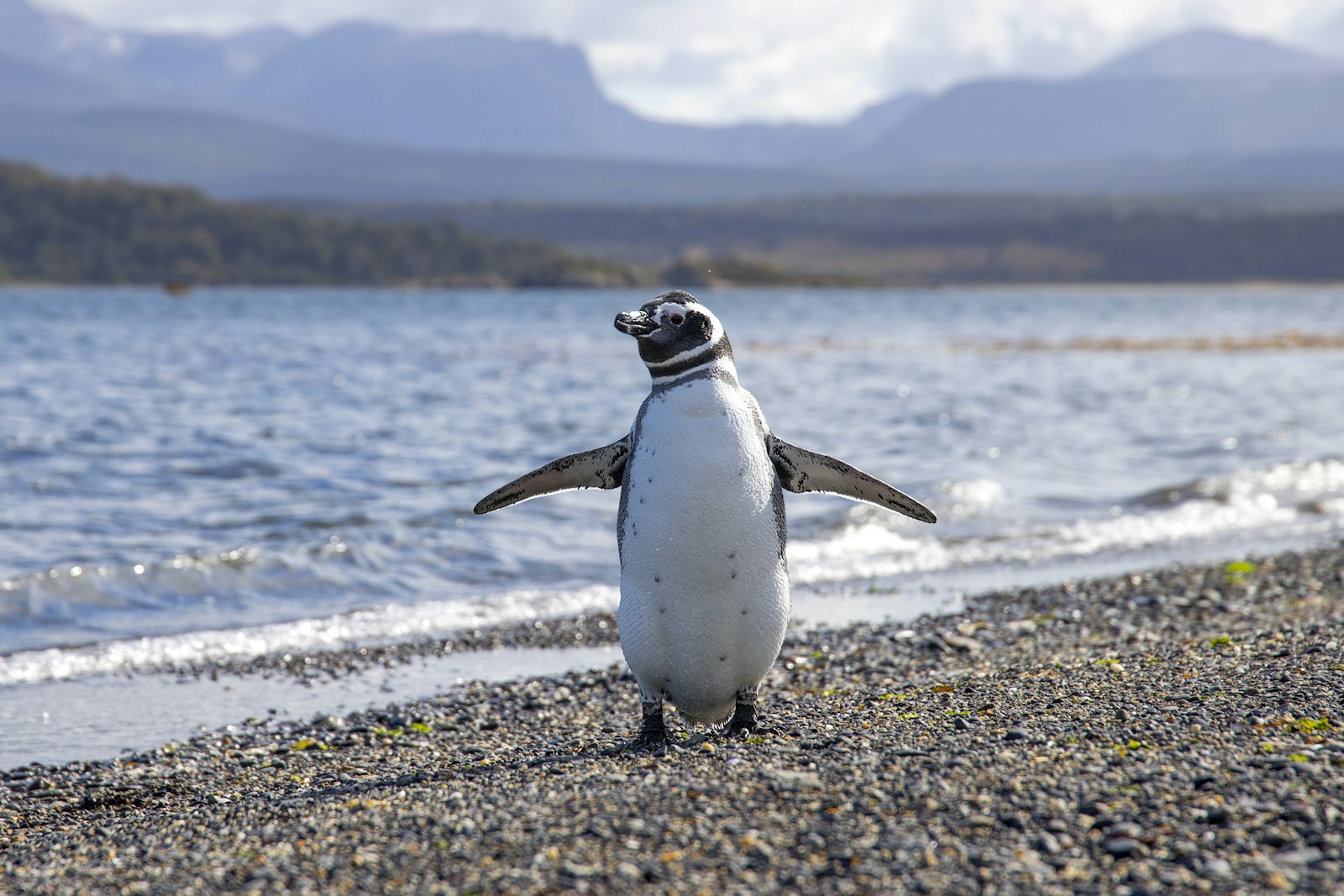
Pinguino Fjord is where Magellanic penguin colonies gather. Landing is restricted to small numbers; your Zodiac stops offshore or at designated rock platforms. Binoculars help, but the birds are numerous enough that you see them clearly. They nest in burrows in the hillside and dive for fish in the channel. The penguin colonies here number in the thousands, and sighting them in their habitat is a central reason people book this voyage.
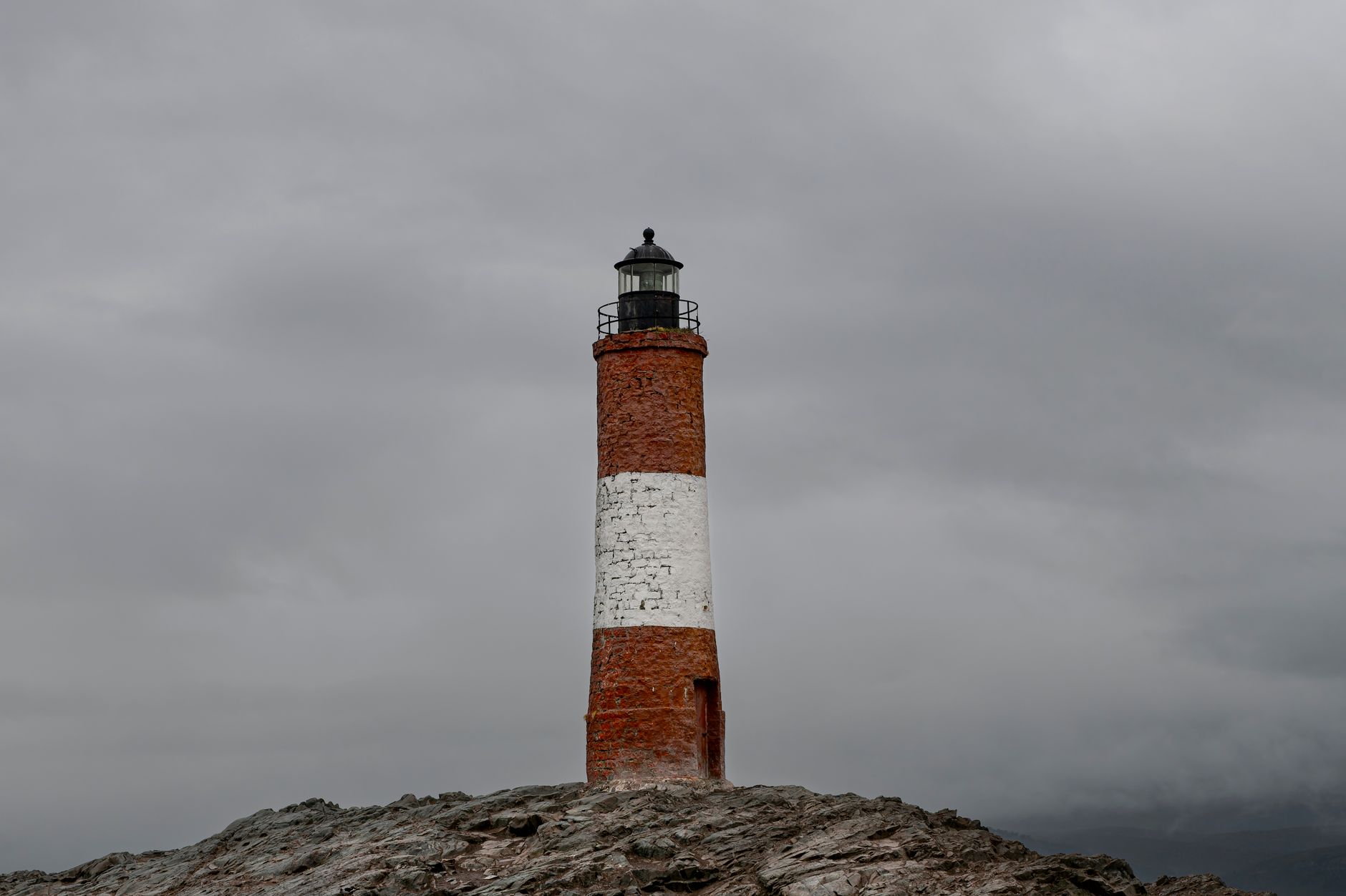
If conditions allow, the ship moves toward Cape Horn and the Drake Passage. The Cape itself is a rocky headland with a lighthouse, few trees, and relentless wind. The Drake Passage, the body of water between Cape Horn and Antarctica, is one of the roughest crossings on earth. Most cruises do not transit the full Drake; instead, they approach Cape Horn waters and turn back if swell or visibility deteriorates. Standing on deck when Cape Horn is visible—a rare clear window—is a moment many passengers describe as the whole reason they came.
Glaciar Alley (Glacier Alley) is a backup plan and also a legitimate destination. If the ship cannot push toward Cape Horn, it often spends more time here: Romanche Glacier, Italia Glacier, and several smaller hanging glaciers fed by the Southern Patagonian Ice Field. These are not as famous as Perito Moreno in mainland Patagonia, but they are less crowded and visible only from the sea.
Cabin Choice Matters More Than You Think
On expedition ships, cabin location is not vanity—it affects comfort and experience. Outside cabins with portholes or windows are worth the upgrade. Interior cabins save money but mean you will spend the voyage navigating by schedule rather than light. In spring (September–November), daylight runs 12–16 hours, so an interior cabin costs you views during prime hours.
Cabins amidship are the quietest and have least motion. Cabins forward or aft are noisier and move more in a swell—and there is usually a swell. Most ships in this market have cabins ranging from compact staterooms (roughly 140 square feet) to junior suites (200+ square feet) and suites (300+ square feet). Standard cabins are tight. If you are booking seven days in close quarters, a junior suite or higher category is worth the cost difference. Many travelers split an upgrade between two people and find it improves the whole trip.
Ponant cabins are generally larger and have higher thread counts and better lighting than Australis counterparts. If comfort at sea matters to you, that extra cost is defensible. Australis offers better value if your priorities are wildlife, landing frequency, and cost. Neither operator offers suites in the luxury-line sense; they are still small ships in rough waters.
Practical Planning: Seasons, Duration, and Timing
Book for September, October, or November if you want better seas and fewer crowds. December through February is the peak southern summer. Water and air temperatures are warmer (roughly 45–55°F vs. 40–50°F in spring), but winds are less predictable and ships are full. January and February are the most crowded and expensive months.
Four-day cruises are loops: Punta Arenas to Ushuaia and back, with a night or two in the Beagle Channel channels. They are cheaper and less ambitious. Seven-day cruises allow more fjord time and increase chances of reaching Cape Horn or spending more time at Glacier Alley. If your goal is Cape Horn, book seven days; four-day cruises sometimes cannot spare the transit time.
Arrive in Punta Arenas at least one day before departure. Flights can be delayed, weather-held, or cancelled. A missed ship departure in Punta Arenas usually means losing the entire cruise. Most passengers overnight in the city. Hotels in downtown Punta Arenas include the Hotel José Nogueira (colonial building, moderate pricing USD 100–150 per night) and newer chains like La Yegua Loca (budget option, USD 60–100). Flights from Santiago or Buenos Aires to Punta Arenas typically take 3–4 hours and cost USD 150–300 depending on advance booking and season.
What to Pack for a Fjord Expedition
Waterproof outer layers are non-negotiable. The ship may provide outerwear for Zodiac excursions; confirm when you book. If not, bring heavy-duty rain jacket and pants. Fast-drying base layers (merino wool or synthetic) work better than cotton. Layers matter: interior cabins have heat, but exterior decks and Zodiacs are cold and wind-exposed.
Gloves, a hat, and sunscreen are essential. Sun reflects off ice and water; burns happen quickly even on grey days. Binoculars are crucial for wildlife. Many people regret not bringing their own; ship loan pairs are often poor quality. Seasickness medication, if needed, should be in your cabin before embarkation—the Strait of Magellan is often choppy on day one. Boots with grip (not smooth soles) are necessary for landing sites. The rocks are wet and slick.
Do not overpack. Cabins are small. One week's worth of clothing is sufficient; most ships do not offer laundry service for passengers, though some press garments for a fee. Travel dry bags for electronics and documents. A small backpack for Zodiac excursions. Leave the fancy shoes at home—you will not need them.
Things That Get Cancelled and Why
Zodiac landings can be postponed or skipped if swell exceeds safe boat-launching limits. This happens often. Shore time might be shortened from two hours to one. Some passengers get a landing while others wait aboard; the captain staggers groups if boat conditions are marginal.
Interior naturalist programs sometimes move indoors if wind makes deck time unpleasant. The quality of your wildlife viewing—how close you get to glaciers, how long you spend at penguin sites—depends entirely on weather and sea state. This is not failure on the operator's part. This is the fjords behaving like the fjords.
Ushuaia port calls have been known to shift or shrink if the ship is pushed north by swell. Some seven-day itineraries skip Ushuaia entirely if weather forces the captain to move time toward Cape Horn attempts or Glacier Alley.
A Cordelie travel advisor can help you choose between Australis and Ponant based on your comfort level with uncertainty, preferred cabin type, and appetite for Cape Horn risk. They can also time your trip within the spring window for the best balance of sea state and daylight, and ensure you build buffer days into your overall South America itinerary so a weather delay does not cascade into missed flights or connections.
Quick Tips for the Voyage
Eat breakfast early and heartily. Galley schedules are set, and if swell keeps the dining room closed at dinner, breakfast is your last full meal. Most ships serve three hot meals a day; coffee and tea are always available on deck.
Befriend the naturalists and expedition staff. They decide landing priorities, time allocation, and route adjustments. Showing interest in their expertise (rather than complaining about rain) leads to better experiences and more time at your preferred sites.
Spend time on deck in rough weather, not your cabin. The motion is worse when you are trying to lie down and feel it. On deck, wrapped up and holding a rail, the same swell feels like an adventure rather than illness.
Bring USD cash for ports like Ushuaia. Cards work, but exchange rates are better with cash. Punta Arenas has ATMs; use them before departure.
Do not expect ship internet to be reliable. Phone service disappears after Punta Arenas. Assume you are offline and plan accordingly. Email expectations at work. Tell family you will not be reachable.
Take the early Zodiac time slots if offered. Afternoon runs often face worsening weather. Sunrise light on glaciers is better anyway.
Pricing and What Gets Added
Australis four-day cruises run USD 2,500–5,500 per person for inside-outside cabin spread. Seven-day cruises are USD 4,500–8,500. These figures hold broadly for shoulder season (September–October) and early peak (November). Peak summer rates (December–February) run 20–30% higher. Prices do not include alcoholic beverages, some shore excursions marked as optional, or expedition gear rentals.
Ponant's same itineraries are typically USD 6,000–12,000 per person, all-inclusive of meals, drinks, Zodiacs, and naturalist programming. The math looks steeper, but itemized Australis bills often add USD 1,500–2,000 in extras by cruise end.
Travel insurance is not included and is worth buying separately. These are long voyages far from medical centers. Consider coverage for trip cancellation (weather delays happen), medical emergency, and evacuation. Plans run USD 300–600 for a week-long voyage.
Many operators offer discounts for early booking (60+ days out, typically 10–15% off). Spring cruises are cheaper than peak summer, making September-October the sweet spot for budget-conscious travelers who can tolerate weather risk.
How to Know If This Trip Is For You
This voyage requires comfort with unpredictability. If you need guaranteed itineraries, guaranteed shore time, and guaranteed comfort, book a larger ship cruise elsewhere. This is not that experience.
You need a tolerance for close quarters and small-ship movement. Cabins are compact. Ships rock. If you are claustrophobic or prone to seasickness that does not respond to medication, this will be unpleasant.
You should have genuine interest in glaciers, penguin colonies, and Tierra del Fuego's landscape. There are no nightclubs, no Broadway shows, no casinos. There are ice, rocks, sky, and water. That is the offering.
You need several days to spare. Weather delays, reroutes, and late departures can extend your voyage by 12–24 hours. Your overall South America itinerary should have buffer time.
Book this cruise if you want to see Cape Horn, standing on a small ship in genuine southern seas, knowing that conditions might pull the goal away at the last moment. That possibility, and that resilience, is exactly what makes it memorable.

Isaac Reid has spent fourteen years on ships and on foot in the places weather still decides. He sailed his first Drake Passage as an expedition assistant and has since made the crossing more than thirty times, between seasons trekking in Nepal and Patagonia. He writes about what these trips actually ask of a traveller — the days that get cancelled, the kit that matters, the difference between a landing and a cruise-by — and thinks the honest version sells them better than the brochure does.