
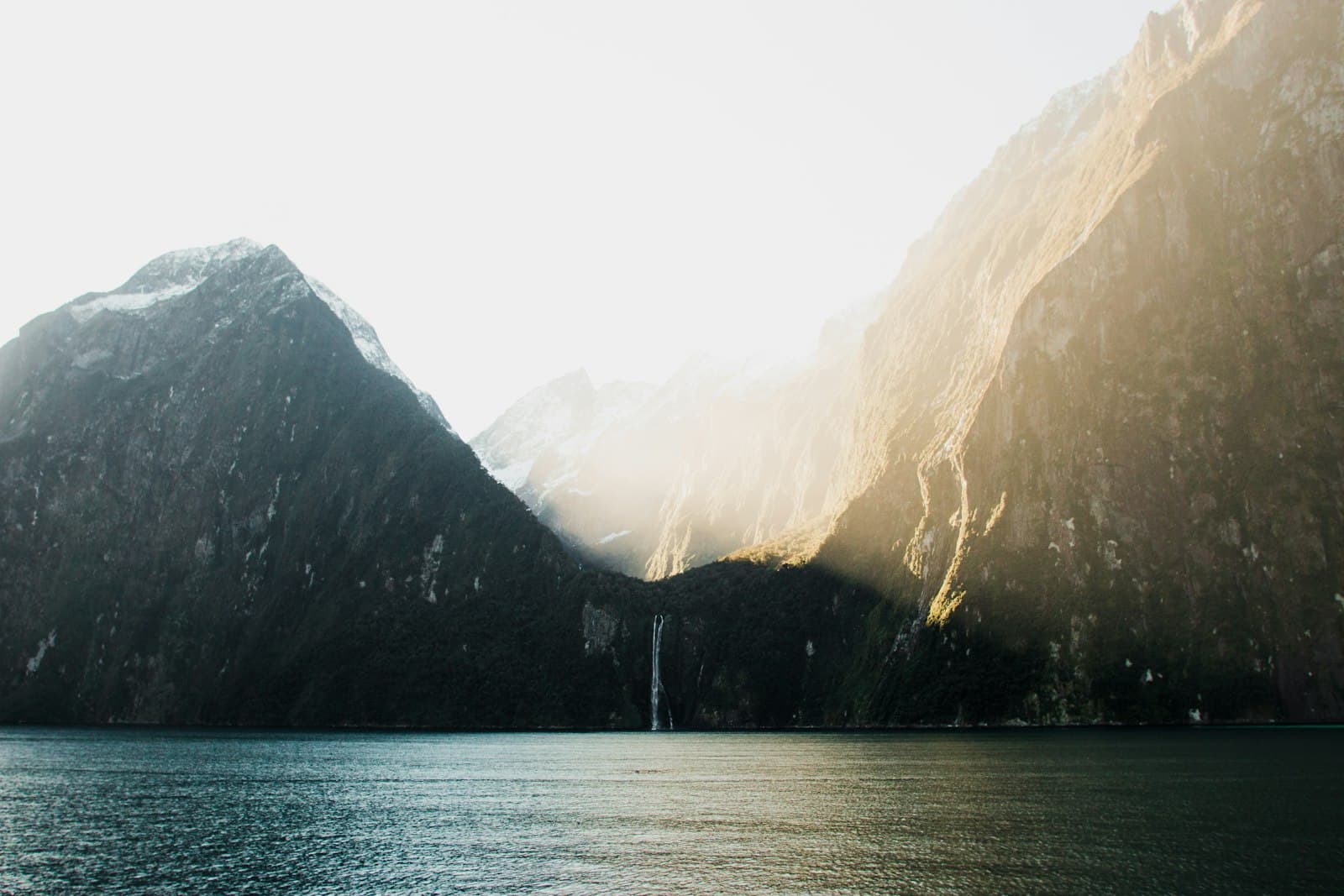
Timing the Milford Track: New Zealand's Great Walk Season, Decoded

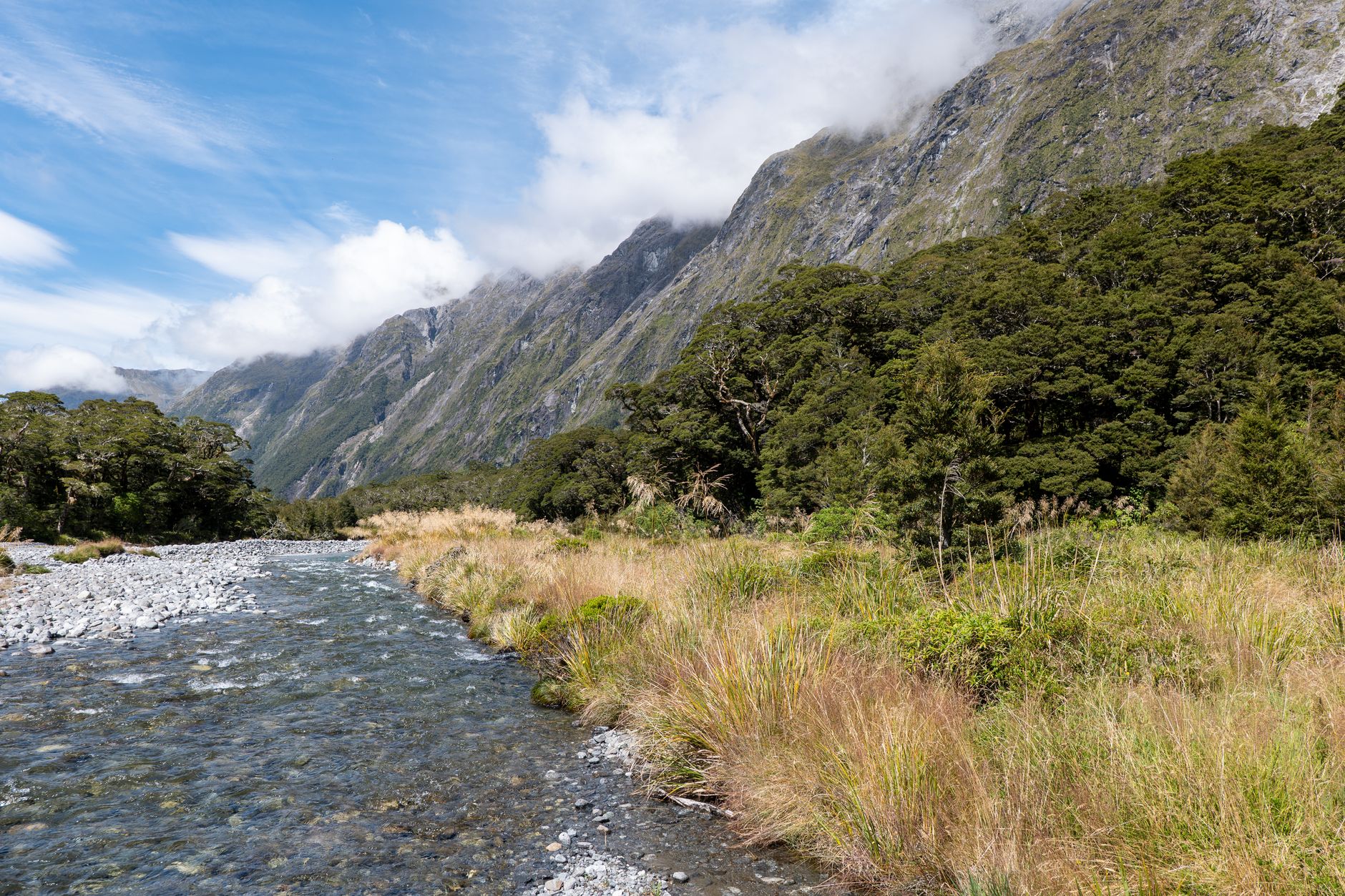
Late October Through April: When the Huts Open and When to Go Alone
Milford Track sits closed most of the year. The Department of Conservation, which runs the Great Walks system, opens the 33-kilometer trail's four huts on a fixed calendar each spring: typically the last Wednesday in October through early April. Those 5-6 months are the only window when trampers can book a bed and a guided slot through the huts. Outside that season, the track either closes entirely—most years from May through September—or opens for backcountry travel without hut support, which demands different permits, different fitness, and comfort with avalanche terrain.
This fixed schedule creates a predictable rhythm that shapes every season: peak reliability and crowds from December through February, when school holidays fill every available bunk; shoulder months in late October and March-early April where snow and weather gamble against near-empty huts and profound solitude; and months beyond April where the track reverts to locals and those willing to accept closure announcements, weather delays, or backcountry conditions. Understanding that calendar is the difference between booking a walk that reliably happens and holding hope for a slot that depends on which month you choose.
Tier 1: Peak Season (December to February) — Reliability at the Cost of Company
The Crowded Certainty of Summer
December through February: Huts full, weather most stable, logistics guaranteed
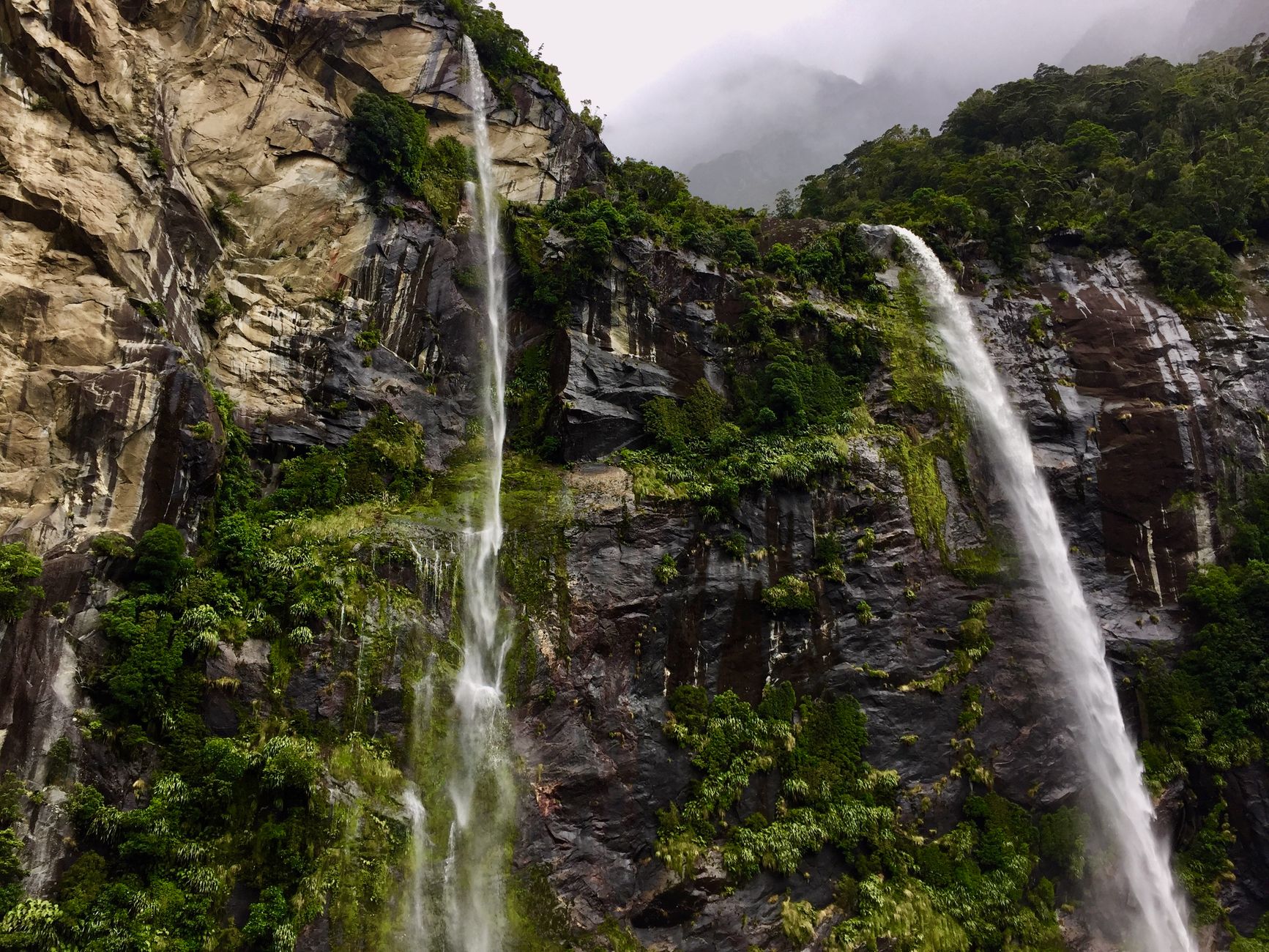
December through February is when Milford Track works as clockwork. Huts fill to capacity—typically around 48 beds per night spread across Glade House, Pompolona Lodge, Dumpling Hut, and Sandfly Point—and the DoC allocates slots months ahead. If your travel dates are fixed and you need certainty, book here.
The trade is solitude for reliability. Walking the track in mid-January means you will share lunch stops, pass other trampers on single-file sections, and queue for hot water at the huts. The Sutherland Falls viewing platform, where the track passes below a 580-meter waterfall, becomes a congregation point. Sandfly Point, the trail's endpoint on Milford Sound, transitions from a quiet arrival to a crowded embarkation where you meet thirty or forty other trampers who started four days earlier.
Weather during these months trends warmer and drier than other seasons. Average temperatures range from 12 to 18 degrees Celsius (54-64°F), and rain occurs on perhaps four out of ten days rather than the six or seven common in other months. Mackinnon Pass—the 1,154-meter high point that often tests even fit trampers—is snow-free. Landslide conditions, which close stretches of track during heavy rain, become less frequent.
Hut bookings during December-February open around 4-5 months out, usually in late July or early August. The best dates (mid-week departures, school holiday weeks) sell out within hours. Prices during peak season run higher: hut accommodation plus meals and guide services through the official DoC network typically cost NZD 1,560-1,700 per person for the four-day walk, though independent backcountry tramping after April costs far less. Early January, when schools reopen in the Northern Hemisphere but Australian holidays peak, tends to book first.
Tier 2: Shoulder Seasons (Late October & March-Early April) — The Solitude Lottery
Early Season: Late October Opening Weeks
October 26–November 15 (approximate): Snow risk, few trampers, huts rarely full
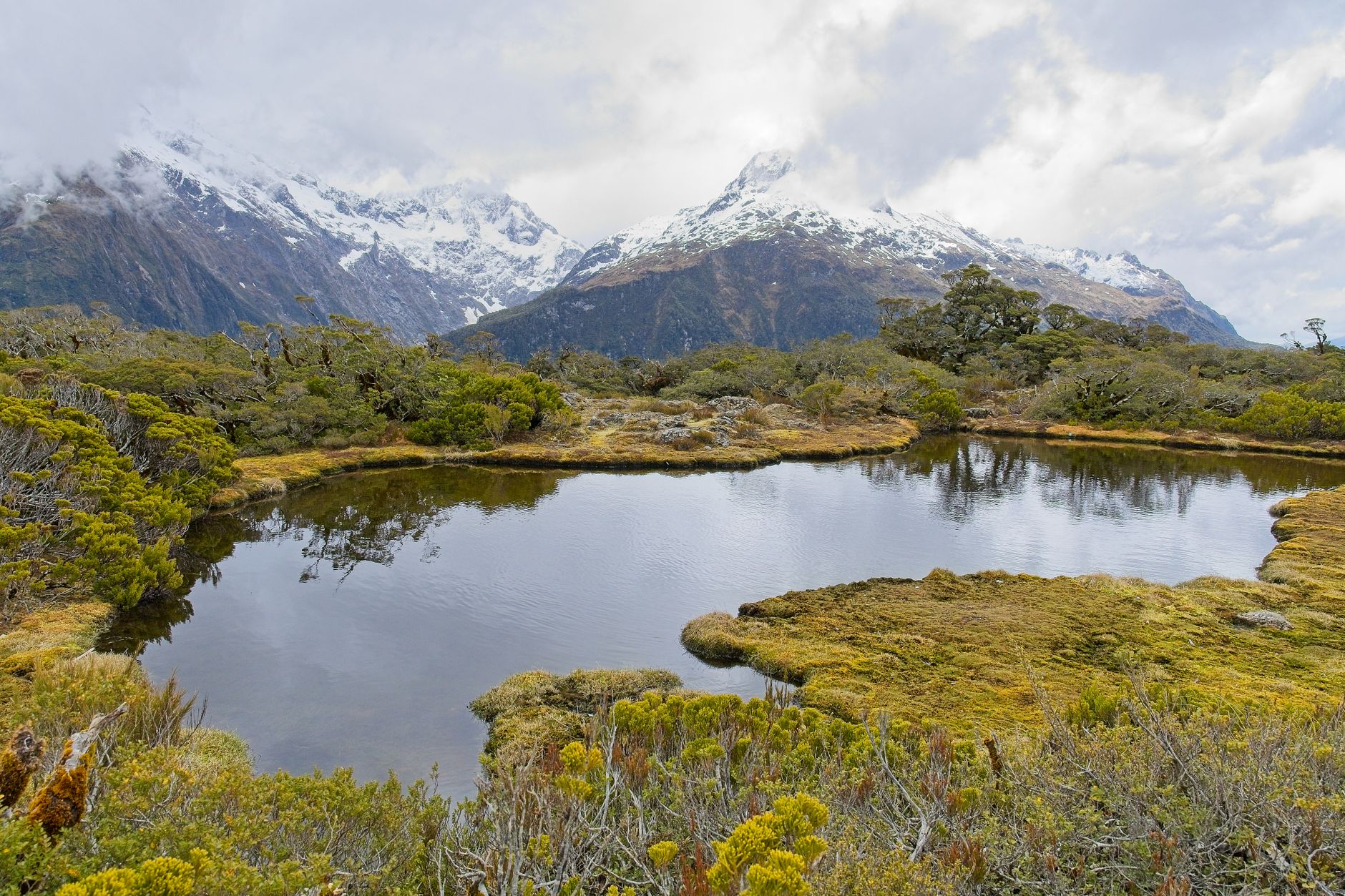
The huts open in late October, often the last Wednesday of the month. For the next three to four weeks, Milford Track offers near-solitude at the price of unpredictability. Early October walkers commonly encounter snow on Mackinnon Pass—sometimes a dusting that clears by midday, sometimes a full whiteout that delays the crossing by hours or requires rerouting below the saddle if the pass proves unsafe.
Accommodation during late October and November runs well below peak booking. Many huts operate at 30-50 percent capacity. You can often book two to three weeks out rather than five months. Prices drop by 10-15 percent compared to December. The lack of crowds means you might share the pass crossing with just one other pair of trampers, or none. Glade House's evening communal meal becomes an intimate gathering rather than a full room. The fjord views at track's end—with Milford Sound and the Tasman Sea beyond—feel genuinely remote.
The weather gamble is real. October in Fiordland remains spring: daily highs average 8-14 degrees Celsius (46-57°F), and the pass sits high enough that snow lingers from winter months above 1,000 meters. Rain transitions between rain and sleet, and occasional snow falls on the surrounding peaks. The track requires more layers, warmer sleeping systems, and comfort with the possibility of a delayed or shortened day if weather forces the route below the high pass. Sandfly bites—the pest that gives Sandfly Point its name—remain less intense than they are in summer, a genuine relief to trampers who have walked in late December.
Late October suits trampers with flexible dates who can absorb a delayed start or a day held over at a hut due to pass closure. The DoC publishes daily pass-crossing conditions; if conditions deteriorate, hut managers may restrict crossing until they improve. Booking through a travel advisor can smooth the logistics of flexibility.
Late Season: March and Early April
March 1–April 10 (approximate): Autumn conditions, thinning crowds, weather deteriorating
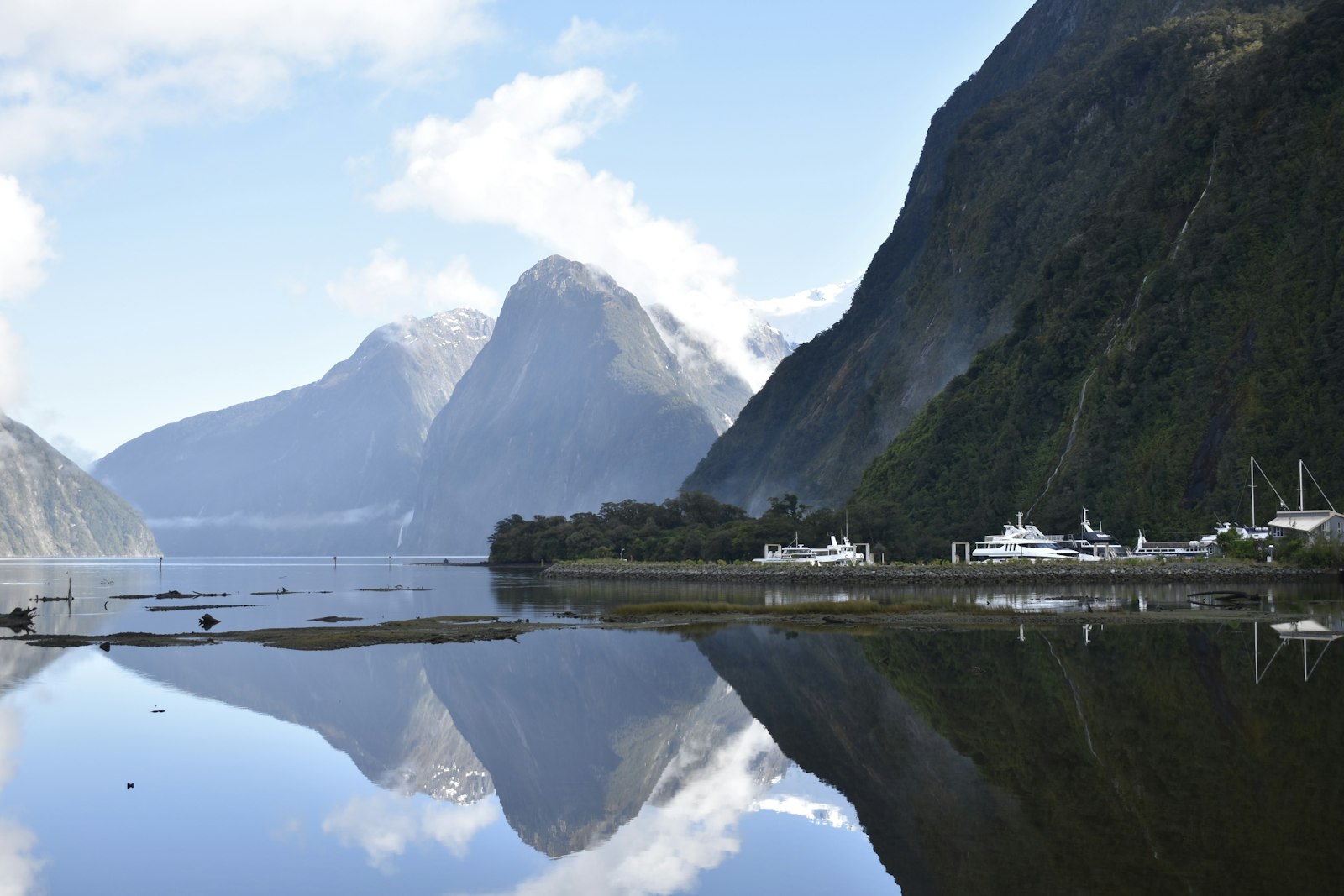
March through early April offers an autumn window where huts are again less full than summer, yet the track remains officially open with hut support. Autumn beech forest begins turning gold and bronze in the Hollyford Valley section, adding color that summer walkers miss. The crowds have thinned but not vanished; expect perhaps 40-60 percent of summer's traffic rather than the 20-30 percent of October.
Weather becomes less predictable. March averages 10-16 degrees Celsius (50-61°F), but rain intensifies as autumn storms push through. The pass experiences less snow than October—autumn snow is rarer—but wet-weather hazards increase. Slip faces can be slick. Stream crossings, normally knee-deep, rise after heavy rain. One significant downpour can create landslide warnings that restrict sections of track, though full closures remain less common than in winter months.
Prices during March stay roughly 5-10 percent below peak but higher than October. Hut availability improves compared to December-February but remains booking-dependent. Sandfly bites intensify again—March sees more of these painful insects than early spring—a minor but cumulative annoyance across four days.
Late March through early April carries another practical reality: the DoC begins the annual maintenance cycle that leads to the May closure. By early April, the huts may reduce or close entirely. Confirm current opening dates directly with the DoC or a travel advisor; the last week of April often sees the season end, though exact dates shift with conditions.
Cordelie travel advisors
Planning Milford Track? Go with someone who knows
The right suite, the right season, the reservations that never appear online — your Cordelie advisor knows them, and holds them for you.
Plan with a Cordelie advisorFree to ask. Cordelie Travel Services · IATA/ARC 06649064
Why May Through September Is Off-Limits for Most Trampers
The track closes to regular hut-based tramping from May through September—the southern hemisphere's autumn and winter. The DoC cites avalanche risk and unstable terrain as the primary reason. Milford Track's high pass and surrounding peaks accumulate snow from May onward. Warming cycles and snowmelt create unstable cornices and slide zones that threaten both the track and trampers. Rather than police daily conditions, the DoC simply closes the huts and restricts permits.
Some months do allow backcountry tramping for experienced parties with avalanche awareness, but this requires separate permits, personal navigation equipment, and comfort with self-rescue in remote terrain. Most casual trampers—the broad audience for Great Walks—encounter a simple fact: the huts close, bookings are unavailable, and the track is not reliably passable. A handful of commercial operators run guided-only trips during winter months for those committed to severe conditions, but these are rare and expensive, typically NZD 3,000-5,000 per person for a shorter, non-standard route.
Plan around the October-April window. Outside it, Milford Track exists for backcountry specialists or those booking fully guided winter expeditions. For everyone else, the calendar is fixed.
Practical Seasonal Booking and Logistics
The DoC opens bookings for the following season in batches. Peak-season dates (late December through January) typically open for booking 4-5 months in advance, around August. Shoulder-season slots (October-November and March-April) often release on the same schedule but fill more slowly. If your dates are flexible, waiting until three to four weeks before your intended walk can yield cancelled huts or newly released slots.
Booking directly through the DoC website (greatwalks.nz) guarantees official pricing: typically NZD 60-75 per night for bunk accommodation, plus additional fees for meals and guiding services through the Milford Track Guided Walk (the only operator permitted on the hut-to-hut section). A complete guided four-day walk costs NZD 1,560-1,700 per person during peak season, with modest discounts in shoulder months.
The walk itself demands a reasonable fitness level. The daily distances range from 16 to 21 kilometers, with multiple stream crossings and sustained uphill sections on days two and three. Most walkers complete the pass crossing on day two—a 16-kilometer day with 900 meters of elevation gain to Mackinnon Pass and a 1,100-meter descent beyond. October snow and March rain make footing less reliable. Proper footwear, trail-tested pack, and experience with multi-day tramping matter more in shoulder seasons than in summer.
Season-Specific Experiences: What Changes Month to Month
Milford Track's essence—ancient beech forest, waterfalls, deep fiords, and alpine passes—remains constant, but each season layers different experiences atop the route. December walkers may share evening meals with families on school holidays and see the pass as a straightforward high-altitude ridge crossing. October trampers often face their first snow of the trip on Mackinnon Pass, a sudden transition that reshapes the day and the memory of it. March walkers encounter autumn colors in the Hollyford Valley and brace for the heavier rainfall that makes creek crossings more dramatic.
The Sutherland Falls, which pour off the opposite valley wall at a 580-meter drop, run higher during wetter months (March-April and months beyond the season). Winter snowmelt ensures December water flows, but autumn rains or spring snowmelt intensify the visual drama. The Tasman Sea view at Milford Sound—where the track exits—can be obscured by cloud and rain, or crystalline and distant, depending entirely on the day and the weather window. None of these variations is a reason to avoid any season, but they are reasons to choose one.
Seasonal Snapshots of Milford Track
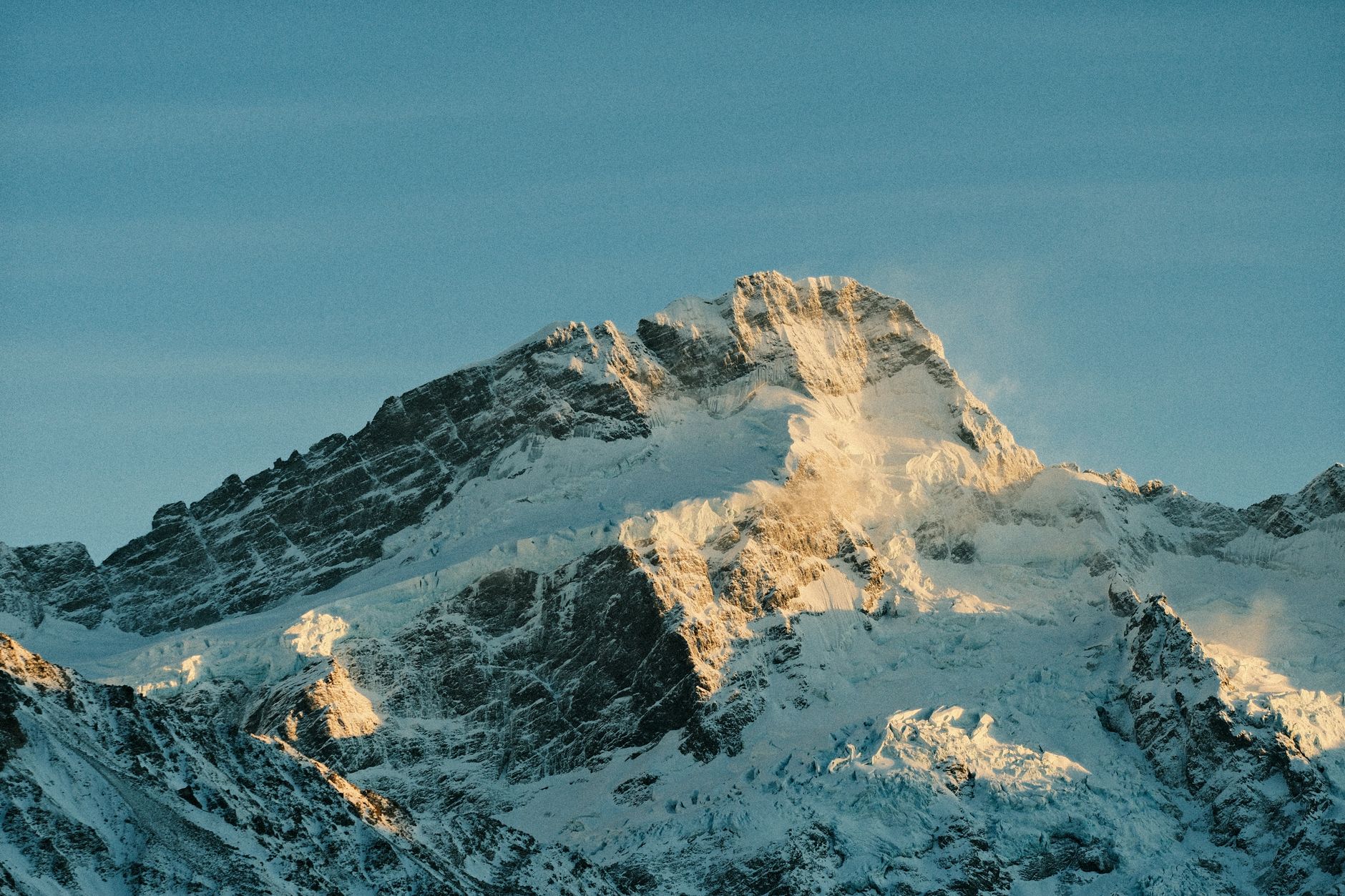
Booking Milford Track requires balancing three competing desires: dates that suit your calendar, weather conditions that suit the walk, and hut availability. A Cordelie travel advisor can monitor DoC releases, secure your preferred dates as soon as they open, and advise on the practical implications of your chosen month—whether October's snow means you need revised fitness prep, whether March rain affects the experience, whether December crowds affect your sense of wilderness. They also handle cancellation and rebooking if weather forces a date shift, a logistical complexity that solo bookers often underestimate. Given the cost (NZD 1,500+) and the months-ahead planning required, crafting a trip around what actually works for your dates, fitness, and weather tolerance is where expertise pays.
Milford Track by Season: Your Decision Framework
Choose based on weather tolerance and crowd preference, not availability. All seasons offer the same 33km walk; the season changes the company, the weather gamble, and the price.
PEAK SEASON (December-February): Book 4-5 months ahead, expect full huts and crowded pass crossings, pay NZD 1,560-1,700 per person, experience stable weather and snow-free high passes. Best if: Your dates are fixed and reliability matters more than solitude.
SHOULDER SEASON—SPRING (Late October-November): Book 2-3 weeks ahead, expect 30-50% of summer's trampers, encounter likely snow on Mackinnon Pass, pay 10-15% less than peak. Best if: You can absorb a weather delay, value solitude, and have flexible travel dates.
SHOULDER SEASON—AUTUMN (March-Early April): Book 3-4 weeks ahead, expect 40-60% of summer's trampers, encounter increasing rain and fewer snow risks than spring, pay 5-10% less than peak. Best if: You want fewer crowds than summer but prefer autumn light and are comfortable with wet-weather hiking.
OFF-SEASON (May-September): Track closed for hut-based tramping; backcountry and guided winter expeditions available for specialists only. Not recommended for first-timers or casual trampers.
Milford Track rewards early planning and honest self-assessment. Decide whether you need certainty (book December) or can gamble on solitude and shoulder-season savings. Once your season is chosen, book as early as the DoC allows and prepare for the specific weather and terrain that month typically brings. The track itself—the waterfalls, the fjord, the forest, the pass—does not change. What changes is who you will see, what weather you will face, and whether the huts will have a bed waiting. Choose the season that serves your priorities, not the other way around.

Isaac Reid has spent fourteen years on ships and on foot in the places weather still decides. He sailed his first Drake Passage as an expedition assistant and has since made the crossing more than thirty times, between seasons trekking in Nepal and Patagonia. He writes about what these trips actually ask of a traveller — the days that get cancelled, the kit that matters, the difference between a landing and a cruise-by — and thinks the honest version sells them better than the brochure does.