
Through the Drake Passage: A First-Timer's Log to Deception Island
The Door in the Volcano: First Sight of Port Foster
The ship doesn't slow down so much as it goes quiet. One moment the bow is pushing through open water off the South Shetland Islands, charcoal cliffs sliding past on both sides, and the next we're sliding through a gap barely 230 meters wide called Neptune's Bellows, with a submerged rock named Ravn Rock sitting dead center of the channel like a dare.
Inside, the sea goes almost still. We are standing in the drowned crater of an active volcano, a horseshoe of black rock seven kilometers across called Port Foster, and the water under the hull is still faintly warm in places from heat nobody can see. After two days of the Drake Passage throwing the ship around like a toy, the stillness feels wrong, like walking into a room where everyone has just stopped talking.
“The island doesn't look like land until you're already inside it. Then it looks like nothing else on earth.”
Four Days, Two Oceans: Ushuaia to Whalers Bay
Day 1 – Boarding at Ushuaia, Last Light on the Beagle Channel
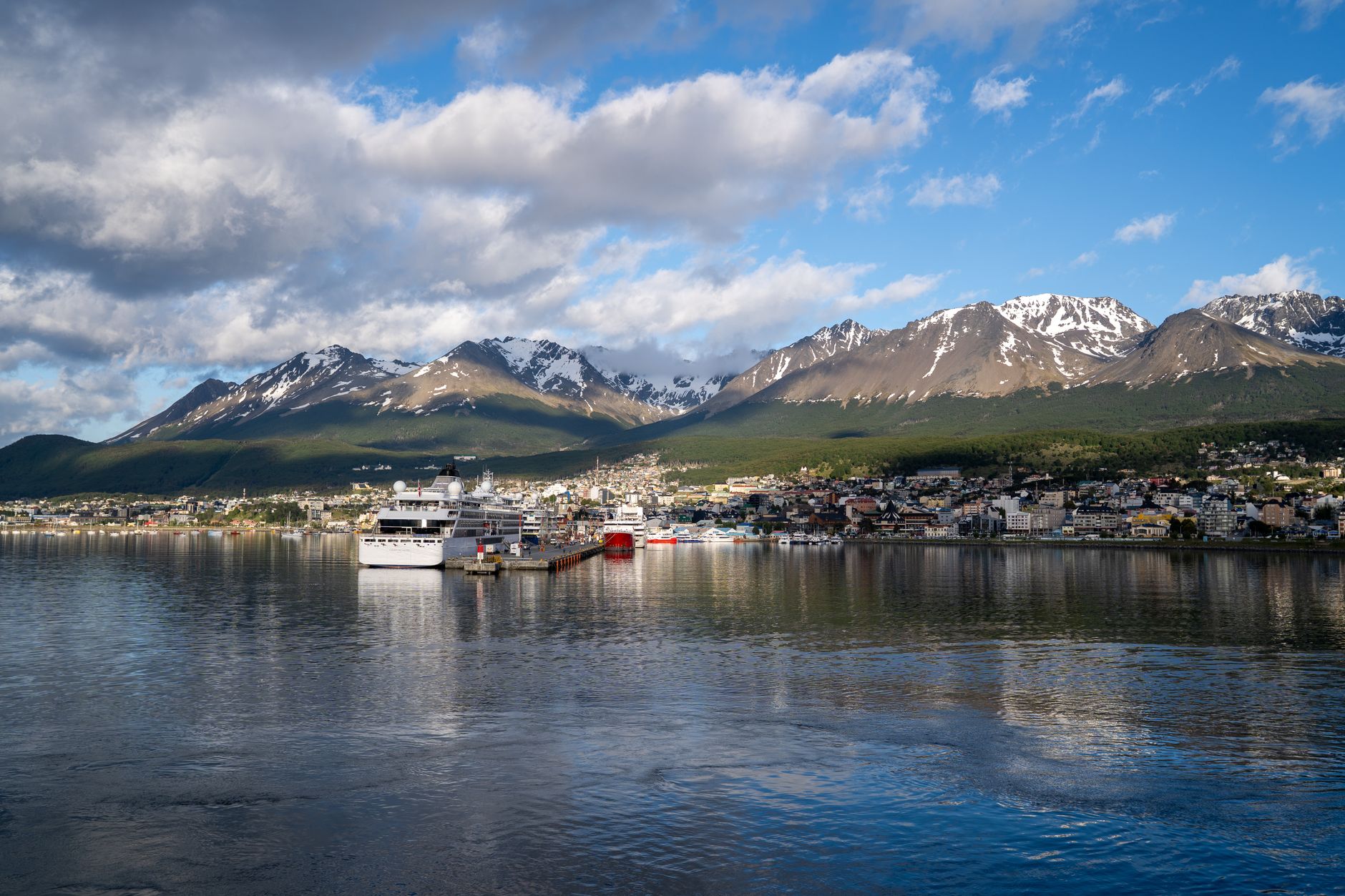
I board around 16:00 at Ushuaia's AP1 pier, after a morning spent in town buying the last items off the packing list I'd ignored for months: SPF 50, a dry bag, and a pair of liner gloves to go under the ship-issued mitts.
The afternoon is given over to the mandatory IAATO briefing and the ritual of boot-fitting, since every expedition ship works through the same muddy, essential business of matching passengers to knee-high rubber boots before anyone sets foot ashore.
By early evening we're moving down the Beagle Channel between Argentina and Chile, and the last visible land, somewhere near Isla de los Estados, disappears into the dusk around 21:30. Nobody is seasick yet. That changes fast.
Day 2 – Into the Drake: Swells, Lectures, and the First Albatross
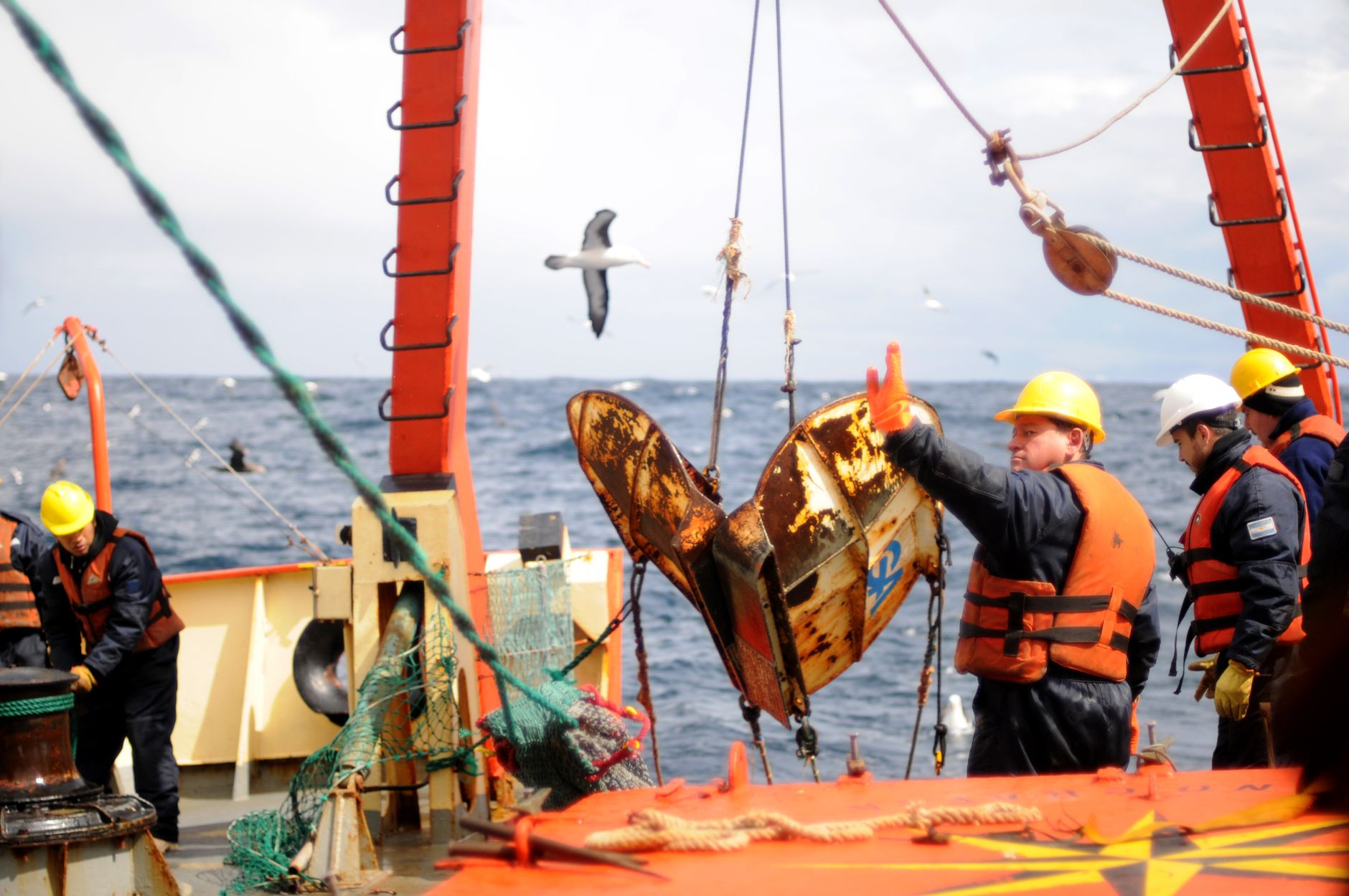
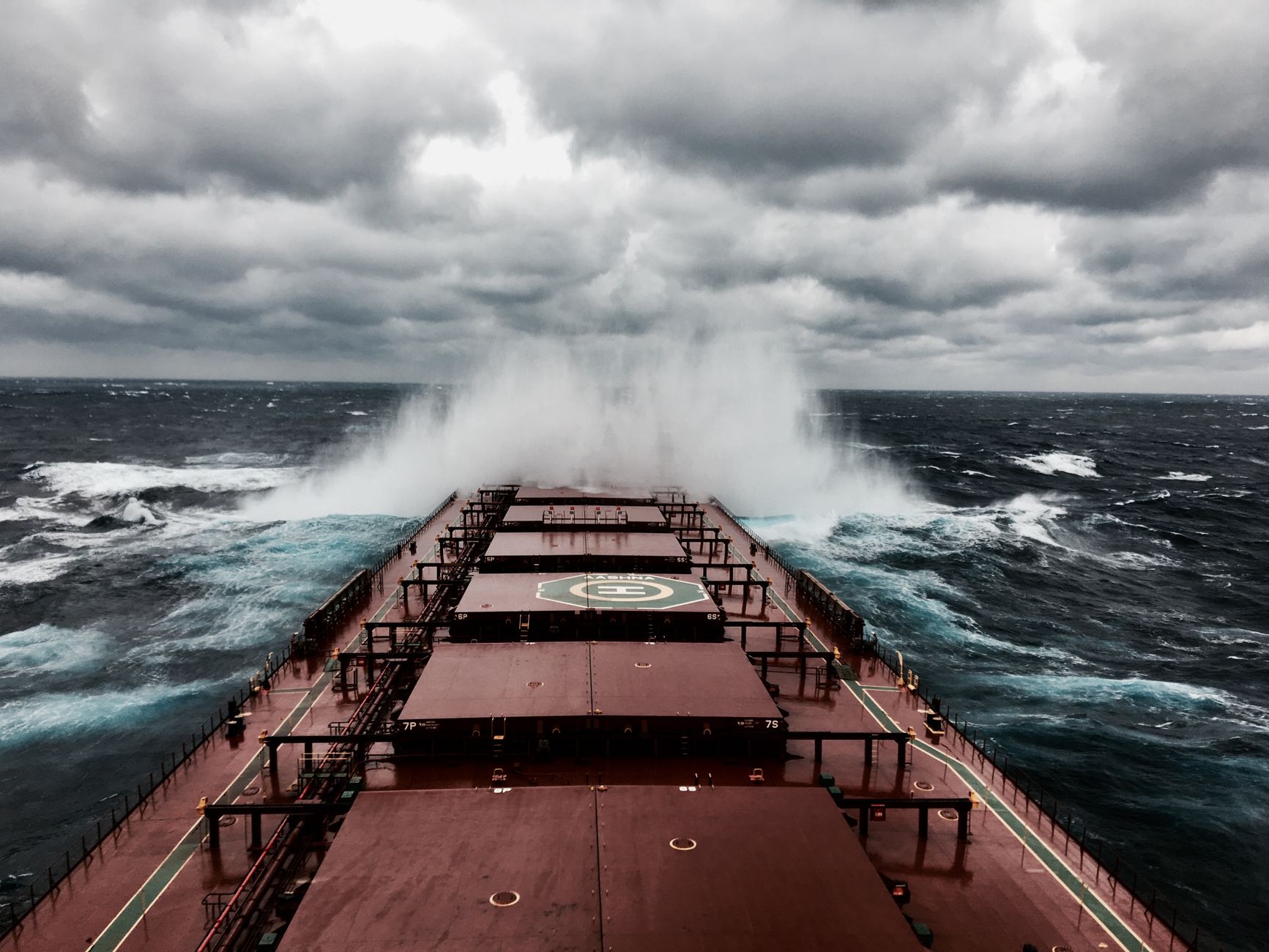
The Drake Passage announces itself overnight. By breakfast the ship is rolling enough that cups slide, and by midday the swells are running a steady 3 to 4 meters, which the expedition staff cheerfully call 'Drake Lake' conditions compared to what it can be.
I'd put on a scopolamine patch behind my ear the night before departure, on advice from a friend who'd done this crossing twice, and it works better than the ginger chews I'd also packed. The two passengers who skipped any remedy spend most of the day in their cabins.
Between meals there are lectures on deck 5: Deception Island's whaling history, Antarctic seabird identification, and the geology of a volcano that last showed real unrest in 1970. Outside, wandering albatross and black-browed albatross trail the stern for hours without seeming to flap at all.
Day 3 – Second Day on the Drake, First Ice
The wind strengthens overnight and the bridge announces gusts over 40 knots, though the ship's stabilizers keep the roll manageable if you stay low in the ship and midship, which is exactly why I'd booked a cabin on deck 3 rather than one of the view suites higher up.
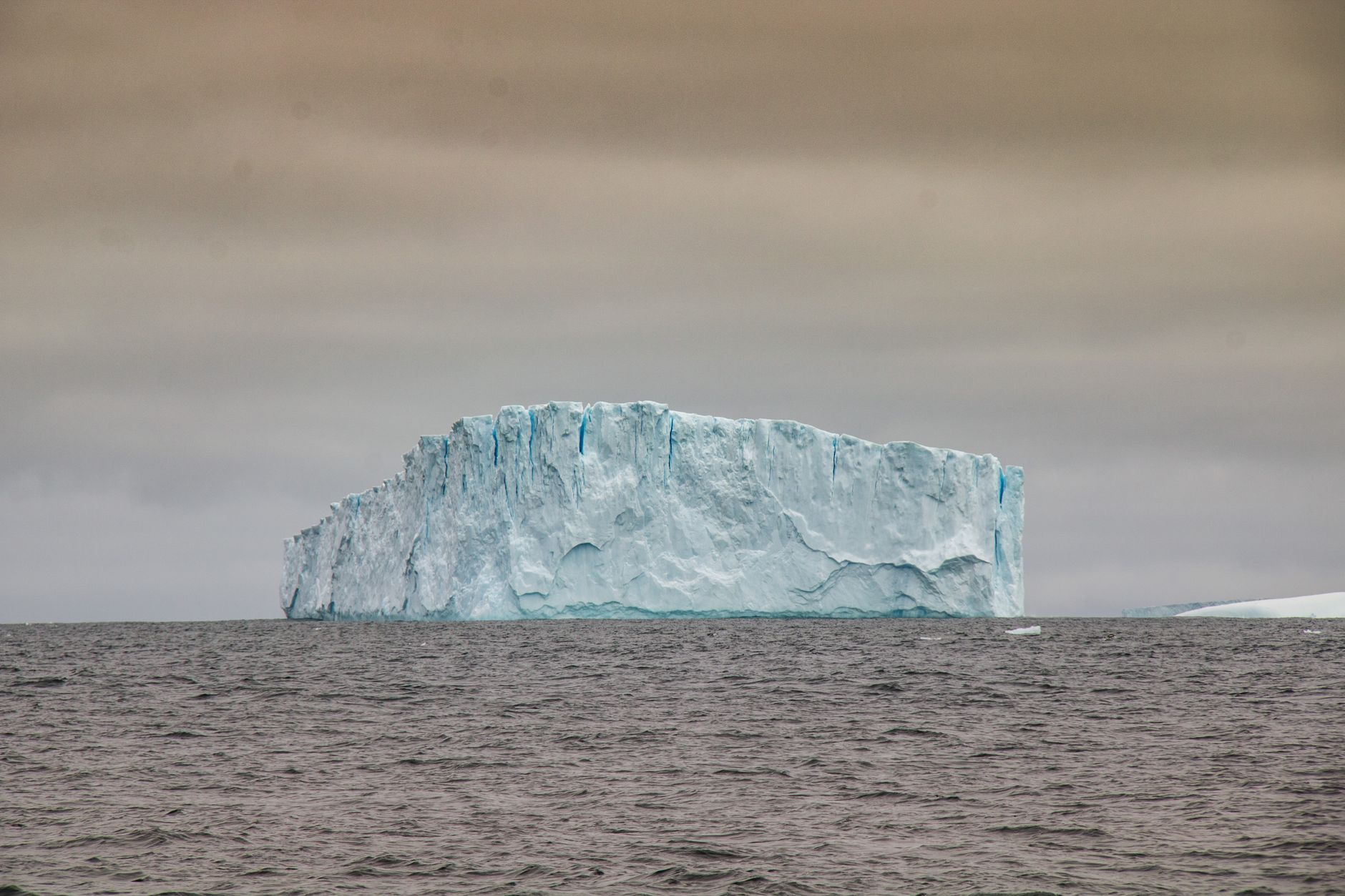
Around mid-morning, roughly 100 nautical miles north of the South Shetland Islands, the first iceberg appears off the port side, tabular and the size of a city block, trailed by snow petrels that look impossibly white against the gray water.
The afternoon briefing covers Zodiac protocol: how to step into the boat, what the IAATO 100-passengers-ashore rule means for how we'll be split into groups, and why boots get disinfected between every single landing site.
Day 4 – Through Neptune's Bellows into Port Foster
We thread Neptune's Bellows at breakfast time, that 230-meter gap in the caldera wall, with Ravn Rock marked clearly on the bridge chart as the reason the captain is on the wing himself rather than leaving it to autopilot.
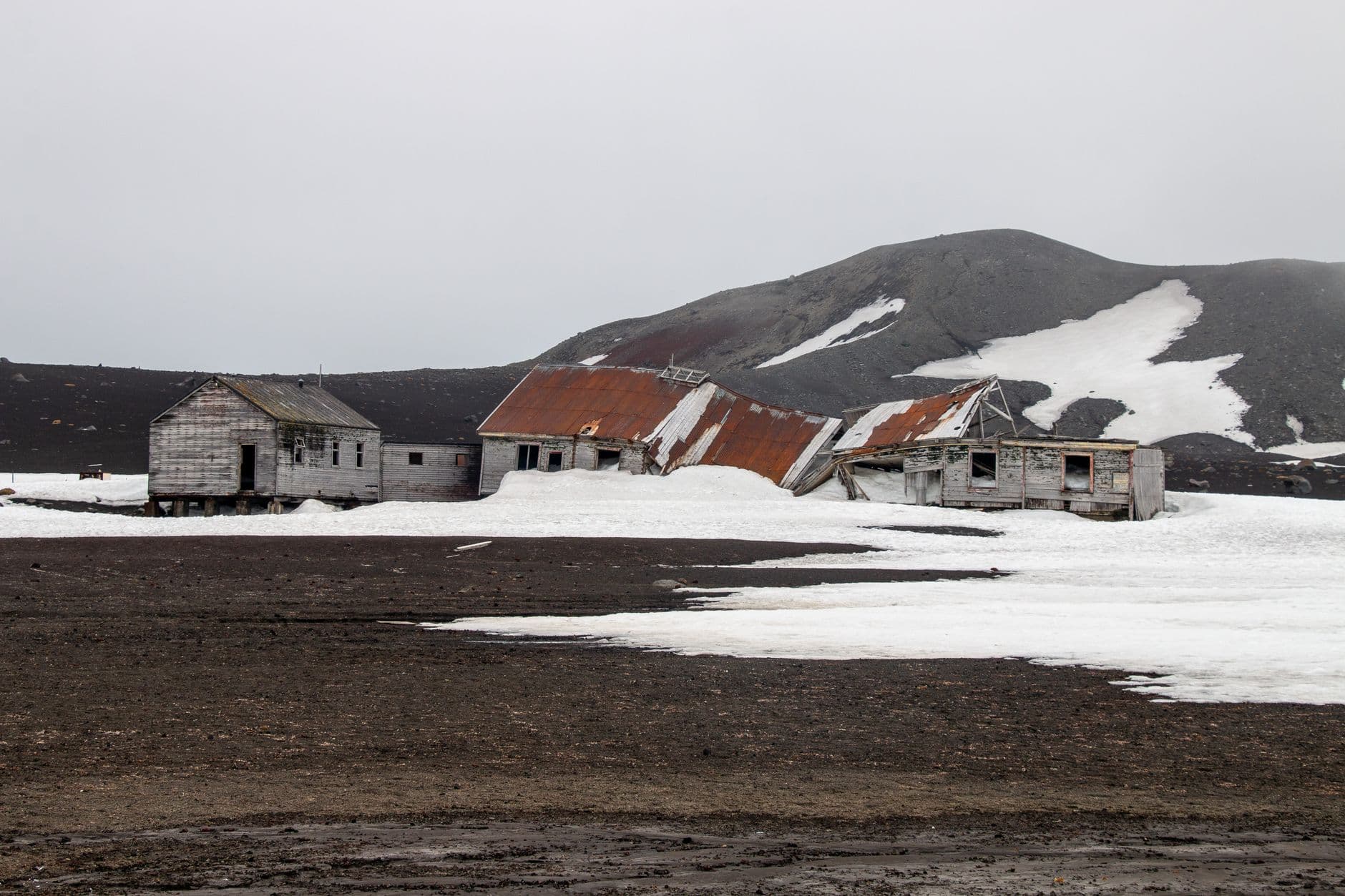
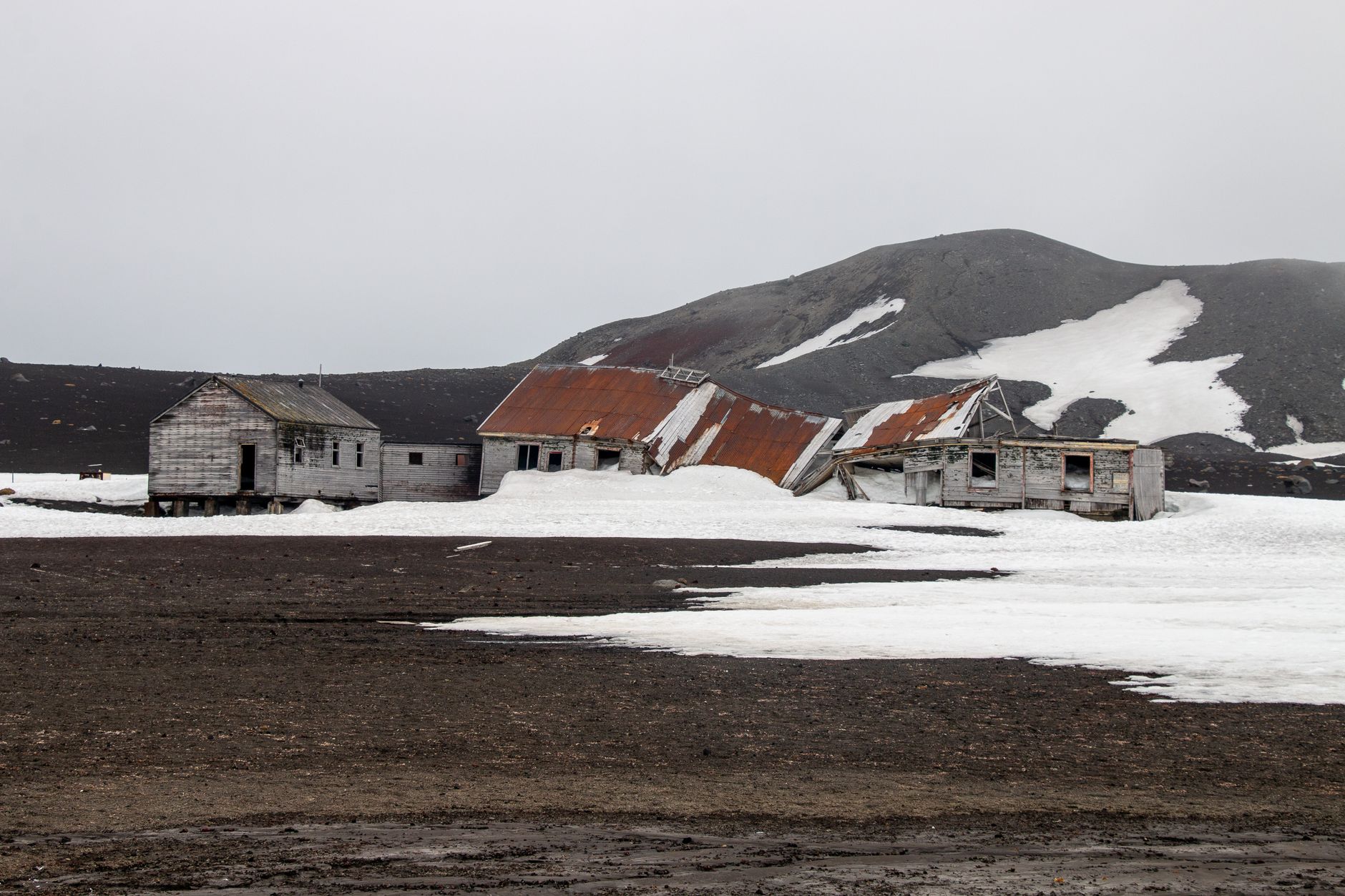
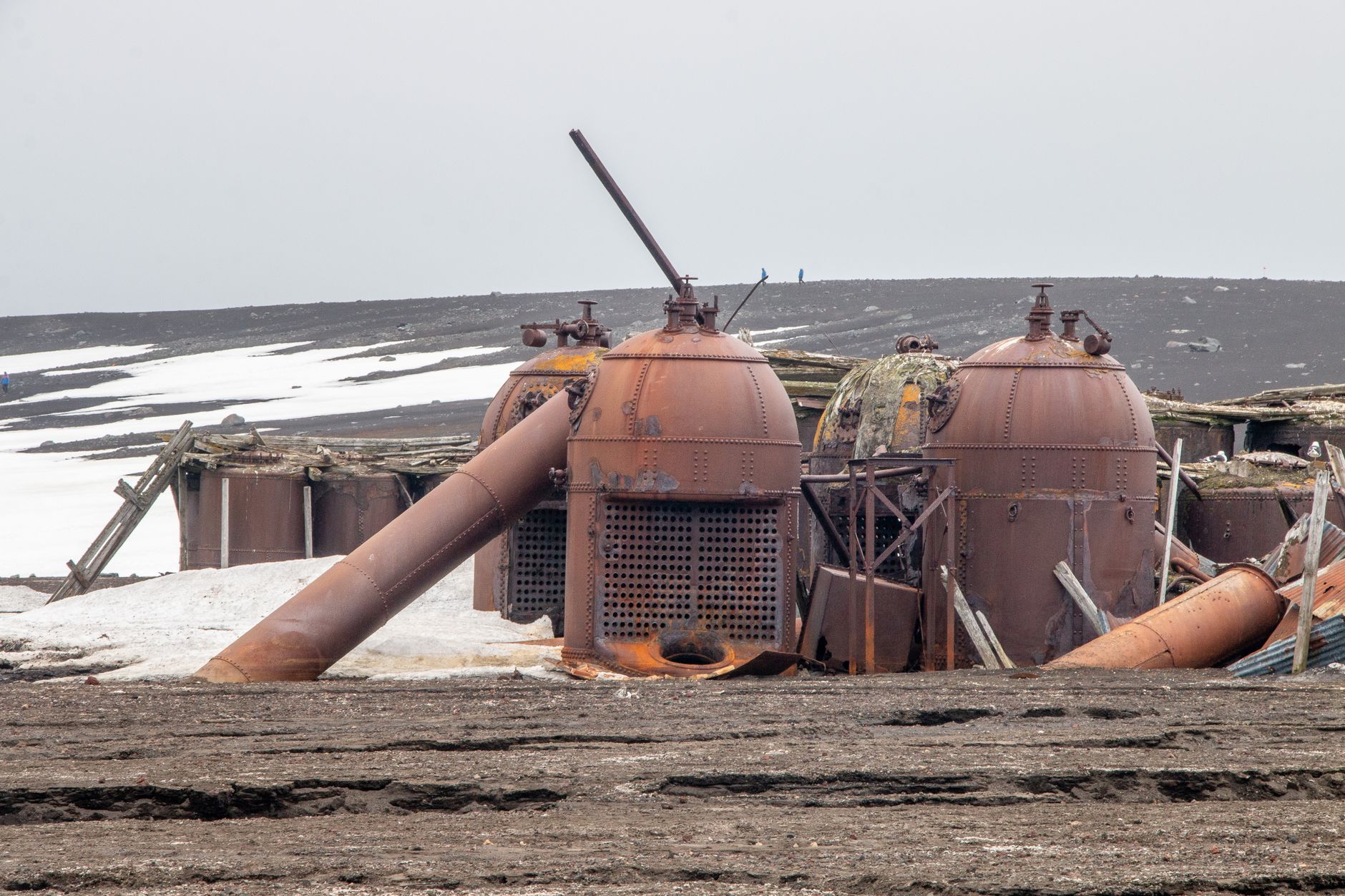
Inside, Port Foster opens into a flooded crater seven kilometers across, and we land by Zodiac onto the black volcanic sand of Whalers Bay, among the rusted boilers and collapsed oil tanks of the old Hektor whaling station, abandoned since 1931, and the bent frame of a British Antarctic Survey hut flattened by eruptions in 1967 and 1969.
A patch of beach near the shoreline is warm enough to steam faintly even with air temperatures sitting around 0°C, and three people from our group take the traditional polar plunge there, screaming the whole ten seconds they're in. I keep my boots on and watch.
Day 5 – Baily Head's Chinstraps and the Pull Back North
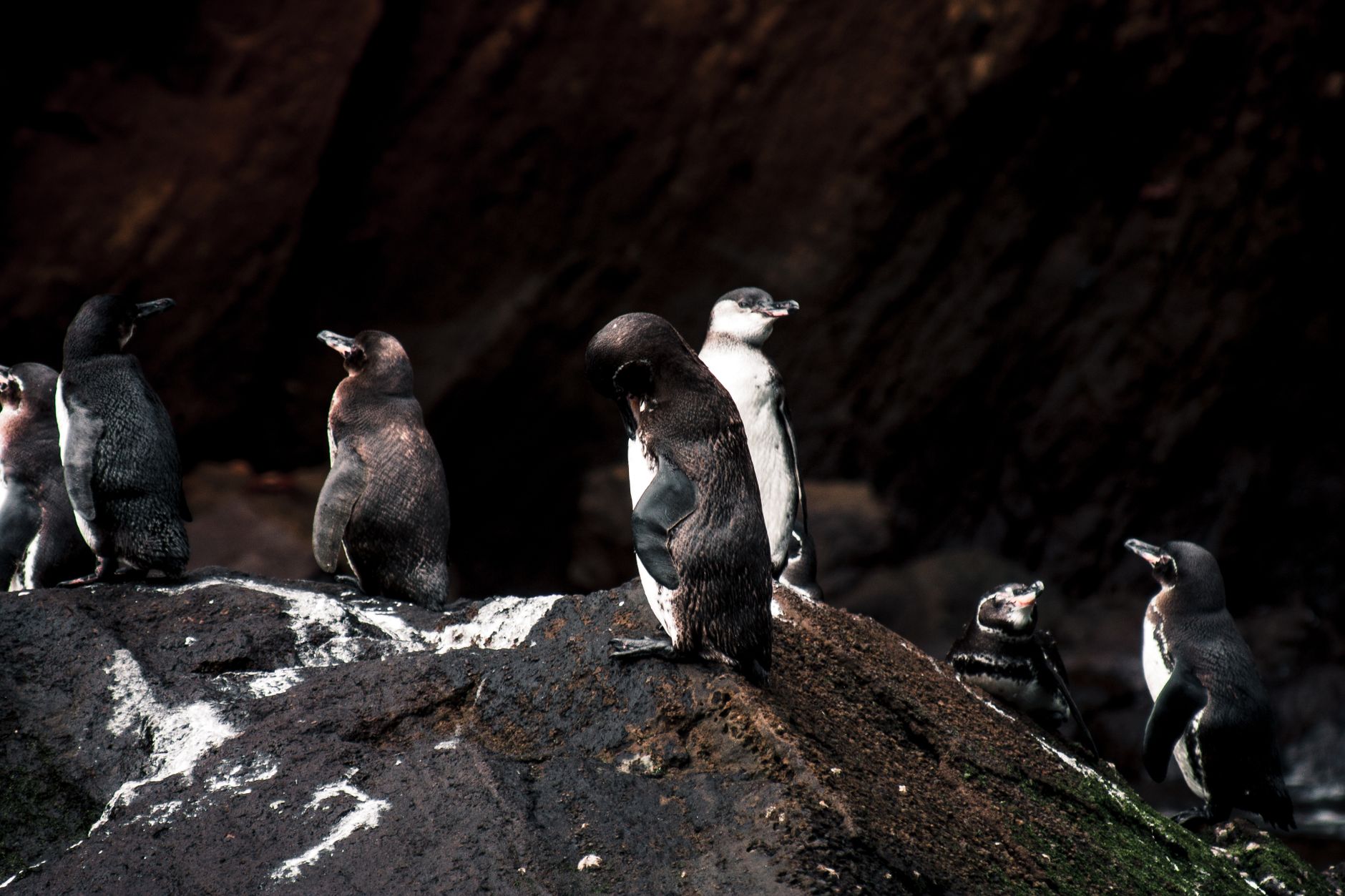
Baily Head, on the island's outer coast, only takes a landing when the surf stays under about a meter, and we get lucky, bouncing through a Zodiac surf landing straight onto black sand with chinstrap penguins already lined up watching us arrive.
The colony climbs the slope above the beach in loose streams of birds moving to and from the sea, and the staff estimate it among the larger chinstrap colonies in the South Shetlands, though nobody puts a hard number on it from the beach.
By early evening the anchor comes up and we point north again, back through Neptune's Bellows and out into open water, with two more days of Drake Passage between us and Ushuaia.
Scenes from the Crossing and the Crater
Cordelie travel advisors
Planning Deception Island? Go with someone who knows
The right suite, the right season, the reservations that never appear online — your Cordelie advisor knows them, and holds them for you.
Plan with a Cordelie advisorFree to ask. Cordelie Travel Services · IATA/ARC 06649064
Steam, Chinstraps, and a Beach That Smokes: What Stayed With Me
Nothing on this trip prepares you for how a volcano can also be a harbor. Standing at Whalers Bay with cold air on my face and warm sand under my boots, I kept doing the math on it: an active caldera, a flooded crater, a derelict whaling station, and penguins walking between the ruins like none of it is strange.
The British Antarctic Survey hut, crumpled sideways by eruptions in 1967 and 1969, is the single most honest piece of architecture I've ever stood in front of. It isn't a monument to resilience. It's a monument to a place deciding, twice, that it didn't want company.
Baily Head edged it out as the trip's best hour, mostly because it almost didn't happen. The expedition leader held the landing decision until the morning, waiting on swell reports, and when the Zodiacs finally launched there was real relief on the beach, not just excitement. That tension, the sense that this landing was earned and not guaranteed, is the thing I'd come to Antarctica for without knowing it.
Galley Fare at 60 Degrees South
Nobody books this trip for the food, and that's fine, because the galley on an expedition ship this far south has one real job: keep 100 to 190 people fed, warm, and reasonably happy through 36 to 48 hours of open ocean and daily shore landings. Breakfast is a buffet of eggs, porridge, and strong coffee that disappears fast on rough mornings. Dinner leans toward something hearty, usually a roast or a baked fish, with a soup course that's genuinely good at steadying a stomach after a day on the water.
The thing I didn't expect was the ritual of hot drinks on return from every landing. Mugs of hot chocolate, sometimes spiked with something stronger if the bar staff are feeling generous, waiting in the mudroom the moment you step off the gangway. After Baily Head, with wind cutting through three layers, that mug mattered more than anything plated at dinner.
Cabin position changes this trip more than almost anything else on the ship. A midship cabin on a lower deck rides the Drake far more gently than a suite with a private balcony two decks up, and that difference is worth more than the upgrade.
A Cordelie advisor who knows the current Antarctic fleet, including which vessels keep their stabilizers running hardest and which operators schedule the earlier spring sailings when sea ice can still complicate a Deception Island landing, can match your cabin, your season, and your tolerance for motion to the right ship. That's the kind of placement worth having arranged before you ever see the Drake.
Should You Make the Crossing to Deception Island?
Worth it, but only if you go in knowing the Drake decides the itinerary, not you.
This is a trip for travelers who want adventure to mean something real: two open-ocean days each way, landings that can be scrapped by swell with no appeal, and a payoff that includes sailing into the mouth of an active volcano.
Pack a scopolamine patch or your preferred seasickness remedy and apply it before you feel anything, book a lower, midship cabin if cost allows, and bring layers you'd use for a cold, wet hike rather than a cruise: waterproof pants, a windproof shell, liner gloves under the ship-issued mitts, and polarized sunglasses for the glare off the ice.
Go in spring, in November, early in the Antarctic season, if you want fresher snow and quieter penguin colonies just getting underway, and accept that the exact landing sequence, Whalers Bay, Baily Head, Half Moon Island, will be decided by wind and swell on the morning itself, not by the brochure.
Last checked for accuracy: . How we check

Isaac Reid has spent fourteen years on ships and on foot in the places weather still decides. He sailed his first Drake Passage as an expedition assistant and has since made the crossing more than thirty times, between seasons trekking in Nepal and Patagonia. He writes about what these trips actually ask of a traveller — the days that get cancelled, the kit that matters, the difference between a landing and a cruise-by — and thinks the honest version sells them better than the brochure does.