
Threads of the Ashanti Kingdom: A Craft Trail Through Kumasi and Bonwire

Threads of the Ashanti Kingdom: Why Kumasi and Bonwire Belong on a Cloth Lover's Map
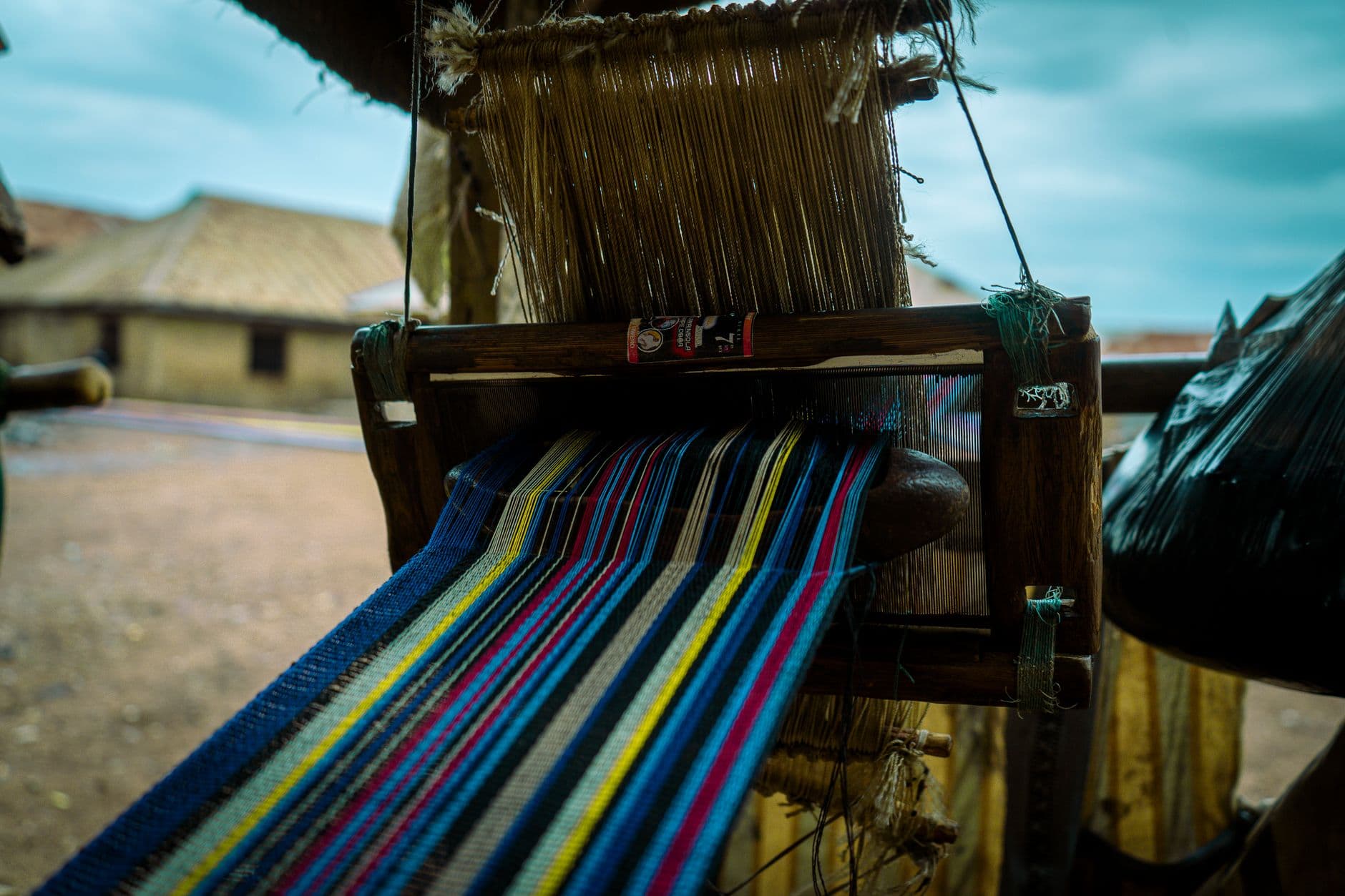
Kente did not begin as decoration. It began as a language of gold weight and royal privilege, woven strip by narrow strip on treadle looms that still clack away in the villages ringing Kumasi. This list is a working itinerary as much as a ranking: a loop through the Ashanti capital and the weaving, stamping and carving villages within an easy half-day of it, built for travelers who want to sit beside a loom rather than photograph one from a bus window. Visit between November and February, during Ghana's dry Harmattan season, when the dusty haze softens the light and the roads out to Bonwire stay firm underfoot.
Every stop here earned its place on three questions: can a traveler watch the craft actually being made, can they buy or commission something directly from the maker, and does the visit deepen an understanding of Ashanti royal culture rather than just decorate a photo feed.
Distance from Kumasi mattered too. Everything on this list sits within about an hour's drive of the city center, so a determined visitor could realistically cover the top four in a single long day, though we would not recommend rushing it.
Bonwire
The village that taught kente to the rest of Ghana
Ashanti legend credits two hunters from Bonwire, Ota Karaban and Kwaku Ameyaw, with learning the weave from watching a spider spin its web, and the village has guarded that inheritance for generations. It sits roughly 20 km northeast of Kumasi off the Kumasi-Ejisu road, a drive of 30-40 minutes depending on the taxi rank traffic leaving town.
Walk down the main lane and you will pass open-sided sheds where weavers sit at narrow treadle looms, feet working the heddles while their hands throw the shuttle across strips barely 10 cm wide. Those strips get hand-sewn together later into the wider cloths, called ntoma, that show up at funerals, festivals and the Asantehene's own court.
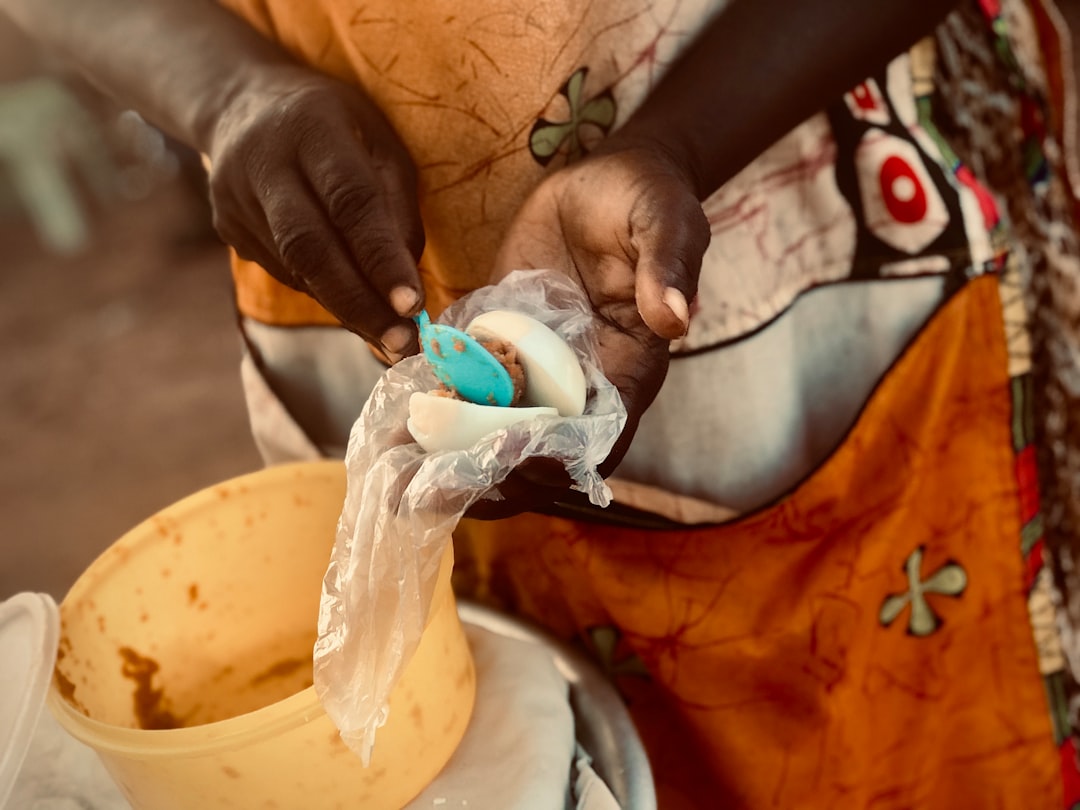
Commissioning a piece here is the whole point of the stop. A full adult cloth in rayon typically runs GHS 800-2,000, while silk-blend pieces with intricate patterns like Adweneasa or Sika Futuro can climb past GHS 3,000, and weavers will often finish a custom length within a few days if you are staying nearby. Bring cash in smaller denominations and expect to negotiate, respectfully and without rushing the exchange.
Manhyia Palace Museum
Royal regalia and the living court of the Asantehene
The British colonial government built the original Manhyia Palace in 1925 for Asantehene Prempeh I, returning from exile in the Seychelles, and the building now serves as a museum while the current Asantehene, Otumfuo Osei Tutu II, resides next door in the newer palace. That proximity is part of the draw: this is not a dead monument but the working seat of a monarchy that still governs Ashanti custom today.
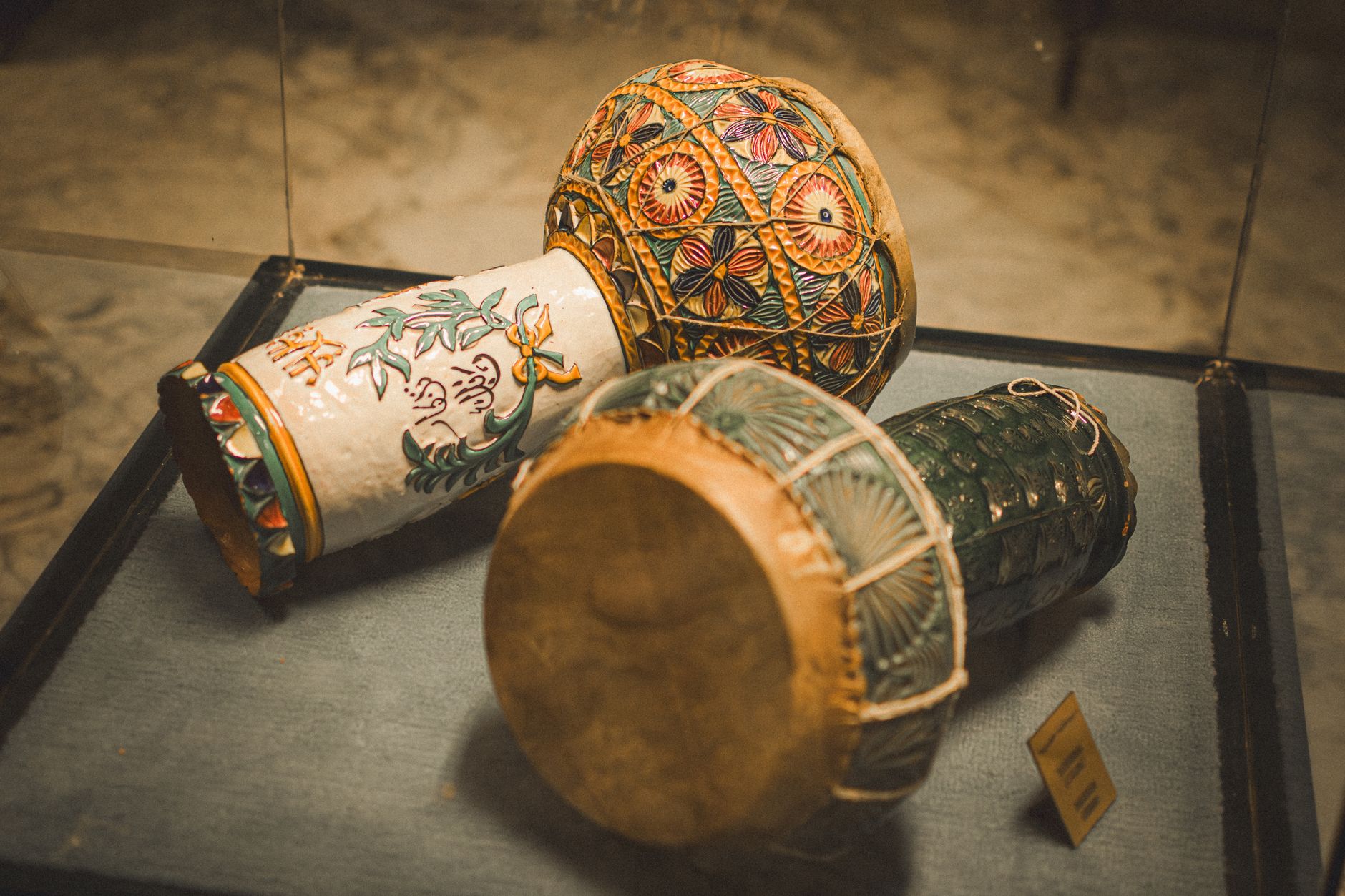
Inside, guided tours (entry is guide-led only, no wandering solo) move through rooms of ceremonial swords, gold ornaments, drums, and the great state umbrellas called kyinie, alongside wax-figure tableaux recreating episodes from Ashanti history including the 1900 war led by the warrior queen Yaa Asantewaa. Photography is restricted in several rooms, so ask your guide before raising a camera.
The museum generally opens Tuesday through Saturday, roughly 9:00 to 17:00, with entry fees in the range of GHS 20-40 as of recent visits; expect these to shift, and check ahead if you are timing a visit around a Sunday or public holiday when hours can be reduced.
Kumasi Central Market and Kejetia
The cloth alley, the bead sellers, and the fastest way to feel the city's pulse
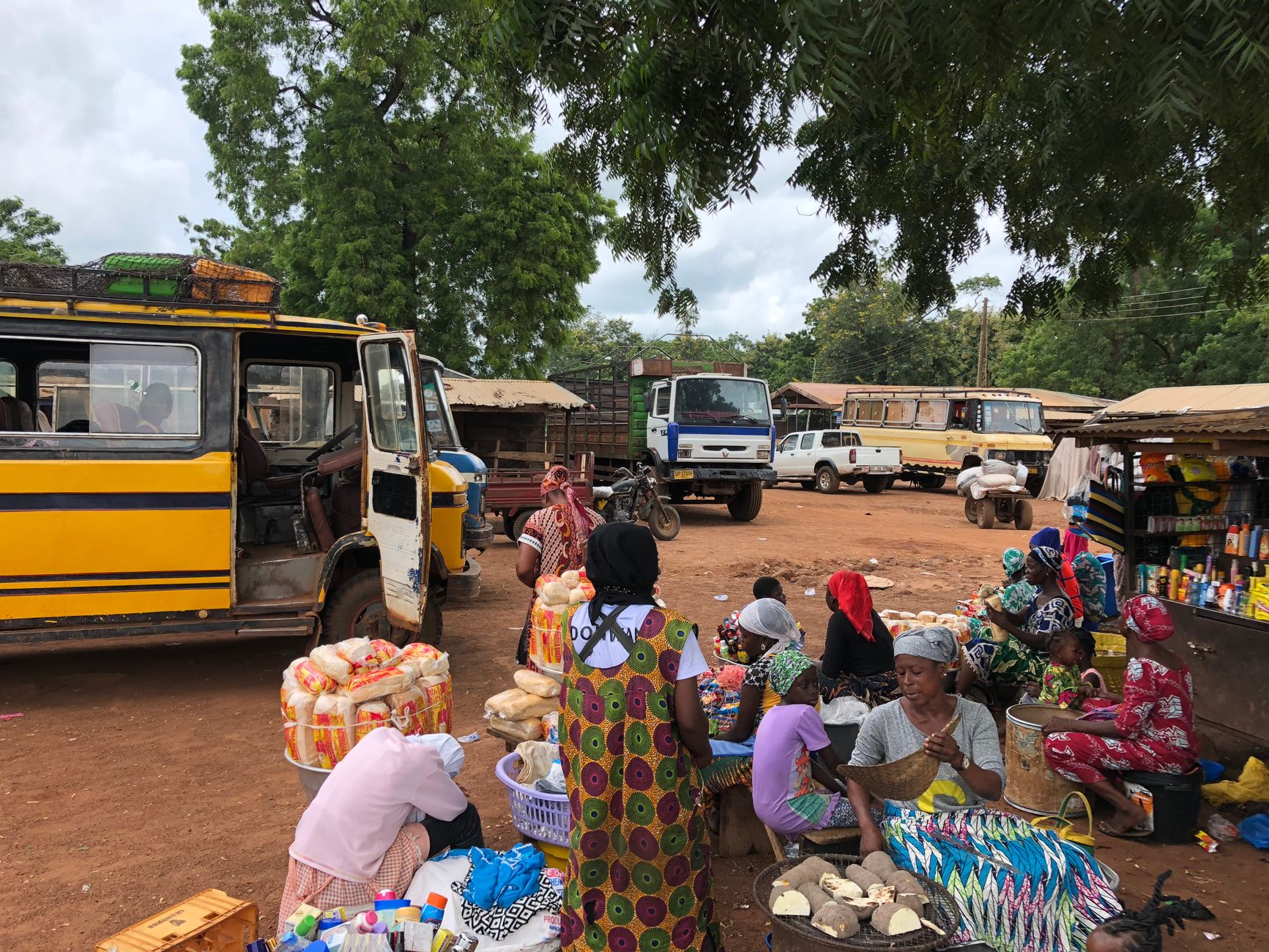
Kejetia's rebuilt circular market hall and the sprawling Kumasi Central Market around it form one of the busiest trading grounds in the region, and mornings from about 6:00 to mid-morning are when the aisles are at their most alive, before the midday heat thins the crowds slightly.
Head for the cloth section for kente offcuts and remnant strips, sold far cheaper than commissioned pieces, typically GHS 50-150 for a strip depending on width and thread. Adinkra-stamped fabric, wax prints, calabashes and glass beads fill neighboring rows, and the noise, color and sheer density of stalls make this the best possible warm-up before the quieter villages.
A local guide earns their keep here, both for navigation and for translating price negotiations in Twi. Several Kumasi-based tour operators and hotel concierges, including staff at the Golden Tulip Kumasi City, can arrange a market walk with a driver for a few hours.
Adanwomase Kente Weaving Centre
A cooperative village where visitors sit down at the loom themselves
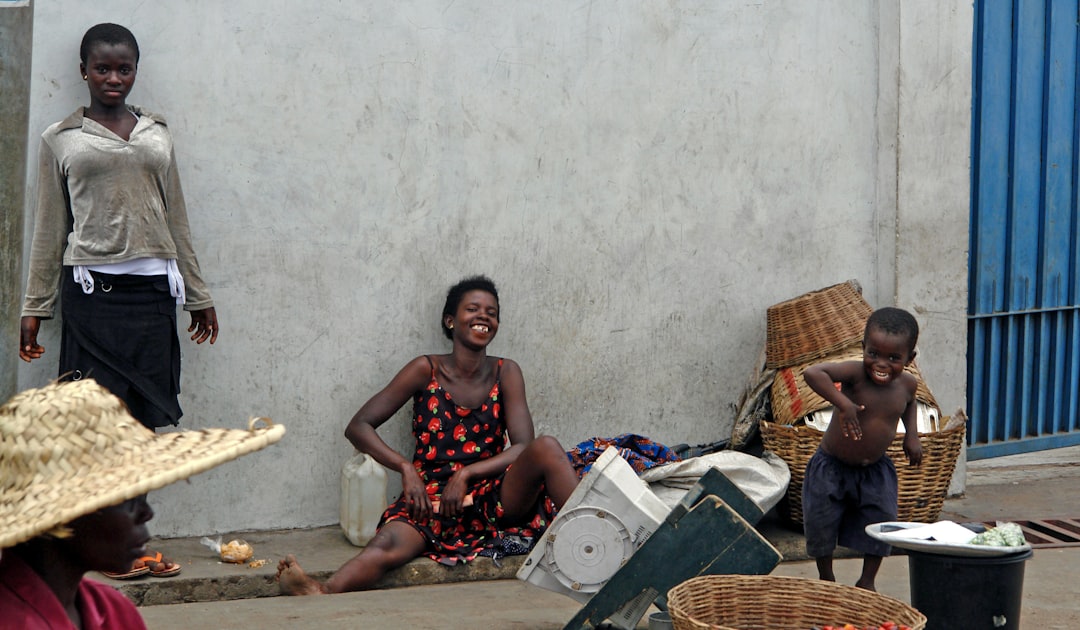
About 5 km past Bonwire, Adanwomase runs a more structured, community-managed visitor program than its more famous neighbor, built around a weavers' cooperative rather than individual roadside stalls. The drive from central Kumasi takes roughly 40-45 minutes.
This is the stop for travelers who actually want to try weaving rather than just watch it. A short lesson, usually an hour or two at a loom under a weaver's guidance, costs somewhere in the GHS 50-100 range including a small keepsake sample. A modest on-site museum walks through pattern history before you sit down.
Cloth sold through the cooperative shop tends to carry more consistent, posted pricing than the individual negotiations of Bonwire, which some travelers find easier, and others find less fun.
Ntonso
Where symbols are stamped, not woven, and every mark has a meaning
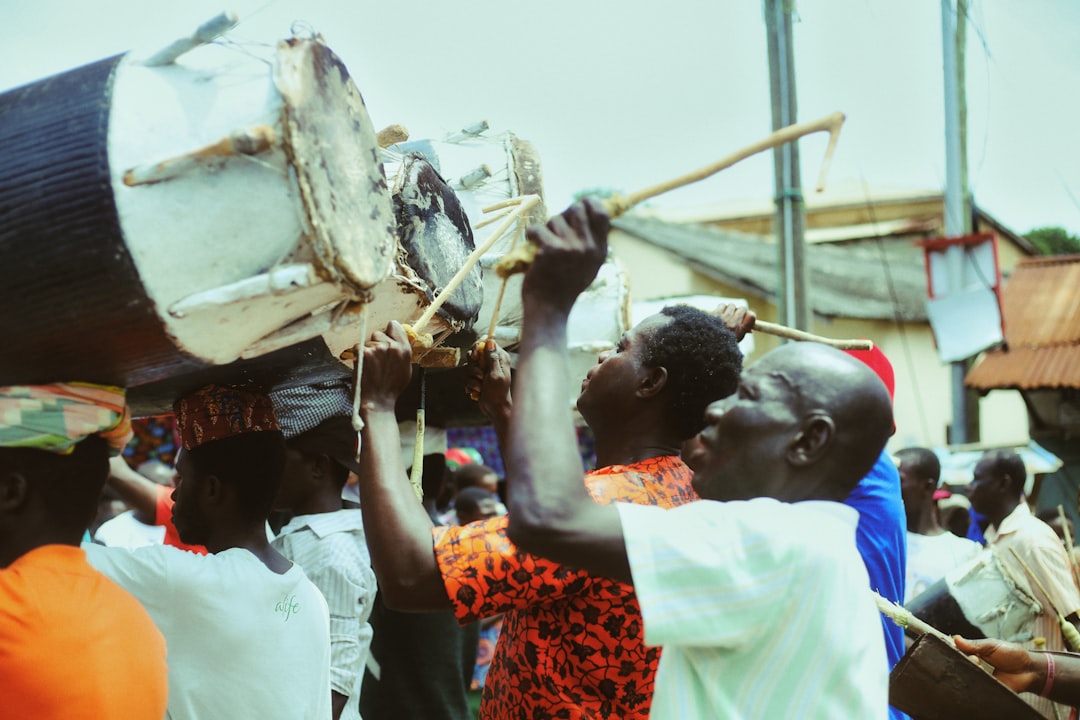
Roughly 20 km north of Kumasi, Ntonso is where Ashanti adinkra symbols get their fabric form. Craftsmen carve stamps from pieces of calabash gourd, dip them in ink boiled from the bark of the badie tree, and press them by hand onto plain cotton in tight, deliberate rows.
Visitors can stamp their own cloth here, usually for GHS 30-60 for a scarf-sized piece, and the artisans will explain the meaning behind symbols like Gye Nyame (the supremacy of God) and Sankofa (returning to fetch what was left behind), which turns the souvenir into something closer to a small education.
Ntonso pairs naturally with Bonwire on the same loop day, since both sit off the same general road out of Kumasi, roughly 20-30 minutes apart by car.
Cordelie travel advisors
Go with someone who knows
The right suite, the right season, the reservations that never appear online — your Cordelie advisor knows them, and holds them for you.
Plan with a Cordelie advisorFree to ask. Cordelie Travel Services · IATA/ARC 06649064
Ahwiaa
The woodcarving village of Ashanti stools, staffs and talking drums
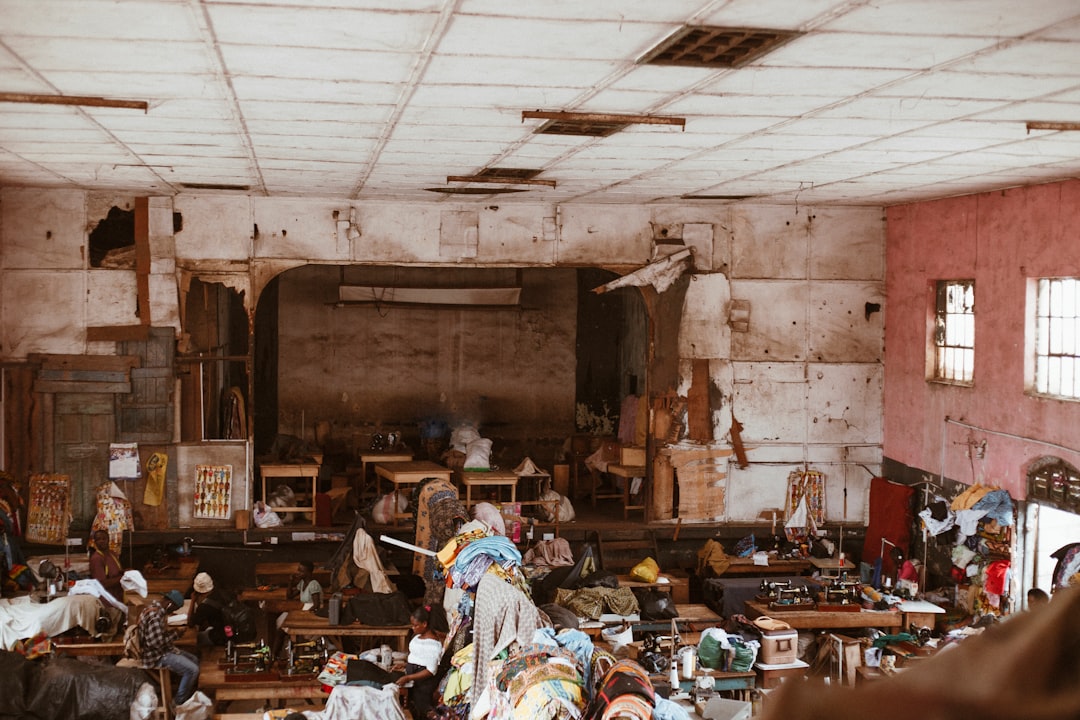
About 10 km north of the city on the Kumasi-Mampong road, Ahwiaa's roadside workshops are stacked with the carved wooden stools, called asesedwa, that carry deep meaning in Ashanti tradition, along with talking drums and ceremonial staffs.
Carvers work in the open, using adzes and hand chisels on hardwoods, and will happily explain which stool shapes historically belonged to which social status. A mid-size stool typically costs GHS 150-400 depending on wood type and finish, and vendors here are generally used to arranging shipping for larger pieces, though it is worth confirming costs and timelines before you commit.
National Centre for Culture, Kumasi
A one-stop craft village and museum inside the city itself
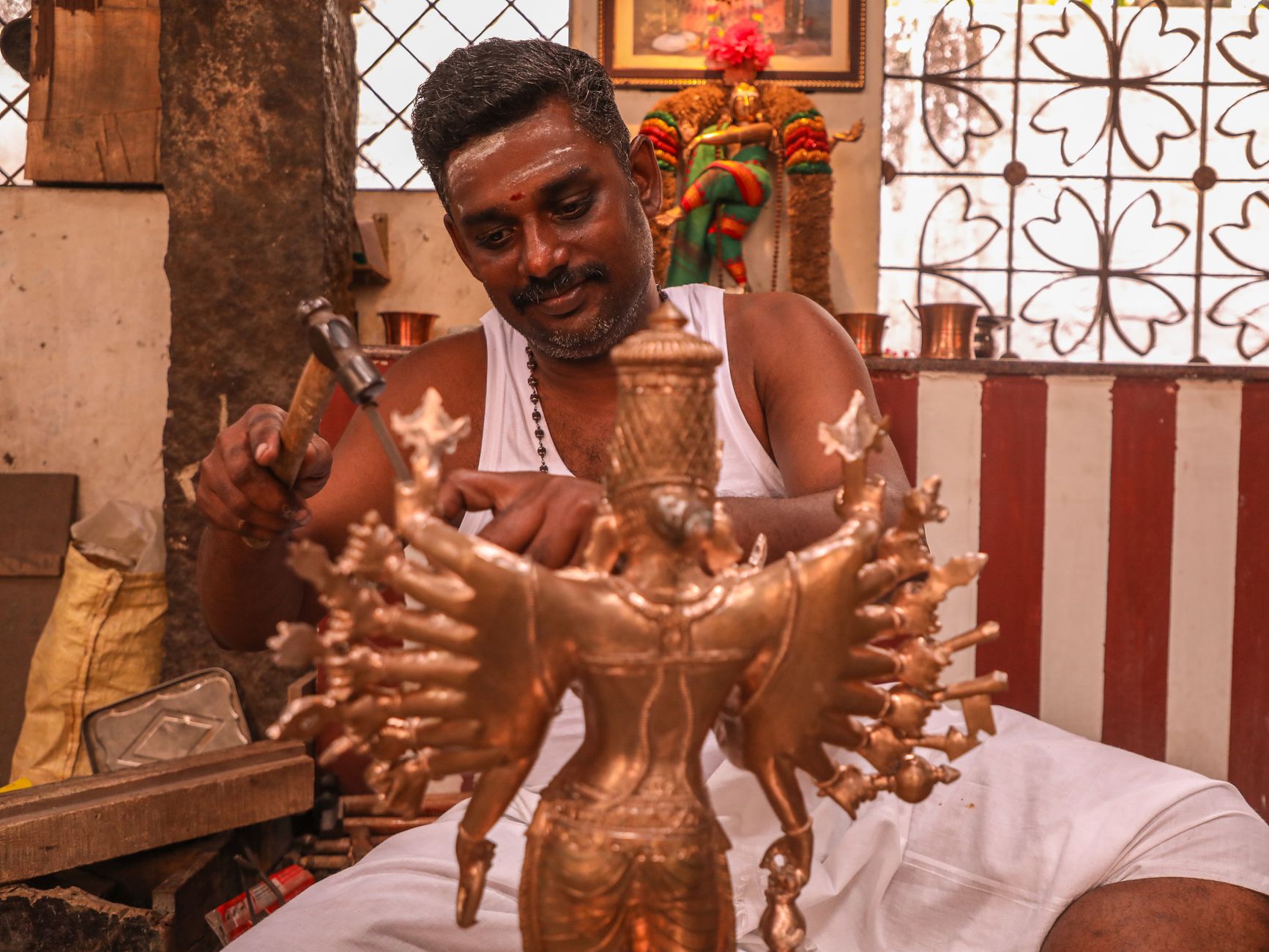
For travelers short on time, the National Centre for Culture compound in central Kumasi packs a version of the whole trail into one site: workshops for lost-wax brass and bronze casting, pottery, woodcarving and kente sit alongside the Prempeh II Jubilee Museum's collection of Ashanti regalia and gold weights.
It generally opens Monday through Saturday, roughly 9:00 to 17:00, with a modest entry fee in the GHS 10-20 range. It works best either as an orientation before heading out to the villages, or as a last-minute stop for fixed-price souvenirs if the villages did not have exactly what you wanted.
“A weaver in Bonwire doesn't just make cloth, he tells you who is allowed to wear which pattern, and why. Buy from the loom, not just the stall out front.”
Beyond the Loom: Ejisu, Pankrono and Lake Bosomtwe for a Fuller Ashanti Picture
Ejisu, about 20 km southeast of Kumasi, is the historic seat of Yaa Asantewaa, the queen mother who led Ashanti forces against the British in 1900, and its shrine and small museum reward anyone who wants the region's history alongside its textiles rather than instead of them. Pankrono, on Kumasi's own northern outskirts, is where potters still hand-build cooking vessels and ceremonial pots from local clay without a wheel, a craft that gets far less tourist attention than kente but is no less rooted in daily Ashanti life. Lake Bosomtwe, a crater lake about 30 km south of Kumasi, is not a craft stop at all, but it is the natural place to unwind for an afternoon after a dusty day of village-hopping, with lakeside spots for a simple grilled tilapia lunch.
The Manhyia Palace calendar runs on the Akan forty-two-day cycle, and the Akwasidae festival, held roughly every six weeks, can mean either a rare public ceremony worth witnessing or a day when normal museum tours are suspended, depending on the year's schedule. Getting the timing right, and getting word ahead to the right contact at the palace, is exactly the kind of detail a Cordelie travel advisor can confirm before you book flights.
The same goes for commissioning larger kente pieces. A custom cloth that takes a Bonwire weaver a week to finish is not something you can simply pick up on your way to the airport, and an advisor who has already built relationships with specific weavers and cooperatives can arrange production timing, payment and shipping so the piece is ready, or safely on its way home, before you leave.
Top Pick: Bonwire
The birthplace-by-legend of kente, and still the single best place in Ghana to watch, learn and commission the craft directly from a weaver.
Everything else on this list has its own pull, but Bonwire is where the trail's whole purpose comes together: a working village, a living tradition, and a direct line from loom to buyer with no middleman in between.
Go early in the day, plan to spend at least two to three hours, and set aside cash for a commission rather than treating it as a quick photo stop; the weavers here are craftsmen first, and the visit rewards travelers who treat it that way too.
Last checked for accuracy: . How we check

Sarah Chen has covered Asia for twelve years, first as a wire reporter in Jakarta and now from Singapore, where she keeps a standing list of the region's most misunderstood destinations. She writes about the distance between what a place is famous for and what it is actually like to spend a week in — and is happiest on an overnight train with a bad seat and a good view.