
The Wachau Valley: A River-Cruiser's Guide to the Danube's Prettiest Stretch

Where the Danube Turns to Poetry: Sailing the Wachau Valley
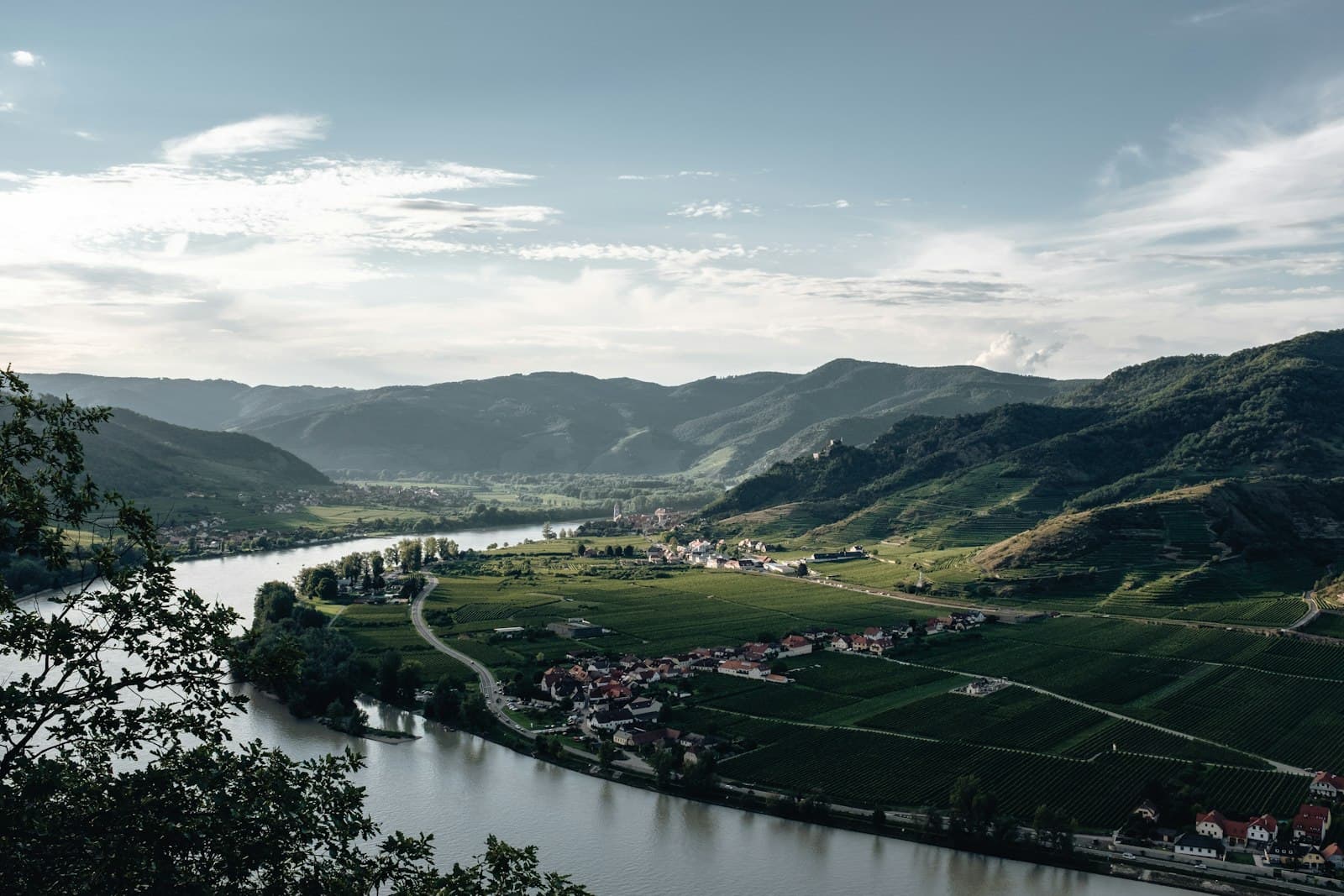
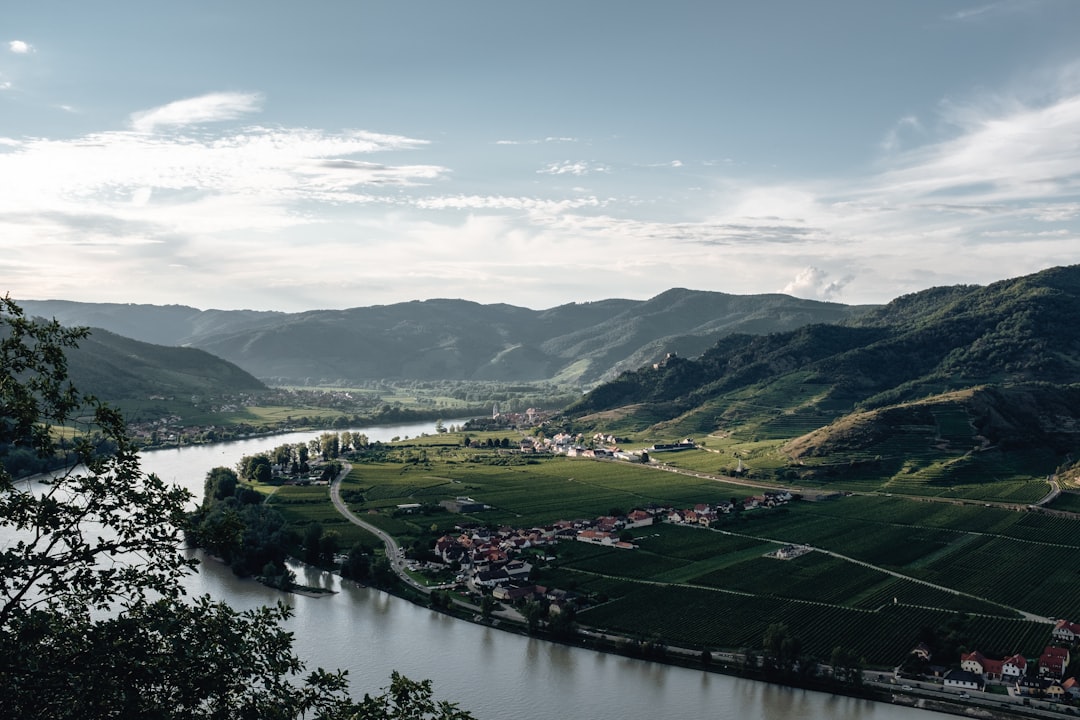
There's a stretch of the Danube, roughly 33 kilometers between Krems an der Donau and Melk, where every river cruiser on the top deck stops talking. Vineyard terraces rise in tight rows from the water's edge. Apricot orchards blanket the hillsides in white blossom come spring. A Baroque abbey the color of butter cream sits on a bluff, and a ruined castle where Richard the Lionheart was once held prisoner watches over a village so small you could walk its length in ten minutes. This is the Wachau, and if you're planning a Danube river cruise, it is very likely the single afternoon your itinerary was built around.
What sets the Wachau apart from other pretty river stretches in Europe isn't just the scenery, though it earns every superlative thrown at it. It's that the valley is compact enough to see well in a single day, and interesting enough that most cruise lines build in a full docked day at Krems or Dürnstein rather than just sailing past. You get the scenic cruising and the shore time, which is rare on a river itinerary that otherwise moves you along every twelve hours.
Wachau Valley Quick Facts
Spring Blossoms and Golden Harvests: When to Catch the Wachau at Its Best
Spring is the valley's quiet showpiece. The Wachauer Marille apricot orchards blossom in a pale wash of white and pink from late March into mid-April, and by May the vine rows have greened up on their stone terraces, giving the hillsides a corduroy texture you can pick out clearly from the river. Daytime temperatures typically sit between 15-20°C in April and May, cool enough for a comfortable walk up to Dürnstein's castle ruins without breaking a sweat, and cruise decks aren't yet packed the way they can be in July.
Most Danube river cruise lines schedule their Wachau-focused sailings from April through October, since the river's water levels and the region's outdoor excursions depend on it. Late September and early October bring the grape harvest, when Grüner Veltliner and Riesling vines turn amber and the wine villages fill with the smell of pressing. Between these two windows, midsummer is warmer and greener but busier on the water and in Dürnstein's narrow lanes; winter sailings are rare on this leg since most of the region's wine taverns and abbey tours scale back or close between November and March.
Cordelie travel advisors
Go with someone who knows
The right suite, the right season, the reservations that never appear online — your Cordelie advisor knows them, and holds them for you.
Plan with a Cordelie advisorFree to ask. Cordelie Travel Services · IATA/ARC 06649064
From Melk's Golden Abbey to Dürnstein's Blue Church: The Valley's Must-See Stops
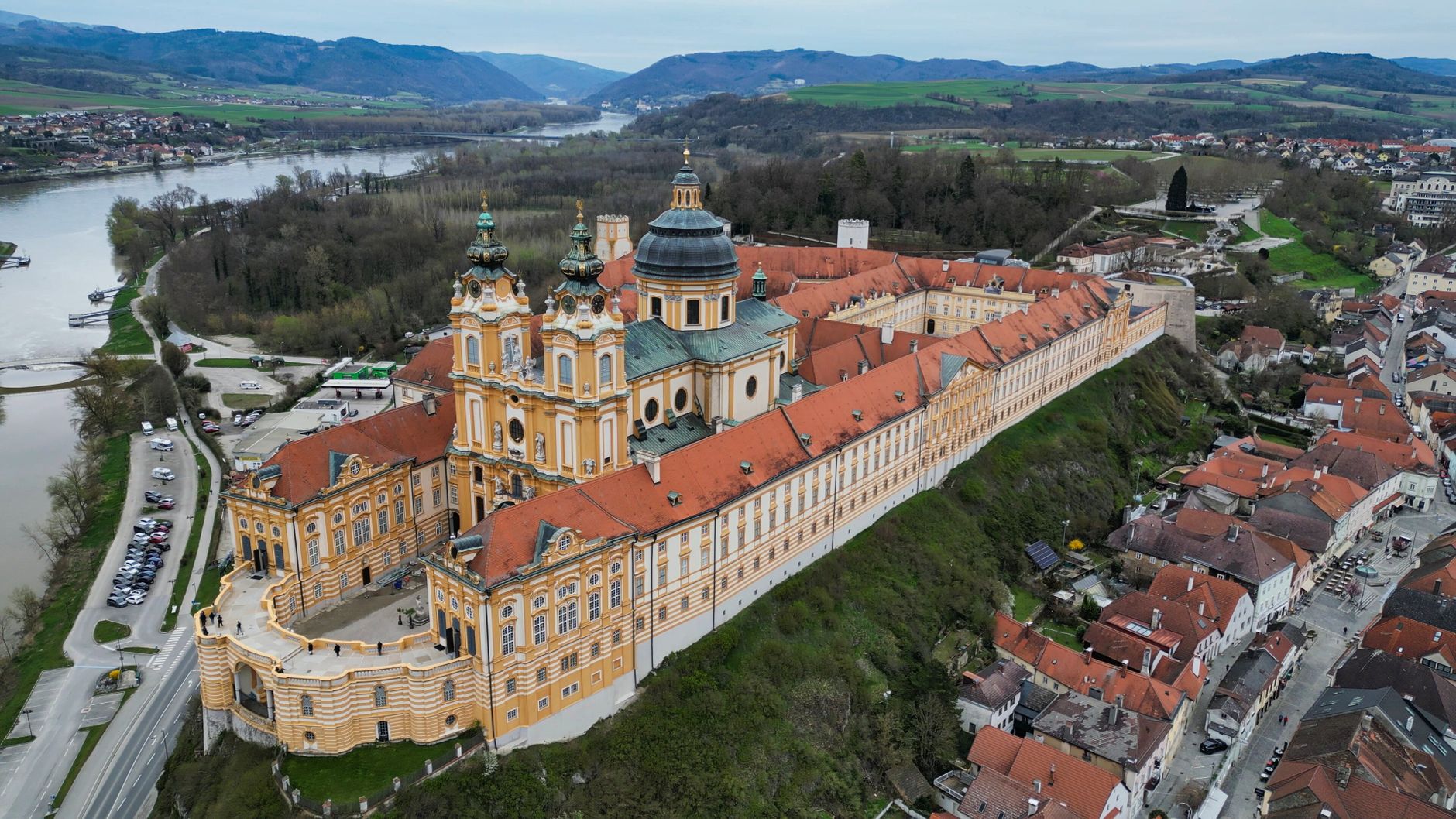
Melk Abbey (Stift Melk) is the valley's grand set-piece, a Benedictine monastery founded in 1089 and rebuilt in its current Baroque form in the early 1700s. Its terrace, library and marble hall are open to visitors most days from around 9:00am to 5:00pm between April and October, with guided or self-guided tours running roughly €13-16 per adult (2025 pricing). Nearly every major river cruise itinerary that docks at Melk includes an abbey tour as part of the fare, so you rarely need to book it separately, though it's worth confirming with your cruise line whether the visit is included or optional.
Dürnstein is the postcard stop, and deservedly so. The village's blue-and-white Baroque church tower, the Kollegiatstiftskirche, sits below the ruins of Dürnstein Castle, where Richard the Lionheart was imprisoned in 1192-93 after his return from the Crusades. The climb to the ruins takes about 20-30 minutes on a rough but manageable path from the village center; there's no entry fee, but sturdy shoes matter more than a stroller here, since the trail is uneven and unsuitable for wheels. Down at river level, the village's single main street is walkable in minutes and lined with heurigen, the local wine taverns, where you can taste Riesling and Grüner Veltliner by the glass for roughly €4-7.
Between Dürnstein and Melk, the villages of Weissenkirchen and Spitz reward a closer look if your cruise offers a shore excursion or you have a free afternoon. Weissenkirchen is home to Domäne Wachau, one of the region's best-known wine estates, where tastings typically run about €12-20 for a flight of three to five wines. Spitz sits beneath the terraced Tausendeimerberg vineyard, whose name translates loosely as 'thousand-bucket hill,' a nod to its once-legendary yield.
The Wachau's Signature Views
Basing Yourself Aboard or Ashore: Where to Sleep Along the Wachau
Most visitors to the Wachau see it from a riverboat cabin, and the choice there matters more than people expect. Balcony or French-balcony cabins on the upper decks of ships from Viking River Cruises, AmaWaterways, and Uniworld Boutique River Cruises are worth the upgrade for this specific leg, since you'll want to step outside as the ship threads past Dürnstein without missing the view to a dining room window. Uniworld's S.S. Maria Theresa and AmaWaterways' AmaCerto and AmaLucia are among the ships that regularly sail this stretch with a full docked day at Krems, giving passengers time ashore before an afternoon scenic sail to Melk.
If you're extending your trip on land, Krems an der Donau makes the most practical base. It's a real working town rather than a cruise-stop village, with rail connections to Vienna in about an hour, and hotels like the Hotel am Kunstmeile Krems or the Steigenberger Hotel & Spa Krems putting you within a 10-15 minute walk of the historic Steiner Landstraße. For a smaller-scale stay inside the valley itself, guesthouses in Dürnstein and Weissenkirchen — many attached to working wineries — let you wake up inside the postcard rather than sailing past it, though most close for the winter and reopen around Easter.
Apricots, Grüner Veltliner, and a Valley That Feeds Itself
The Wachau's food culture is built around two things it grows exceptionally well: apricots and grapes. The Wachauer Marille apricot has its own protected designation, and you'll see it turned into everything from jam to schnapps to Marillenknödel, a dumpling of soft dough wrapped around a whole apricot, boiled, then rolled in buttered breadcrumbs and sugar. It's a dessert in most restaurants but hearty enough to double as a light lunch, and you'll find it on menus in Dürnstein and Krems alike for roughly €9-14.
On the wine side, Grüner Veltliner is the valley's signature grape, dry and peppery, grown on the steep terraced vineyards you'll have watched slide past from the sun deck. Riesling does well here too, particularly on the sun-facing slopes above Dürnstein and Spitz. A heuriger visit is the most authentic way to taste both: these family-run wine taverns serve simple cold platters of cheese, cured meats, and bread alongside the wine, with no pretension and usually no reservation required outside peak weekends.
“You come for the abbey and the castle ruins, and you leave remembering the smell of apricot blossom drifting across the deck as the ship slid past Dürnstein at dusk.”
On Foot, By Bike, or From the Sun Deck: Getting Around the Wachau
The great advantage of seeing the Wachau by river cruise is that you barely need to plan transport at all. The ship does the moving, and most included excursions are walking tours that start right from the gangway. Dürnstein's village center is flat and walkable in minutes, though the path up to the castle ruins is not stroller-friendly. Krems has a longer, gently sloping pedestrian street, Steiner Landstraße, that's manageable with a pram if you skip the side lanes.
For a more active view of the valley, the Danube Cycle Path (Donauradweg) runs the full length of the Wachau on both banks, largely flat and well-signed, and many cruise lines offer a guided e-bike excursion covering the roughly 15-20 km between Krems and Dürnstein or Dürnstein and Spitz. If you'd rather explore independently, the local Wachaubahn train and regional buses connect Krems, Dürnstein, Weissenkirchen, and Spitz in 10-25 minutes between stops, useful if your ship docks overnight and you want a second look at a village on your own schedule.
Three Days on the River: A Sample Wachau Itinerary
Krems Arrival and the Valley's First Vineyard Views
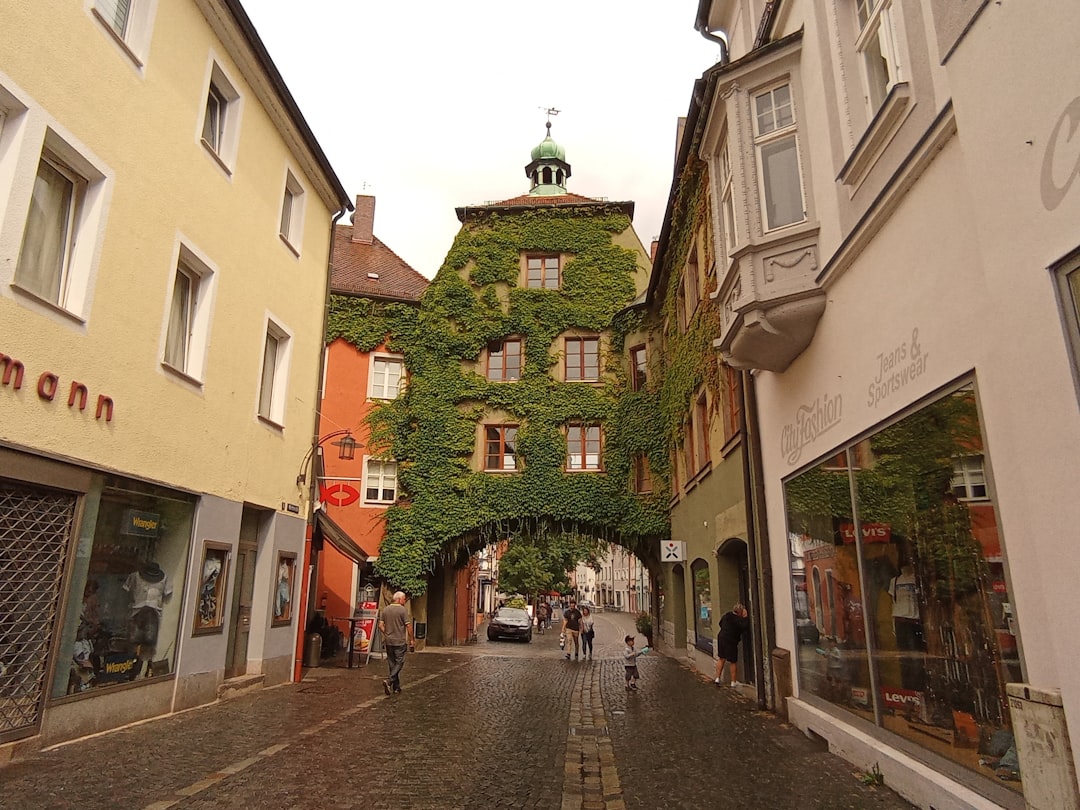
Most Wachau-focused cruises dock overnight or for a full day at Krems an der Donau, giving you an easy first afternoon. Walk the Steiner Landstraße, the town's main pedestrian street lined with Baroque façades, and stop into the Kunsthalle Krems if contemporary art interests you.
In the evening, many ships offer an optional excursion to a nearby heuriger for a Grüner Veltliner tasting with a light supper, typically included or offered for an extra €30-45 depending on the cruise line.
Dürnstein's Castle Ruins and a Weissenkirchen Wine Walk
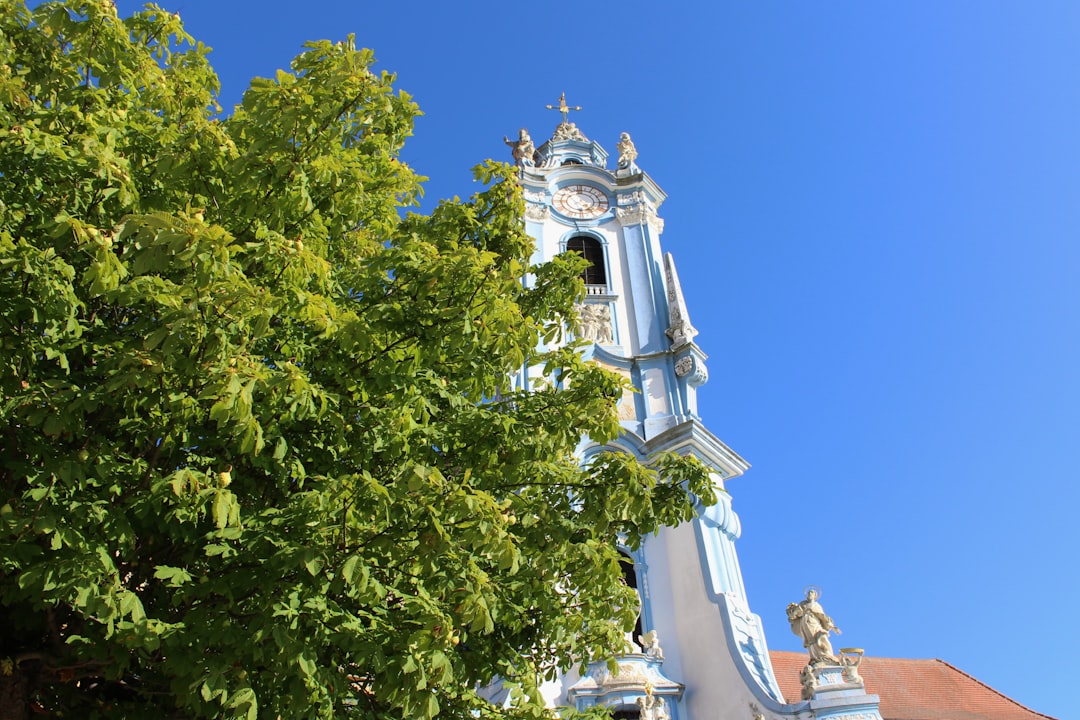
Spend the morning in Dürnstein. Climb the 20-30 minute path to the castle ruins for the valley's best panoramic view, then descend for coffee and a slice of apricot cake at one of the village's small cafés near the blue church tower.
In the afternoon, many cruise lines run a shore excursion by coach or e-bike to Weissenkirchen for a tasting at Domäne Wachau, then reboard as the ship begins its scenic sail toward Melk, the single best hour to be on deck with a camera.
Melk Abbey and the Cruise Downstream Toward Vienna
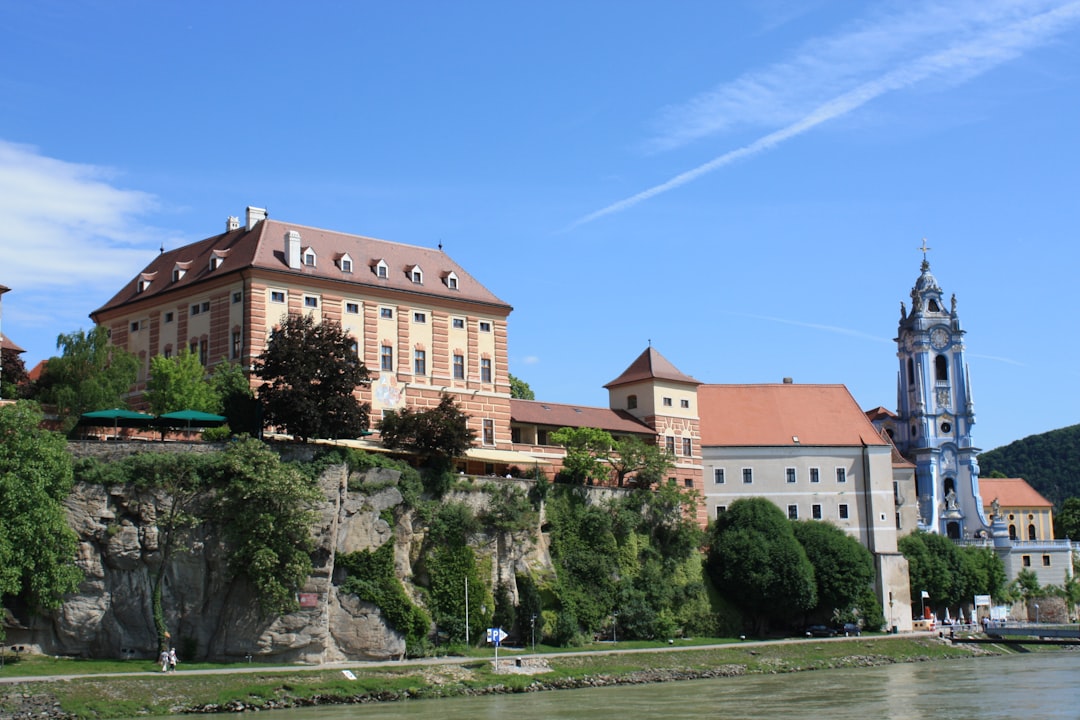
Dock at Melk in the morning for a guided tour of the abbey, usually 90 minutes to two hours including the library and marble hall, before free time to walk the terrace and take in the Danube view from above.
By early afternoon the ship casts off downstream, retracing part of the same scenic stretch in reverse light before continuing on toward Vienna, roughly a further 2-3 hours of sailing depending on your itinerary's next port.
The Wachau rewards travelers who see it slowly, and cabin category, sailing direction, and time of day all change how much of it you actually get. A Cordelie advisor can match you to a sailing where the ship passes Dürnstein in late afternoon light rather than at dawn, secure a balcony cabin on the vineyard-facing side, and arrange a private Domäne Wachau tasting or a Melk Abbey visit timed away from the coach-tour crowds.
It's the difference between watching the valley from a window and having it built around the moments you'd actually want to remember.
The Wachau Valley: At a Glance
The single most rewarding day on most Danube river cruises, and worth building your sailing dates around.
Best for travelers who want dramatic scenery, a real abbey and castle rather than reconstructions, and a wine culture that's easy to taste in an afternoon.
Go in April-May or late September-October for the best vineyard color and the mildest walking weather. Expect a full docked day at Krems or Dürnstein and roughly 3 hours of scenic sailing toward Melk.
Bring comfortable shoes for the Dürnstein castle climb, and don't skip the sun deck when the ship passes the ruins — it's the view the whole trip was planned around.
Last checked for accuracy: . How we check

Priya Raman has spent eleven years testing whether a destination works with a four-year-old, a teenager and a grandparent in the same party. She writes the version of the guide that accounts for nap times and still gets you to the good stuff, and travels from Toronto with a carry-on she can pack in nine minutes.