
The Valley Campaign: A Historical Road Trip Through Shenandoah's Civil War Battlefields

The Valley Campaign: A Historical Road Trip Through Shenandoah's Civil War Battlefields
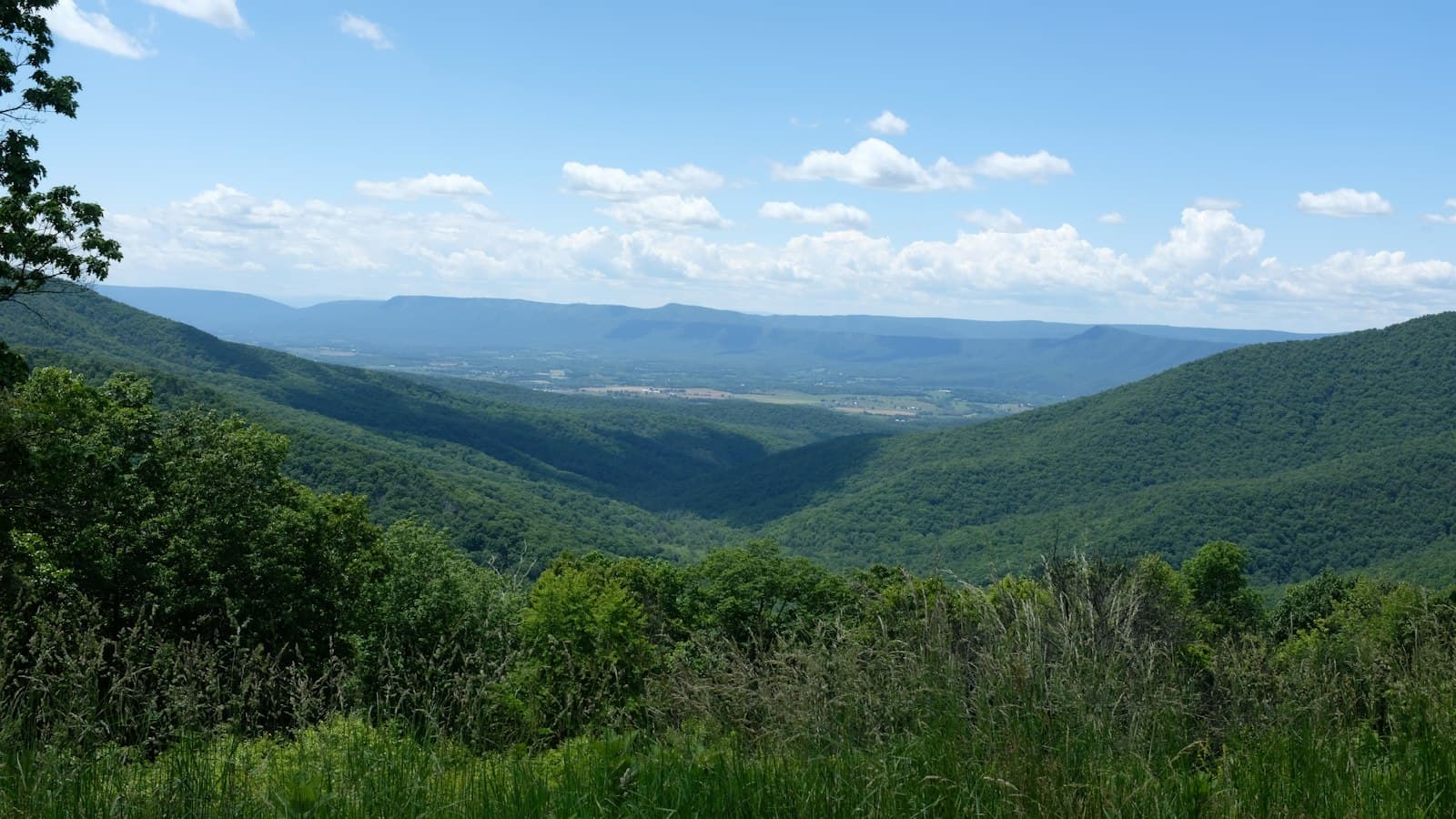
Drive south out of Winchester on old Route 11 in April, and the forty-mile run of the Shenandoah Valley that Stonewall Jackson marched his infantry along in 1862 is lined with dogwood and redbud instead of dust and wagon ruts. The valley did not just host a few skirmishes. Armies fought up and down this same twenty-mile-wide corridor for four years, because whoever held it controlled the fastest route into Washington and the richest wheat country south of Pennsylvania. That single fact explains almost everything you will see on this drive: the earthworks behind a Winchester subdivision, the stone farmhouse at New Market still pocked with musket fire, the limestone mansion at Belle Grove where a general was still asleep when the attack came. This is not a battlefield you visit once. It is a landscape you drive through, and the landscape itself is the argument for why the fighting happened here at all.
Shenandoah Valley Civil War Trail: Quick Facts
Dogwood Blooms and Reenactment Weekends: When the Valley Trail Comes Alive
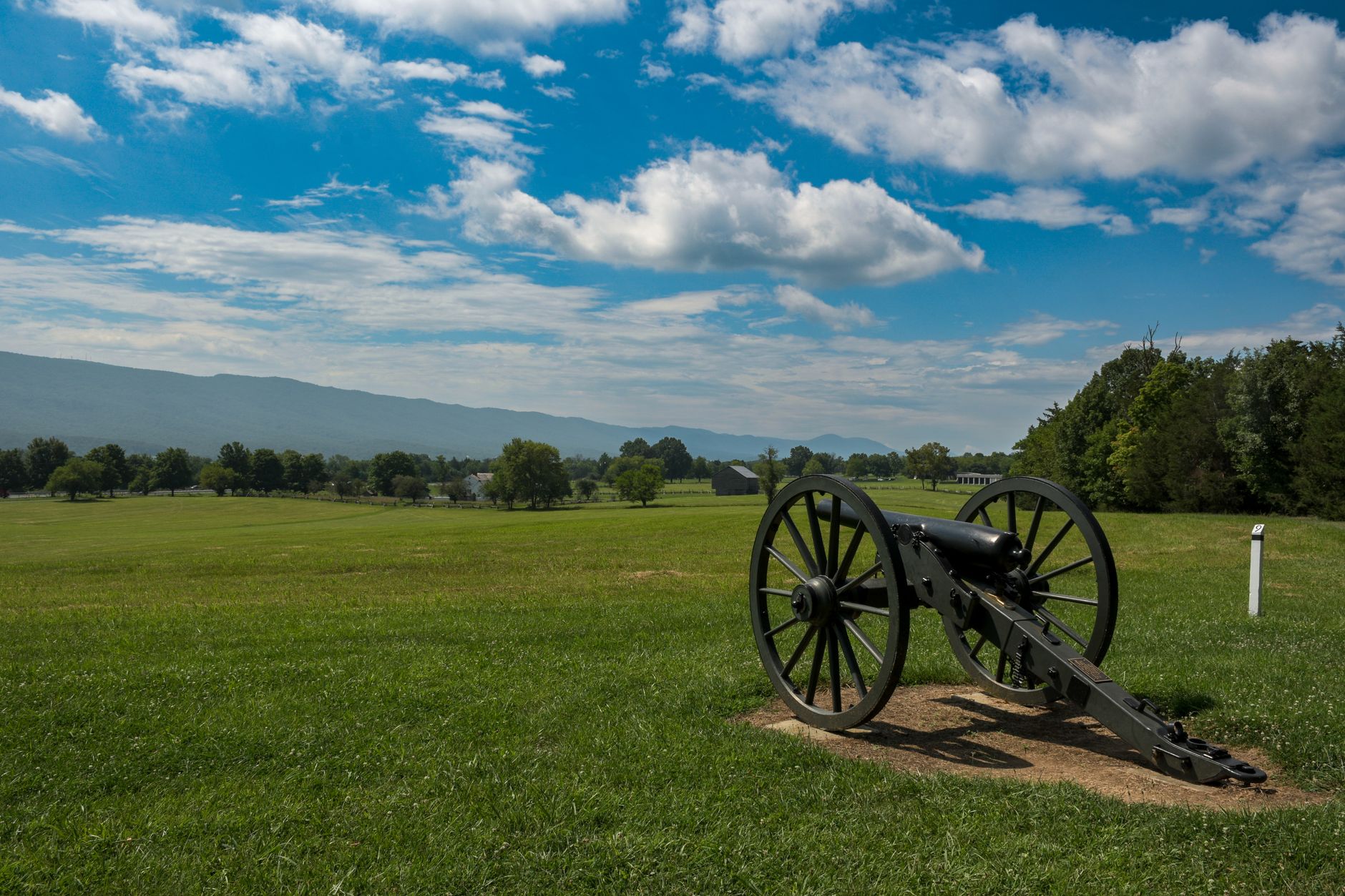
Spring is the season this drive was made for. By mid-April the orchards around Winchester are in bloom, daytime temperatures usually sit in the 60s and low 70s Fahrenheit, and the fields at New Market and Cedar Creek look close to how they did on the days of battle, before summer corn grows chest-high and blocks the sightlines. The Battle of New Market anniversary weekend, held on or near May 15, brings living-history camps and a battle demonstration to New Market Battlefield State Historical Park, with cadets from Virginia Military Institute often taking part in the commemoration since the school's own students fought there in 1864.
Autumn is the other sweet spot, when the Cedar Creek Battlefield Foundation typically stages its anniversary reenactment on the Belle Grove grounds near the October 19 date of the actual 1864 battle, and the ridgelines above Front Royal and Luray turn orange and red through late October. Summer works if you don't mind humidity and haze that can blur the long valley views; winter is the quiet season, with several smaller sites reducing hours or closing outright, so call ahead if you're planning a January or February trip.
Cordelie travel advisors
Go with someone who knows
The right suite, the right season, the reservations that never appear online — your Cordelie advisor knows them, and holds them for you.
Plan with a Cordelie advisorFree to ask. Cordelie Travel Services · IATA/ARC 06649064
From the Bushong Wheat Field to Belle Grove: The Stops Worth the Detour
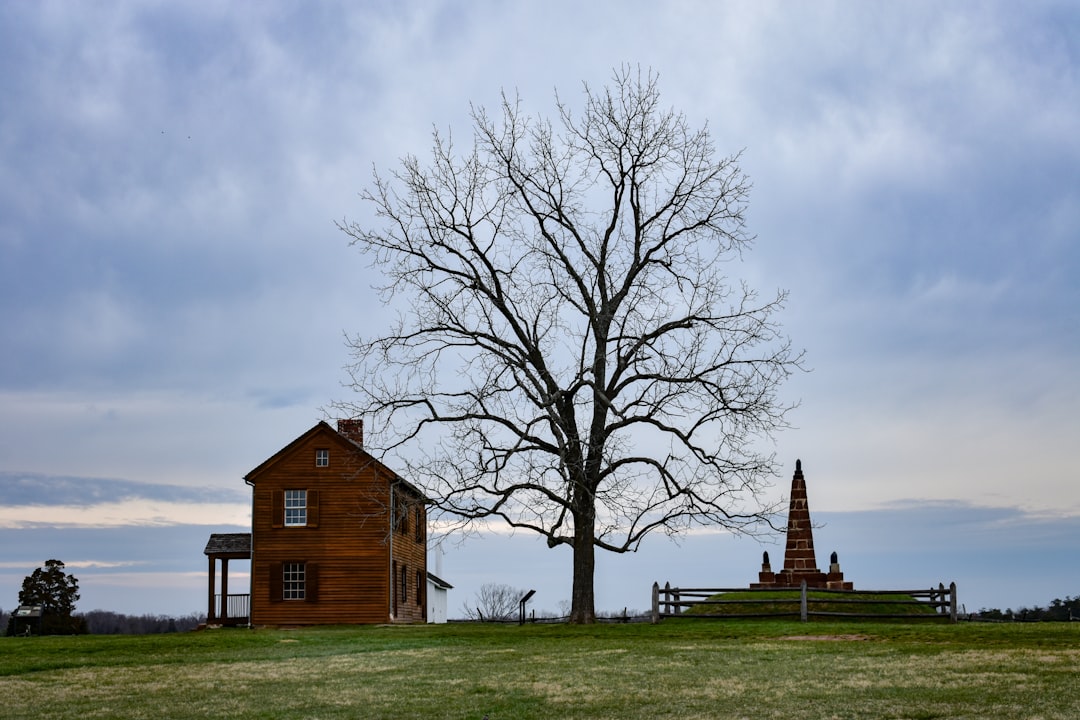
New Market Battlefield State Historical Park, just off I-81 exit 264, centers on the Bushong family's farmhouse and the wheat field the Virginia Military Institute cadets crossed under fire on May 15, 1864. Ten cadets died in that charge, a detail the park's Hall of Valor Civil War Museum lays out with unusual restraint, letting the farmhouse's bullet-scarred siding do most of the talking. The visitor center and museum are typically open daily, roughly 9am to 5pm, with adult admission in the $10-12 range as of recent seasons; budget about 90 minutes if you want to walk the interpretive trail across the field itself.
Twenty miles north, Belle Grove Plantation anchors the Cedar Creek Battlefield, a National Historical Park unit near Middletown. The 1797 limestone mansion served as Union general Philip Sheridan's headquarters, and it was here, at first light on October 19, 1864, that Jubal Early's Confederates nearly caught the Federal army asleep. House tours run seasonally, generally spring through fall, Wednesday to Sunday, with admission in the $10-15 range; the surrounding fields are open for self-guided walking year-round, free of charge, and the driving tour brochure at the visitor kiosk is worth picking up before you set off.
In Winchester itself, a town both armies kept returning to for four years, start at Stonewall Jackson's Headquarters Museum on Braddock Street, the modest Gothic Revival house where Jackson spent the winter of 1861-62 planning the campaign that would make his name. It keeps seasonal hours, usually April through October, Thursday to Monday, roughly 10am to 4pm, admission around $5-8. A short drive across town, the Museum of the Shenandoah Valley occupies the Glen Burnie estate and pairs a serious regional Civil War collection with formal gardens that are especially good in May; admission runs about $10-14 and covers both house and grounds.
Along the Trail
Bunking Down Between Battles: Where to Sleep From Winchester to Lexington
In Winchester, the George Washington Hotel, a restored 1924 property now run as a Wyndham Grand, puts you a five-minute walk from the Old Town pedestrian mall and the Winchester-Frederick County Visitor Center; expect nightly rates in the $150-220 range depending on season. If you'd rather stay closer to the countryside, L'Auberge Provençale in nearby White Post is a French-country inn with a well-regarded dining room, running closer to $200-300 a night.
Near Cedar Creek, the Wayside Inn in Middletown has been taking in travelers since 1797, which means the building itself predates the battle fought a few hundred yards away; rooms typically run $130-180. Around Staunton and Lexington, the Blackburn Inn, a converted 1825 hospital building in Staunton, and the Llewellyn Lodge, a bed-and-breakfast a short walk from VMI's parade ground in Lexington, both make sensible bases for the campaign's southern half, generally $150-250 and $130-180 a night respectively. Book reenactment weekends well in advance; rooms within a 20-minute drive of New Market or Cedar Creek can sell out weeks ahead of the mid-May and mid-October events.
Apple Butter, Country Ham, and How the Valley Remembers the War
This is Virginia ham and apple butter country, and the food follows the terrain more than any single culinary tradition. Rowe's Family Restaurant in Staunton has been serving fried chicken, biscuits, and country ham since 1947, in a building that predates the interstate exit now feeding it customers. The Wayside Inn's dining room in Middletown leans into its colonial-era address with peanut soup and Smithfield ham, a menu that would not have surprised the soldiers who camped nearby in 1864.
The wine and cider side of the valley has grown fast in the last two decades: CrossKeys Vineyards near Mount Crawford and Bluestone Vineyard near Bridgewater both sit within a short detour of the Harrisonburg leg of this drive, and both pour tasting flights in the $12-18 range most afternoons. As for how locals hold the war's memory, it is neither triumphant nor apologetic in most of the towns along this route; battlefield markers tend toward plain fact over rhetoric, and the National Park Service and state historical park staff at both New Market and Cedar Creek are generally direct about the war's causes when you ask.
“The valley was fought over more than almost any comparable stretch of American ground, and it shows: every fence line, every mill race, still has a story attached to it if you know where to stop.”
Running the Valley Pike: How to Drive This Trail Without Missing a Turn
The whole route tracks Interstate 81 south from Winchester, with Route 11, the historic Valley Pike, running parallel and closer to the actual ground where troops marched. Use I-81 for speed between towns and drop onto Route 11 whenever a battlefield sign appears; the difference in drive time is usually only 5-10 minutes. Winchester to Middletown (Cedar Creek) is about 20 miles, roughly 25-30 minutes; Middletown to New Market is about 40 miles, closer to 45 minutes; New Market to Harrisonburg is another 20 miles, and Staunton to Lexington runs about 35 miles, roughly 40 minutes on I-81.
A rental car is the only realistic way to cover this ground; there is no rail service down the valley and bus connections between the small towns are sparse. If you're flying in, Washington Dulles is the most convenient gateway, about 75 miles and 90 minutes from Winchester via Route 7 and Route 340. Cell coverage is generally reliable along I-81 but can drop out on some of the rural approach roads to Cedar Creek and Port Republic, so download offline maps before you leave Winchester.
Three Days on the Valley Campaign Trail
Winchester — A Town Both Armies Kept Coming Back For
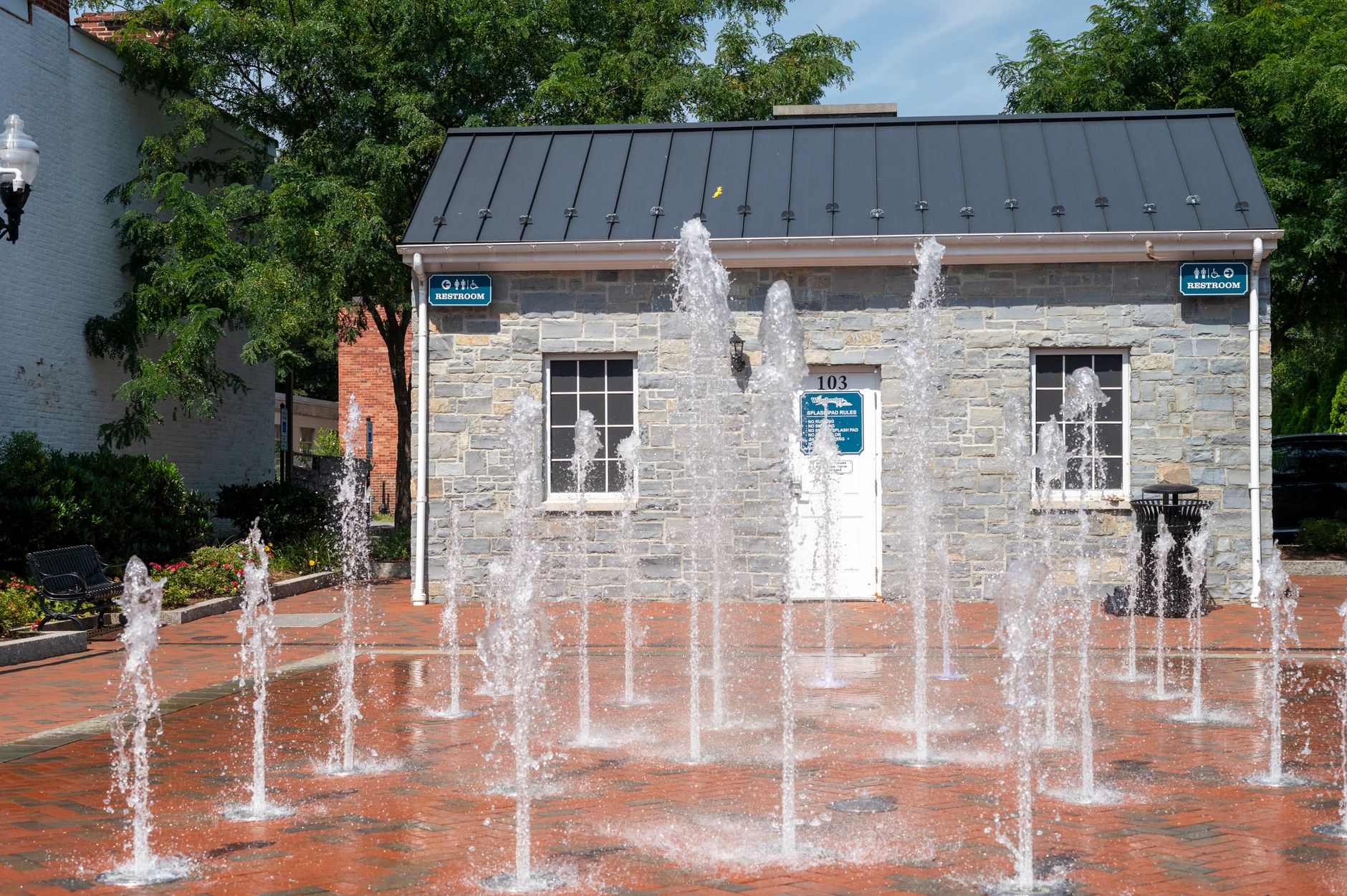
Spend the morning in Old Town Winchester, starting at Stonewall Jackson's Headquarters Museum on Braddock Street before walking the pedestrian mall for coffee at one of the small storefront cafes.
In the afternoon, drive 10 minutes to the Third Winchester Battlefield (Opequon) preservation area, where the Shenandoah Valley Battlefields Foundation maintains walking trails across ground fought over on September 19, 1864.
Close the day at the Museum of the Shenandoah Valley on the Glen Burnie estate, then have dinner at Cork Street Tavern, a historic pub in a former 19th-century warehouse a few blocks from the mall.
Cedar Creek to New Market — Down the Valley Pike
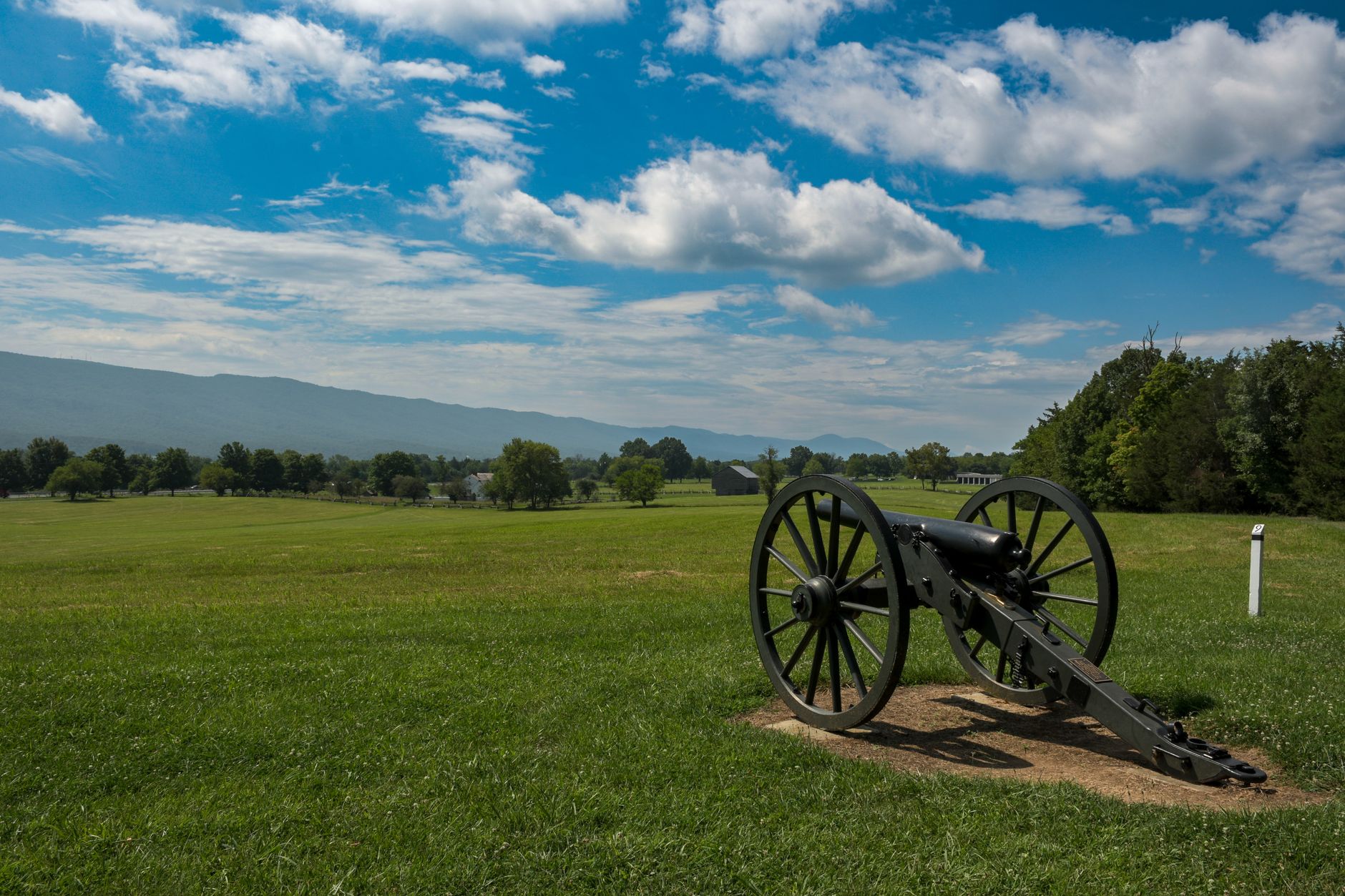
Leave Winchester on Route 11 south and reach Belle Grove Plantation and the Cedar Creek Battlefield within about 25-30 minutes; allow at least two hours for the mansion tour and a walk of the dawn-attack route.
Have lunch at the Wayside Inn in Middletown, then continue south on I-81 to New Market Battlefield State Historical Park, roughly 40 miles and 45 minutes further.
Walk the Bushong farm trail before the Hall of Valor Museum closes for the day, typically around 5pm, then settle into Harrisonburg or New Market for the night.
Port Republic to Lexington — Following Jackson South
Head toward Port Republic and Cross Keys, quieter sites from Jackson's 1862 campaign where a few state historical markers do most of the interpreting; the fields themselves remain largely agricultural and unmarked by a large visitor center.
In Staunton, about 25 miles south, stop at the Frontier Culture Museum for context on the valley's pre-war settler communities before continuing on to Lexington.
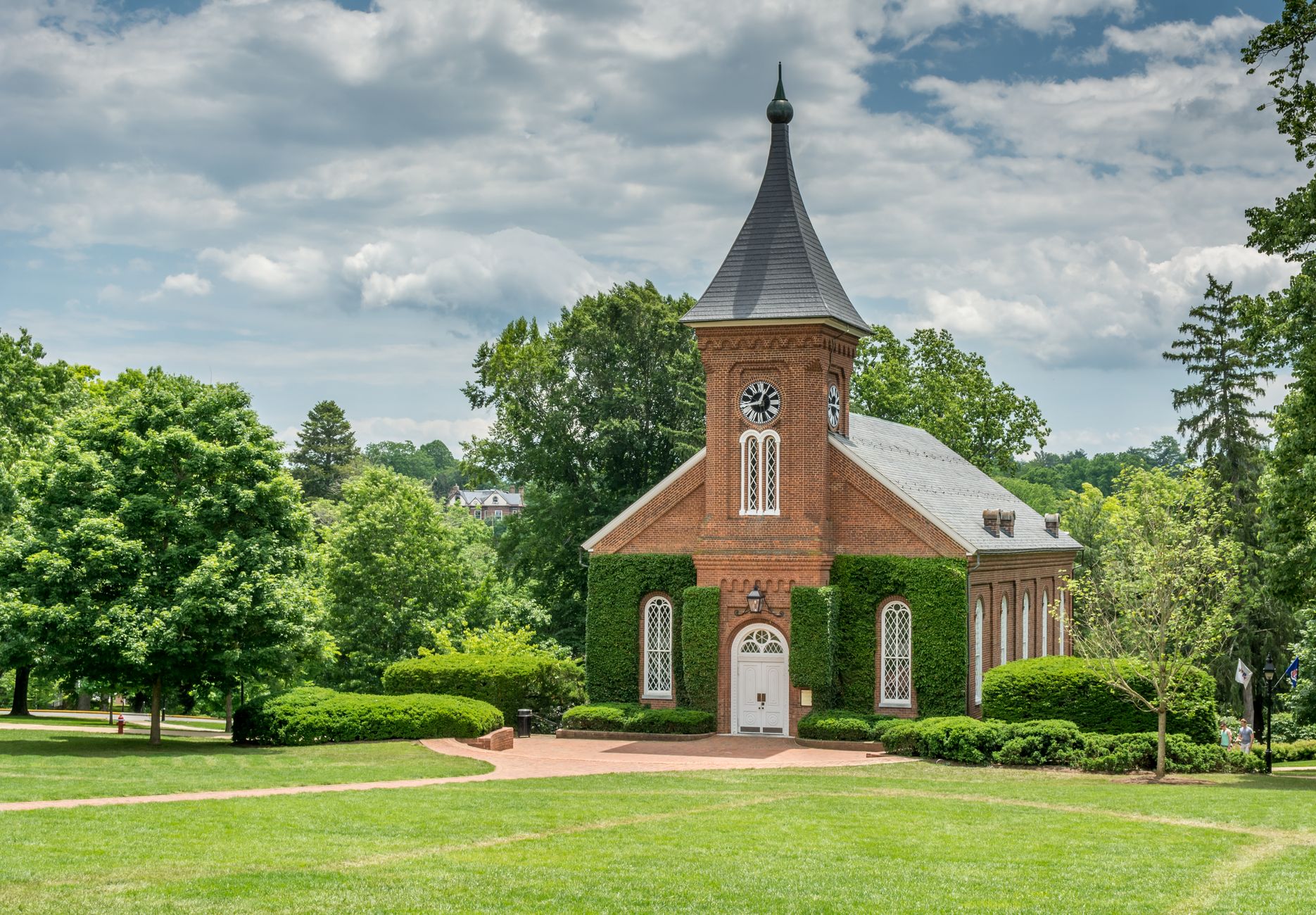
Finish at the Stonewall Jackson House and the VMI Museum on the Institute's own parade ground, roughly 35 miles and 40 minutes past Staunton, where the cadets who fought at New Market once trained.
A Cordelie travel advisor can shape this drive around your particular interest, whether that's Jackson's 1862 campaign in detail, the cavalry actions of 1864, or a gentler pace that pairs battlefields with valley wineries and historic inns.
That means private access to sites with limited public hours, dinner reservations at places like L'Auberge Provençale secured ahead of a busy reenactment weekend, and a route timed to the light and the crowds rather than the other way around.
The Valley Campaign Trail, At a Glance
A rich, drivable history trip best suited to travelers who want to walk the actual ground where campaigns turned, not just read about them.
Plan on three to four days to cover Winchester through Lexington properly, with spring (April-June) or fall (September-October) offering the best weather and the biggest events.
A rental car is essential, distances between sites are modest (20-40 miles), and admission at most battlefield museums runs $5-15, making this an affordable trip to research well but easy to under-plan without a clear route.
Last checked for accuracy: . How we check

Sarah Chen has covered Asia for twelve years, first as a wire reporter in Jakarta and now from Singapore, where she keeps a standing list of the region's most misunderstood destinations. She writes about the distance between what a place is famous for and what it is actually like to spend a week in — and is happiest on an overnight train with a bad seat and a good view.