
The Slow Nile: Sailing from Kom Ombo to Aswan by Dahabiya

The Slow Nile: Sailing from Kom Ombo to Aswan by Dahabiya
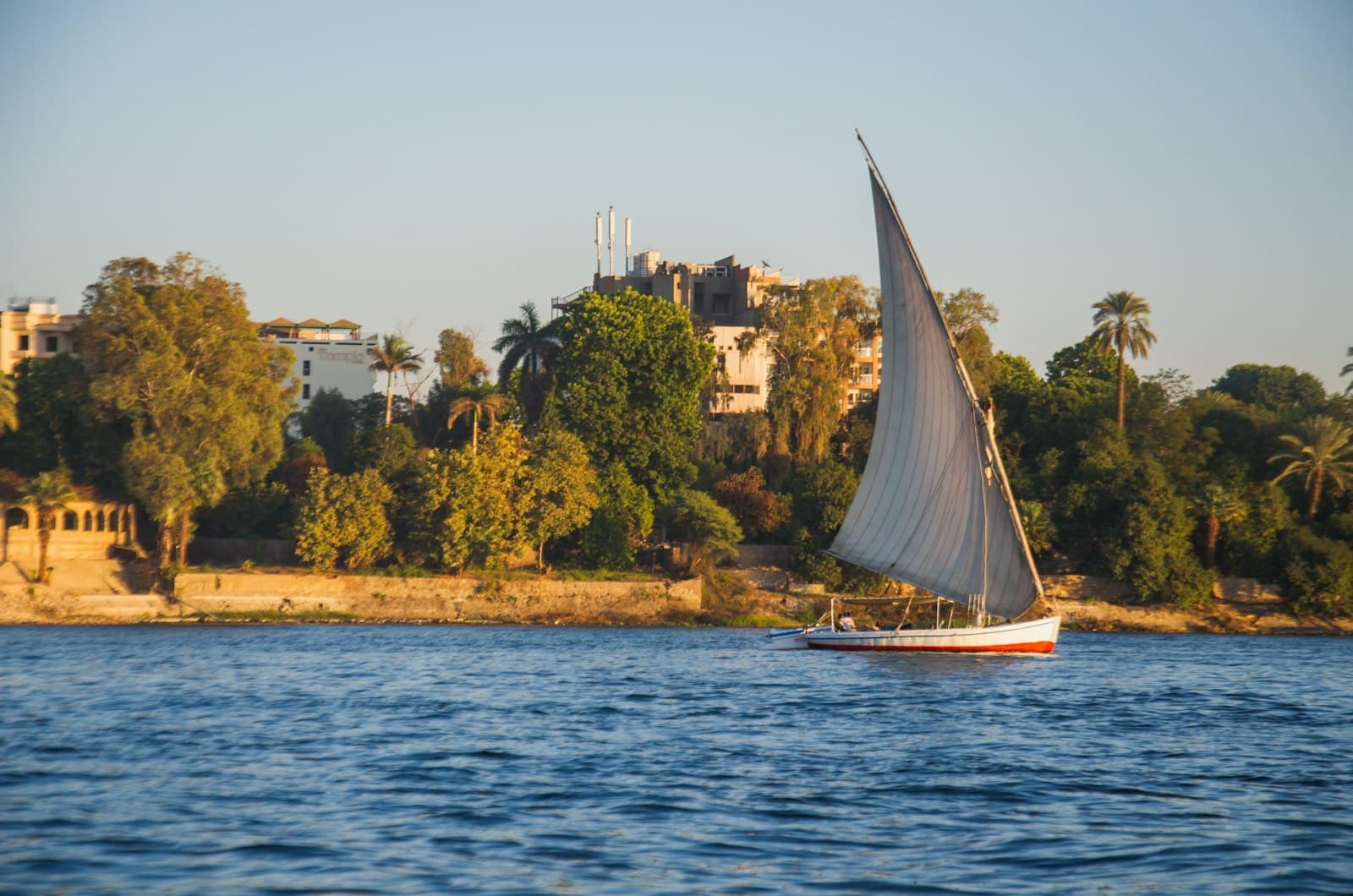
The first thing you notice, standing on the sandstone quay below the Temple of Kom Ombo, is the silence. A cruise ship the size of a city block idles a few hundred meters upriver, its generator humming a flat electrical note that carries across the water. Then you turn toward your own boat, and there is nothing to hear at all: no engine, no thrum, just the creak of rigging and the slap of small waves against a wooden hull painted the deep blue-green of old glass bottles.
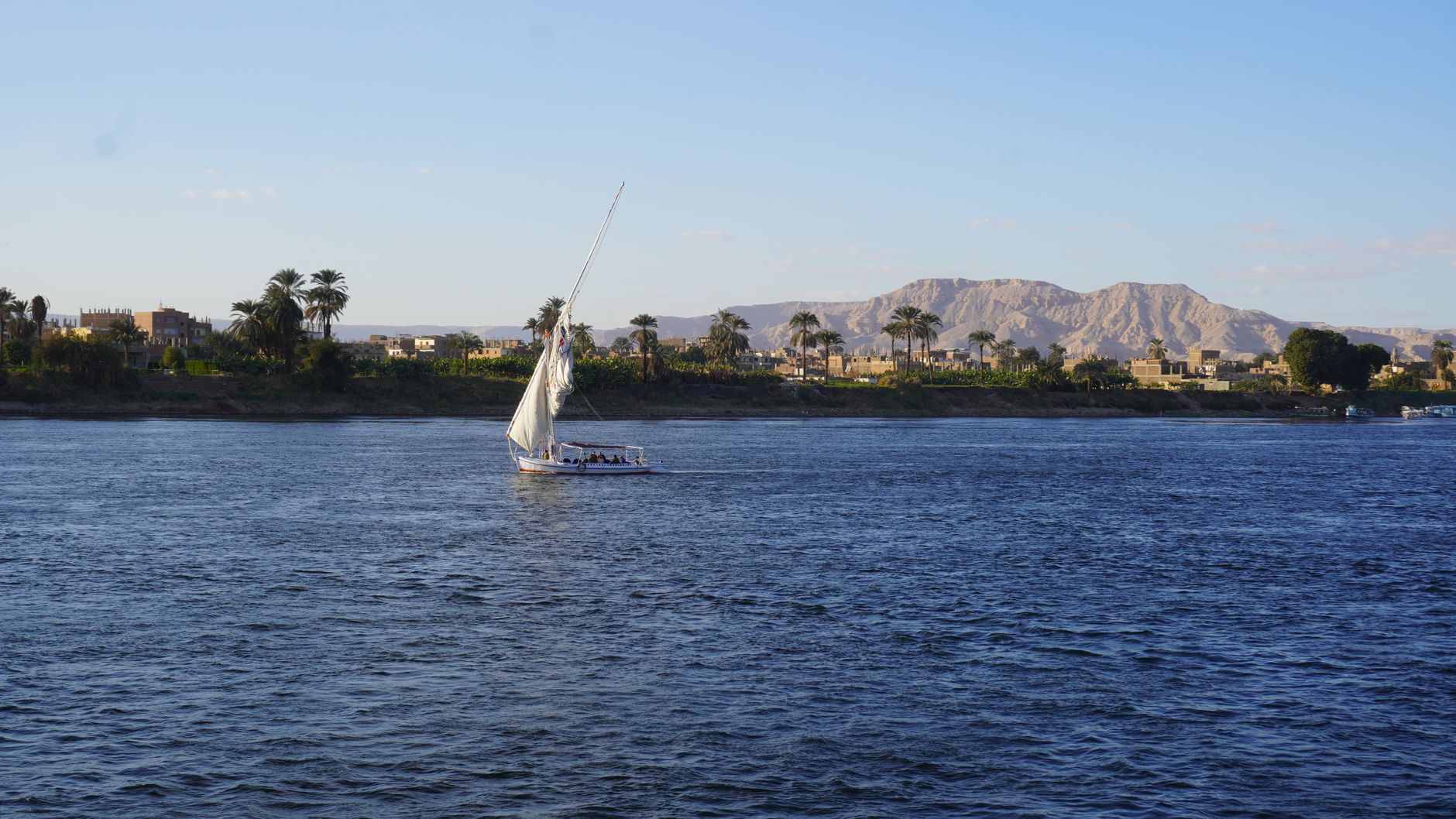
This is a dahabiya, the two-masted sailing boat that once carried European travelers up the Nile in the nineteenth century, revived over the last two decades by a handful of small operators who never got the memo about diesel engines. From Kom Ombo, roughly 45 kilometers downstream of Aswan, the plan for the next three nights is simple and almost defiantly old-fashioned: let the wind do the work, stop wherever a sandbank or a village looks interesting, and arrive in Aswan a little later than the cruise ships, having seen considerably more.
“On a cruise ship you watch the Nile go by. On a dahabiya, the Nile decides when you arrive.”
Four Days Under Sail: From the Crocodile Temple to the First Cataract
Boarding at the Temple of Kom Ombo
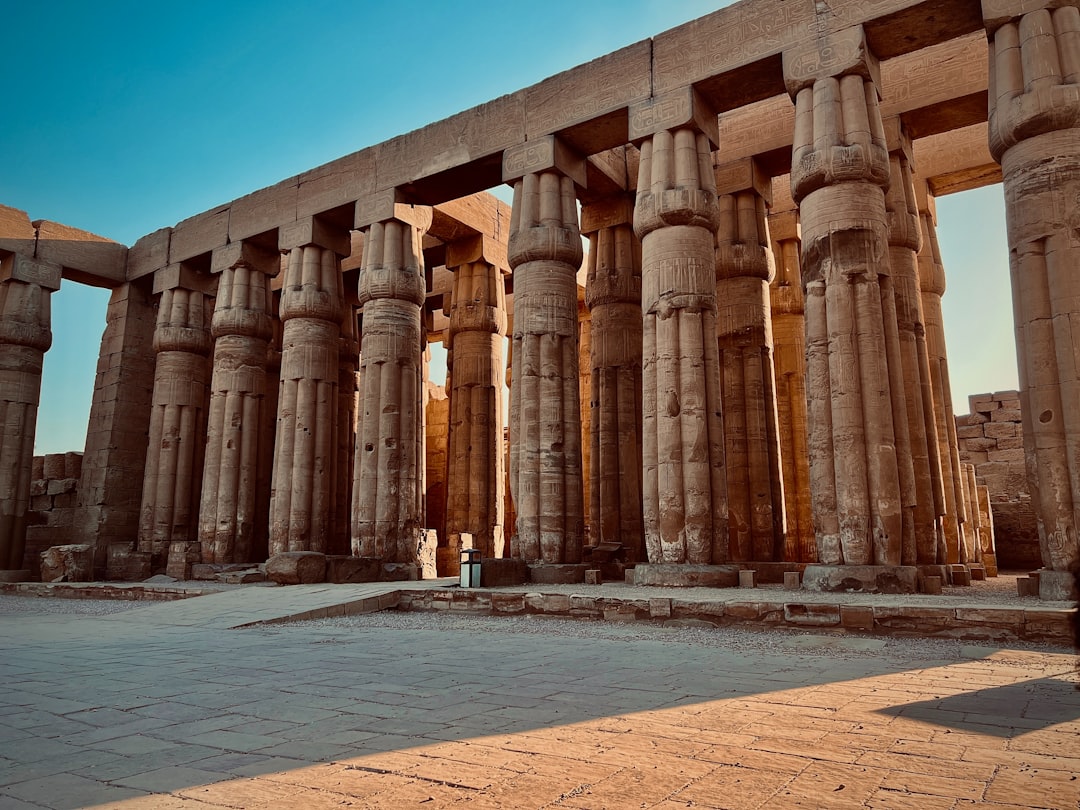
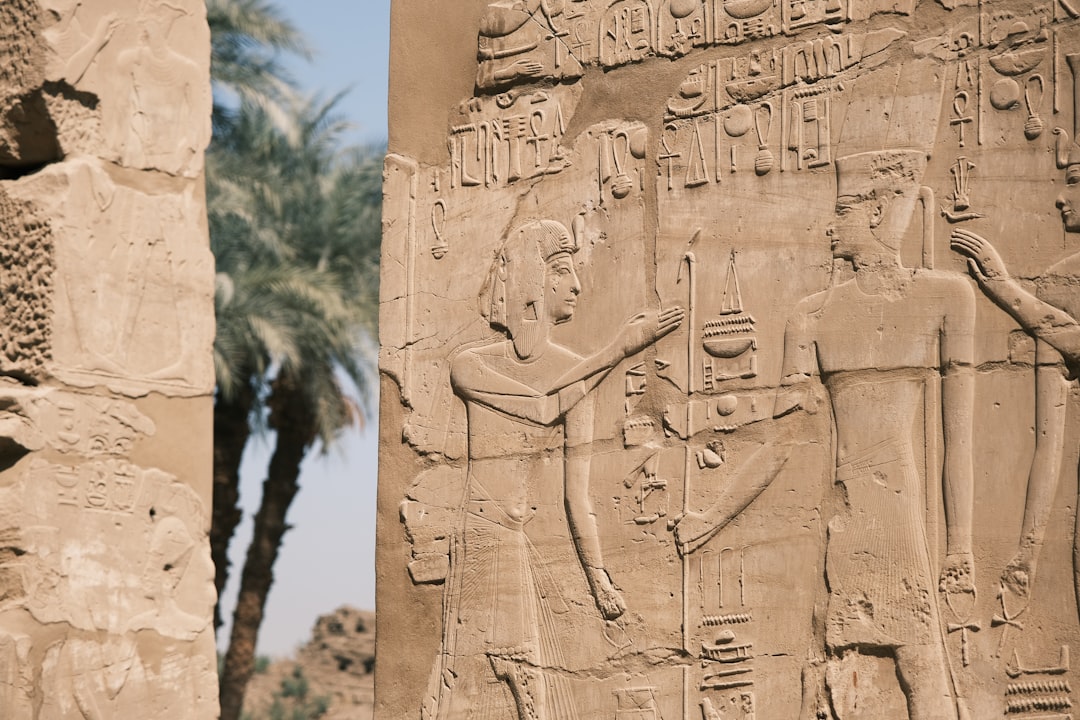
Most dahabiya itineraries on this stretch begin exactly where you'd want them to: at the riverbank steps of the Temple of Kom Ombo itself, a Ptolemaic-era sanctuary dedicated jointly to the crocodile god Sobek and the falcon god Horus. Because the temple sits directly on the water, boarding here means your first stop is also your best one, without a bus in sight.
, and walked straight from the car park into the temple's outer court before the afternoon cruise-ship crowds arrived off their gangways around midday. The mummified crocodiles in the small side museum, once venerated as living manifestations of Sobek, are worth the extra ten minutes even if the main halls have pulled your attention toward their sunk relief carvings.
By early afternoon we were aboard, cabins assigned, bags stowed in wardrobes barely wider than a broom cupboard, and the crew was already casting off the mooring lines. There is no engine roar to signal departure. The boat simply begins, almost apologetically, to move.
The Sandstone Quarries of Gebel el-Silsila
Overnight the boat had moored against a sandbank, and we woke to the crew already ashore setting up a breakfast table directly on the sand: flatbread from a nearby village oven, foul medames, and tea stewed dark with mint. There is a particular pleasure in eating breakfast on a riverbank that no cruise ship, moored three deep at a concrete Aswan dock, can offer.
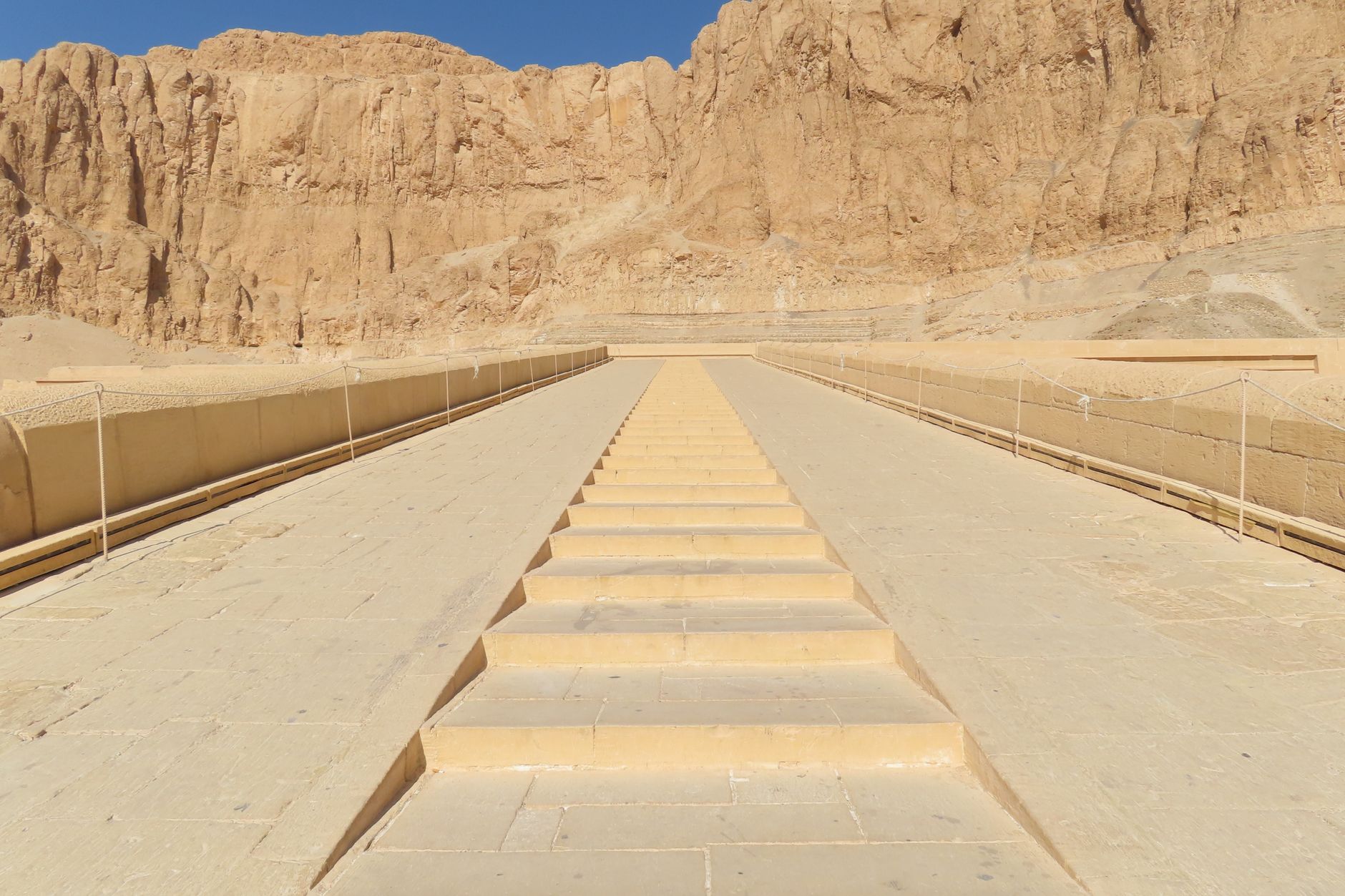
The morning's sail took us to Gebel el-Silsila, the narrow sandstone gorge where the ancient Egyptians quarried much of the stone used to build Karnak and other Nile temples. Tool marks are still visible in the rock face, along with rows of small shrines cut by the quarry workers themselves. Almost no cruise-ship itinerary stops here at all, because the current runs faster through the gorge and larger vessels prefer open water; a shallow-draft dahabiya can nose right up to the bank.
In the afternoon the wind dropped entirely, and the felucca-rigged crew let the boat drift with the current for nearly two hours while we swam off the stern in water that was startlingly cool for late March. This is the honest trade-off of sailing rather than motoring: some days you make excellent time, and some days you make almost none, and either way the schedule bends to accommodate it.
A Riverside Nubian Village and the Approach to Sehel Island
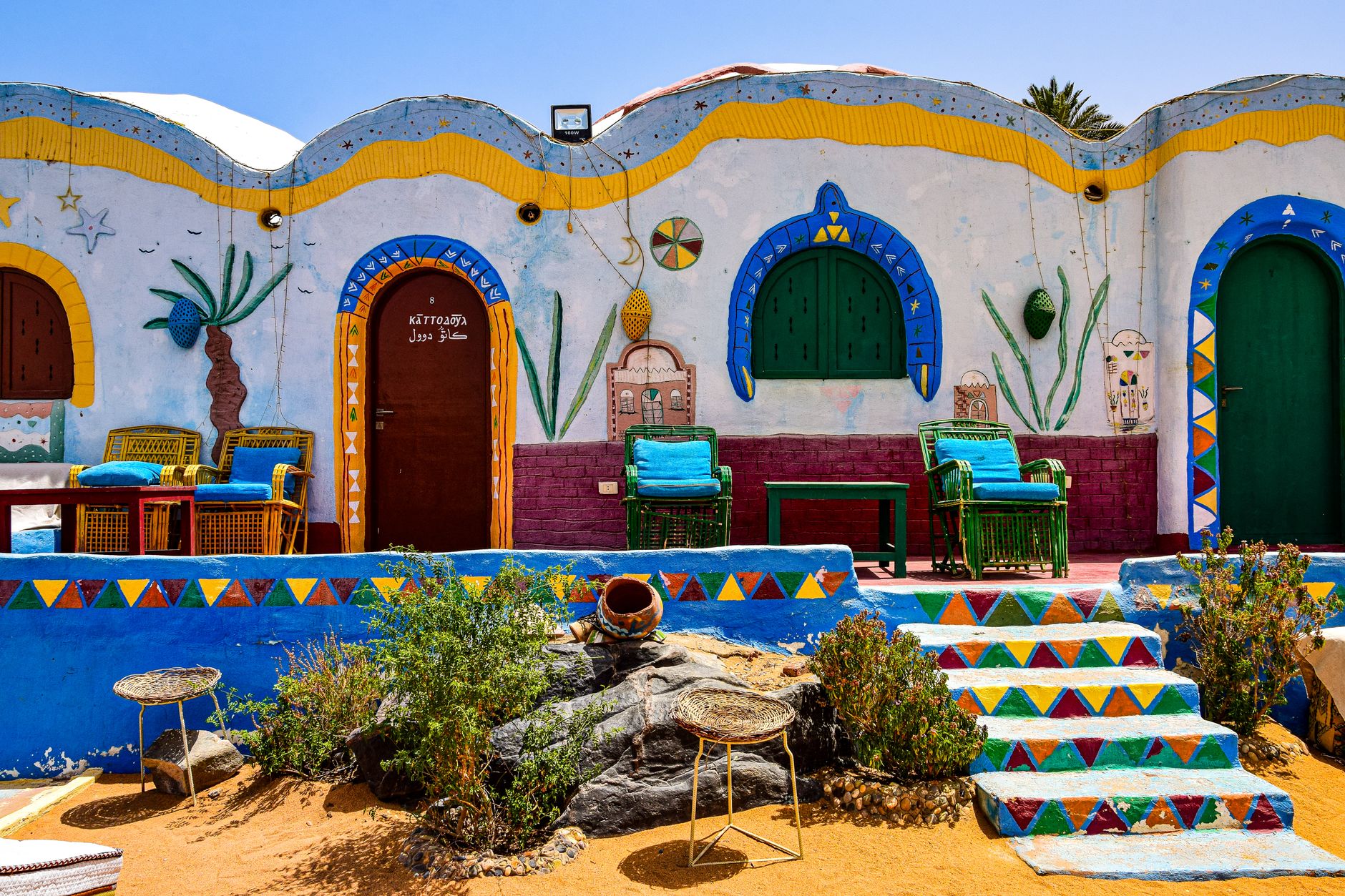
Wind returned in the late morning with real force, filling both lateen sails and pushing the boat south at a pace that felt, after the previous day's drift, almost reckless. By early afternoon we'd covered more distance than the whole of Day 2, tacking against the current with the crew calling instructions to each other in quick bursts of Sa'idi Arabic.
We moored below a small Nubian village a couple of kilometers north of Sehel Island, where a woman named Fatma runs an informal tea house from her courtyard, its walls painted in the turquoise and ochre patterns typical of Nubian architecture. There's no set fee for visiting; a modest tip for tea and the chance to see the courtyard, perhaps 50-100 Egyptian pounds per person, is customary and appreciated.
Sehel Island itself, reached by rowboat from the mooring, holds a Nilometer and hundreds of rock-cut inscriptions recording flood levels going back to the Middle Kingdom. It's an easy 20-30 minute walk across the island's granite outcrops, doable with older children though not stroller-friendly given the loose rock.
Threading the First Cataract into Aswan
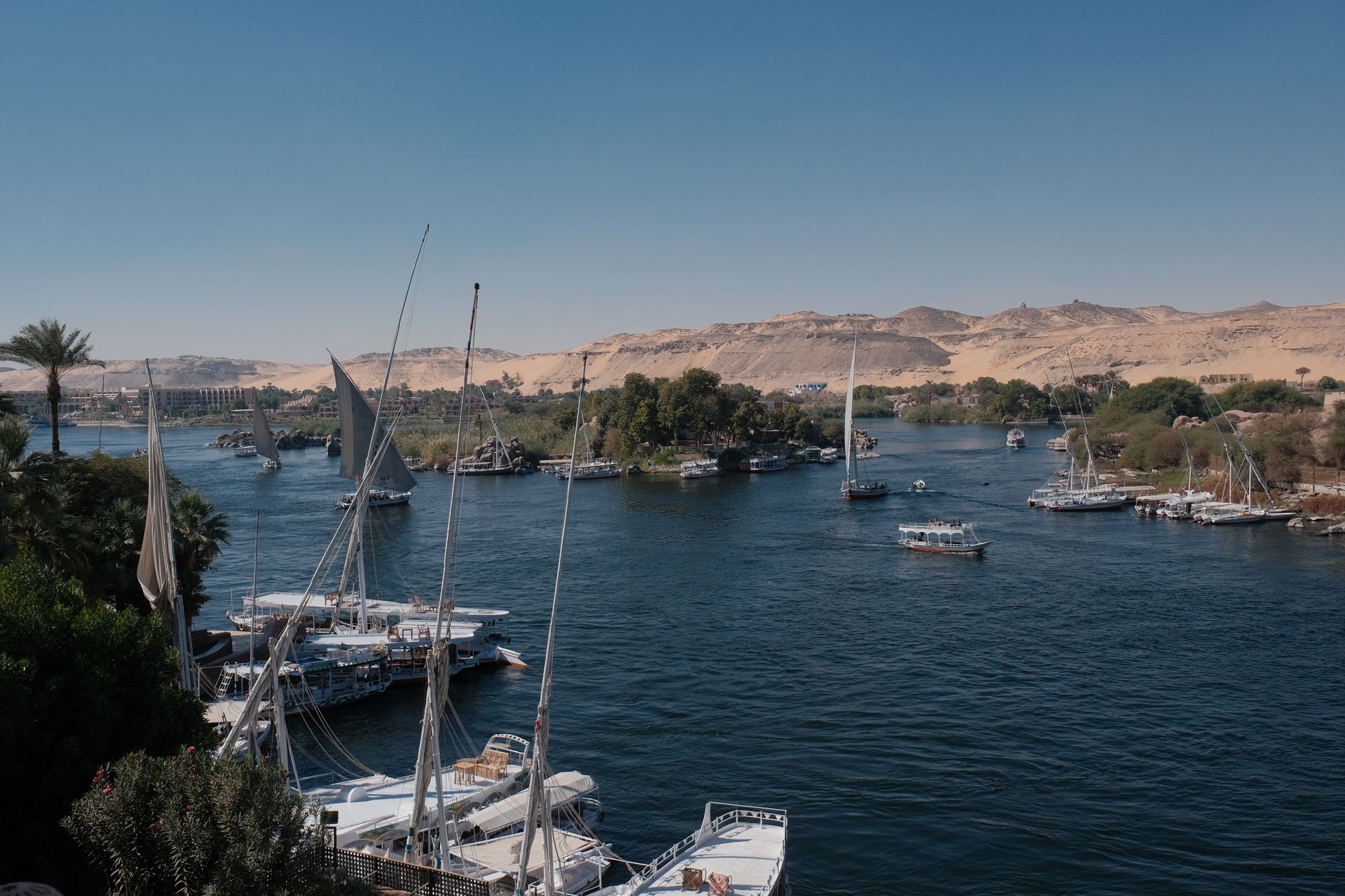
The final morning brought us through the First Cataract, the granite outcrops and islets that once marked the traditional southern edge of Pharaonic Egypt. The channel narrows here and the crew worked the sails constantly, tacking between rocks that break the surface only a meter or two apart, a maneuver you'd never see attempted on a 200-passenger cruise ship.
Elephantine Island came into view around midmorning, and beyond it, unmistakably, the pink dome of the Sofitel Legend Old Cataract Hotel on the eastern bank. We moored a short walk from the Aswan Corniche, disembarking around 11:00, roughly three nights and 45 kilometers after leaving Kom Ombo.
A short felucca crossing to Kitchener's Island, the Aswan Botanical Garden planted by Lord Kitchener in the early 1900s, made for a good final hour before transfer to a hotel. Entry runs about 450 Egyptian pounds for foreign adults, with 225 Egyptian pounds for foreign students. and the shade of its imported palms and rubber trees is a welcome contrast to the sun-flattened riverbanks upstream.
The Kom Ombo to Aswan Stretch in Pictures
Cordelie travel advisors
Go with someone who knows
The right suite, the right season, the reservations that never appear online — your Cordelie advisor knows them, and holds them for you.
Plan with a Cordelie advisorFree to ask. Cordelie Travel Services · IATA/ARC 06649064
What a Sail-Powered Nile Actually Feels Like
The comparison to a motorized cruise ship isn't incidental to this trip; it's the entire point. A standard Nile cruiser covers the Kom Ombo to Aswan stretch in a few hours, folding it into a single afternoon between temple visits and buffet meals. A dahabiya takes three nights to cover the same 45 kilometers, and every hour of that difference is where the trip actually lives.
The rhythm on board settles quickly. Mornings start early, often before 07:00, with tea brought to the cabin and a plan for the day sketched out over breakfast that depends entirely on what the wind is doing. There's a rowboat or small motorized tender that shuttles the crew and guests to shore for temple visits or village stops, since the dahabiya itself, drawing very little water but carrying two tall masts, can't always nose directly against a bank. Afternoons are for reading on deck, swimming when the water's calm, or simply watching riverbank life scroll past at walking pace: water buffalo wading at the shoreline, children waving from the roofs of mudbrick houses, a farmer working a shadouf the same way his grandfather did.
The unpredictability is real and worth planning for. Wind on this stretch of the Nile is strongest and most reliable from roughly November through April, which happens to be the prime season for the whole trip; by May the heat climbs into the low 40s Celsius and afternoon winds can drop away entirely, leaving boats to rely on a small auxiliary motor or a tow. Spring sailing, in March and April, tends to bring warm days in the high 20s to low 30s Celsius and steady northerly winds that push a dahabiya upstream toward Aswan with real momentum, which is exactly the season we sailed.
Riverbank Breakfasts, Nubian Kitchens, and Tea on a Sandbank
Food on board a small dahabiya is cooked by a two- or three-person crew galley tucked below deck, and it outperforms almost anything served on a large cruise ship's buffet line. Meals arrive family-style: grilled Nile perch or tilapia bought fresh from riverside fishermen that morning, a rotation of mezze that usually includes baba ganoush, tahini, and a bright tomato-and-cucumber salad called salata baladi, and konafa or basbousa for dessert most evenings.
The best meal of the trip wasn't served on the boat at all. At the Nubian courtyard tea house near Sehel Island, Fatma's daughter brought out a tray of hibiscus tea, karkade, along with warm feteer meshaltet, a flaky layered pastry drizzled with honey, made fresh in a clay oven built into the courtyard wall. It's the kind of meal you can't book in advance and wouldn't find listed on any menu, which is more or less the argument for this whole style of travel.
The wind that makes a dahabiya crossing memorable is also the thing most likely to disrupt a fixed itinerary; a becalmed afternoon can push a scheduled arrival back by half a day, and boats on this route, including well-regarded small operators such as Nour el Nil, run limited departures with cabins that book out months ahead in the strongest spring and winter weeks.
A Cordelie advisor can secure a cabin on the sailing dates when the wind and the light are working in your favor, pair it with a night at the Sofitel Legend Old Cataract before or after, and build in the flexibility a wind-powered schedule genuinely needs. It's the kind of trip that rewards being planned by someone who already knows which weeks sail well.
Is the Kom Ombo to Aswan Sail Worth It?
One of the most rewarding short stretches of river travel in Egypt, best suited to travelers who value atmosphere over speed.
This is not the trip for anyone on a tight schedule or anyone who needs guaranteed arrival times; wind-powered travel means the river, not the itinerary, sets the pace. But for travelers willing to trade a day or two of certainty for genuine quiet, riverside villages a cruise ship will never reach, and a temple visit unhurried by tour-bus crowds, three nights between Kom Ombo and Aswan on a dahabiya is a strong argument for slow travel done properly.
Best suited to couples, small groups, and families with older children rather than travelers with strollers or very young kids, given the rowboat transfers and uneven temple terrain. Best sailed November through April, with March and April offering the most reliable combination of warm days and steady wind.
Last checked for accuracy: . How we check

Priya Raman has spent eleven years testing whether a destination works with a four-year-old, a teenager and a grandparent in the same party. She writes the version of the guide that accounts for nap times and still gets you to the good stuff, and travels from Toronto with a carry-on she can pack in nine minutes.