
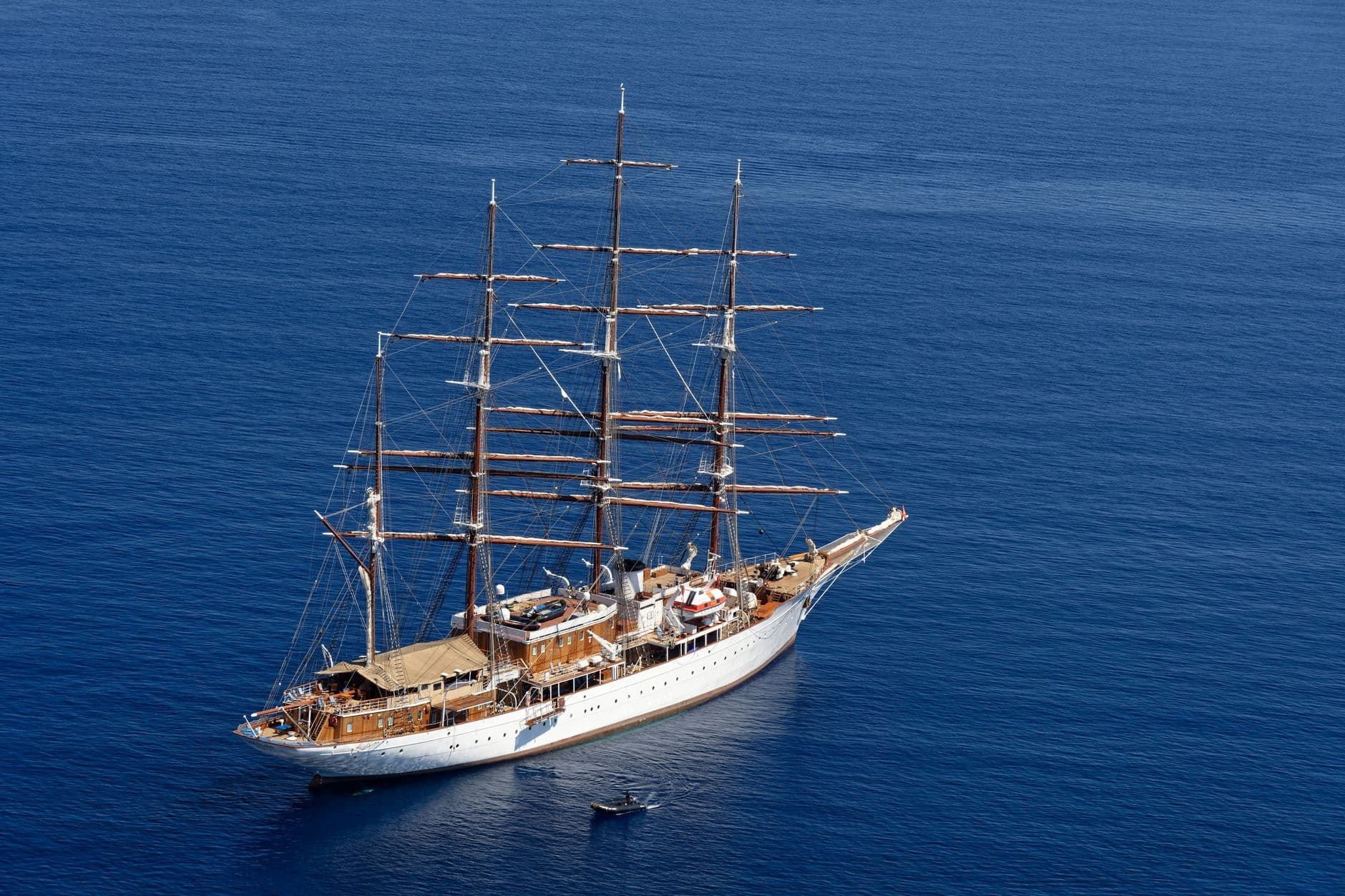
The Long Way Home: Sailing Cape Town to Cape Horn Across the South Atlantic
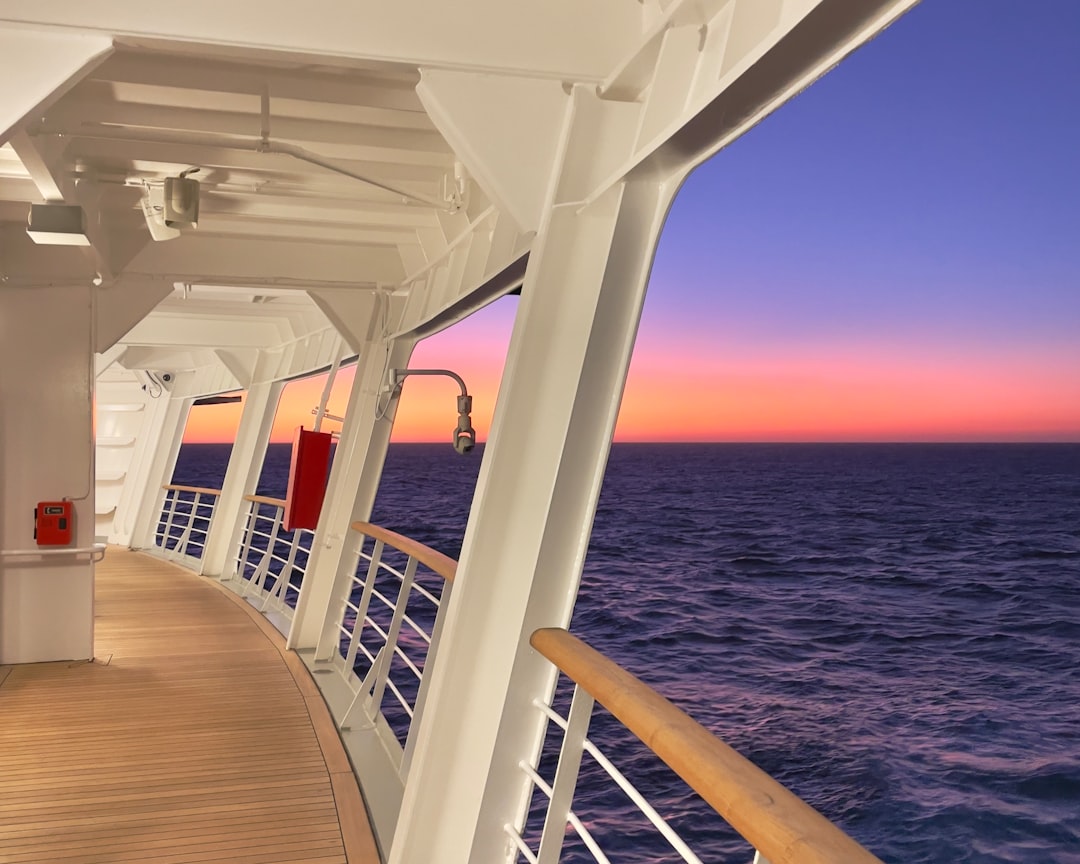
Why This South Atlantic Crossing Belongs to Serious Expedition Sailors, Not First-Timers
Cape Town to Ushuaia is not a cruise route so much as a passage: eighteen to twenty-three nights at sea, broken by four landfalls most travelers will never otherwise reach. This is the crossing that puts St Helena's Jacob's Ladder, Tristan da Cunha's tender-only anchorage, and the Falkland Islands' king penguin colonies on the same itinerary, connected by roughly 5,600 nautical miles of open South Atlantic water. Ships run it once or twice a season, timed to Southern Hemisphere spring, when daylight is lengthening and the run into the Beagle Channel is at its calmest workable point of the year.
There is no backup route if the Tristan landing gets scrubbed by swell. The ship sails on, and everyone aboard understood that risk before they booked. That is the honest appeal of this voyage, not its fine print: nine days of open ocean with nothing on the horizon, followed by a scrap of volcanic rock roughly 2,800 kilometers from the nearest continent, home to around 250 people who still call it Edinburgh of the Seven Seas.
Quick Facts: Cape Town to Ushuaia
Spring Is the Only Sensible Window — and Even Then, Nothing Is Guaranteed
Expedition lines schedule this crossing as a repositioning voyage, moving a ship from its Cape Town or Indian Ocean season into position for Antarctica departures out of Ushuaia. That window falls in October and November, occasionally sliding into early December. Spring suits the route on two counts: the Falkland Islands' gentoo and king penguin colonies are actively nesting rather than dispersed, and the Beagle Channel approach to Ushuaia is generally calmer than it will be in the equinox months on either side.
None of that removes the South Atlantic's basic unpredictability. Tristan da Cunha has no harbor a ship this size can enter; the anchorage off Edinburgh of the Seven Seas is exposed, and a swell running above roughly 2 to 2.5 meters can end tender operations before they start. Expedition crews build a full contingency day into most itineraries for exactly this reason, and still can't promise the landing. Travelers who need certainty should look elsewhere; travelers who want the real South Atlantic should treat the uncertainty as part of what they're paying for.
Cordelie travel advisors
Go with someone who knows
The right suite, the right season, the reservations that never appear online — your Cordelie advisor knows them, and holds them for you.
Plan with a Cordelie advisorFree to ask. Cordelie Travel Services · IATA/ARC 06649064
Four Landfalls Worth the Nine Days of Open Water Between Them
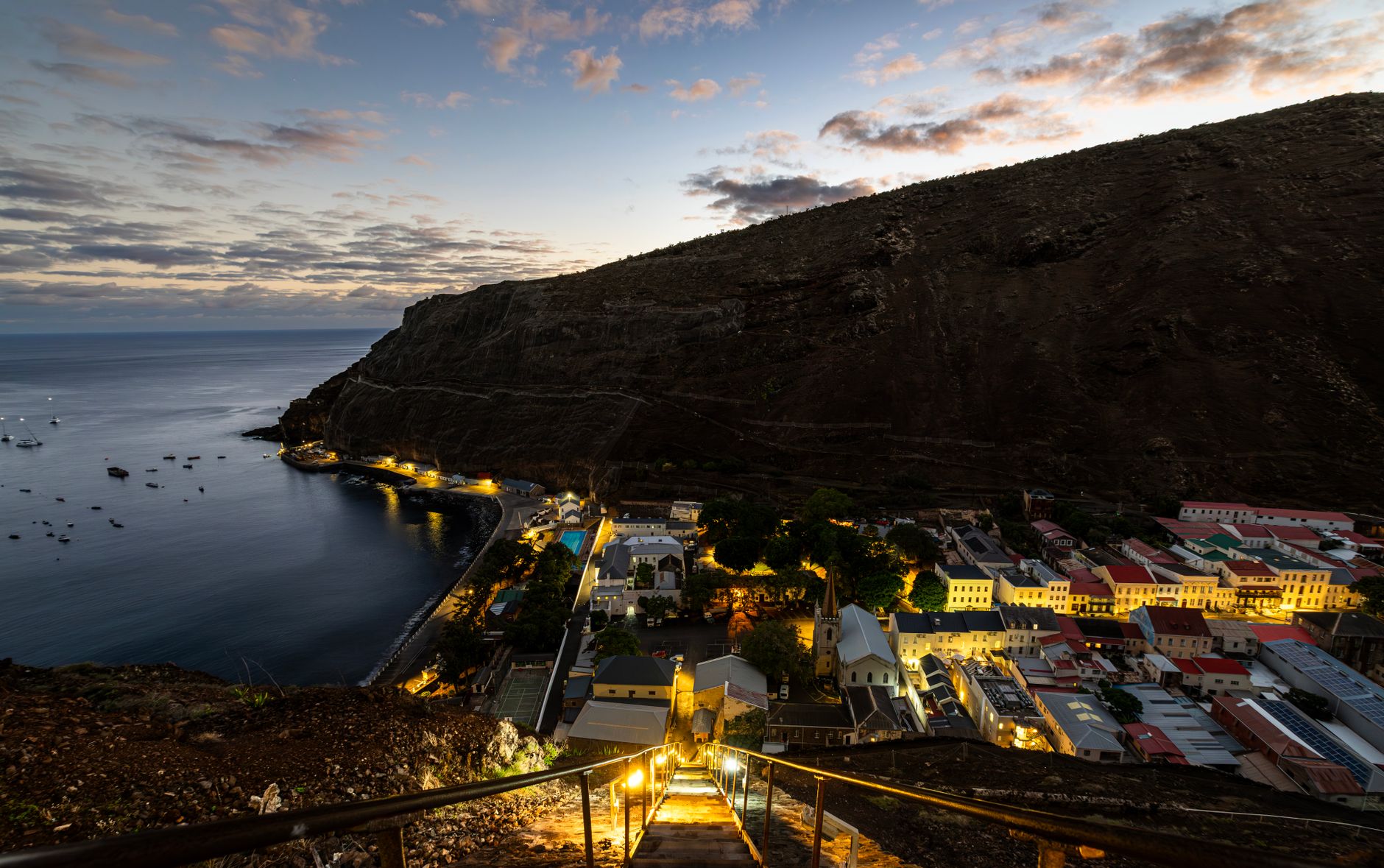
St Helena comes first, usually five to six days out of Cape Town. Jamestown's Jacob's Ladder climbs 699 steps straight up the valley wall, and Longwood House, where Napoleon lived out his final six years in exile, sits a short drive inland. Most ships anchor offshore and tender guests in through the small harbor, weather permitting, for a half or full day ashore.
Tristan da Cunha follows, another two to three days on from St Helena. This is the voyage's centerpiece and its biggest question mark: a shore landing by Zodiac at Calshot Harbour, under the dormant volcano of Queen Mary's Peak, which rises to roughly 2,062 meters directly above the settlement. If conditions allow it, guests get a few hours walking the village, meeting islanders, and buying stamps or crawfish from the tiny post office and factory shop.
The Falkland Islands arrive five to seven days after Tristan, with Stanley as the usual anchorage and a full day, sometimes two, ashore. Volunteer Point holds one of the more accessible king penguin colonies anywhere, reached by a bone-rattling drive of roughly two hours each way across open camp track — book it as an excursion the moment it's offered, because vehicle space is limited and it sells out fast on board. From the Falklands it's roughly a day and a half of sailing into the Beagle Channel and Ushuaia, the voyage's final port and the gateway to Tierra del Fuego.
Landfalls Along the Route
Your Address for Three Weeks Is a Cabin, Chosen Before You Ever See the Sea
This crossing runs on a short list of ice-class expedition ships built or refitted for exactly this kind of ocean. Hapag-Lloyd Cruises operates the Hanseatic-class trio — Hanseatic Inspiration, Hanseatic Nature, and Hanseatic Spirit — each carrying around 230 guests, with veranda cabins from roughly 20 square meters and a handful of larger suites with private balconies on the upper decks. Silversea's Silver Cloud, a 1994-built vessel reinforced for polar routes and carrying roughly 200 guests, occasionally covers similar South Atlantic ground, typically in all-suite, all-inclusive configuration.
Cabin choice matters more here than on a typical cruise, because you'll be aboard for close to three weeks with several consecutive sea days. A lower-deck outside cabin is cheaper but feels the ship's roll more; a mid-deck veranda buys quiet and fresh air on the calmer stretches. Bookend the voyage with a few nights on land: the Table Bay Hotel or One&Only Cape Town before departure, and the Arakur Ushuaia Resort & Spa or Los Cauquenes Resort after, both a short transfer from Ushuaia's port.
St Helena Coffee, Tristan Crawfish, and a Galley That Never Stops Restocking
Provisioning for a voyage this remote starts in Cape Town, where chefs load fresh produce, Cape wines, and enough dry stores to cover a stretch with no resupply port until the Falklands. St Helena offers a small window to buy St Helena coffee, grown from Yemeni Mocha stock brought to the island in the early 1700s and sold in tiny quantities through the island's few shops.
Tristan da Cunha is famous among the handful who've been there for its rock lobster, known locally as Tristan crawfish, processed at the island's own factory and occasionally available to buy frozen if the landing goes ahead. In the Falklands, Stanley's pubs serve straightforward Falklands lamb and fish and chips — The Narrows Bar is a reliable, unpretentious stop near the waterfront. Ushuaia closes the voyage with centolla, southern king crab, served simply at restaurants like Kaupé and Chez Manu, both overlooking the Beagle Channel.
“You don't visit Tristan da Cunha so much as you're allowed to, for an afternoon, if the sea agrees.”
Between Ports There Are No Roads — Only Zodiacs and the Swell Deciding
Embarkation is at Cape Town's V&A Waterfront, a straightforward transfer from Cape Town International Airport (CPT), which most long-haul carriers reach with a connection through Johannesburg or a European hub. Disembarkation is in Ushuaia, whose small Malvinas Argentinas International Airport (USH) runs domestic connections to Buenos Aires several times a week; book at least a full day's buffer before any onward international flight, since Ushuaia flights can be delayed by weather with little warning.
Once at sea, movement between ports is entirely by ship, and movement ashore at St Helena, Tristan, and the Falklands is by Zodiac tender, since none of the three has a dock built to take a ship this size. Stanley in the Falklands has added a small jetty for tender traffic in recent years, which speeds things up, but Tristan and St Helena remain open-water tender operations, timed and sometimes cancelled entirely around the day's swell.
Twenty-One Days, Four Landfalls: What a Real Sailing Looks Like
Departure from Cape Town
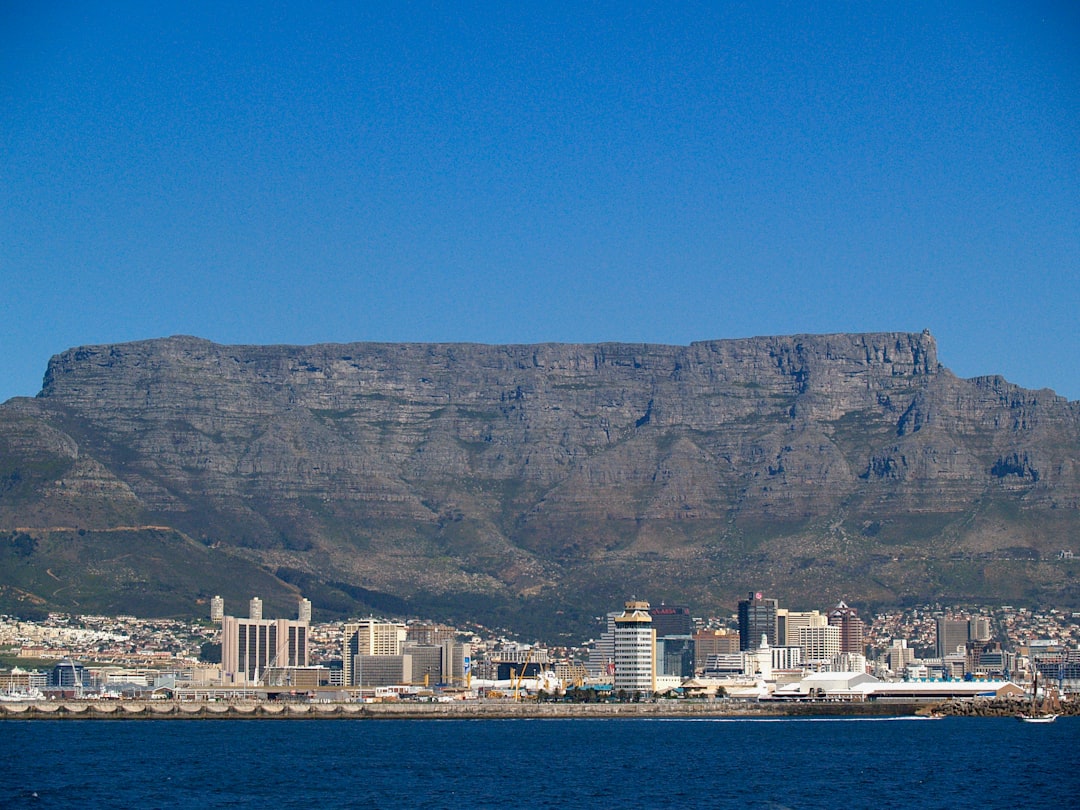
Board at the V&A Waterfront by early afternoon, with Table Mountain visible from the pool deck as the ship completes final provisioning.
Most sailings leave port in early evening, once the pilot has guided the ship past Robben Island and out into open water, with a mandatory safety briefing and lifeboat drill before dinner.
Tender Day at Tristan da Cunha
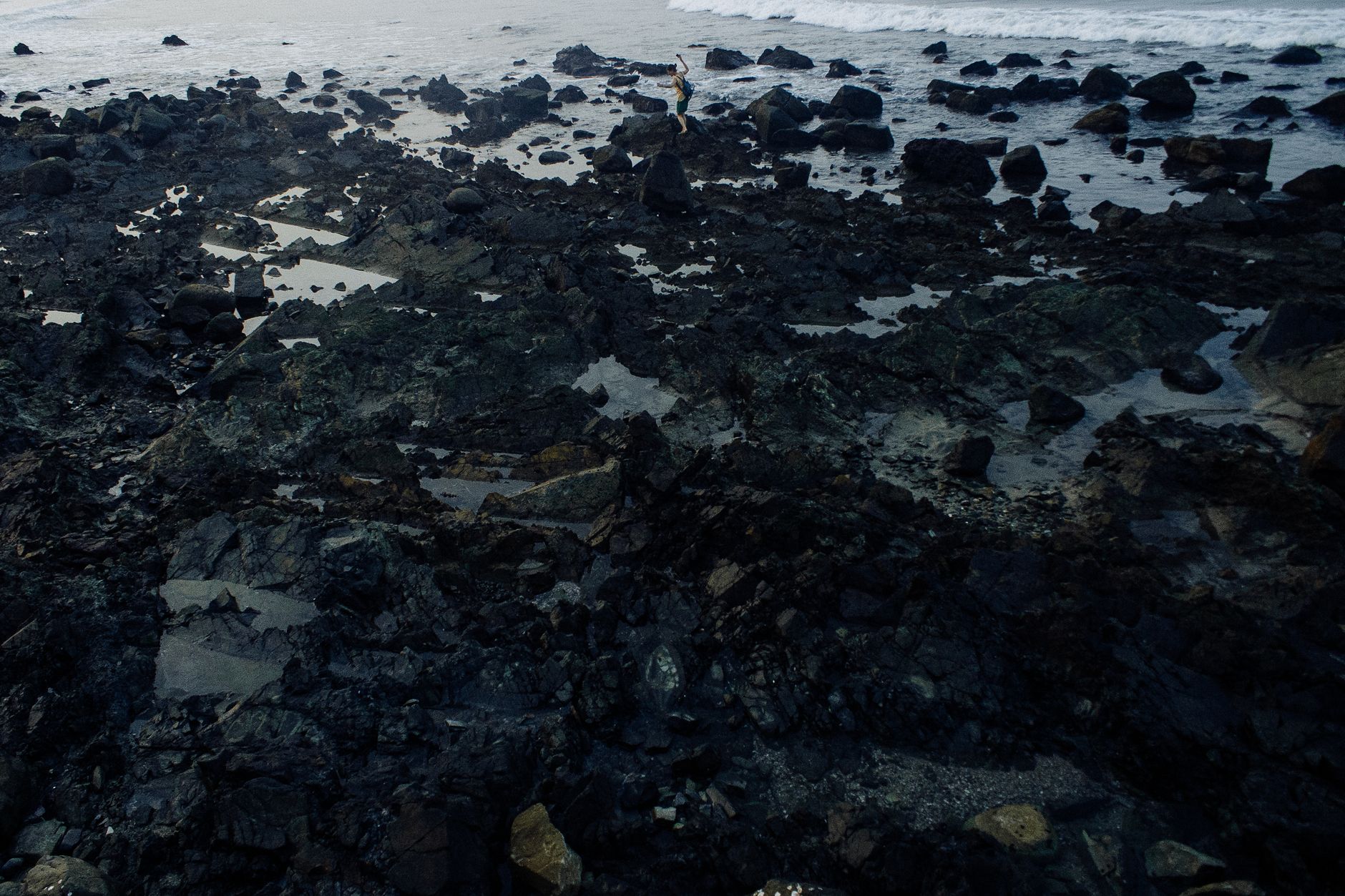
The ship anchors off Edinburgh of the Seven Seas at dawn, and the expedition team's first job is reading the swell before committing to Zodiac operations.
If conditions hold, guests spend the morning or full day ashore walking the settlement, visiting the small museum and post office, and buying whatever crawfish or knitwear the island has on hand that week.
If conditions don't hold, the ship stays offshore for hours hoping for a break, then moves on toward the Falklands regardless.
King Penguins and Stanley Harbor, Falkland Islands
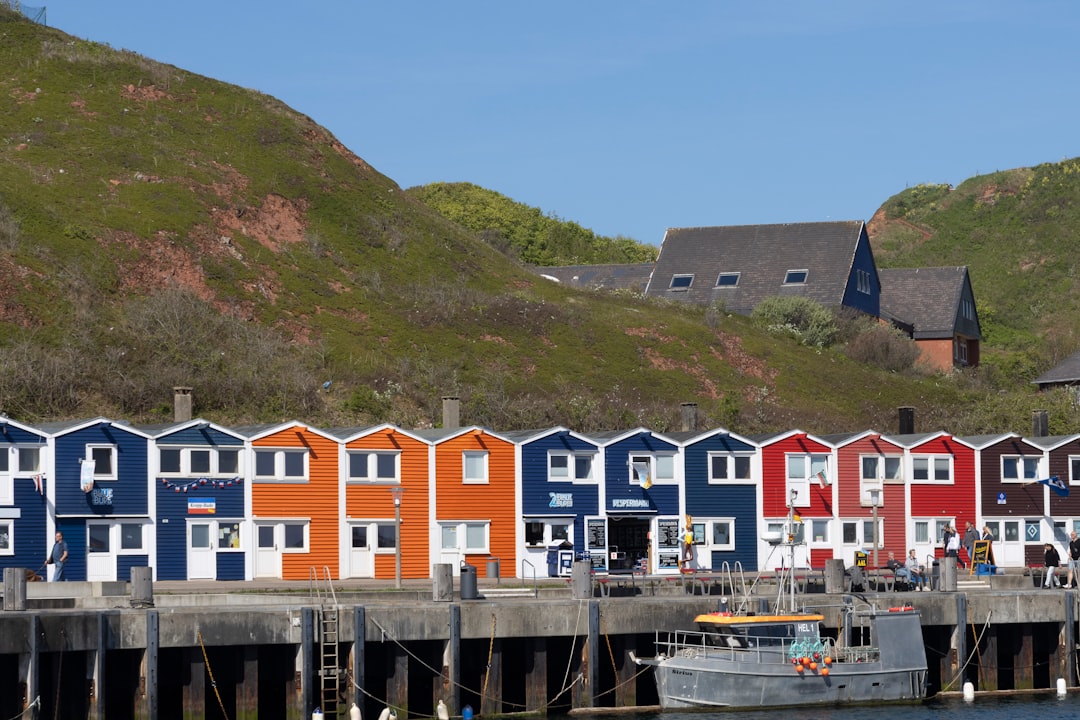
The ship docks or anchors off Stanley in the morning, with most guests splitting the day between a walk through the small capital and a longer excursion out to Volunteer Point.
The drive to Volunteer Point takes roughly two hours each way over unpaved camp track, ending at a beach where several thousand king and gentoo penguins nest within a short walk of the vehicles.
Evening is spent back aboard as the ship sets a course south toward the Beagle Channel and the final leg into Ushuaia.
A Cordelie advisor can place you in the specific cabin category and deck that best suits your sea legs, on the sailing with the most favorable historical odds of a Tristan landing.
They can also build the days around the voyage properly: a few nights in Cape Town's wine country before boarding, and a private extension along the Beagle Channel or into El Chaltén after you disembark in Ushuaia.
Reach out through cordelie.com/contact to start planning a departure while veranda and suite inventory is still open.
At a Glance: Cape Town to Ushuaia via Tristan da Cunha and the Falklands
A genuine expedition crossing for travelers who've already done the easier Antarctica or Norway sailings and want the South Atlantic's remotest, least-visited stretch — not a fit for first-time cruisers.
Expect 18 to 23 nights, one or two departures per season in October and November, and one landing (Tristan da Cunha) that can be cancelled entirely by swell.
Best suited to serious expedition cruisers who've sailed Antarctica or the Arctic before and understand that sea days are the point, not the wait.
Book cabins 12 to 18 months ahead; inventory on the Hanseatic-class ships and Silver Cloud for these sailings is genuinely limited, not marketing scarcity.
Last checked for accuracy: . How we check

Isaac Reid has spent fourteen years on ships and on foot in the places weather still decides. He sailed his first Drake Passage as an expedition assistant and has since made the crossing more than thirty times, between seasons trekking in Nepal and Patagonia. He writes about what these trips actually ask of a traveller — the days that get cancelled, the kit that matters, the difference between a landing and a cruise-by — and thinks the honest version sells them better than the brochure does.