
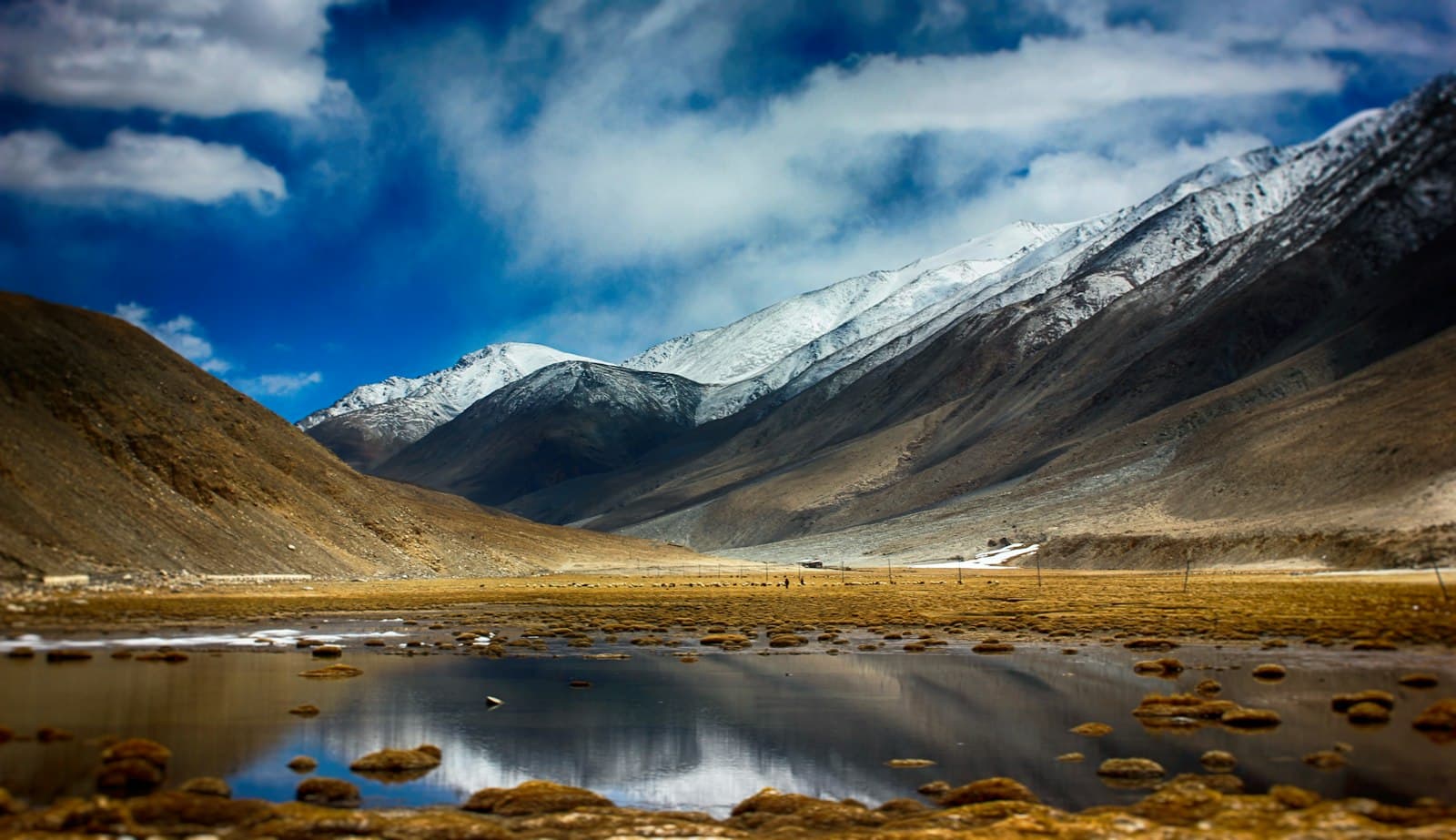
The Himalaya Beyond Everest: Markha Valley and the Trekking Trails Worth Booking
Why Markha Valley Leads Every 'Beyond Everest' Shortlist
Everest Base Camp gets the headlines, the crowded teahouses at Namche Bazaar, and the queue for a selfie at Kala Patthar. But the Himalaya stretches across five countries, and some of the best multi-day trekking happens nowhere near Sagarmatha National Park. This list ranks seven trails — from Ladakh's high desert to Bhutan's forested ridgelines — that reward serious trekkers without the Khumbu's crowds or logistics headaches.
Markha Valley takes the top spot, and for good reason: it pairs a close-up view of 6,400m Kang Yatse with a string of village homestays that make multi-day trekking in Ladakh far less punishing than it looks on a map. Every entry below is rated for difficulty, permit complexity, and the season when it's actually worth booking, because showing up in the wrong month is the single most common way a Himalaya trek goes sideways.
Four factors decided the order: the reliability of teahouse or homestay infrastructure (versus full tent-camping treks, which demand more from an outfitter and a budget), the complexity of the permit process, the real acclimatization risk given each route's altitude profile, and the scenic payoff relative to effort.
We weighted infrastructure heavily, because it's the difference between a trek a strong hiker can book with eight weeks' notice and one that needs a specialist outfitter and a six-month lead time. Season windows are given as the range when trails are typically snow-free and passable, not guaranteed weather.
Markha Valley, Ladakh
Moderate difficulty · simple Inner Line Permit · best June through September
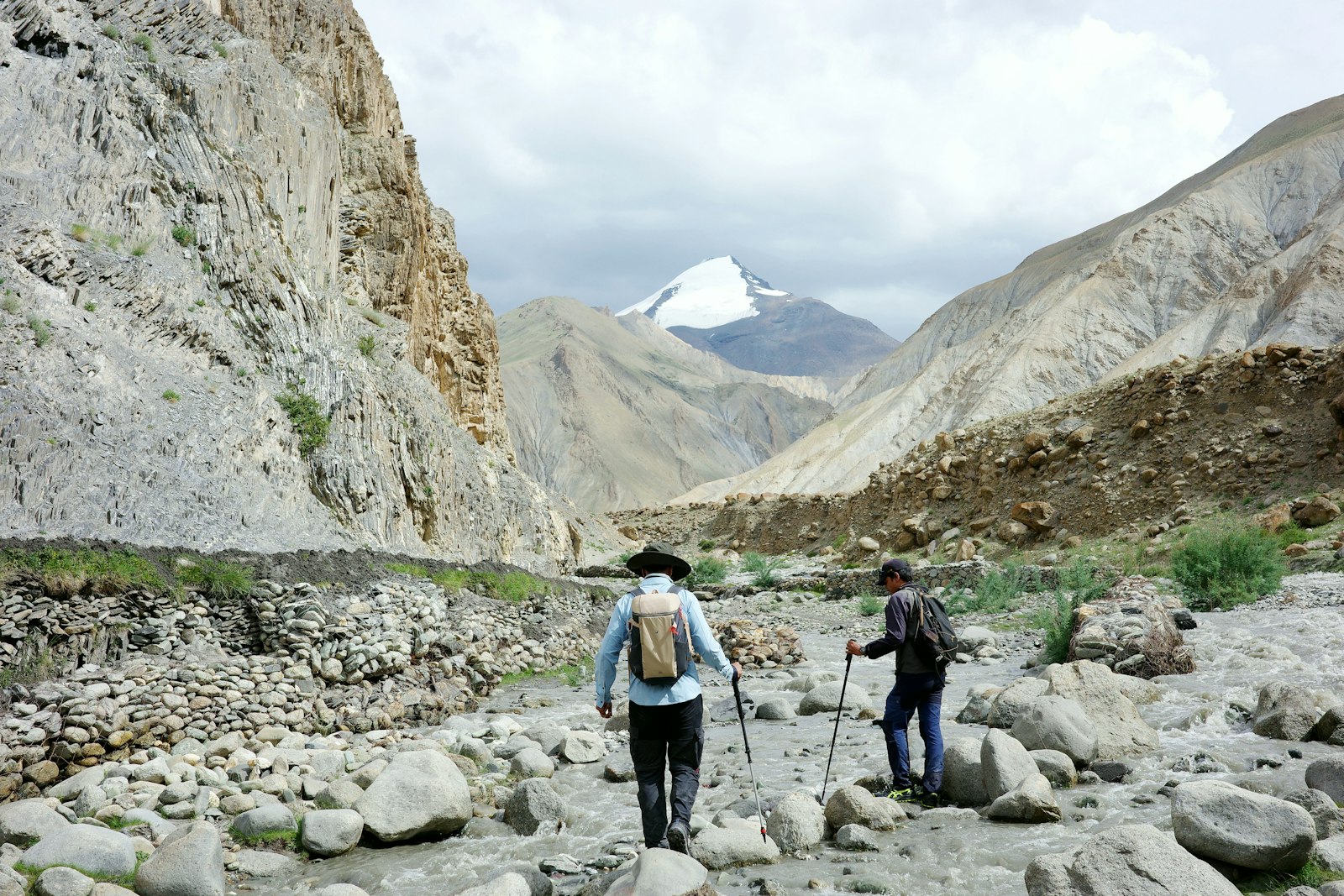
Markha Valley earns the top spot because it does something rare in the high Himalaya: it lets a fit, well-acclimatized trekker cover six to eight days of genuinely wild country — barley fields, gorges, and a 5,260m pass — while sleeping in a real bed most nights instead of a tent.
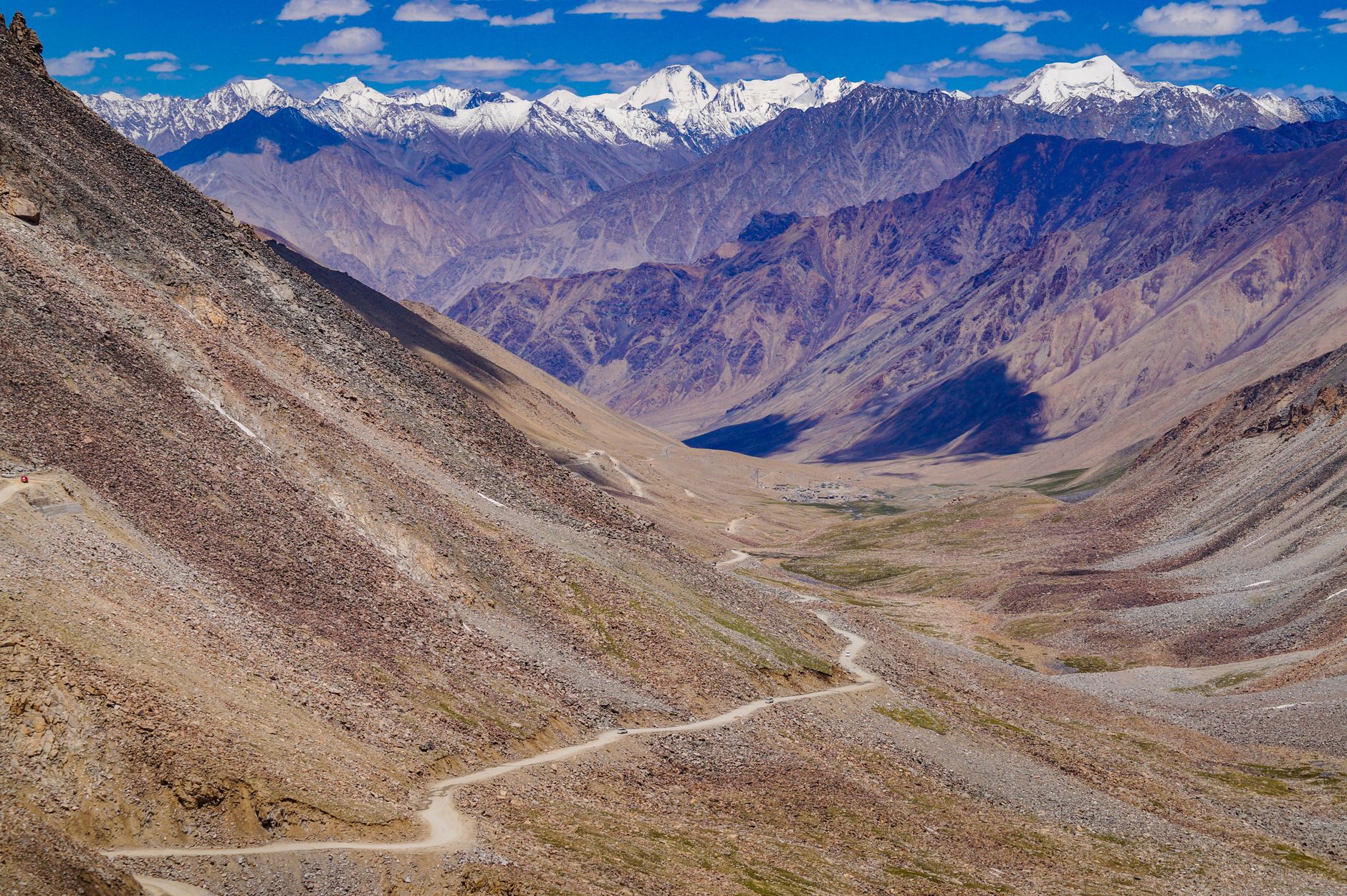
The classic route runs from Chilling or Zingchen, through the Hemis National Park buffer zone, over the Gandala La (4,970m), and down into the Markha River gorge before climbing back out over the Kongmaru La (roughly 5,260m/17,260ft) to Shang Sumdo. Villages along the way — Rumbak, Skiu, Markha, Hankar, Thochuntse — run family homestays for roughly USD 10-18 a night including dal-bhat-style meals, which is what keeps this trek off the full-camping-gear list.
The backdrop is the other half of the case: Kang Yatse's twin summits (6,400m and 6,250m) loom over the Nimaling meadows for two full days, and trekkers with mountaineering experience can tack on a Kang Yatse II summit attempt without changing outfitters. Spend two acclimatization nights in Leh (3,500m) before you start walking — this is non-negotiable at these altitudes — and book the Inner Line Permit through your trekking agency; it's a straightforward paperwork exercise costing roughly INR 400-600 per person, not a bureaucratic ordeal like some restricted-area permits elsewhere in the Himalaya.
Annapurna Sanctuary, Nepal
Moderate difficulty · ACAP permit + TIMS card · best spring (March-May) and autumn (Oct-Nov)
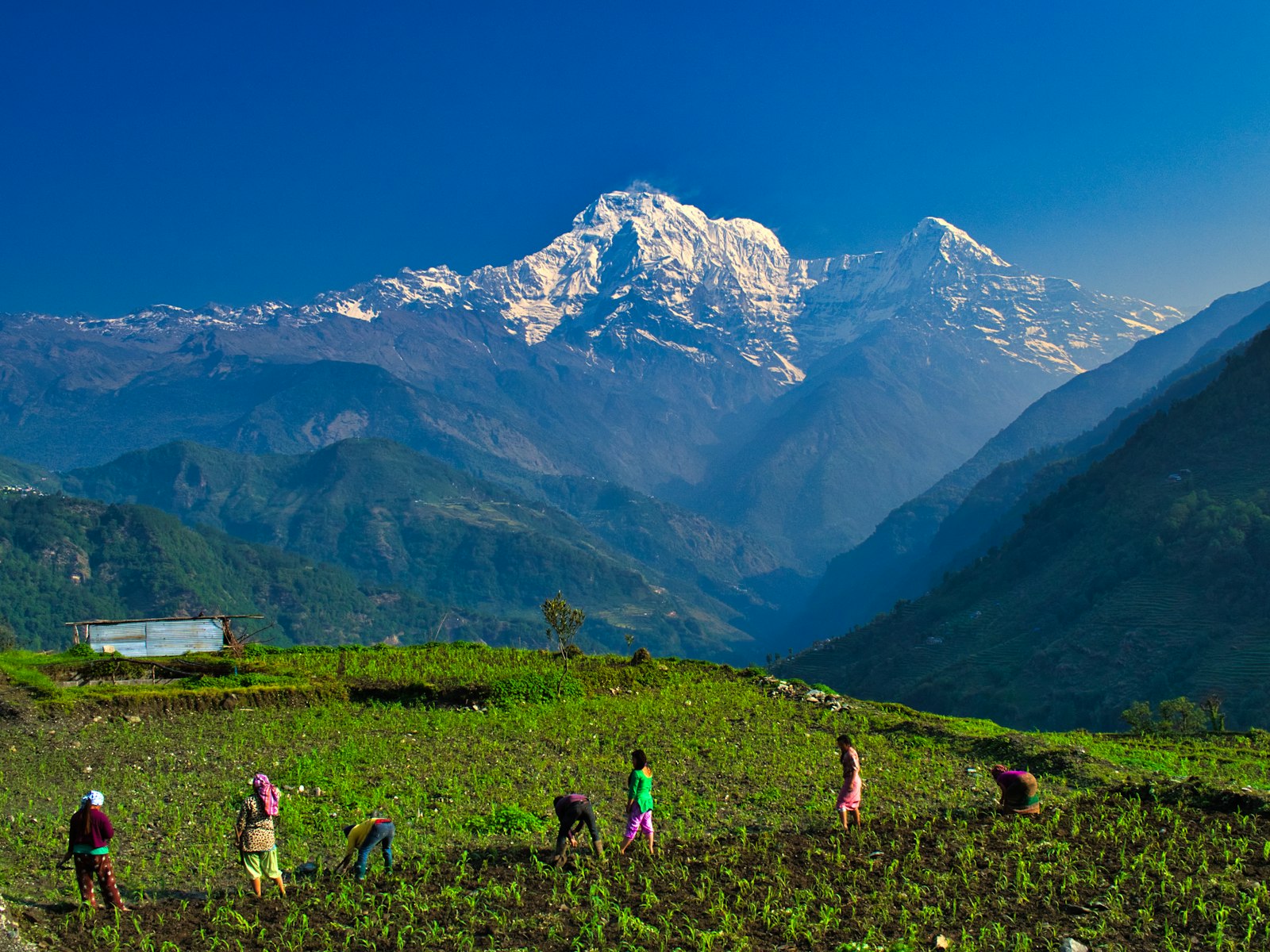
If Markha Valley is the best teahouse trek in India, the walk to Annapurna Base Camp is Nepal's answer, and the density of lodges along the trail is honestly unmatched anywhere in the Himalaya — you're rarely more than an hour or two from a hot meal and a bed.
The route from Nayapul climbs through Ghorepani, Poon Hill (3,210m), and the rhododendron forests of the Modi Khola gorge before opening into the amphitheater at Annapurna Base Camp (4,130m), ringed by Annapurna South, Hiunchuli, and Machapuchare. Plan 7-10 days depending on your Poon Hill detour and acclimatization pace.
Permits are simple by Himalayan standards: an Annapurna Conservation Area Project (ACAP) permit and a TIMS card, both arranged in Pokhara or Kathmandu for a modest combined fee. Spring brings rhododendron blooms through the mid-elevations; autumn brings the clearest mountain views of the year.
Langtang Valley, Nepal
Easier-moderate · national park permit only · best spring and autumn
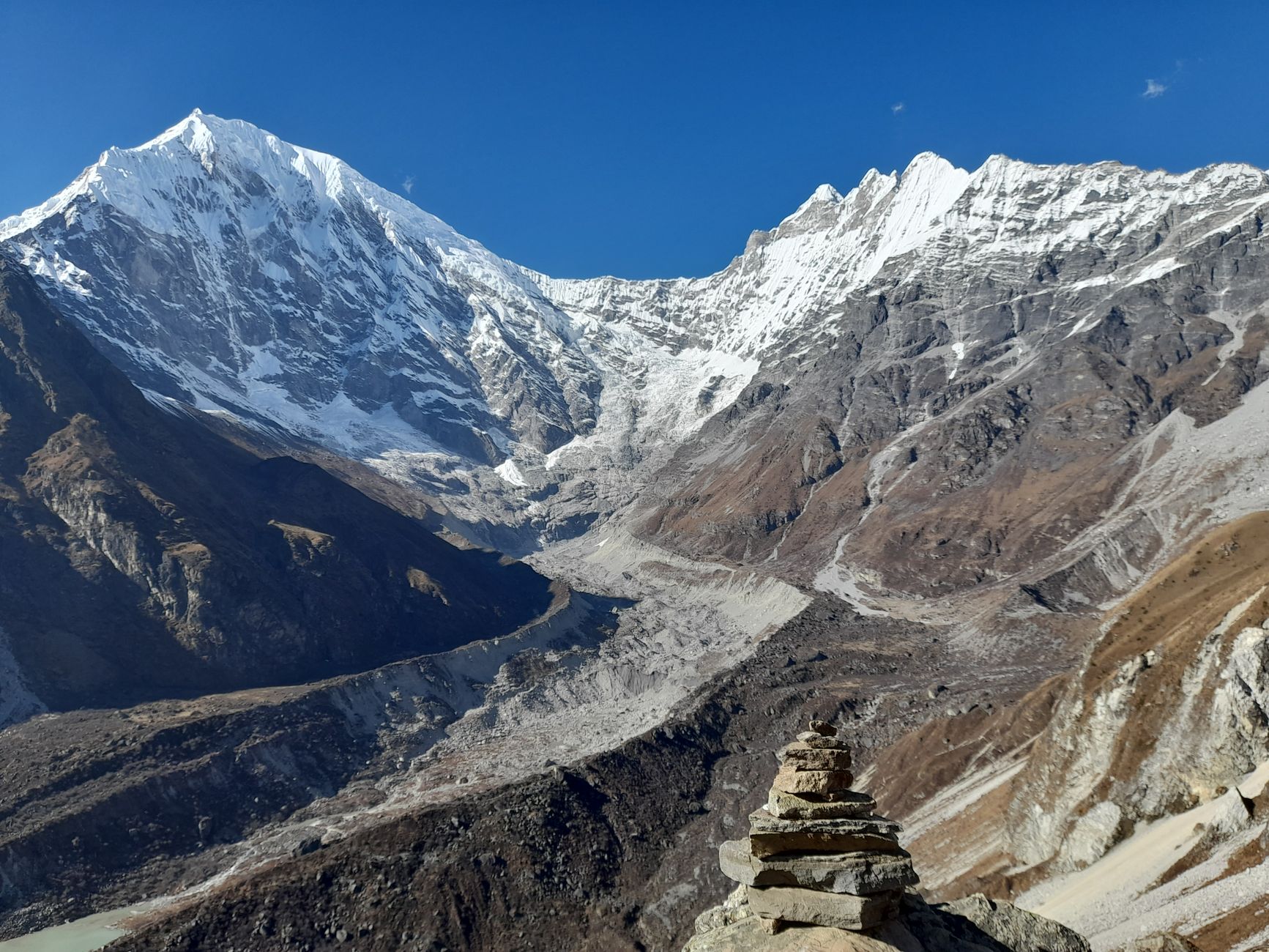
Langtang's advantage over almost everything else on this list is proximity: the trailhead at Syabrubesi is a 7-8 hour drive from Kathmandu, which makes this the trek to book when a client has nine or ten days total, not three weeks.
The valley was hit hard by the 2015 earthquake, and the rebuilt teahouses in Langtang village and Kyanjin Gompa are genuinely comfortable now, with the Tserko Ri viewpoint (4,984m) as the trek's optional high point above Kyanjin's cheese factory and bakery.
A Langtang National Park entry permit, arranged at the park checkpoint or in advance through an agency, is the only paperwork involved — no restricted-area complications here.
Nar Phu Valley, Nepal
Moderate-strenuous · restricted area permit, guide mandatory · best May-June and September-October
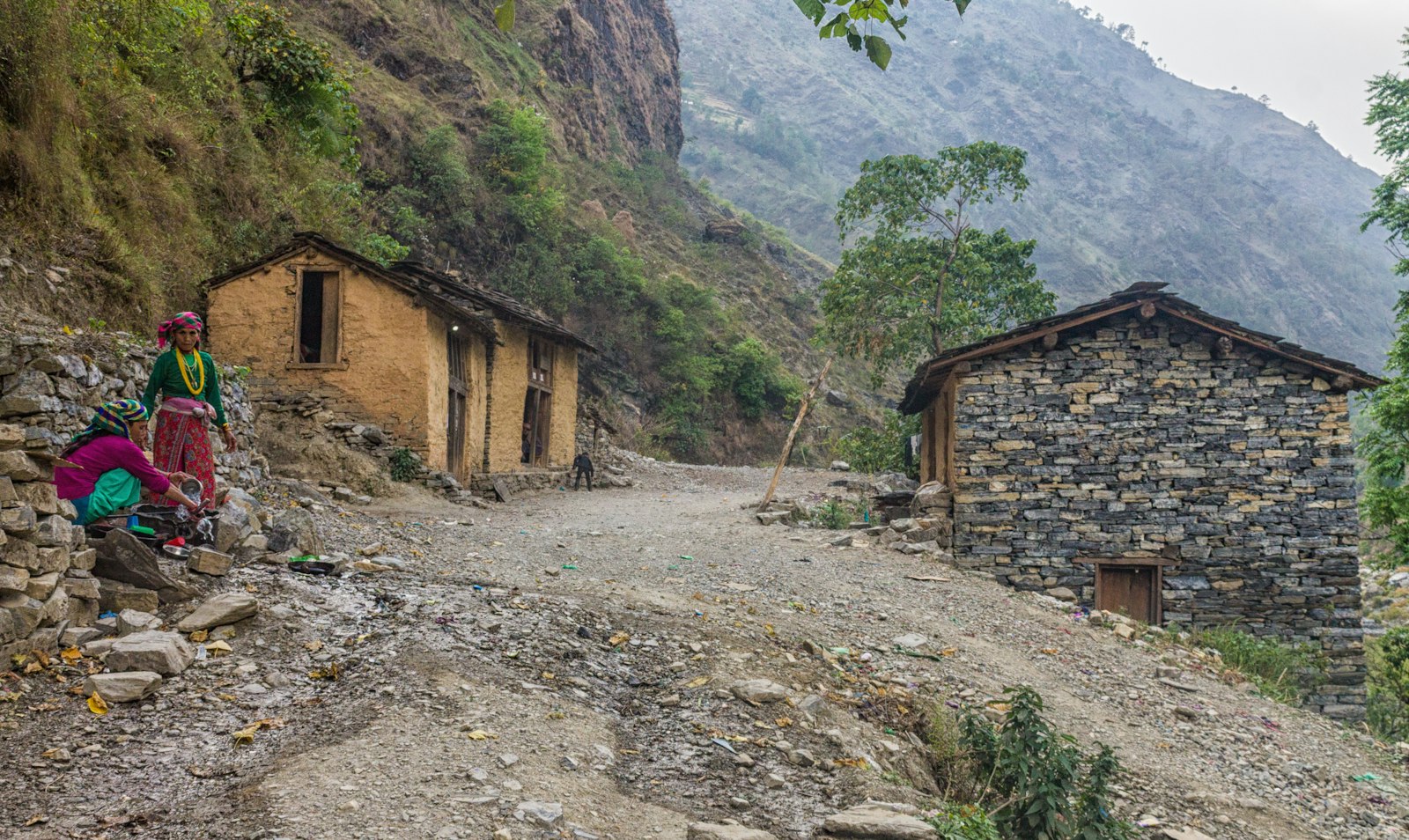
Nar Phu sits just off the Annapurna Circuit but feels like a different country: a narrow restricted valley of Tibetan-influenced villages, chortens, and juniper forest that most Annapurna trekkers never see.
This is where permit complexity jumps up a tier. Nar Phu requires a restricted-area permit (typically bundled by the week), a minimum of two trekkers traveling together, and a licensed guide — solo or unguided trekking isn't an option here the way it is in Markha Valley.
The reward is Kang La pass (around 5,320m) and villages like Nar and Phu that see a fraction of the Annapurna Circuit's foot traffic. Teahouses exist but are basic; budget for simpler meals and colder rooms than you'd get lower in the Annapurna region.
Druk Path, Bhutan
Moderate · guide and Sustainable Development Fee mandatory · best spring and autumn
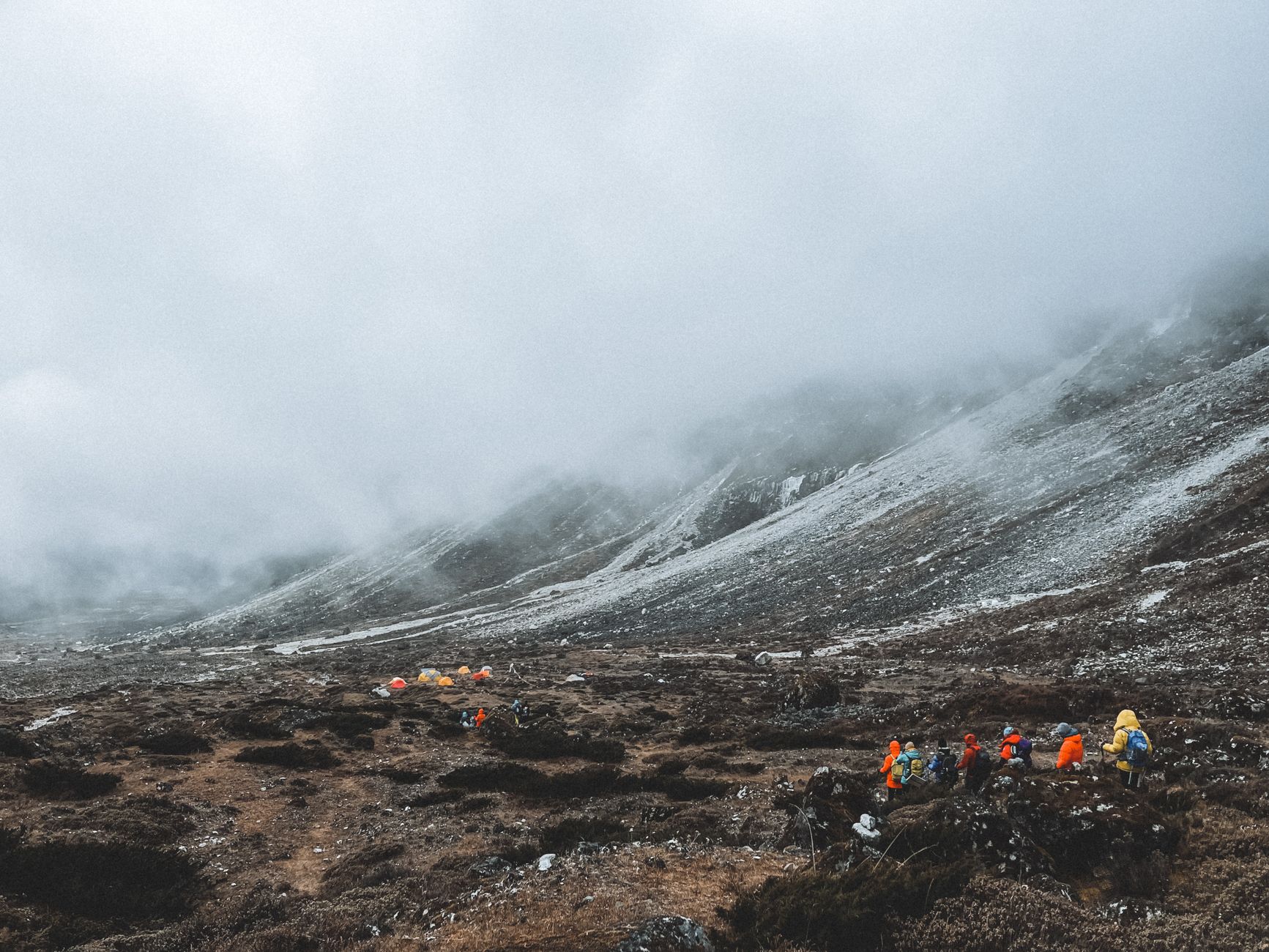
The Druk Path connects Paro to Thimphu over five to six days of high alpine lakes and juniper ridgeline, with views of Jomolhari on clear days from the higher camps near 4,200m.
Bhutan changes the calculus entirely: every visitor needs a licensed local guide and pays the government's Sustainable Development Fee, which has run around USD 100 per person per night in recent years — plan for this cost on top of trek fees. There's no teahouse network; this is a fully camped trek with porters and yaks carrying gear.
What you get in exchange is a trail that never feels crowded, because Bhutan caps visitor numbers by design rather than by trail difficulty.
Cordelie travel advisors
Planning Markha Valley? Go with someone who knows
The right suite, the right season, the reservations that never appear online — your Cordelie advisor knows them, and holds them for you.
Plan with a Cordelie advisorFree to ask. Cordelie Travel Services · IATA/ARC 06649064
Goecha La, Sikkim
Strenuous · highest permit complexity on this list · best spring (April-May) and autumn
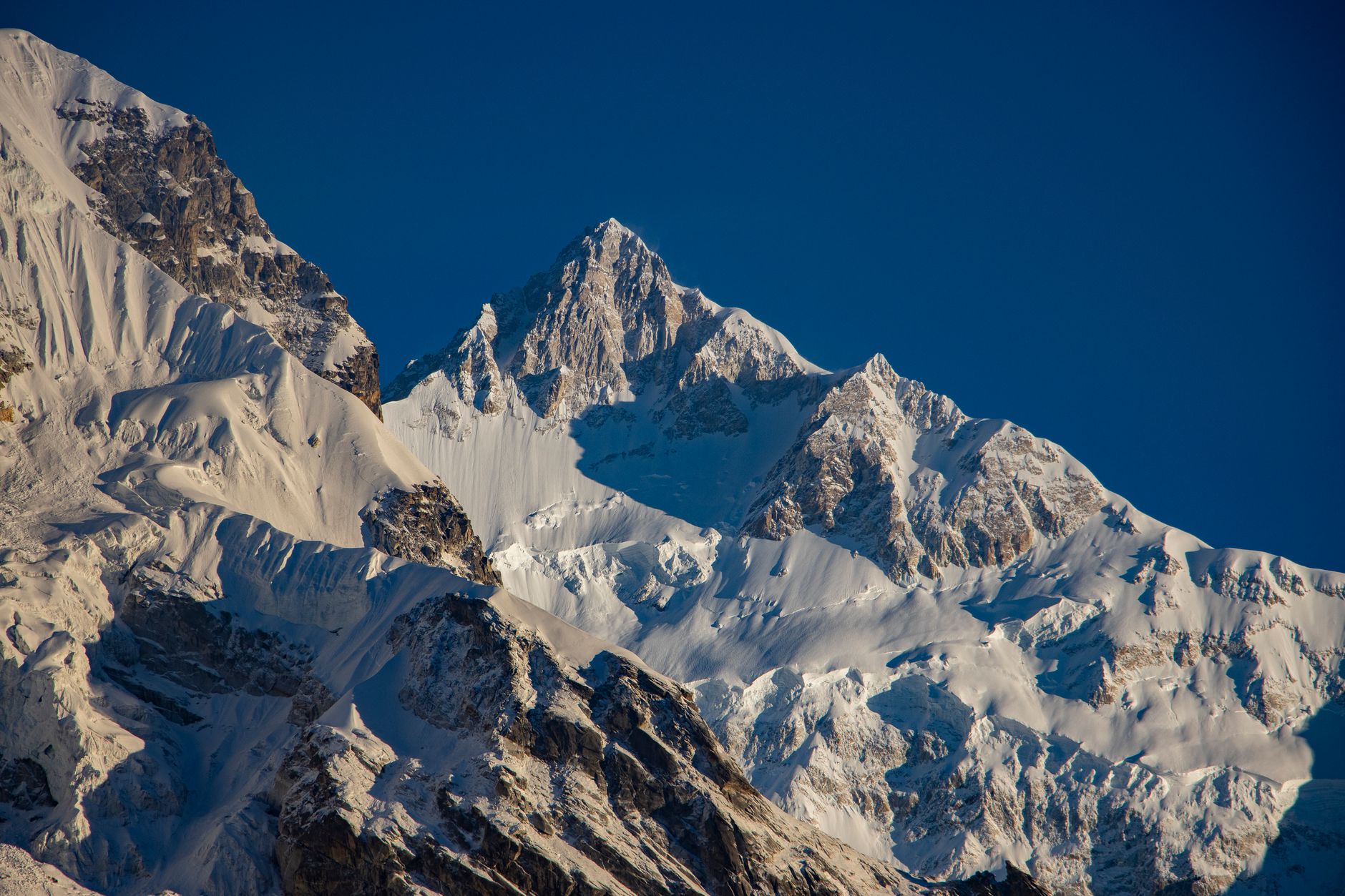
Goecha La delivers one of the closest trekking-accessible views of Kanchenjunga anywhere, but it demands the most paperwork patience of any trail here.
Trekkers need an Inner Line Permit for Sikkim, a Protected Area Permit for the Kanchenjunga National Park zone, and must travel with a registered Sikkim trekking agency — independent trekking isn't permitted. The route from Yuksom climbs through rhododendron forest to Dzongri (4,020m) before a long push to the Goecha La viewpoint near 4,940m.
Spring brings the valley's rhododendron bloom at lower elevations; autumn brings the clearest Kanchenjunga views. This is a fully camped trek — no teahouse chain exists along this route.
Hampta Pass, Himachal Pradesh
Moderate · simplest permit process · best June through September
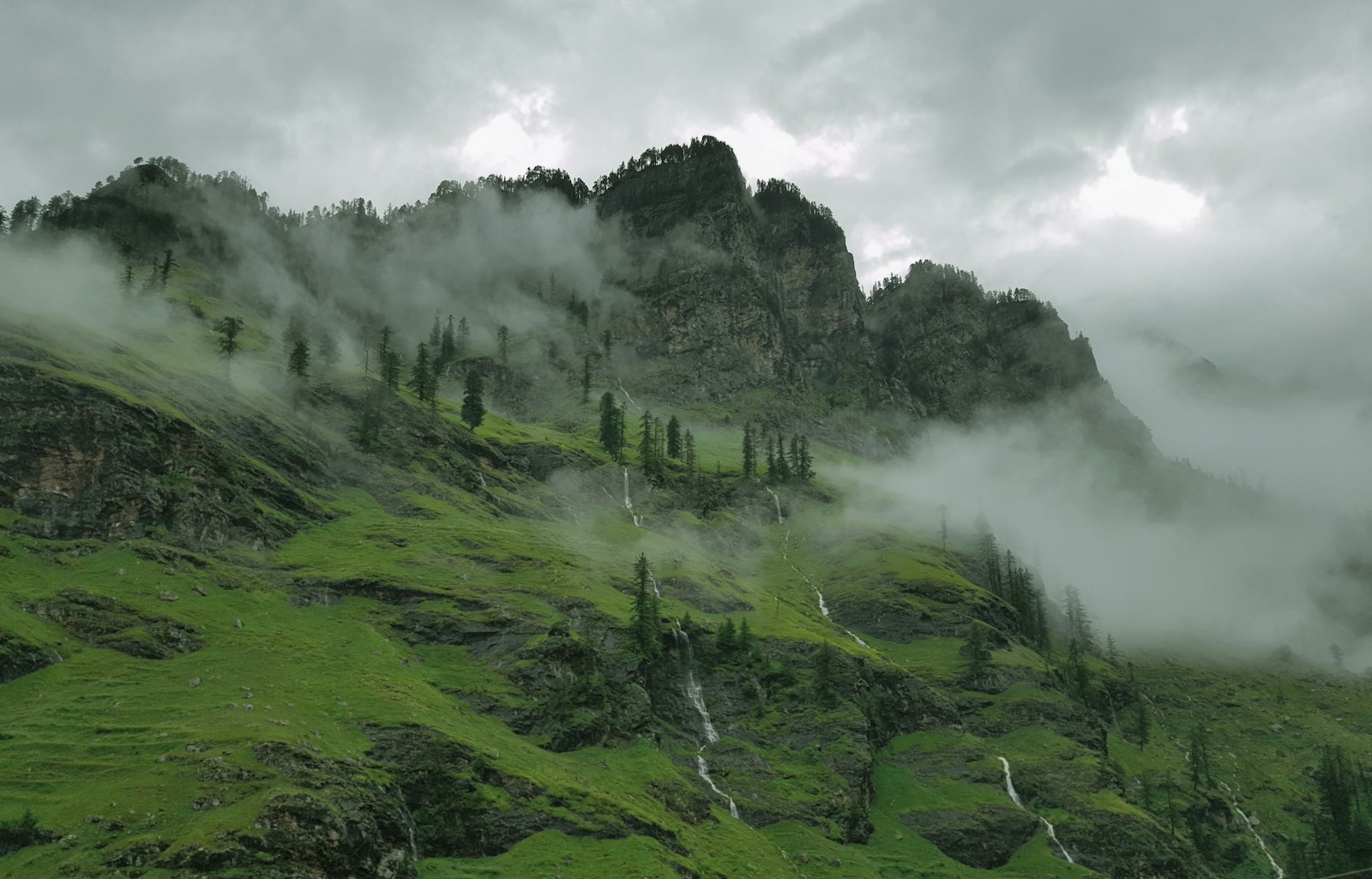
Hampta Pass is the trek to book when someone wants a genuine Himalayan crossing — green Kullu Valley on one side, stark Lahaul desert on the other — in four to five days without restricted-area paperwork.
The route runs from Jobra near Manali over the 4,270m pass to Chatru, with a side trip possible to the turquoise Chandratal Lake (4,300m). Forest entry fees apply but there's no Inner Line Permit or guide mandate the way there is in Sikkim or Bhutan.
It's a camping trek, and the river crossings early in the route run cold and occasionally thigh-deep in peak snowmelt — trekking poles and a guide who knows the current crossing point matter more here than the altitude does.
Three Himalayan Trails Worth Watching: Tsum Valley, Pin Parvati, and the Snowman
Tsum Valley, tucked beside the Manaslu Conservation Area in Nepal, almost made the ranked list. It shares Nar Phu's restricted-area permit structure and mandatory-guide rule, but its monasteries at Mu Gompa and Rachen Gompa give it a cultural depth that edges toward pilgrimage trekking rather than pure mountain walking — worth booking as an add-on to a Manaslu Circuit trip, less so as a standalone.
Pin Parvati Pass, also in Himachal Pradesh, is the technical cousin of Hampta: a 10-12 day crossing from the Parvati Valley into the Spiti region over a glaciated pass above 5,300m that genuinely requires roped-up experience and a guide comfortable on crevassed terrain. It didn't make the list because it's a specialist trek, not a general-adventure one — route-finding and glacier travel put it a tier above everything ranked above.
Bhutan's Snowman Trek deserves a mention precisely because almost nobody finishes it. Strung together from the Jomolhari and Laya-Gasa routes, it runs three to four weeks and crosses multiple passes above 5,000m, with weather and snow closures that regularly force trekking parties to bail partway through. It's widely regarded within Bhutanese trekking circles as the toughest multi-week trail in the country — book it only with months of lead time and a guide outfit that has actually completed it before.
Markha Valley's permit process is simple, but the single biggest failure point on this trek isn't paperwork — it's trekkers flying into Leh at 3,500m and starting the walk two days later without enough time to adjust.
A Cordelie advisor builds in the right number of acclimatization days in Leh, matches you with a Ladakhi outfitter who runs well-maintained homestay routes rather than budget tent camps, and times the Kongmaru La crossing around your fitness level and the season's actual snow conditions. That's the difference between a trek you remember for Kang Yatse and one you remember for a headache at 5,000m.
Ready to put a Himalayan trek on the calendar? A Cordelie advisor can craft a Markha Valley itinerary — or match you to one of the six alternatives above — built around the altitude profile and season that actually suits you. Start the conversation at https://cordelie.com/contact.
Top Pick: Markha Valley, Ladakh
The best combination of dramatic high-altitude scenery, manageable logistics, and simple permitting on this entire list.
Markha Valley wins because it's the rare Himalayan trek that doesn't force a trade-off between adventure and infrastructure. You get a real 5,260m pass crossing, two days staring at Kang Yatse's 6,400m summit from the Nimaling meadows, and village homestays the whole way — no tent, no restricted-area permit scramble, no mandatory guide-and-fee structure like Bhutan's.
Book it for mid-June through September, add two acclimatization nights in Leh before you start walking, and go in with a local outfitter who runs the homestay route rather than a generic camping itinerary. Do that, and Markha Valley delivers more Himalayan payoff per day of walking than almost anything else on this list.

Marcus Rivera has spent fifteen years writing about places you have to walk into. He has guided in Patagonia, reported from Kilimanjaro's quieter routes, and has strong opinions about which of them are worth the airfare. He is based in Boulder, mostly so he can leave it.