
The Complete Guide to Charleston

The Complete Guide to Charleston: A City Where Spanish Moss Meets Seaport Grit
Charleston does not announce itself. It seeps in through the smell of pluff mud at low tide, the clop of carriage horses on cobblestones that predate the United States, and the particular hush that falls over the Battery when a thunderstorm rolls in off the harbor. This is a city of roughly 150,000 people wedged onto a narrow peninsula between the Ashley and Cooper rivers, and every block of its old district carries three centuries of history without ever feeling like a museum.
What makes Charleston worth the trip is how many different trips it can be. You can spend four days eating your way down Church Street and King Street, or you can spend them entirely on the water, kayaking the salt marshes around Shem Creek and riding a ferry out to a Civil War fort. The plantations south and west of downtown hold difficult, essential history alongside some of the most beautiful gardens in the American South, and the barrier islands twenty minutes away swap cobblestones for sand dunes. Few American cities pack this much texture into so small a footprint.
Charleston Quick Facts
Azaleas in April, Hurricanes in September: Charleston's Seasonal Rhythm
Spring is Charleston at its most photogenic. Azaleas and wisteria peak across the Lowcountry from late March into April, gardens like Magnolia Plantation are at their showiest, and daytime temperatures sit in a comfortable 65-80°F (18-27°C) range. This is also when the Spoleto Festival USA takes over the city for roughly two and a half weeks starting late May, filling churches and theaters with opera, dance, and chamber music, so book hotels months ahead if your trip overlaps with it.
Summer brings heavy, wet heat that regularly pushes past 90°F (32°C) with humidity that makes the air feel physical. It is also hurricane season, running officially from June through November, so travel insurance and flexible bookings are worth the extra cost between August and October. Fall is the sleeper season: by late September the humidity breaks, the crowds thin out after Labor Day, and the light turns gold over the harbor. Winter is mild rather than cold, hovering in the 45-60°F (7-16°C) range, with fewer tourists and lower hotel rates, making January and February surprisingly good months for a quieter, budget-conscious visit.
Cordelie travel advisors
Planning Charleston? Go with someone who knows
The right suite, the right season, the reservations that never appear online — your Cordelie advisor knows them, and holds them for you.
Plan with a Cordelie advisorFree to ask. Cordelie Travel Services · IATA/ARC 06649064
From Rainbow Row to Fort Sumter: The Experiences Worth Your Time
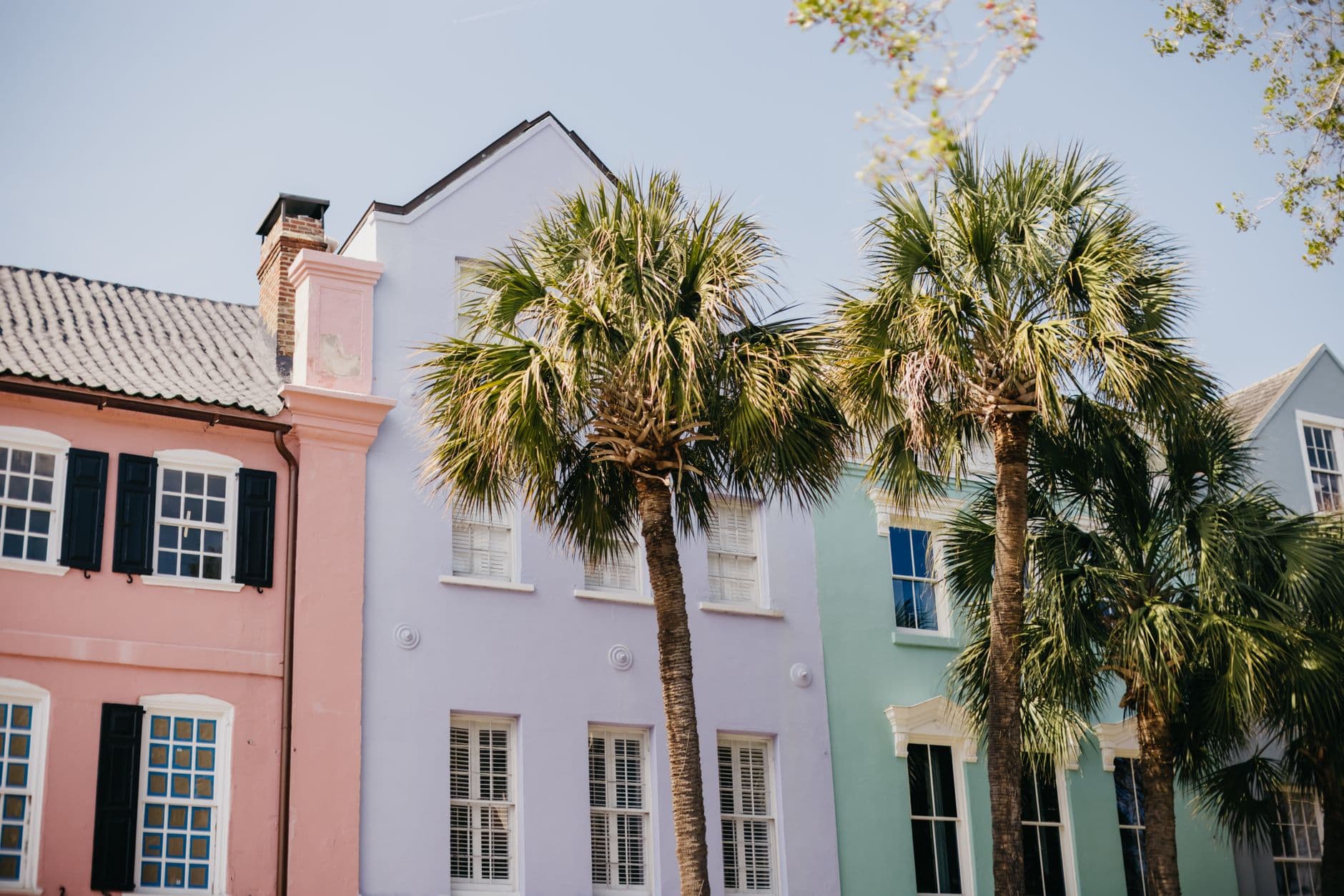
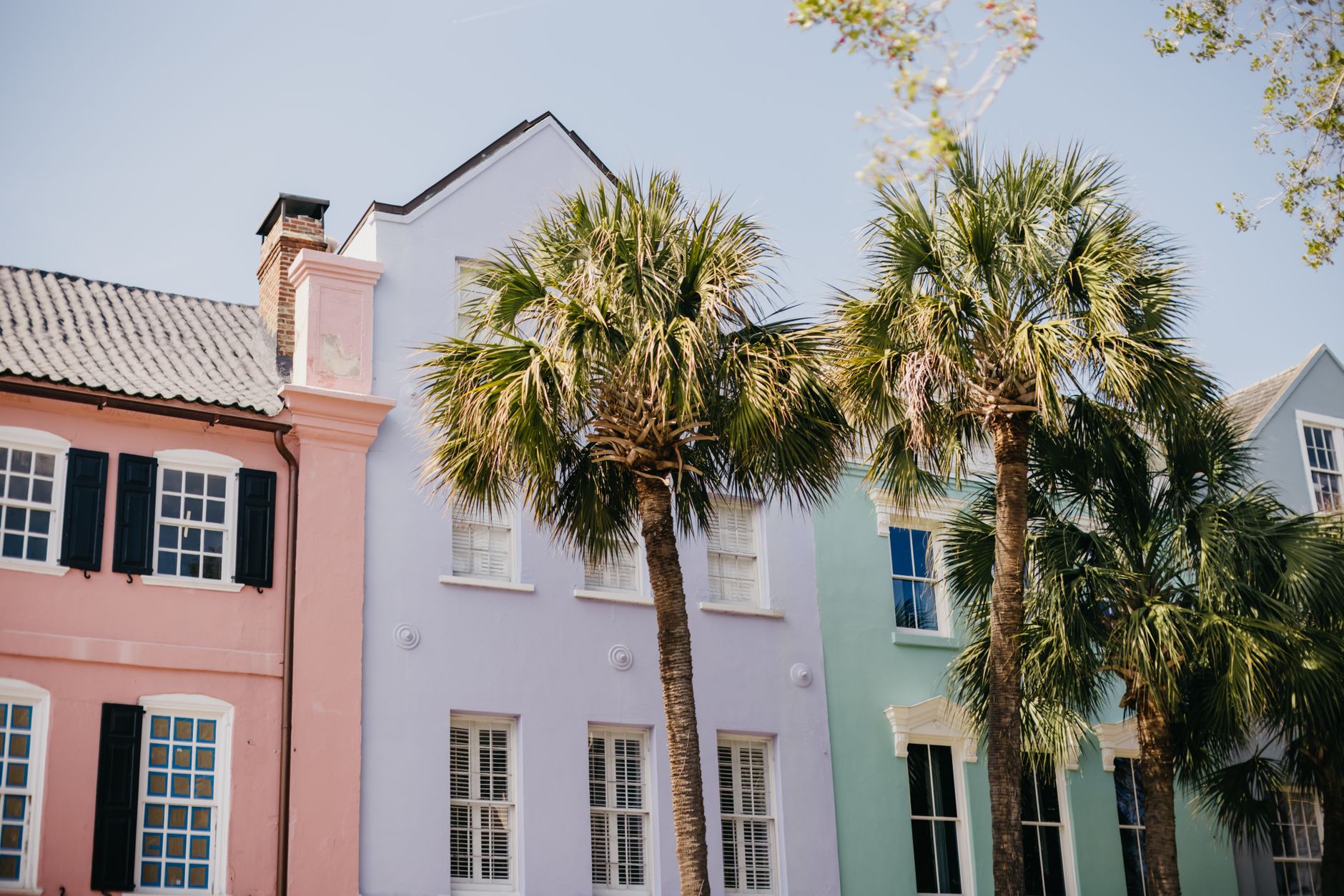
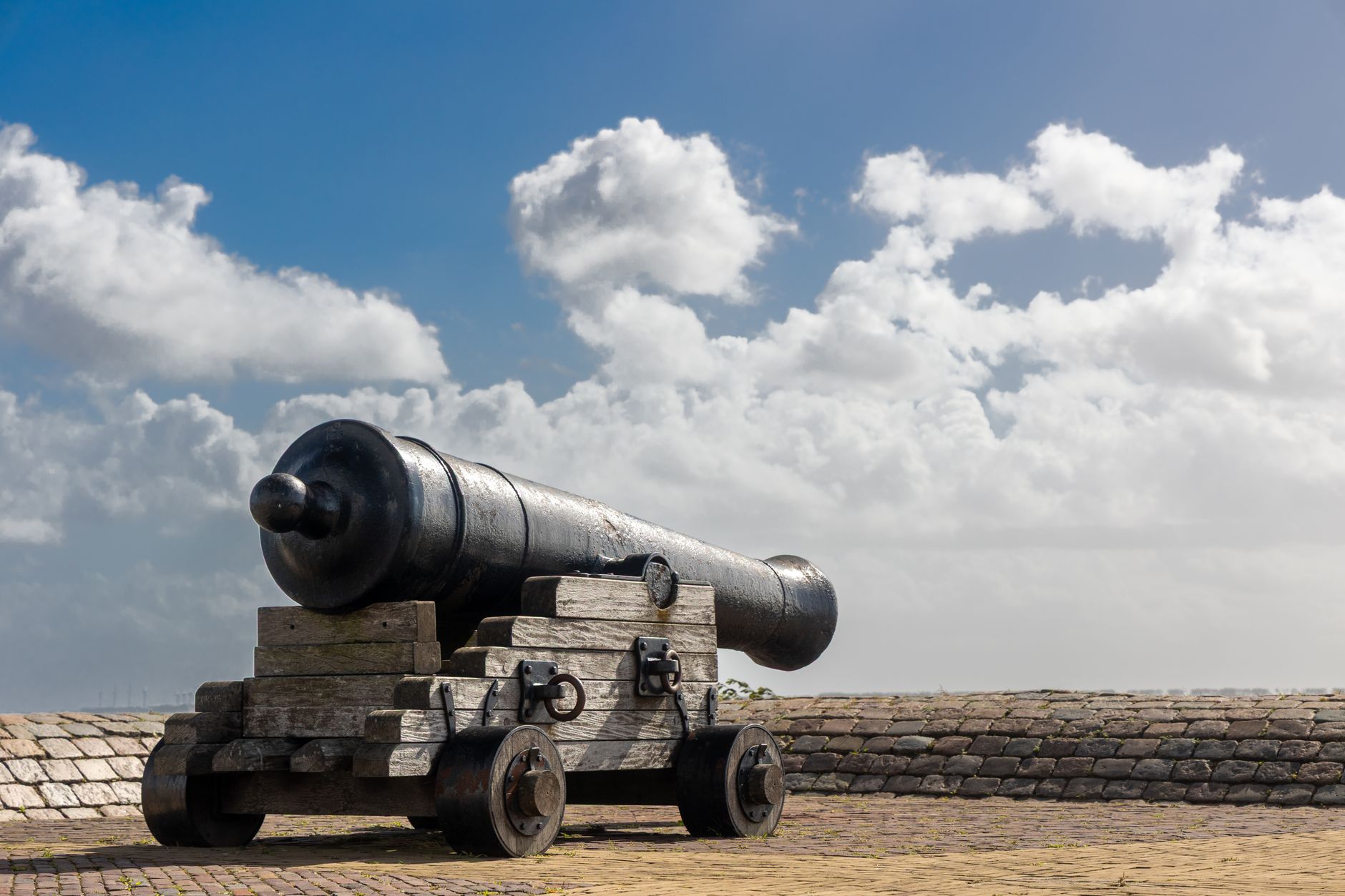
Start on foot in the historic district, where the Battery and White Point Garden sit at the peninsula's southern tip, ringed by antebellum mansions and Civil War cannons pointed out at the harbor. Walk north along East Bay Street to reach Rainbow Row, thirteen consecutive pastel houses dating largely from the mid-1700s, then cut inland to the Charleston City Market, a series of covered market sheds first built in the early 1800s where Gullah sweetgrass basket weavers still sell handwoven baskets most days from roughly 9:30am to 6pm.
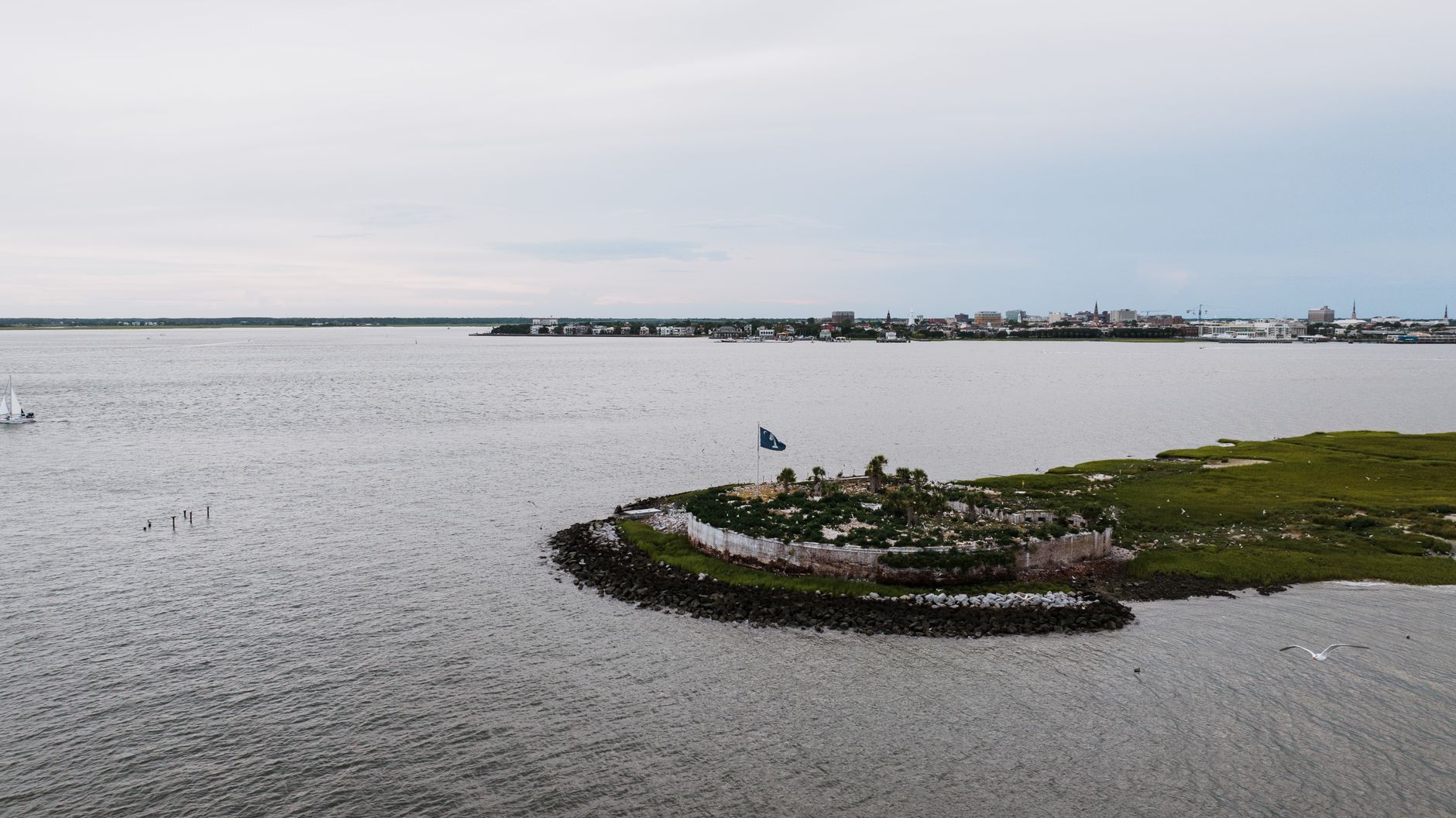
A boat trip to Fort Sumter is worth the half-day it takes. Ferries depart from Liberty Square downtown or Patriots Point across the river, the crossing takes about 30 minutes each way, and the full outing including time on the fort runs roughly two and a quarter hours; tickets run about $32-38 for adults as of recent seasons and sell out on busy weekends, so book ahead through Fort Sumter Tours. For living history of a different kind, a carriage tour with an operator like Palmetto Carriage Works or Old South Carriage Company (roughly $30-35 per adult for about an hour) covers ground you'd otherwise miss and gives context to buildings that look identical if you don't know their stories.
South and west of the city, Middleton Place and Magnolia Plantation both sit along the Ashley River about 20-25 minutes' drive from downtown, and both pair formal gardens with unflinching interpretation of the enslaved communities who built and worked them. On Johns Island, roughly a 30-minute drive from downtown, the Angel Oak stands as a live oak estimated to be several centuries old, its limbs sweeping low enough to touch the ground; admission is free and it's an easy add-on to a beach day at nearby Kiawah or Folly Beach.
Charleston's Signature Sights
Sleeping Below Broad Street or Above It: Charleston's Best Bases
For a splurge, the Wentworth Mansion on Wentworth Street occupies a restored 1886 private residence a few blocks off King Street, with rooms typically running $450-650 a night and a widow's walk offering rooftop harbor views. The Dewberry, set inside a mid-century former federal office building facing Marion Square, leans modern-luxe with rates in a similar band, while Zero George tucks eleven rooms into a cluster of 19th-century houses on a quiet lane near the Aiken-Rhett House, ideal if you want boutique intimacy over hotel scale.
In the mid-range, the Mills House Charleston on Meeting Street and the Francis Marion Hotel overlooking Marion Square both put you within a 10-15 minute walk of the City Market and King Street shopping, generally for $250-400 a night depending on season. For value without leaving downtown, look at the Andrew Pinckney Inn just off Market Street, where rates often dip to the $180-260 range outside peak spring weekends. Travelers on a tighter budget, or those wanting easy beach access, should consider Folly Beach or Sullivan's Island, where vacation rentals and small inns run cheaper than downtown and put you a 20-25 minute drive from the historic district.
Shrimp, Grits, and Gullah Roots: Charleston's Table
Charleston's food identity runs on Lowcountry staples reworked by chefs who take the history seriously. Shrimp and grits appear on nearly every menu but vary widely; try Husk on Queen Street, where the menu changes daily around whatever local farms and fishermen bring in, or The Ordinary on King Street, a former bank turned raw bar known for oysters and a standout shrimp roll. Xiao Bao Biscuit, in a converted gas station on Rutledge Avenue, applies Charleston's seafood and produce to a rotating Asian-influenced menu, and Leon's Oyster Shop pairs fried chicken with cold beer and a shaded courtyard that fills up fast on weekend evenings.
Gullah Geechee culture, descended from West African communities brought to the Lowcountry rice and indigo plantations, is not a footnote here; it's the reason okra soup, red rice, and sweetgrass baskets look the way they do. A guided tour of the McLeod Plantation Historic Site on James Island, run by Charleston County Parks, centers the enslaved perspective directly rather than treating it as background, and admission runs modestly cheap compared to the private plantation tours. Dining out in Charleston tends to be relaxed; reservations matter at the marquee spots like Husk and FIG, especially on weekends, but you rarely need more than smart casual dress anywhere in town.
“Charleston doesn't perform its history for you. It just keeps living inside it, and lets you catch up.”
Cobblestones and Causeways: Navigating the Peninsula and Beyond
The historic peninsula rewards walking; most of the sights between the Battery and the City Market sit within a 20-minute walk of each other, and the cobblestones of streets like Chalmers Street are genuinely original, so leave the heels at home. The free DASH trolley loops through downtown roughly every 10-15 minutes and covers the main tourist corridor if your feet need a break, while CARTA runs the wider city bus network for longer hops.
You'll want a car, rideshare, or a booked tour to reach the plantations, Angel Oak, and the beaches, none of which are walkable from downtown. Folly Beach is about a 20-minute drive southwest, Sullivan's Island and Isle of Palms sit roughly 20-25 minutes northeast across the Ben Sawyer Bridge, and Kiawah Island is closer to 45 minutes. Charleston International Airport (CHS) sits about 12 miles north of downtown, a 20-25 minute drive or roughly $30-40 by rideshare, with no direct rail link into the city.
Three Days on the Peninsula: A Sample Itinerary
Old Charleston on Foot: Battery to Market
Begin at the Battery and White Point Garden around 9am, before the heat sets in, then walk north along East Bay Street to Rainbow Row for photos while the light is still soft.
Spend the late morning wandering into St. Philip's Church and the surrounding French Quarter lanes, then have lunch at Poogan's Porch on Queen Street, a Lowcountry standard housed in a Victorian home dating to 1888.
Browse the Charleston City Market in the afternoon, then head to Husk or The Ordinary for dinner; book either at least a few days out if you're visiting on a weekend.
Lowcountry Roots: Plantations, Oaks, and Gullah Culture
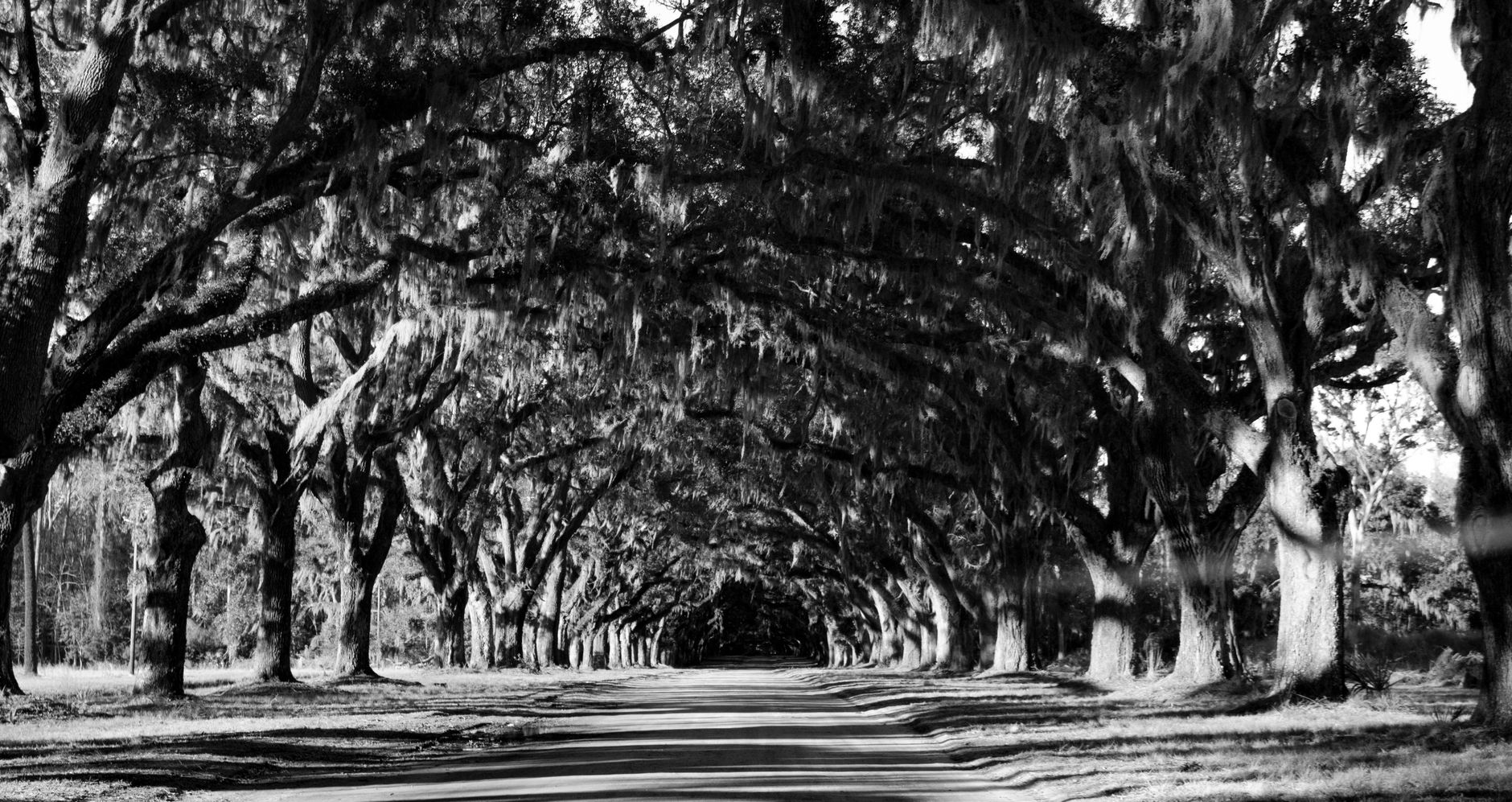
Drive about 20 minutes to Middleton Place or Magnolia Plantation for the morning; both open around 9am and a thorough visit, including a house or history tour, takes three to four hours.
Have a late lunch back toward town, then drive roughly 30 minutes to Johns Island to see the Angel Oak, which is free to visit and takes only 20-30 minutes once you're there.
Round out the afternoon at the McLeod Plantation Historic Site on James Island, which closes earlier than the other plantations, so check current hours before you go.
Sand, Surf, and Fort Sumter
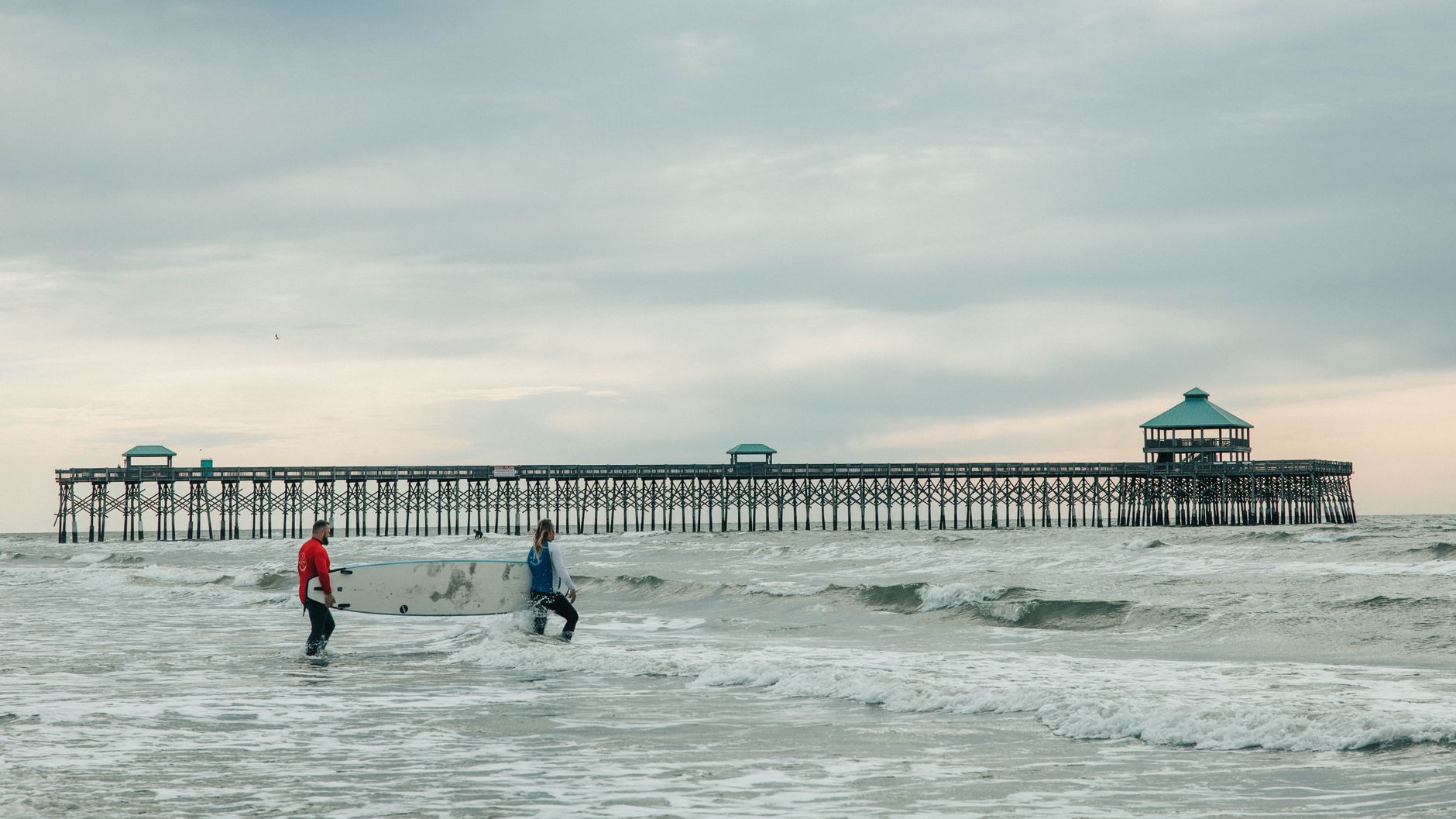
Catch an early Fort Sumter ferry from Liberty Square, boarding around 9:30 or 10:30am depending on the day's schedule, for the roughly two-and-a-quarter-hour round trip.
After returning to the dock by early afternoon, drive 20-25 minutes to Sullivan's Island or Folly Beach for a few hours in the sand; Folly's pier and the Washout stretch are good for a swim or a surf lesson.
Close the trip with dinner at Leon's Oyster Shop or, back downtown, Butcher & Bee on King Street, both easy, unfussy ways to end a Charleston visit.
Fort Sumter ferries and the best plantation house tours sell out weeks ahead during spring and Spoleto season, and the marquee restaurants like Husk and FIG can be booked solid for weekends well in advance.
A Cordelie travel advisor can lock in those hard-to-get slots alongside your hotel and airport transfer as one itinerary, which matters most if you're trying to fit a plantation morning, a ferry crossing, and a dinner reservation into the same day without the logistics falling apart. Get in touch at https://cordelie.com/contact to start planning.
Charleston At a Glance
A compact, walkable historic city with genuine depth, best visited in spring or fall and paired with at least one day on the water or the barrier islands.
Charleston works equally well as a long weekend or a full week, since the historic peninsula, the Ashley River plantations, and the beaches each deserve their own dedicated day.
Budget roughly $250-450 a night for a well-located hotel, add $30-40 for Fort Sumter tickets and a similar sum for a carriage tour, and expect meals at the city's best-known restaurants to run $40-70 per person with drinks.
Come for the architecture and the harbor light, but stay curious about the Gullah Geechee history that runs underneath most of what you'll see; it makes the whole trip make more sense.
Last checked for accuracy: . How we check

Marcus Rivera has spent fifteen years writing about places you have to walk into. He has guided in Patagonia, reported from Kilimanjaro's quieter routes, and has strong opinions about which of them are worth the airfare. He is based in Boulder, mostly so he can leave it.