The Best Things to Do in Varanasi to Kolkata Ganges River Cruise

The Best Things to Do on a Varanasi to Kolkata Ganges River Cruise, Stop by Stop
The Ganges does not hurry, and neither should you between Varanasi and Kolkata. The river covers roughly 1,700 kilometres on its final run to the Bay of Bengal, and the handful of boutique vessels that sail it take somewhere between ten and fourteen nights to do it, with long shore mornings and lazy afternoons on deck in between. This list ranks the stops and set-pieces that reward a lingering visit rather than a quick photo, drawn from the river's own order of events, from the ghats of Varanasi down through Bihar and into Bengal. If you're still deciding on cabin class, departure month or which operator runs the fuller itinerary, it's worth reading how to choose a Ganges river cruise between Varanasi and Kolkata before you book, since the season and the route length change what you'll actually see.
Each stop was weighed on three things: whether the shore excursion gives enough time to actually absorb the place rather than skim it, whether it's reachable within the window a cruise typically allots (usually two to five hours), and whether it offers something distinct from the stop before it.
Order here follows the river's own current, from Varanasi south-east to Kolkata, so the sequence doubles as a rough map of the voyage itself. March and April sit at the tail end of the cruising season, before the pre-monsoon heat sets in from May, so the stops below assume mild mornings and warm, bright afternoons rather than the cooler fog of a December departure.
The Ganga Aarti and Dawn Boat Ride at Dashashwamedh Ghat
Where the voyage actually starts, the evening before you board
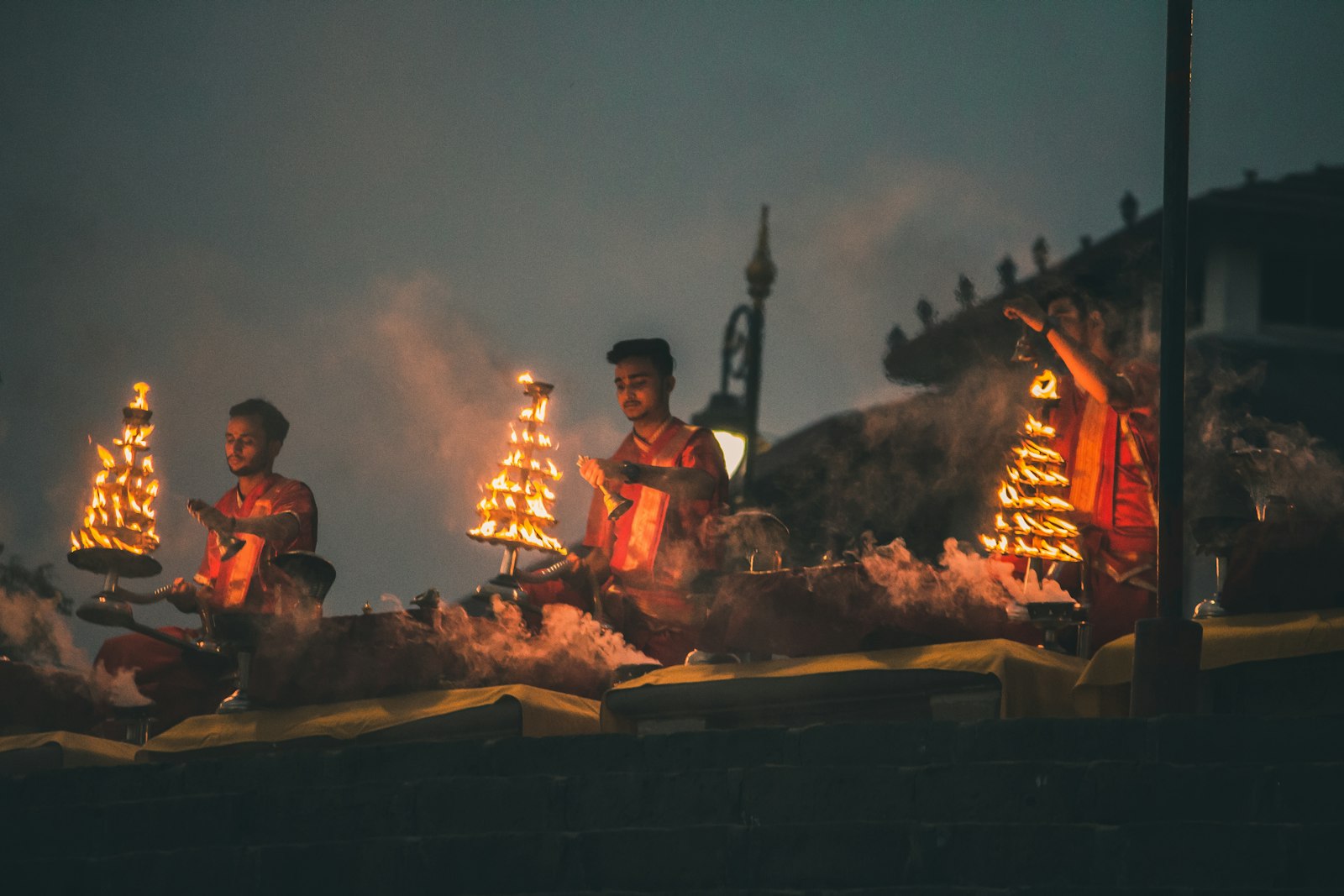
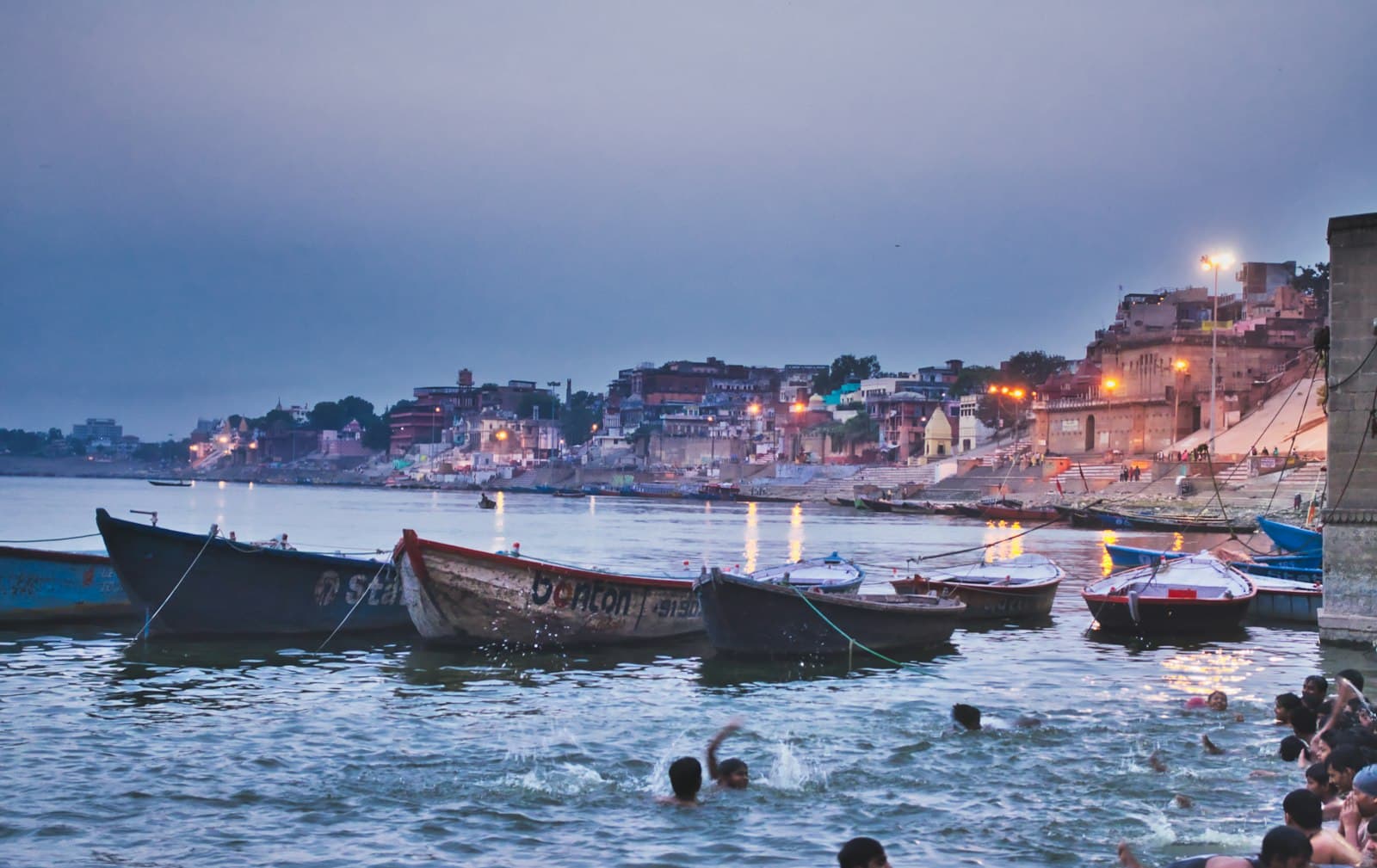
Most itineraries build in a night or two in Varanasi before boarding, and that's by design. The evening Ganga aarti at Dashashwamedh Ghat runs nightly, timed to sunset, which in March and April lands around 18:45 to 19:15. Seven young priests perform in unison with brass lamps and conch shells while rowboats cluster offshore for the best view.
Go back the next morning for the quieter version: a dawn boat ride from Assi Ghat, usually setting off between 05:30 and 06:15, past the string of bathing ghats as the light turns the sandstone pink. Private rowboats run roughly INR 500 to 900 an hour, more with a guide who can name the ghats as you pass.
Ramnagar Fort, the Maharaja's Residence Across the River
A working royal household, not a museum piece
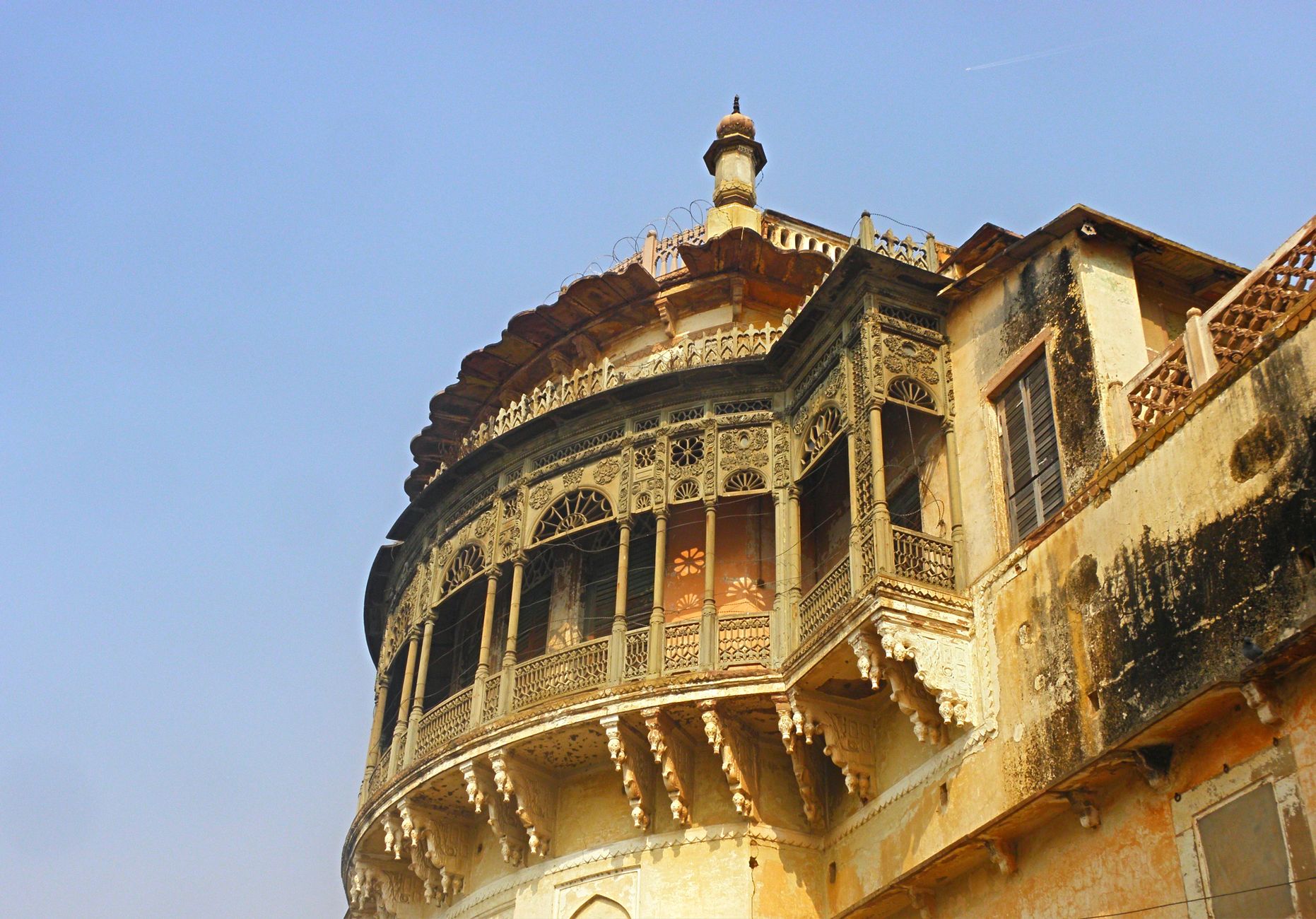
Ramnagar Fort sits on the eastern bank of the Ganges, built in the 1750s by the Kashi Naresh dynasty and still home to the current Maharaja of Benares. The museum wing holds a startling private collection: vintage cars, silver-mounted elephant howdahs, an armoury of swords and matchlocks, and an astronomical clock that still ticks through the day.
The fort is usually reached by a short road transfer rather than directly by boat, open roughly 09:00 to 17:00, with entry running about INR 200 to 300 for foreign visitors. Late afternoon light on the riverside facade is worth timing your visit around.
Chunar Fort's Sandstone Ramparts, 40 Kilometres Downstream
The quarry that built half of Mauryan India
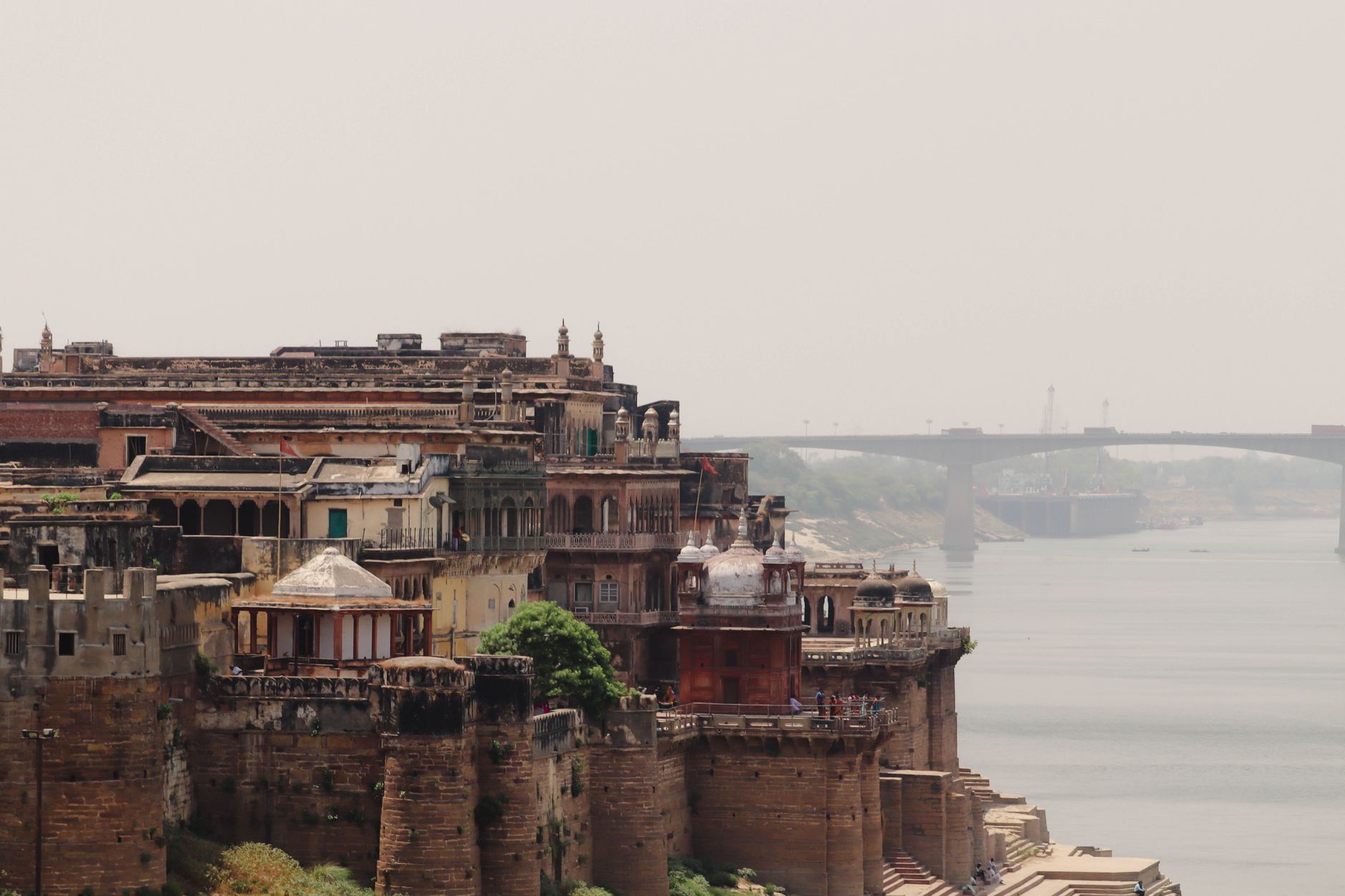
Chunar sits about 40 kilometres south-east of Varanasi, close enough that some itineraries fold it into a single long shore day. The fort crowns a sandstone cliff that supplied the quarries behind Ashoka's pillars and much of the stonework later used by British builders in Calcutta.
Humayun held it briefly, Sher Shah Suri took it back, and Warren Hastings later used it as a retreat; the layers show in the mismatched masonry. The climb to the ramparts takes twenty to thirty minutes and opens onto one of the widest river bends on the whole route.
Patna's Bihar Museum and the Golghar Granary
A new museum and an old warehouse, two cruising days from Varanasi
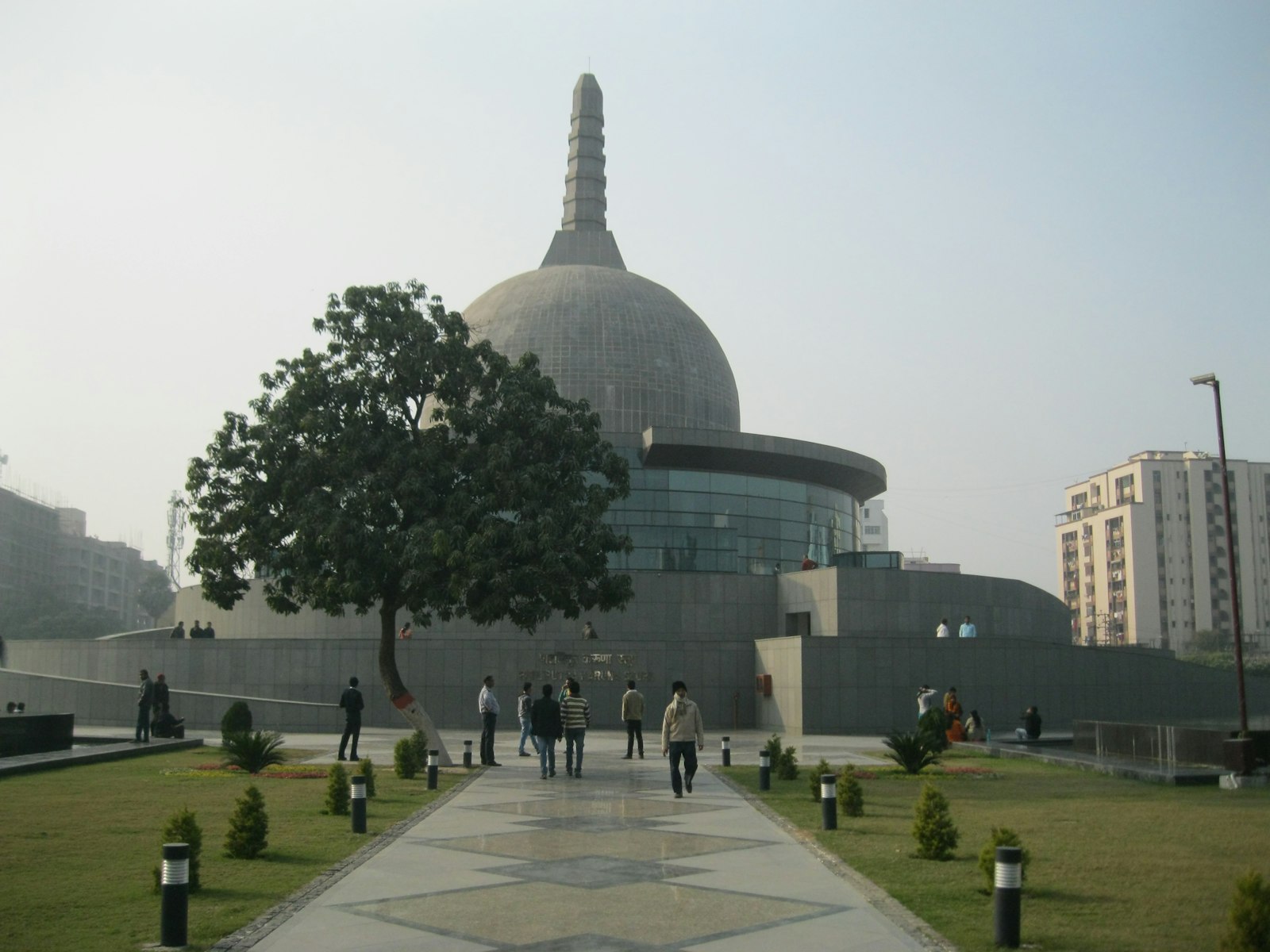
Patna lies roughly 250 kilometres downstream, about two days of cruising depending on current and the vessel's schedule. The Bihar Museum, which opened in stages from 2015, holds Mauryan and Gupta-era bronzes and stone sculpture in galleries that are generous with space, a relief after the crowded display cases common elsewhere. It's closed Mondays, and entry is ₹100 for Indian adults and ₹500 for foreign adults, with lower prices for Indian children and school groups.
A short drive away stands the Golghar, a beehive-shaped granary built in 1786 after a famine the British wanted never to repeat. The spiral staircase winding up its outside is worth the short climb for the view over the river and the old city rooftops.
Vikramshila's Buddhist Ruins Near Bhagalpur
An 8th-century university that rivalled Nalanda
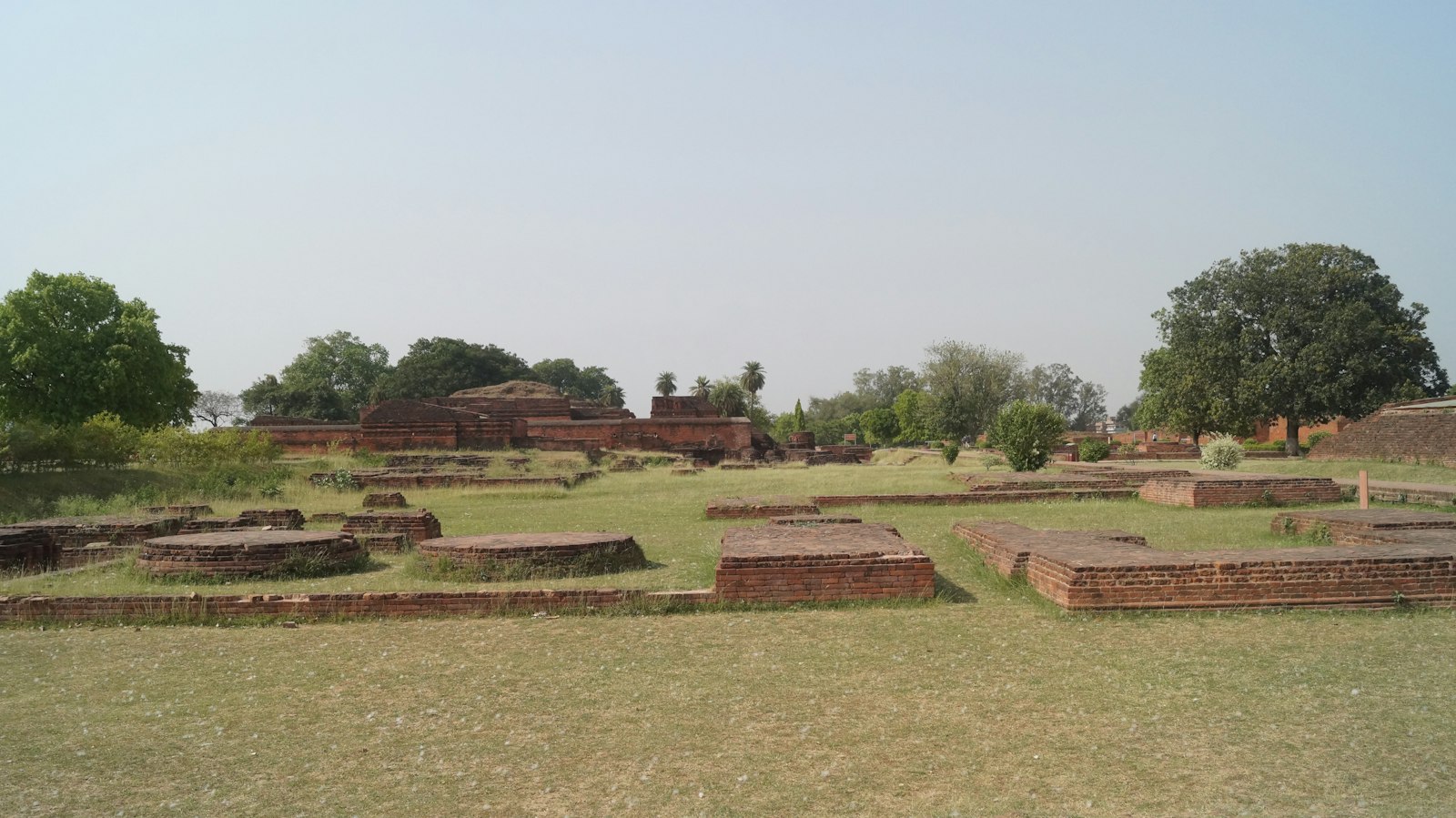
Bhagalpur sits further downstream, and the Vikramshila ruins just outside it get far fewer visitors than they deserve. Founded in the late 700s by the Pala ruler Dharmapala, the site was once a major Buddhist monastic university, mentioned by travelling scholars in the same breath as Nalanda.
What's visible now is a central stupa and dozens of excavated monastic cells, with a modest site museum holding sculpture fragments. Nearby weaving lanes still produce the tussar silk Bhagalpur has been known for since well before the Pala era, and a short detour into the workshops is easy to arrange.
Cordelie travel advisors
Go with someone who knows
The right suite, the right season, the reservations that never appear online — your Cordelie advisor knows them, and holds them for you.
Plan with a Cordelie advisorFree to ask. Cordelie Travel Services · IATA/ARC 06649064
Hazarduari Palace, Murshidabad's Thousand-Door Capital
The Nawabs' seat before Plassey changed everything
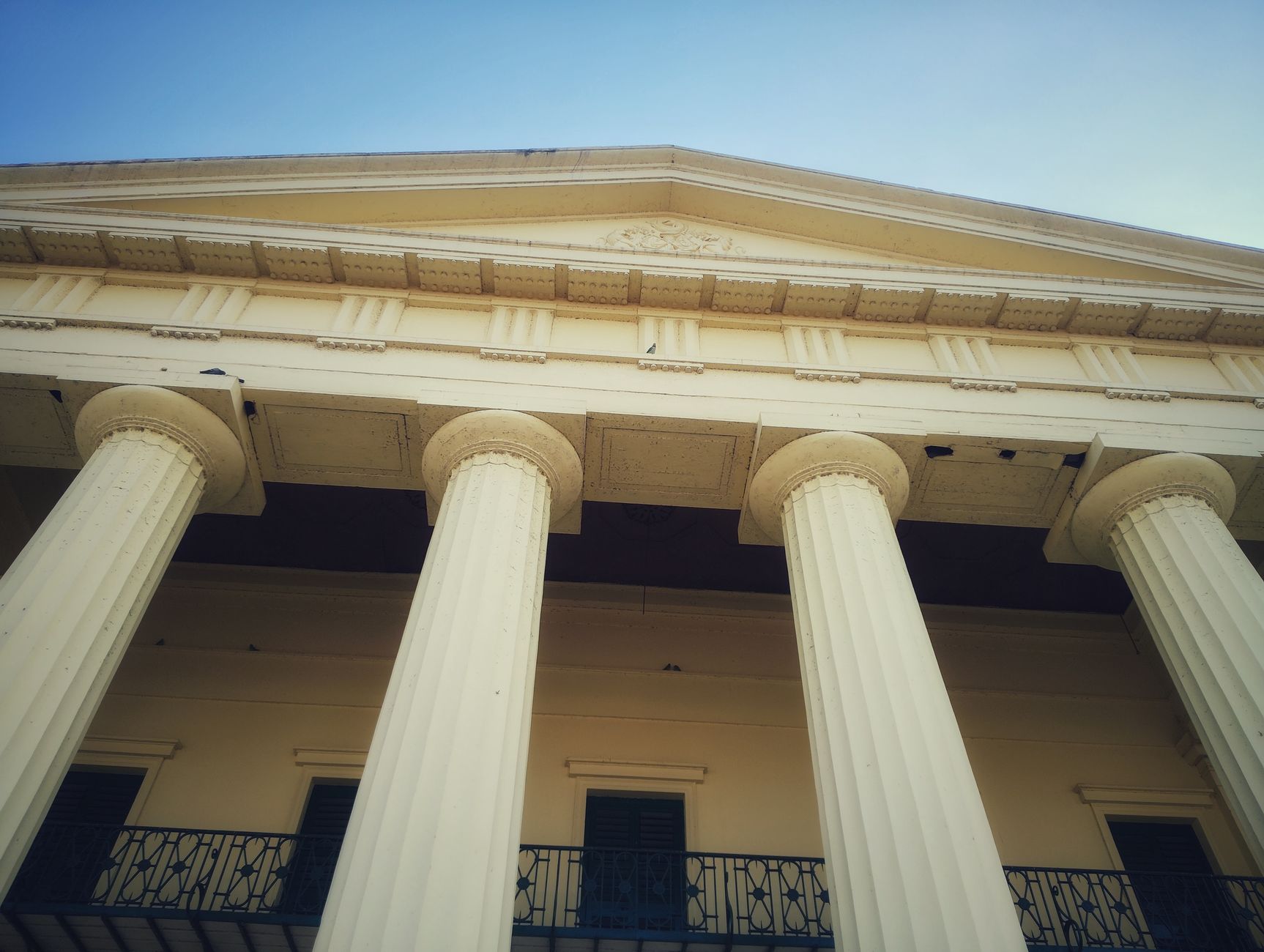
Murshidabad was the capital of Bengal's Nawabs until the Battle of Plassey in 1757 ended their independent rule. Hazarduari Palace, completed in 1837 under Nawab Nazim Humayun Jah, takes its name from its roughly one thousand doors, many of them false, built to confuse would-be assassins.
Inside sits an armoury, a portrait gallery of the Nawabi line, and a vast marble hall used for state receptions. The palace closes Fridays, and entry runs about INR 25 for Indian visitors and up to roughly INR 300 for foreigners. The nearby Katra Mosque holds the tomb of Murshid Quli Khan, the city's founder.
The Terracotta Temple Cluster at Kalna
Twenty-five temples arranged in concentric rings
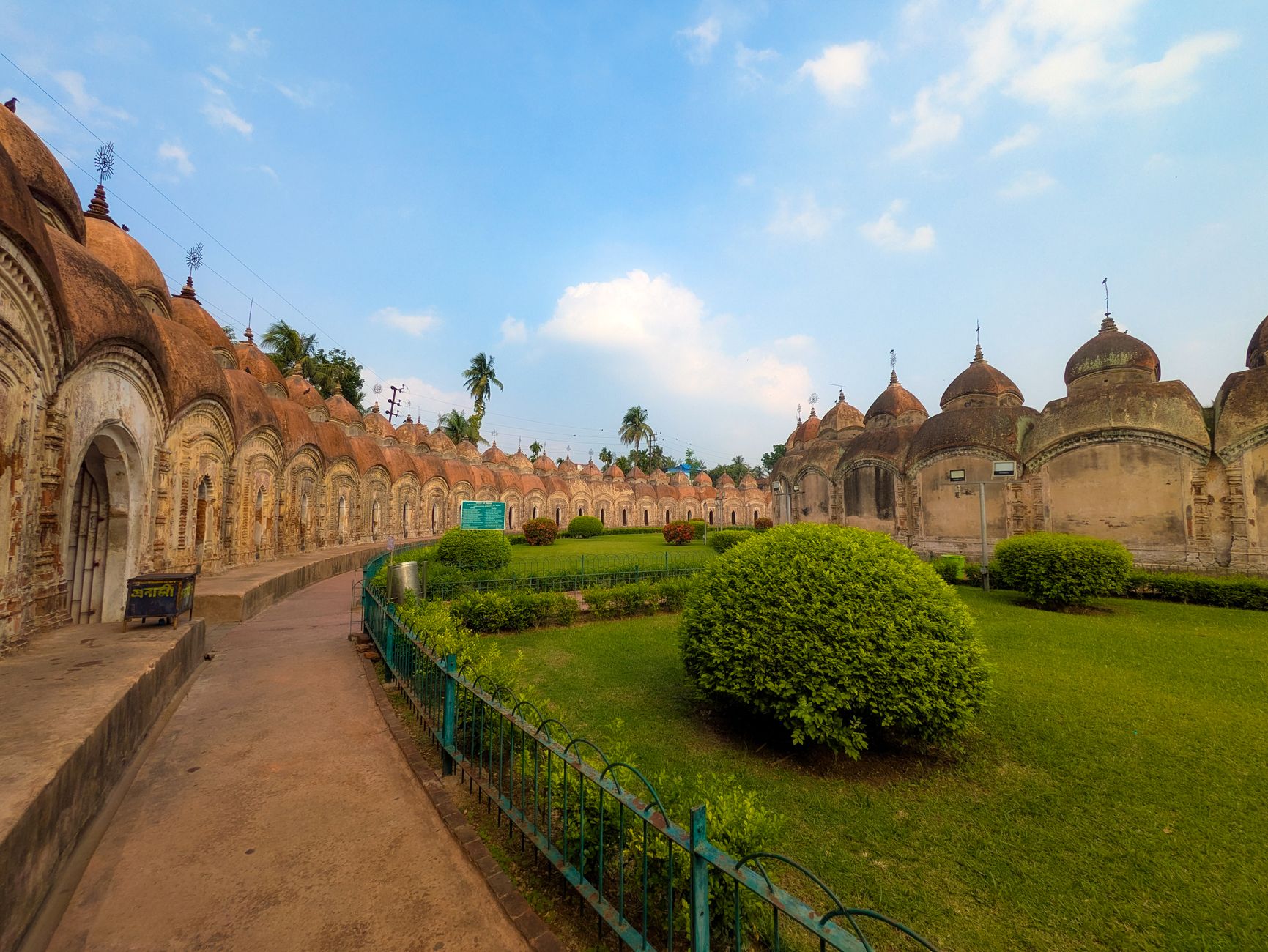
Kalna, in Burdwan district roughly 100 kilometres upriver from Kolkata, usually gets a half-day stop, and that's about right. The Rajbari temple complex here, built in 1809 under Maharaja Teja Chandra Bahadur, holds twenty-five Shiva temples set out in two concentric rings, a layout you won't find anywhere else on the route.
Walk a few minutes further to the Lalji and Pratapeshwar temples, where terracotta panels running the full height of the walls depict scenes from the Ramayana in startling detail, down to individual arrows mid-flight. Bring a long lens; the carving rewards a close look more than a wide shot.
Mayapur, Chaitanya's Birthplace and ISKCON's Temple Town
A pilgrimage site that welcomes visitors of any faith
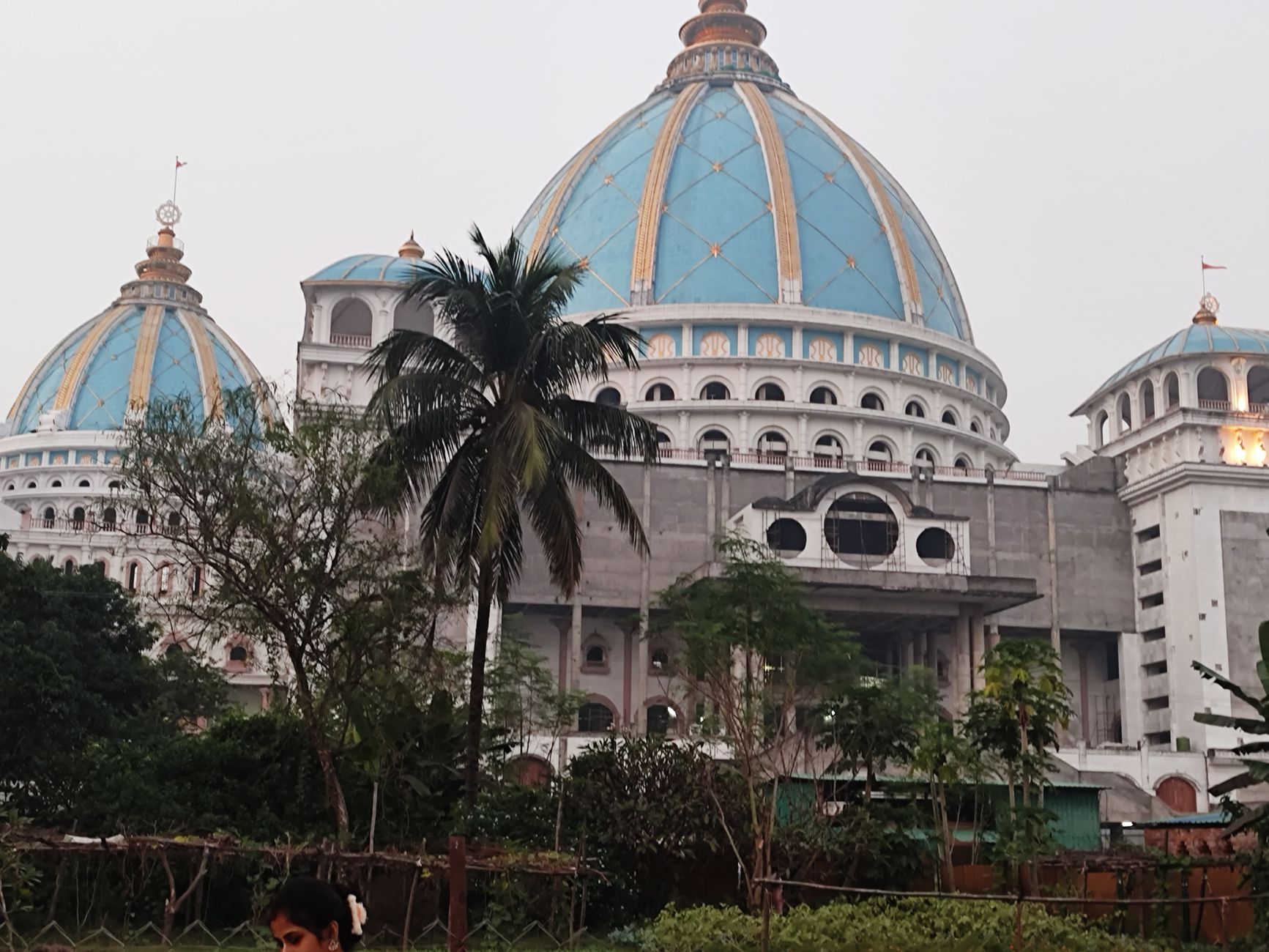
Mayapur, near Nabadwip, marks the 15th-century birthplace of Chaitanya Mahaprabhu, the Vaishnav reformer whose devotional singing still shapes Bengali religious life. ISKCON's Sri Mayapur Chandrodaya Mandir anchors a sprawling temple town here, with a far larger domed temple under long-term construction nearby.
Aarti ceremonies run several times a day and visitors of any background are welcomed in. Most cruises moor near the Nabadwip ghat for a half-day visit, roughly 130 kilometres from Kolkata by road, close enough that it often doubles as the last substantial stop before the city.
The Final Approach: Dakshineswar, Belur Math and Howrah Bridge
Where the Hooghly delivers you into Kolkata
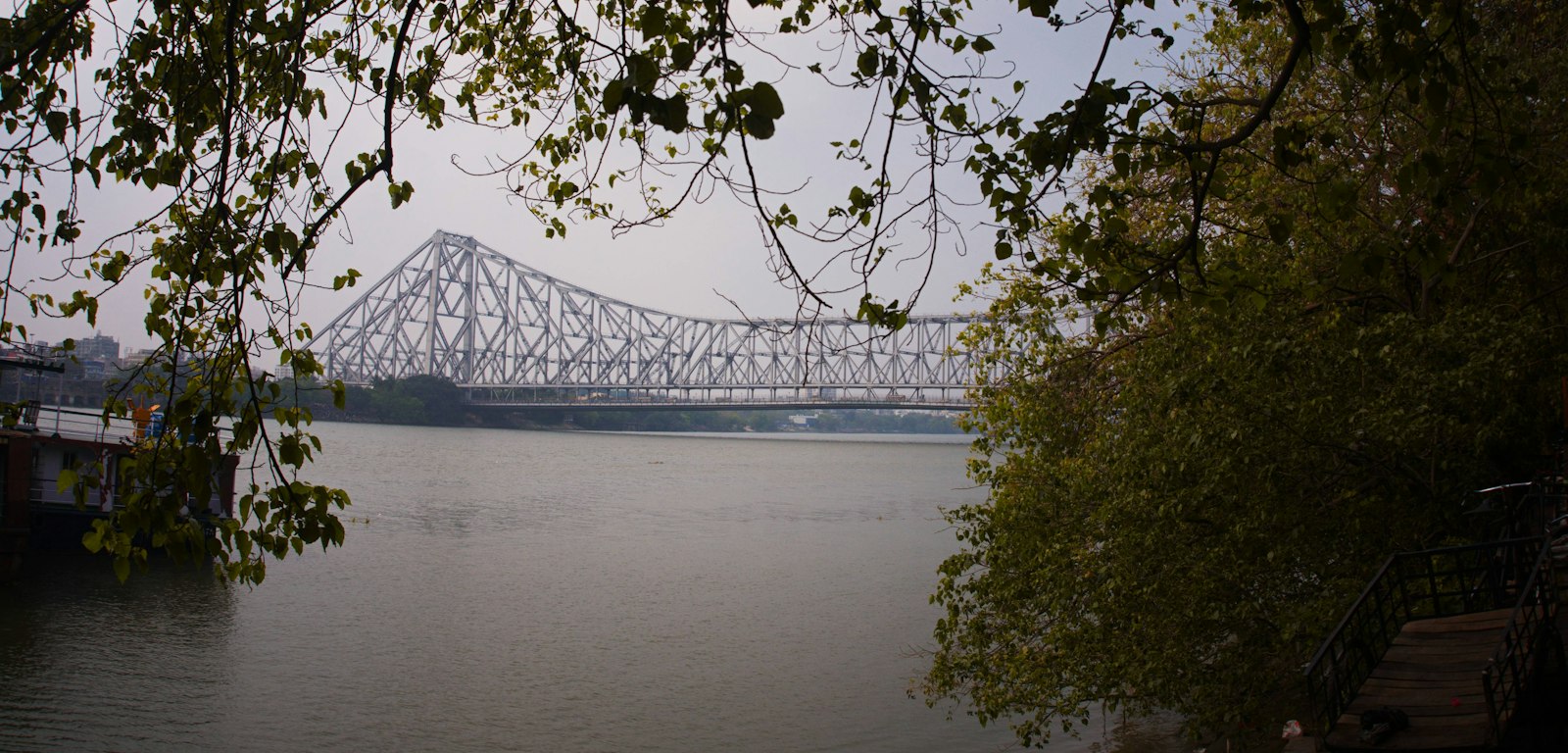
The last stretch runs along the Hooghly, the Ganges' Bengal channel, and it's worth staying on deck for. Dakshineswar Kali Temple, built in 1855 by Rani Rashmoni and later made famous through its association with the mystic Ramakrishna, sits right on the eastern bank with its nine spires visible from the water.
Across the river stands Belur Math, headquarters of the Ramakrishna Mission, completed in 1938 to a design that deliberately blends Hindu, Islamic and Christian architectural motifs into one building. The voyage usually ends near Babughat or Millennium Park, within sight of Howrah Bridge, the 1943 cantilever structure that still carries most of Kolkata's river traffic beneath it.
Three Riverside Stops That Nearly Made the Cut
A few places lost out only because they ask for time the schedule rarely allows. Buxar's Ramrekha Ghat marks the site of the 1764 battle that handed the East India Company control of Bengal, Bihar and Odisha, and the ghat itself has a quiet, undervisited quality worth ten minutes if your boat happens to moor there. The Farakka Barrage, a long dam and lock complex the vessel passes through on the lower river, is a genuinely interesting piece of engineering to watch from the deck, even if there's no shore excursion attached to it. And Barrackpore's Gandhi Ghat, closer to Kolkata, offers a last quiet riverside pause before the city's traffic and noise take over.
A Cordelie advisor can secure a suite-class cabin on the right departure for your dates, build in extra nights in Varanasi before boarding, and arrange a private guide at stops like Murshidabad and Vikramshila where a knowledgeable local companion changes the visit entirely.
They can also time your flights into Varanasi and out of Kolkata around the cruise's actual mooring dates, which shift from season to season, so you arrive rested and never find yourself racing a connection on disembarkation morning.
Top Pick: The Ganga Aarti at Dashashwamedh Ghat
The single evening that makes the whole voyage worth booking.
Every stop on this list earns its place, but the aarti at Dashashwamedh Ghat is the one moment the entire cruise is quietly built around. It happens before you've even boarded, it costs nothing to watch from the ghat itself and perhaps INR 500 to 900 for a boat seat on the water, and it sets the register for everything downstream: ritual, river, and a city that has been doing this at sunset for longer than anyone can usefully date.
Arrive at Dashashwamedh Ghat by about 18:15 to find a decent spot before the crowds settle in, and pair it the next morning with the quieter dawn boat ride from Assi Ghat. Nothing else on the route asks so little and gives back so much.
Last checked for accuracy: . How we check

Alex Moreau writes about going slowly. Nine years of reporting from trains, river boats and towns nobody has a hashtag for, mostly across Europe and North Africa. They live in Lisbon, keep a running list of the continent's best two-hour lunches, and believe most itineraries would improve if you deleted a city.
Related Articles
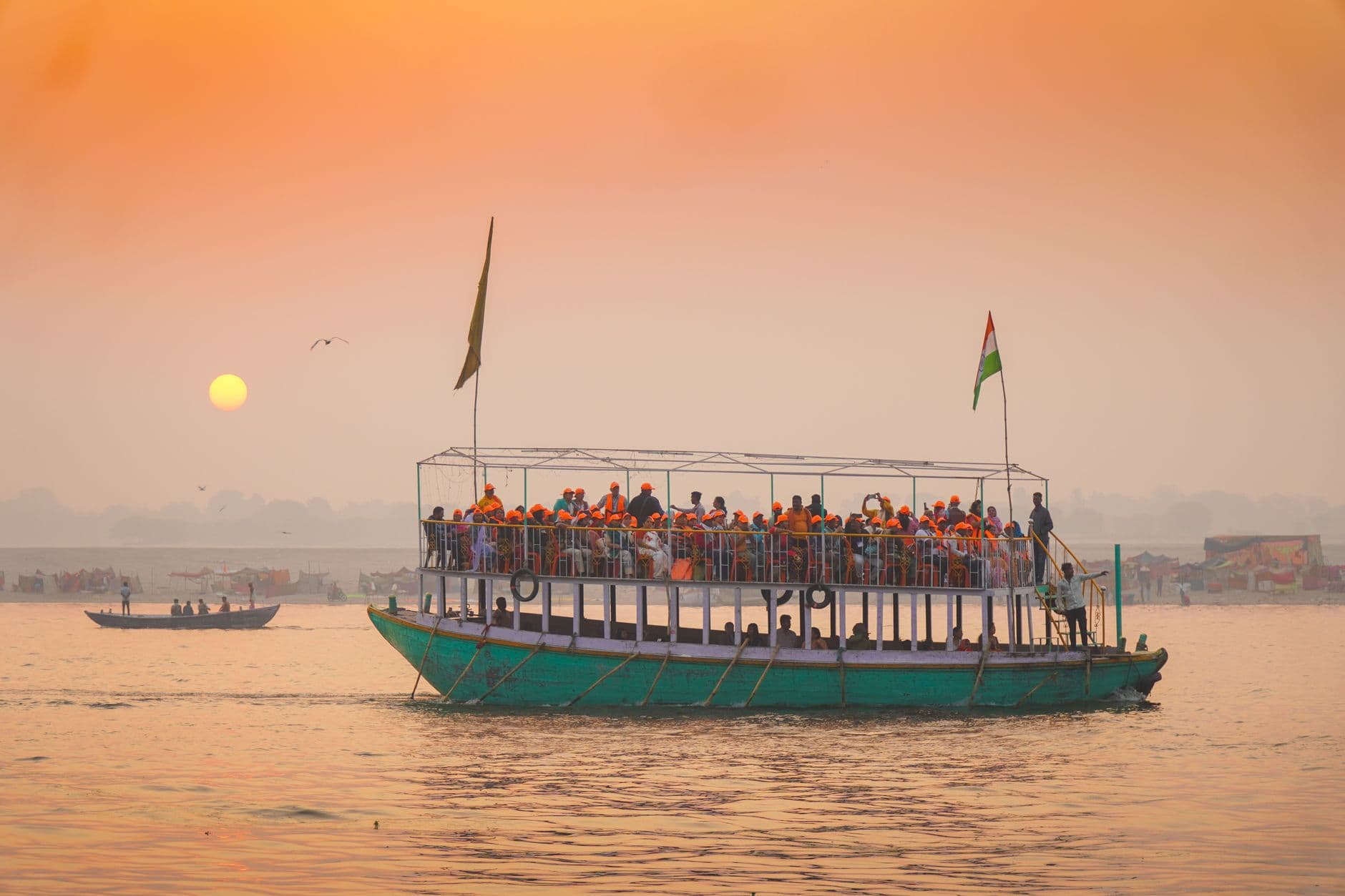
How to Choose a Ganges River Cruise Between Varanasi and Kolkata
Navigate the Ganges from Varanasi to Kolkata by river cruise. Choose between 5–14 day itineraries, mainstream comfort or heritage boutique vessels, and plan for winter travel when water levels permit.