The Best Things to Do in Phuket

Why Phuket Rewards the Traveler Who Slows Down
Most people land in Phuket, check into a resort in Patong or Kata, and never really leave the pool deck except to be shuttled to a viewpoint for a photo. That is a fine holiday, but it is not the island. Phuket is Thailand's largest island, roughly 48 kilometers north to south, and the interesting parts of it sit between the beaches — in a Sino-Portuguese old town, in a national park two hours offshore, in a market where you point at a fish and someone grills it for you. This list ranks the things worth reorganizing a day around, not just the things you will see on a brochure.
I weighted this list toward experiences that reward a full afternoon or a full day rather than a fifteen-minute stop on a bus tour, and toward things that change meaningfully with the season — Phuket in March, April and May sits in its hot dry season, before the southwest monsoon arrives around late May, which matters for which islands are even reachable.
I also favored places you can return to more than once without repeating yourself: Old Phuket Town looks different at 9am over coffee than it does at 6pm during the Sunday market. Anything that only works as a single photograph got left off.
Wander Old Phuket Town
The Sino-Portuguese quarter around Thalang Road and Soi Rommanee
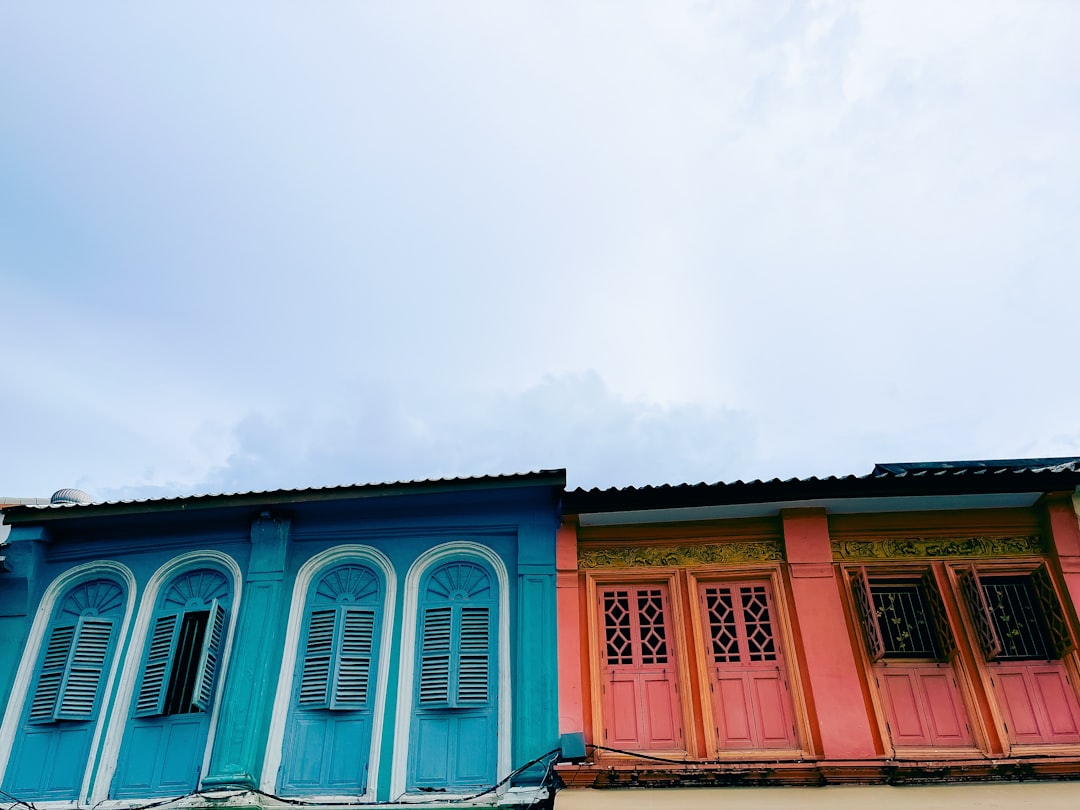
This is the one place on the island I'd tell a first-time visitor to build an actual day around, not a stopover. Chinese tin merchants built these shophouses in the late 19th and early 20th centuries, and the pastel facades along Thalang Road, Dibuk Road and Soi Rommanee still carry their original filigreed shutters and shophouse courtyards. The Blue Elephant restaurant occupies a 1903 governor's mansion at the corner of Krabi and Damrong roads — go for lunch rather than dinner, when the set menu runs around 590-790 THB and the dining room's scale feels less staged.
Come back on a Sunday evening for the Lard Yai walking street market, which closes Thalang Road to traffic from roughly 17:00 to 22:00 and fills it with grilled pork skewers, oyster omelets and secondhand vinyl stalls. On any other night, the On On Hotel's ground-floor bar and the espresso at China Inn Cafe are reasons enough to sit still for an hour instead of ticking off another stop.
Watch the Sun Drop from Promthep Cape
Phuket's southernmost point, and its most reliable sunset
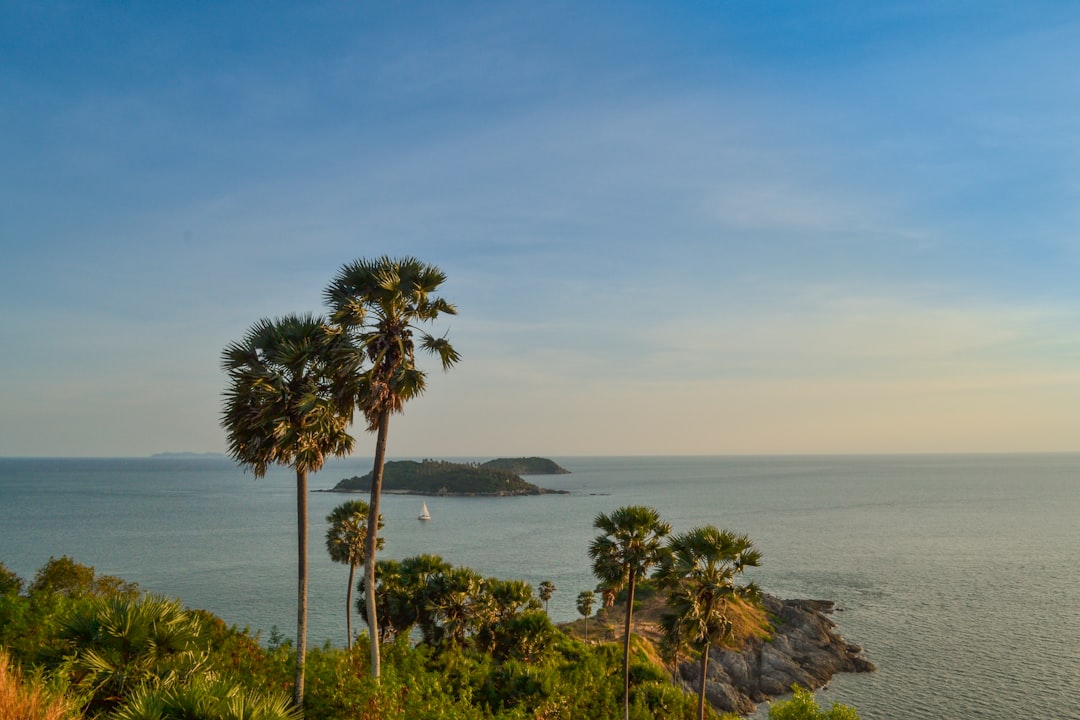
Promthep Cape sits at the island's southern tip, about 5 kilometers past Rawai and roughly a 40-minute drive from Phuket Town. It's a viewpoint rather than a beach — a lighthouse, a small shrine, and a hillside of food carts selling mango sticky rice and grilled squid to a crowd that thickens noticeably in the last hour before dusk.
In March through May, sunset falls around 18:15-18:45, so arrive by 17:45 to find parking and claim a spot along the railing before the tour vans do. Nai Harn Beach sits just below and to the east, a curved bay with calmer water than most of Phuket's west coast, and it's worth a swim beforehand if you're already out that way — the two make a natural pairing for a single unhurried afternoon.
Take a Boat Into Phang Nga Bay
Limestone karsts, sea caves and Khao Phing Kan by longtail
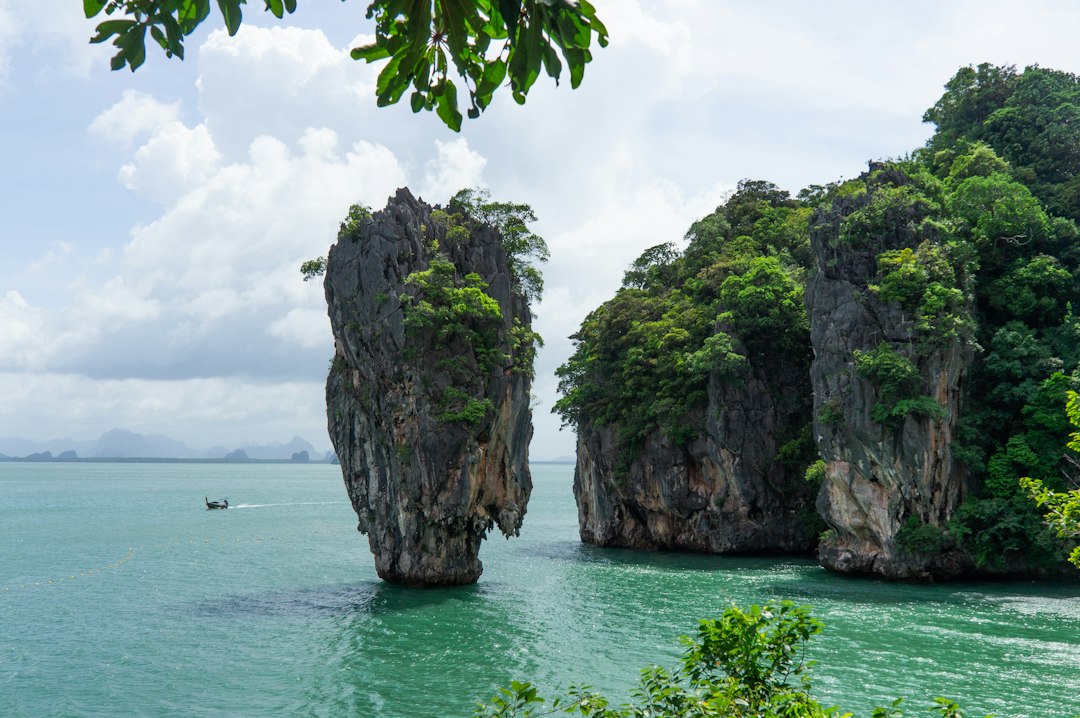
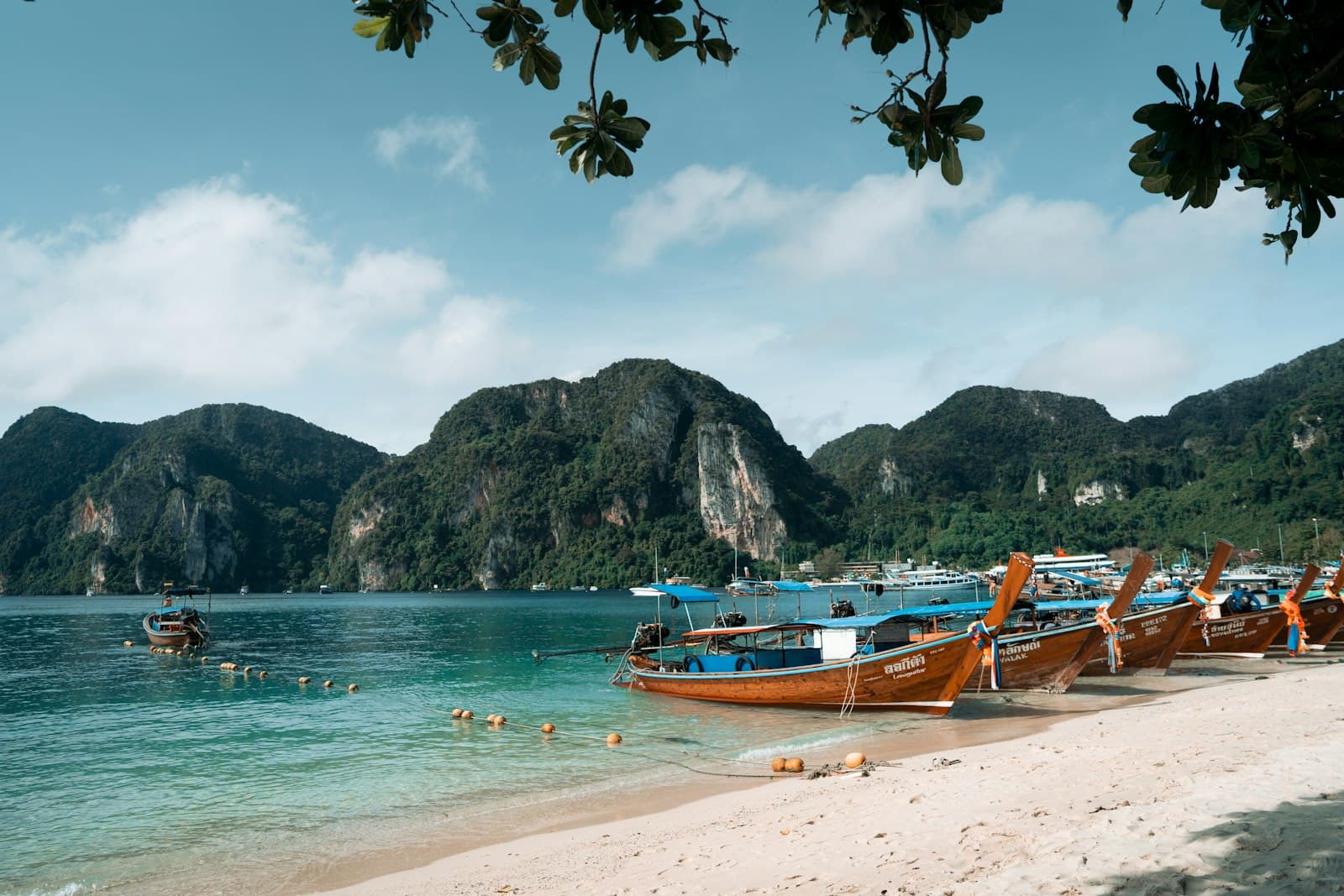
Ao Phang Nga National Park lies across a stretch of water northeast of Phuket, and the day trips that run there are worth the early alarm. Boats typically leave a departure pier — Ao Po or Bang Rong on Phuket's east coast are common — between 7:00 and 8:00am, and the full outing runs 8-9 hours including lunch, usually returning by mid-afternoon.
The highlight isn't really Khao Phing Kan, the limestone islet everyone calls James Bond Island since the 1974 film 'The Man with the Golden Gun' used it as a location — it's the canoe paddle through the hongs, hidden tidal caves that open into circular lagoons ringed by mangrove and sheer rock. Add a stop at Koh Panyi, a fishing village built on stilts over the bay, for lunch. A group tour runs roughly 1,500-3,000 THB per person depending on operator and boat size, with the national park entrance fee (around 300-400 THB for foreign visitors) often charged separately.
Snorkel the Similan Islands Before the Season Closes
Or Racha Yai as the closer, cheaper stand-in
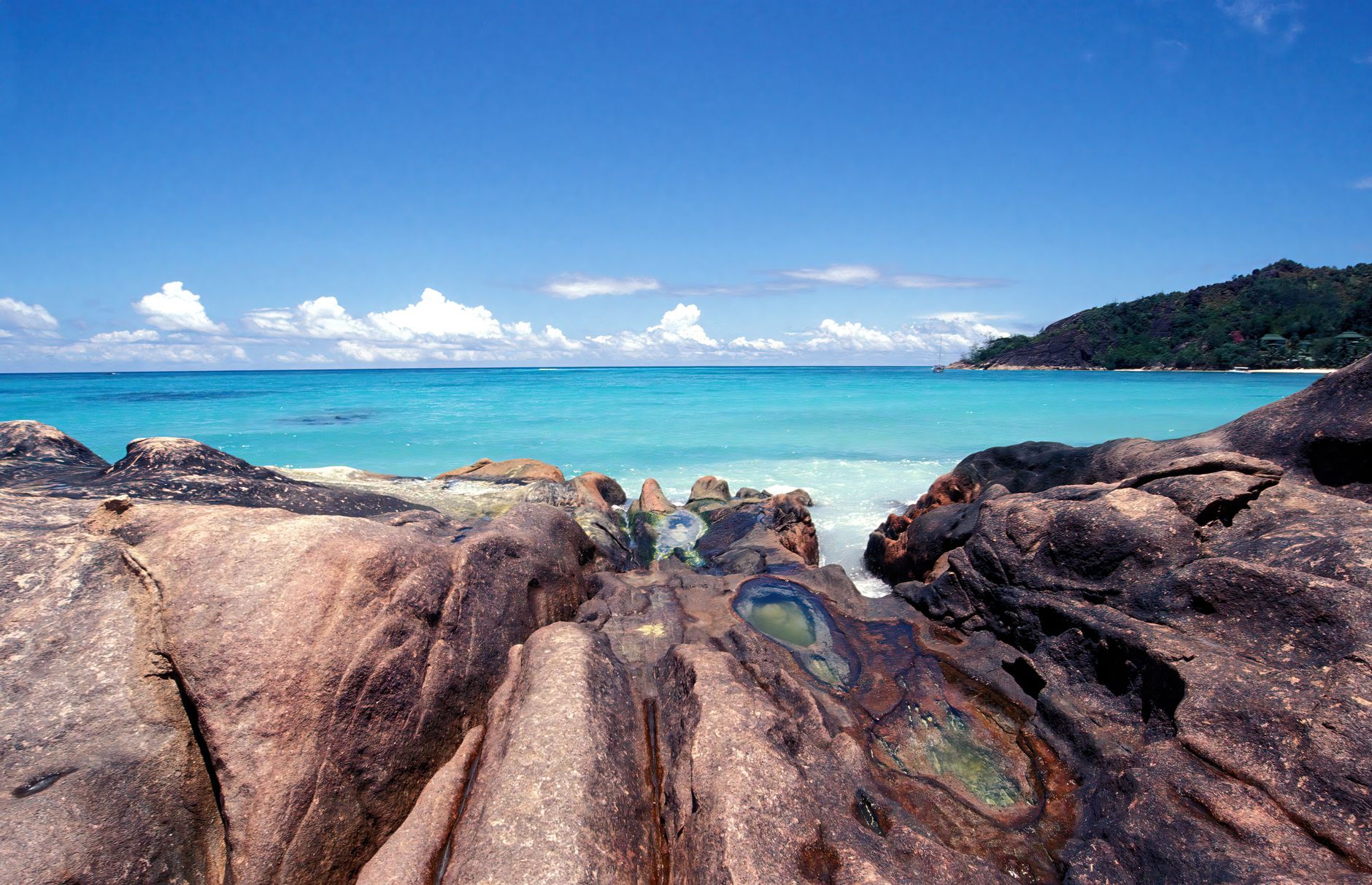
The Similan Islands sit roughly 60-70 kilometers offshore and are usually only reachable by day trip from mid-October through mid-May, before the park closes for monsoon season — so a spring visit is genuinely one of the last chances of the year. Speedboats leave from Thap Lamu pier, itself about a 90-minute drive north of Phuket Town, then run another 1.5-2 hours out to the islands. Expect to pay roughly 3,500-5,000 THB per person for a full-day trip including the transfer, lunch and snorkel gear.
The water here is the clearest I've seen in southern Thailand, and the granite boulders piled along the shoreline of islands 8 and 9 make for a different kind of scenery than the limestone you'll see everywhere else on this list. If the Similan season has already closed by the time you're planning, or the transfer feels like too much for one day, Koh Racha (also called Raya) is a closer alternative — about an hour by speedboat from Chalong Pier, with trips running around 1,800-2,500 THB per person and calmer water most of the year.
Visit the Big Buddha and Wat Chalong
Two very different temples, eight kilometers apart
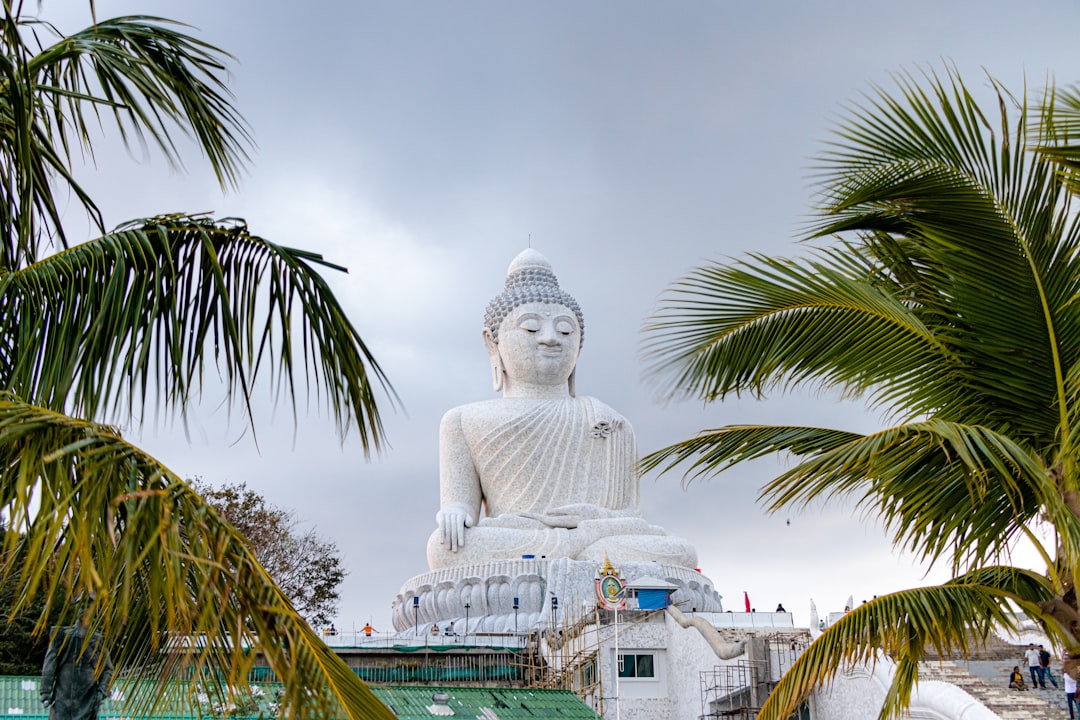
The Big Buddha — formally the Phra Puttamingmongkol Akenakiri Buddha — sits atop Nakkerd Hill, a roughly 45-meter marble-clad statue visible from much of southern Phuket. It's open to visitors from around 6:00am to 7:00pm, entry is free with a donation box near the entrance, and the platform around the base gives an open view over Chalong Bay on one side and Kata on the other. Bring a scarf or sarong if your shoulders are bare; there's a modesty check at the top.
Wat Chalong, about 15 minutes' drive down the hill, is the island's largest and most-visited Buddhist temple, distinguished by an ornate multi-tiered chedi said to enshrine a relic of the Buddha. It's a working temple rather than a museum piece — expect monks, incense smoke and locals making offerings alongside the tour groups. Both sites are free to enter and dress code applies to both: covered shoulders and knees, no exceptions at either gate.
Cordelie travel advisors
Planning Phuket? Go with someone who knows
The right suite, the right season, the reservations that never appear online — your Cordelie advisor knows them, and holds them for you.
Plan with a Cordelie advisorFree to ask. Cordelie Travel Services · IATA/ARC 06649064
Swim at Kata Beach, Then Walk or Boat to Freedom Beach
The mellow beach and its harder-to-reach neighbor
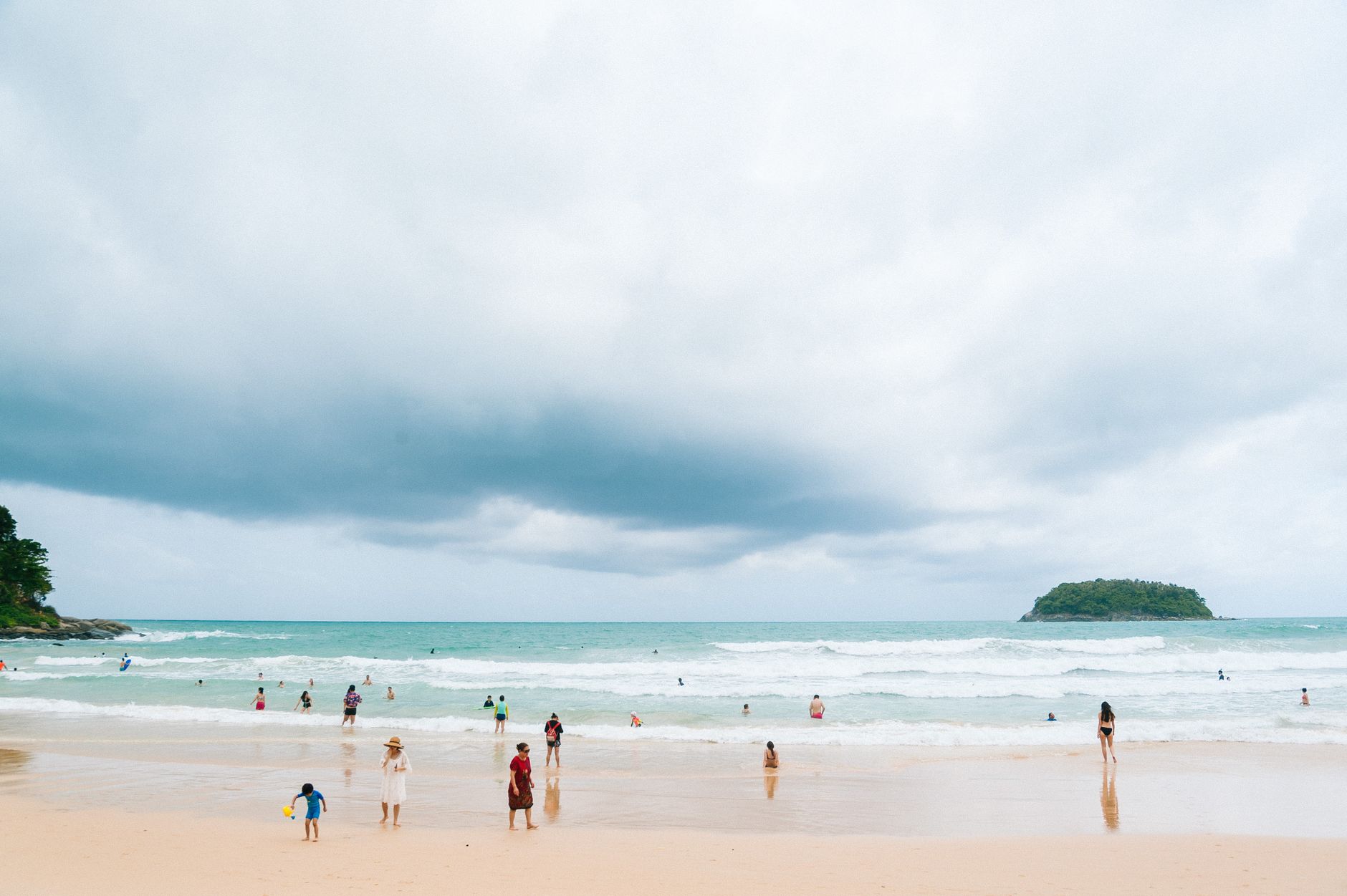
Kata Beach curves for roughly 2 kilometers along Phuket's southwest coast and is a calmer, more swimmable stretch than the bigger, brasher Patong further north — the sand is fine, the water is clear most of the dry season, and there's enough infrastructure (beach chairs run about 100-150 THB for the day) to spend a whole afternoon without planning anything.
Freedom Beach sits just around the headland and stays underdeveloped because it's genuinely harder to get to: a longtail boat from Kata's southern end runs about 150-200 THB per person round trip, or you can hike a steep, unmarked jungle trail in 20-30 minutes if you're comfortable with uneven footing and no shade. There are no permanent shops on Freedom Beach, so bring cash, water and sunscreen before you set off.
Eat at Rawai's Seafood Market
Buy your own catch by weight, then have it grilled to order
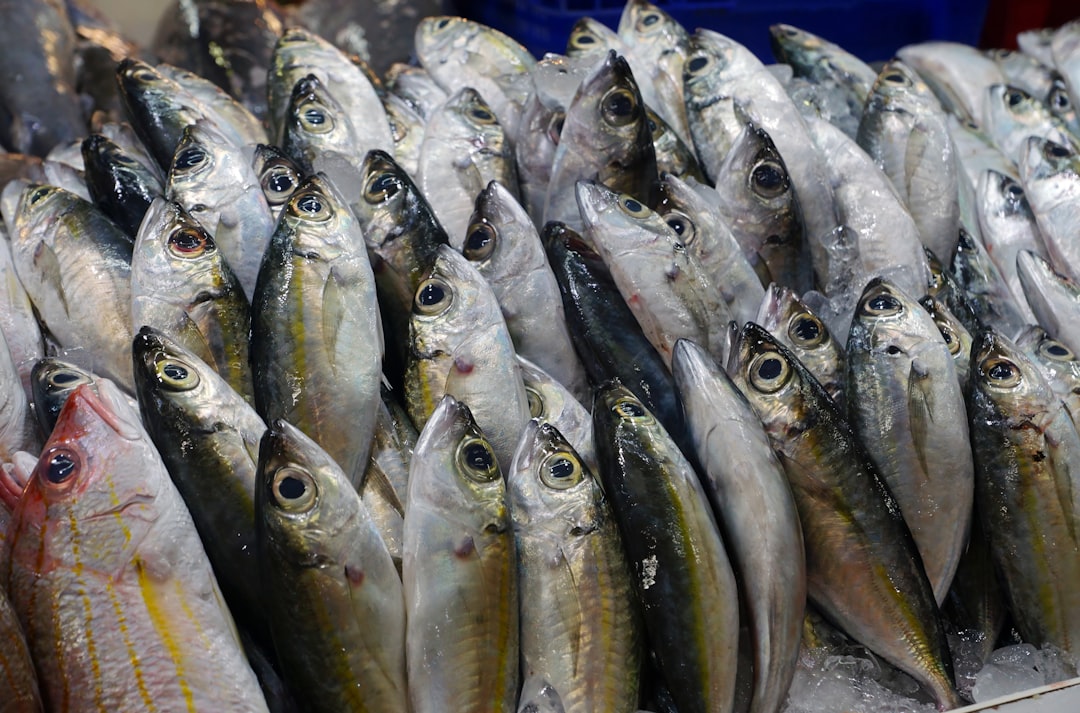
The seafood market near Rawai Pier works on a simple system: you pick your fish, prawns or crab from ice-packed trays priced by the kilogram, then carry your selection to one of the small open-air restaurants lining the market, where a cooking fee — usually around 100-150 THB per dish — gets it grilled, steamed or stir-fried within twenty minutes. Prices for the seafood itself vary by season and catch, so it's worth asking the price per 100 grams before you commit to a whole crab.
Rawai's pier is also the easiest place on the island to charter a longtail boat out to Koh Hae, known locally as Coral Island, about 20 minutes offshore. A shared seat runs roughly 300-400 THB per person for a half-day, or you can charter the whole boat for a private trip for around 1,500-2,000 THB — a reasonable option if your group has more than four people and wants the sand to itself for an hour.
What Else Deserves a Spot on Your Itinerary
A few things narrowly missed the list, mostly because they suit a specific traveler rather than everyone. Patong's Bangla Road is loud, neon-lit and unapologetically built for nightlife — it's worth an hour of walking even if you have no intention of staying past midnight, if only to see the other version of Phuket that most of this list deliberately avoids.
The Phuket Elephant Sanctuary, near Bang Pae waterfall in the island's northeast, runs an observation-only model with no riding or bathing, and a half-day visit runs about 3,000-3,500 THB including transport — a meaningfully different experience from the elephant camps still advertised elsewhere on the island. And if you're traveling with children, the calmer bays and shallow-water spots that make sense for families deserve their own separate planning, which is covered in more detail in this guide to Phuket with kids.
Finally, the Sunday Walking Street market in Old Phuket Town (already covered above) is worth a second mention here for anyone deciding between it and Bangla Road on a Sunday night — they run at the same time, and they could not be more different experiences of the same island.
A private longtail charter timed to catch the light at Promthep Cape, a room secured at a low-key boutique property in Old Phuket Town during a week when the good ones sell out fast, a Similan Islands day exactly timed to the last clear window before monsoon — these are the details that separate a good Phuket trip from an ordinary one.
A Cordelie advisor builds that version of the itinerary around the season you're traveling in and the pace you actually want, with the right boats, tables and rooms already arranged before you land.
The Verdict: Old Phuket Town Is the One Thing Not to Skip
Everything else on this list is reachable by boat or car in under two hours; Old Phuket Town is the one place that changes character depending on what time you show up.
If you only have one full day to spend away from the beach, spend it here: coffee at China Inn Cafe by 9am, an unhurried walk down Thalang Road and Soi Rommanee while the shophouses are still in morning shade, lunch at Blue Elephant, and a return trip on a Sunday for the Lard Yai walking street market from about 17:00 onward.
Nothing else on this list rewards a repeat visit quite the same way — the beaches and boat trips are best done once and remembered, but the old town is worth building an entire slow day around, and then coming back to on your next trip.
Last checked for accuracy: . How we check

Alex Moreau writes about going slowly. Nine years of reporting from trains, river boats and towns nobody has a hashtag for, mostly across Europe and North Africa. They live in Lisbon, keep a running list of the continent's best two-hour lunches, and believe most itineraries would improve if you deleted a city.
Related Articles
Phuket with Kids: A Family Itinerary Beyond the Beach Resorts
Phuket beyond Patong: which beaches are safe for young swimmers, where to base your family, and how to fit an ethical elephant sanctuary and Phang Nga Bay into a manageable week.