
The 10 Best Colonial History Sites Across Coastal New England

Ten Places Where Colonial New England Still Feels Lived-In, From the North End to Newport's Point
Coastal Massachusetts and Rhode Island hold a denser concentration of surviving 17th- and 18th-century buildings than almost anywhere else in the United States, and the remarkable part is how many of them are still doing their original job. A congregation still worships at Touro Synagogue on Friday nights. A legislature's old chamber in Newport's Colony House still smells like beeswax and old pine. This list ranks the ten sites that reward a traveler's time most generously, weighing what you can actually see, touch, and learn against the ticket price and the drive to get there.
Spring is an underrated window for this itinerary. The crowds that clog the Freedom Trail in July have not arrived yet, Plimoth Patuxet's costumed interpreters are just settling back into their roles for the season, and the coastal light in Newport in April and May has a clarity that photographers chase. Expect daytime temperatures in the 50s and 60s Fahrenheit through most of April and May, with a jacket earning its keep on the water at Plymouth Harbor or the Newport waterfront.
Every site here had to meet three tests: it needed a genuine, documented connection to the colonial or early Revolutionary period rather than a later commemorative building; it needed to be open to visitors with regular, checkable hours rather than by special arrangement only; and it needed to offer something you cannot get from a plaque alone, whether that is a costumed interpreter, an original structural timber, or a room where a specific recorded event actually happened.
Ranking weighs the strength of that connection, the quality of the on-site interpretation, and how well the site rewards an unhurried visit of an hour or more. Sites that are historically significant but currently closed for restoration, or accessible only a few days a year, were moved to the honorable mentions rather than the main list.
Plimoth Patuxet Museums
Plymouth, Massachusetts — 3 miles south of downtown, off Route 3 at Exit 4
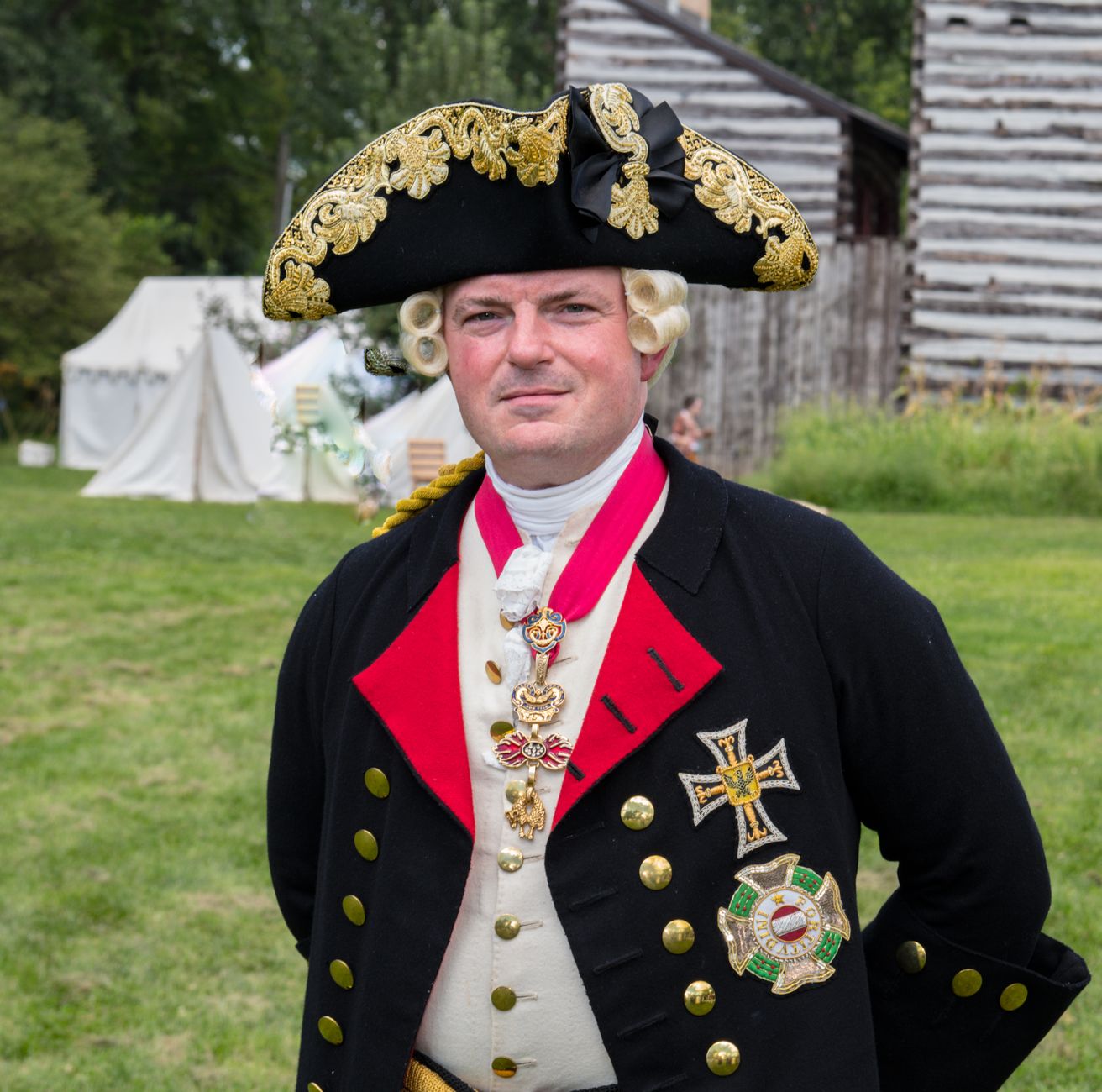
No other site on this list lets you talk to a 17th-century colonist. Plimoth Patuxet's 1627 English Village is staffed by interpreters who stay in character as specific historical Plymouth Colony residents, speaking in period dialect and happy to argue about the price of corn or the previous winter's hardships if you engage them. Walk five minutes down the path and you're at the Wampanoag Homesite, where Native staff in modern dress explain Wampanoag history and craft from their own perspective, a deliberate and welcome contrast to the reenactment next door.
Plan on two to three hours minimum, longer if you linger at the working farm and the Craft Center where potters and joiners demonstrate period techniques. The museum runs roughly from late March through late November, with adult admission in the $32-36 range as of spring 2025; a combo ticket that adds the Mayflower II downtown runs somewhat higher and is worth the few extra dollars.
Old North Church and the Paul Revere House
Boston's North End — a 10-minute walk apart on the Freedom Trail
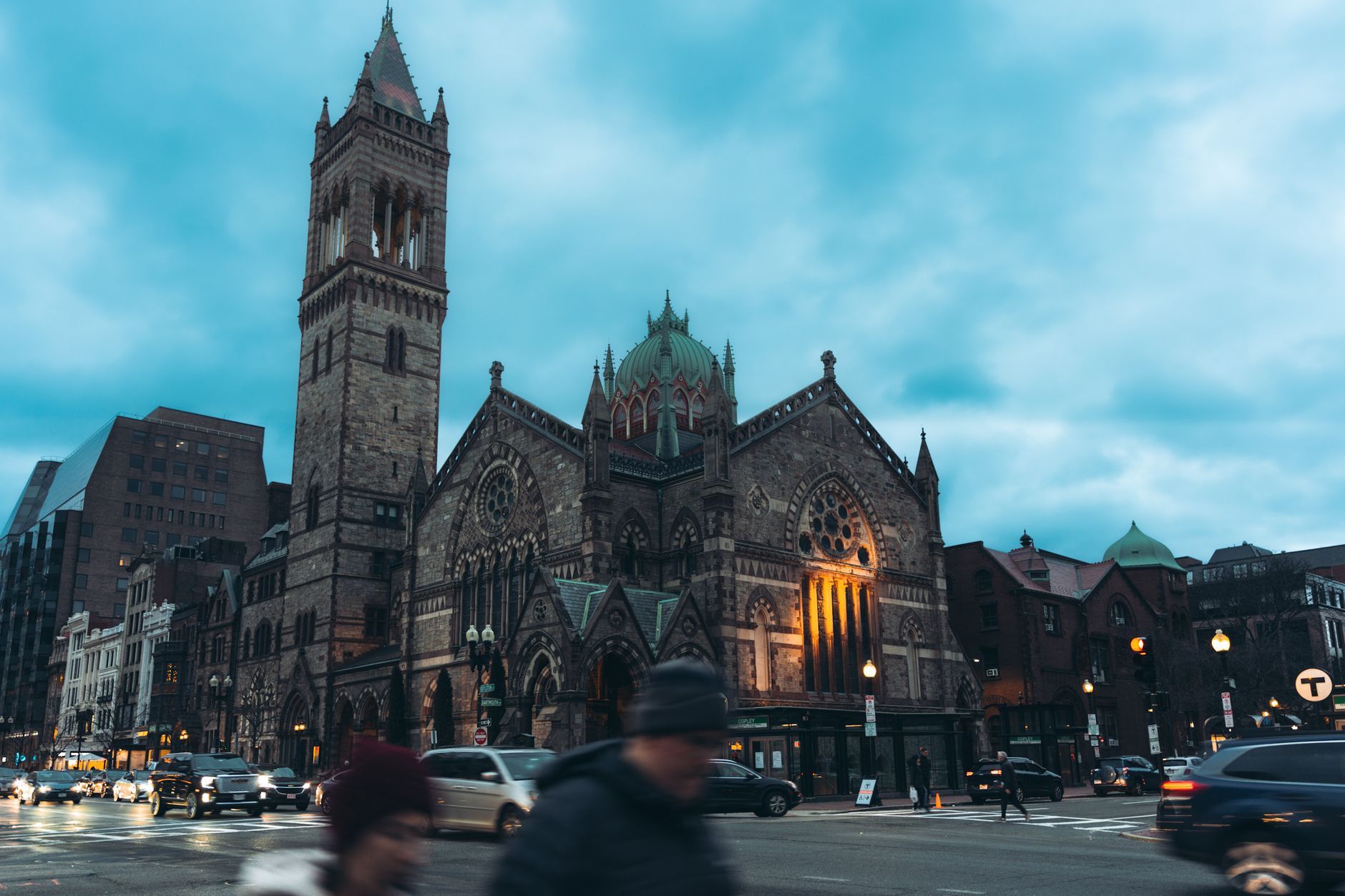
Old North Church, built in 1723, is where sexton Robert Newman hung the two lanterns that sent Paul Revere and William Dawes riding toward Lexington on the night of April 18, 1775. It remains an active Episcopal parish, and the steeple climb tour, offered for an extra fee on top of general admission, takes you up narrow stairs to the belfry itself. General admission runs about $8-10 for adults; the church typically opens by 10 a.m. daily with earlier closing hours in winter and spring shoulder season.
The Paul Revere House on North Square, a short walk away, is the oldest standing building in downtown Boston, dating to around 1680, decades before Revere himself lived there. The low ceilings and narrow stairs are original, not reproductions, and admission runs roughly $6-8. Go on a weekday morning if you can; both sites get genuinely crowded by early afternoon once the tour groups arrive.
Salem Maritime National Historic Site
Derby Street, Salem — anchored by Derby Wharf and the 1675 Narbonne House
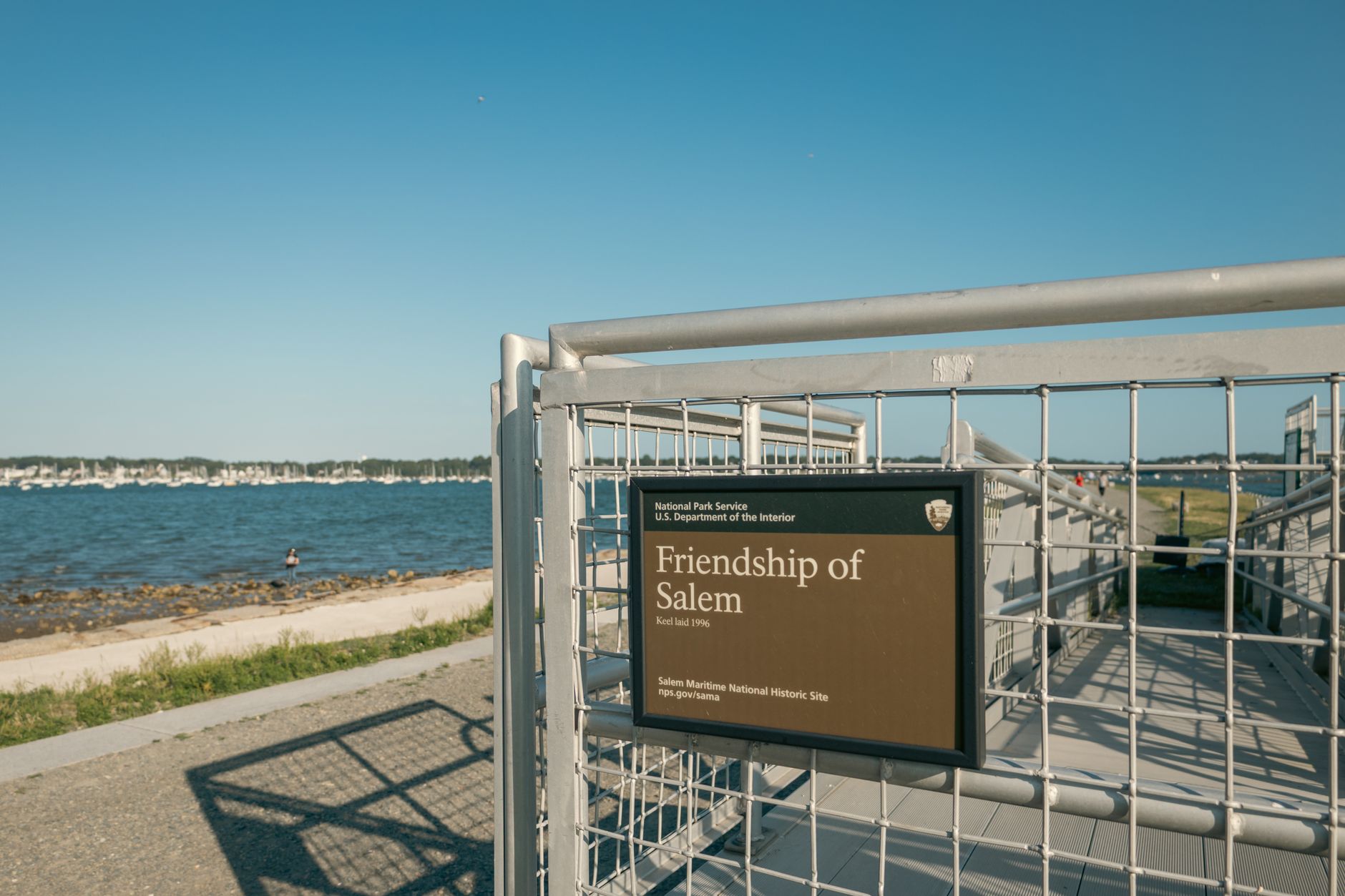
Salem's colonial identity runs deeper than the 1692 witch trials that dominate its modern tourism, and this National Park Service site is where that older story lives. The Narbonne House, built around 1675, is one of the least altered 17th-century dwellings in New England and free to enter with the park's timed tours. Derby Wharf, once a working colonial and early federal-era wharf, now stretches nearly half a mile out into Salem Harbor, ending at a small 1871 lighthouse that makes a fine spot to watch the sunset.
Admission to the site's outdoor areas and most buildings is free, run by the National Park Service; check the visitor center at 2 New Liberty Street for the current tour schedule, since staffing levels shift seasonally and some interior spaces open only on ranger-led tours a few times a day.
Touro Synagogue
Newport, Rhode Island — 85 Touro Street, on the edge of the historic Point neighborhood
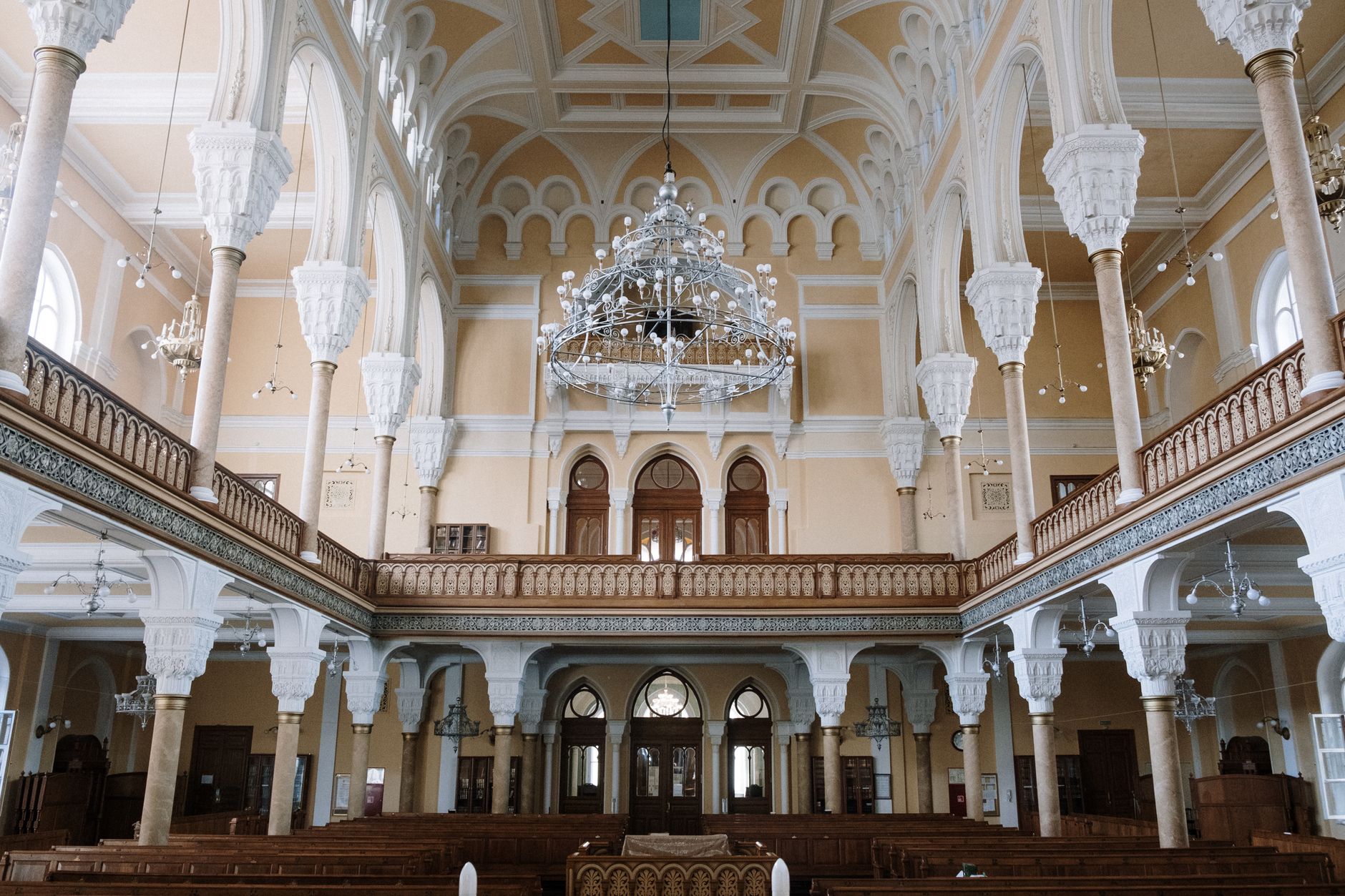
Dedicated in 1763, Touro Synagogue is the oldest surviving synagogue building in the United States and still hosts an active congregation today. Peter Harrison, the architect who also designed Newport's Colony House, gave the interior a plain Georgian exterior wrapped around a genuinely ornate sanctuary, with a women's gallery and twelve columns representing the twelve tribes of Israel. George Washington's 1790 letter to the Newport congregation, promising a nation that gives 'to bigotry no sanction, to persecution no assistance,' was written in direct response to a welcome from this community.
Tours run through the Loeb Visitors Center next door, with timed entry tickets typically around $15-20 for adults. The synagogue is closed to visitors on Saturdays for Sabbath observance and on Jewish holidays, so build that into your Newport day rather than discovering it at the door.
The Colony House
Washington Square, Newport — the heart of colonial Rhode Island's government
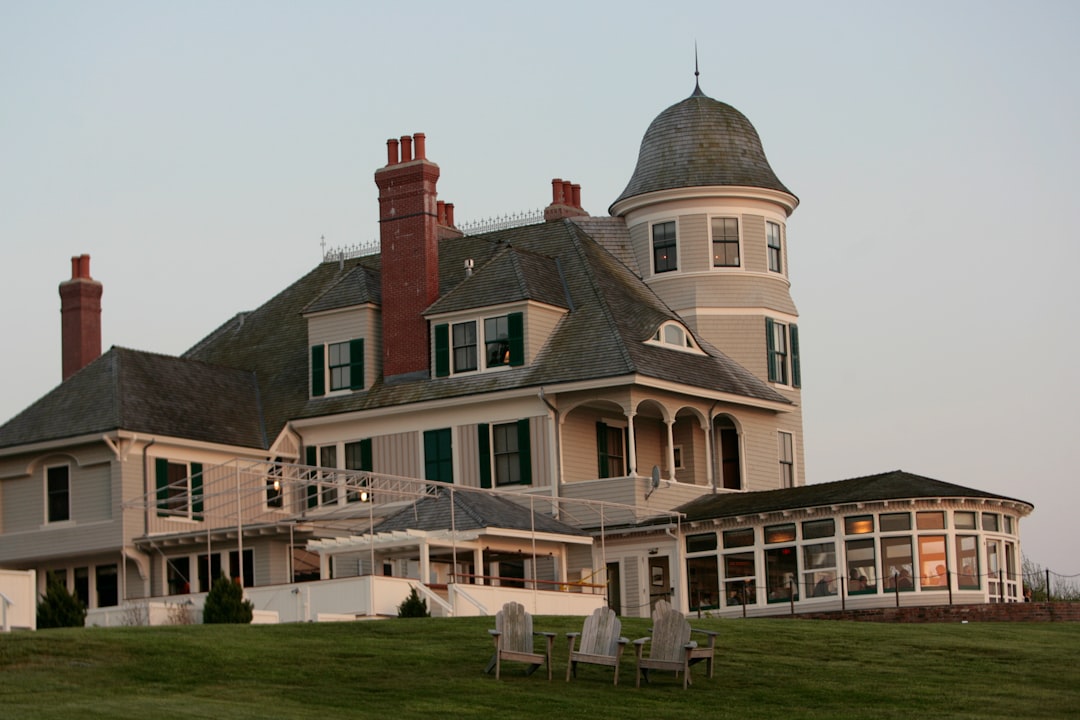
Built in 1739 and also designed by Peter Harrison, the Colony House served as one of Rhode Island's five colonial statehouses, and it was from its steps that the Declaration of Independence was read aloud to Newport's residents on July 20, 1776. The brick building still holds its original General Assembly chamber, and the Newport Historical Society, which manages tours, does an excellent job explaining Rhode Island's unusual colonial charter, which granted more religious and political freedom than most other colonies allowed.
Tours are seasonal and typically limited to specific days and hours in spring and summer, so check the Newport Historical Society's current schedule before building your day around it. Washington Square itself, lined with colonial-era buildings, is worth a slow ten-minute walk on either side of your visit.
Cordelie travel advisors
Go with someone who knows
The right suite, the right season, the reservations that never appear online — your Cordelie advisor knows them, and holds them for you.
Plan with a Cordelie advisorFree to ask. Cordelie Travel Services · IATA/ARC 06649064
Mayflower II
State Pier, Plymouth Harbor — a five-minute walk from Plymouth Rock
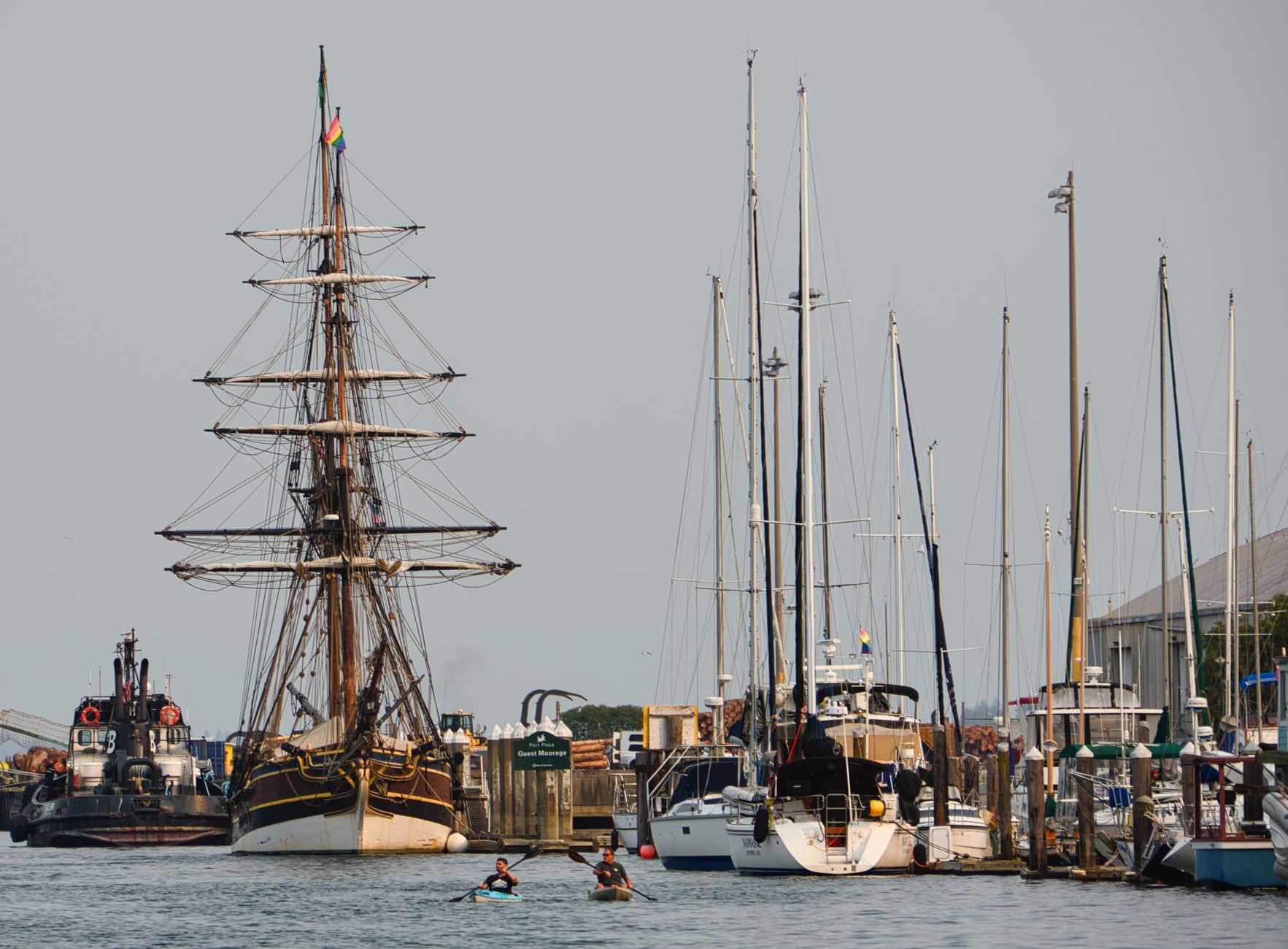
This full-scale, seaworthy reproduction of the 1620 Mayflower is berthed downtown, right alongside the small granite portico that shelters Plymouth Rock. Climbing below deck gives a visceral sense of just how cramped the 66-day crossing must have been for the 102 passengers and roughly 30 crew, in a hold with headroom that barely clears five feet in places. Costumed interpreters on board answer questions about the voyage and the ship's construction, which used traditional 17th-century joinery methods when it was rebuilt in Mystic, Connecticut, in the 1950s.
Mayflower II is operated by Plimoth Patuxet Museums and usually keeps spring and summer hours from around 9 a.m. to 5 p.m., with combo tickets that include the main Plymouth site offering the best value. Parking near State Pier fills fast on weekends, so arrive by mid-morning if you're driving down from Boston, about 45 minutes via Route 3.
Minute Man National Historical Park
Lexington, Lincoln, and Concord — about 35-40 minutes west of Boston via Route 2
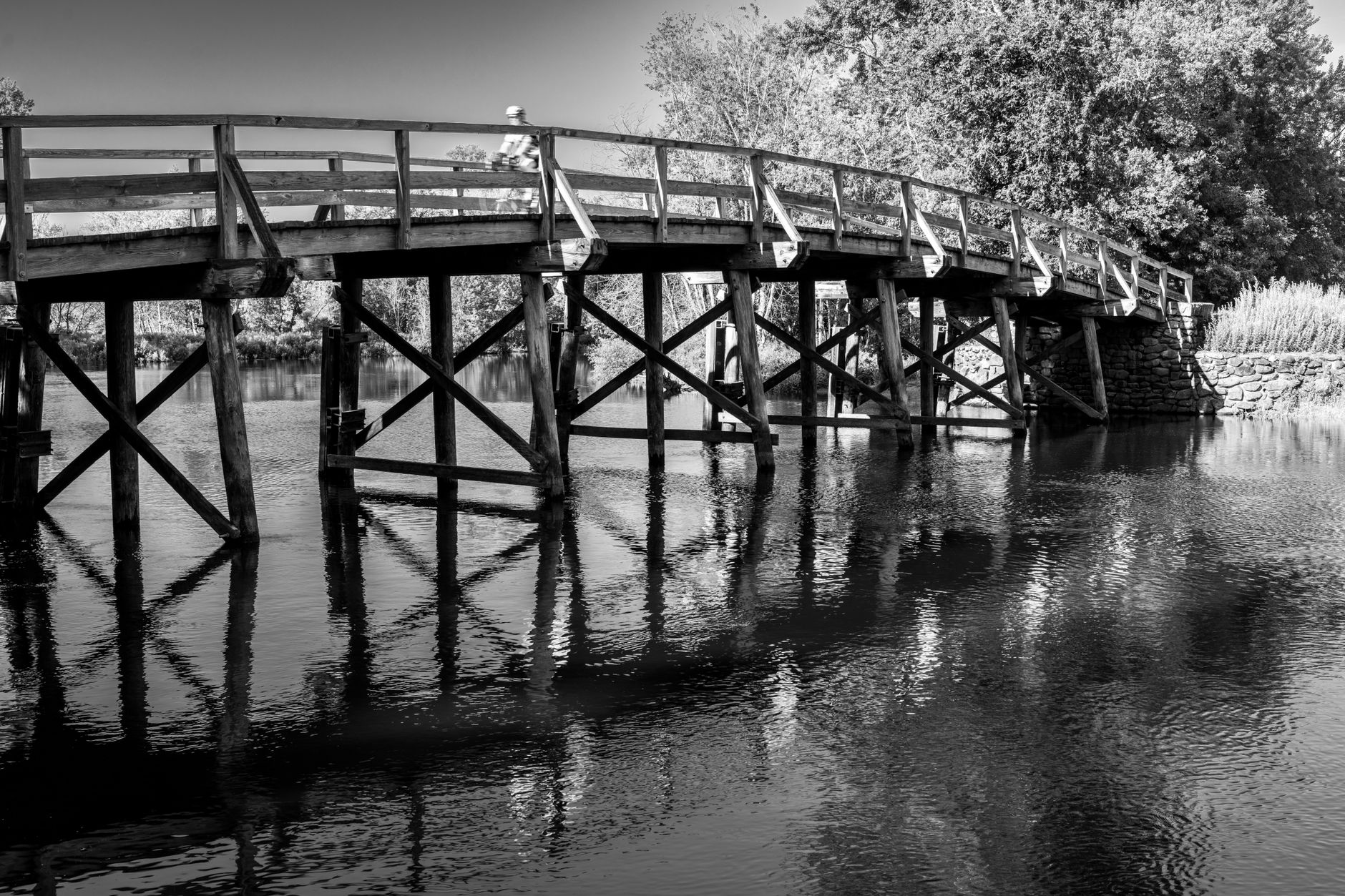
This isn't a single building but a five-mile ribbon of preserved landscape following the route British regulars marched on April 19, 1775, the day the Revolutionary War began. The reconstructed North Bridge in Concord, where colonial militia turned back a British column, is the emotional center, and it's flanked by the Minute Man statue and a short, well-marked walk along the Battle Road Trail past original stone walls colonists used as cover.
The park's visitor centers are free to enter and typically open by 9 a.m., with grounds accessible dawn to dusk year-round. Pair a stop here with the pre-colonial context at nearby Lexington Green, where the first shots were fired earlier that same morning, for a fuller picture of a single, extraordinary 24 hours.
The Old State House and Boston Massacre Site
Corner of Washington and State Streets, Boston — beneath the site's balcony
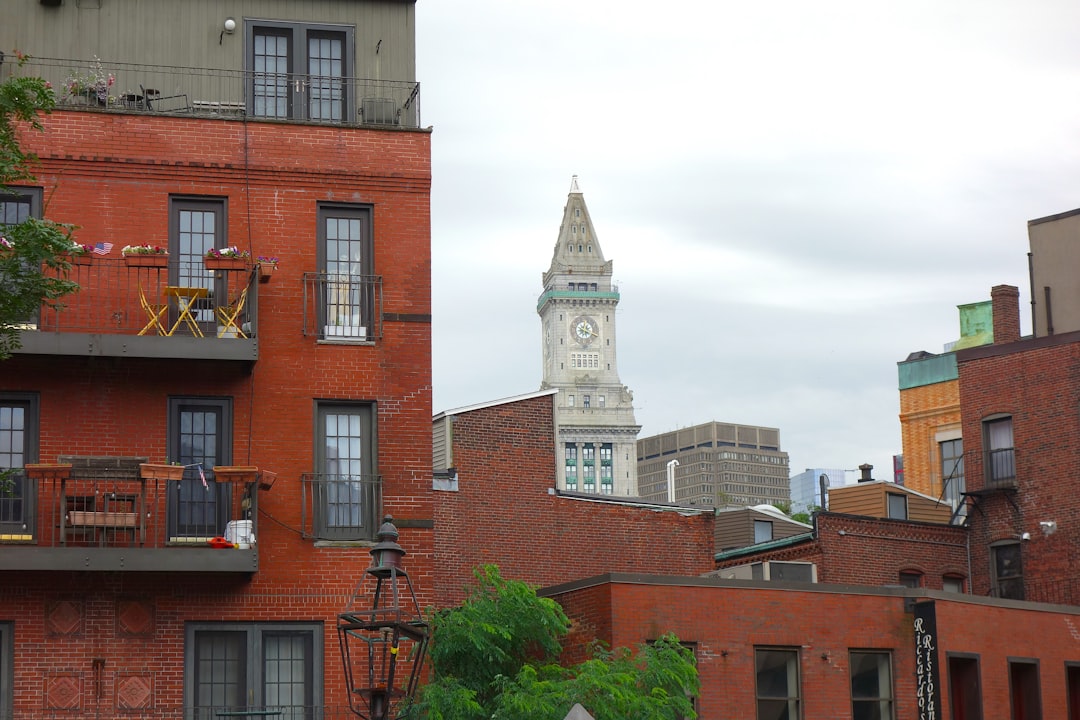
Built in 1713, the Old State House is the oldest surviving public building in Boston, and it wears its history in layers you can see from the street: a lion and unicorn on the roofline, royal symbols the colonists tore down in 1776 and later replaced as historic reproductions. From its balcony, the Declaration of Independence was first read publicly to Bostonians. Just below, a circle of cobblestones set into a traffic island marks the approximate site of the 1770 Boston Massacre.
The building now houses a museum run by Revolutionary Spaces, with adult admission generally in the $12-15 range and daily hours from roughly 9 a.m. to 5 p.m. in the warmer months. It sits directly on the Freedom Trail's red brick line, making it an easy add-on rather than a separate trip.
The House of the Seven Gables
Turner Street, Salem — overlooking Salem Harbor
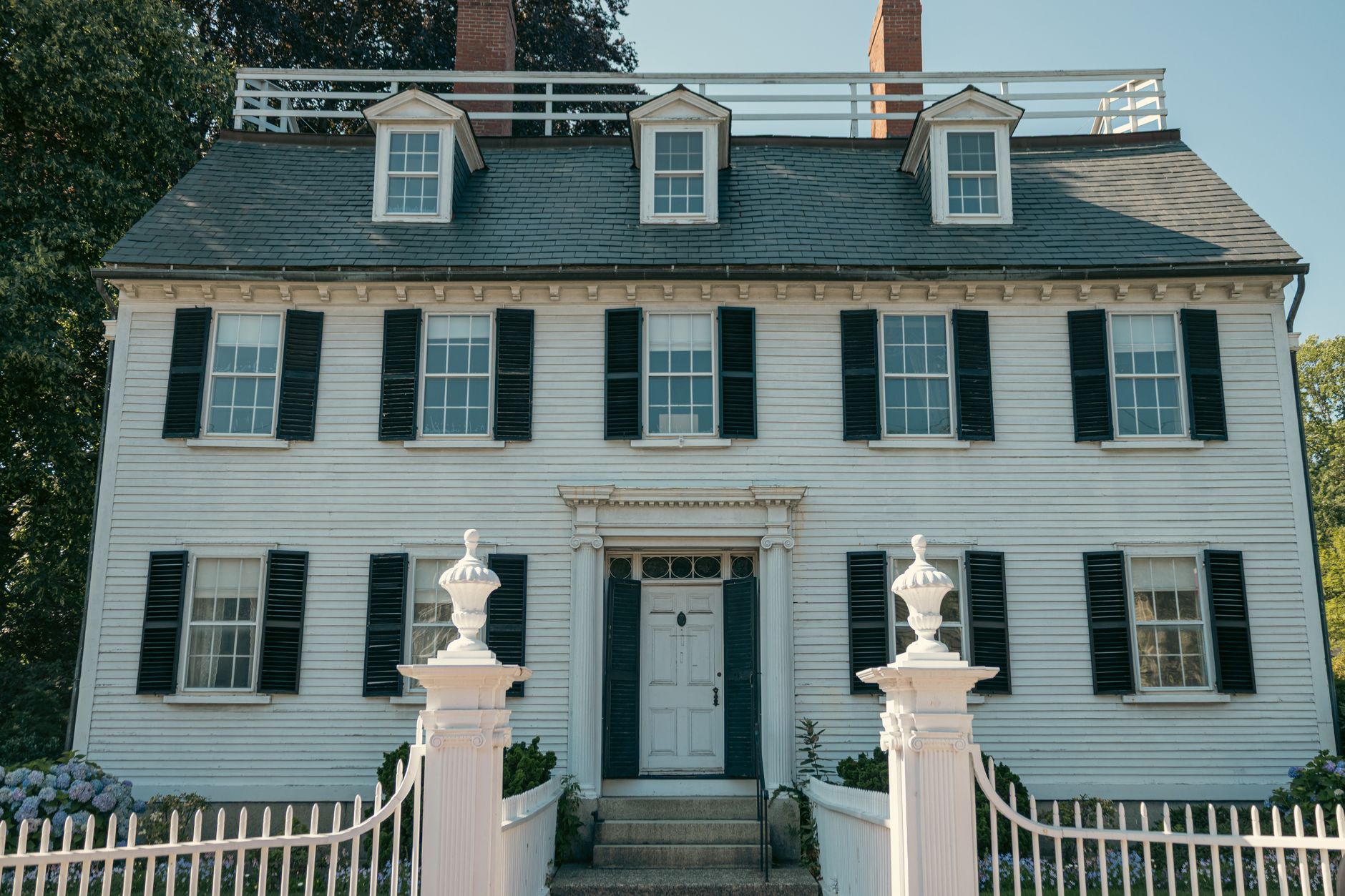
This 1668 mansion, formally the Turner-Ingersoll House, is the building that inspired Nathaniel Hawthorne's 1851 novel of the same name, and the museum leans into that literary connection without letting it overshadow the genuinely old architecture underneath: original wide-plank floors, a secret staircase added in a later restoration, and harbor views that would have watched actual colonial-era shipping traffic. Hawthorne's own birthplace, a smaller 1750 house, was relocated onto the same grounds in the 1950s and is included on the tour.
Guided tours run roughly 30-40 minutes and cost around $18-22 for adults, with the site generally open daily except in the depths of winter. It's a 12-15 minute walk from Salem Maritime along the harbor, an easy pairing on the same afternoon.
Hunter House
Washington Street, Newport — on the Point, Newport's oldest residential neighborhood
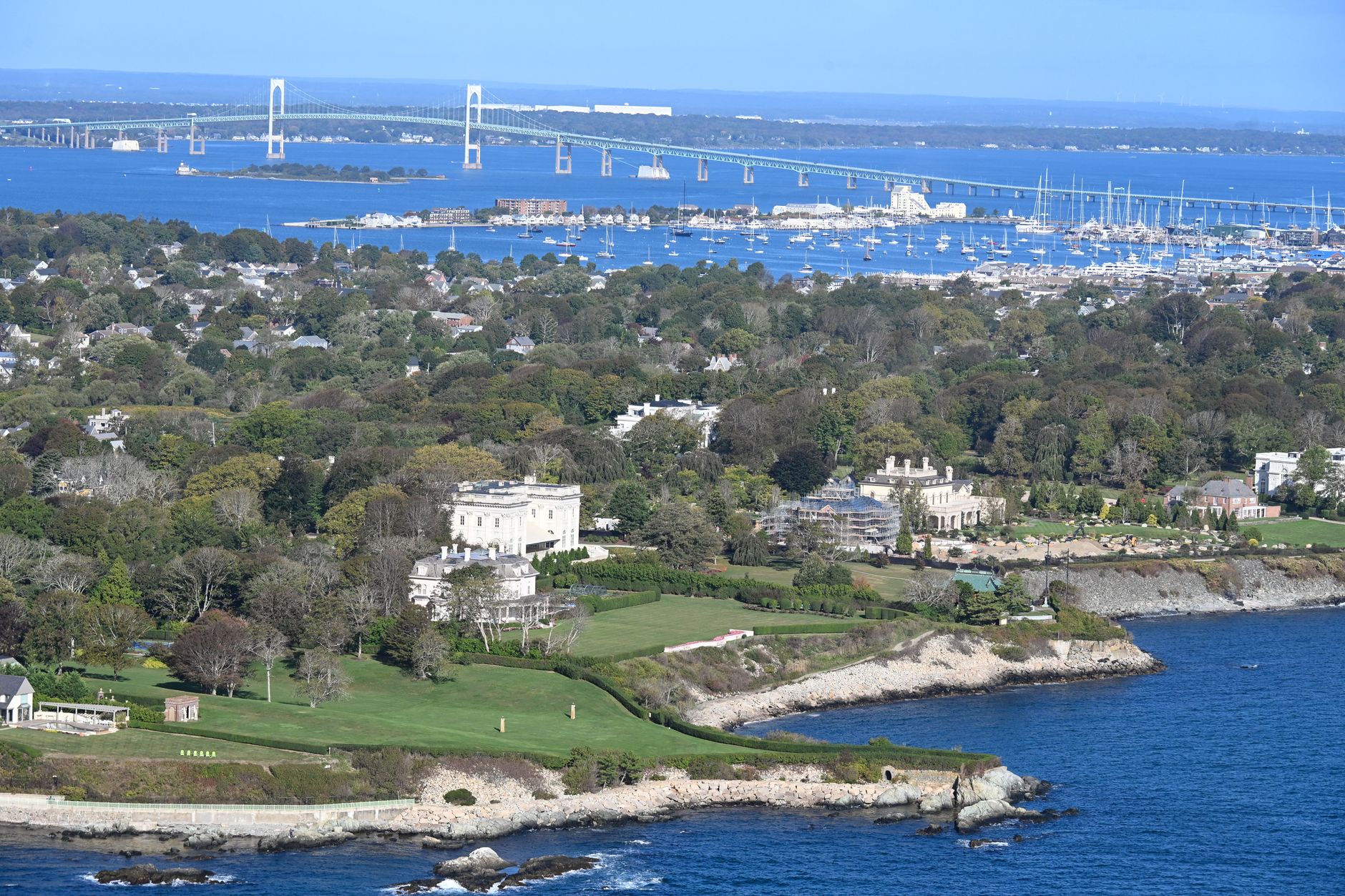
Built starting in 1748, Hunter House sits on the Point, a grid of colonial streets a short walk from Touro Synagogue and the Colony House, and its paneled interiors and period furnishings show off Newport's wealth as an 18th-century trading port about as well as any building in the city. The docent-led tour covers the merchant families who owned it and the French officers who used it as a headquarters during the Revolutionary War, adding a layer beyond the pure architecture.
It's managed by the Preservation Society of Newport County and keeps a seasonal schedule, generally open from May through October with adult admission in the $15-20 range; outside that window it's viewable from the street only, so time a spring visit for after its opening rather than before.
Four Colonial Sites Worth a Detour If Your Itinerary Has Room
Buckman Tavern, right on Lexington Green, is where colonial militia gathered before the war's first shots and it still holds bullet holes in its original door. Pilgrim Hall Museum in downtown Plymouth is the country's oldest continuously operating public museum, founded in 1824, and its collection of actual Pilgrim-owned objects, including a chair believed to have belonged to William Bradford, complements a Plimoth Patuxet visit rather than duplicating it. Old Ship Church in Hingham, about 20 minutes south of Boston, has held services in the same 1681 timber-framed building continuously since it was built, making it one of the oldest church buildings in the country still used for its original purpose.
Several of the sites on this list run on tightly seasonal schedules, timed-entry systems, or docent tours available only a few hours a day, and Touro Synagogue's Sabbath closures alone can quietly wreck a Newport day if you didn't plan around them. A Cordelie advisor builds your route so the Colony House tour, the Mayflower II combo ticket, and a Salem afternoon all land on days and hours when they're actually open, with private guides arranged where they add real depth, and a Newport waterfront hotel booked to match the pace of your days rather than fought against.
The result is a trip where every stop happens because it was meant to, not because it happened to be the day you showed up.
Top Pick: Plimoth Patuxet Museums
The single richest colonial history experience in Coastal New England, and worth building your whole itinerary around.
No plaque or diorama can match a conversation with an interpreter who stays fully in character as a named 1627 Plymouth colonist, or the deliberate, unvarnished contrast the Wampanoag Homesite provides just down the path. Budget a full half-day, pair it with Mayflower II downtown using the combo ticket, and go in April or May if you can, when the fields are just greening up and the crowds haven't arrived yet.
Last checked for accuracy: . How we check

Sarah Chen has covered Asia for twelve years, first as a wire reporter in Jakarta and now from Singapore, where she keeps a standing list of the region's most misunderstood destinations. She writes about the distance between what a place is famous for and what it is actually like to spend a week in — and is happiest on an overnight train with a bad seat and a good view.