
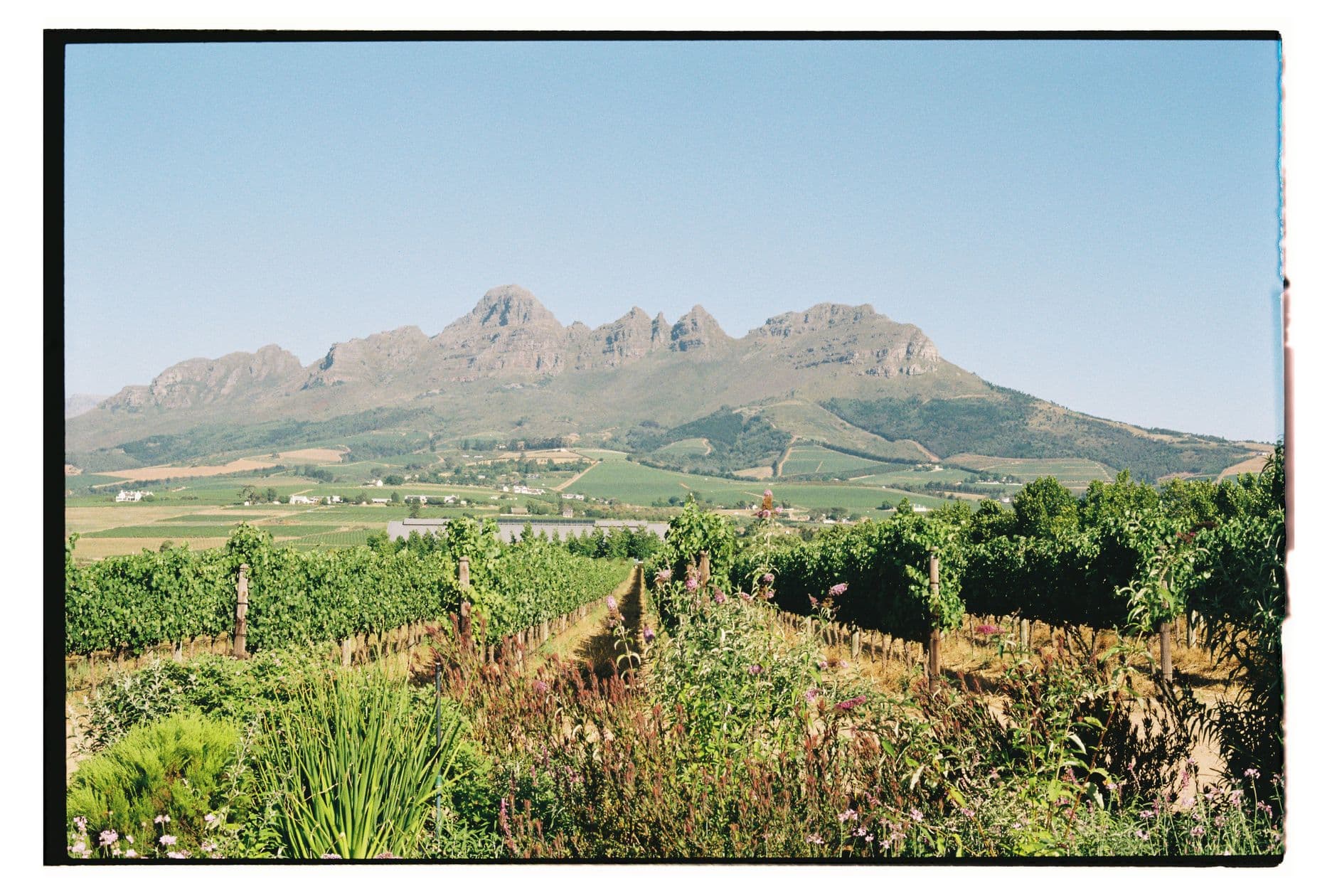
Stellenbosch: Where South Africa's Cape Winelands Meet the Table

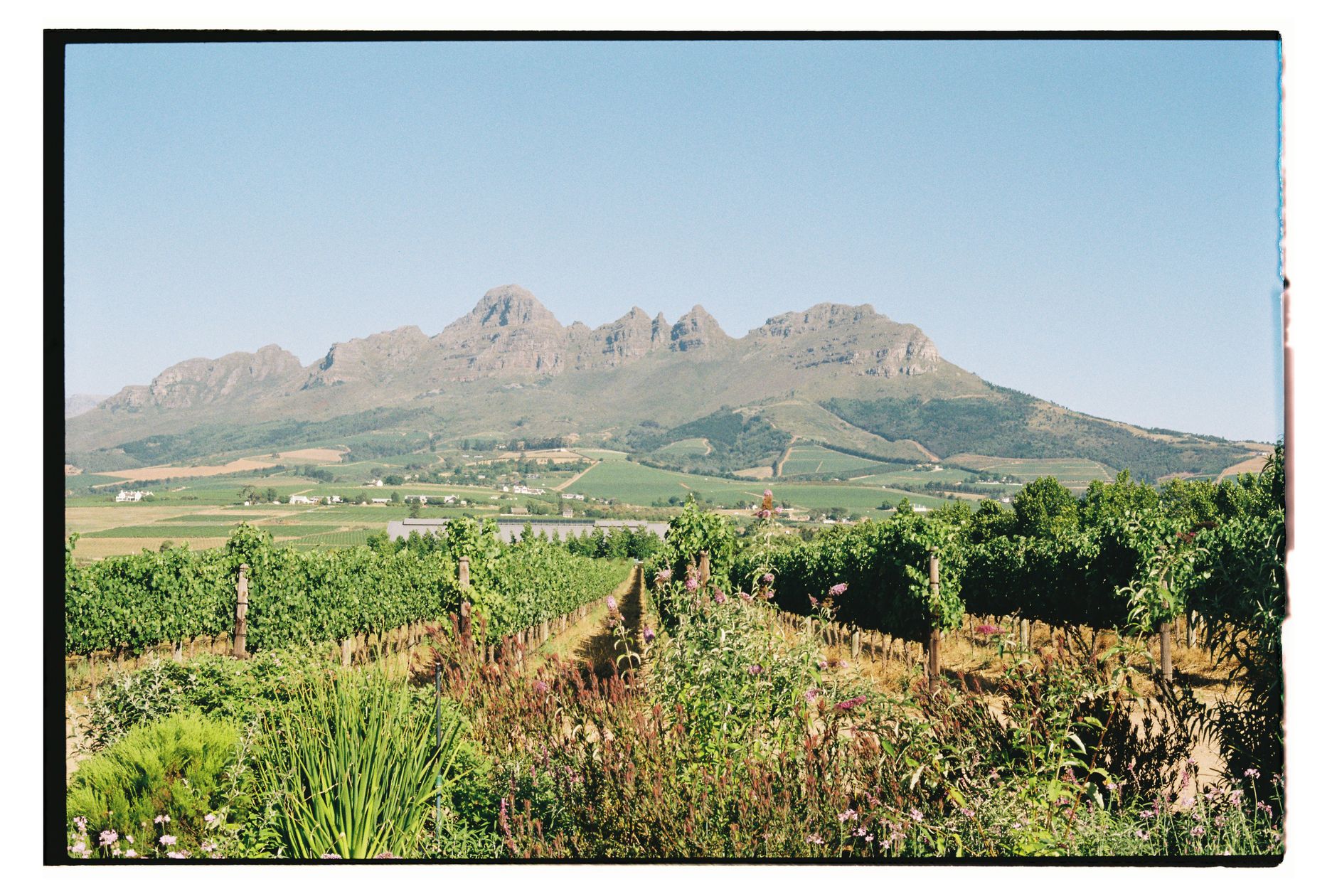
Stellenbosch: South Africa's First Wine Route Still Sets the Country's Best Table
Stellenbosch does not perform for visitors the way some wine regions do. There is no single strip of cellar doors to tick off; there are more than 150 producers scattered across oak-shaded valleys, and the good ones want you to sit down, not just swirl and spit. The town itself, laid out in 1679 along the Eerste River, is the second-oldest European settlement in South Africa, and its Cape Dutch gables and whitewashed cellars have had three centuries to get comfortable with hospitality.
What sets this route apart from the postcard version of Cape wine country is the kitchen work happening alongside the barrel rooms. Chefs here have spent the last decade building a modern South African style on Cape Malay foundations, and pairing that food with Stellenbosch's two signature grapes, Pinotage and Chenin Blanc, has become the region's real specialty. Come for a tasting; stay because the estate lunch turns into a three-hour affair you didn't plan for.
Stellenbosch Wine Route: Quick Facts
Spring on the Simonsberg: Budburst, Wisteria and the Quiet Before the Rush
September through November is when Stellenbosch wakes up without yet getting crowded. Daytime temperatures sit comfortably between 18 and 25°C, the vines push out their first pale green leaves, and cover crops of clover and mustard flower between the rows at estates like Kleine Zalze and Jordan. Dorp Street's old wisteria arbours bloom in September, and the jacarandas around the university start turning the town purple by late October.
This is a working shoulder season rather than a festival calendar, which is precisely its appeal. Cellar staff have more time to talk, restaurant terraces are open without a wait, and the December-to-January peak, when Cape Town's summer holidaymakers flood the valley, is still weeks away. Rain is possible but usually passes quickly; pack a light layer for evenings, since it can drop to 8-10°C after dark even when the afternoon hit 24.
Cordelie travel advisors
Planning Stellenbosch Wine Route? Go with someone who knows
The right suite, the right season, the reservations that never appear online — your Cordelie advisor knows them, and holds them for you.
Plan with a Cordelie advisorFree to ask. Cordelie Travel Services · IATA/ARC 06649064
Pinotage, Chenin and Cape Malay Spice: The Estates Worth Slowing Down For
The pairing that defines this route isn't a formal flight of five wines with five bites; it's a proper meal built around the estate's own bottles. At Jordan Wine Estate, chef George Jardine's restaurant sets Chenin Blanc, aged in old French oak, against dishes like duck liver parfait and slow-cooked lamb, ten minutes' drive from the Stellenbosch town centre. Over on the Helshoogte Pass, Delaire Graff's restaurant looks straight down the Banghoek Valley and leans into Cape Malay spicing, its bobotie-inspired lamb curry a regular menu fixture built to stand up to a bold Pinotage.
For the grape itself, Beyerskloof remains the reference point. The estate was built by Beyers Truter, long credited with championing Pinotage's revival in the 1990s, and its tasting room pours flights from ZAR 60-100 a person, often waived against a bottle bought. Kleine Zalze's Terroir Restaurant does a modern take on bredie, the slow Cape stew, plated to match its Vineyard Selection Chenin. Waterford Estate runs a wine-and-chocolate pairing (around ZAR 150-220) that sounds like a gimmick and isn't; the smoke and dark-fruit notes in their Pinotage hold up remarkably well against 70% cacao.
Save at least one lunch for Spier, five minutes off the R310, where the Eight restaurant sources most of its produce from the farm itself and serves it under old oaks. Book Delaire Graff's restaurant a few weeks ahead if you're visiting on a weekend; it's a working destination for locals from Cape Town, not just a stop on the route.
The Route in Pictures
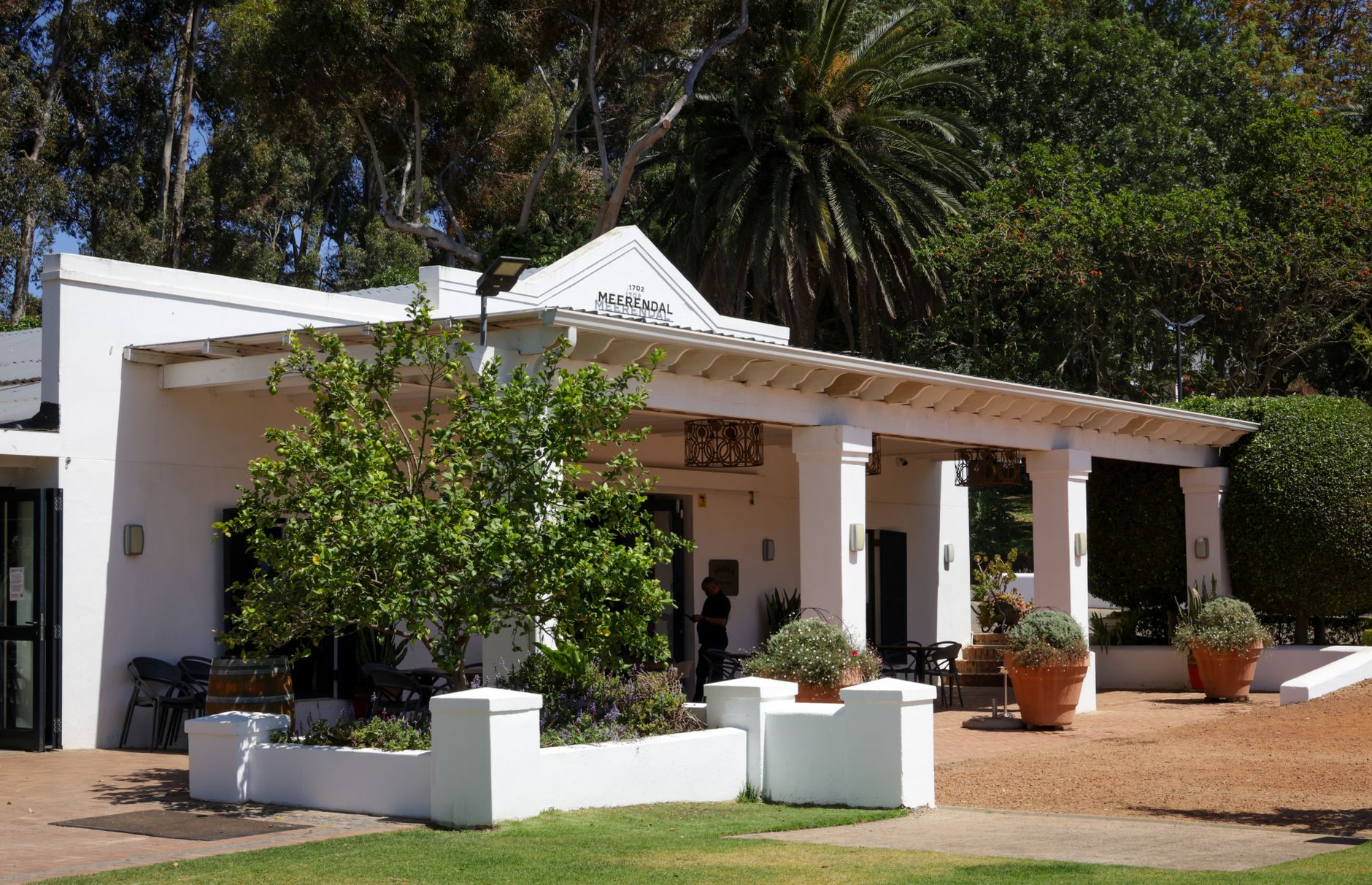
Sleeping Among the Vines: Manor Houses and Lodges on the Route
Staying on an estate rather than commuting in from Cape Town changes the pace of the whole trip. Lanzerac Wine Estate, on a property first planted in 1692, has grown from working farm into a full luxury hotel with its own spa and cellar; rooms in spring 2025 started from roughly ZAR 6,000-9,000 a night. It's a five-minute drive from Dorp Street, close enough to walk into town for dinner if you'd rather not drive after a tasting.
Higher up the Helshoogte Pass, Delaire Graff Lodges & Spa puts guests in freestanding suites scattered through the vineyard, with rates from around ZAR 14,000 a night in spring; it suits travellers who want the estate restaurant and cellar a short walk from their door rather than a drive. In town, Majeka House on Jonkershoek Road offers a quieter boutique alternative with a well-regarded spa and its own restaurant, generally more affordable than the estate lodges while still walkable to Dorp Street's galleries and wine bars. Advisors booking any of these can usually secure a room upgrade or a private cellar visit that isn't offered through the estate's own website.
Bobotie Meets the Barrel Room: Cape Malay Cooking on a Modern Table
Cape Malay cuisine traces back to enslaved and indentured people brought to the Cape by the Dutch East India Company from what is now Indonesia, Malaysia and parts of India, from the mid-1600s onward. Their spice traditions, cumin, cinnamon, turmeric, dried chilli, folded into Dutch and indigenous Khoi ingredients over generations, and the result, dishes like bobotie, bredie, and koeksisters, is now treated as a serious culinary language rather than a curiosity on the wine route.
What makes the pairing work at estate level is fairly simple: Chenin Blanc's natural acidity cuts through the sweetness in a good bobotie's egg-custard topping, while Pinotage's dark fruit and light smokiness match the dried-chilli heat in a Cape Malay curry without fighting it. Ask any sommelier on the route and they'll steer you the same way, unprompted. Dining etiquette is relaxed; tipping 10-15% is standard at estate restaurants, and reservations matter more than dress code, particularly for lunch on a Saturday between September and November.
“This is a food route wearing a wine route's name. Order the bredie before you order the flight.”
The R44 and Beyond: Moving Between Cellars Without a Designated Driver
The estates are strung along a handful of roads, the R44, the R310 and the Helshoogte Pass chief among them, with most producers a 5-20 minute drive from Stellenbosch town. Unlike Franschhoek, twenty minutes over the Helshoogte Pass, there's no hop-on wine tram here; getting from cellar to cellar means either a self-drive day with a non-drinking passenger, or a private driver-guide arranged through your hotel concierge or advisor.
A vehicle and driver for a full day, roughly 08:30 to 17:00, typically runs ZAR 3,500-5,500 depending on group size and how many estates you want to string together; split across four people, it's a modest add-on for the peace of mind. Uber and Bolt work reliably within Stellenbosch town and to estates within about 10 minutes of it, such as Simonsig or Villiera, but coverage thins out further along the Helshoogte Pass and R44, so pre-arranged transport is the safer bet for a full circuit. Most cellars pour tasting flights of three to five wines and expect you to spit if you're driving later that day; nobody will think less of you for it.
Three Days on the Route: A Slow Circuit From Town to Simonsberg
Settling In: Dorp Street and a First Lunch
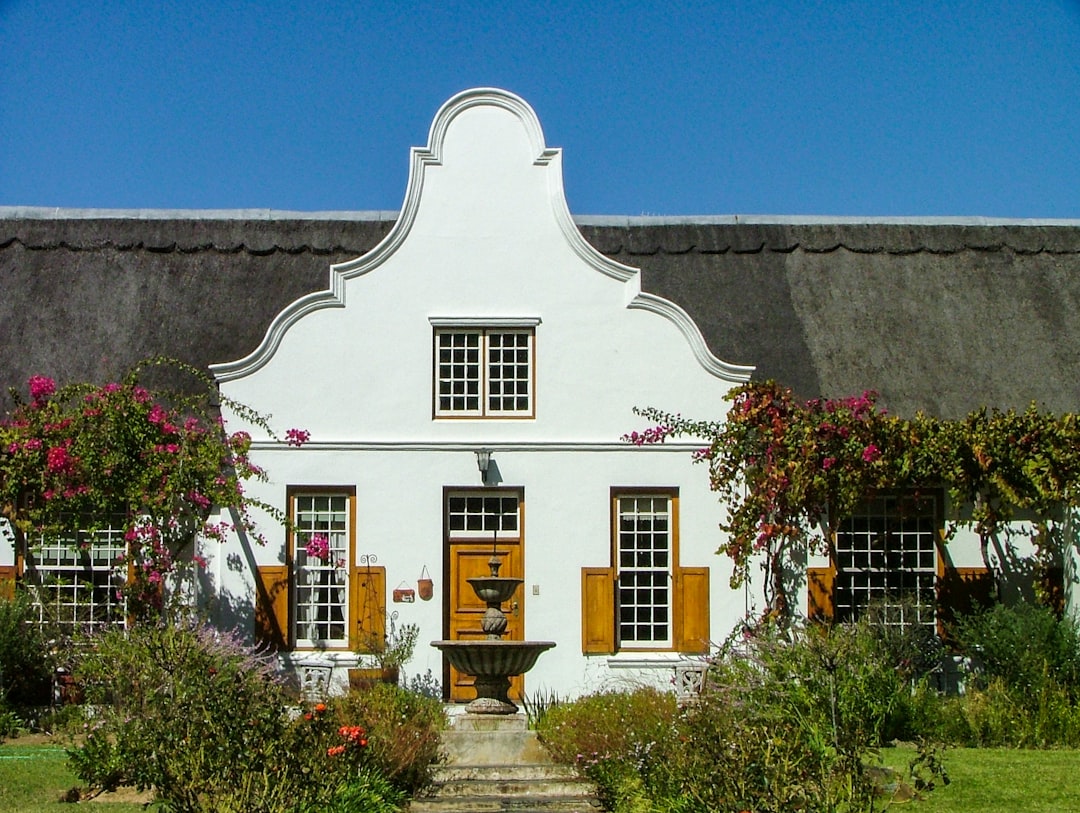
Arrive from Cape Town International, a 45-55 minute drive, and check into your estate lodge by late morning. Spend the early afternoon walking Dorp Street, one of South Africa's best-preserved historic streetscapes, taking in the Village Museum's four restored houses spanning different Cape Dutch and Victorian eras.
Have lunch at Jordan Wine Estate's Jardine restaurant, ten minutes from town, pairing the estate's Barrel Fermented Chenin Blanc with something off the seasonal menu. In the late afternoon, walk the short vineyard trail near your lodge before dinner rather than driving further; the point of day one is to arrive slowly.
The Full Circuit: Pinotage, Chocolate and the Helshoogte Pass
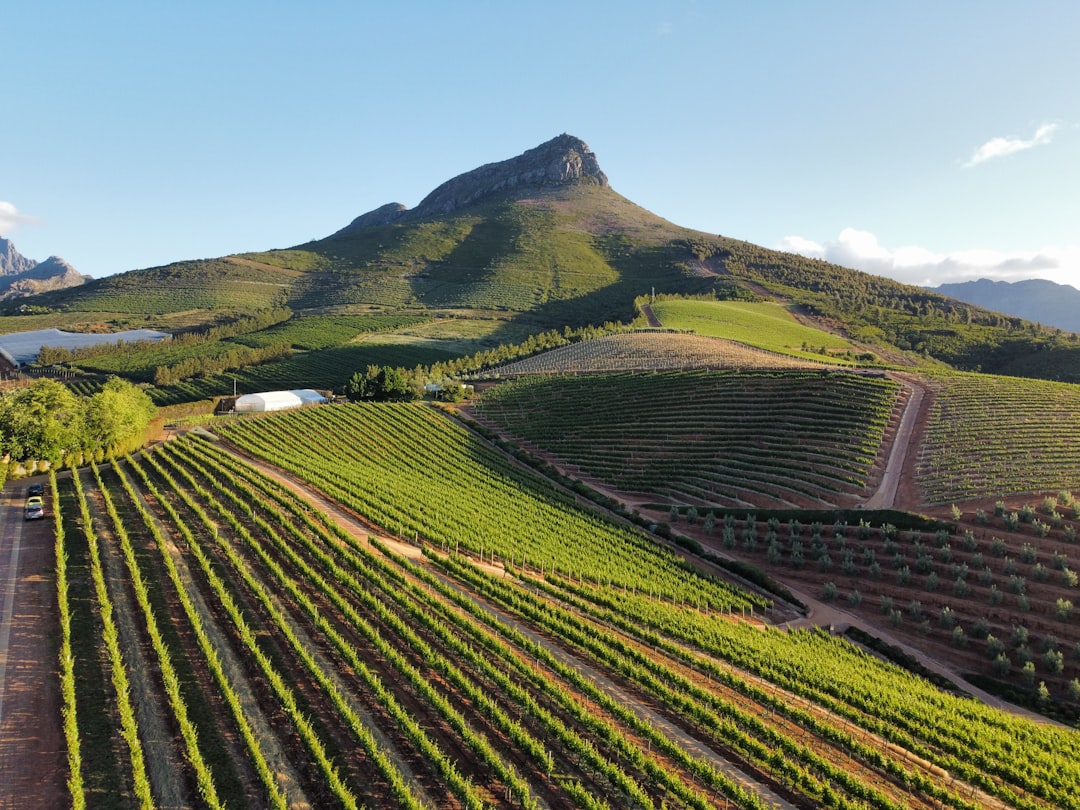
This is the day to book a driver-guide. Start at Beyerskloof around 09:30 for a Pinotage-focused tasting, then move to Kleine Zalze for a mid-morning look at their Chenin Blanc range and a walk through the cellar.
Head up the Helshoogte Pass for lunch at Delaire Graff, timing arrival for around 12:30 to secure a terrace table over the Banghoek Valley. Spend the afternoon at Waterford Estate for the wine-and-chocolate pairing, then finish at Simonsig in time for a 17:30 sunset over the vines before returning to town for a quieter dinner.
A Slower Morning and a Farewell Meal
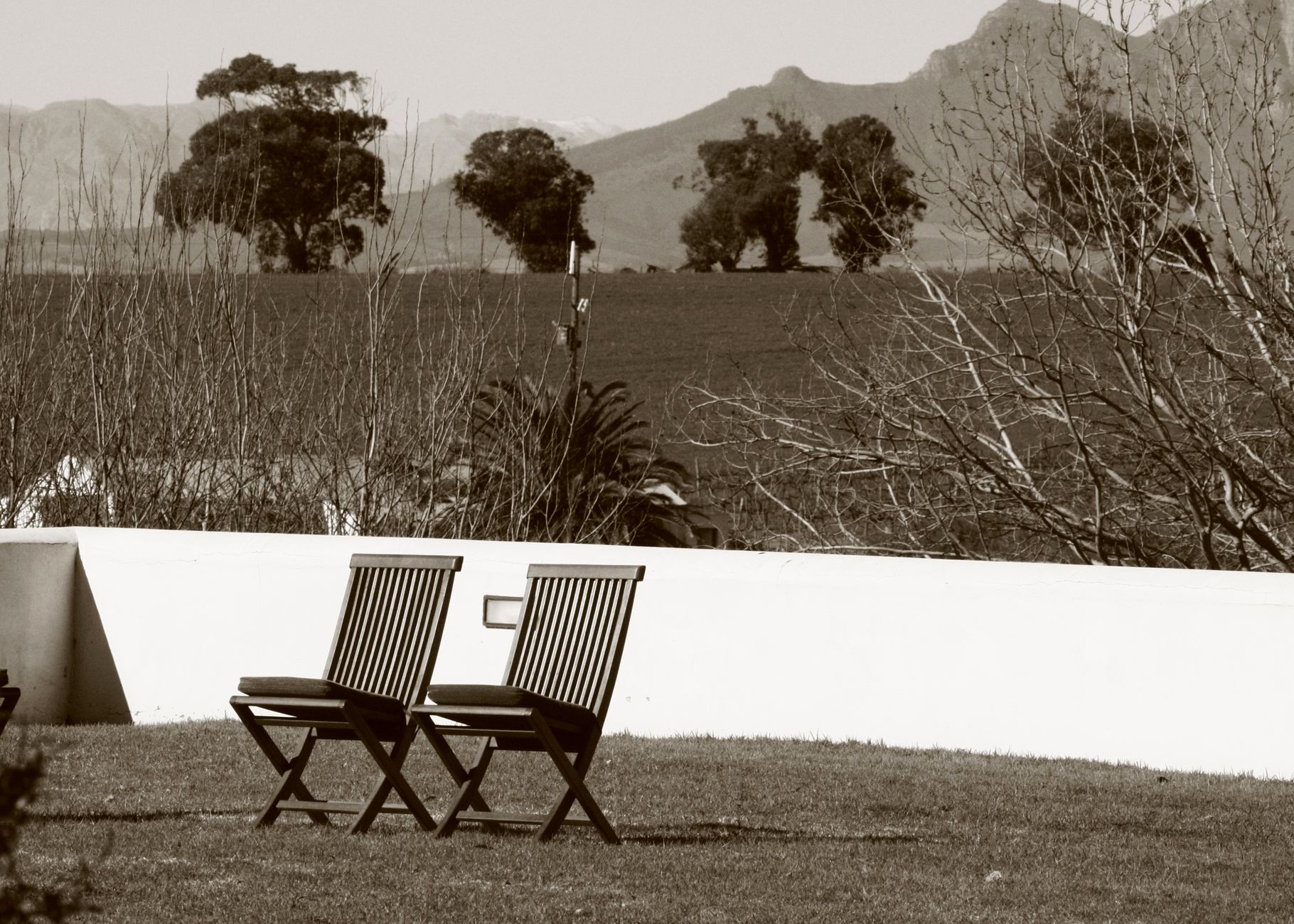
Keep the morning open. Use the spa at your lodge, or take a late breakfast on the terrace before a single, unhurried visit, Rust en Vrede for structured Bordeaux-style reds and Pinotage, or back to Spier for the Eight restaurant's farm-to-table lunch if you'd rather eat than taste.
Spend the afternoon browsing Stellenbosch's independent galleries and craft shops around Church and Bird Streets before a final Cape Malay-leaning dinner, ideally back at Jordan or Delaire Graff if you didn't already book a return table, before departing the next morning.
The best Stellenbosch experiences, a private table at Delaire Graff on a Saturday, a suite at the Delaire Graff Lodges booked out months in advance, a cellar tour with the winemaker rather than the tasting-room script, rarely come from a walk-in.
A Cordelie advisor builds the route around your palate and your pace, securing the reservations and rooms that make the difference between a good tasting and a trip you talk about for years, then hands you a day-by-day plan you can simply follow.
Stellenbosch Wine Route: At a Glance
A wine region that treats food as an equal partner, best explored slowly with a driver and a short list of estates, rather than raced through in a single overpacked day.
Base yourself on or near the route for two to three nights minimum; the estates worth lingering at, Jordan, Delaire Graff, Waterford, Beyerskloof, deserve a proper meal, not a ten-minute pour.
Spring brings mild days, budburst in the vines and thinner crowds than the December peak, making September through November the sweet spot for a food-and-wine focused visit.
Arrange a driver-guide for at least one full day; the Helshoogte Pass and R44 link dozens of producers, but self-driving after multiple tastings isn't worth the risk.
Last checked for accuracy: . How we check

Alex Moreau writes about going slowly. Nine years of reporting from trains, river boats and towns nobody has a hashtag for, mostly across Europe and North Africa. They live in Lisbon, keep a running list of the continent's best two-hour lunches, and believe most itineraries would improve if you deleted a city.