
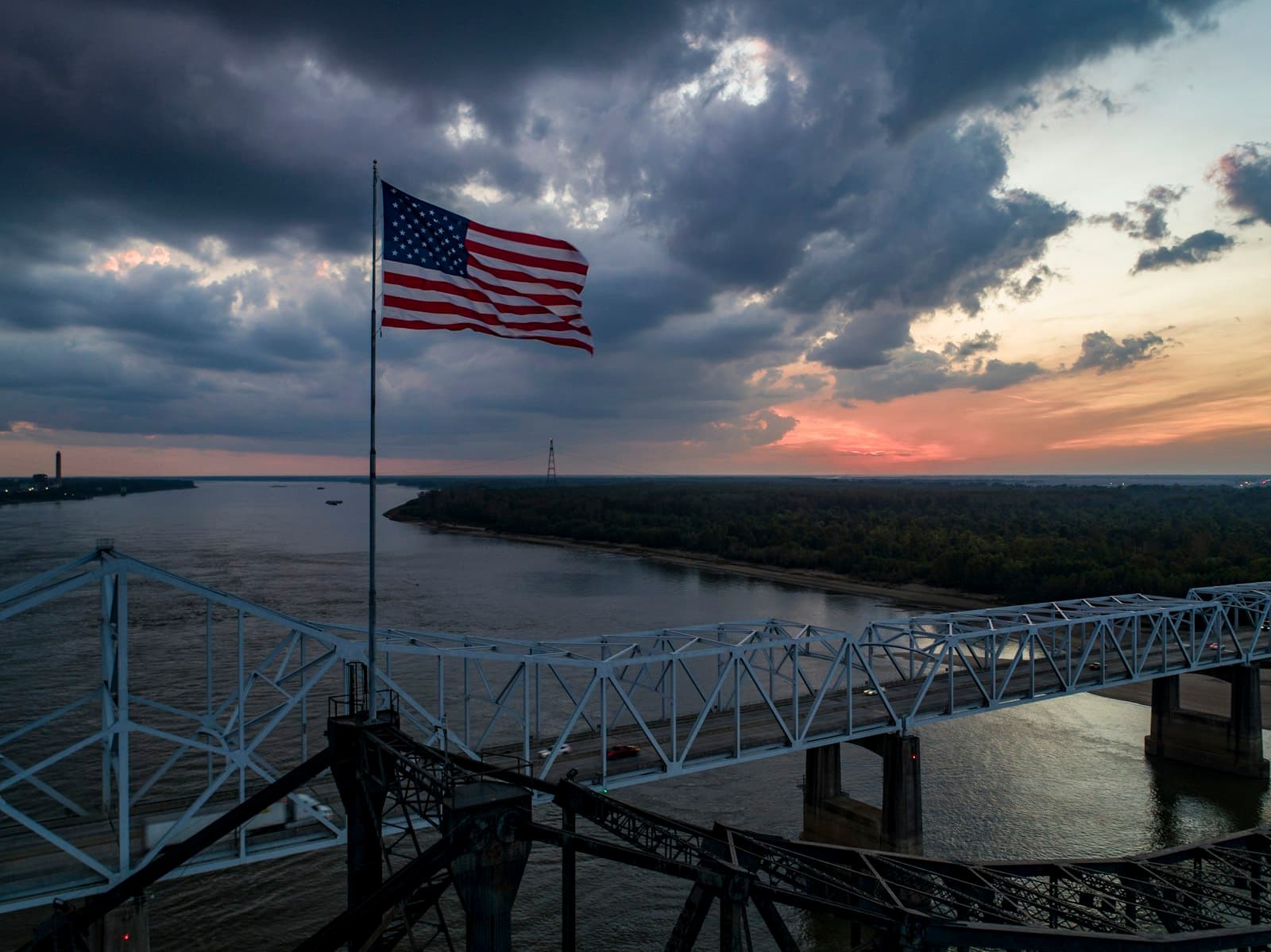
Steamboat South: An Honest Guide to Cruising the Lower Mississippi

Why the Lower Mississippi Rewards the Patient Traveler
There is a particular quiet that settles over the river between New Orleans and Memphis, one you don't get on the open Atlantic or squeezed between the castles of the Rhine. For roughly 950 river miles, the Mississippi curls past sugar cane fields, cypress swamp, antebellum bluffs, and cotton country so flat you can watch weather arrive an hour before it does. This is not a cruise built for ticking off ports. It's built for the long porch view, for a glass of something cold on the top deck as the bank slides by at eight or nine knots, for arriving in a place like Natchez or Vicksburg and actually having time to sit with it.
The Lower Mississippi suits travelers who already know they like slowness. History lovers and food obsessives do especially well here, since the towns along this stretch — Baton Rouge, Natchez, Vicksburg, Memphis — carry more Civil War, more blues, more antebellum architecture, and more genuinely good small-town cooking per mile than almost any comparable river run in the country. If your idea of a great afternoon is a two-hour lunch followed by a house museum with a docent who actually knew the family, this is your river.
Lower Mississippi River Cruise: Quick Facts
Spring High Water and the Sweet Spot Before Delta Summer
Spring is the best-argued case for this route. By late March, the azaleas at Natchez's antebellum estates are in full color, the river is typically running high and fast from winter rain and snowmelt upriver, and daytime temperatures across Louisiana and Mississippi sit comfortably in the 65-78°F range. High water in March and April can occasionally push a sailing's exact port schedule around by a day, since river stages affect docking at some smaller landings — a good reason to book a cruise line, rather than attempt this independently, and to build one buffer day into any land arrangements before or after.
Summer brings heavy, humid heat — Memphis and Vicksburg both regularly clear 90°F by June — and lower water that can occasionally strand a smaller vessel at a shallower landing for a tide-dependent hour or two. Fall (late September through November) is nearly as good as spring, with cooler nights and fewer bugs, though the gardens have gone quiet. Winter sailings exist but run thinner schedules; some operators pause the Lower Mississippi route entirely between December and February. If a spring departure is the goal, the strongest booking window is 9 to 12 months out, since cabins on the smaller paddlewheelers — most carry only 150 to 300 guests — sell through well before departure, especially balcony and veranda categories.
Cordelie travel advisors
Planning Lower Mississippi River? Go with someone who knows
The right suite, the right season, the reservations that never appear online — your Cordelie advisor knows them, and holds them for you.
Plan with a Cordelie advisorFree to ask. Cordelie Travel Services · IATA/ARC 06649064
Natchez Mansions, Vicksburg's Battlefield, and the Rhythm Between Ports
The onboard rhythm on this river is unhurried by design. Most days include one substantial port call, a lecture or two on Delta history or Mississippi River engineering, and long stretches of open river where the main activity is a chair on the observation deck. Meals are the anchor of the day — dinner seatings on most vessels run from around 6:30 to 8:30pm, with a single dining room rather than the multiple specialty restaurants you'd find on an ocean ship. That's a genuine tradeoff against European river cruising or big-ship ocean cruising: fewer dining venues, no casino, no rock-climbing wall, and a smaller onboard entertainment program. What you get instead is space, quiet, and guides who know the region cold.
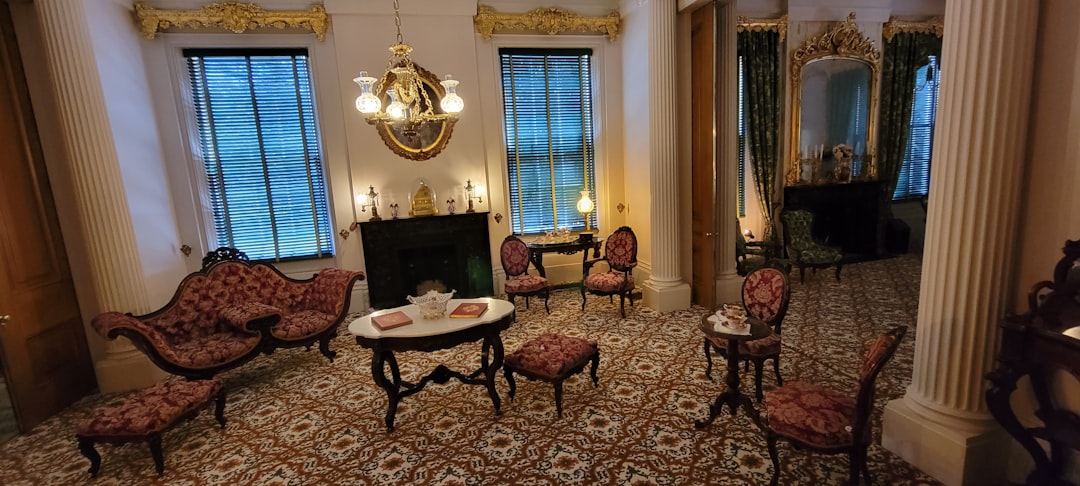
Baton Rouge, the first substantial stop north of New Orleans, pairs the 27-story Louisiana State Capitol — still the tallest state capitol building in the country — with the USS Kidd, a Fletcher-class destroyer moored permanently on the riverfront and open for self-guided tours (roughly $15-18 for adults, open daily 9am-5pm). Natchez, a day or so upriver, is the stop most people remember longest: a compact bluff-top town with more than a dozen antebellum mansions open for tours, including Longwood, an unfinished octagonal house begun in 1860 and left mid-construction when the Civil War started, and Dunleith, a columned Greek Revival estate that now also runs a restaurant, The Castle, worth a stop even outside a tour. Vicksburg, roughly a half-day upriver from Natchez, centers on the Vicksburg National Military Park, a sprawling 1,800-acre battlefield with a 16-mile tour road tracing the 47-day siege that split the Confederacy in 1863 — budget at least two to three hours if you want more than a drive-through.
Ports Along the Lower Mississippi
Choosing a Cabin on a Small Riverboat, and Where to Sleep Before You Board
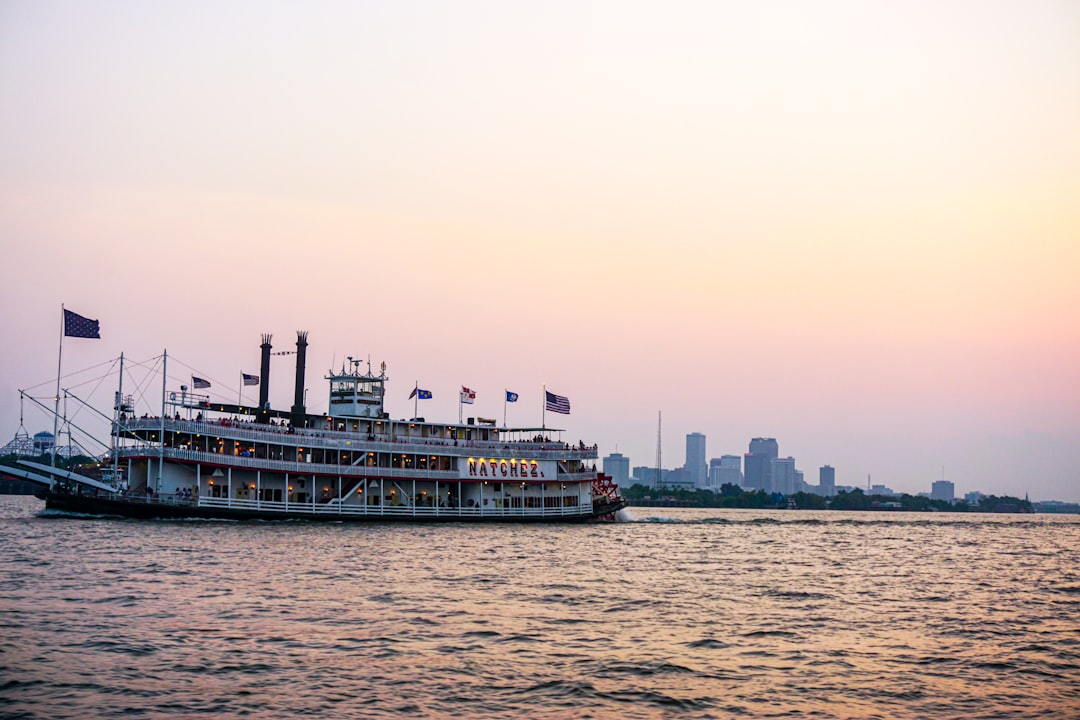
The vessels working this route are nothing like ocean ships. Viking Mississippi, launched in 2022, carries about 386 guests and is the largest thing on the river between New Orleans and Memphis; American Cruise Lines runs several smaller paddlewheelers — American Melody, American Serenade, American Symphony among them — typically carrying between 150 and 245 guests. Cabin categories run from a compact inside-facing stateroom up to a veranda suite with a private balcony, and pricing for an 8-night sailing generally runs from roughly $3,500 to $4,500 per person in a standard stateroom up to $6,000-$8,000+ per person for a top-category suite, depending on season and how far ahead you book. Book the highest deck you can afford if river views matter to you; lower decks on some vessels sit close enough to the waterline that levee walls occasionally block the view during high water.
Most itineraries start or end in New Orleans, so a pre-cruise night or two in the French Quarter earns its keep. The Hotel Monteleone on Royal Street is a Quarter institution with a rotating rooftop Carousel Bar, while the Ace Hotel New Orleans on Carondelet sits a short walk from the Garden District streetcar line. On the Memphis end, The Peabody Memphis remains the obvious choice for its lobby fountain and the twice-daily Peabody Duck March at 11am and 5pm, and it's an easy 10-minute walk to Beale Street. Post-cruise travelers headed onward to explore Memphis in more depth might also look at the River Inn of Harbor Town, a smaller boutique property on Mud Island with quieter river views than downtown offers.
Po'boys, Delta Tamales, and the Blues That Runs Alongside the Water
Food is doing as much storytelling on this route as the history stops are. In New Orleans, start with a beignet at Cafe du Monde on Decatur Street — cash-friendly, open nearly around the clock, and best eaten standing at 7am before the crowds arrive — then work up to a proper dinner at Commander's Palace in the Garden District. In Baton Rouge, Mansurs on the Boulevard turns out Louisiana classics like turtle soup and redfish that locals actually eat, not just tourists. Natchez has a peculiar culinary footnote worth chasing: Delta hot tamales, a corn-husk-wrapped specialty brought north by Mexican laborers a century ago and now a fixture of small-town cafes and roadside stands throughout the Delta.
Vicksburg's Walnut Hills restaurant serves its meals family-style on a lazy Susan, a tradition worth timing your port call around if you can. And Memphis closes the trip with dry-rub ribs at Central BBQ and, after dark, live music up and down Beale Street — a fitting bookend, since blues and Delta food both traveled this same river north over the last century, following the same current your boat just did.
“The Mississippi is well worth reading about. It is not a commonplace river, but on the contrary is in all ways remarkable.”
How You Actually Move Between New Orleans, Baton Rouge, Natchez, Vicksburg, and Memphis
Once aboard, you don't manage transport at all — that's the entire pitch of a river cruise. The boat docks at or near each town's riverfront, usually within a 10 to 20 minute walk or a short shuttle ride of the historic core, and shore excursions (often included, sometimes an add-on of $50-$120 per person) handle the mansion tours, battlefield drives, and city walks. New Orleans is the exception, since the French Quarter and Garden District sprawl further than a single walk covers; the free-ish RTA streetcar (about $1.25 a ride) is the easiest way to close that gap on a pre- or post-cruise day.
Getting to and from the ports of embarkation is straightforward. Louis Armstrong New Orleans International Airport (MSY) sits about 15 miles from the French Quarter, roughly a 25-35 minute drive or $40-55 by rideshare. Memphis International Airport (MEM) is about 12 miles from downtown and Beale Street, a similar drive time and fare range. Neither city requires a rental car for a cruise-plus-a-couple-of-nights trip; in fact, a car is one more thing to park and forget about in New Orleans, where French Quarter parking runs $30-45 a day at most hotel garages.
A Week Upriver: Three Days That Set the Rhythm
New Orleans Embarkation and a Slow French Quarter Morning
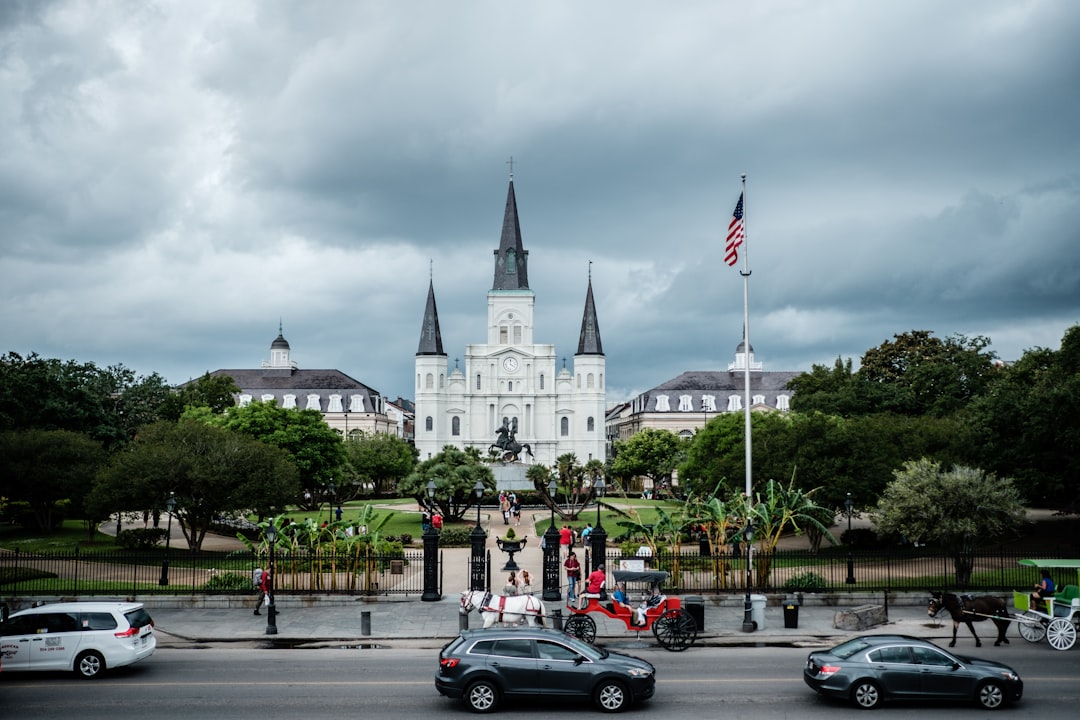
Spend the morning before boarding walking the French Quarter at its quietest, before the afternoon crowds arrive — Jackson Square by 8am, then coffee and beignets at Cafe du Monde.
Boarding typically opens mid-afternoon, around 1-3pm, with the vessel departing the New Orleans riverfront that evening as the city lights come up along the levee.
Natchez: Antebellum Mansions on the Bluff
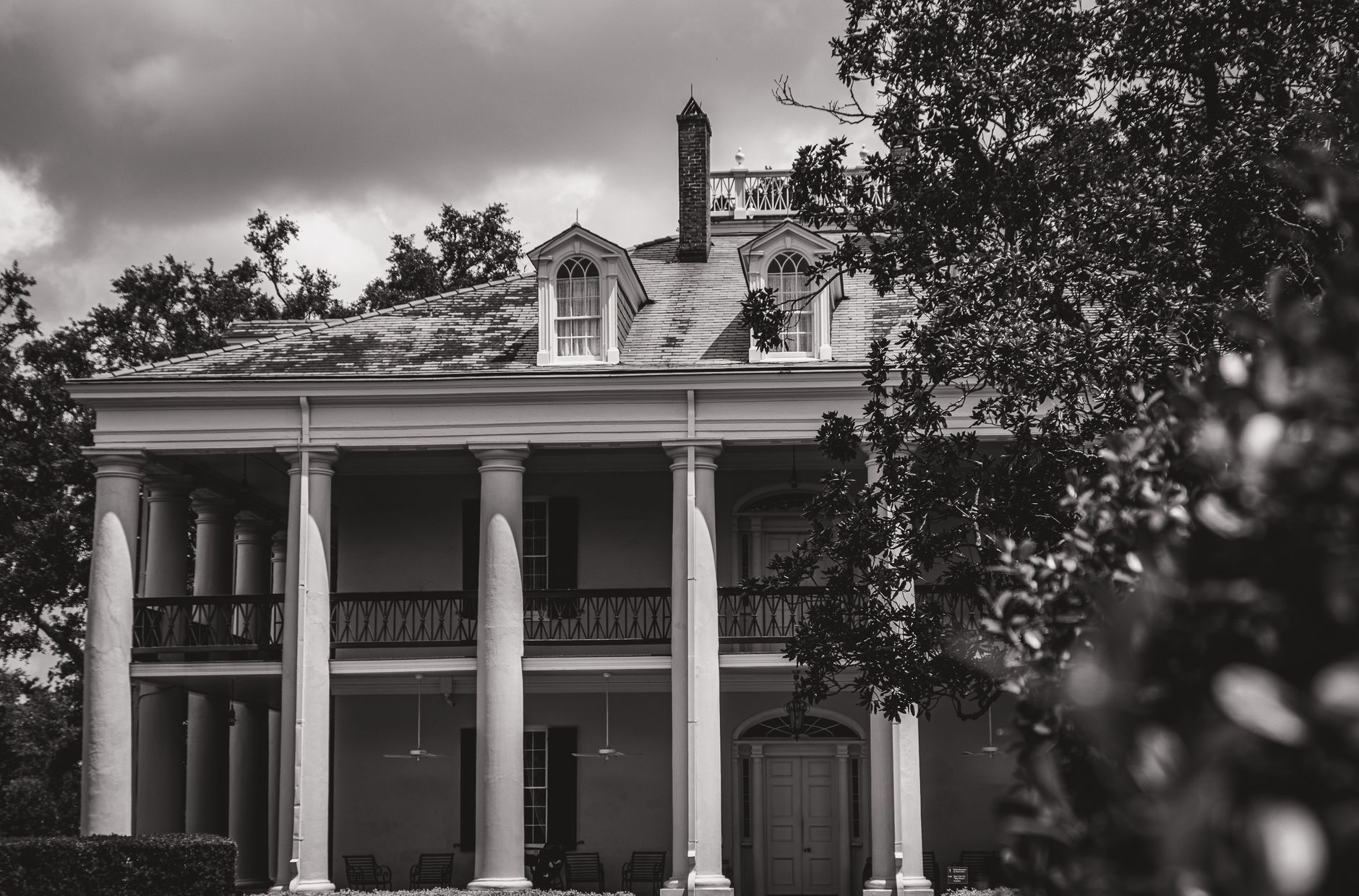
By the fourth day, the boat typically docks below the Natchez bluff, with the historic district an easy walk or short shuttle up the hill.
Spend the morning touring Longwood or Dunleith, then break for lunch at The Castle Restaurant before an afternoon wander through the Natchez Bluff park, which frames river views most passengers only otherwise see from the deck.
Vicksburg's Battlefield and a Family-Style Lunch
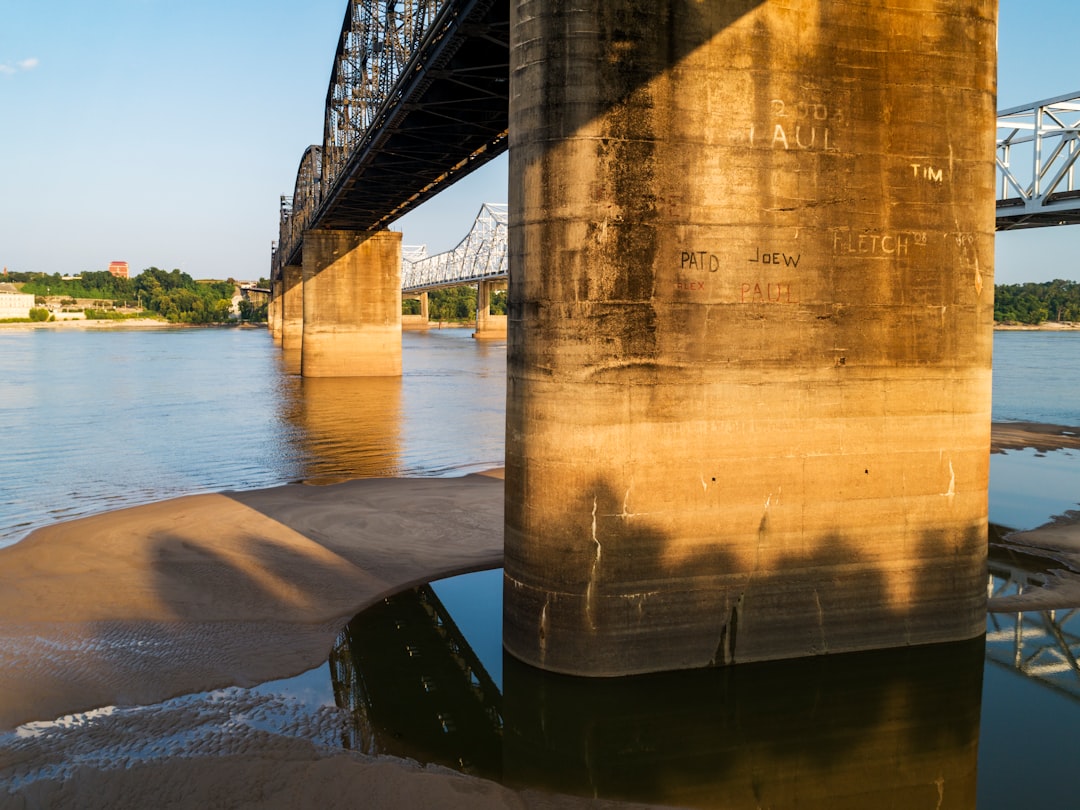
A full morning is worth setting aside for the Vicksburg National Military Park's 16-mile tour road, which traces the 1863 siege in roughly two to three hours by car or included shore excursion coach.
Afterward, head into downtown Vicksburg for a lazy-Susan lunch at Walnut Hills, then a look at the murals along the floodwall, which retell the town's river history in a few dozen painted panels.
Cabin categories, embarkation-city hotel nights, and which sailing catches the Natchez gardens at their best all shift year to year, and a strong departure can sell through its balcony cabins close to a year ahead.
A Cordelie advisor can match you to the sailing, deck, and pre- or post-cruise stay that suits how you actually like to travel, so the week you get on the water is the one you pictured. Start a conversation at https://cordelie.com/contact.
Lower Mississippi River Cruise: At a Glance
A rewarding, unhurried choice for history and food lovers who want fewer ports and more time in each — with real tradeoffs in onboard scale against ocean or European river ships.
Best for travelers who want depth over breadth: fewer stops, longer visits, and a genuine sense of the Delta's history and cooking.
Not for anyone chasing big-ship entertainment, multiple restaurants, or a packed nightly schedule — the appeal here is the porch, the water, and the towns themselves.
Book 9-12 months ahead for a spring sailing, expect roughly $3,500-$8,000+ per person depending on cabin category and season, and add at least one night in New Orleans and one in Memphis on either end.
Last checked for accuracy: . How we check

Alex Moreau writes about going slowly. Nine years of reporting from trains, river boats and towns nobody has a hashtag for, mostly across Europe and North Africa. They live in Lisbon, keep a running list of the continent's best two-hour lunches, and believe most itineraries would improve if you deleted a city.