
Six Days on the Yangtze: A River Cruise Through China's Three Gorges

Drifting Out of Chongqing Into the Three Gorges' Green-Grey Light
We boarded at Chaotianmen Dock a little after six in the evening, when Chongqing's tower blocks were just starting to light up against a sky the color of wet slate. Below us the Yangtze and the Jialing River meet in a wide brown confluence, and our ship, the Century Legend, eased out into the current with barely a shudder. Within twenty minutes the city's neon had thinned to a scatter of lights on the hillsides, then to nothing but black water and the occasional fishing boat lantern. That first quiet stretch, cabin balcony door cracked open to the diesel-and-river smell of the Yangtze, is when the trip actually began for me.
“The river doesn't look old here. It looks like it's still deciding what shape to be.”
Six Days, Three Gorges: How the Voyage Actually Unfolds
Chaotianmen Dock and the First Night Adrift
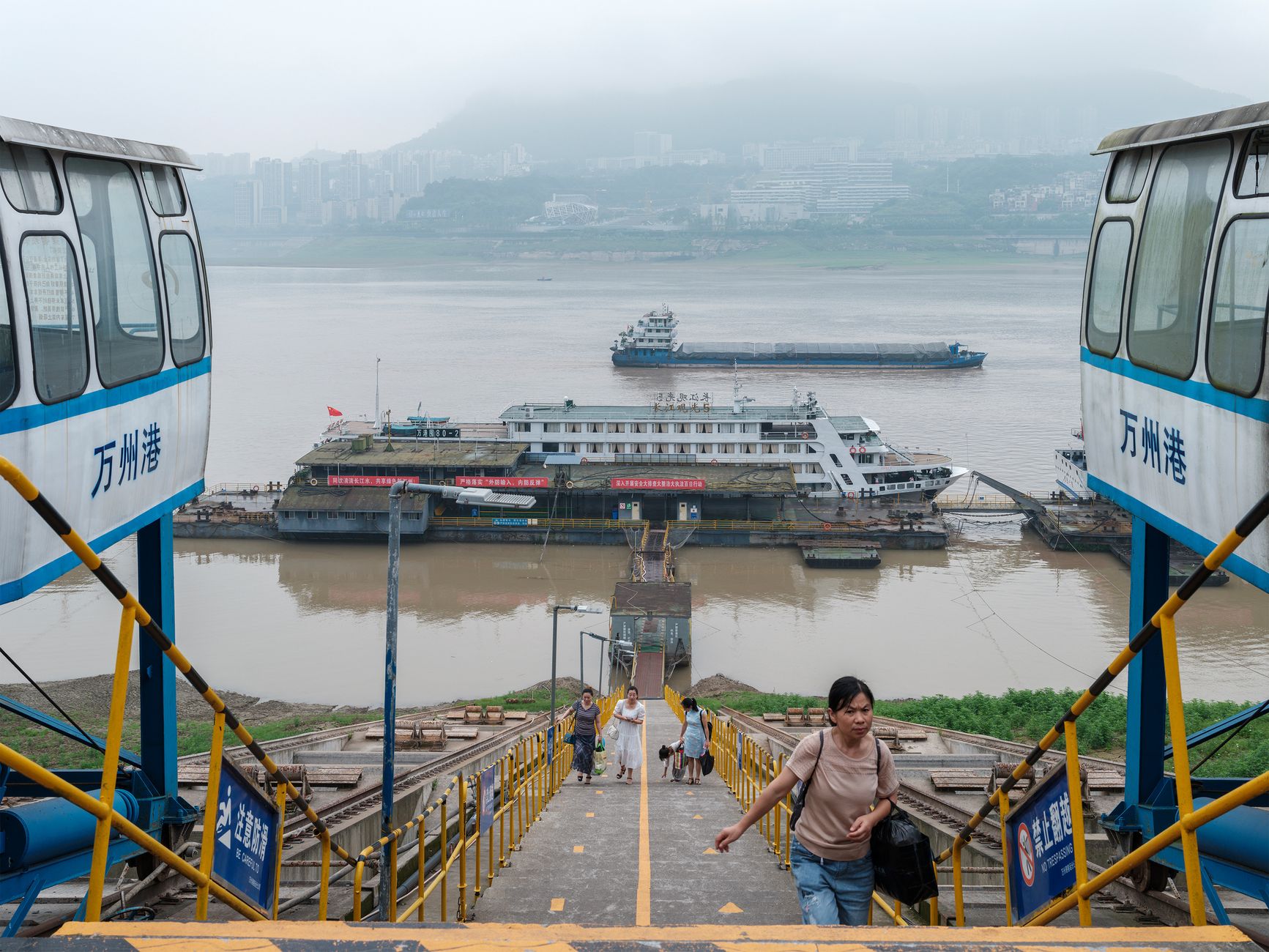
Boarding is straightforward but slow: expect to arrive at Chaotianmen Dock in central Chongqing between 15:00 and 17:00 for a departure that typically slips its mooring between 18:00 and 20:00, once luggage and the last coach groups are aboard. Cabins on both Victoria Cruises and Century Cruises ships run from compact inside doubles to balcony suites with a small sitting area, and on a spring sailing the balcony is worth the upgrade for the cool evening air alone.
Dinner that first night is a welcome banquet, usually a set Sichuan-leaning menu with a bowl or two of something properly spicy, followed by a safety briefing and an introduction to the next day's excursions. Chongqing itself is worth a day either side of the cruise if your schedule allows it; the hillside old town of Ciqikou and the riverside stilt-house complex at Hongyadong are both within a 20-30 minute taxi ride of the dock.
Fengdu's Underworld Shrines and the Rock-Top Pagoda at Shibaozhai
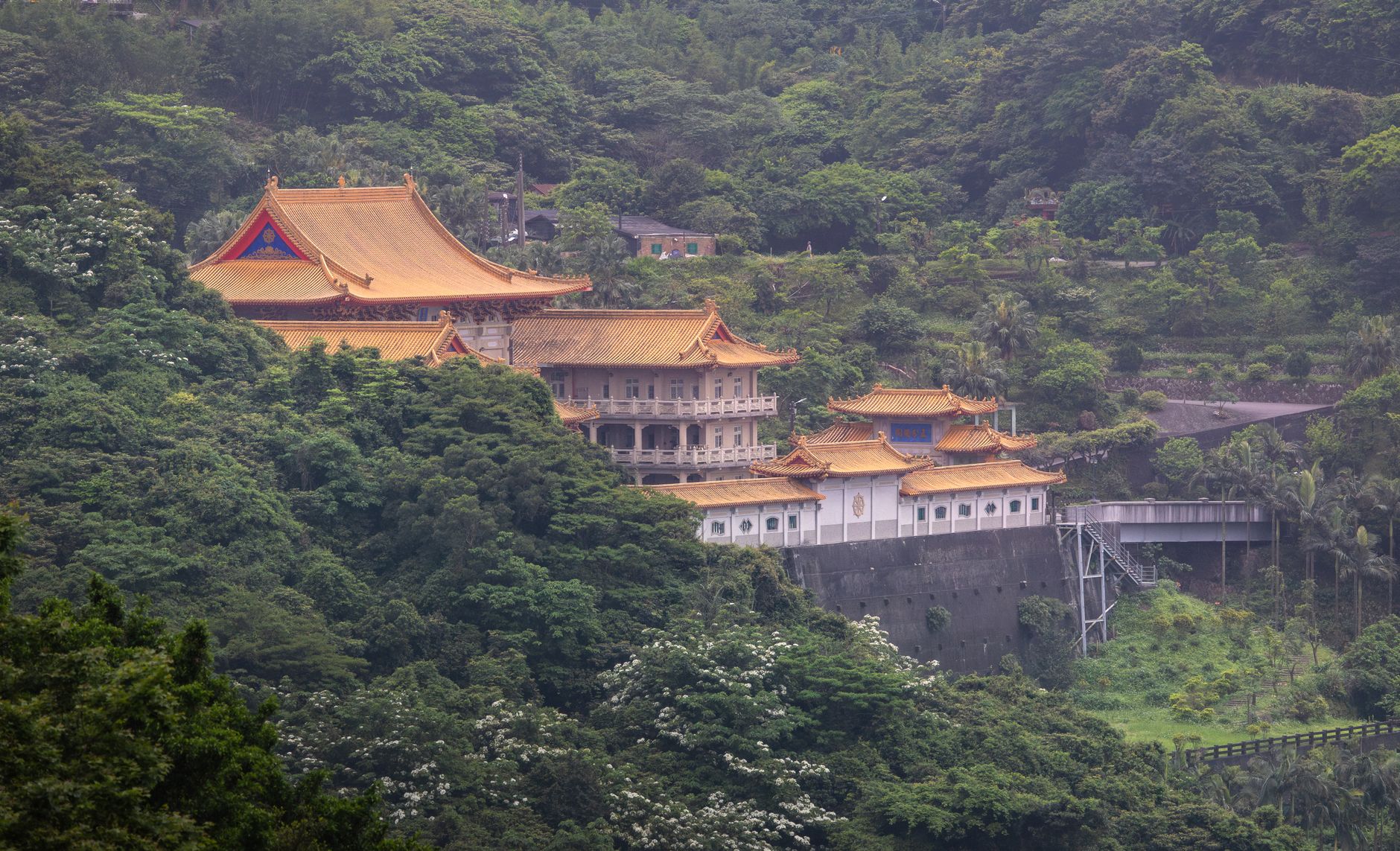
By mid-morning we tendered ashore at Fengdu, whose old town now sits underwater after the dam's reservoir filled; the temple complex on Mingshan hill above it was relocated stone by stone and reopened as the so-called Ghost City, a hillside of shrines to Chinese folk deities of the underworld. A shuttle bus or cable car (both options are offered, usually included) gets you up in about 15 minutes, and the full excursion runs roughly two hours including the walk back down through stone gates carved with grimacing guardian statues.
In the afternoon the ship called at Shibaozhai, where a crimson, twelve-story wooden pagoda built into the cliff face in 1819 now stands on what has effectively become a small island since the reservoir rose. You reach it via a floating pontoon and a covered escalator rather than the old stone steps, which feels a little incongruous next to a Qing-dynasty temple, but it works, and the climb inside the pagoda itself is steep, narrow, and worth the 20 minutes it takes.
Qutang and Wu Gorge, Then Up the Shennong Stream
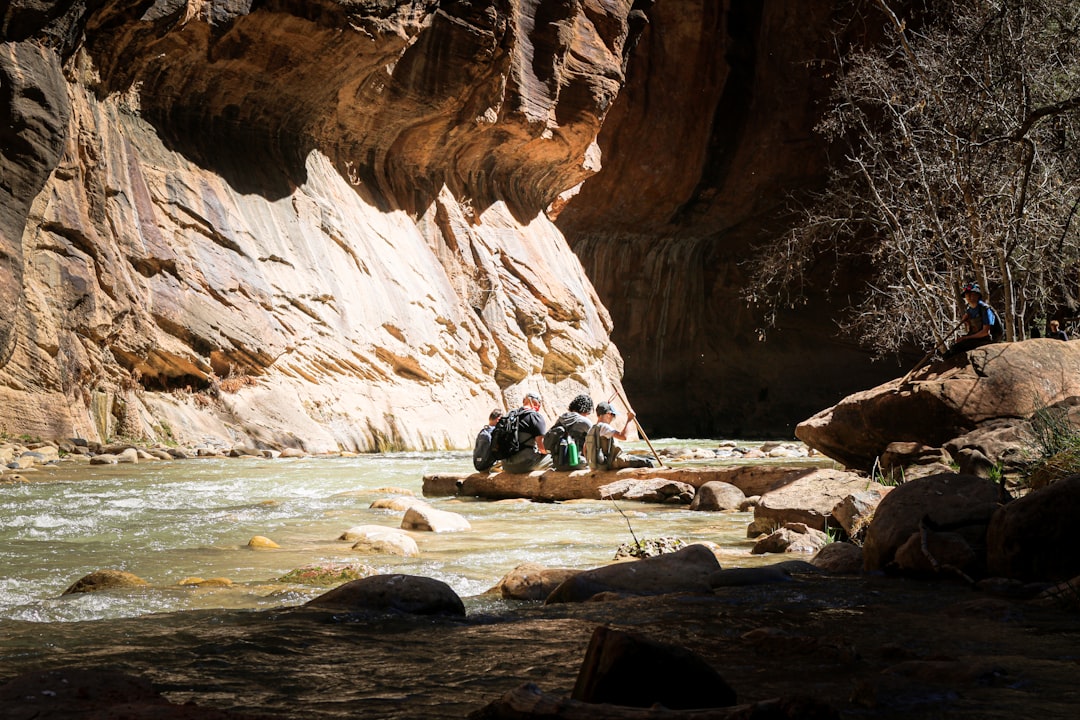
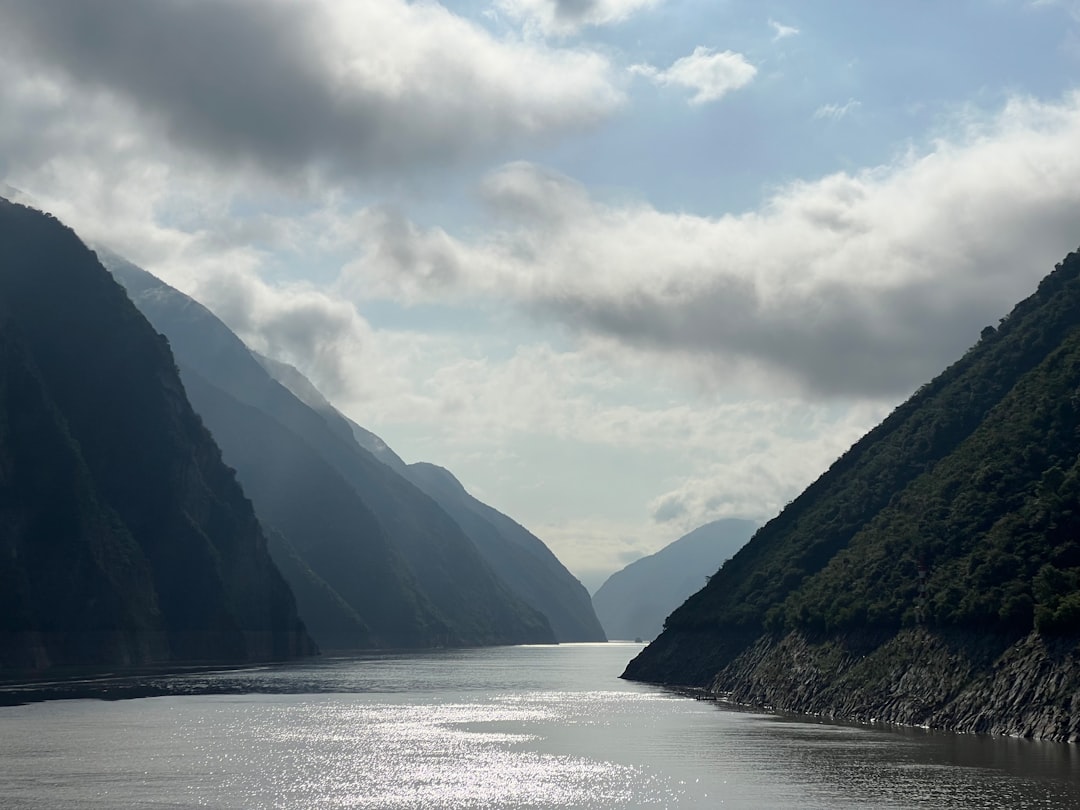
This was the day the scenery earned its reputation. Qutang Gorge, the shortest of the three at roughly 8 kilometers, is also the most dramatic: cliffs close in on both sides until the river is barely 100-150 meters wide, with sheer rock walls rising several hundred meters straight up. Wu Gorge follows almost immediately after, longer and gentler, its skyline broken into the jagged silhouettes locally known as the Twelve Peaks. In spring the tops are often wrapped in a thin cloud that burns off by mid-morning, leaving the water a pale jade-green.
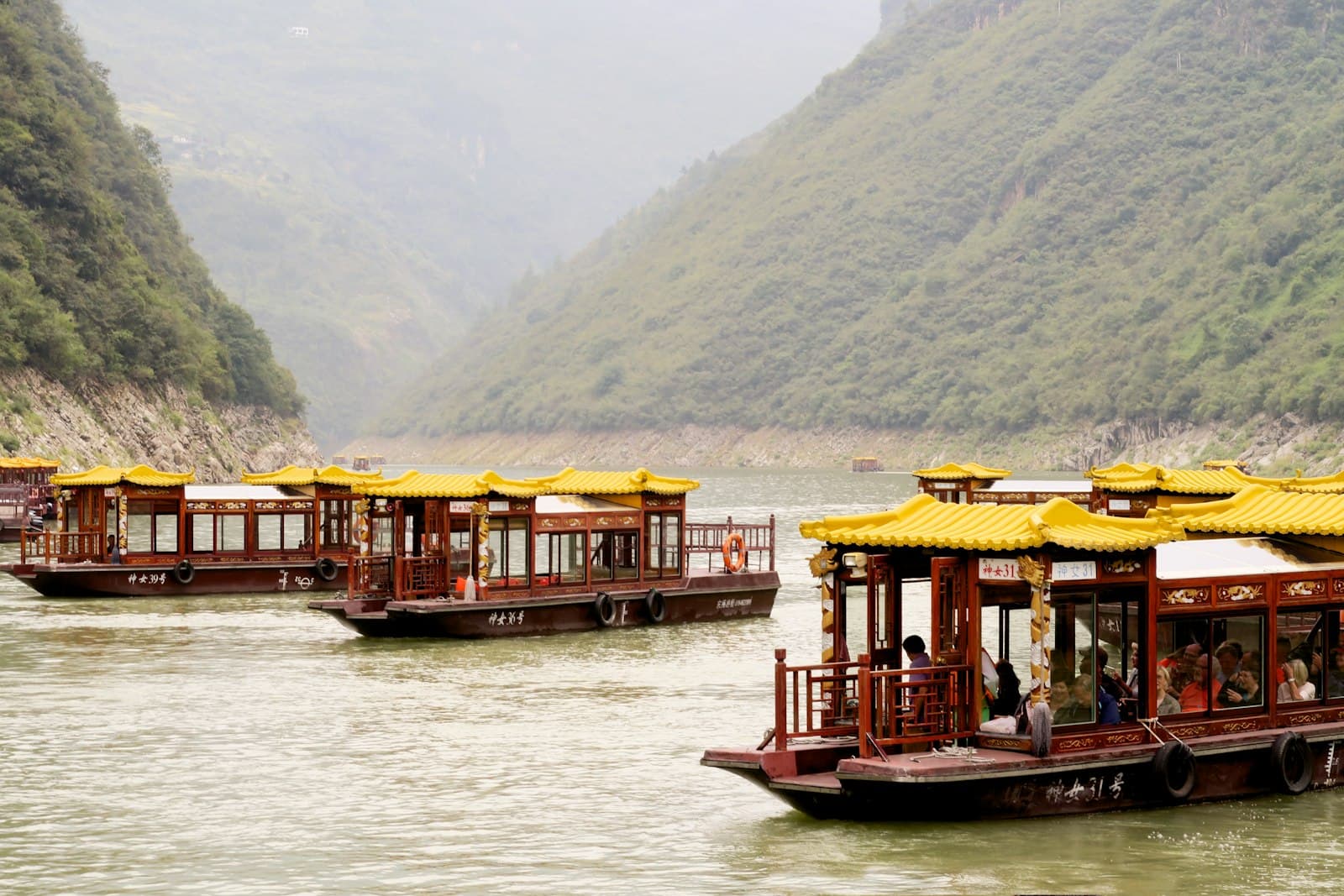
Near the town of Badong the ship anchored so we could transfer onto smaller, flat-bottomed peapod boats for the Shennong Stream excursion, a two- to three-hour run up a narrow tributary canyon far too tight for the main vessel. Tujia boatmen once poled these craft by hand against the current; most now run on small outboard motors, though a few operators still demonstrate the traditional pole-and-rope technique on request. Look up at the canyon walls and you can occasionally spot the dark rectangular outlines of ancient hanging coffins, tucked into crevices well above the waterline.
Through the Five-Stage Ship Lock at Sandouping
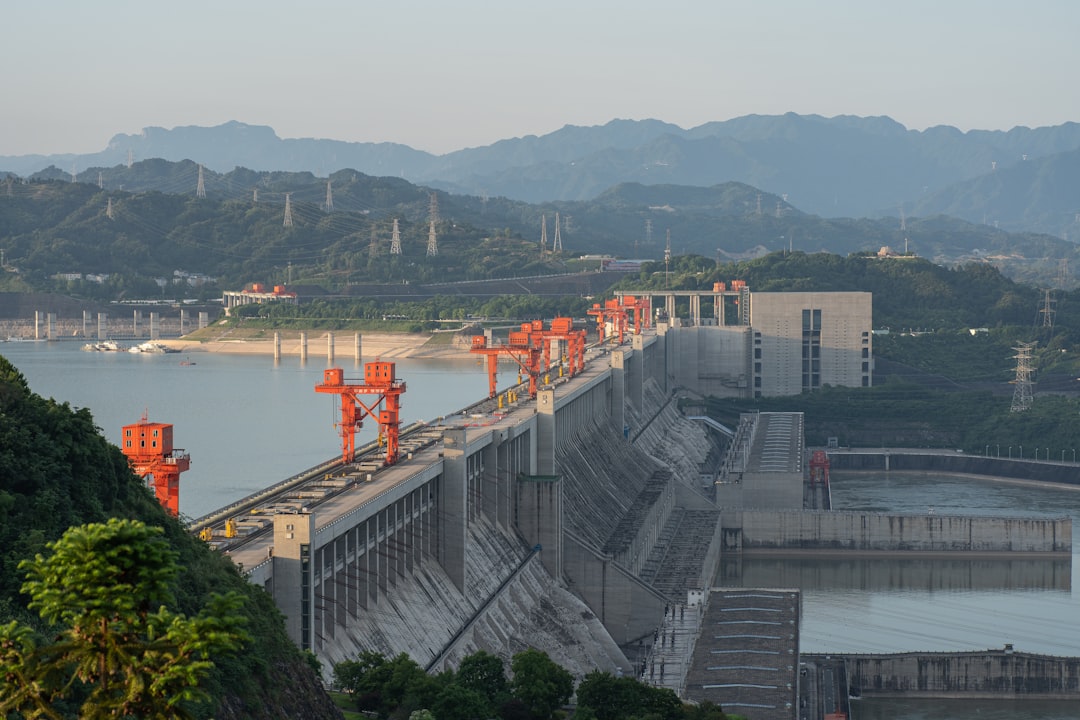
The Three Gorges Dam sits near Sandouping, and passing it is more procedure than spectacle: ships queue to enter a series of lock chambers that raise or lower vessels in stages, a transit that generally takes three to four hours depending on traffic. Cruise ships on this route almost always travel with several other vessels in the same lock chamber, so there's a fair amount of idle time at the rail watching gates the size of small buildings swing shut behind you.
Most itineraries offer an optional shore excursion to the dam's viewing platforms, reachable by shuttle bus from a dedicated pier, with entry typically running around CNY 130-150 as of recent seasons. Even from a distance the scale is disorienting; the dam wall stretches far wider than seems plausible for a single structure, and the spillway on the far side, when open, sends up a visible plume of spray.
Xiling Gorge's Long Calm and Disembarking at Yichang
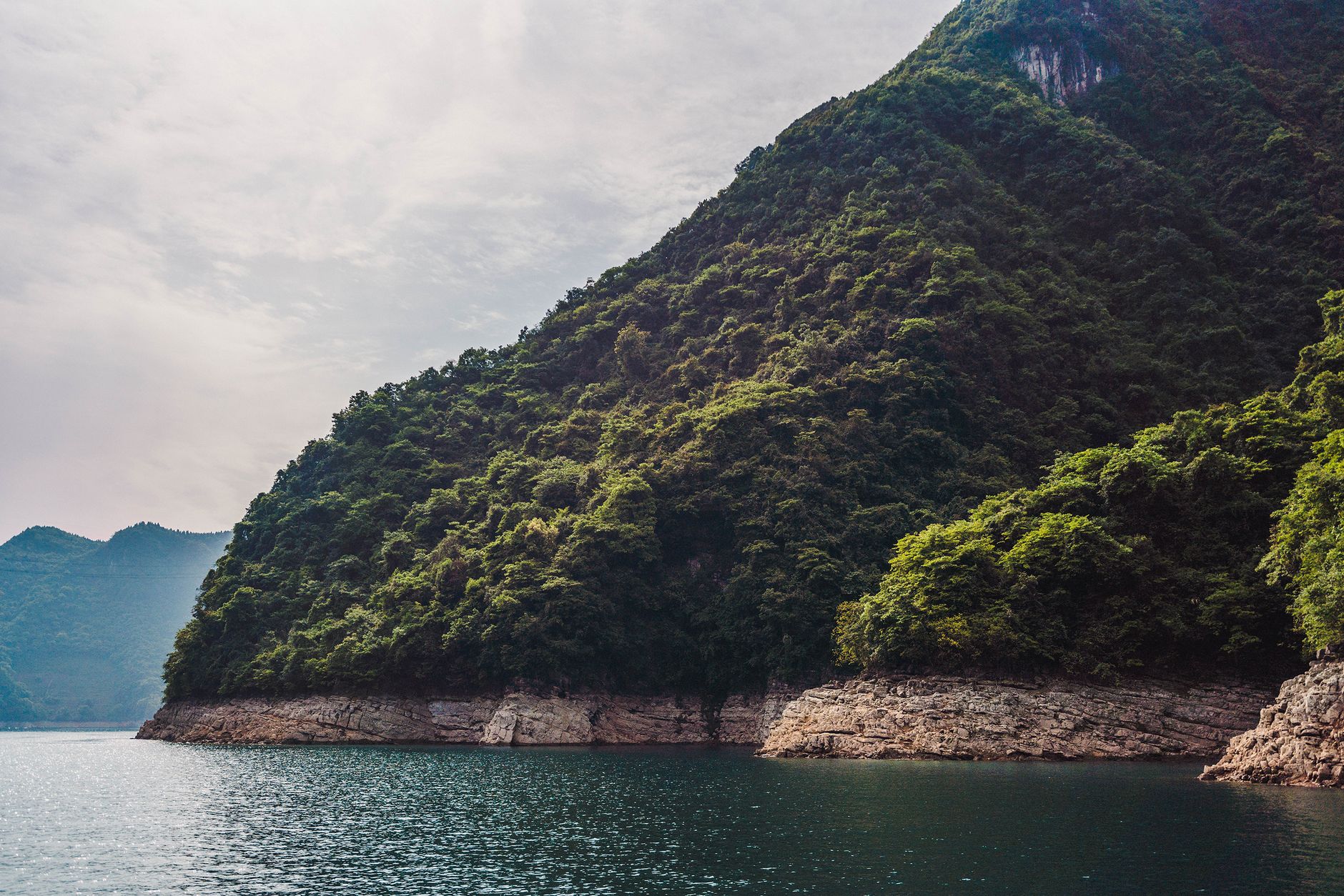
The last of the three gorges, Xiling, is also the longest and the least dramatic in the classic sense: wider water, gentler cliffs, and a stretch that used to be notorious for rapids before the dam tamed the current. We took our morning coffee out on the balcony and watched the banks go from sheer rock to terraced farmland to the outskirts of Yichang itself, a shift that happens gradually over the last couple of hours before docking.
Disembarkation at Maoping Port typically happens around 08:30–09:00, with passengers completing the Three Gorges Dam excursion and arriving at Yichang's downtown Three Gorges Tourist Center around 12:30–13:30. From there it's about a 45-60 minute transfer to Yichang Sanxia Airport for domestic flights, or roughly 30-40 minutes to Yichang East high-speed rail station, from which trains reach Wuhan in around two hours or Shanghai in five to six.
The Voyage in Six Frames
Cordelie travel advisors
Planning Yangtze River? Go with someone who knows
The right suite, the right season, the reservations that never appear online — your Cordelie advisor knows them, and holds them for you.
Plan with a Cordelie advisorFree to ask. Cordelie Travel Services · IATA/ARC 06649064
The Hanging Coffins, the Locks, and Other Moments I Didn't Expect to Care About
I went into this trip expecting the gorges to be the whole show, and they are genuinely striking, but the moments that stayed with me longest were smaller. Watching a Tujia boatman on the Shennong Stream point out a hanging coffin wedged into a crevice thirty meters above the waterline, and realizing no one fully agrees on how it got there, did more for my sense of the river's age than any of the cliff faces did.
The lock transit at Sandouping was another surprise. It sounds like the dull, administrative part of the itinerary, and for the first hour it is, a lot of standing at the rail waiting for gates to open. But there's something genuinely strange about watching a ship you're standing on get physically lifted or lowered by tens of meters inside a concrete chamber, with the water level around you visibly rising or falling like a bathtub being filled. Fengdu's Ghost City, by contrast, is pure theater: red-faced demon statues, incense smoke, and a genuine sense that this relocated temple complex takes its own mythology more seriously than the tour groups moving through it do.
Spring timing mattered more than I expected. We sailed in late April, when daytime temperatures sat comfortably around 18-23°C and the gorges still carried a morning mist that burned off by 10:00 or so, giving the peaks a layered, ink-painting look in early photographs and a cleaner, sharper look by lunch. Summer sailings run hotter and hazier, with July and August frequently pushing past 30°C; autumn, particularly October, is the other reliable window, with clearer skies but cooler evenings on deck.
From Chongqing Hotpot to Riverboat Banquets: Eating Your Way Downstream
If you have even one evening in Chongqing before boarding, spend it on hotpot. Qiaotou Hotpot, a long-running Chongqing chain with several branches around the Jiefangbei and Nanping areas, does the classic mala broth with beef tripe, lotus root, and duck blood, and a meal for two generally lands somewhere around CNY 150-250 depending on how much you order. It's a useful benchmark for how spicy Sichuan food actually gets before the cruise mellows things out.
Onboard dining on both Victoria Cruises and Century Cruises ships is buffet-style for breakfast and lunch, with a Western station of eggs and toast alongside congee, dumplings, and stir-fried vegetables, and a more formal set dinner most evenings. The food leans milder than street-level Chongqing food, a deliberate concession to a largely international passenger base, though a few dishes, like a Hubei-style braised freshwater fish or a Sichuan-spiced eggplant, will still carry real heat. Shore excursions occasionally bring you past vendors selling roasted sweet potatoes, sticky rice dumplings wrapped in bamboo leaves, or preserved eggs, usually priced at a few yuan each, worth a try if your guide gives you the window.
A Yangtze cruise rewards getting the small decisions right: which sailing week catches the mist without the summer heat, which deck and cabin category actually delivers a clear gorge view, and which Shennong Stream departure time avoids the busiest tour-group window.
A Cordelie advisor can build your Chongqing-to-Yichang sailing around the season, ship, and pace you actually want, from a quiet balcony suite on Century Cruises to a private pre-cruise night at a hotel overlooking Hongyadong, so the whole trip reads as one considered itinerary rather than a series of separate bookings.
Should You Book a Six-Day Yangtze Cruise?
Excellent for travelers who want dramatic scenery, real history, and a slower pace, without pretending the shore excursions are effortless for everyone in the group.
This is a genuinely rewarding trip for anyone drawn to landscape, engineering, and the layered history of a river that has been reshaped by a dam within living memory. It suits couples, multigenerational families with school-age children and older relatives who want to sit rather than trek, and travelers extending a China itinerary that already includes Beijing or Shanghai.
It's less suited to anyone expecting a fast-paced trip or five-star Western dining every night; the pleasure here is in the pace, the balcony views, and the small shore excursions like Fengdu and the Shennong Stream. Book with either Victoria Cruises or Century Cruises for reliably English-speaking guides, and aim for April-May or late September-October for the clearest, mildest conditions.
Last checked for accuracy: . How we check

Priya Raman has spent eleven years testing whether a destination works with a four-year-old, a teenager and a grandparent in the same party. She writes the version of the guide that accounts for nap times and still gets you to the good stuff, and travels from Toronto with a carry-on she can pack in nine minutes.